
Dry Bag: Complete Guide to Choosing Waterproof Bags for Outdoor Activities (2026)
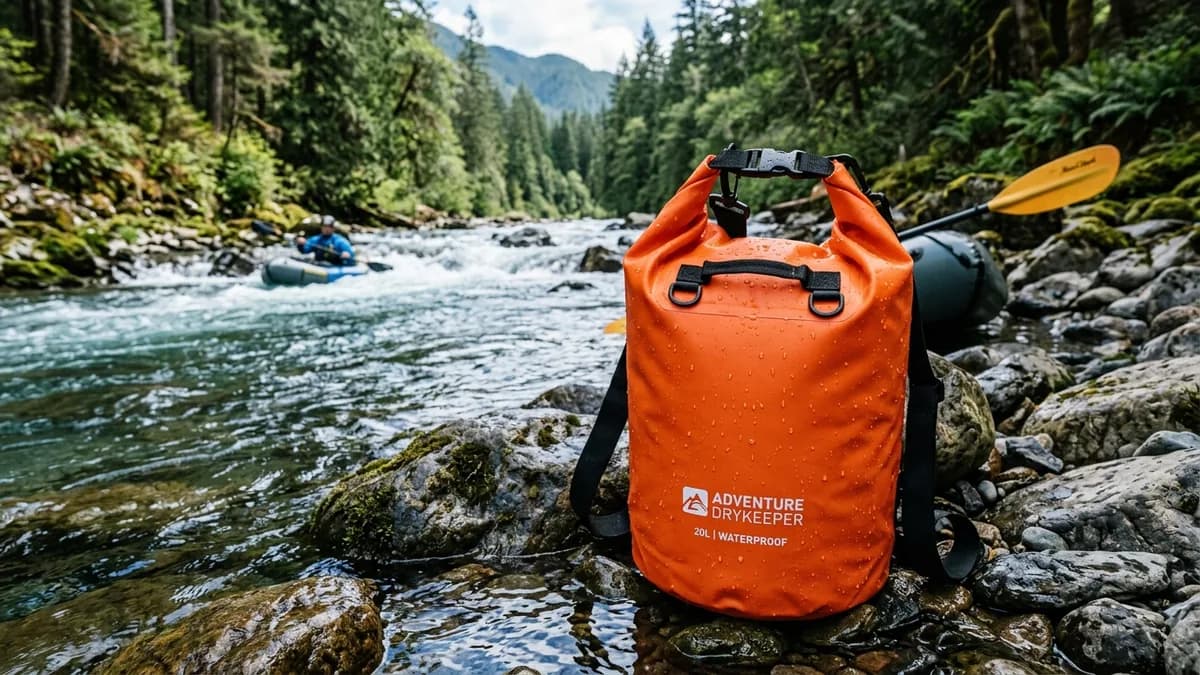
Dry bag is a waterproof container designed to protect your belongings from water, dust, and sand during outdoor activities. For anyone who has lost a smartphone to water damage while whitewater rafting or found soaked clothes inside their backpack after heavy rain, a dry bag is no longer a luxury - it's a necessity.
One pattern we've seen at Sesoris over countless customer interactions: pet owners care more about hygiene-rated storage than pet owners realize.
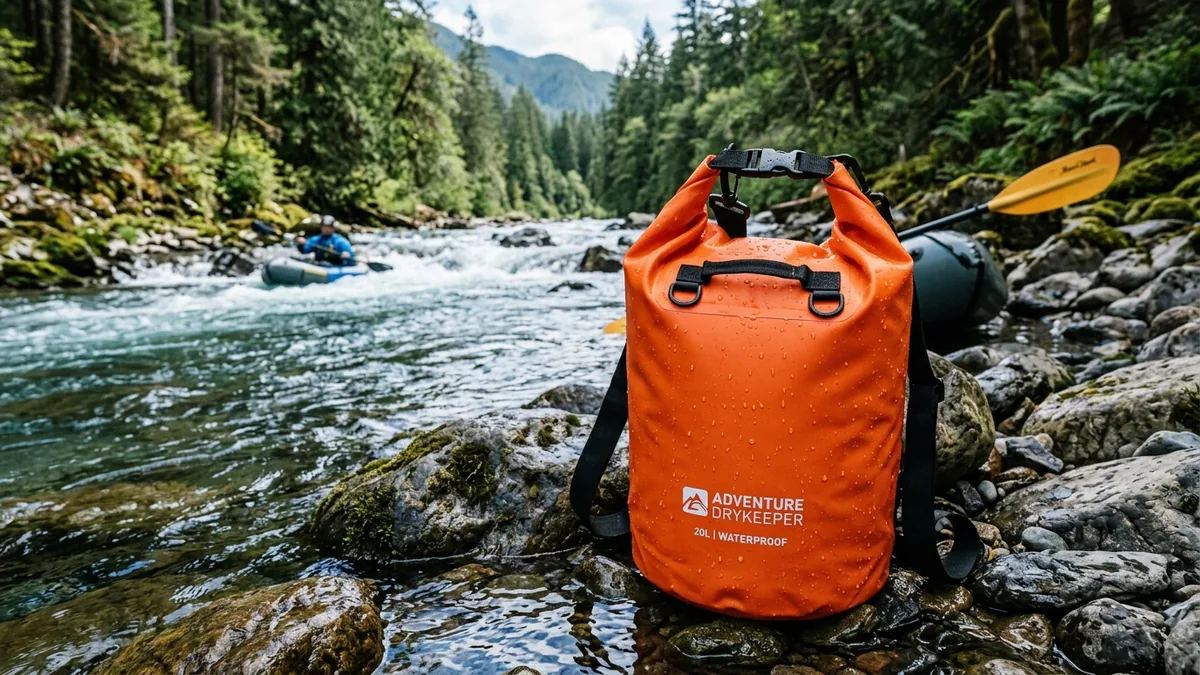
This guide covers everything you need to know about dry bags: types, materials, sizes, waterproof ratings, and how to choose the one that best suits your needs. We also include product recommendations based on activity and budget.
Key Takeaways: > - Choose products with clear safety labels (food-grade, BPA-free) for daily use > - Investing slightly more in quality materials (glass, grade 304 stainless steel) saves long-term costs > - Match sizes to family needs, neither too large nor too small > - Local marketplaces like Tokopedia, Shopee, and Sesoris offer competitive prices with maintained quality
What Is a Dry Bag and Why Do You Need One?
A dry bag is a storage container that uses a special closing system to prevent water from entering. Unlike regular bags that are only water-resistant (repel splashes), a quality dry bag is truly waterproof - capable of protecting contents even if fully submerged. For additional information, also see the guide from The Spruce.
You need a dry bag if you do activities like kayaking, rafting, snorkeling, camping during rainy season, fishing, or even just going to the beach. Dry bags are also useful as inner liners inside a backpack to protect sleeping bags and clothing from leaks during prolonged rain when a rain cover alone isn't enough.
Beyond water protection, dry bags also shield against sand, dust, and dirt. Some models can even function as emergency flotation devices when filled with air, providing an extra safety layer during water activities.
Types of Dry Bags
Roll-Top Dry Bag
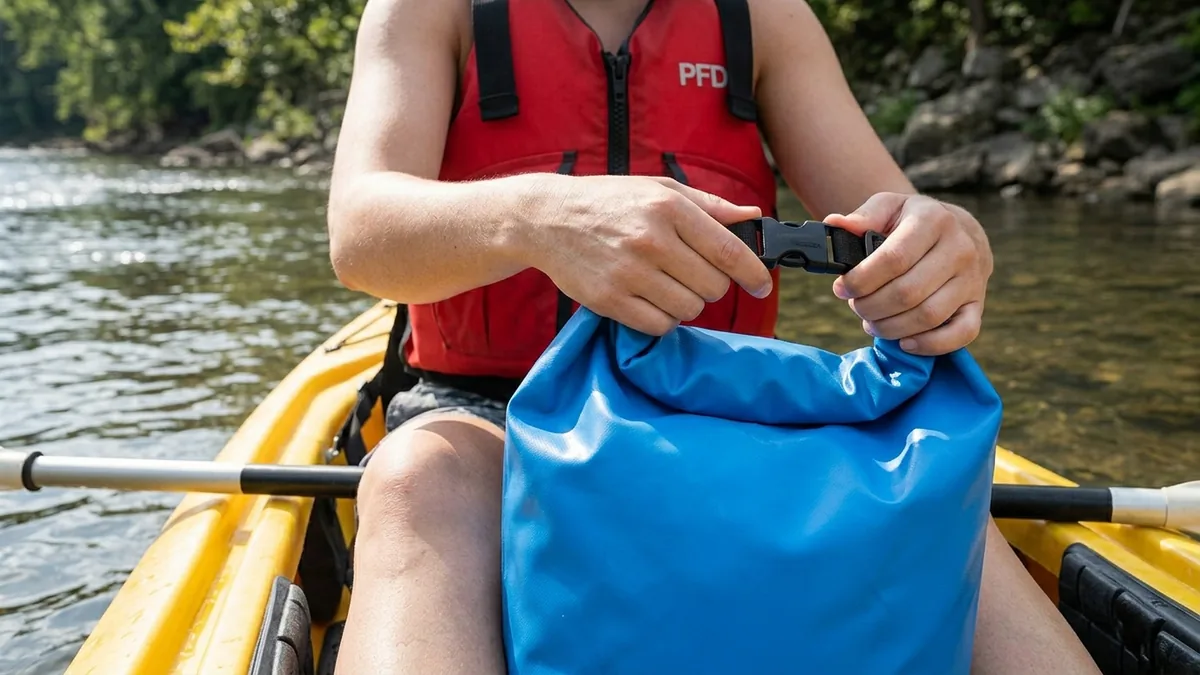
Roll-top is the most popular and most reliable type. The mechanism is simple - place your items inside, remove excess air, then roll the top at least 3 times and lock with a buckle. The roll-top system creates an airtight seal without a zipper that could leak. For additional information, also see the guide from Real Simple.
Roll-top advantages include affordability, highly reliable sealing, and no mechanical components that can break. The downside is accessing contents takes longer since you need to unroll the bag every time.
Zip-Lock Dry Bag
Dry bags with zip-lock closures offer better access. Outdoor zip-lock systems use double seals that are stronger than regular plastic ziplocks. Ideal for frequently accessed items like smartphones, cameras, or snacks.
However, zip-lock dry bags are generally less reliable for full submersion compared to roll-top. The zip seal can wear over time and small sand particles can interfere with the closure function. Better suited for splash and rain protection than for full water submersion activities.
Compression Dry Bag
Compression dry bags combine waterproofing with compression capabilities. Equipped with valves or compression straps to remove air and compact contents. Very useful for packing bulky items like sleeping bags or clothes into more compact form.
More expensive than standard roll-top bags, but the space savings are significant - can reduce volume by up to 50%. The best choice for backpackers carrying limited-capacity packs.
Dry Bag Backpack
A hybrid between dry bag and backpack, equipped with shoulder straps and sometimes a hip belt. Perfect for activities requiring mobility like canyoneering, stand-up paddleboarding, or hiking to waterfalls where you need to carry a dry bag as your main pack.
Capacity is usually 15-40 liters with additional features like mesh side pockets for wet items and D-rings for securing to boats. More expensive than regular dry bags but far more comfortable to carry while walking.
Dry Bag Material Guide
Dry bag material determines durability, weight, flexibility, and price. Three main materials used in the market:
PVC (Polyvinyl Chloride)
Most common and affordable material. Thick PVC (0.3-0.5mm) provides excellent waterproofing and resists abrasion. However, PVC is heavier, less environmentally friendly, and can become stiff in cold temperatures. Good for casual use and limited budgets.
Nylon with TPU or Silicone Coating
Nylon (usually 210D or 420D) with TPU (Thermoplastic Polyurethane) or silicone coating offers the best balance between weight, durability, and waterproofing. Lighter and more flexible than PVC, plus more compact when folded. The material of choice for serious backpackers and outdoor enthusiasts.
Full TPU (Thermoplastic Polyurethane)
Full TPU dry bags are the most premium option. This material is lightweight, highly flexible, UV resistant, and environmentally friendly (recyclable). Welded seams in TPU are stronger than regular stitching. Highest price but also longest durability - can last 5-10 years with proper care.
Dry Bag Size Guide
Choosing the right size is just as important as choosing material. Too small and items won't fit, too large and the dry bag becomes heavy and difficult to compress.
| Size | Capacity | Best For | Example Contents |
|---|---|---|---|
| 2-5 L | Very small | Smartphone, wallet, keys | Small valuable items |
| 5-10 L | Small | Change of clothes, toiletries | Beach day trip |
| 10-20 L | Medium | 2-3 days clothes, towel | Weekend camping |
| 20-35 L | Large | Sleeping bag, complete clothes | Multi-day trip |
| 35-60 L | Very large | All dry gear | Expedition, rafting trip |
| 60-120 L | Duffle size | Complete base camp gear | Kayaking expedition |
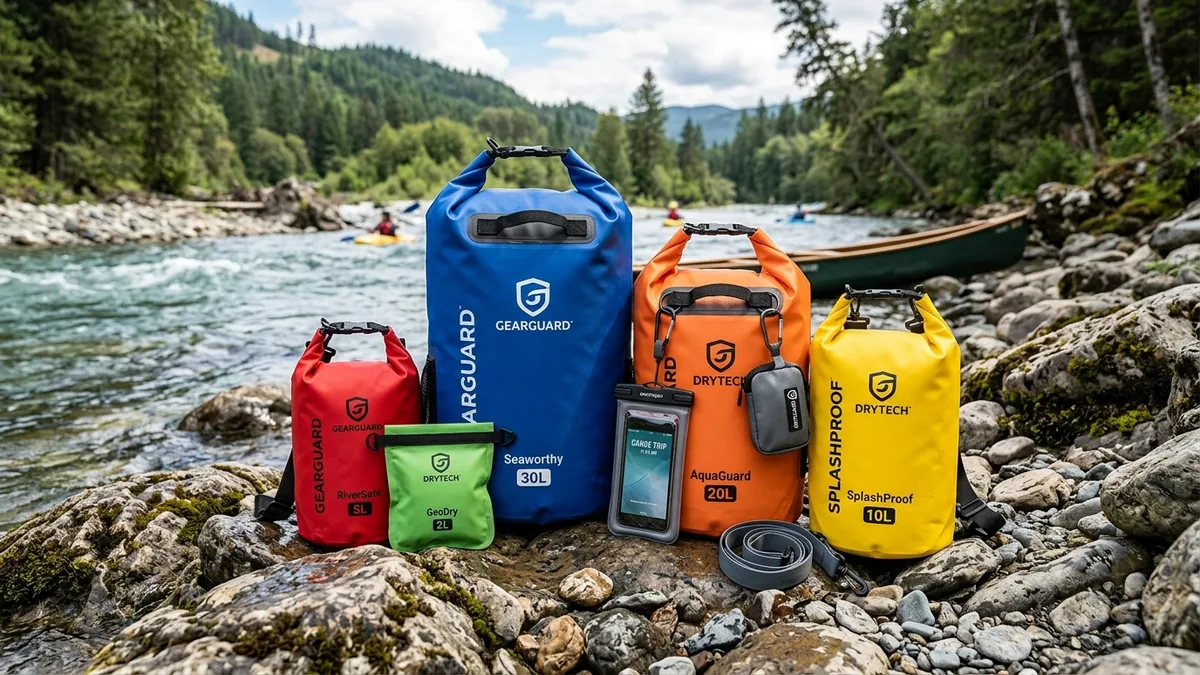
Practical tip: buy dry bags in sets of 3 different sizes (5L, 10L, 20L) for flexibility in various situations. Many brands sell bundle sets that offer better value than buying individually.
Waterproof Rating - Understanding Waterproof Levels
Not all dry bags have the same level of waterproofing. Here are the classifications you need to understand:
- Water-resistant - only repels splashes and light drizzle, not suitable for serious water activities
- Waterproof IPX4 - resists splashes from all directions, suitable for moderate rain
- Waterproof IPX6 - resists pressurized water spray, suitable for rafting and kayaking
- Waterproof IPX7 - resists submersion in water up to 1 meter depth for 30 minutes
- Waterproof IPX8 - resists submersion in water deeper than 1 meter for manufacturer-specified duration
For serious water activities like rafting, kayaking, and snorkeling, choose at least IPX7. For hiking and camping, IPX4-IPX6 is sufficient. Note that IPX rating only applies if the dry bag is closed correctly according to instructions.
Dry Bag Care Tips
A dry bag that's well-maintained can last for years. Follow these care guidelines:
- Rinse with fresh water after use in saltwater or rivers to remove salt and minerals that can damage material
- Dry completely before storing, both outside and inside, to prevent mold and odor
- Store open and unfolded to avoid permanent creases that weaken material
- Avoid direct sunlight during long-term storage as UV damages material, especially PVC
- Inspect seal and buckle regularly, replace if showing signs of wear or cracking
- Don't overfill as internal pressure weakens the seal, leave at least 20% space for rolling
For storing dry bags and other outdoor gear at home, use a versatile rack that can accommodate various dry bag sizes in open position to keep them in good condition.
How to Use Roll-Top Dry Bag Correctly
Many people complain their dry bags leak when the problem is actually incorrect closing technique. Follow these steps to ensure a perfect seal. First, place items inside and ensure the top is clean from dirt or sand. Second, push out as much air as possible from inside the dry bag. Third, fold the top down evenly at least 3 times (ideally 4 times). Fourth, lock the buckle by pressing until you hear a click. Fifth, check by squeezing the dry bag - if no air comes out, the seal is correct.
For double protection, wrap electronic items in a ziplock bag before placing in the dry bag. This provides two layers of protection if one fails.
Other outdoor equipment that complements a dry bag can be found in our camping gear guide. Dry bags are often overlooked items yet their function is absolutely crucial.
Related Products from Sesoris
If this guide matches the way you want to organize your space, start with Travel Toiletry Bag and Mesh Zipper Pouches Set. For more options in the same use case, browse the Travel & Outdoor collection before comparing generic marketplace listings.
I prefer this softer path because readers who arrive from informational articles usually are not ready for a hard sell. A small related-product block gives them a practical next step while keeping the article useful first.
FAQ - Common Questions About Dry Bags
Are dry bags truly 100% waterproof?
Quality dry bags with IPX7 and higher ratings can be considered 100% waterproof for normal use, as long as closed correctly. However, no product is perfect - if submerged at extreme depths or for very long periods, there's a small chance of seepage. Always use double protection for expensive electronics.
How much do quality dry bags cost?
Standard quality PVC dry bags can be found starting at $2 - $5 for 5-10L sizes. Quality nylon-TPU dry bags range from $5 - $15 Premium full TPU dry bags from reputable brands can reach $20 - $50 For casual use, PVC is sufficient. For intensive use, investing in nylon-TPU is highly recommended.
What size dry bag is ideal for beginners?
A set of 3 sizes (5L, 10L, 20L) is the most versatile choice for beginners. The 5L bag for electronics and small valuables, 10L for change of clothes, and 20L for sleeping bag or larger items. With these three sizes, you can handle almost any outdoor situation.
Can dry bags be used as flotation devices?
Yes, a dry bag filled with air and sealed tightly can function as emergency flotation. However, this is only for emergencies and not a replacement for proper life vests. For serious water activities, always use a certified PFD (Personal Flotation Device), not rely on a dry bag.
How do I repair a leaking dry bag?
For small leaks (pinholes), use seam sealer or patch kits usually available from the same dry bag brand. Clean the leaking area, dry it, apply the sealer, and let it dry for 24 hours. For major damage like tears, consider buying a new dry bag since repair patches on large damage often don't last long.
Q: How long do quality home organization products typically last?
With proper routine care, food-grade plastic products last 3-5 years, while borosilicate glass and grade 304 stainless steel can last 10+ years. Key factors are consistent maintenance and avoiding extreme temperature exposure.
Q: Is this product food-safe?
Ensure the product is labeled "food-grade" or "BPA-free" before using it for food storage. Safe materials include borosilicate glass, grade 304 stainless steel, and certified food-grade plastic. Avoid plastic without food safety certification, especially for hot or oily foods.
Q: How do I clean and maintain it?
Wash with mild dish soap and warm water. Avoid abrasive sponges that can scratch the surface. For stubborn stains, use a baking soda and water paste as a natural cleaner. Dry completely before storing to prevent mold and bacteria.
Q: What is the price difference between local and imported products?
Local Indonesian products are typically 30-50% more affordable than imports of similar quality. For daily home organization needs, local products meet the standard. Consider imports only if you need specific features not available in the local market.
Q: Where should I buy products like this?
You can buy at offline stores like ACE Hardware, IKEA, or major hypermarkets, or via online marketplaces like Tokopedia, Shopee, and Sesoris. Check seller ratings, real product photos, and return policies before buying online.
Conclusion
A dry bag is a small investment that provides significant protection for your belongings during outdoor activities. Choose roll-top for reliability, nylon-TPU material for quality-to-price balance, and size based on your most frequent activities.
Find various outdoor equipment and quality storage solutions at Sesoris. From versatile containers for food storage to minimalist racks for organizing your outdoor gear at home - everything is designed to support your active lifestyle.
About Tim Sesoris
The Sesoris editorial team consists of experienced writers in home organization, minimalist lifestyle, and Indonesian e-commerce. We test products, review market trends, and craft guides based on in-depth research and field experience. All recommendations are curated to give you accurate, practical, and relevant information for Indonesian households.
For questions or suggestions, contact us through the Sesoris contact page.

Weekly Home Tips
Get home organization ideas, product picks, and exclusive deals delivered weekly.
No spam. Unsubscribe anytime.


Explore More Articles
- Tips to Keep Your Kid's Room Tidy
- 25+ Best Entryway Organization Ideas to Transform Your Home's First Impression in 2026
- 35+ Brilliant IKEA Pantry Organization Ideas to Transform Your Kitchen Storage in 2026
- Refrigerator Organizer: How to Arrange Your Fridge Neatly and Save Electricity
- 30+ Creative Kitchen Drawer Organizer Ideas to Transform Your Cooking Space in 2026
- 35+ Creative Wall Book Shelf Ideas to Transform Your Home Library in 2026
- 30+ Brilliant Bathroom Closet Organization Ideas to Transform Your Storage Space in 2026
- Dish Rack Above Sink: Ultimate Guide to Kitchen Space Organization