Storage Box Selection Guide: Plastic, Wood, and Fabric
Storage boxes are one of the most versatile home organization tools you can own. However, with many material options available in the market - plastic, wood, and fabric - choosing the right one can be confusing. This guide helps you understand the advantages and disadvantages of each material so your storage box investment is well-targeted.
Every home has different storage needs. Storage boxes for the kitchen are certainly different from those needed for closets or workspaces. Factors like humidity, item weight, frequency of access, and room aesthetics all influence the choice of ideal material.
Why Storage Box Material Matters
Storage box material isn't just about appearance. Material determines durability, ability to protect items, ease of maintenance, and suitability for the storage environment. Choosing the wrong material can result in damaged items, boxes that deteriorate quickly, or even health issues like mold growth.
Three main factors to consider when choosing material:
- Storage environment - is the area humid, dusty, or exposed to direct sunlight?
- Type of items - are items heavy, moisture-sensitive, or requiring air circulation?
- Frequency of access - are items accessed frequently or stored long-term?
Plastic Storage Boxes
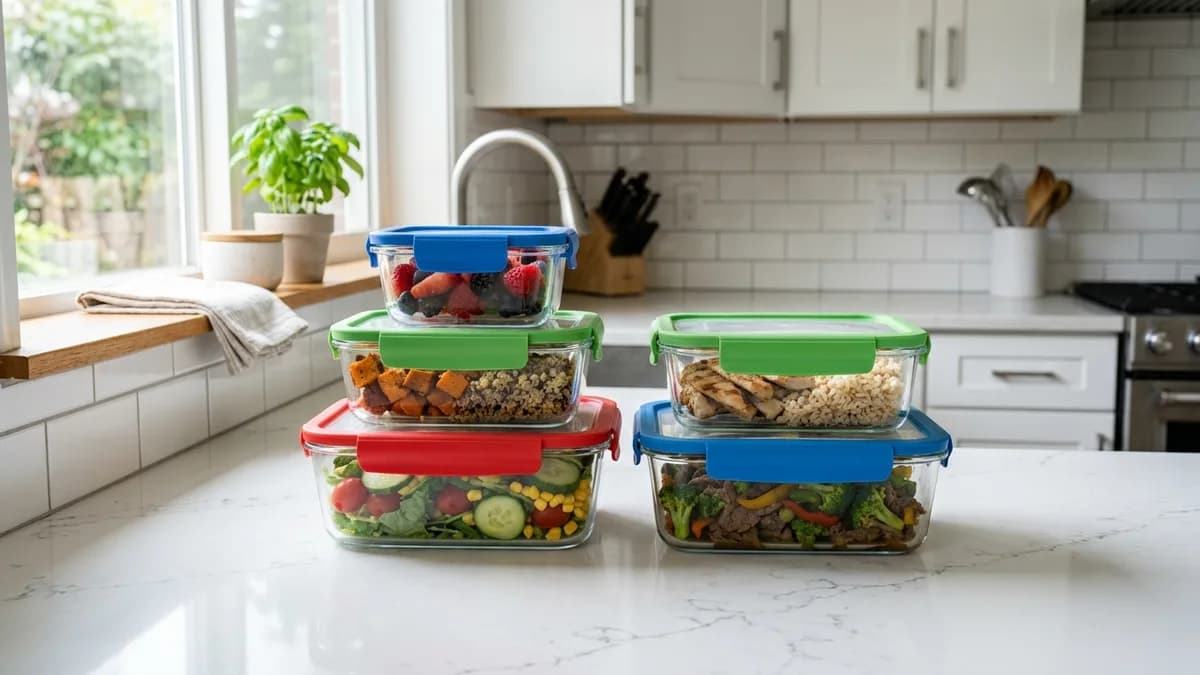
Plastic storage boxes are the most popular choice in Indonesia due to their affordable price and easy availability. This material is suitable for various needs, especially in Indonesia's humid tropical climate.
Advantages of Plastic Boxes
- Water and moisture resistant - ideal for Indonesia's tropical climate
- Lightweight - easy to move even when full
- Transparent - clear plastic variants make it easy to identify contents without opening
- Easy to clean - simply wipe or wash with water
- Stackable - can be stacked to maximize vertical space
- Affordable price - economical choice for all budgets
Disadvantages of Plastic Boxes
- Can discolor or yellow over time if exposed to UV rays
- Cheap plastic tends to be brittle and crack easily
- Not environmentally friendly if replaced frequently
- Less premium appearance for visible rooms
Recommended Uses for Plastic Boxes
- Storing dry food items in the kitchen
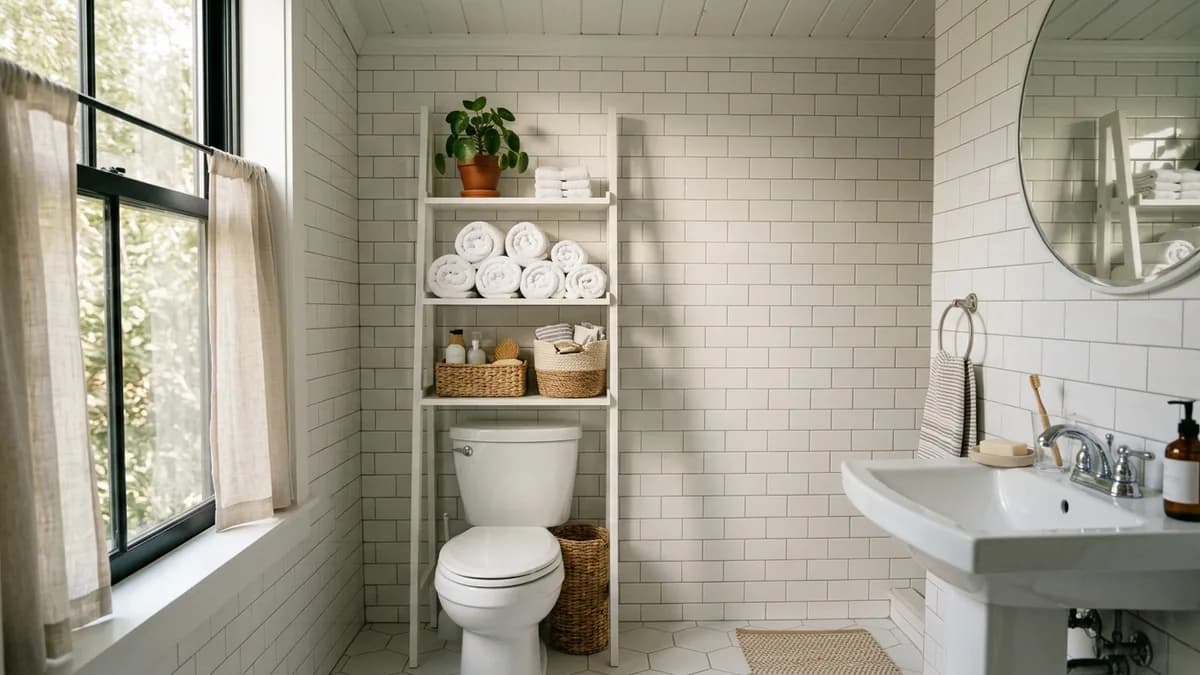
- Storage in humid areas like bathrooms or warehouses
- Storing children's toys
- Storing seasonal items like Ramadan or Christmas decorations
- Organizing items under the bed
Wood Storage Boxes
Wood storage boxes add a natural and premium touch to any room. This material is increasingly popular with the trend of Scandinavian and rustic decoration that's currently popular in Indonesia.
Advantages of Wood Boxes
- Aesthetic and premium - adds decorative value to the room
- Strong and durable - can handle heavy loads
- Environmentally friendly - natural material that can be recycled
- Natural air circulation - suitable for items that need ventilation
- Customizable - easy to paint, varnish, or decorate to taste
Disadvantages of Wood Boxes
- Heavier than plastic and fabric
- Susceptible to moisture and termites if not maintained
- Relatively more expensive
- Requires periodic maintenance (refinishing, termite checks)
Recommended Uses for Wood Boxes
- Display storage in living rooms or family spaces
- Storing wine, books, or collections
- Toy boxes for children's rooms with rustic style
- Storing linens and blankets (with good ventilation)
- Tool boxes or hobby equipment storage
Fabric Storage Boxes
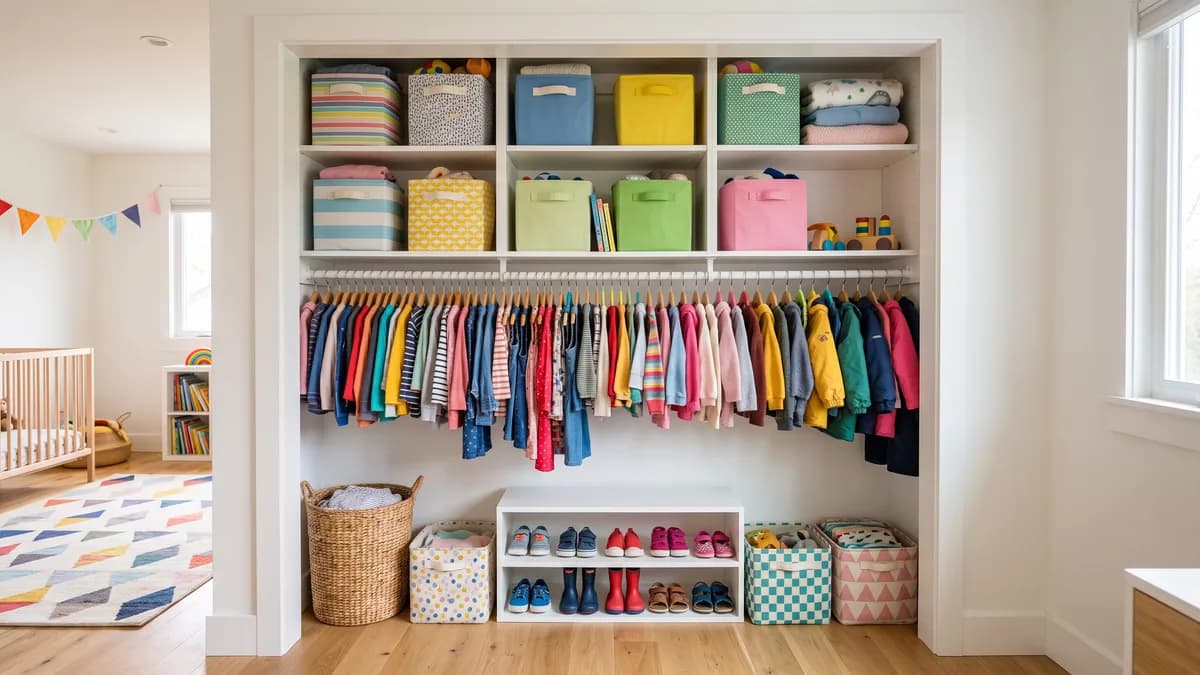
Fabric or cloth storage boxes are a favorite for closet organization and spaces requiring soft and flexible storage solutions. This material comes in various patterns and colors that can match your room's decor.
Advantages of Fabric Boxes
- Lightweight and flexible - can be folded when not in use
- Soft - won't damage furniture surfaces or items inside
- Design variety - available in many colors, patterns, and sizes
- Breathable - good air circulation for storing clothes
- Space-saving - can fold flat when not needed
Disadvantages of Fabric Boxes
- Not waterproof - prone to dampness and mold
- Not sturdy enough for heavy items
- More difficult to clean than plastic
- Can absorb odors
Recommended Uses for Fabric Boxes
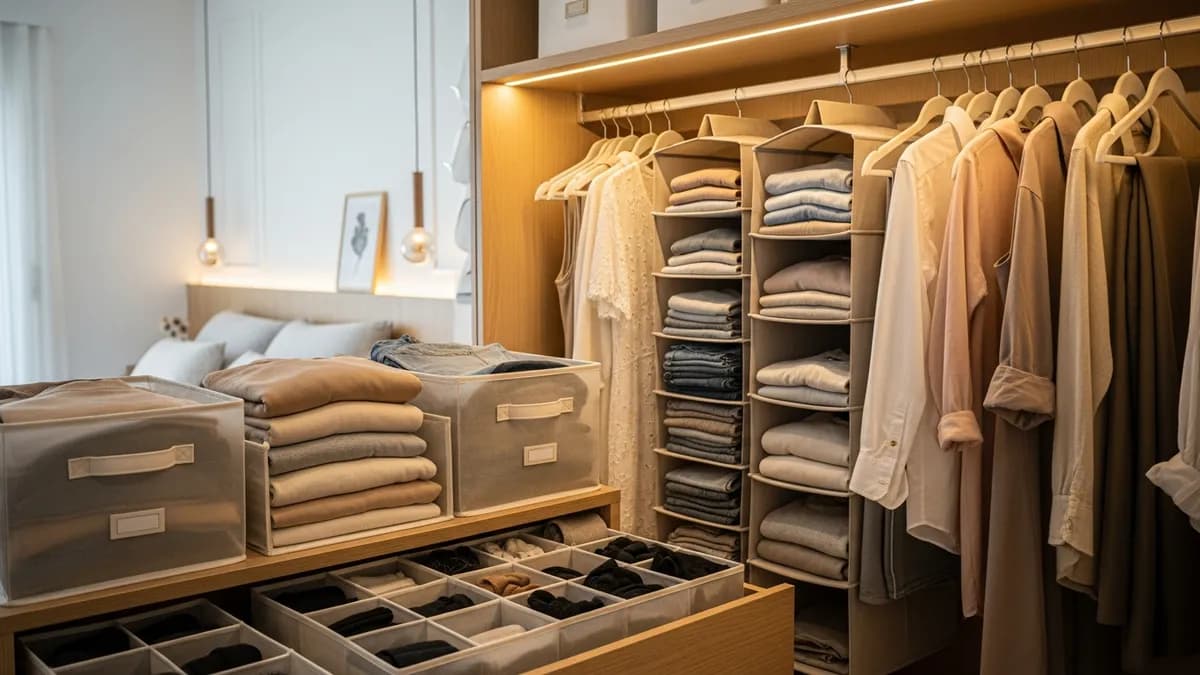
- Closet organization (socks, underwear, accessories)
- Storage on open shelves as decorative elements
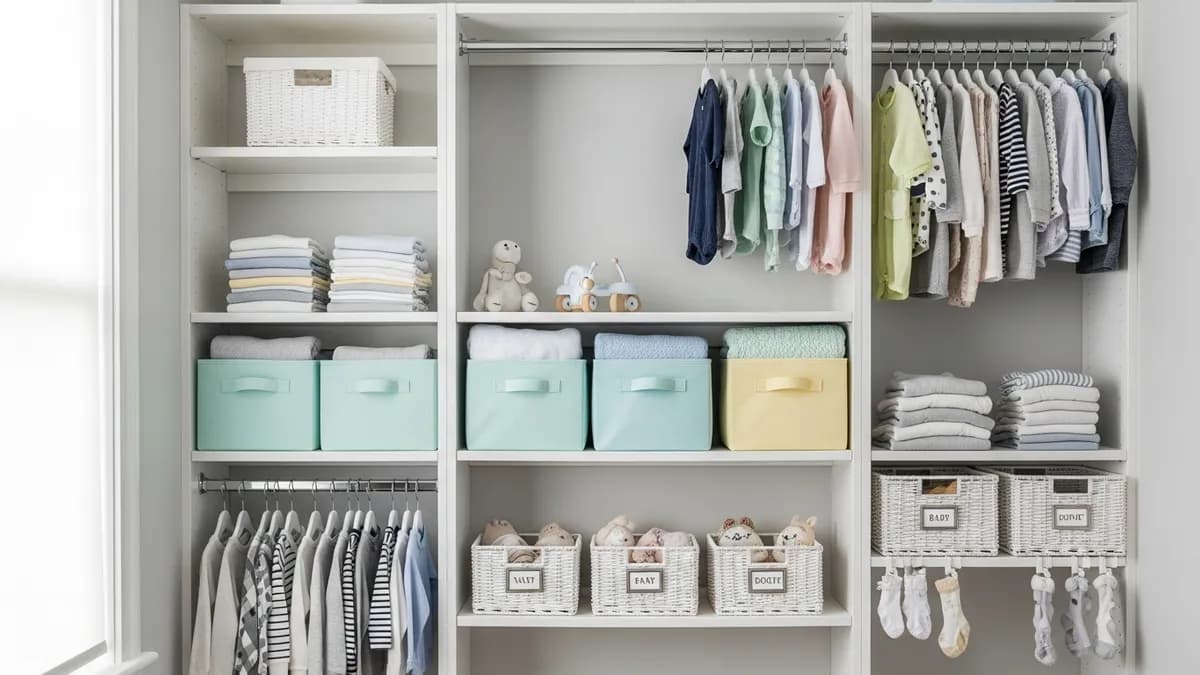
- Nursery and children's rooms
- Storing blankets and linens
- Desk organization for lightweight items
Complete Comparison of Three Materials
To make your decision easier, here's a complete comparison table of the three storage box materials:
| Criteria | Plastic | Wood | Fabric |
|---|---|---|---|
| Water resistance | Excellent | Poor without coating | Poor |
| Durability | Medium (3-5 years) | Excellent (10+ years) | Medium (2-4 years) |
| Load capacity | Medium | High | Low |
| Ease of maintenance | Very easy | Requires maintenance | Needs regular washing |
| Aesthetics | Functional | Premium | Decorative |
| Price | Affordable | Expensive | Moderate |
| Portability | Lightweight | Heavy | Very lightweight |
| Flexibility | Rigid | Rigid | Foldable |
| Eco-friendliness | Poor | Good | Moderate |
How to Choose Storage Boxes by Room
Each room has different characteristics and storage needs. Here's a selection guide by room:
Kitchen
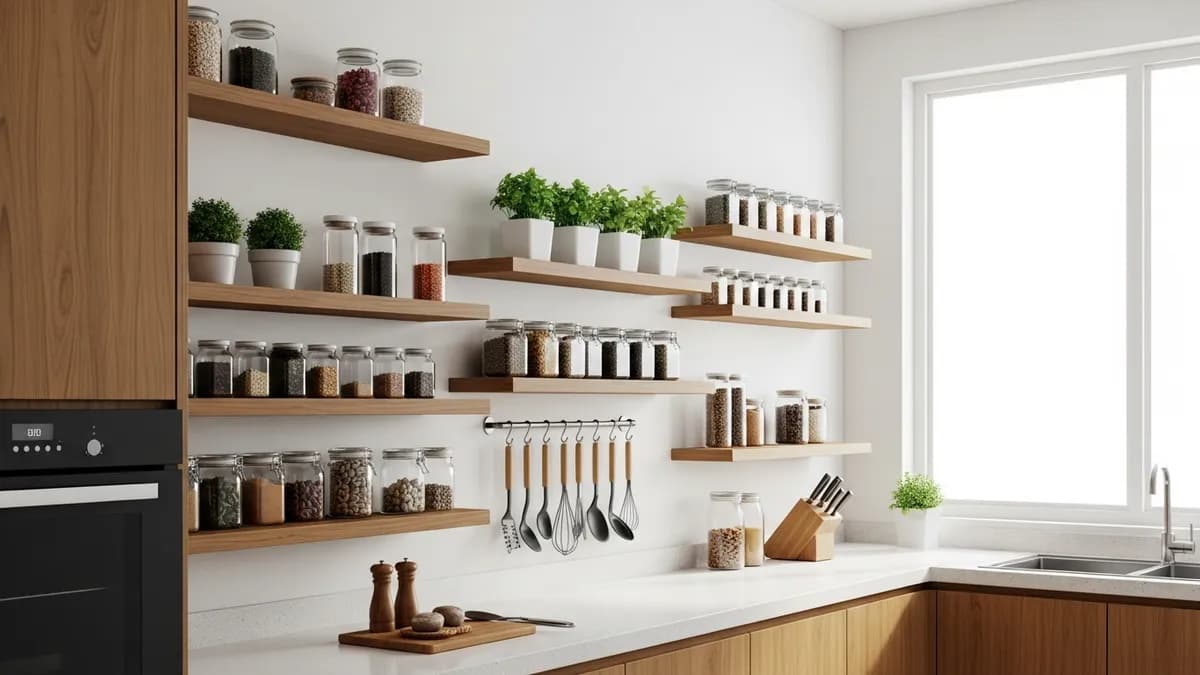
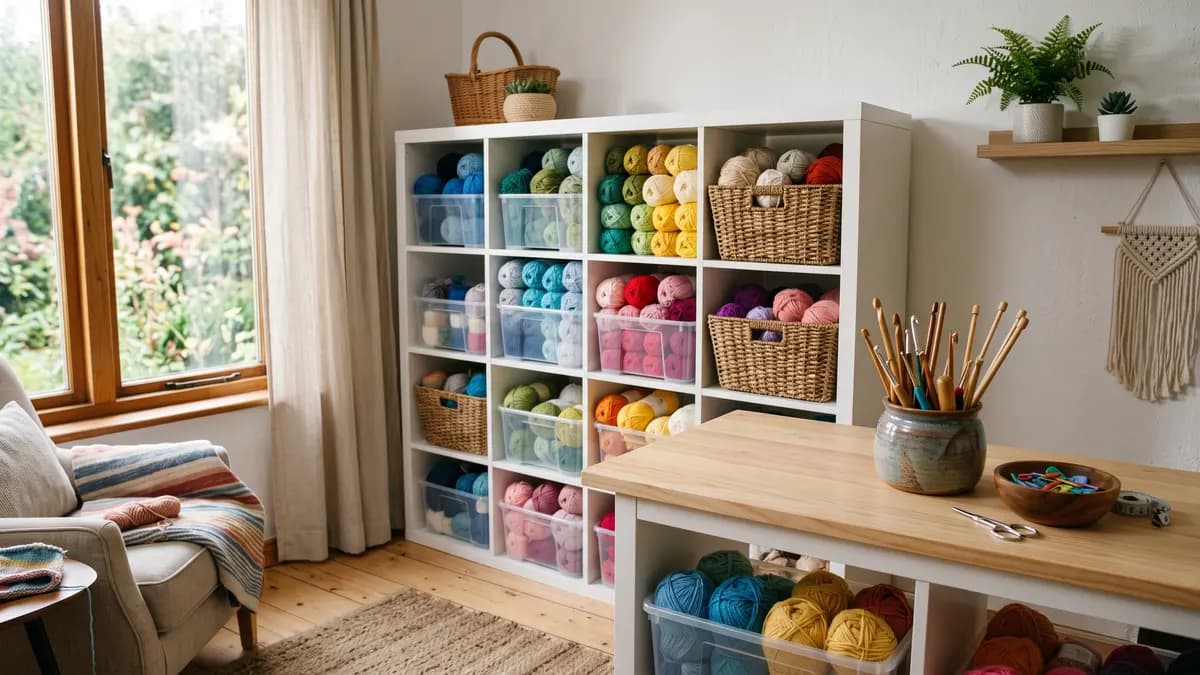
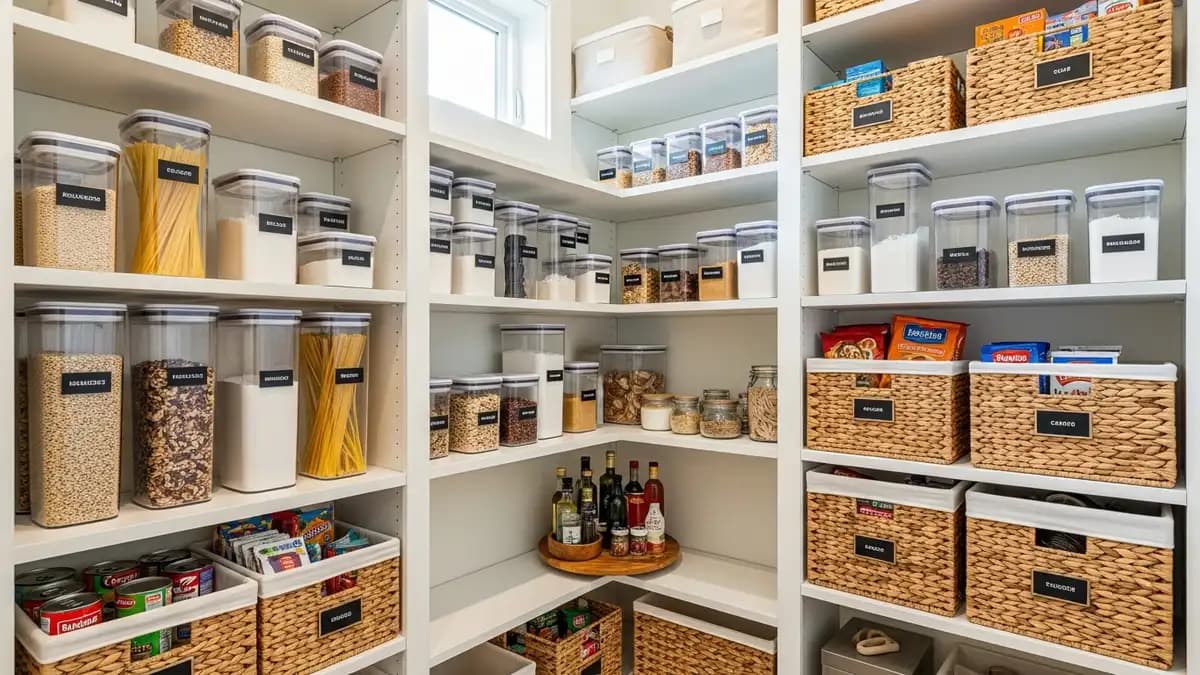
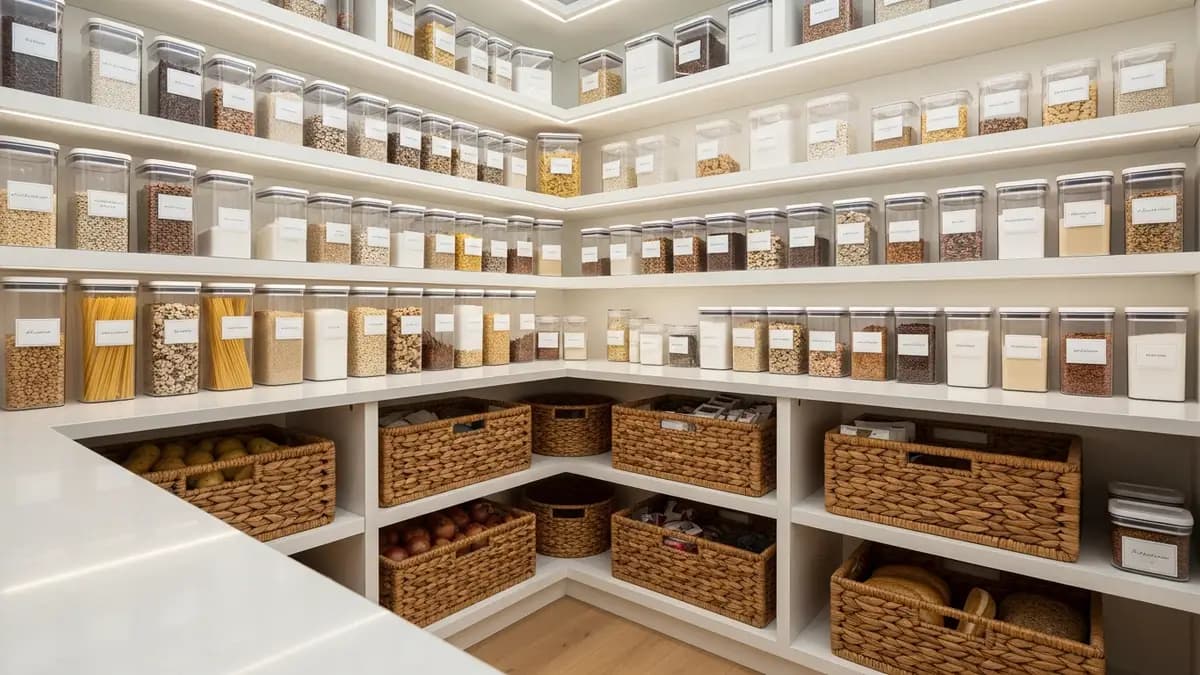
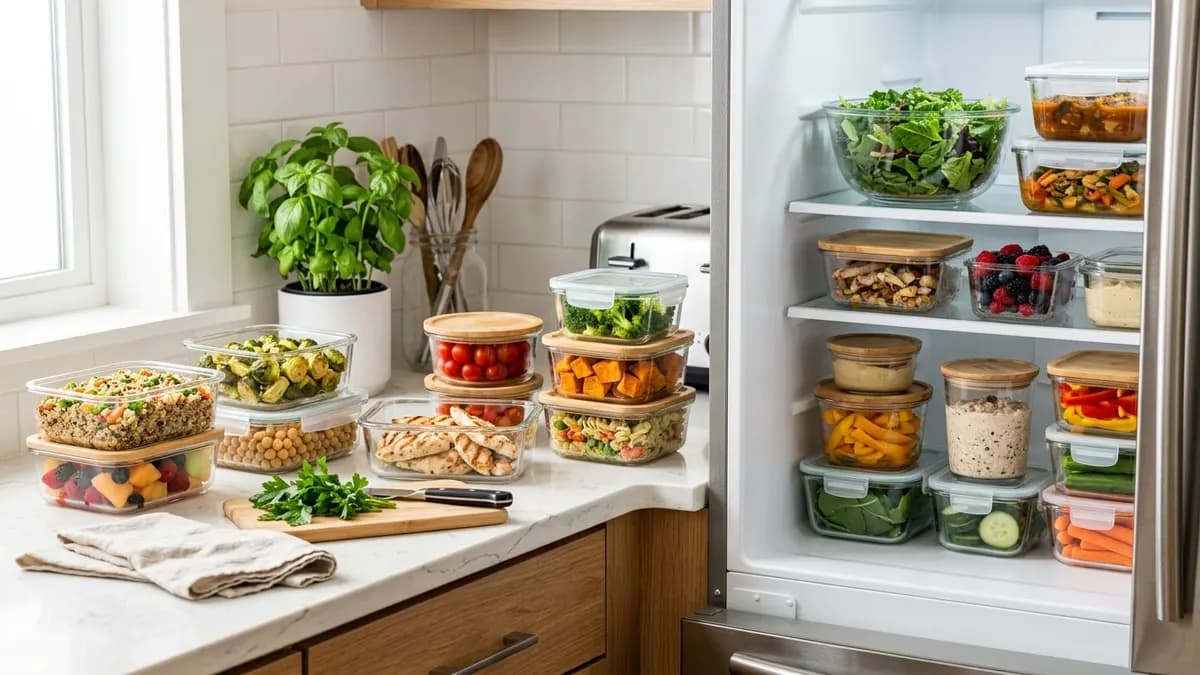
Choose airtight plastic boxes for food items. For spices and seasonings, use transparent plastic containers with labels. Avoid uncoated wood boxes as kitchen humidity can damage the material. Visit our food container guide for complete recommendations.
Bedroom and Closet
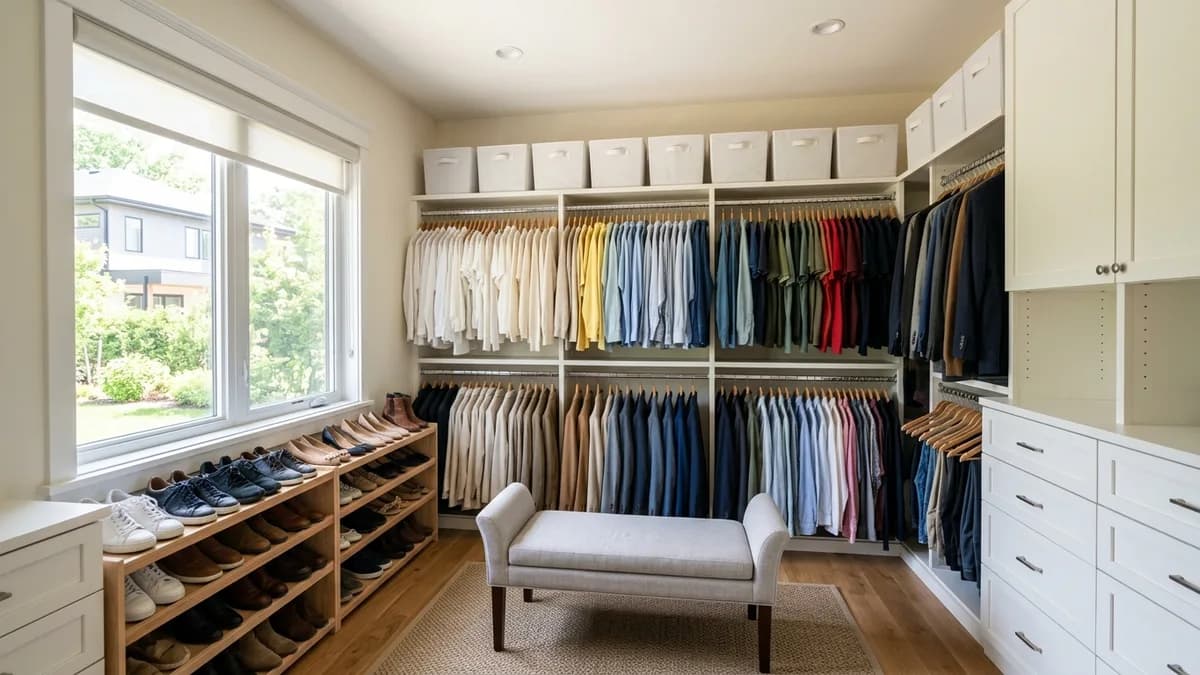
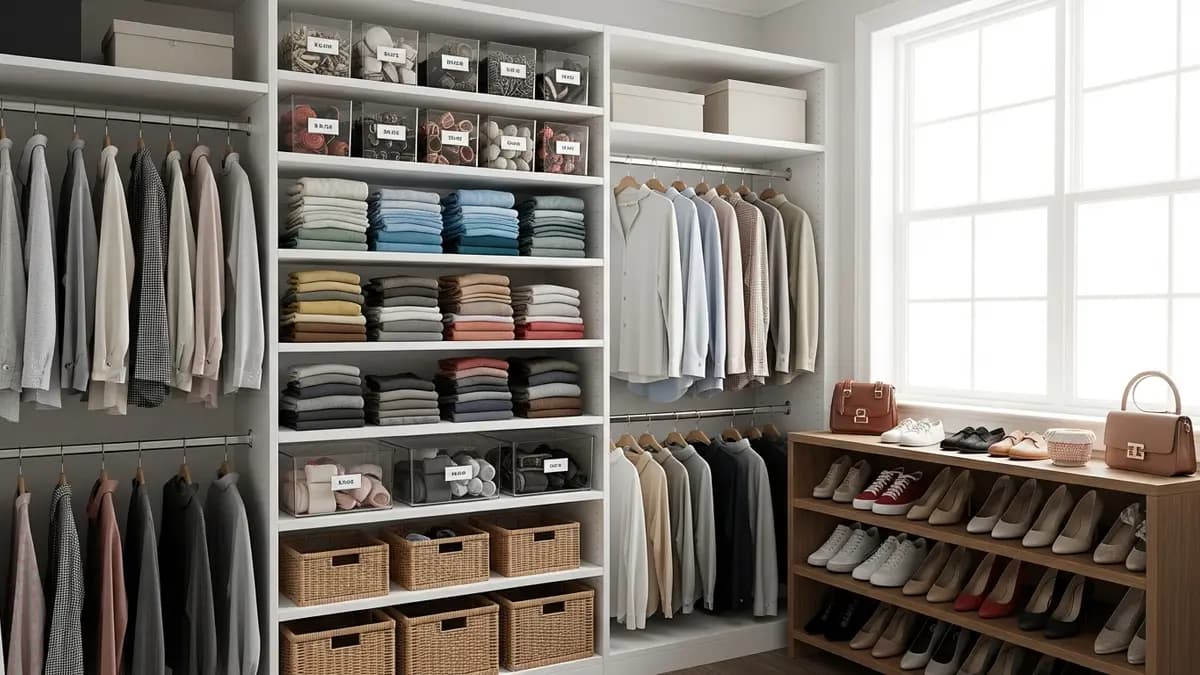
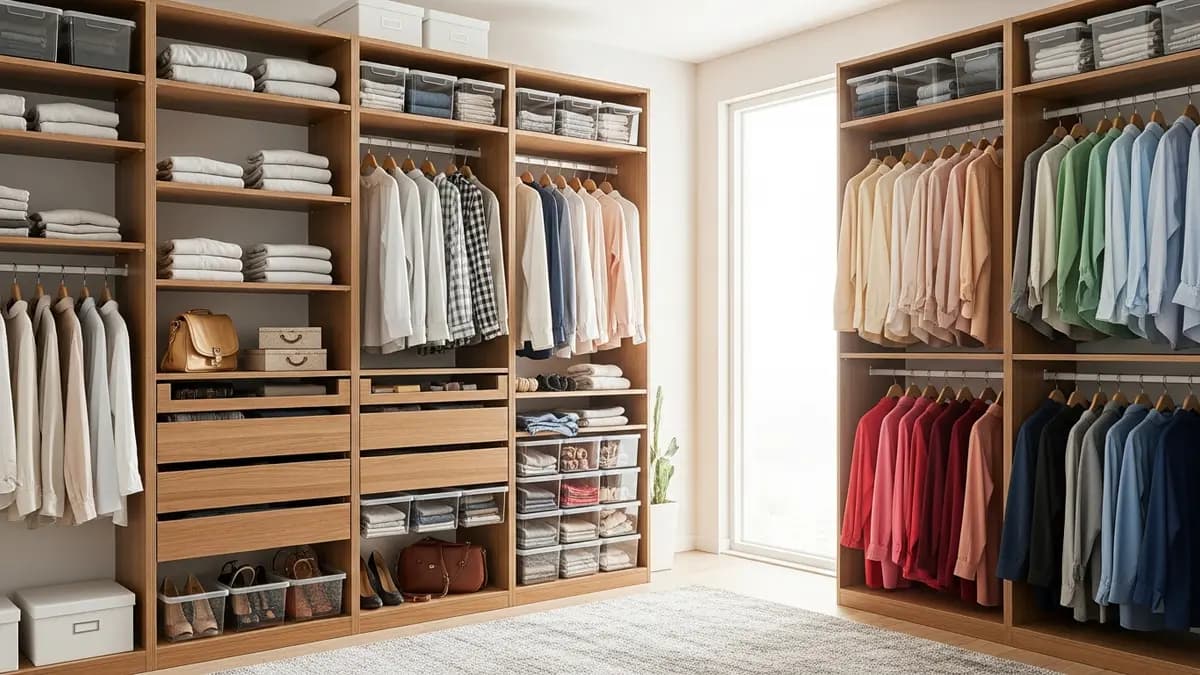
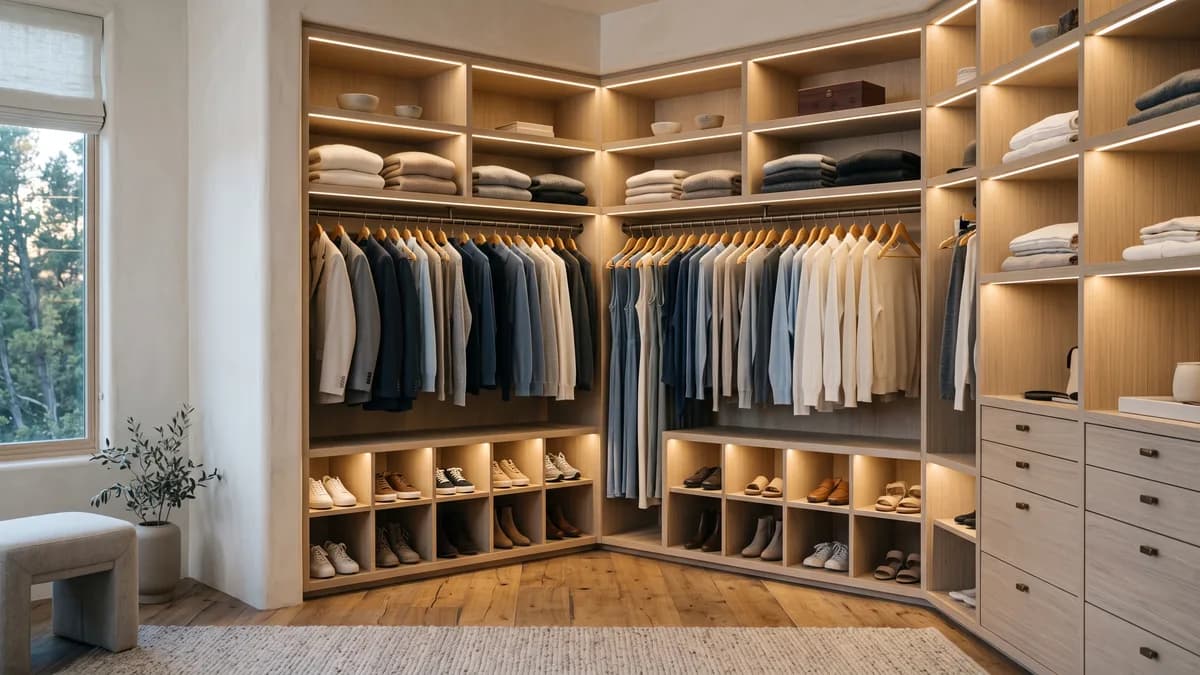
Fabric boxes are the best choice for closet organization. Use fabric boxes with internal dividers to separate socks, underwear, and accessories. For under-bed storage, low plastic boxes with wheels are more practical. Also read our guide on how to organize your closet for more organization tips.
Living Room and Family Room
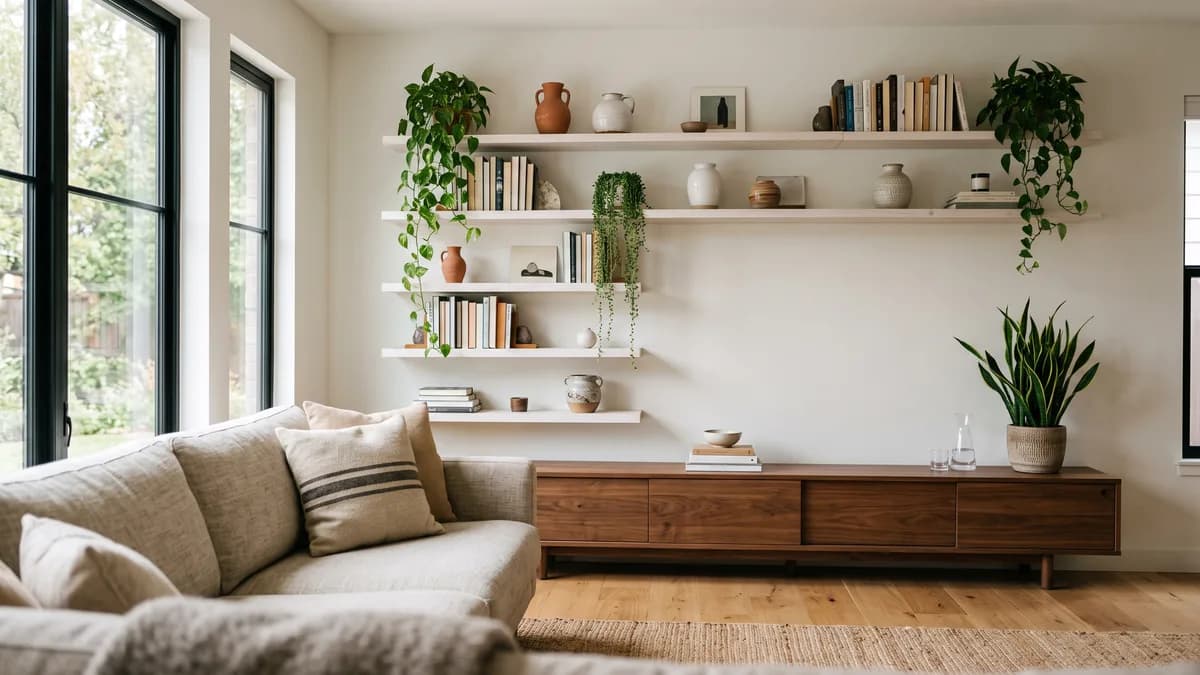
In visible areas, prioritize aesthetics. Beautifully patterned wood or fabric boxes can serve double duty as decoration. Rattan woven boxes also work well for the tropical minimalist style that's popular in Indonesia.
Warehouse and Storage Areas
For long-term storage, airtight plastic boxes are the winner. Make sure to choose food-grade and BPA-free options if storing sensitive items. Label each box for easy retrieval when needed.
Storage Box Care Tips
To keep your storage boxes durable and functioning optimally, follow these care tips:
- Plastic - wash with mild soap every 3-6 months, avoid direct sunlight exposure, don't use abrasive cleaners
- Wood - wipe regularly with a dry cloth, apply wood polish every 6 months, periodically check for termite signs
- Fabric - wash according to instructions (usually gentle machine cycle), dry in shade, use silica gel to prevent dampness
For all materials, ensure items are dry and clean before storage. Moisture trapped inside boxes can cause mold and unpleasant odors.
Material Combination for Optimal Organization
Well-organized homes typically use a combination of all three materials. There's no single material that's perfect for all needs. The best strategy is using the right material in the right place.
Examples of effective combinations:
- Closet - fabric boxes for clothes + plastic boxes for small accessories
- Kitchen - plastic containers for food + wood boxes for spice display on countertop
- Workspace - fabric boxes for light documents + wood boxes for writing supplies as decoration
- Child's room - plastic boxes for toys + fabric boxes for stuffed animals and soft items
Find a variety of quality storage boxes at Sesoris in materials and sizes suitable for your needs.
Conclusion
Choosing the right storage box starts with understanding your specific needs - what you're storing, where you're storing it, and how frequently you access it. Plastic boxes excel in water resistance and price, wood storage boxes provide premium aesthetics and durability, while fabric boxes offer flexibility and design variety. With this guide, you can make the right decision and create an efficient storage system for every corner of your home.
Weekly Home Tips
Get home organization ideas, product picks, and exclusive deals delivered weekly.
No spam. Unsubscribe anytime.