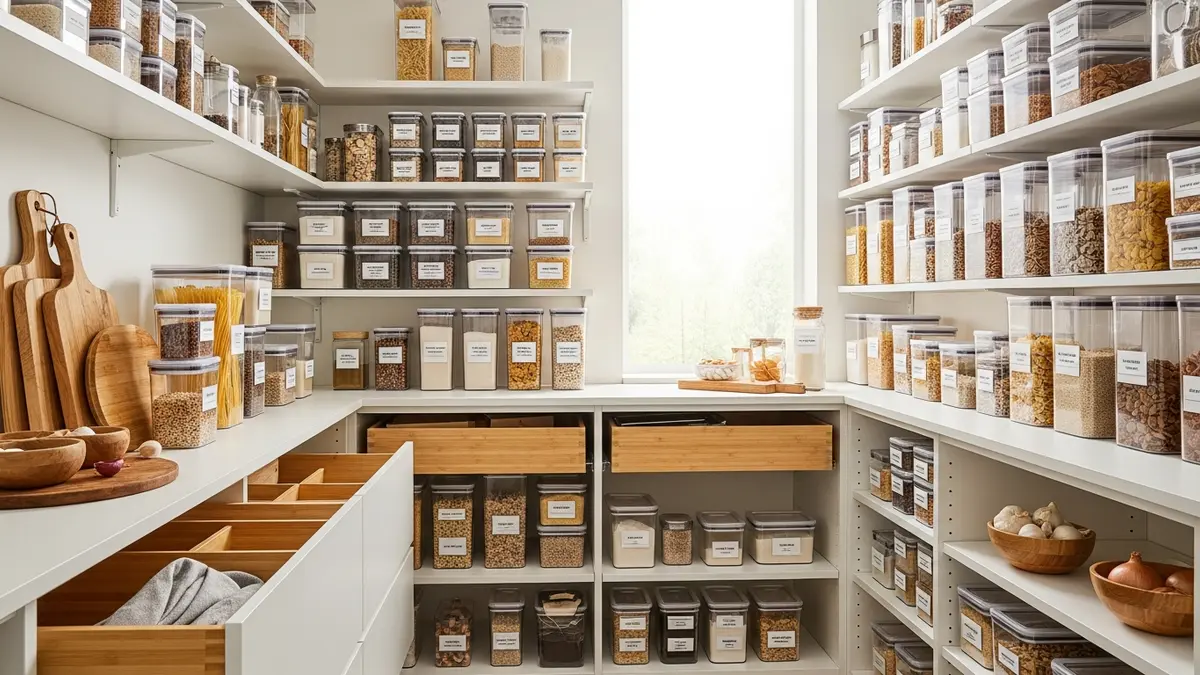
Kitchen Hanging Shelves: Save Space with Vertical Storage
Limited kitchen space is no reason to give up on organization. Kitchen hanging shelves are a smart solution that utilizes wall and ceiling areas that are typically unused, transforming them into functional storage space without taking up floor or counter space.
This article discusses various types of kitchen hanging shelves, how to choose the right one for your needs, installation guides, and organization tips to keep your kitchen looking neat and aesthetic while remaining functional.
Why Kitchen Hanging Shelves Are Trending
Housing trends in Indonesia are increasingly moving toward compact homes and apartments. Data from the Ministry of Public Works shows that the average size of new apartment units in major cities is only 21-36 m², with kitchens measuring less than 4 m².
In these conditions, vertical storage becomes the most logical solution. Kitchen hanging shelves allow you to store cooking equipment, spices, and food items without sacrificing workspace on your kitchen counter.
Benefits of Kitchen Hanging Shelves
- Saves floor and counter space - kitchen work area remains spacious for cooking
- Easy access - equipment and spices are within arm's reach
- Improves aesthetics - neatly organized hanging shelves become a decorative element
- Maintains cleanliness - equipment doesn't pile up on counters that are prone to water and oil splashes
- Flexible - can be installed in various wall areas according to your needs
Types of Kitchen Hanging Shelves
1. Wall-Mounted Shelf
The most common type mounted directly on the wall using brackets or screws. Available in various materials and sizes. Perfect for storing spices, cups, small plates, or kitchen decorative plants.
Wall-mounted shelves can be open shelves with flat boards, or models with side railings to prevent items from falling easily. Some models come with hooks on the underside for hanging long utensils like serving spoons, spatulas, or kitchen towels.
2. Ceiling-Mounted Rack
Hung from the ceiling, usually above an island or kitchen counter. Popular in rustic or industrial-style kitchens. Very effective for hanging pans, skillets, and large cooking equipment.
3. Over-Door or Cabinet-Top Shelf
Utilizes often-overlooked areas - the space above doors or the outer side of cabinet doors. These shelves typically use hooks that hook over the door without requiring drilling. Suitable for light storage like cutting boards, pot lids, or plastic wrap.
4. Rail System Shelf
A horizontal rail system mounted on the wall, equipped with various accessories such as hooks, baskets, and small shelves that can slide along the rail. This system is very flexible because accessory positions can be changed according to your needs.
5. Magnetic Hanging Shelf
Uses strong magnets to attach to metal surfaces like the side of a refrigerator or range hood. Perfect for storing spices in metal containers, knives (magnetic knife strip), or kitchen timers.
Kitchen Hanging Shelves Comparison
| Type | Weight Capacity | Installation | Price | Best For |
|---|---|---|---|---|
| Wall-Mounted | 5-25 kg | Requires drilling | $3-$30 | Spices, cups, décor |
| Ceiling-Mounted | 15-40 kg | Requires drilling, more difficult | $12-$90 | Large pans, skillets |
| Over-Door | 3-8 kg | No drilling needed | $2-$9 | Cutting boards, pot lids |
| Rail System | 10-20 kg | Requires drilling | $6-$48 | All kitchen equipment |
| Magnetic | 2-5 kg | No drilling needed | $3-$18 | Spices, knives, timers |
Kitchen Hanging Shelf Materials
Stainless Steel
A premium material that resists rust, withstands heat, and is easy to clean. Very suitable for areas near the stove and sink. Its modern appearance makes it a popular choice for minimalist-style kitchens.
Aluminium
Lighter and more affordable than stainless steel. Rust-resistant and strong enough for household use. For a guide on choosing aluminum shelves, read our article on kitchen aluminum shelves.
Powder-Coated Iron
Iron coated with powder coating available in various colors. Has an industrial and modern appearance. Ensure the coating is thick and even so it doesn't peel or rust easily.
Wood and Bamboo
Gives a warm and natural feel to the kitchen. Suitable for dry areas away from the sink and stove. Requires more intensive maintenance as it's susceptible to moisture.
Guide to Installing Kitchen Hanging Shelves
Preparation Before Installation
- Determine the mounting location - choose an area you frequently access while cooking
- Check wall type - concrete, brick, or drywall walls require different types of screws and anchors
- Measure and mark position - use a level to ensure the shelf is installed straight
- Ensure no pipes or cables are behind the wall - use a stud finder if needed
Installation Steps for Concrete/Brick Walls
- Mark drilling points using a pencil and level
- Drill the wall according to the anchor size being used
- Insert the anchor into the drilled hole
- Install the bracket with screws
- Place the shelf on the bracket and tighten
- Test strength by gradually applying load
Installation Tips for Drywall
Drywall has lower load-bearing capacity compared to concrete. Use drywall-specific anchors (toggle bolts or molly bolts) and ensure the load doesn't exceed 5 kg per point. For heavier loads, find the metal frame behind the drywall and screw into that frame.
Tips for Organizing Kitchen Hanging Shelves
- Place frequently used items at eye or shoulder level for easy access
- Group by function - cooking area (spatulas, spoons), serving area (plates, cups), storage area (spice containers)
- Use hooks on the underside of the shelf for hanging long utensils like serving spoons and spatulas
- Add lighting - LED strips below hanging shelves make the work area brighter and more aesthetic
- Don't overload - overly full hanging shelves actually make the kitchen look messy
- Adjust height - spice shelves above the work counter should ideally be mounted 40-60 cm from the counter surface
To complement your kitchen organization, also consider using spice containers that can be integrated with your hanging shelf system.
Kitchen Hanging Shelves for Various Interior Styles
Minimalist Style
Choose hanging shelves with simple design, monochrome colors (black, white, or gray), and stainless steel or powder-coated iron materials. Avoid overly decorative shelves. Store only essential items for a clean and efficient look.
Industrial Style
Combine black iron hanging shelves with wooden boards or industrial pipes. This style allows cooking equipment to become part of the décor. Copper pans or cast iron cookware hung from a ceiling rack creates an attractive focal point.
Rustic or Country Style
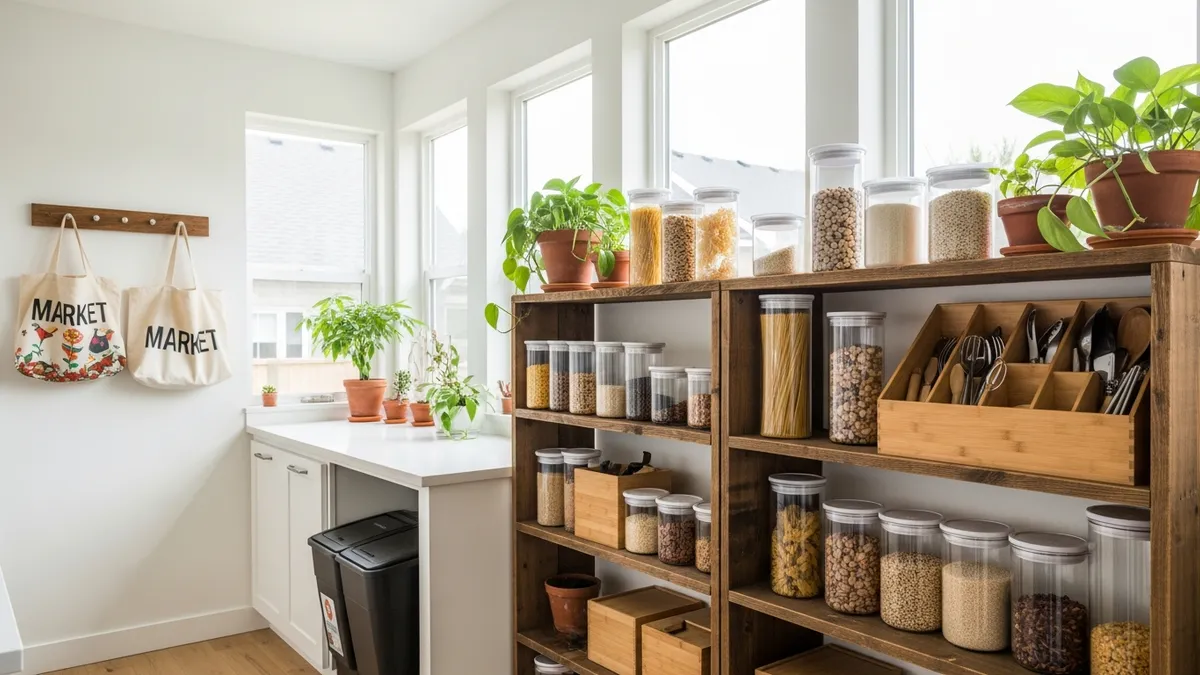
Use wooden hanging shelves with hand-forged iron brackets. Add woven baskets or ceramic containers for storing spices and dry ingredients. Small potted herb plants placed on the hanging shelves provide a fresh and functional touch.
Scandinavian Style
Birch or oak wooden shelves with natural color, equipped with white or brass hooks. Simple, warm, and functional appearance. Add one or two green plants for a distinctly Scandinavian touch.
Common Mistakes When Installing Kitchen Hanging Shelves
- Installing too high - shelves you can't reach without a step stool eventually go unused
- Ignoring wall capacity - drywall forced to bear heavy loads can collapse
- Not using a level - tilted shelves cause items to shift and fall easily
- Installing too close to the stove - risk of excessive heat and oil splatters, especially for wooden shelves
- Overfilling - besides making the kitchen look cluttered, excessive weight can damage brackets and walls
Recommended Support Products
To maximize the functionality of your kitchen hanging shelves, consider the following support products:
- Transparent spice containers - makes it easy to identify spices without opening the lid
- S-shaped hooks - for hanging cooking equipment on shelves or rails
- Hanging baskets - additional containers that can be hooked on shelves for storing small items
- LED strips - additional lighting under shelves for the work area
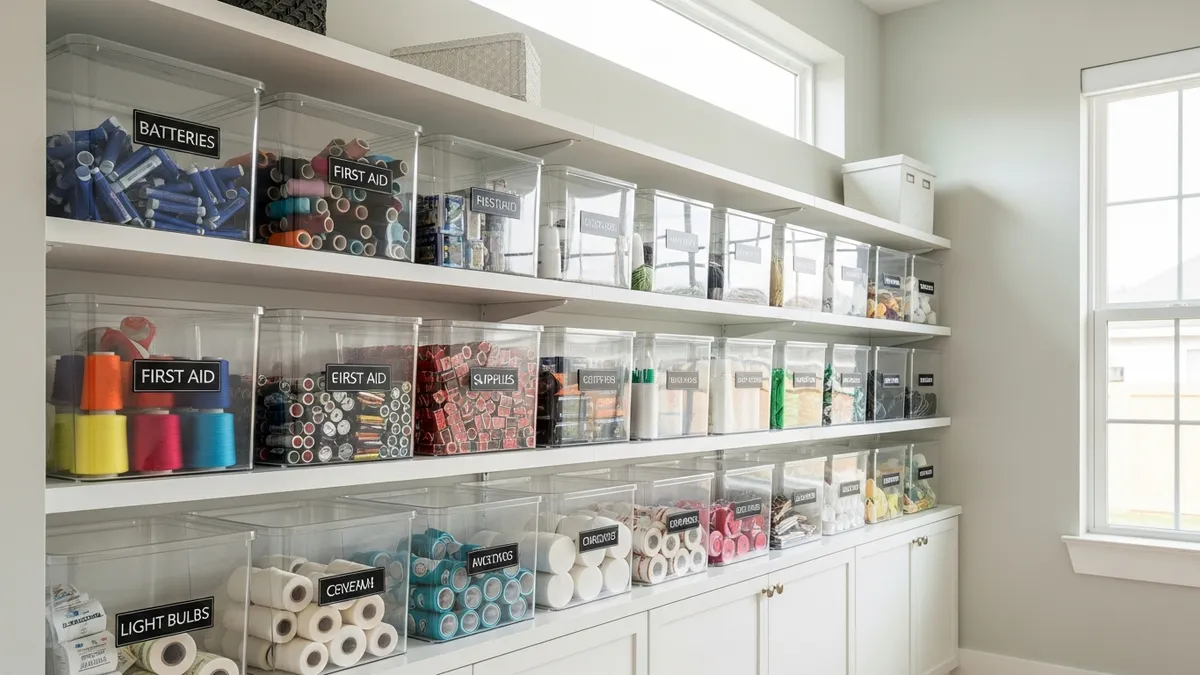
- Sticker labels - to label spice containers and food items
Visit Sesoris to find a wide variety of kitchen equipment and organizers to complement your hanging shelf system.
Frequently Asked Questions (FAQ)
Can kitchen hanging shelves be installed on drywall?
Yes, but with conditions. Use drywall-specific anchors and limit the maximum load to 5 kg per point. For heavier loads, screw into the metal frame behind the drywall.
What's the ideal distance from a hanging shelf to the stove?
Minimum 60 cm from the stove to avoid risk of excessive heat and oil splatters. For wooden or plastic shelves, maintain a greater distance of at least 80 cm.
What material for kitchen hanging shelves lasts the longest?
Stainless steel is the most durable material for kitchen hanging shelves because it resists rust, withstands heat, and requires no special maintenance. Aluminum is a lighter and more affordable alternative.
Conclusion
Kitchen hanging shelves are an effective vertical storage solution for small or large kitchens. By choosing the right type and material and installing it correctly, you can maximize your kitchen space without compromising aesthetics.
The key is to plan carefully before installing - measure your space, check your wall type, and determine what you'll store. With organized arrangement, your kitchen will become a pleasant space to cook in every day. Find the most complete kitchen storage solutions at Sesoris.
Weekly Home Tips
Get home organization ideas, product picks, and exclusive deals delivered weekly.
No spam. Unsubscribe anytime.