Quality Products, Free Shipping & Easy Returns!
Sesoris
My AccountTrack Order
BlogPanduan
Safe Breast Milk Storage: A Complete Guide for Nursing Mothers
Panduan

Safe Breast Milk Storage: A Complete Guide for Nursing Mothers

May 14, 2026
9 min read read
/images/team/avatar-default.webp
Tim Sesoris
Home Organization Expert

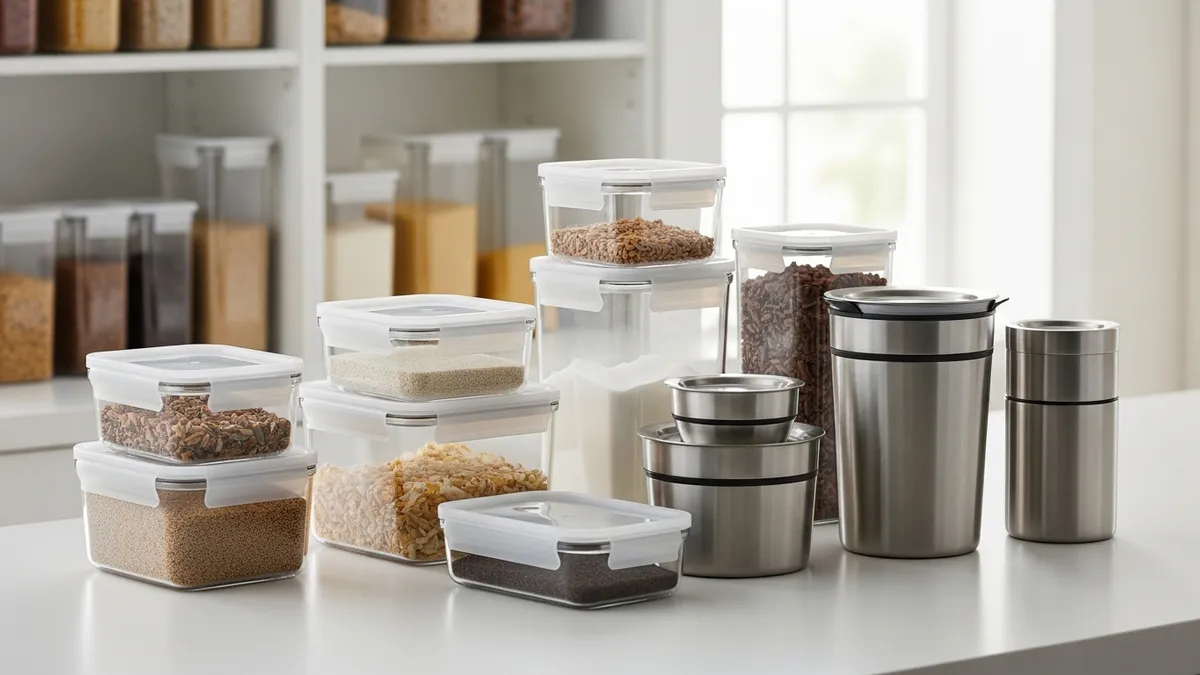
Storing pumped breast milk correctly is an important step for every nursing mother, especially those who need to return to work or have busy activities outside the home. Choosing the right breast milk storage container is not just about convenience, but also about safety and nutrition for your little one.

Safe and hygienic breast milk storage for nursing mothers

This article will comprehensively discuss the types of breast milk storage containers, how to choose safe ones, storage guidelines based on temperature, and tips to maintain the quality of pumped breast milk to keep it fresh and nutritious.

Why Should Breast Milk Storage Containers Be Chosen Carefully?

Breast milk is the best source of nutrition for babies. The antibodies, vitamins, and minerals it contains are highly sensitive to temperature, light, and bacterial contamination. Therefore, the storage container used must meet food safety standards and be free from harmful chemicals.

Using the wrong container can cause bacterial contamination, loss of nutritional content, and even pose a risk if chemicals from the container mix into the breast milk. Investing in a quality breast milk storage container is an investment in your little one's health.

Criteria for Safe Breast Milk Storage

  • BPA-free (Bisphenol A) - a chemical that can disrupt baby's hormones
  • Food grade - material that is safe for direct contact with food
  • Airtight - prevents bacterial contamination from outside
  • Resistant to extreme temperatures - can be used in freezers and heated
  • Easy to clean - smooth surface with no hard-to-reach corners
  • Volume markings - makes it easy to measure the amount of breast milk stored

Types of Breast Milk Storage Containers

1. Breast Milk Storage Bags

Breast milk bags are the most popular choice because they are convenient and disposable. Made from sterilized food-grade plastic. These bags come with a double seal to prevent leaks and volume markings for easy measurement.

The advantages of breast milk bags include saving freezer space because they can be flattened, already sterile without needing to be washed, and relatively affordable. However, the downside is that they are not environmentally friendly as they are single-use and prone to tearing if not handled carefully.

2. Glass Breast Milk Storage Bottles

Glass bottles are the safest choice in terms of material. Glass contains no harmful chemicals and does not absorb odors or colors. Glass bottles can be reused multiple times, making them more environmentally friendly.

The disadvantage is that they are heavier, take up more freezer space, and risk breaking if bumped. Make sure to use borosilicate glass bottles, which are resistant to sudden temperature changes.

3. BPA-Free Plastic Bottles

Special BPA-free breast milk storage plastic bottles serve as an alternative between bags and glass bottles. Lighter than glass, reusable, and available in various sizes. Always make sure to choose ones labeled BPA-Free and food grade.

4. Special Breast Milk Container Vessels

Breast milk storage containers usually come in small cup shapes with tight-fitting lids. Suitable for storing small amounts of breast milk per session. Can be stacked in the freezer to save space.

Comparison of Breast Milk Storage Container Types

Container TypeSafetyConvenienceEco-FriendlyPriceRecommended For
Storage BagsHighVery ConvenientLow$0.10-0.20/pieceWorking mothers, large stock
Glass BottlesVery HighModerateHigh$2-5/pieceHome storage
BPA-Free Plastic BottlesHighConvenientModerate$1-3/pieceDaily use
Cup ContainersHighConvenientModerate$0.60-2/pieceSmall portions, solids

Breast Milk Storage Guidelines Based on Temperature

Knowing the storage time limit for breast milk at each temperature is very important to maintain its quality and safety. Here are the guidelines recommended by the CDC and Indonesian Pediatric Association:

Storage ConditionTemperatureMaximum Time
Room temperature16-25°C (61-77°F)4 hours
Cooler bag with ice pack4°C (39°F)24 hours
Refrigerator (inside)0-4°C (32-39°F)3-5 days
Single-door freezer-15°C (5°F)2 weeks
Double-door freezer-18°C (0°F)3-6 months
Deep freezer-20°C (-4°F)6-12 months

The main principle is to use the oldest stored breast milk first (First In, First Out). Always write the date and time of expression on each storage container.

How to Store Pumped Breast Milk Correctly

Preparation Steps

    1
  1. Wash your hands with soap before pumping or transferring breast milk
  2. 2
  3. Make sure all equipment (breast pump, containers) has been sterilized
  4. 3
  5. Prepare clean and dry storage containers
  6. 4
  7. Write a label with the date, time, and volume of breast milk

Storage Steps

    1
  1. Pour breast milk into the storage container, leaving about 2 cm space from the top as breast milk expands when frozen
  2. 2
  3. Close the container tightly - make sure there are no leaks
  4. 3
  5. Place at the back of the refrigerator or freezer (not in the door) because the temperature is more stable
  6. 4
  7. Do not mix fresh breast milk with previously chilled breast milk
  8. 5
  9. Store breast milk in small portions (2-4 oz) so it doesn't go to waste when needed

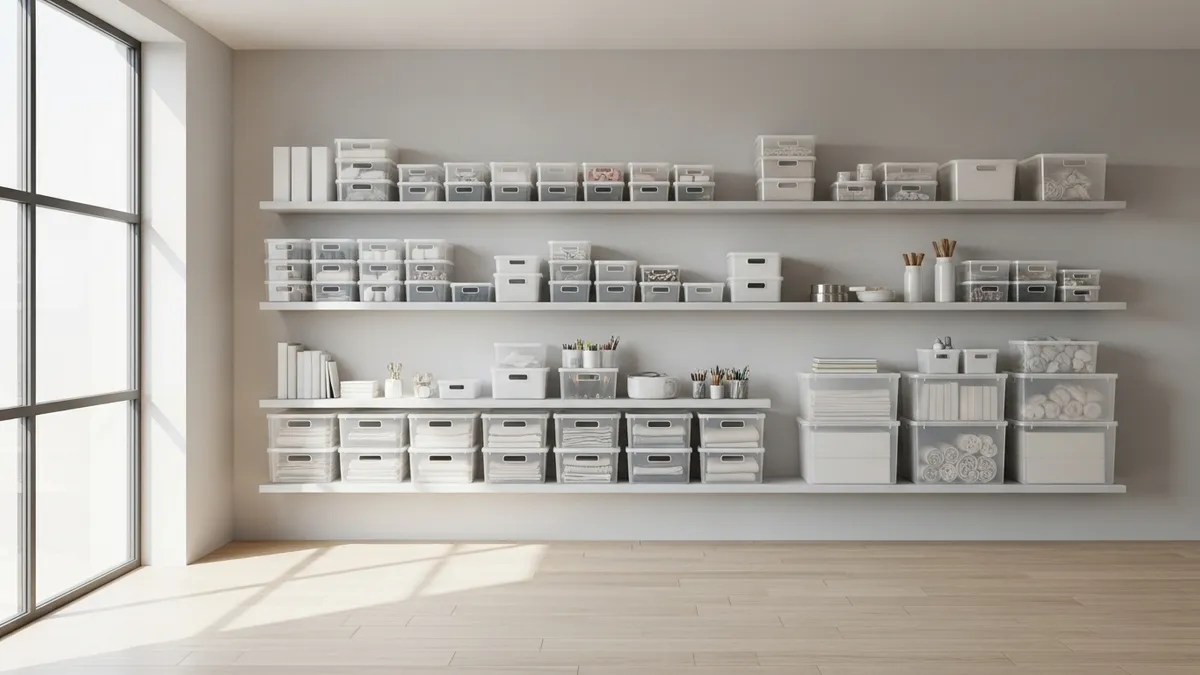
Tips for Organizing Breast Milk Stock in Your Refrigerator and Freezer

For mothers who store large quantities of breast milk, organization is key to ensure no breast milk is wasted due to expiration. Here are some tips you can apply:

  • Use labeled storage containers - write the pumping date clearly using a permanent marker
  • Apply the FIFO system - place the newest breast milk at the back, the oldest in front
  • Group by date - use small baskets or containers to organize breast milk by week
  • Flatten breast milk bags before freezing to save space and thaw faster
  • Create a simple inventory - write on a sticky note the stock amount and oldest date

To organize your entire refrigerator contents, you can use containers and organizers from Sesoris that are specially designed to keep your refrigerator tidy and easily accessible.

How to Thaw and Warm Frozen Breast Milk

Thawing Breast Milk

  • Transfer frozen breast milk to the refrigerator overnight (8-12 hours before use)
  • If you need it quickly, soak the breast milk container in running warm water
  • Never thaw breast milk at room temperature due to the risk of bacterial growth
  • Thawed breast milk must be used within 24 hours and cannot be refrozen

Warming Breast Milk

  • Soak the breast milk container in a bowl of warm water (37-40°C / 98.6-104°F) for several minutes
  • Gently shake to distribute heat evenly and mix separated fat
  • Never warm breast milk in a microwave as it can damage nutrients and cause dangerous hot spots
  • Test the temperature of breast milk on your wrist before giving it to your baby

Common Mistakes in Storing Breast Milk

    1
  1. Overfilling containers - breast milk expands when frozen and can cause containers to crack or leak
  2. 2
  3. Storing in the refrigerator door - temperature in the door is unstable due to frequent opening and closing
  4. 3
  5. Not labeling containers - risk of using expired breast milk without realizing it
  6. 4
  7. Mixing breast milk of different temperatures - warm fresh breast milk can partially thaw frozen breast milk and damage its quality
  8. 5
  9. Using non-food grade containers - harmful chemicals can dissolve into the breast milk
  10. 6
  11. Storing leftover breast milk - breast milk that has been consumed by the baby must be discarded within 2 hours as bacteria from the baby's mouth have entered it

Besides storage containers, there are several supporting items that can help make the breast milk storage process more efficient:

  • Cooler bag - to carry breast milk when traveling or from office to home
  • Ice packs - to maintain cold temperature inside the cooler bag during travel
  • Refrigerator organizer shelf - makes it easy to group and access breast milk stock
  • Label stickers - to mark the date and volume of each container
  • Bottle cleaning brush - to thoroughly clean storage containers

Visit Sesoris to find various organizer equipment and containers that can help you organize your breast milk stock and other household needs.

Frequently Asked Questions (FAQ)

How long can breast milk be stored at room temperature?

Pumped breast milk can last up to 4 hours at room temperature (25°C / 77°F). However, the faster it is moved to the refrigerator or freezer, the better its quality is maintained.

Can already-thawed breast milk be refrozen?

No. Breast milk that has been thawed from a frozen state should not be refrozen as it risks bacterial contamination. Use it within 24 hours after thawing in the refrigerator.

Which is better, storage bags or glass bottles?

Both are safe as long as they meet food-grade standards and are BPA-free. Storage bags are more practical for large quantities, while glass bottles are more environmentally friendly and suitable for long-term use.

Can I mix breast milk from different pumping sessions?

Yes, as long as the newly pumped breast milk is first cooled in the refrigerator for at least 30 minutes before mixing with already-chilled breast milk. Do not mix warm breast milk with cold breast milk.

Conclusion

Choosing the right breast milk storage container is an important part of every nursing mother's breastfeeding journey. Prioritize containers that are BPA-free, food-grade, and airtight. Follow storage guidelines based on temperature to keep breast milk fresh and safe for your little one.

With an organized storage system, you can go about your daily activities with peace of mind, knowing that your baby's breast milk stock is stored safely. Find various organizer equipment to tidy up your refrigerator and home at Sesoris.

Weekly Home Tips

Get home organization ideas, product picks, and exclusive deals delivered weekly.

No spam. Unsubscribe anytime.