Quality Products, Free Shipping & Easy Returns!
Sesoris
My AccountTrack Order
BlogInspiration
Minimalist Plant Stand: Aesthetic Plant Racks for Indoor and Outdoor
Inspiration

Minimalist Plant Stand: Aesthetic Plant Racks for Indoor and Outdoor

June 20, 2026
9 min read read
/images/team/avatar-default.webp
Tim Sesoris
Home Organization Expert

A minimalist plant stand or plant rack is the best way to display your plant collection while making your space more lively and aesthetically pleasing. With the right rack, your plants can get optimal lighting, good air circulation, and of course, a stunning appearance. This article covers various types of plant racks, the best materials, popular designs, and tips for arranging your plant stand so your room looks like a well-organized urban jungle.

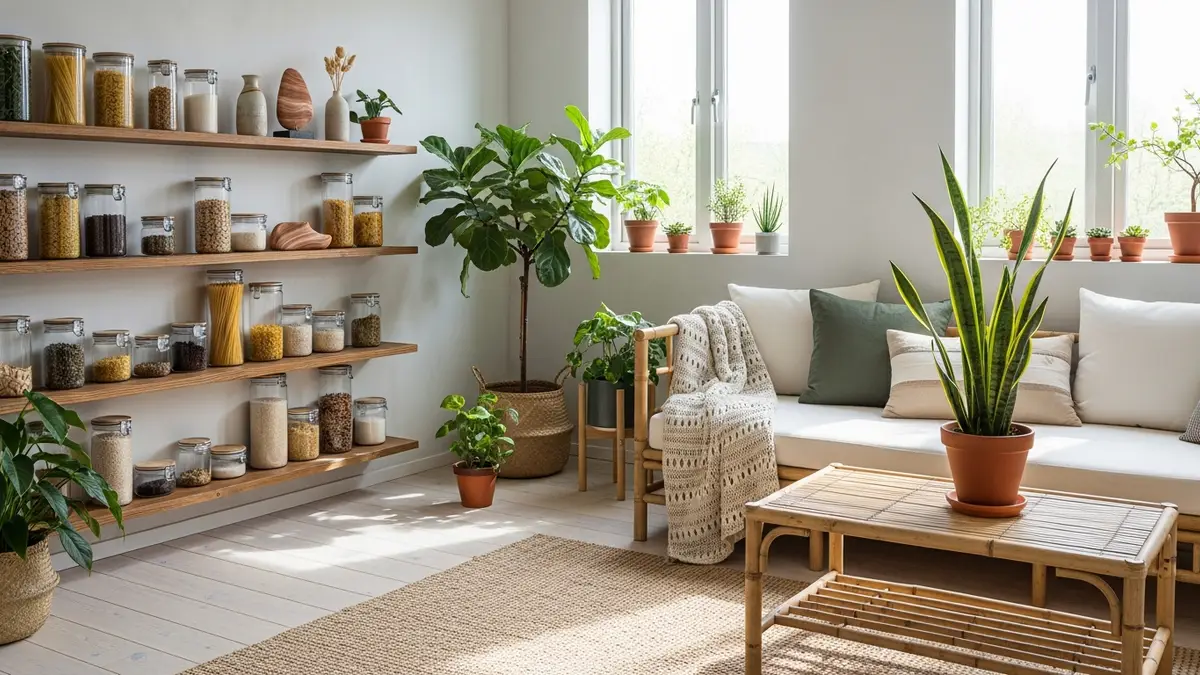
Tiered minimalist plant stand with various decorative plants in the living room

Why Do You Need a Dedicated Plant Rack?

Many plant parents initially just place their plants on the floor, tables, or windowsills. As their collection grows, the room starts to feel cluttered and plants block light from each other. A dedicated plant rack solves this problem with several advantages:

  • Vertical space efficiency - makes use of room height that's often wasted. A single tiered rack can hold 6-10 plants in the same footprint as 1-2 pots on the floor.
  • Even lighting - tiered racks allow each plant to receive appropriate light. Place plants needing lots of sun on the top tier, those needing shade on the bottom tier.
  • Organized appearance - plants arranged on a rack look far more intentional and decorative compared to scattered randomly around the room.
  • Protection - elevating plants off the floor protects them from children, pets, and the risk of being stepped on or knocked over.
  • Easier maintenance - plants at a comfortable height are easier to water, prune, and check on.

Plant Rack Material Types

Material selection is crucial since plant racks will frequently be exposed to water and humidity. The wrong material can deteriorate quickly, rust, or develop mold.

Plant Rack Material Comparison Table

MaterialDurabilityAppearancePriceWeightBest For
Powder-coated ironVery highIndustrial, modernMid-highHeavyIndoor and outdoor
Teak woodVery highNatural, warmHighHeavyOutdoor, patio
BambooHighNatural, minimalistMidLightIndoor
Synthetic rattanHighTropical, rusticMidLightIndoor and outdoor
PP plasticMediumModern, colorfulLowVery lightIndoor, balcony
Pine woodMediumScandinavian, warmLow-midMediumIndoor (requires coating)
Stainless steelVery highModern, sleekHighHeavyOutdoor

For outdoor use, prioritize water-resistant and UV-resistant materials like powder-coated iron, teak wood, or stainless steel. For indoor use, almost any material works depending on your desired décor style.

1. Ladder Shelf

A ladder-shaped design with progressively narrower shelves going upward. This asymmetrical look creates a dynamic impression and allows plants at each level to receive adequate light since they're not blocked by the level above. Perfect for room corners.

2. Symmetrical Tiered Rack

A rack with multiple identical-sized tiers stacked vertically. This classic design efficiently holds many plants in a small footprint. Ideal for small rooms or balconies.

3. Single Plant Stand

A stand with one surface for a single large plant pot. Usually a tripod or single-leg design with a sculptural aesthetic. Great for showcasing statement plants like monsteras or fiddle leaf figs.

4. Hanging Plant Shelf

Shelves suspended by macrame rope or chains mounted to the ceiling or wall brackets. Creates a bohemian feel and works beautifully with trailing plants like string of pearls or pothos.

5. Window Shelf

Shelves mounted on windowsills or attached to windows with suction cups. Maximizes natural light. Ideal for succulents, cacti, and small plants requiring full sun.

6. Corner Shelf

A triangular shelf designed specifically to utilize room corners that are typically unused. Available in freestanding or wall-mounted versions. Very efficient for small spaces.

Plant Rack Styling Tips

Arranging plants on a rack isn't just about placing pots randomly. There are design principles that can make your plant display look professional:

  • Height variation - combine tall, medium, and short plants. Place tall plants in the back and short ones in front so everything is visible.
  • Texture contrast - pair broad-leaf plants (monstera) with fine-leaf plants (ferns), and thick-leaf plants (succulents) with delicate-leaf plants (ferns).
  • Rule of odds - group plants in odd numbers (3, 5, 7) at each level. Odd groupings look more natural and visually appealing.
  • Trailing plants at edges - place hanging plants like string of hearts or pothos at rack edges so their foliage cascades beautifully downward.
  • Negative space - don't fill every inch of the rack with plants. Leave empty space so the eye can rest and each plant remains a focal point.
  • Cohesive pots - use pots with matching colors or materials for a unified look. Too much pot variety makes the display feel cluttered.

Choosing an Indoor Plant Rack

Indoor plant racks need to complement your overall room aesthetic. Here are selection guidelines based on interior style:

  • Modern minimalist - choose black iron racks with clean lines or natural matte-finished wood racks
  • Scandinavian - pine or birch wood racks with slender legs and light finishes
  • Industrial - combination iron and rustic wood racks with raw or distressed finishes
  • Bohemian - hanging macrame racks, rattan racks, or bamboo racks with natural accents
  • Japandi - minimalist design racks, dark wood or bamboo, without excessive ornamentation

Also ensure your indoor rack has a non-porous base. Add trays or pot risers to each tier to catch water that drips when watering.

Choosing an Outdoor Plant Rack

Outdoor plant racks face weather challenges - heat, rain, high humidity, and UV exposure. Key considerations for outdoor racks:

  • Water-resistant - choose non-rusting materials (powder-coated iron, stainless steel) or rot-resistant materials (teak wood, UV-resistant plastic)
  • Stability - outdoor racks should be heavy enough or have anchoring options to prevent tipping in strong winds. Consider racks that can be anchored to the floor or wall.
  • Drainage - rack tiers should have holes or gaps so rainwater and irrigation water can drain downward
  • Heat absorption - avoid dark-colored metal racks in areas receiving all-day direct sunlight as they can get too hot and damage plant roots
  • Easy cleaning - outdoor racks will accumulate dust, moss, and debris. Choose designs that are easy to spray or wipe clean

DIY Plant Stand from Simple Materials

If your budget is limited or you want a personal touch, here are some DIY plant stand ideas:

    1
  1. Cinder block shelf - stack hollow concrete blocks and wood planks alternately. Cheap, sturdy, and adjustable height
  2. 2
  3. Copper pipe stand - connect copper pipes with elbow fittings to create an elegant minimalist stand
  4. 3
  5. Repurposed ladder - an old wooden ladder that's no longer needed can be used directly as a tiered plant rack
  6. 4
  7. Wooden pallet - stand a pallet vertically and plant directly in the gaps or use it as a wall-mounted rack
  8. 5
  9. Old bench - a low wooden bench that's no longer used can become a charming single plant stand

Plant Rack Maintenance

Plant racks also need maintenance to stay durable and looking good:

  • Wood racks - seal with wood sealer or varnish every 6-12 months to protect from water and humidity. Wipe up spilled water immediately before it soaks in.
  • Iron racks - periodically check for rust spots. Sand rusty areas and apply rust-preventative paint immediately.
  • Bamboo racks - avoid excessive moisture. Dry immediately if wet and place in areas with good air circulation.
  • All rack types - regularly check stability, tighten loose screws, and ensure plant weight is evenly distributed across each tier.

FAQ - Frequently Asked Questions

1. What's the maximum weight a plant rack can support?

This varies greatly depending on material and construction. Quality iron racks can support 30-50 kg per tier, while bamboo or pine wood racks typically support only 10-15 kg per tier. Always check the manufacturer's maximum weight specifications and don't exceed them. Remember that wet terracotta pots can be very heavy.

2. Can plant racks be placed on carpet?

Yes, but use a water-resistant mat under the rack and on each tier. Water spillage from watering can damage carpet and cause mold. A safer alternative is placing the rack on a tile tray or rubber mat.

3. How do I prevent plants from falling during earthquakes?

In earthquake-prone areas, use wide-based pots that won't tip easily. Consider using museum putty or velcro on pot bottoms to stick them to the rack surface. Avoid placing heavy plants on the top tier.

4. What's the best plant rack for small apartments?

For small apartments, choose racks that maximize vertical space - corner ladder shelves, window shelves, or hanging shelves. Avoid large free-standing racks in the middle of the room. Slim single plant stands also work well placed beside a sofa or in a corner without taking up much space.

5. Should I use pots with drainage holes on plant racks?

Highly recommended. Pots without drainage holes cause water to pool at the bottom, rotting plant roots. If using decorative pots without drainage, use double potting - place a draining plastic pot inside the decorative pot and remove it for watering.

Weekly Home Tips

Get home organization ideas, product picks, and exclusive deals delivered weekly.

No spam. Unsubscribe anytime.