Shop Smart for Home Essentials: Tips for Furnishing Your New Home on a Budget
Shopping smart for home essentials is a unique challenge for anyone furnishing a home for the first time. Whether you're a newlywed couple, a student moving into a new dorm, or a family relocating - everyone faces the same question: how do you fully furnish a home without draining your savings?
This article presents a comprehensive guide for smart home shopping. You'll learn how to prioritize purchases, take advantage of promotions, select durable products, and use a phased shopping strategy to keep your finances healthy. Let's start with the most fundamental step.
Why Is Home Shopping Planning Important?
Without careful planning, buying home essentials can become a financial black hole. Surveys show that the average Indonesian family spends $900 to $3,000 on furnishing a new home, depending on standards and house size. This figure can double if you shop without a plan.
Some common problems that occur when shopping without a plan:
- Buying unnecessary items - tempted by big discounts even though you'll rarely use the product
- Duplicate purchases - buying two products with similar functions because you forgot you already have one
- Poor quality - chasing cheap prices without considering product durability
- Budget overrun early - spending most of your funds on one category, leaving other categories neglected
- Impulse buying - shopping emotionally when seeing store displays or marketplace ads
With good planning, you can save 30-40% of your total spending while still getting all the essentials you truly need.
Step 1: Create a Needs List Based on Priorities
The key to smart shopping is distinguishing between needs and wants. Divide your home essentials into three categories:
Priority 1 - Must Have Immediately
These are items you need from day one of moving in. Without them, your daily activities will be disrupted:
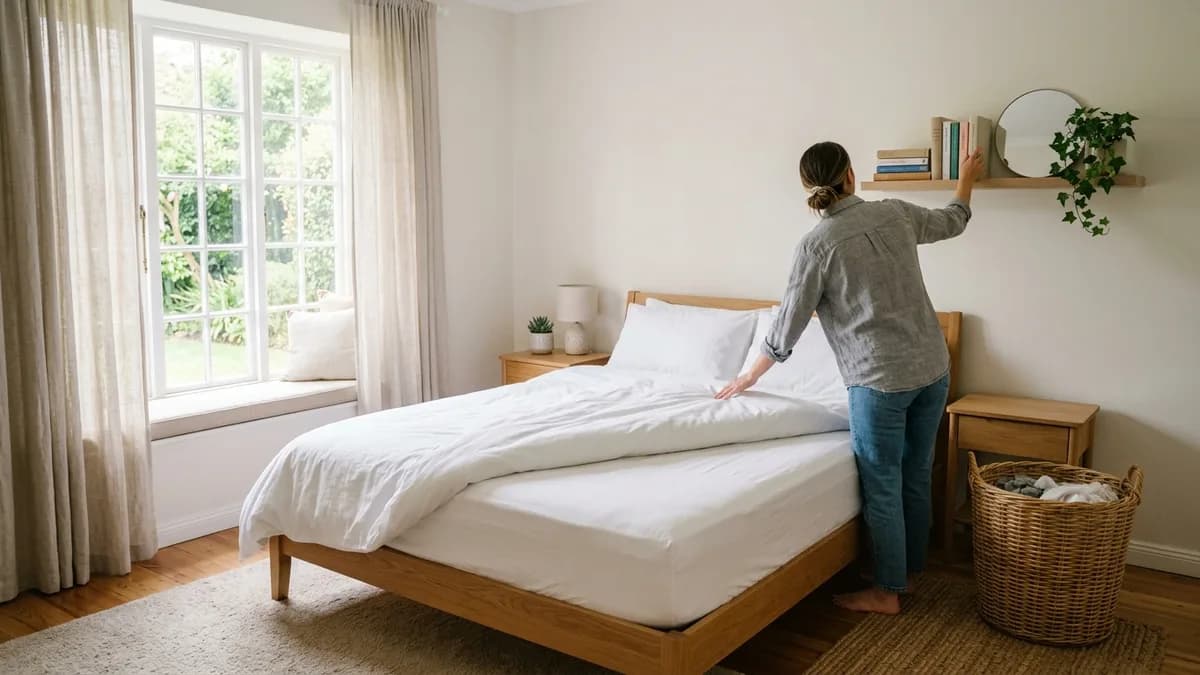
- Mattress and pillows
- Basic bath essentials (towels, soap, toothbrush)
- Basic cooking equipment (stove, pot, pan, spatula)
- Plates, glasses, spoons, and forks for all family members
- Broom, mop, and basic cleaning supplies
- Trash cans
- Lights if not already installed
Priority 2 - Important But Can Be Delayed 1-2 Weeks
Items that improve your comfort but can wait a bit longer to purchase:
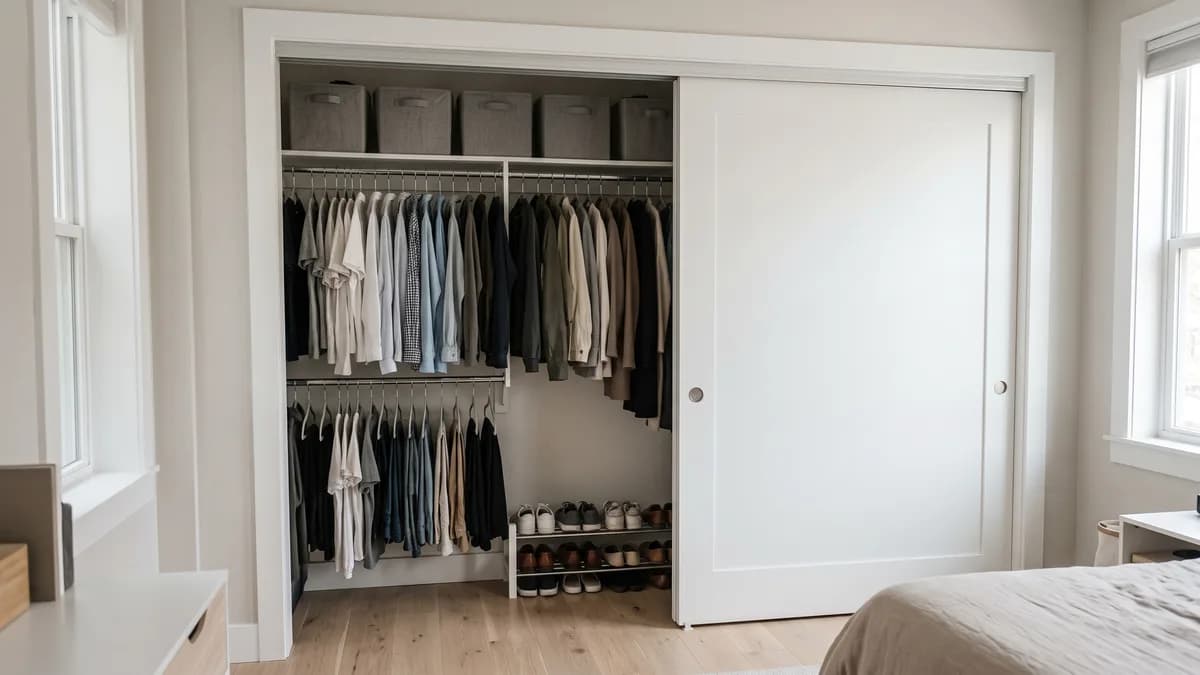
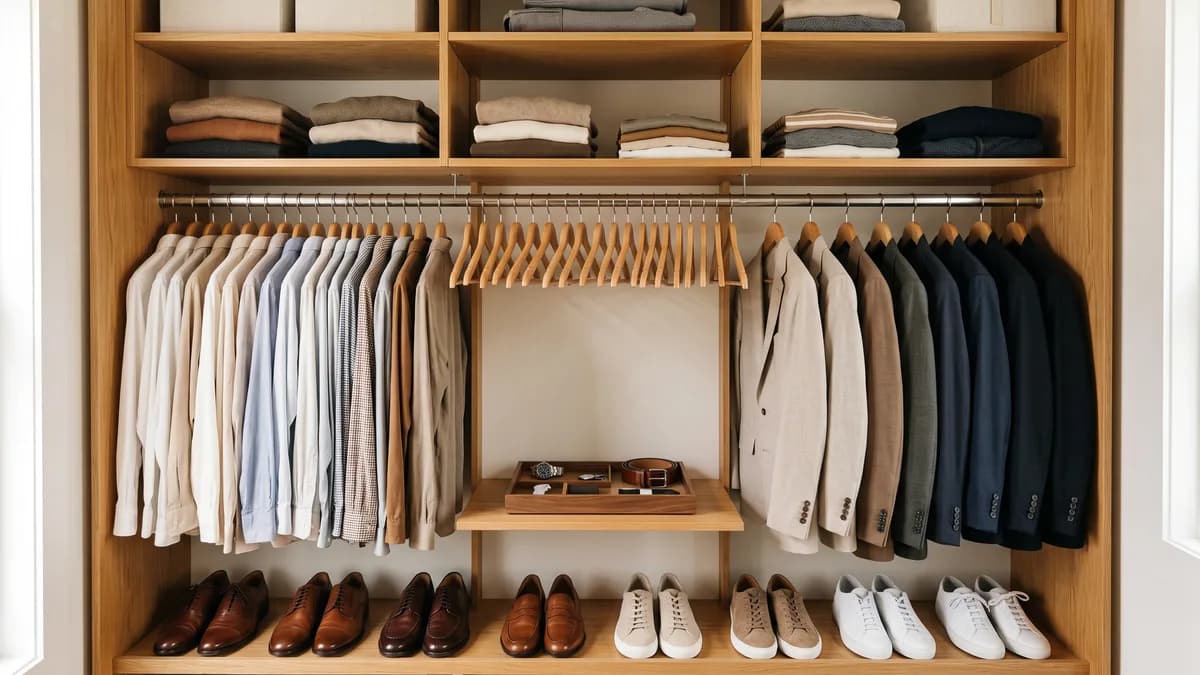
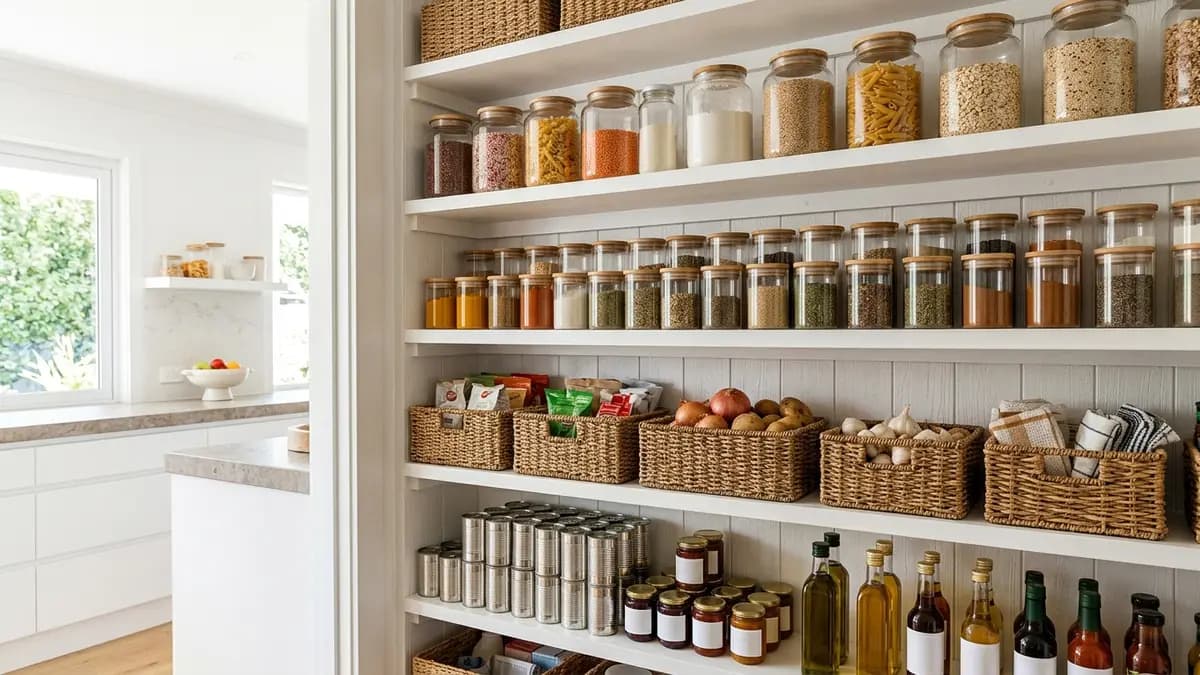
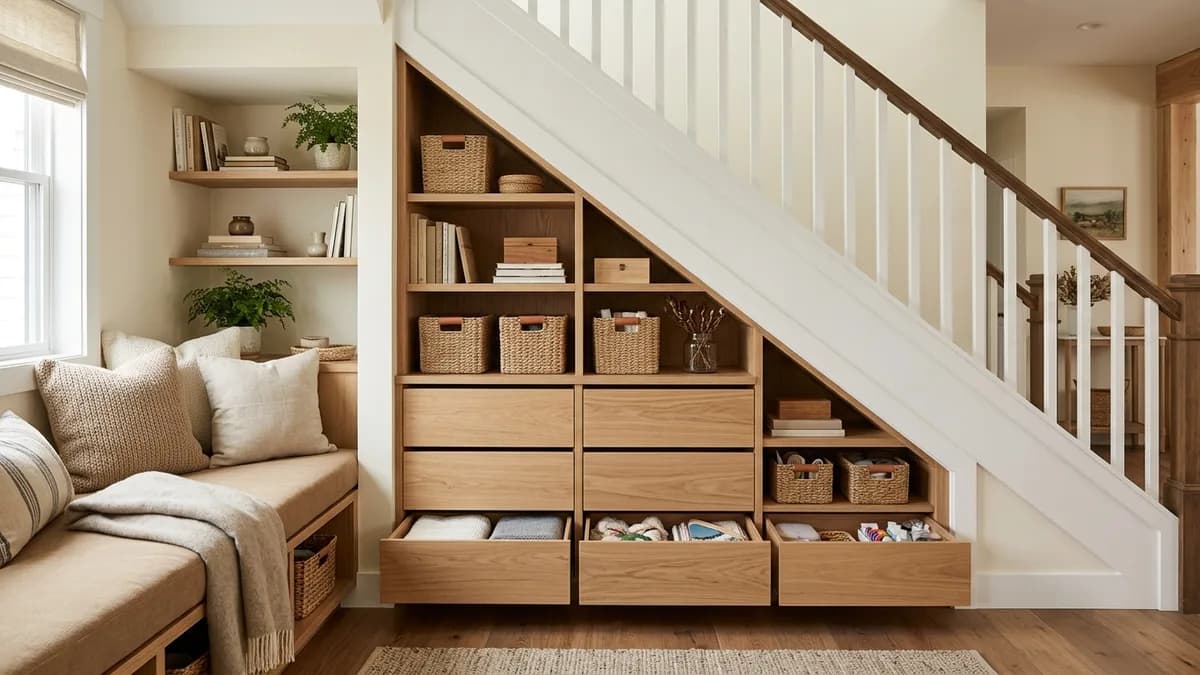
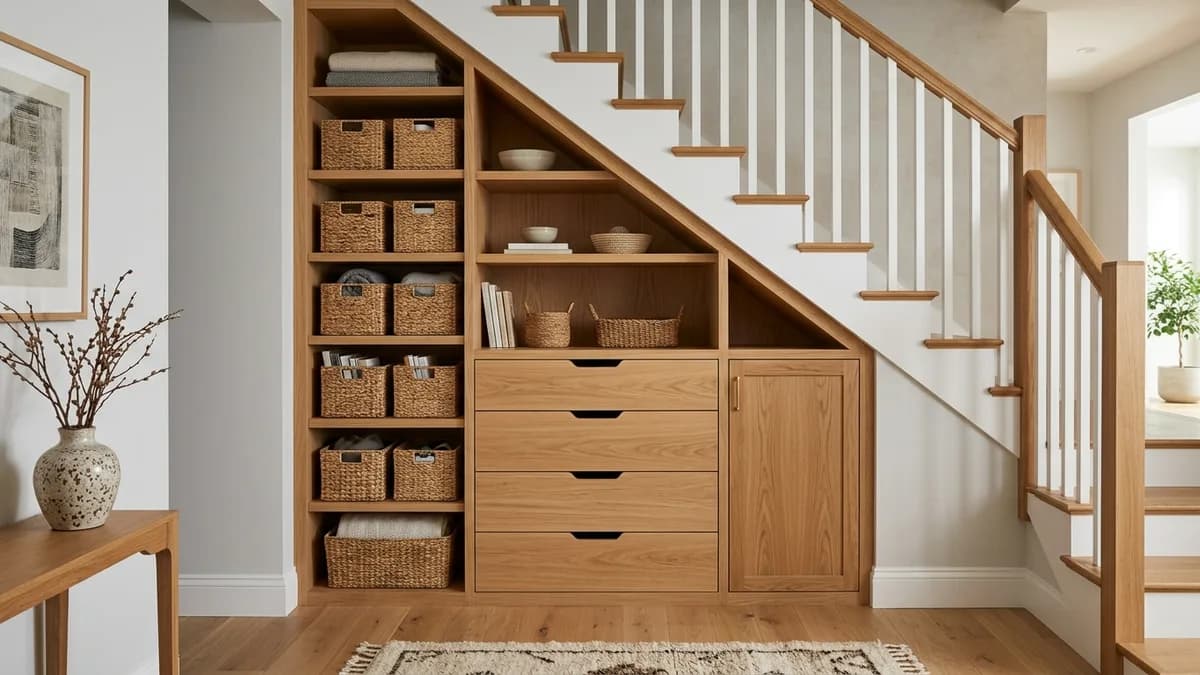
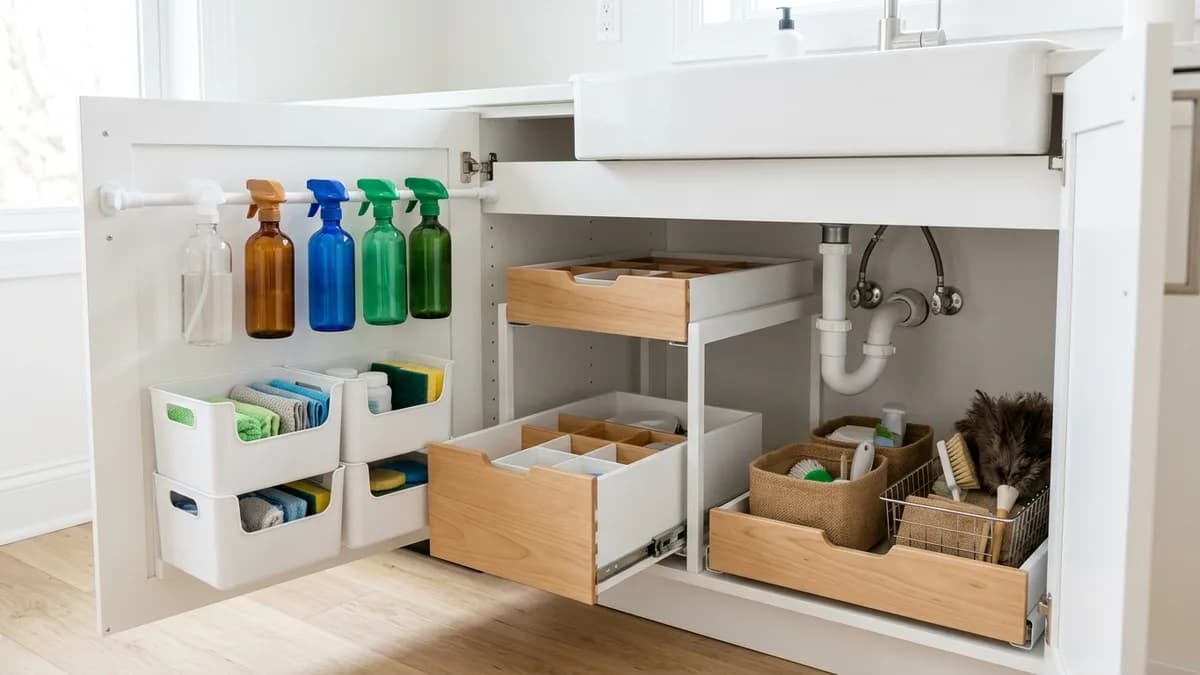
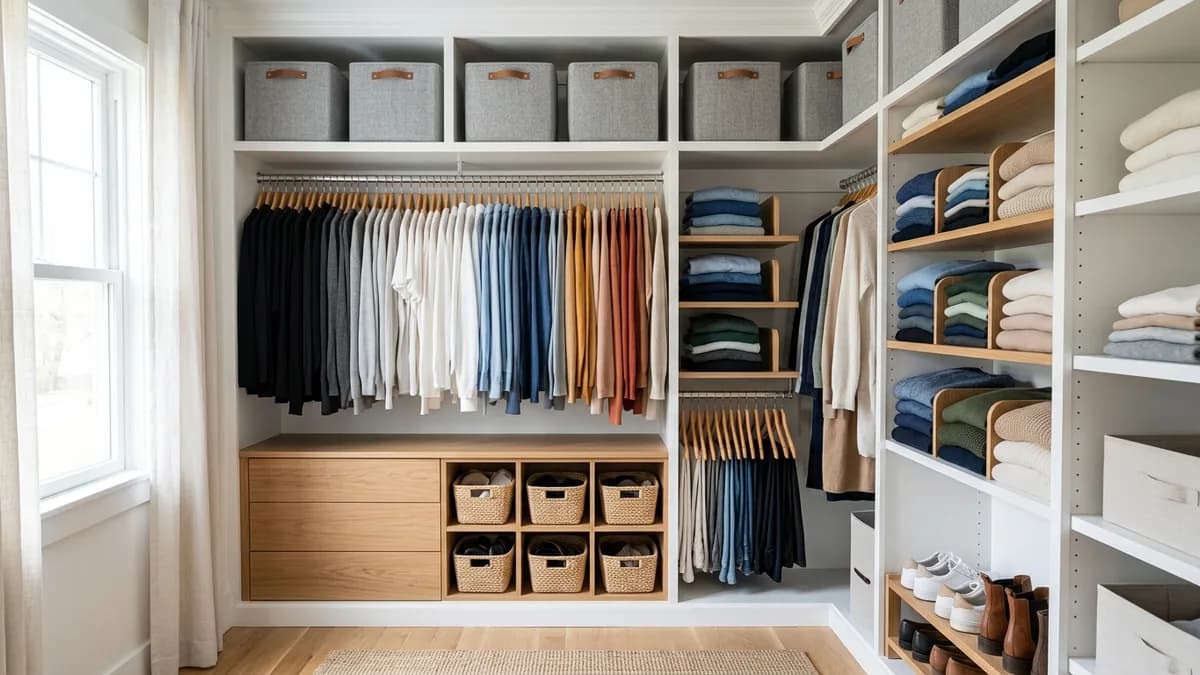
- Shelves and storage boxes
- Dining table and chairs
- Clothesline
- Iron and ironing board
- Rice cooker
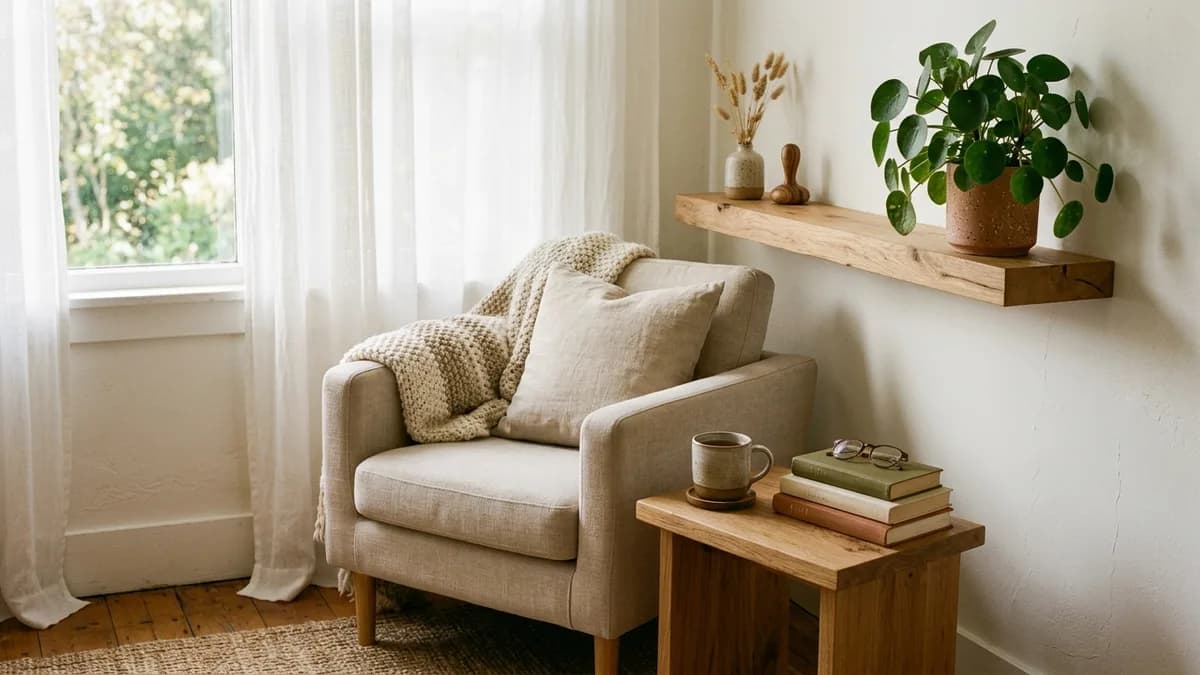
- Curtains or drapes
Priority 3 - Nice to Have
Supplementary items that can be purchased gradually over the next 1-3 months:
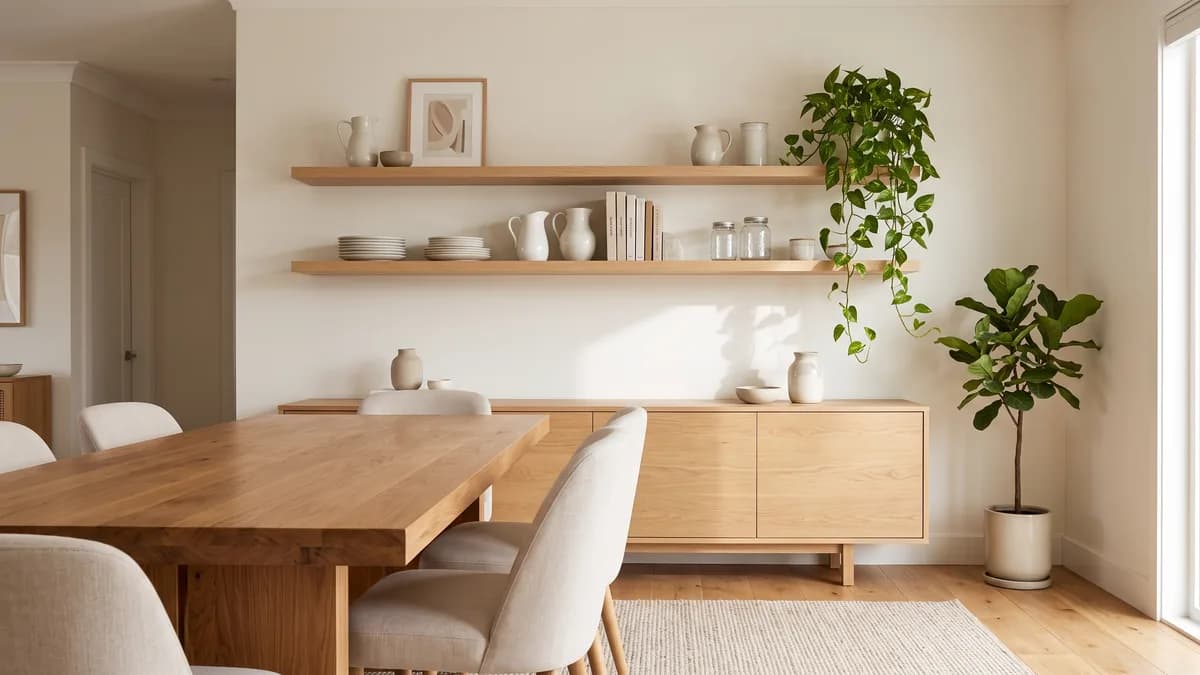
- Wall decorations
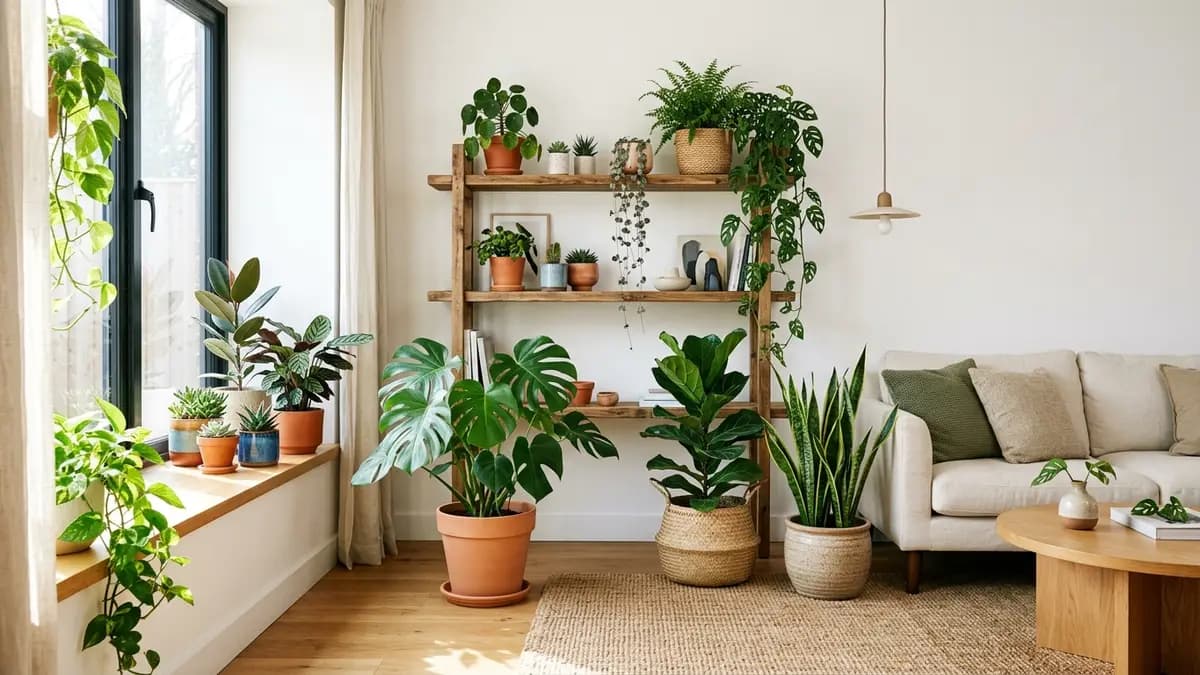
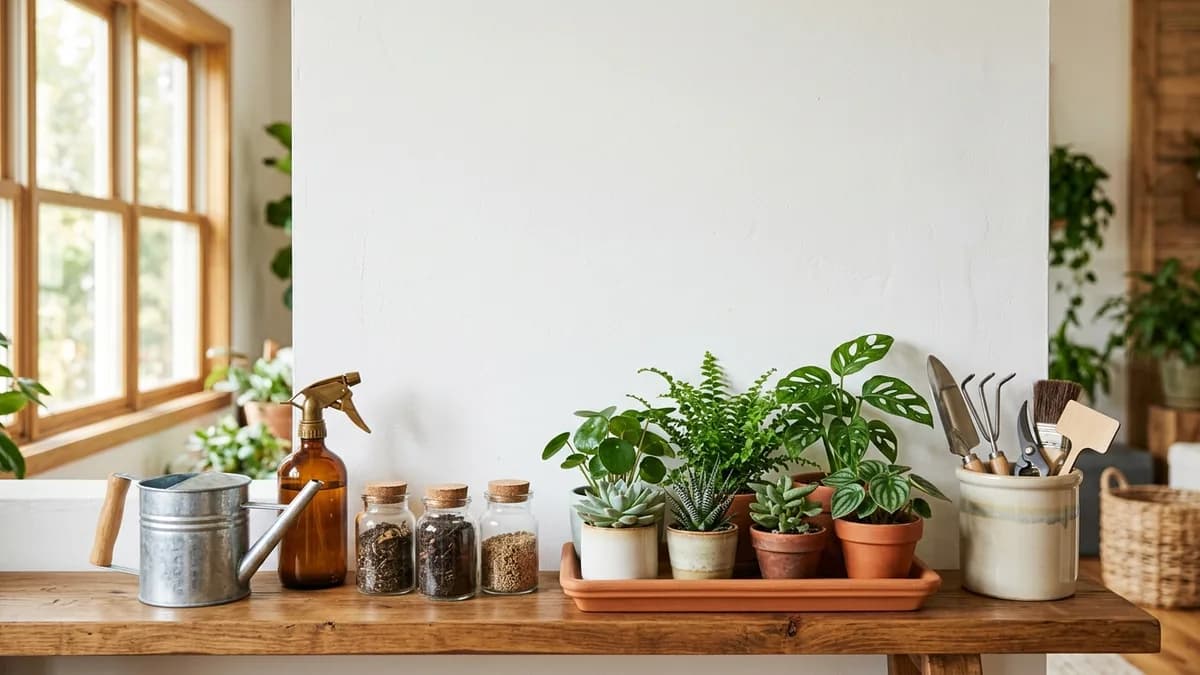
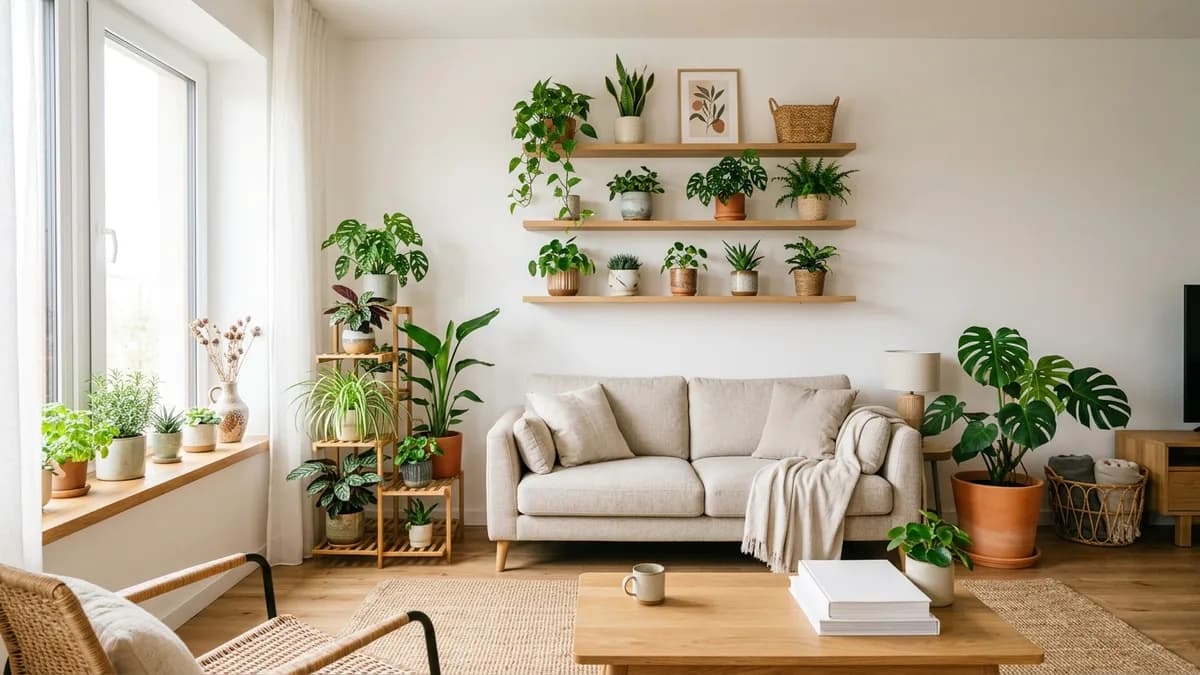
- Plants and planters
- Additional kitchen equipment (blender, mixer, oven)
- Carpet or rugs
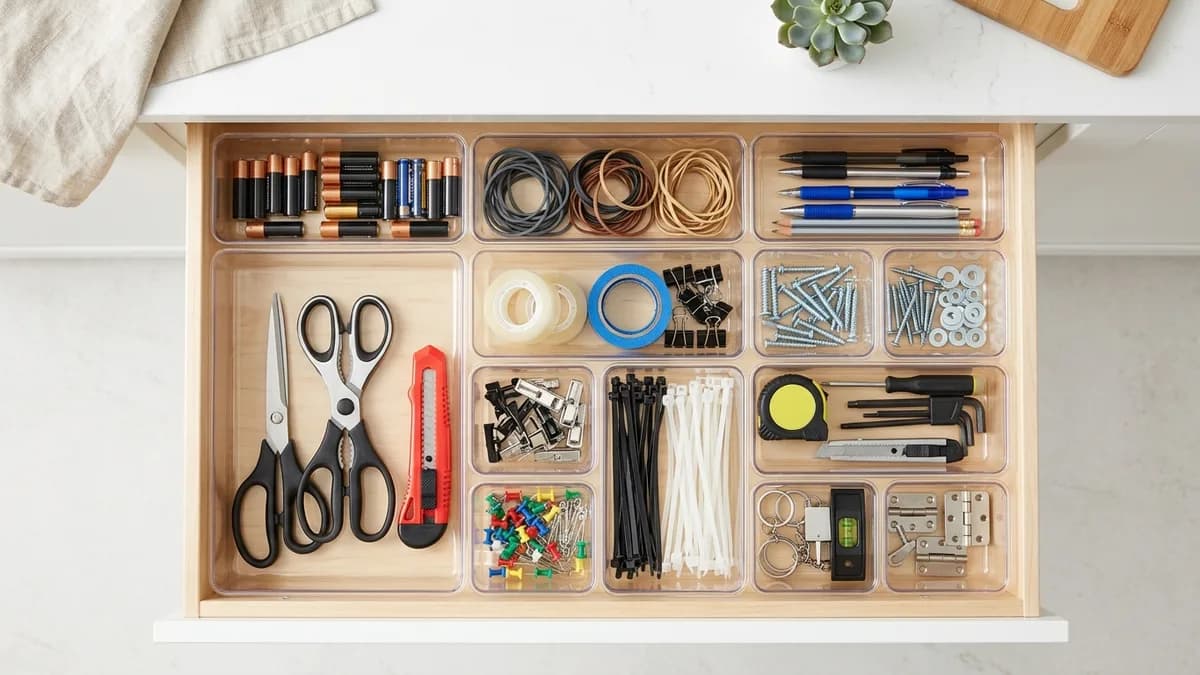
- Extra organizers
Step 2: Research Prices and Compare
Before making a purchase, take time to compare prices from various sources. The price difference for the same product can reach 20-50% depending on where you buy.
| Shopping Venue | Advantages | Disadvantages | Best For |
|---|---|---|---|
| Online Marketplace | Competitive prices, many promos | Can't see items in person | Small equipment, organizers |
| Local Furniture Store | Can negotiate, see items in person | Limited selection | Large furniture |
| Hypermarket | Fixed prices, guaranteed quality | Rarely big discounts | Kitchen equipment |
| Specialty Online Store | Specific products, detailed reviews | Shipping can be expensive | Organizers, storage solutions |
| Traditional Market | Very cheap, negotiable | Variable quality | Basic equipment |
Tips for effective price research:
- Use the price comparison feature on marketplaces
- Check product reviews and ratings before buying
- Record prices from at least 3 different sources
- Pay attention to shipping costs that can make online prices more expensive
- Check if there are warranties or return policies
Step 3: Take Advantage of Promotional Moments and Discounts
Smart shopping isn't just about buying the cheapest items, but buying at the right time. Here are some promotional moments you can take advantage of:
- Harbolnas (12.12) - huge discounts across all marketplaces
- Double date sales - 1.1, 2.2, 3.3, and so on usually have flash sales
- Payday sales - end of month usually features special marketplace promotions
- Specific brand promos - follow your favorite brand's social media accounts for promo updates
- Cashback and vouchers - use coins, cashback, and free shipping vouchers
However, stay disciplined with your list. Don't buy unnecessary items just because they're 70% off.
Step 4: Choose Multifunctional Products
One of the most effective strategies for saving budget is choosing products with more than one function. This way, you buy fewer items but still get all the functions you need.
Examples of multifunctional products worth investing in:
- Ottoman with storage - functions as a seat and storage unit
- Tiered rack with wheels - can be used in the kitchen, bathroom, or office
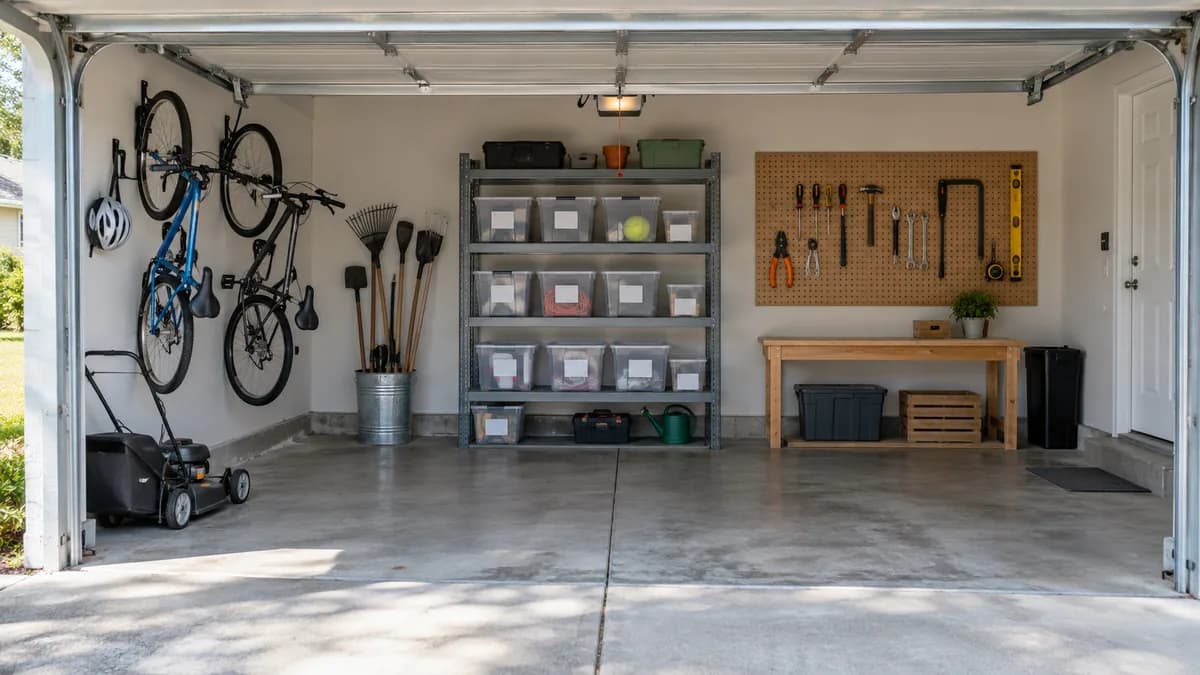
- Stackable storage boxes - can be stacked vertically to maximize space
- Folding table - can be used as a dining table, desk, or ironing board
- Multi-layer hanger - one hanger can hold 5-6 pants at once
Investing in multifunctional products may be more expensive initially, but overall you'll save money since you don't need to buy many separate items.
Step 5: Phased Shopping Strategy
You don't need to buy everything at once. A phased shopping strategy helps you manage finances better and gives you time to find the best products.
Month 1: Essential Needs
Focus on priority 1. Allocate about 50% of your total budget to this category. Make sure all basic needs are covered so you can comfortably carry out daily activities.
Month 2: Comfort and Organization
Start buying priority 2 items. By this month, you'll have a better understanding of which spaces need organizers, which areas need extra shelves, and what specific needs have emerged after living there for a month.
Month 3 and Beyond: Accessories
Buy priority 3 items gradually. At this stage, you can be more selective because you understand your household's real needs.
Step 6: Avoid Common Shopping Mistakes
Learning from others' mistakes can save you a lot of money and time. Here are the most common mistakes when furnishing a new home:
- Buying complete sets when you only need some items - for example, buying a 20-piece kitchen set when you only need 8 pieces initially
- Ignoring room dimensions - buying shelves or tables that turn out to be too large for the space
- Too focused on aesthetics - choosing beautiful but non-functional products
- Rejecting quality used items - secondhand furniture in good condition can save 50-70% of your budget
- Shopping when hungry or tired - physical condition affects the ability to make rational shopping decisions
- Not considering maintenance costs - cheap products that break quickly end up costing more in the long run
Step 7: Use Cost-Saving Alternatives
Besides buying new, there are several alternatives that can save significant money:
- Borrow from family - ask for unused items from parents or siblings
- Thrift stores and garage sales - many quality household items are sold at very cheap prices
- Simple DIY - some shelves and organizers can be made yourself from readily available materials
- Barter or swap - exchange items you have but don't need with items you need
- 0% installment - for large items like mattresses or cabinets, take advantage of interest-free installment programs
Essential Home Furnishing Checklist
As a final guide, here's a checklist of the most essential home items with estimated budgets:
| Category | Main Items | Estimated Budget |
|---|---|---|
| Bedroom | Mattress, pillows, sheets, wardrobe | $120 - $480 |
| Kitchen | Stove, pots, pan, plates, glasses | $60 - $180 |
| Bathroom | Towels, dipper, toilet rack, mirror | $12 - $30 |
| Living Room | Carpet, sofa pillows, small table | $30 - $120 |
| Cleaning | Broom, mop, trash cans, cloth | $12 - $30 |
| Storage | Storage boxes, racks, hangers, organizers | $18 - $60 |
Total estimated budget for basic essentials ranges from $252 to $900, depending on quality and brand chosen. This figure can be reduced further by applying the tips above.
Conclusion
Smart home shopping isn't about buying the cheapest items, but about buying the right items. With careful planning, price research, multifunctional product selection, and a phased shopping strategy, you can furnish your home completely without breaking the bank.
Start by creating a priority-based needs list, set a budget for each category, and discipline yourself to follow the plan you've made. Remember, a comfortable home doesn't have to be expensive - what matters is that every item in it is truly needed and functions well. Happy furnishing your new home!
Weekly Home Tips
Get home organization ideas, product picks, and exclusive deals delivered weekly.
No spam. Unsubscribe anytime.