How to Declutter Your Home: Easy Methods to Remove Unused Items
How to declutter your home effectively starts with a mindset shift, not just throwing things away. Decluttering or removing unused items is the first and most important step before you can properly organize your home. It's pointless to buy expensive storage boxes if they're filled with things you don't actually need.
Many Indonesian families store items for years with the reasoning 'what if we need it later'. As a result, closets become cramped, storage areas overflow, and homes feel small even though they're actually spacious enough. This article will guide you through a systematic and painless decluttering process.
Why Is Our Home Full of Stuff?
Before discussing how to declutter, it's important to understand why we accumulate items at home. Understanding the root cause will help you prevent clutter from building up again in the future.
Consumptive Habits
The ease of online shopping makes us buy things more impulsively. Flash sales, free shipping, and big discounts trigger purchases of items we don't really need. On average, Indonesians make 2-3 online purchases per week according to 2025 e-commerce research.
Excessive Sentimentality
Indonesian culture deeply values possessions. We're taught not to throw away things that are still 'usable', even if they haven't been touched for years. This sentimentality causes items to accumulate from generation to generation.
Attached Memories
Many items we keep aren't because of their function, but because of memories attached to them - clothes from graduation, gifts from ex-partners, childhood toys. These items take up physical space and often burden us emotionally as well.
Lack of Organization System
Without a good organization system, items tend to accumulate in the corners of your home. When you don't know what you own, you often buy duplicates that add to the pile.
Effective Decluttering Methods
There are several popular decluttering methods you can choose based on your personality and situation. There's no single 'right' method - the best one is the one you can follow consistently.
The KonMari Method (Marie Kondo)
This method asks you to hold each item and ask yourself: 'Does this spark joy?' If the answer is no, say thank you and let it go. The process is done by category, not by room:
- Clothing
- Books
- Documents
- Komono items (kitchen, bathroom, hobbies)
- Sentimental items
The 4-Box Method
Prepare four large boxes with labels:
- Keep - items you actively use and need
- Donate - items still in good condition but you don't need
- Sell - valuable items you can sell on marketplaces
- Discard - items that are damaged or no longer usable
Check each item and immediately place it in one of the boxes without overthinking.
The 20/20 Rule
The rule is simple - if an item can be repurchased within 20 minutes for less than $12, you can let it go without guilt. This method is effective for overcoming the 'just in case' mentality.
The One In, One Out Method
To keep your home clutter-free after decluttering, apply this rule: every time you bring one new item into your home, one old item must leave. This ensures the number of items in your home stays constant.
Room-by-Room Decluttering Guide
| Room | Items Most Often Cluttered | Decluttering Goal | Time Needed |
|---|---|---|---|
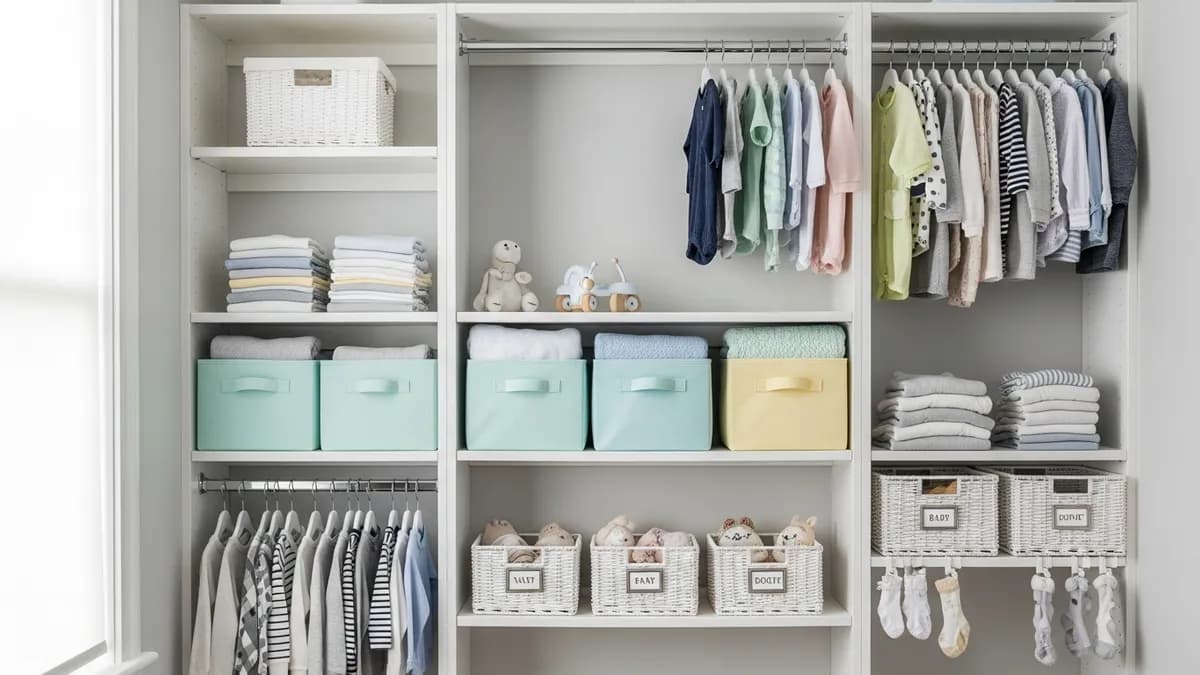
| Bedroom | Clothing, accessories, books | Reduce closet contents by 30-40% | 3-5 hours |
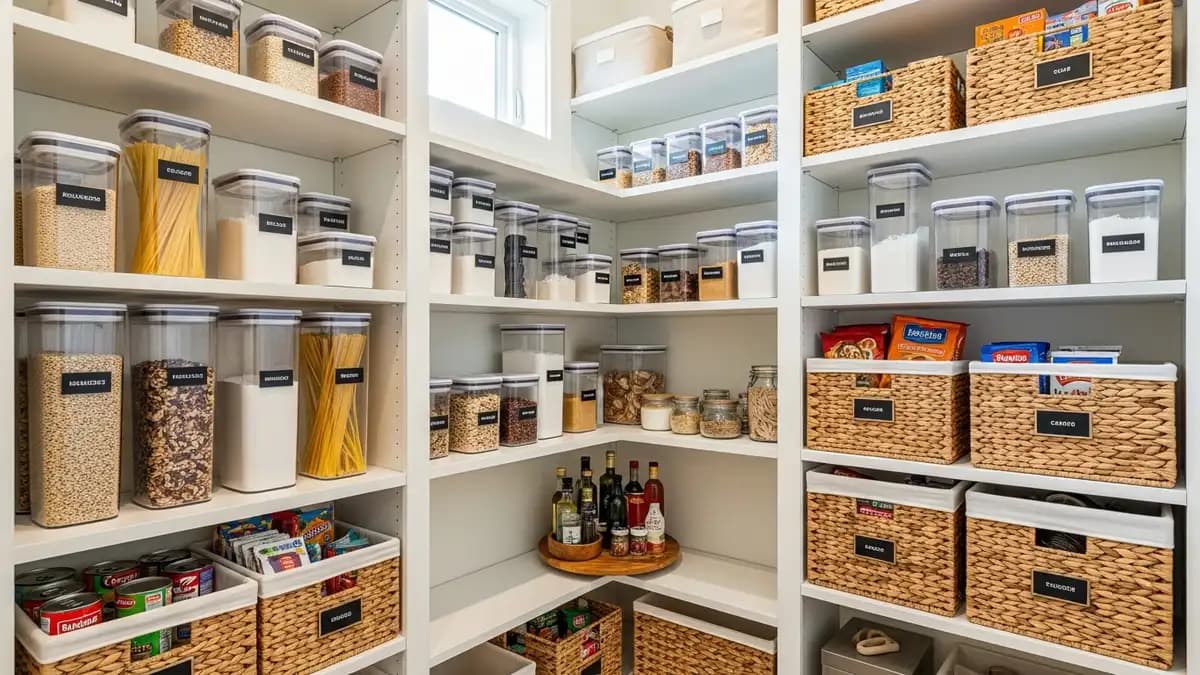
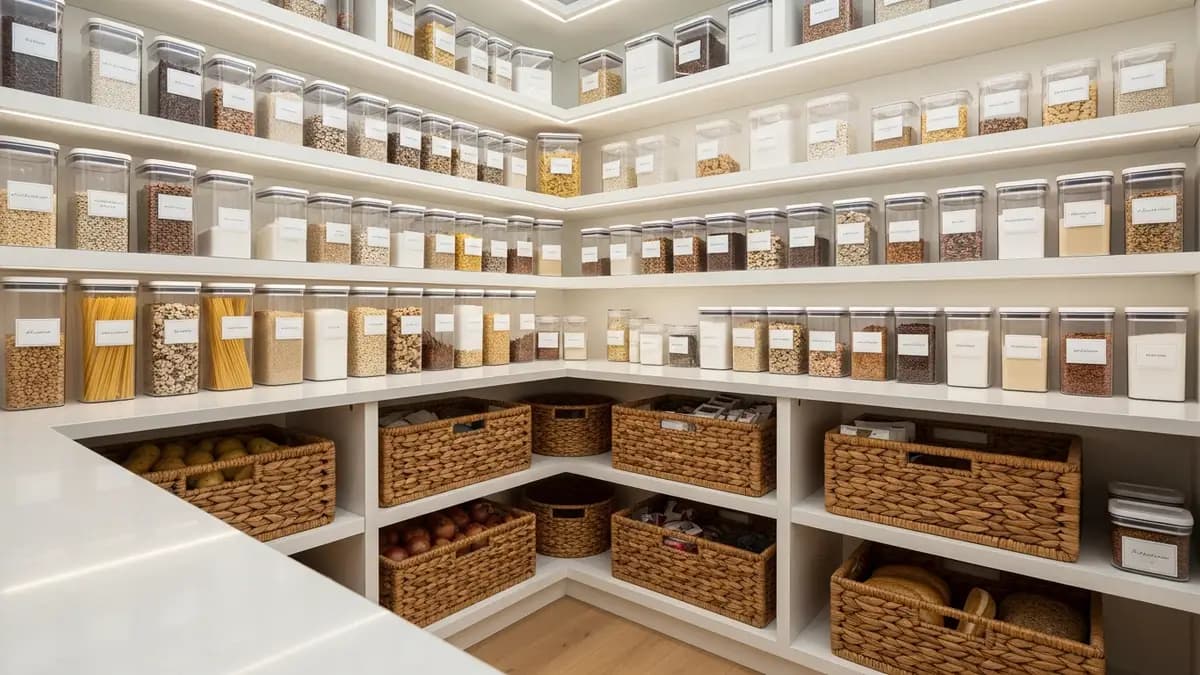
| Kitchen | Cookware, containers, plastic bags | Discard cracked items, duplicates | 2-3 hours |
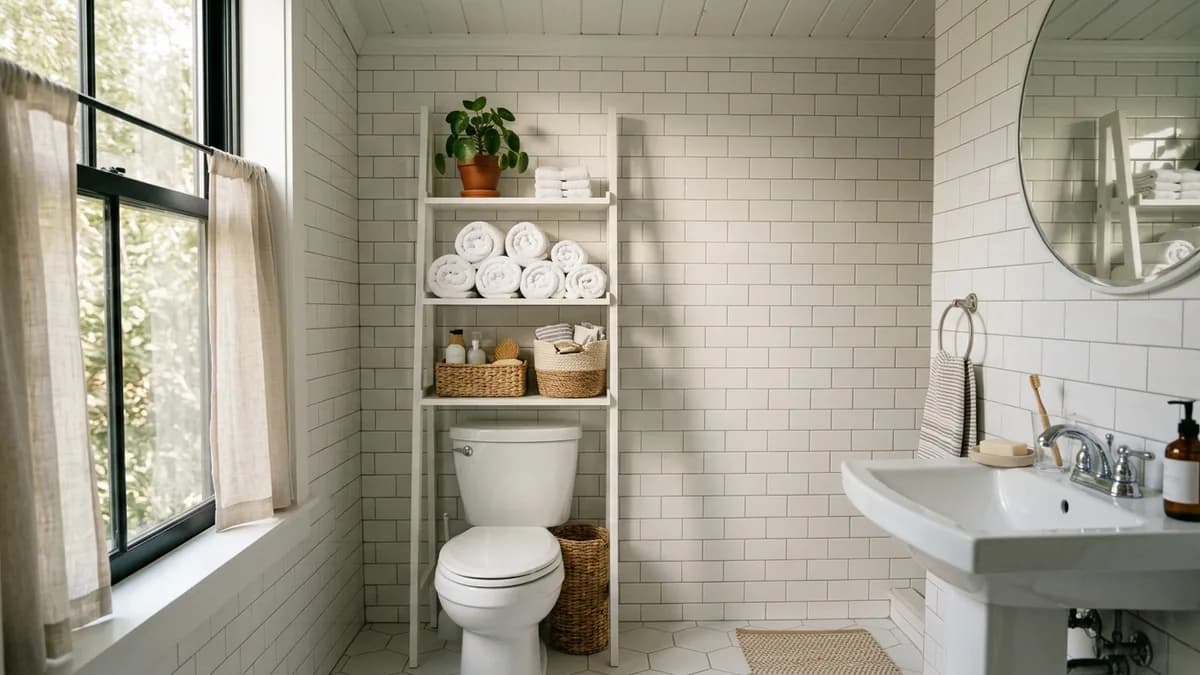
| Bathroom | Expired products, old towels | Discard expired items | 1-2 hours |
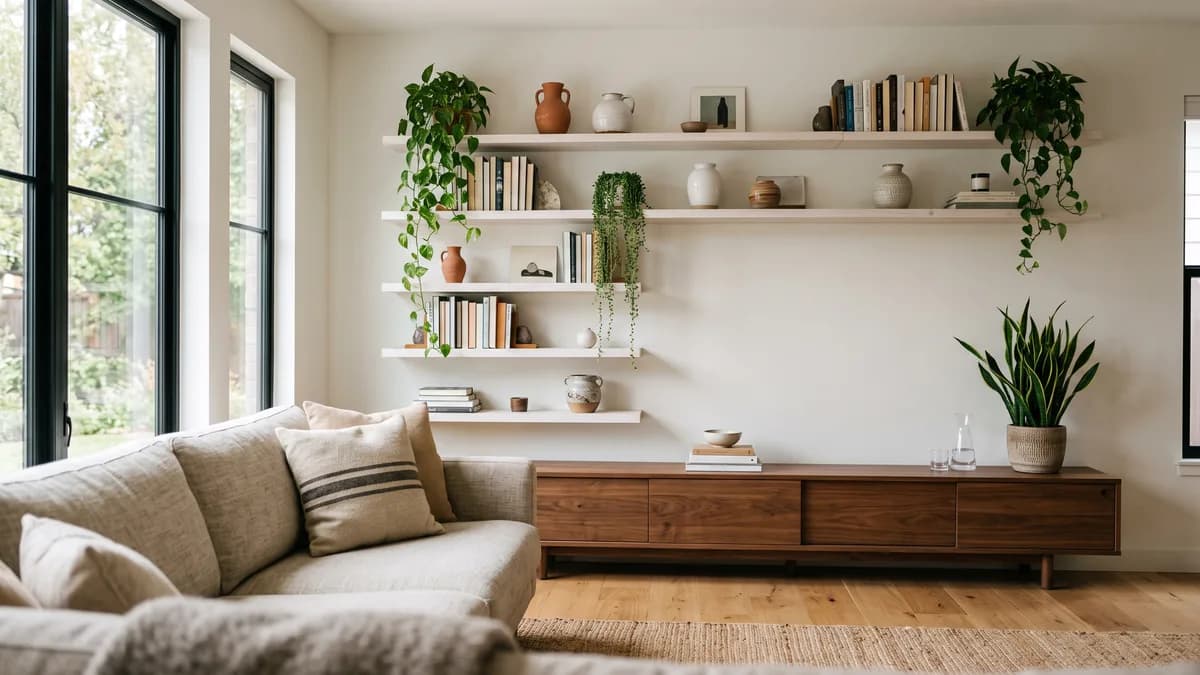
| Living Room | Magazines, decorations, remote controls | Keep only functional items | 1-2 hours |
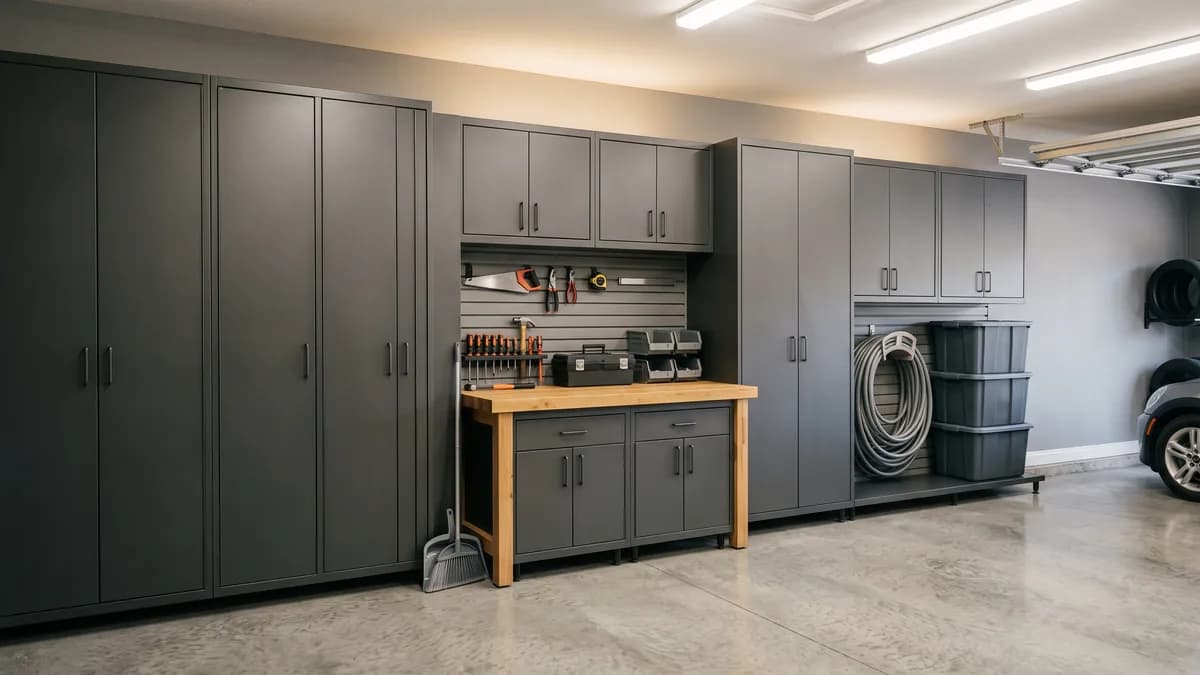
| Storage Area | Broken items, empty boxes | Target 50% reduction | 4-6 hours |
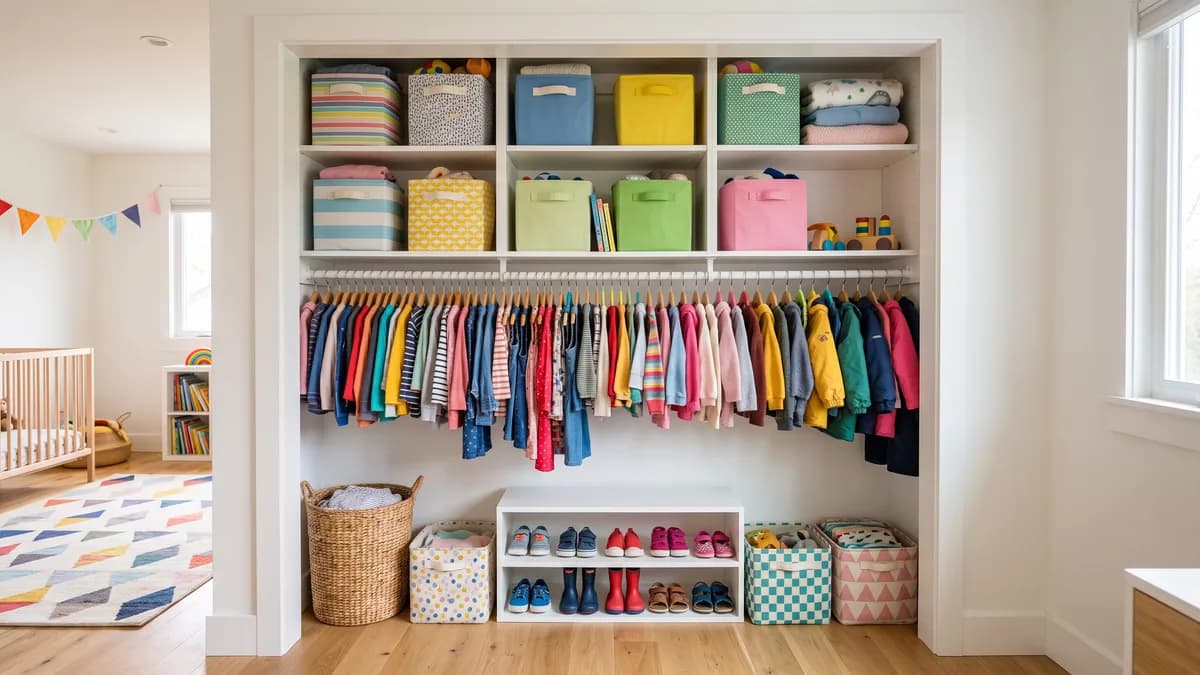
| Kids' Room | Toys, old schoolbooks | Involve child in process | 2-4 hours |
Step-by-Step Home Decluttering Guide
Stage 1: Mental and Physical Preparation
Decluttering is not a task that can be completed in an hour. Prepare yourself mentally that the process may take several days or even weeks if done gradually.
Preparation needed:
- Prepare large garbage bags, sacks, or boxes
- Choose one room or area to start with
- Make sure you're in good physical and emotional condition
- Turn off distractions like TV or social media
- Prepare snacks and drinking water
Stage 2: Remove All Items
For the area you've chosen, take everything out and place it on the floor or a large table. Yes, everything - even items you're sure you want to keep. Seeing all your items at once gives you perspective on how much stuff you actually own.
Stage 3: Sort Quickly
Pick up each item and make a decision within a maximum of 10 seconds. The longer you think, the more likely you'll keep items you don't actually need. Use these questions:
- When did I last use this item?
- Do I have another item with the same function?
- If I lost this item, would I buy it again?
- Is this item still in usable condition?
Stage 4: Follow Up Immediately
Don't let your 'donate' and 'sell' boxes sit around for weeks. Take them to donation centers or list them on marketplaces within 3 days maximum. Items that wait too long tend to end up back in your closet.
Stage 5: Re-organize
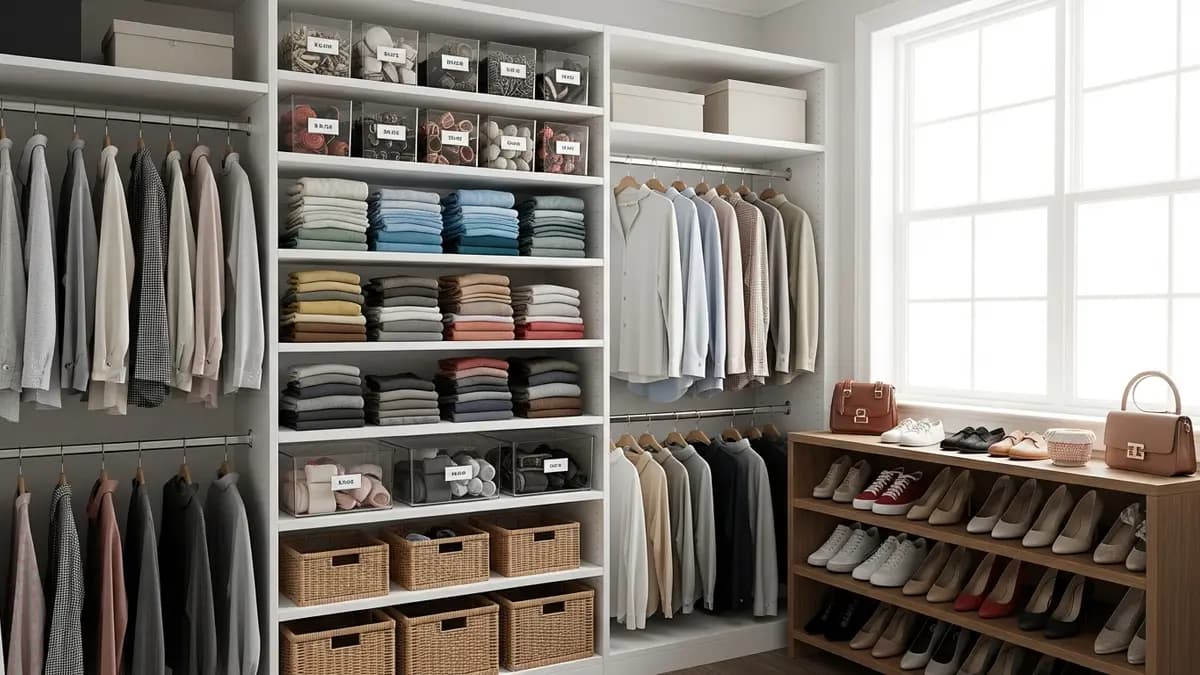
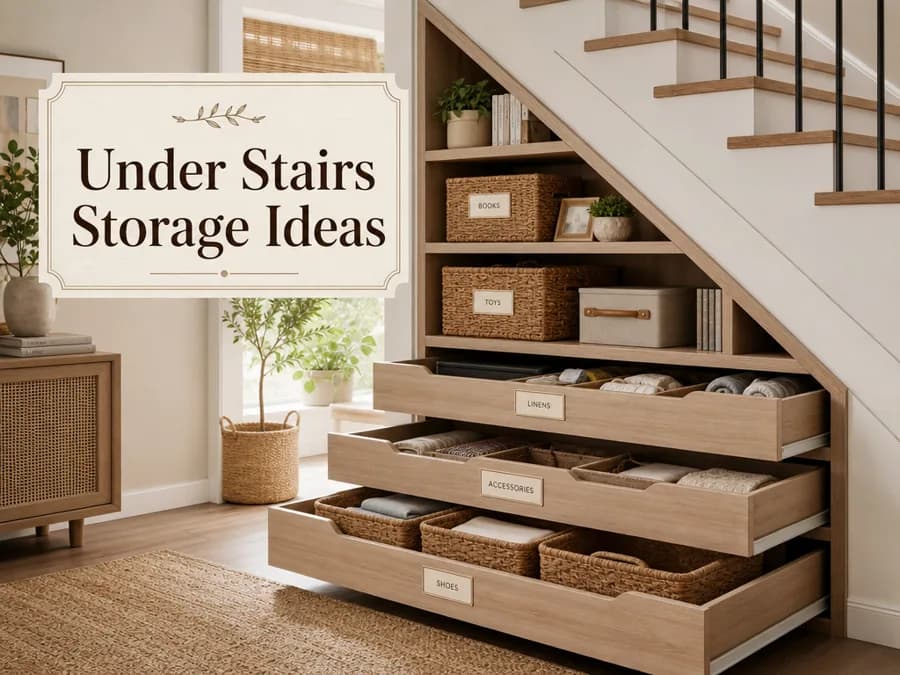
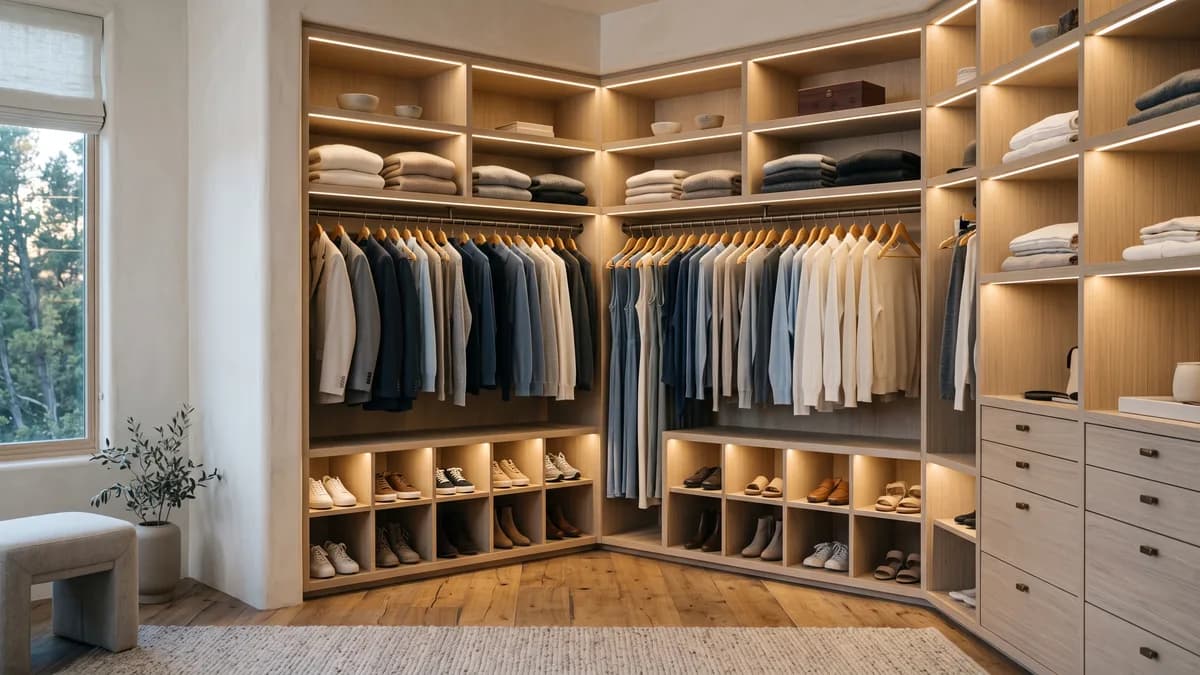
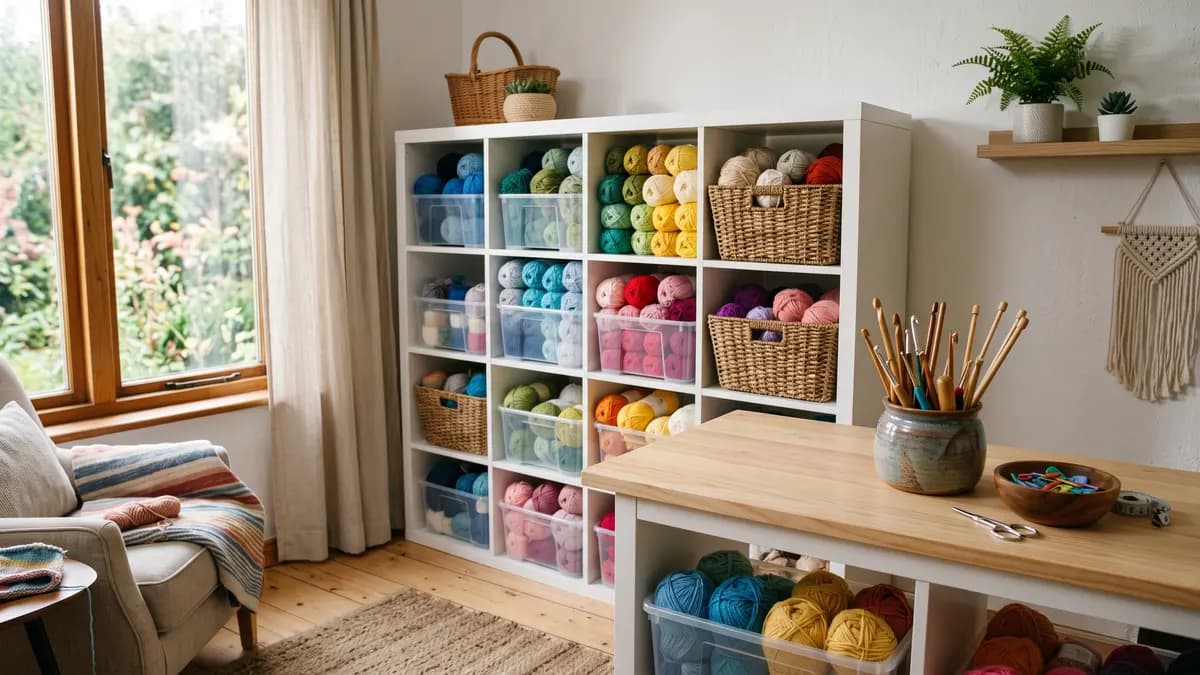
After sorting, rearrange the items you're keeping with a neat system. Use storage boxes, labels, and dividers to ensure each item has its own place. The principle is simple - the more frequently used, the easier to access.
Overcoming Emotional Barriers While Decluttering
The hardest part of decluttering isn't physical - it's emotional. Here's how to overcome common emotional barriers:
Guilt About Discarding
Many people feel guilty throwing away gifts or items that still work. Remember that keeping unused items is actually more wasteful than giving them to someone who truly needs them. Donating is a good way to let go without guilt.
Fear of Regretting Later
This fear is natural, but statistics show that 80% of items we keep 'just in case' are never used again. For sentimental items, take a photo before letting them go - the memory will be preserved in the photo without taking up physical space.
Feeling Overwhelmed by the Amount of Stuff
If you feel overwhelmed, don't force yourself to finish everything at once. Start with a small area like one drawer or one shelf. Success in a small area will motivate you to continue with larger areas.
What to Do with Items from Decluttering?
After sorting, unused items can be allocated to several destinations:
- Donate to social institutions - usable clothing, books, and toys are always needed
- Sell on marketplaces - electronics, furniture, or branded items still have resale value
- Give to relatives or neighbors - offer to people close to you first
- Recycle - fabric, paper, and plastic can be taken to recycling centers
- Discard what's truly broken - items that can't be used by anyone
Keeping Your Home Clutter-Free
Decluttering isn't a one-time activity. Without changing your habits, clutter will accumulate again within a few months. Here are habits you can apply to maintain your decluttering results:
- Apply the one in, one out rule - every new item that enters must be paired with one old item leaving
- Waiting list before buying - wait 48 hours before purchasing non-essential items to ensure you really need them
- Monthly mini-declutter - spend 30 minutes each month sorting through one small area
- Annual major declutter - do a thorough decluttering at least once a year, ideally before the new year or before Ramadan
- Set limits for each category - for example, maximum 50 pieces of clothing or 30 books on a shelf
- Store items in their place - make it a habit to return items to their original location after use
Conclusion
Decluttering your home is a process of freeing yourself from the burden of items that no longer add value to your life. With the right method and commitment to change, you can transform a cramped home into a spacious, comfortable, and easy-to-manage space.
Start small - choose one drawer or one corner of your room today. Sort through the items, release what you don't need, and organize the rest neatly. Experience how much lighter it feels to have fewer items that are all truly meaningful. A clutter-free home isn't about having fewer things, it's about having the right things.
Weekly Home Tips
Get home organization ideas, product picks, and exclusive deals delivered weekly.
No spam. Unsubscribe anytime.