Quality Products, Free Shipping & Easy Returns!
Sesoris
My AccountTrack Order
BlogKitchen & Cooking
How to Store Food for Longevity: Complete Category-by-Category Guide (2026)
Kitchen & Cooking

How to Store Food for Longevity: Complete Category-by-Category Guide (2026)

April 18, 2026
12 min read read
SD
Sari Dewi
Kitchen & Cooking Expert

The most effective way to store food for longevity depends on three main factors: proper storage temperature, quality airtight containers, and controlled humidity levels. These three factors determine up to 90% of your food storage success - whether in the refrigerator, freezer, or at room temperature. This article discusses food storage techniques by category in detail so you can save on your monthly grocery expenses.

Various types of food neatly stored in airtight containers inside a refrigerator

According to data from BPOM (Indonesian Food and Drug Authority), Indonesian households on average throw away 15-25% of purchased food because it spoils before being consumed. This figure equals wasting approximately $18-36 per month for a standard family. With correct storage techniques and proper container selection, this waste can be reduced to below 5%.

This article discusses how to store each food category in detail - from meat, fish, vegetables, fruits, rice, to spices and seasonings - so you can save money on groceries while reducing food waste at home.

Basic Principles of Proper Food Storage

Before discussing category-specific techniques, it's important to understand four main enemies of food longevity that you must control:

  • Temperature - bacteria multiply fastest at 5-60 degrees Celsius, known as the danger zone
  • Air - oxygen accelerates oxidation which causes food to go rancid and change color
  • Humidity - excessive moisture triggers mold growth, while too little dryness causes food to wilt and lose texture
  • Light - UV rays damage vitamins and accelerate spoilage in some types of food

All storage techniques in this guide are designed to optimally control these four factors.

How to Store Meat and Fish for Longevity

Meat and fish are the most vulnerable categories to spoilage due to their high protein content. Improper handling not only decreases taste quality but can also cause serious food poisoning.

Storing Raw Meat in the Refrigerator (Short-term)

Store raw meat on the lowest shelf of your refrigerator to prevent liquid drips from contaminating other foods below it. Wrap tightly with plastic wrap or place in a quality airtight container. The ideal refrigerator temperature for storing meat is 0-4 degrees Celsius.

Storing Meat in the Freezer (Long-term)

For storage longer than 2 days, the freezer is the best choice to significantly extend shelf life. The correct technique for freezing meat:

    1
  1. Divide into single-meal portions - avoid thawing and refreezing as it reduces quality
  2. 2
  3. Remove as much air as possible from the packaging before freezing to prevent freezer burn
  4. 3
  5. Label the date on each package so you know which to use first
  6. 4
  7. Freeze at -18 degrees Celsius or lower for optimal results
  8. 5
  9. Place at the back of the freezer since the temperature is most stable there compared to the door

Meat and Fish Shelf Life Chart

Food TypeRefrigerator (0-4°C)Freezer (-18°C)Signs of Spoilage
Raw chicken1-2 days9-12 monthsSour smell, slimy, grayish color
Raw beef3-5 days6-12 monthsPungent odor, sticky surface
Fresh fish1-2 days3-6 monthsCloudy eyes, brownish gills, strong fishy smell
Fresh shrimp1-2 days3-6 monthsAmmonia smell, blackened head
Ground meat1-2 days3-4 monthsUniform grayish-brown color
Cooked meat3-4 days2-3 monthsSour smell, slimy texture

How to Store Vegetables and Fruits

Not all vegetables and fruits should be stored together in the same location. Some fruits produce ethylene gas that accelerates ripening and spoilage of nearby vegetables.

Vegetables and fruits stored separately in refrigerator compartments with different ventilation

Vegetable Storage Tips

  • Leafy greens (spinach, kale, lettuce) - wrap with paper towel then place in perforated plastic, store in crisper drawer
  • Root vegetables (carrots, potatoes, onions) - store in a dry, cool place, no refrigeration needed unless already peeled
  • Fresh herbs (basil, green onions, celery) - trim stem ends, place in a glass with a little water, cover with plastic, store in refrigerator
  • Cut vegetables - store in airtight containers with a paper towel at the base to absorb excess moisture

Fruit Storage Tips

  • Separate ethylene-producing fruits (apples, bananas, avocados, tomatoes) from leafy greens to prevent accelerated spoilage
  • Tropical fruits (mangoes, bananas, papayas) - let ripen at room temperature, refrigerate only after fully ripe
  • Berries (strawberries, blueberries) - don't wash before storing, wash only when ready to eat
  • Citrus and lemons - can last 1-2 weeks at room temperature or 1 month in the refrigerator

How to Store Rice and Carbohydrates

Rice is an Indonesian staple food that's often cooked in excess. Storing rice properly is not just about taste, but also about safety because improperly stored rice can become a breeding ground for dangerous Bacillus cereus bacteria.

Leftover Rice

Cool leftover rice within a maximum of 1 hour after cooking. Don't leave rice in a rice cooker on warm mode for more than 4 hours. Place in an airtight container and store in the refrigerator (lasts 1 day) or freezer (lasts 1 month). When reheating, ensure the rice is heated thoroughly and evenly all the way through.

Raw Rice

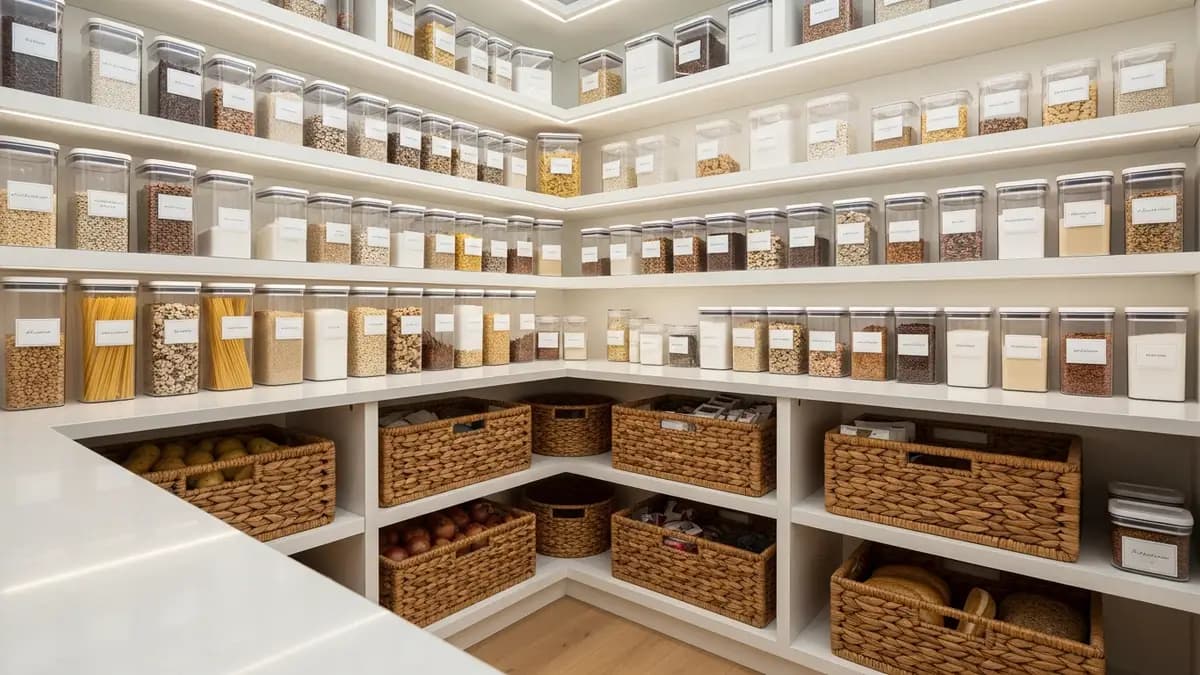
Store rice in airtight containers to prevent rice weevils from entering. Place a few pandan leaves or bay leaves inside the container as a natural pest deterrent. In Indonesia's tropical climate, rice should be used within 3 months after opening the package.

Dried Noodles and Pasta

Transfer from original plastic packaging to airtight containers after opening. Store in a cool, dry place, away from stoves and heat sources. Shelf life is 6-12 months if stored correctly and protected from moisture.

How to Store Spices and Seasonings

Kitchen spices are an expensive flavor investment - it's a shame if they spoil due to improper storage. Here's the storage guide for each type of spice:

  • Powdered spices (turmeric, black pepper, coriander) - place in airtight containers, away from heat and direct light, lasts 6-12 months
  • Whole spices (cinnamon sticks, cloves, whole nutmeg) - last longer than ground forms, store in a dry place in closed containers, last 2-3 years
  • Shallots and garlic - store in a dry, well-ventilated place like a net or perforated basket, don't refrigerate unless already peeled
  • Ginger and galangal - wrap with paper then plastic, refrigerate (2-3 weeks) or cut into pieces and freeze (3 months)
  • Sauces and soy sauce (after opening) - store in refrigerator, use within 1-3 months after opening

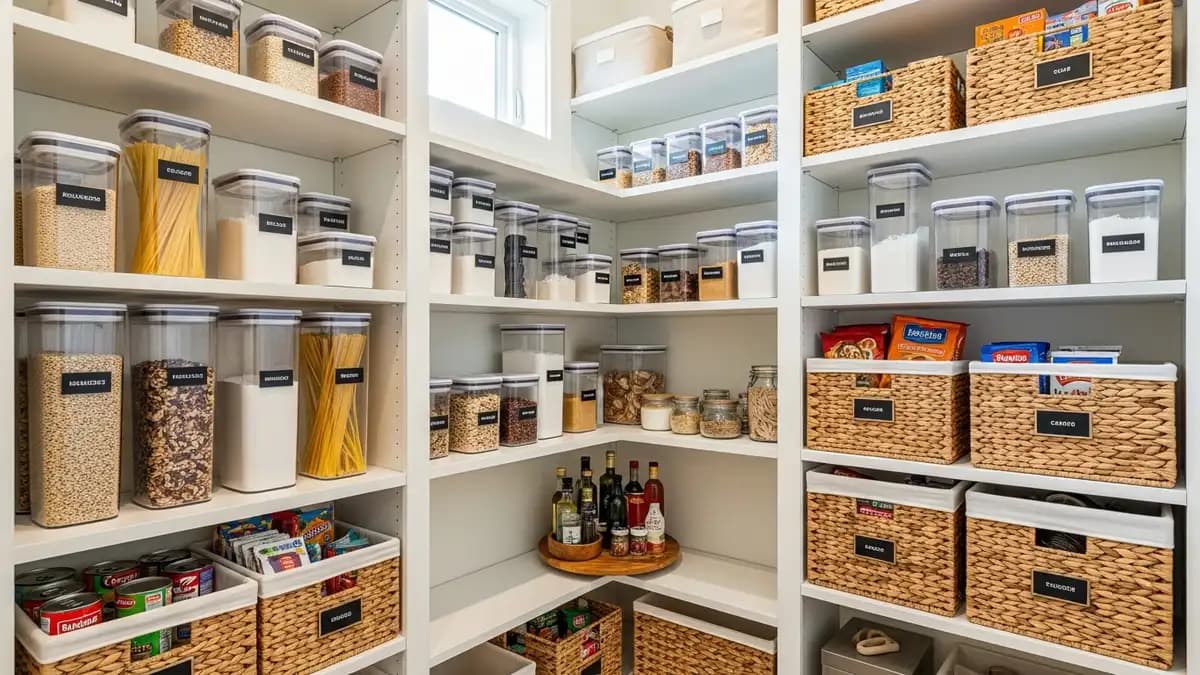
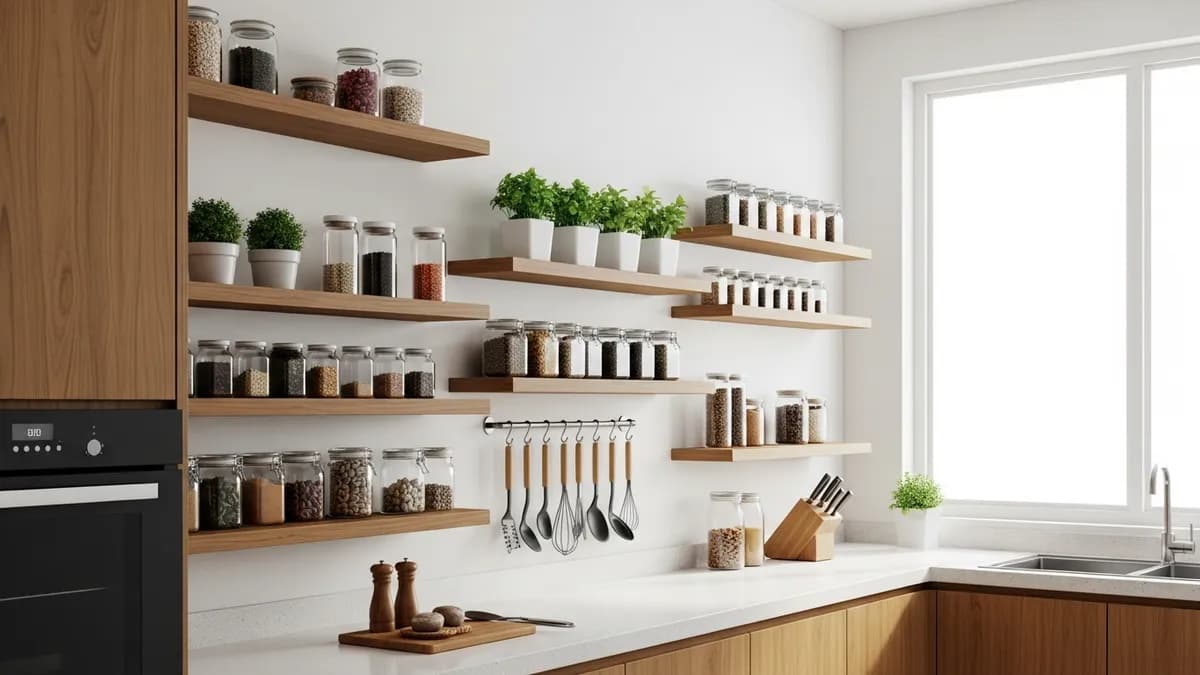
For organized and efficient spice cabinet organization, use a spice rack with uniform labeled containers. This system makes it easy to see your remaining spice inventory and when to buy more.

Vacuum Sealing Technique for Long-term Storage

Vacuum sealing is a food storage technique that removes air from the packaging before sealing. This technique is very effective for extending food shelf life because it eliminates oxygen, which is the main cause of oxidation and aerobic bacteria growth.

Benefits of Vacuum Sealing

  • Freezer shelf life can increase 2-3 times compared to regular packaging
  • Prevents freezer burn that dries out food and changes texture
  • Vacuum-sealed food retains nutrients and flavor better
  • Saves freezer space as packaging is thinner and can be stacked neatly

Foods Suitable for Vacuum Sealing

  • Raw meat and fish for long-term storage
  • Vegetables that have been blanched (briefly boiled then placed in ice water)
  • Spice bases that have been ground or sautéed
  • Cooked foods to be stored longer than one week in the freezer

Choosing the Right Food Storage Containers

The quality of storage containers is crucial in determining how long food can last. Not all containers are created equal, and choosing the right material can make a big difference.

MaterialAdvantagesDisadvantagesBest For
Borosilicate glassDoesn't absorb odors, microwave-safe, durableHeavy, breaks easilyRefrigerator, microwave, display
BPA-free plastic (PP)Lightweight, doesn't break, affordableCan absorb colorFreezer, lunch boxes, travel
Stainless steelNon-reactive with acids, hygienicNot transparent, not microwave-safeLunch boxes, dry storage
Food-grade siliconeFlexible, can be foldedCan absorb odors if low qualityFreezer, space-saving

Whatever the material, make sure the container has an airtight lid with a tight silicone seal. For food containers for selling, choose materials that withstand repeated use and are easy to clean.

Organized refrigerator with labeled containers in each shelf

Tips for Organizing Your Refrigerator for Longer Food Shelf Life

Proper refrigerator organization is just as important as container selection. Here's how to arrange your refrigerator shelves optimally:

    1
  1. Top shelf - ready-to-eat foods, beverages, leftovers in closed containers
  2. 2
  3. Middle shelf - dairy like milk, cheese, and yogurt, plus eggs
  4. 3
  5. Bottom shelf - raw meat and fish to prevent liquid drips to other foods
  6. 4
  7. Crisper drawer - vegetables and fruits separated if possible
  8. 5
  9. Refrigerator door - sauces, soy sauce, beverages that are frequently accessed since this area has the most unstable temperature

Don't fill your refrigerator more than 75% of its capacity because cold air needs space to circulate properly. Set refrigerator temperature at 1-4 degrees Celsius and freezer at -18 degrees Celsius or lower for optimal storage results.

Meal Prep with Freezer - Save Time and Money

Meal prepping using a freezer is a smart way for homemakers and busy workers to save time and expenses. Some freezer techniques that are often overlooked but very effective:

  • Flash freeze vegetables before packing - spread on a baking sheet, freeze for 2 hours, then place in containers. This prevents vegetables from sticking together into one clump
  • Leave expansion room in containers - foods containing water will expand when frozen
  • Thaw in the refrigerator, not at room temperature - thawing at room temperature causes the outer layer of food to reach the danger zone while the inside is still frozen
  • Cook spice bases (sautéed onions and spices) in large quantities then freeze in small portion containers - just grab one portion when cooking

Storing Dry Foods at Room Temperature

Not all foods need to go in the refrigerator. Some items are actually better stored at room temperature as long as conditions are right:

  • Bread - store in a dry place with closed packaging, use within 3-5 days, or freeze for long-term storage
  • Cooking oil - away from stove and direct light, seal tightly after use
  • Snacks and chips - after opening transfer to airtight containers or use food clips
  • Coffee and tea - airtight containers in a dark place, don't refrigerate as it absorbs odors
  • Honey - never expires if stored sealed at room temperature and not contaminated with water

For complete kitchen equipment supporting optimal storage, read the guide on essential kitchen equipment for new households which includes storage container recommendations.

Investing in Quality Food Storage Containers

Quality food storage containers are a long-term investment that saves money - every dollar you spend on good containers will come back many times over from food that doesn't go to waste. Calculate it yourself: if you reduce food waste from 20% to 5% of your total monthly grocery budget of $180, you save $27 per month or approximately $324 per year.

FAQ - Frequently Asked Questions

Can frozen food be refrozen after thawing?

Generally not recommended because each freeze-thaw cycle reduces texture and flavor quality, plus increases the risk of bacterial contamination. Exception - if food is thawed in the refrigerator (not at room temperature) and hasn't been more than 24 hours, it can still be refrozen although quality will decrease.

How long can eggs be stored in the refrigerator?

Whole raw eggs can last 3-5 weeks in the refrigerator. Store on inner shelves, not on the refrigerator door where temperature frequently fluctuates. Freshness test - place egg in water: if it sinks and lies flat it's still fresh, if it stands upright it's still edible but use soon, and if it floats it's no longer safe to eat.

Is it safe to store hot food in plastic containers?

Never place hot food directly in plastic containers - even those labeled BPA-free. Wait for food to reach room temperature (maximum 1 hour after cooking) before placing in containers. For storing hot food, use borosilicate glass or stainless steel containers.

How do you store baby food to make it last longer?

Cook baby food until done, cool it, then place in small containers according to single-meal portions and freeze. Frozen baby food can last 1-3 months in the freezer. Thaw in the refrigerator overnight before use, then heat until boiling and cool to warm temperature before serving to baby.

What are the signs that food in the refrigerator is no longer safe to eat?

Watch for five main signs - unusual color changes, sour or pungent smell, slimy or excessively watery texture, appearance of mold even if slight, and taste different from usual. If you're unsure, it's better to throw it away as the risk of food poisoning doesn't justify trying to save food items.

Weekly Home Tips

Get home organization ideas, product picks, and exclusive deals delivered weekly.

No spam. Unsubscribe anytime.