Quality Products, Free Shipping & Easy Returns!
Sesoris
My AccountTrack Order
BlogTips & Tricks
Moving Checklist: Complete Guide to Preparation
Tips & Tricks

Moving Checklist: Complete Guide to Preparation

June 23, 2026
11 min read read
/images/team/avatar-default.webp
Tim Sesoris
Home Organization Expert

The most effective moving checklist starts well before moving day - ideally 8 weeks in advance. With careful planning and the right organizational system, the moving process that's usually exhausting and stressful can become a structured and even enjoyable experience.

Neatly stacked moving boxes with labels on each side

According to a 2025 survey from the Ministry of Public Works, the average Indonesian family moves 2-3 times in a decade. Despite doing it frequently, most people still feel overwhelmed when moving time comes. The reason is simple: there's no structured checklist. This article will provide a complete guide from start to finish so your move goes smoothly.

Why a Moving Checklist Matters

Moving involves hundreds of small tasks that must be completed within a limited timeframe. Without a clear list, it's very easy to forget important things - from canceling your internet subscription to ensuring fragile items are packed safely.

Benefits of having a structured moving checklist:

  • Reduces stress - You know exactly what to do and when
  • Saves time - No wasted time thinking about the next step
  • Saves money - Early planning allows you to compare mover prices and materials
  • Prevents damage - Planned packing protects your valuable items
  • Makes settling in easier - Organized items make arranging your new home faster

Phase 1: 8-6 Weeks Before Moving

The initial phase focuses on big-picture planning and strategic decisions. Don't postpone these tasks since they all require processing time.

Phase 1 Checklist

    1
  1. Set your moving date - choose a weekday if possible since mover rates are usually cheaper on weekdays
  2. 2
  3. Create a moving budget - estimate costs for movers, packing materials, and new home needs
  4. 3
  5. Research moving companies - get at least 3 quotes from different providers and compare prices and reviews
  6. 4
  7. Start decluttering - this is the best time to sort through items you don't need to bring to your new home
  8. 5
  9. Inventory valuable items - photograph and document high-value items for insurance purposes
  10. 6
  11. Gather important documents - ID, certificates, deeds, and other documents in one special folder
  12. 7
  13. Notify relevant parties - inform your workplace, children's school, and neighbors about your move

Decluttering in this phase is crucial. The fewer items you bring, the lighter and cheaper your move will be. Use a simple rule: if you haven't used something in the last 12 months and it has no sentimental value, consider donating or selling it.

Phase 2: 5-4 Weeks Before Moving

Time to dive into operational details. In this phase you'll start preparing materials and handling paperwork.

Phase 2 Checklist

    1
  1. Book your movers - confirm date, time, and specific services needed
  2. 2
  3. Gather packing materials - boxes in various sizes, bubble wrap, tape, markers, and newspaper
  4. 3
  5. Start packing seasonal items - off-season clothes, decorations, and rarely-used items
  6. 4
  7. Update your address - change address with your bank, credit card, insurance, and subscriptions
  8. 5
  9. Schedule utility disconnection - electricity, water, gas, internet at old home and setup at new home
  10. 6
  11. Prepare labeled [storage boxes](/blog/storage-box-terbaik-untuk-organisasi-rumah) - use plastic containers for items needing extra protection
  12. 7
  13. Measure large furniture - ensure sofas, cabinets, and beds can fit through doors and hallways in your new home
Packing MaterialEstimated Quantity (3-Bedroom House)Purpose
Large boxes15-20 piecesPillows, blankets, light clothing
Medium boxes20-30 piecesBooks, kitchenware, toys
Small boxes10-15 piecesHeavy items like plates and glasses
Bubble wrap2-3 rollsFragile items and electronics
Tape5-8 rollsSealing and reinforcing boxes
Permanent markers3-5 piecesLabeling each box
Newspaper/packing paper5 kgWrapping fragile items

Phase 3: 3-2 Weeks Before Moving

This phase is the peak packing activity. Start packing rooms you use least frequently first.

Effective Labeling System

The key to an organized move is a good labeling system. Use color codes for each room in your new home:

  • Red - Kitchen
  • Blue - Master bedroom
  • Green - Child's bedroom
  • Yellow - Living room
  • Orange - Bathroom
  • Purple - Home office

Place colored tape on each box and write a brief description of contents with a marker. This way, movers can place boxes directly in the correct room, so you won't need to move boxes twice.

Phase 3 Checklist

    1
  1. Pack room by room - start with storage areas, then living room, then bedrooms
  2. 2
  3. Photo electronics cables - before unplugging your TV, computer, and devices, photograph the cables for easy reinstallation
  4. 3
  5. Carefully wrap fragile items - wrap each plate and glass individually with packing paper, then fill all gaps with bubble wrap or crinkled paper
  6. 4
  7. Separate items you'll transport yourself - important documents, jewelry, medications, and very valuable items shouldn't be given to movers
  8. 5
  9. Empty and clean your refrigerator - defrost at least 24 hours before moving
  10. 6
  11. Prepare an emergency first aid kit - band-aids, pain relievers, and emergency supplies within easy reach
  12. 7
  13. Confirm with movers again - ensure the date, address, and other details are correct

Phase 4: 1 Week Before Moving

The final week is for finalization. Focus on everyday items and last-minute preparations.

Phase 4 Checklist

    1
  1. Pack remaining items - keep only essentials for the last few days
  2. 2
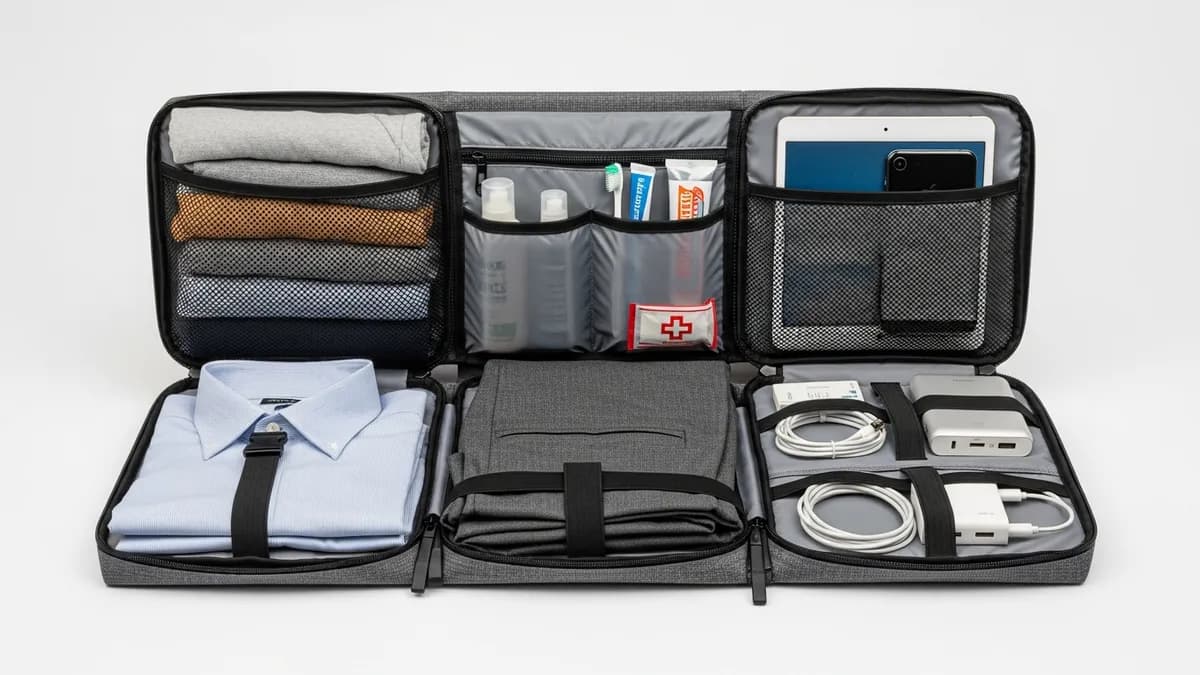
  3. Prepare a survival kit - one bag with 2-3 days of clothes, toiletries, chargers, snacks, and important documents
  4. 3
  5. Start cleaning your old home - begin cleaning rooms that are already empty
  6. 4
  7. Withdraw cash - for unexpected expenses on moving day (worker tips, food, etc.)
  8. 5
  9. Ensure parking is available - for both old and new home for the moving truck
  10. 6
  11. Prepare easy meals - menu items that don't require cooking for moving day and the day after
  12. 7
  13. Create a placement diagram - simple sketch of where large furniture will go in your new home

The survival kit is very important and often forgotten. On your first day in the new home, you might not have time to unpack all boxes. Make sure basics like towels, soap, toothbrush, change of clothes, and light snacks are in one easy-to-find bag.

Phase 5: Moving Day

The moment you've been waiting for. With thorough preparation from the previous weeks, today should go relatively smoothly.

Moving Day Checklist

    1
  1. Wake up early - start the day with a good breakfast
  2. 2
  3. Do a final check of all rooms - open every cabinet, drawer, and corner to ensure nothing is left behind
  4. 3
  5. Oversee the loading process - make sure fragile and heavy items are handled correctly
  6. 4
  7. Document your old home's condition - take photos of each room as evidence of its condition when you leave
  8. 5
  9. Check electricity and water meters - record final readings for billing purposes
  10. 6
  11. Return keys - return all spare keys to the owner or property manager
  12. 7
  13. At new home: direct placement - use the color code system to direct boxes to the correct rooms
  14. 8
  15. Check new home condition - test electricity, water, locks, and windows before items enter
  16. 9
  17. Prioritize bed setup - this is what you need most on your first night
  18. 10
  19. Remember to rest - moving is heavy physical work, don't overexert yourself

Phase 6: First Week in Your New Home

The moving process isn't complete when the last item enters your new home. The first week is critical for building an organizational system that will determine your home's tidiness going forward.

Box Unpacking Priorities

    1
  1. Days 1-2 - Kitchen (so you can cook), bathroom (basic needs), and bedroom (rest)
  2. 2
  3. Days 3-4 - Living room and family room
  4. 3
  5. Days 5-7 - Home office, storage areas, and decorative items

Don't rush to decorate before setting up basic storage systems. Install shelves, storage cabinets, and hanging areas first, then add your items.

Tips for Effectively Organizing Your New Home

  • Organize the kitchen first - it's the most-used room and messiness is most noticeable there
  • Use [multi-purpose shelves](/blog/rak-serbaguna) - quick solution for rooms without complete furniture yet
  • Don't unpack all boxes at once - finish one room before moving to the next
  • Fold and store empty boxes - you might still need them to return misplaced items
  • Take time adjusting the layout - it's okay to move furniture around a few times until you find the best arrangement

Tips for Packing Special Items

Some items need special handling during packing to prevent damage during transit.

Fragile Items

Stack plates vertically (not horizontally) in boxes because they're more resistant to impact. Wrap each plate individually with packing paper, then fill all gaps with bubble wrap or crinkled paper. Write "FRAGILE" and "TOP" on all sides of the box.

Clothing

Clothes on hangers can go straight into large garbage bags - make a hole at the bottom of the bag for the hanger hook. This saves time since you can hang them directly in your new closet. Folded clothes can stay in drawers if the drawers can be removed from the cabinet.

Electronics

If you still have original boxes for your TV, monitor, or other electronics, use them since they're designed to protect those items. If not, wrap with thick blankets and bubble wrap, then place in a properly-sized box.

Plants

Transport plants in your personal vehicle, not in the moving truck where it's hot and dark. Water plants the day before, place in open boxes lined with plastic, and ensure good air circulation during transport.

Estimated Moving Costs

Moving costs vary greatly depending on distance, volume, and services chosen. Here are estimates for the Jakarta area:

Service TypeEstimated CostIncludes
In-city move (pickup truck)$18 - $48Transport only, no packing
In-city move (truck)$48 - $150Transport + 2-3 workers
Full-service move$180 - $480Packing + transport + unloading
Inter-city move$300 - $900+Depends on distance and volume
DIY packing materials$12 - $30Boxes, bubble wrap, tape

Money-saving tip: move mid-month and on weekdays (Tuesday-Thursday) since moving company demand is lower. Also, the more you declutter beforehand, the smaller truck you need and the cheaper it will be.

FAQ - Frequently Asked Questions

1. How much time should you ideally prepare for a move?

Ideally 8 weeks or 2 months before moving day. If time is limited, 3 weeks minimum is sufficient if you dedicate several hours daily to packing. The most important thing is to start decluttering as early as possible.

2. How do you choose a trustworthy moving company?

Ask for recommendations from friends or family. Read online reviews on Google Maps or social media. Ensure the company has insurance for transported items. Request a written quote that includes service details, and avoid companies that give prices without surveying your item volume first.

3. What should you transport yourself vs. give to movers?

Important documents (ID, deeds, certificates), jewelry and high-value items, current medications, cash, laptop and hard drives with important data, and keys to your new home. All of these should be in a bag you carry yourself.

4. How do you pack fragile items so they don't break?

Wrap each item individually with packing paper or bubble wrap. Place plates vertically (like books on a shelf) in boxes lined with bubble wrap on the bottom and sides. Fill all gaps so there's no movement. Label "FRAGILE" on all sides of the box.

5. What should you do with items you don't want to bring?

You have several options: sell through marketplaces like Tokopedia or Facebook Marketplace, donate to charities or orphanages, give to neighbors or family, or as a last resort, dispose responsibly. Start this process 6-8 weeks before moving to avoid rushing.

By following this moving checklist from beginning to end, you can ensure your move goes smoothly without drama. The key is to start early, organize with a clear system, and don't hesitate to ask for help. Visit Sesoris to find storage boxes, containers, and other organizational products to help with your move and organizing your new home.

Weekly Home Tips

Get home organization ideas, product picks, and exclusive deals delivered weekly.

No spam. Unsubscribe anytime.