Types of Dish Racks and How to Choose the Right One
Did you know that the average household uses their dish rack multiple times daily, yet 67% of homeowners choose the wrong type for their kitchen needs? A dish rack is more than just a drying accessory – it's a crucial element of kitchen organization that can dramatically improve your daily cooking and cleaning routine.
Whether you're setting up a new kitchen, downsizing to a smaller space, or simply looking to upgrade your current setup, choosing the right dish rack can transform your kitchen's functionality and aesthetic appeal. From space-saving wall-mounted options to elegant countertop designs, the variety of dish rack types available in 2026 offers solutions for every kitchen size and style.
Key Takeaways: > - Choose products with clear safety labels (food-grade, BPA-free) for daily use > - Investing slightly more in quality materials (glass, grade 304 stainless steel) saves long-term costs > - Match sizes to family needs, neither too large nor too small > - Local marketplaces like Tokopedia, Shopee, and Sesoris offer competitive prices with maintained quality
In this comprehensive guide, you'll learn about different dish rack types, discover how to choose the perfect one for your needs, and explore the latest trends in kitchen organization that will keep your space both functional and beautiful.
What is a Dish Rack?
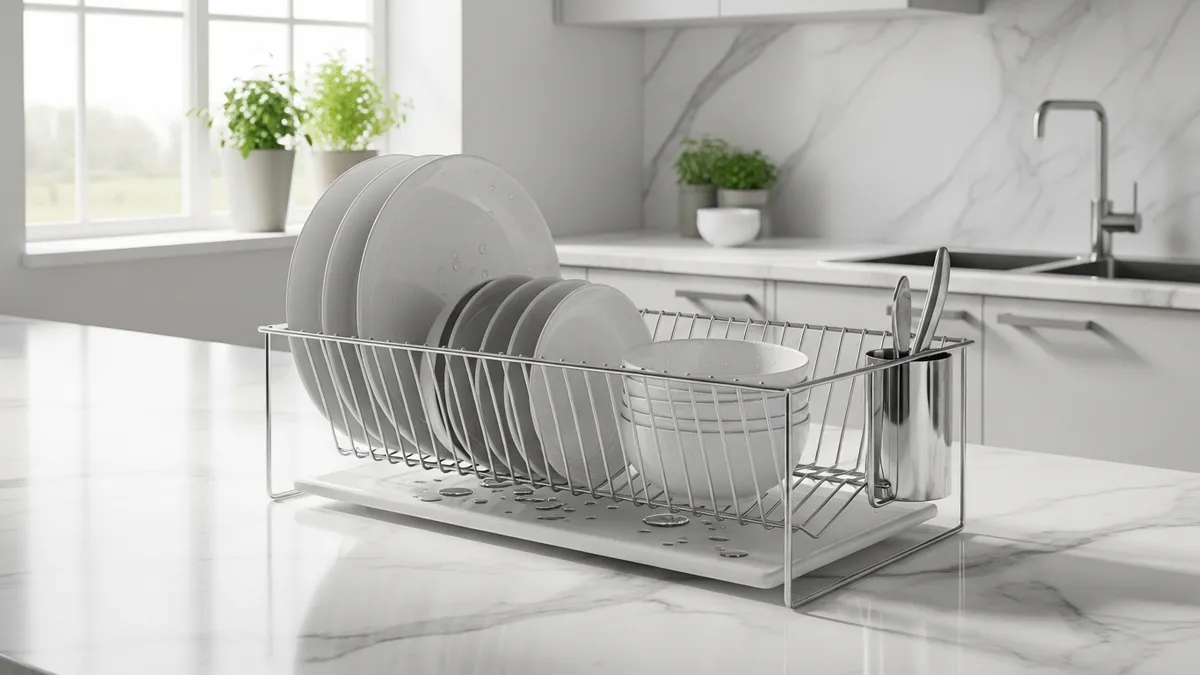
A dish rack is an essential kitchen storage accessory designed to hold dishes, plates, bowls, and utensils while they dry after washing. Modern dish racks serve dual purposes: providing efficient drying space and contributing to overall kitchen organization. For additional information, also see the guide from The Spruce.
Today's dish racks have evolved far beyond simple wire frames. They now feature specialized compartments for different dish sizes, integrated drip trays, utensil holders, and even cutting board slots. The best kitchen organization solutions combine functionality with aesthetic appeal, seamlessly integrating into your kitchen's design.
According to kitchen design experts, a well-chosen dish rack can reduce counter clutter by up to 40% while improving dish drying efficiency. This makes it an indispensable tool for maintaining a clean, organized cooking space.
Types of Dish Racks Available
Countertop Dish Racks
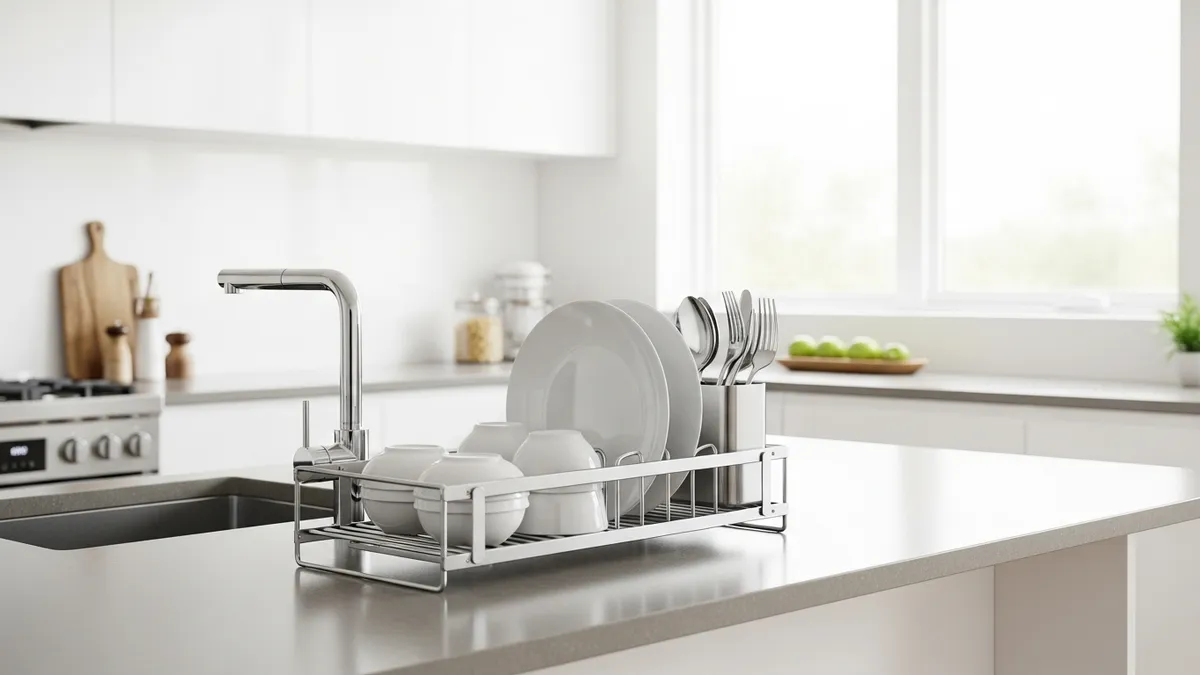
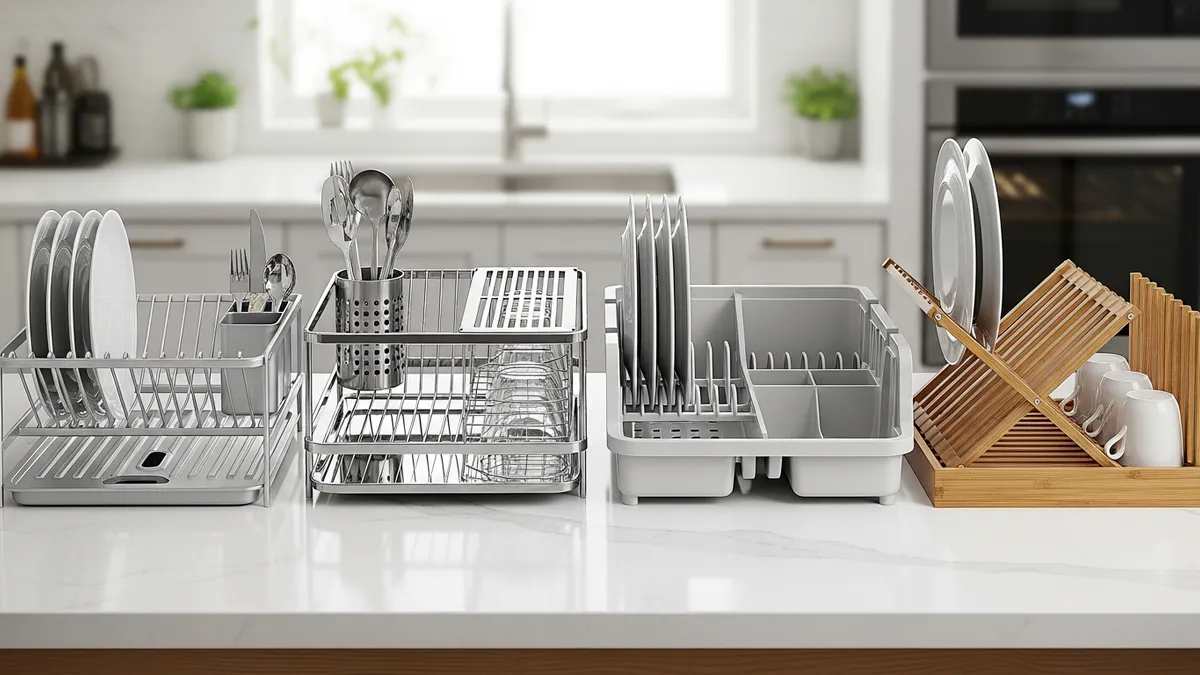
Countertop dish racks are the most common type, sitting directly on your kitchen counter next to the sink. These versatile units come in various materials and sizes, making them perfect for most households. For additional information, also see the guide from Real Simple.
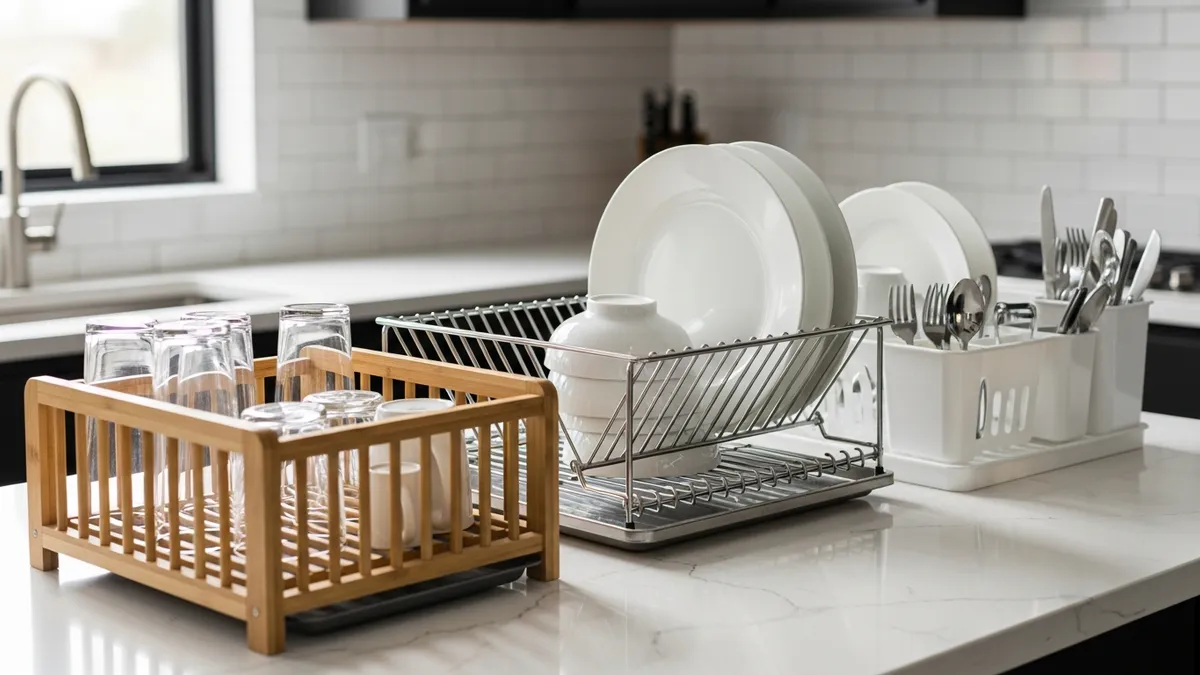
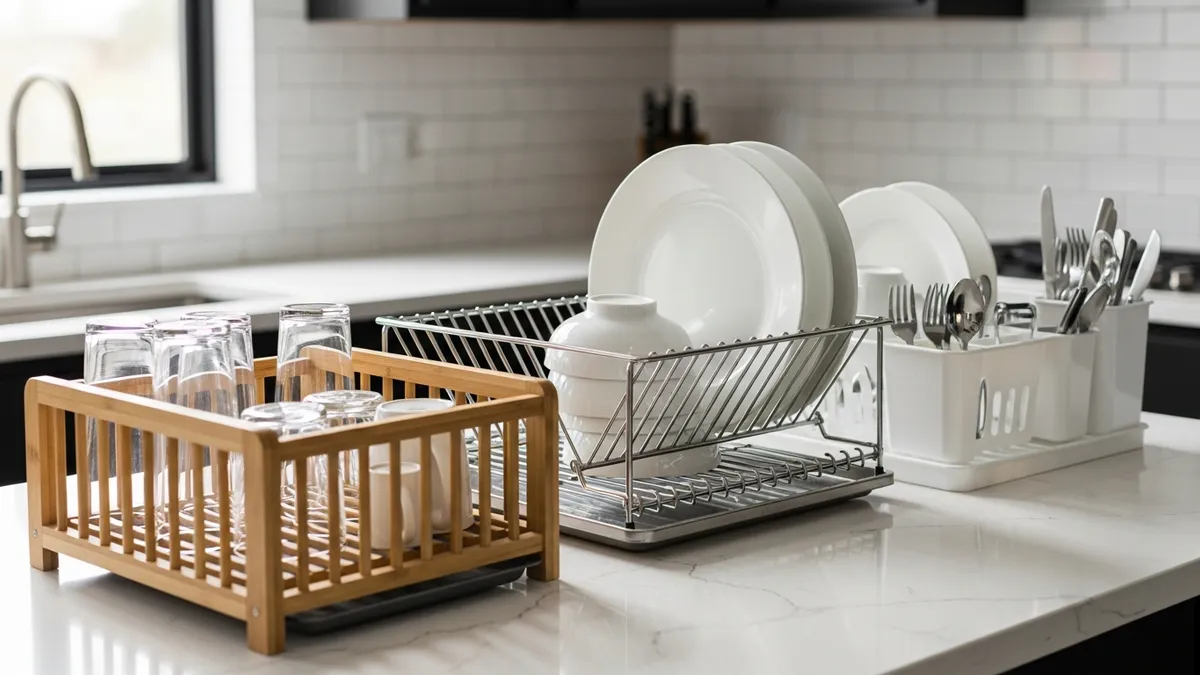
Stainless Steel Countertop Racks: These offer excellent durability and rust resistance. Premium models feature adjustable plate slots and removable drip trays. Prices typically range from Rp 400.000-Rp 1.280.000 depending on size and features.
Bamboo and Wood Options: Eco-friendly dish racks made from bamboo or treated wood provide natural antimicrobial properties. They're perfect for kitchens with warm, organic design themes but require more maintenance than metal alternatives.
Wall-Mounted Dish Racks
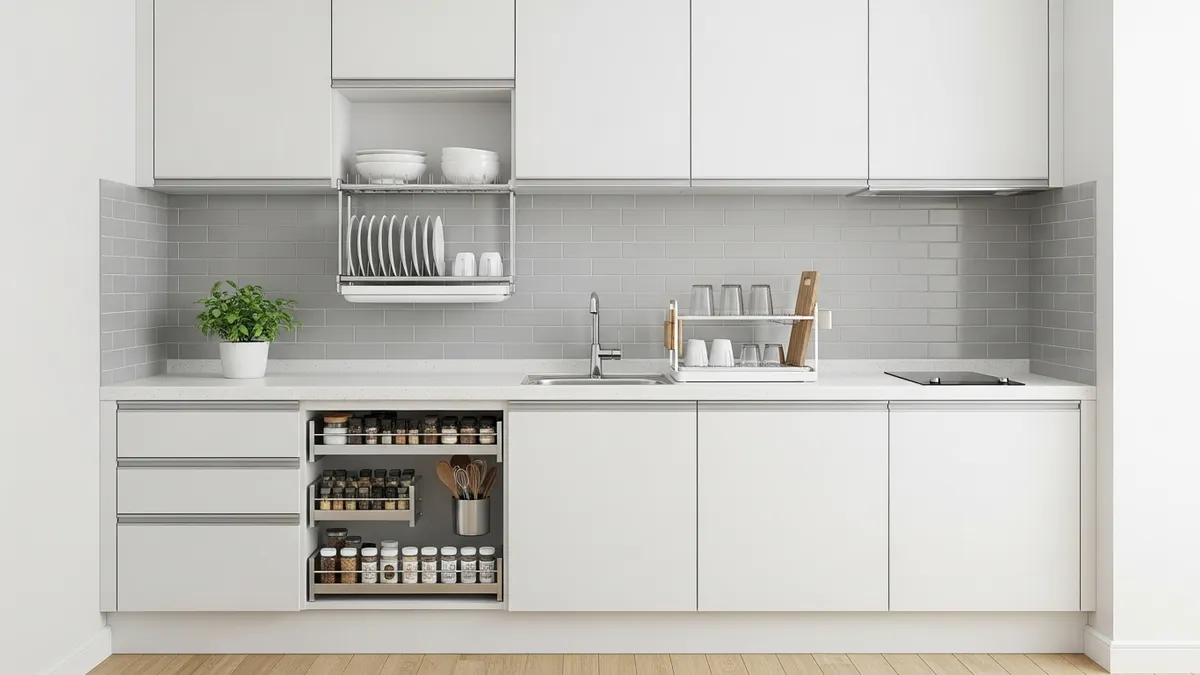
Wall-mounted dish racks are ideal for small kitchens where counter space is premium. These space-saving solutions attach directly to the wall above your sink or on empty wall space.
Floating Shelf Style: Modern wall-mounted racks often resemble floating shelves with integrated drainage systems. They can hold up to 15-20 plates while maintaining a sleek, minimalist appearance.
Traditional Hanging Style: These feature hooks or rails that hang from wall brackets. They're particularly popular in European-style kitchens and can accommodate various dish sizes.
Over-Sink Dish Racks
Over-sink dish racks maximize vertical space by utilizing the area directly above your sink. These innovative designs are perfect for apartments and compact kitchens.
Most over-sink models are adjustable, fitting sinks ranging from 24 to 36 inches wide. They typically feature multiple tiers for plates, bowls, and a separate section for utensils and cutting boards.
Drawer-Style Dish Racks
Built-in drawer dish racks integrate seamlessly into kitchen cabinetry. These sophisticated systems slide out like drawers, providing easy access while maintaining a clean, uncluttered appearance.
Professional kitchen designers increasingly recommend drawer-style racks for modern homes. They're particularly effective in minimalist kitchen designs where visual simplicity is paramount.
How to Choose the Right Dish Rack
Assess Your Kitchen Size and Layout
Small Kitchens (Under 100 sq ft): Prioritize wall-mounted or over-sink options to preserve counter space. Look for multi-level designs that maximize vertical storage.
Medium Kitchens (100-200 sq ft): Countertop racks work well, but consider adjustable or expandable models that can adapt to varying dish loads.
Large Kitchens (Over 200 sq ft): You have flexibility to choose based on design preferences rather than space constraints. Consider statement pieces that complement your kitchen's aesthetic.
Consider Your Household Size
1-2 People: Compact racks holding 8-12 plates are sufficient. Look for models with integrated utensil holders to maximize functionality.
3-4 People: Medium-capacity racks accommodating 15-20 plates work best. Consider two-tier designs for efficient space utilization.
5+ People: Large-capacity or multiple smaller racks may be necessary. Professional-grade stainless steel options offer the durability needed for heavy daily use.
Material Considerations
Stainless Steel: Offers superior durability and hygiene. Resistant to rust, stains, and bacterial growth. Ideal for busy households and professional-style kitchens.
Aluminum: Lightweight and affordable. Good rust resistance but may show water spots more easily than stainless steel. Perfect for budget-conscious homeowners.
Plastic and Acrylic: Most affordable option with excellent customization possibilities. Modern BPA-free plastics are safe and durable, though less prestigious than metal alternatives.
Bamboo and Wood: Environmentally friendly with natural antimicrobial properties. Requires regular maintenance but adds warmth to kitchen design.
Best Dish Rack Recommendations for 2026
Premium Category (Rp 800.000-Rp 1.600.000)
Professional Stainless Steel Models: Feature adjustable compartments, removable drip trays, and wine glass holders. Perfect for serious home cooks who prioritize functionality.
Designer Bamboo Collections: Combine sustainability with style. Many feature modern geometric designs that serve as kitchen decor when not in use.
Mid-Range Category (Rp 400.000-Rp 800.000)
Expandable Steel Racks: Offer flexibility for varying dish loads. Most include bonus features like cutting board slots and integrated spoon rests.
Two-Tier Plastic Systems: Maximize capacity while maintaining affordability. Look for models with reinforced joints and UV-resistant materials.
Budget-Friendly Category (Rp 160.000-Rp 400.000)
Basic Wire Racks: Simple, functional designs perfect for apartments or starter homes. While basic, quality models can last several years with proper care.
Compact Countertop Options: Ideal for individuals or couples. Focus on space efficiency rather than capacity.
The best kitchen storage solutions combine quality materials with thoughtful design features that make daily use more convenient.
Price Comparison and Value Analysis
Cost vs. Longevity Analysis
Rp 160.000-Rp 400.000 Range: Typically lasts 1-2 years with regular use. Best for temporary housing or light usage situations.
Rp 400.000-Rp 800.000 Range: Expected lifespan of 3-5 years. Offers the best value for most households when considering cost per year of use.
Rp 800.000-Rp 1.600.000+ Range: Professional-grade options lasting 7-10 years or more. Cost-effective for busy households or those prioritizing kitchen aesthetics.
Hidden Costs to Consider
Beyond the initial purchase price, factor in maintenance costs, replacement parts availability, and potential counter space rental value in expensive urban markets.
Wall-mounted options may require professional installation (Rp 800.000-Rp 1.600.000), but they free up valuable counter real estate. Over-sink models might need periodic adjustment as sinks settle over time.
Maintenance Tips for Long-Lasting Use
Daily Care Routine
Regular Cleaning: Rinse your dish rack daily to prevent soap residue buildup. Use warm water and mild dish soap for routine cleaning.
Proper Drainage: Ensure drip trays are emptied regularly to prevent standing water, which can lead to bacterial growth and unpleasant odors.

Weekly Deep Cleaning
Disassemble When Possible: Remove all movable parts for thorough cleaning. Most quality dish racks feature removable utensil holders and drip trays.
Natural Cleaning Solutions: White vinegar effectively removes mineral deposits and soap scum. Baking soda paste works well for stubborn stains.
Material-Specific Care
Stainless Steel: Use specialized stainless steel cleaners monthly to maintain shine and prevent water spots. Always dry thoroughly to prevent water staining.
Bamboo and Wood: Apply food-safe mineral oil every 3-4 months to prevent cracking and maintain water resistance. Sand lightly if surface becomes rough.
Plastic: Avoid abrasive cleaners that can create scratches where bacteria might harbor. Replace if cracks develop, as they're difficult to clean properly.
Innovative Features in Modern Dish Racks
Smart Design Elements
Adjustable Components: Modern dish racks feature movable plate slots that accommodate different dish sizes. Some premium models include removable sections for ultimate customization.
Integrated Cutting Board Storage: Many 2026 models include dedicated slots for cutting boards, keeping them organized and easily accessible.
Wine Glass Holders: Specialized hooks or slots protect delicate glassware while maximizing space efficiency.
Space-Saving Innovations
Collapsible Designs: Perfect for small kitchens, these racks fold flat when not in use. Ideal for RVs, boats, or minimalist lifestyles.
Modular Systems: Allow you to add or remove components based on current needs. Start small and expand as your household grows.
Multi-Level Configurations: Vertical designs that utilize overhead space without requiring permanent installation.
Conclusion
Choosing the right dish rack transforms your kitchen from chaotic to organized, making daily meal preparation and cleanup more efficient and enjoyable. Whether you prefer the durability of stainless steel, the eco-friendliness of bamboo, or the affordability of quality plastic, there's a perfect solution for your kitchen and lifestyle.
Remember to consider your kitchen size, household needs, and personal style preferences when making your selection. Invest in quality materials and features that will serve you well for years to come. A well-chosen dish rack is more than just a functional tool – it's an investment in your daily quality of life.
Ready to transform your kitchen organization? Explore our comprehensive collection of kitchen storage solutions and discover how the right dish rack can make your cooking and cleaning routine more efficient and enjoyable.
FAQ: Frequently Asked Questions About Dish Racks
Q: What size dish rack do I need for a family of four?
A: For a family of four, look for dish racks that can accommodate 15-20 plates, with separate compartments for bowls, cups, and utensils. Two-tier designs often provide the best space efficiency.
Q: Are stainless steel dish racks worth the extra cost?
A: Yes, stainless steel dish racks typically last 3-5 times longer than plastic alternatives and offer better hygiene. The higher upfront cost is offset by durability and professional appearance.
Q: How often should I replace my dish rack?
A: Quality dish racks should last 3-5 years with proper care. Replace immediately if you notice cracks, rust, or persistent odors that cleaning can't eliminate.
Q: Can I install a wall-mounted dish rack myself?
A: Most wall-mounted dish racks can be installed with basic tools and wall anchors. However, for heavy-duty models or tile walls, professional installation is recommended.
Q: What's the best material for humid climates?
A: Stainless steel or aluminum dish racks perform best in humid environments as they resist rust and bacterial growth better than wood or plastic alternatives.
About Tim Sesoris The Sesoris editorial team consists of experienced writers in home organization, minimalist lifestyle, and Indonesian e-commerce. We test products, review market trends, and craft guides based on in-depth research and field experience. All recommendations are curated to give you accurate, practical, and relevant information for Indonesian households. For questions or suggestions, contact us through the [Sesoris contact page](https://www.sesoris.com/).
Weekly Home Tips
Get home organization ideas, product picks, and exclusive deals delivered weekly.
No spam. Unsubscribe anytime.