
Kitchen Dish Rack Guide: Best Kitchen Plate Storage Solutions for 2026
Discover the best kitchen dish rack options for 2026. Compare types, materials & top picks to organize your kitchen. Shop now!
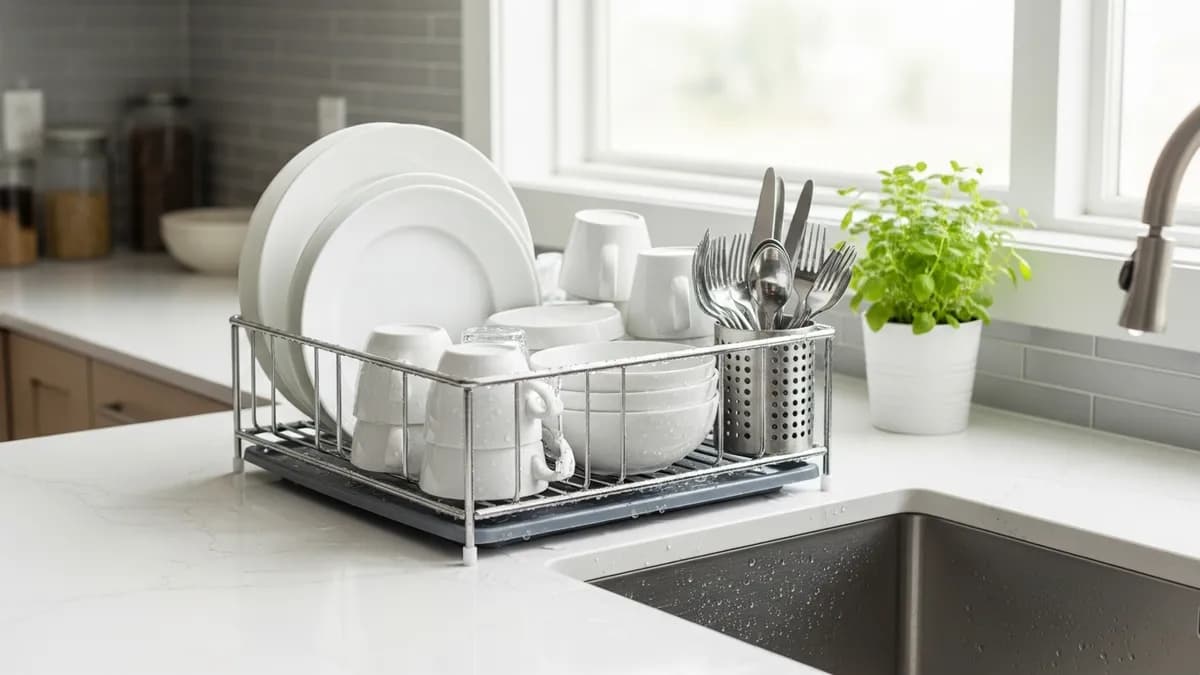
If you've ever struggled with a cluttered sink area, dripping dishes all over your counter, or plates stacked precariously after washing, you already understand why a quality kitchen dish rack is one of the most essential tools in any well-organized home. In 2026, the market for kitchen dish racks has expanded dramatically, offering everything from sleek stainless steel over-sink models to eco-friendly bamboo countertop racks. Whether you're outfitting a compact apartment kitchen or a spacious family home, choosing the right dish rack can reduce countertop clutter by up to 40% and make your daily dishwashing routine genuinely enjoyable. In this comprehensive review guide, we'll walk you through every major type, material, and feature to help you find the perfect dish rack for your space and budget.
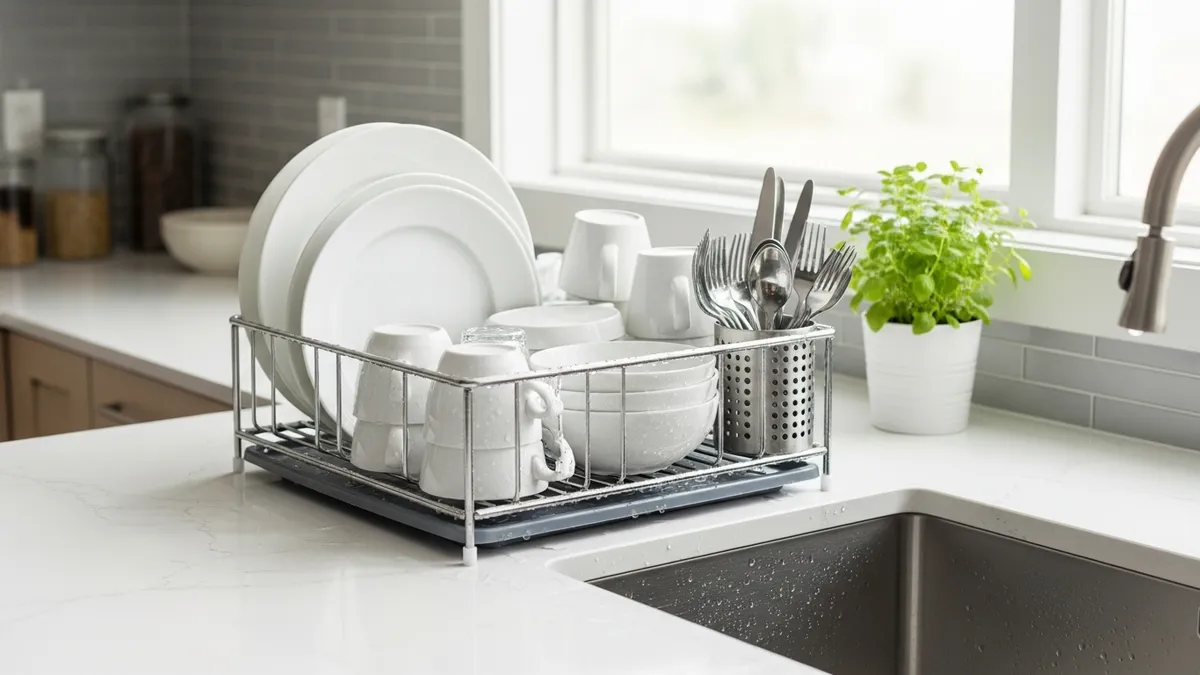
What Is a Kitchen Dish Rack and Why Does Every Kitchen Need One?
A kitchen dish rack is a storage and drying solution designed to hold washed dishes, plates, bowls, cups, and cutlery while they air-dry or await use. Far more than a simple utility item, a well-chosen dish rack acts as a mini kitchen organization system - keeping your sink area tidy, preventing water damage to your countertop, and making it easy to access clean dishes quickly.
According to The Spruce, the average household washes dishes at least once per day, meaning your dish rack is one of the most frequently used items in your entire kitchen. That's exactly why investing in the right one matters so much. A poor-quality rack can rust within months, scratch your dishes, or take up far more counter space than necessary. A great one, on the other hand, can last for years and genuinely transform how organized your kitchen feels.
Beyond drying dishes, modern dish rack designs serve additional functions:
- Storage between meals - keeping plates upright and easily accessible in open-shelf kitchens
- Countertop organization - reducing the visual clutter that loose dishes and bowls create
- Hygiene improvement - elevating dishes off damp surfaces to prevent bacterial growth
- Space maximization - especially in small kitchens where cabinet space is limited
If you're also looking at broader kitchen organization solutions, check out our guide on kitchen dish rack complete storage solutions for an even deeper dive.
The 6 Main Types of Dish Racks Reviewed
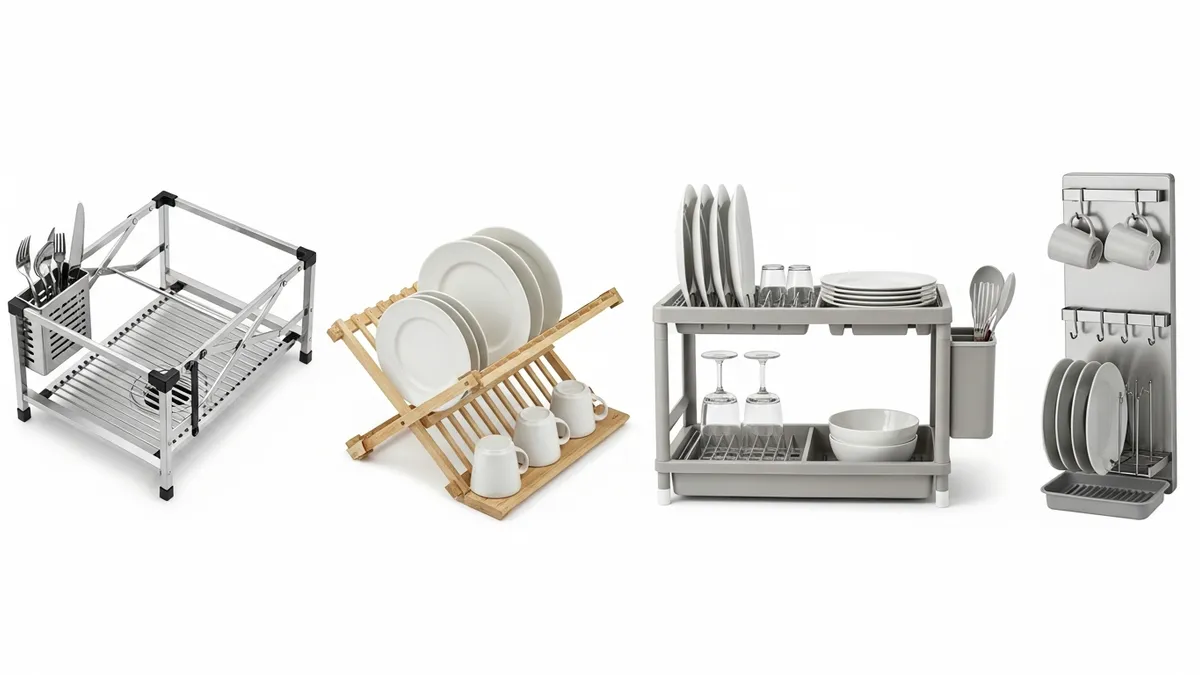
Not all dish racks are created equal. In 2026, there are six primary categories to consider, each with distinct advantages depending on your kitchen layout, household size, and aesthetic preferences.
1. Countertop Dish Racks
The most common type, countertop dish racks sit directly on your kitchen counter beside the sink. They typically feature vertical plate slots, a cutlery holder, and a drip tray underneath. Prices range from $12.99 to $59.99 depending on size and material. Best for: households with moderate counter space who want easy access to drying dishes.
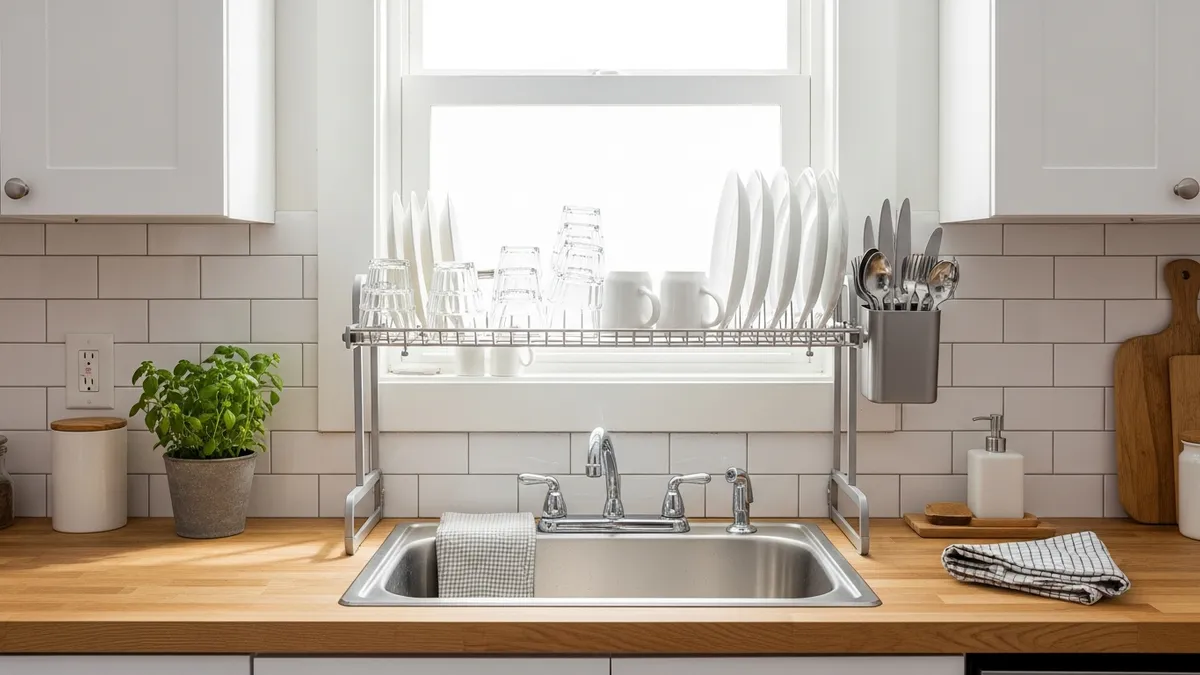
2. Over-Sink Dish Racks
These expandable racks bridge across your sink, allowing dishes to drip directly into it - eliminating the need for a separate drip tray. They're a game-changer for small kitchens, saving up to 100% of the countertop space a traditional rack would use. Prices start at around $24.99. Best for: compact kitchens, apartments, and minimalist setups.
3. Two-Tier Dish Racks
With double the drying surface in the same footprint, two-tier racks are ideal for larger families or households that cook frequently. They can typically hold 20-30 plates plus bowls, cups, and utensils simultaneously. Expect to pay $29.99 to $79.99. Best for: families of 4 or more.
4. Wall-Mounted Dish Racks
Mounted directly above or beside your sink using brackets, wall-mounted racks free up all countertop space entirely. They're popular in modern minimalist kitchens and can hold anywhere from 10 to 20 plates depending on design. Starting at $19.99. Best for: kitchens with minimal counter space but available wall area. We also have a dedicated article on dish racks above the sink worth reading.
5. Covered or Enclosed Dish Racks
An increasingly popular choice in 2026, covered dish racks feature a transparent or semi-transparent lid that protects clean dishes from dust, insects, and airborne particles - a must in tropical climates or open-layout kitchens. Prices range from $18.99 to $45.99. Learn more in our detailed enclosed dish racks guide. Best for: hygiene-conscious households.
6. Cabinet-Style Plate Racks
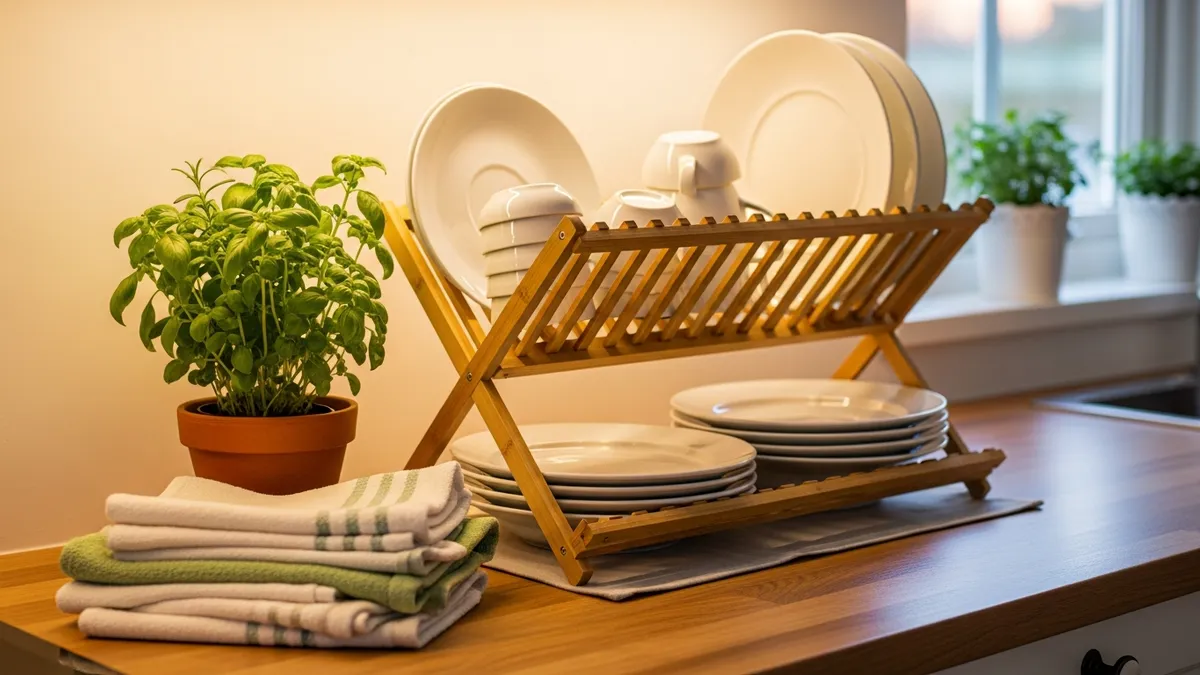
These are built-in or freestanding units that store plates permanently rather than just for drying. Often made from bamboo, wood, or steel wire, they double as display storage. Prices range from $39.99 to $120+. Best for: open shelving kitchens and those who prefer a furniture-like aesthetic. See also our article on plate rack kitchen set lower cabinet storage.
Dish Rack Materials Compared: Which One Is Right for You?
The material of your dish rack is arguably the most important factor affecting durability, aesthetics, maintenance, and price. Here's how the most popular materials stack up in 2026:
Stainless Steel
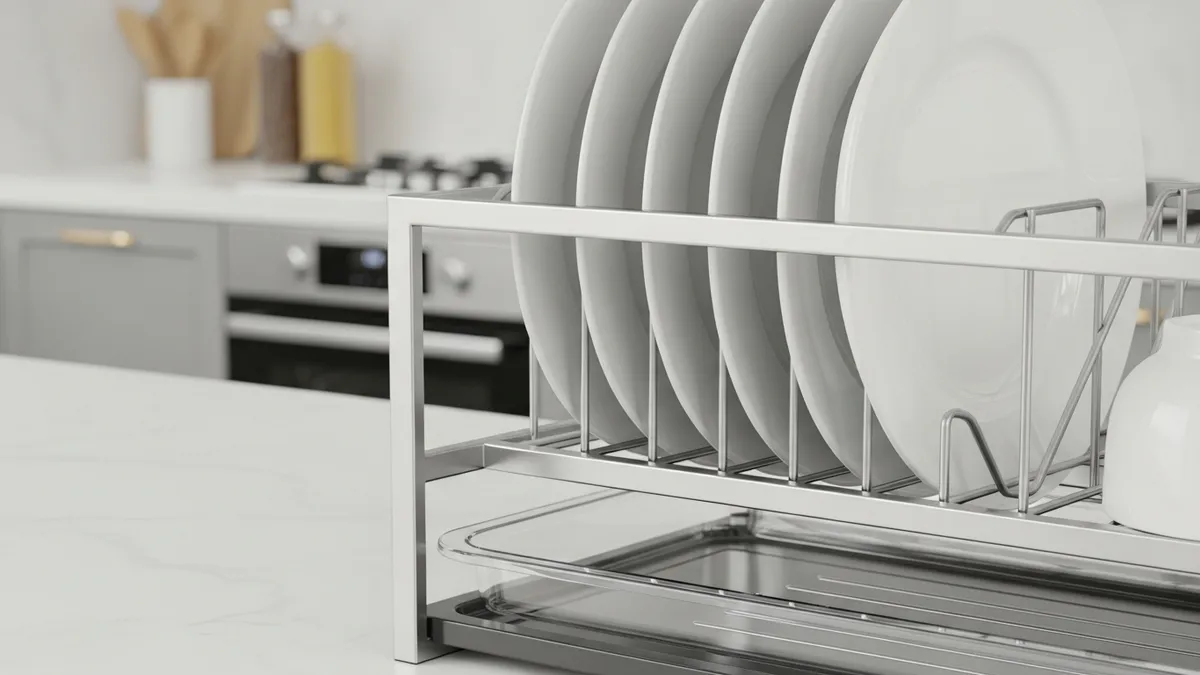
Pros: Extremely durable, rust-resistant (especially 304-grade stainless), easy to clean, modern aesthetic, holds up well in humid environments. A quality stainless steel dish rack can last 5-10 years with minimal maintenance.
Cons: Heavier than plastic alternatives, can scratch delicate dishes if wire edges aren't coated, more expensive ($24.99 - $79.99).
Verdict: Best overall choice for most households. The long-term value far outweighs the higher upfront cost. Our stainless steel racks guide explains why this material is such a strong long-term investment.
Aluminum
Pros: Lightweight, naturally rust-proof, affordable ($14.99 - $39.99), great for humid climates.
Cons: Can dent more easily than stainless steel, may have a less premium look.
Verdict: Excellent budget-friendly alternative to stainless steel. Our aluminum kitchen racks guide covers this material in detail.
Plastic
Pros: Very affordable (starting at $9.99), lightweight, available in many colors, easy to replace.
Cons: Less durable, can warp or discolor over time, may retain odors, less eco-friendly.
Verdict: Fine for budget shoppers or renters who move frequently, but not a long-term solution. Read more in our plastic dish racks review.
Bamboo or Wood
Pros: Beautiful natural aesthetic, eco-friendly, naturally antimicrobial, adds warmth to kitchen decor.
Cons: Requires regular oiling/maintenance, can warp if not dried properly, not ideal for very wet climates.
Verdict: Perfect for design-conscious homeowners who prioritize sustainability. See our wooden dish racks review for detailed care tips.
Steel Wire (Chrome-Coated)
Pros: Lightweight, great airflow for faster drying, budget-friendly ($12.99 - $29.99).
Cons: Chrome coating can chip or rust over time, especially in humid conditions.
Verdict: Good mid-range option. Our steel wire dish racks guide has everything you need to know.
Pro Tip: In 2026, look for dish racks with powder-coated or silicone-tipped wire ends - these protect your dishes from scratching and the rack from corrosion simultaneously.
How to Choose the Best Dish Rack for Your Kitchen Size
Matching your dish rack to your kitchen size is critical. A rack that's too large will dominate your counter; one that's too small will leave dishes piled dangerously.
For Small Kitchens and Apartments
If your kitchen has less than 10 square feet of counter space, prioritize compact or over-sink designs. Look for racks that measure no more than 16 inches wide by 13 inches deep. The over-sink style is your best friend here - it reclaims counter space entirely while keeping the drying area functional.
Recommended features for small kitchens:
- Collapsible or foldable design for easy storage when not in use
- Built-in drip tray to protect counters
- Vertical plate slots that hold more in less horizontal space
- Utensil holder that clips to the side rather than taking up separate space
For more small kitchen inspiration, our complete guide to minimalist kitchen sets for small kitchens is a must-read.
For Medium to Large Family Kitchens
Families of 3-5 people should look for two-tier racks or larger single-tier models measuring at least 20 inches wide. Capacity matters: you want a rack that can hold a full dinner set (6-8 plates) plus bowls, glasses, and cutlery without overcrowding - which impedes airflow and slows drying.
Recommended features for larger kitchens:
- Two-tier construction for 2x the capacity
- Separate wine glass holders or cup hooks
- Removable utensil caddies
- Adjustable or modular components
For Open-Concept or Display Kitchens
If your kitchen is open-plan or you have an island setup, aesthetics matter as much as function. Cabinet-style wooden or bamboo plate racks that double as display storage are trending strongly in 2026. According to Houzz, open-shelf kitchen organization has grown by 35% in popularity since 2023, driven by the desire for visually curated, restaurant-style home kitchens.
Top Features to Look for in a Quality Dish Rack in 2026
When reviewing dozens of dish rack models available in 2026, these are the features that consistently separate excellent products from mediocre ones:
- Non-slip rubber feet - prevents the rack from sliding on wet counters and protects surfaces from scratches
- Removable and dishwasher-safe drip tray - makes cleaning effortless; look for trays with a spout for easy water disposal
- Adjustable or removable components - flexibility to reconfigure based on your current load of dishes
- Rust-resistant coating or material - critical for longevity, especially in humid kitchens
- Adequate plate slot spacing - slots should be at least 1 inch apart to accommodate various plate sizes without force-fitting
- Cup/mug hooks or holders - dedicated spots for cups prevent them from sliding and chipping
- Integrated cutlery caddy - ideally removable for separate cleaning
- Weight capacity rating - a quality rack should hold at least 20 lbs without warping or tipping
2026 Trend Alert: Smart dish racks with antimicrobial coatings and self-draining channels are becoming increasingly mainstream, with major home goods brands rolling them out at price points starting at just $34.99.
Price Guide: How Much Should You Spend on a Dish Rack?
The dish rack market in 2026 spans a wide price range. Here's a breakdown of what to expect at each tier:
Budget Tier: $9.99 - $19.99
At this price, you'll primarily find basic plastic or chrome-wire countertop racks. These are functional for singles or couples with light dishwashing needs, but expect to replace them every 1-2 years. Look for budget-friendly options in our budget-friendly dish racks under $15 guide.
Mid-Range Tier: $20 - $49.99
This is the sweet spot for most households. Mid-range racks typically offer stainless steel or aluminum construction, drip trays, and multiple compartments. At $35 - $45, you can get a genuinely excellent two-tier stainless rack that will last 4-6 years with proper care.
Premium Tier: $50 - $120+
Premium dish racks offer superior materials (304-grade stainless steel, FSC-certified bamboo), thoughtful design details, modular configurations, and sometimes warranty coverage. These are worth the investment for serious home cooks who use their kitchen heavily. Our dish rack prices complete guide has a full breakdown of pricing across brands.
For broader context on kitchen storage investments, Good Housekeeping notes that spending slightly more on a quality dish rack almost always pays off, since cheap racks that rust or break require more frequent replacement - costing more over time.
5 Expert Tips for Getting the Most Out of Your Dish Rack
Owning a great dish rack is only half the equation - using it effectively is the other half. Here are five expert tips to maximize your kitchen dish rack experience:
- Clean your drip tray every 2-3 days. Standing water in a drip tray is a breeding ground for mold and bacteria. Empty and rinse it regularly to keep your kitchen hygienic.
- Don't overload the rack. Overcrowding impedes airflow, meaning dishes take much longer to dry. As a rule, leave at least 0.5 inches of space between each plate.
- Use the utensil caddy strategically. Place sharp knives blade-down for safety, and group similar utensils together so they're easy to grab when needed.
- Wipe down the rack weekly. Even rust-resistant materials benefit from a quick wipe with a damp cloth and mild dish soap. For stainless steel, a tiny bit of mineral oil applied monthly keeps it looking like new.
- Position it near a window if possible. Natural airflow and sunlight speed up drying and naturally inhibit bacterial growth, reducing the need to towel-dry dishes.
For more kitchen organization wisdom, explore our 20+ kitchen cabinet organizer ideas article and our 30+ creative kitchen counter organizer ideas guide.
Our Top Dish Rack Picks for 2026
Based on our comprehensive review of materials, design, durability, value, and user feedback, here are our standout dish rack recommendations for 2026 across three categories:
Best Overall: Expandable Over-Sink Stainless Steel Rack (~$42.99)
This style delivers the best combination of space-saving design and durability. Expandable width (typically 18-26 inches) means it fits most standard sinks, and the stainless steel construction ensures years of rust-free use. The built-in utensil holder and cup hooks are thoughtful bonuses.
What we love: Zero countertop footprint, excellent airflow, holds a full family load of dishes. What to watch: Ensure your sink is wide enough before purchasing - measure twice!
Best for Small Kitchens: Compact Two-Tier Plastic Rack (~$16.99)
For budget-conscious apartment dwellers, a compact two-tier plastic rack in a neutral color (white or gray) offers surprising capacity in a small footprint. Look for models with a removable bottom tray and adjustable height on the second tier.
What we love: Very affordable, lightweight, easy to move and clean. What to watch: Not as durable long-term; inspect annually for warping.
Best Premium Pick: Bamboo Countertop Plate Rack (~$68.99)
For design-forward kitchens, a solid bamboo dish rack is genuinely beautiful - it looks like furniture rather than a utility item. Bamboo's natural antimicrobial properties are a bonus, and sustainable sourcing makes it an eco-conscious choice aligned with living sustainably at home.
What we love: Stunning aesthetic, eco-friendly, naturally antimicrobial. What to watch: Requires oiling every 3 months; avoid prolonged water pooling.
Best Covered Option: Anti-Dust Enclosed Dish Rack (~$27.99)
In climates where open kitchens, humidity, or insects are a concern, a covered dish rack is a hygienic revelation. Transparent lids let you see contents at a glance while keeping dust and pests out. See our full covered plastic dish racks review for more.
What we love: Exceptional hygiene, affordable, works great in tropical or dusty environments. What to watch: Lids can trap moisture if dishes aren't well-drained before placing inside.
Best Budget Pick: Chrome Wire Countertop Rack (~$12.99)
If you need a functional dish rack without spending much, a basic chrome-wire rack gets the job done. Look for models with silicone-tipped wire ends to protect dishes and thick-gauge wire to prevent bending.
What we love: Ultra-affordable, great airflow, widely available. What to watch: Chrome coating can rust within 1-2 years in humid conditions; check for any chipping.
Step-by-Step Guide to Choosing the Perfect Dish Rack Size
Selecting the right dish drying rack size requires careful measurement of your available space and honest assessment of your dishwashing volume. Start by measuring your counter space near the sink, allowing for at least 6 inches of clearance on all sides for comfortable use.
Small Kitchen Solutions (Under 18 inches)
Compact racks work best for 1-2 person households or kitchens with limited counter space. Look for vertical designs that maximize drying capacity within a small footprint, or consider over-sink models that utilize airspace above your washbasin.
Medium-Sized Family Options (18-24 inches)
Standard family-sized rak cuci piring accommodate 4-6 place settings plus cookware. These typically feature separate sections for plates, bowls, cups, and utensils, with expandable elements to handle larger loads during entertaining or batch cooking sessions.
Large Capacity Systems (24+ inches)
Commercial-style dish racks suit large families or serious home cooks who frequently prepare elaborate meals. These systems often include specialized holders for wine glasses, cutting boards, and oversized pots, with modular components that adapt to different drying needs.
Consider seasonal variations: you might need extra capacity during holidays or entertaining seasons, making expandable or stackable designs particularly valuable for accommodating temporary increases in dishwashing volume.
Optimal Placement and Organization Strategies
Strategic placement of your dish drying rack significantly impacts kitchen efficiency and hygiene. Position the rack within arm's reach of your sink, ideally on the dominant-hand side of the washing area to minimize dripping and awkward movements.
Counter-Top Positioning
Place dish racks on heat-resistant mats or towels to protect counter surfaces and reduce noise. Ensure adequate ventilation around the rack to promote air circulation and prevent moisture buildup that could damage cabinetry or promote bacterial growth.
The ideal height positions the rack at comfortable reaching level, typically 2-4 inches below shoulder height for the primary user. This reduces strain during loading and unloading while maintaining clear sight lines to monitor drying progress.
Over-Sink Installation
Over-sink dish racks maximize counter space utilization and provide direct drainage into the washbasin. These require secure mounting to support the weight of wet dishes and cookware, typically supporting 15-30 pounds depending on sink and cabinet construction.
Professional installation ensures proper weight distribution and prevents damage to cabinets or plumbing. Many kitchen organization solutions now include adjustable over-sink racks that accommodate various sink sizes and kitchen configurations.
Loading Techniques for Maximum Efficiency
Proper loading extends drying time and prevents water spots or bacterial growth. Place plates vertically in designated slots, allowing air circulation between items. Position cups and bowls upside-down to prevent water pooling, and separate utensils to ensure complete air exposure.
Heavy items like pots and pans should occupy lower levels to maintain stability, while delicate glassware benefits from dedicated upper compartments with protective cushioning. Rotate items periodically during long drying sessions to ensure even moisture evaporation.
FAQ: Frequently Asked Questions About Dish Racks
How often should I replace my kitchen dish rack?
The lifespan of a dish rack depends heavily on material and care. Budget plastic or chrome-wire racks typically last 1-3 years, while stainless steel models can last 5-10 years. Replace your rack when you notice rust, warping, broken wire ends, or if the drip tray has developed cracks that trap bacteria.
What size dish rack do I need for a family of 4?
For a family of 4, look for a rack that can hold at least 12-16 plates simultaneously, plus bowls and cups. A two-tier rack measuring approximately 20 inches wide by 14 inches deep is typically ideal. If counter space is tight, an over-sink model handles this capacity with zero countertop footprint.
Is stainless steel or plastic better for a dish rack?
For long-term use, stainless steel is significantly better. While plastic is cheaper upfront, stainless steel resists rust, handles heavier loads, is easier to sanitize thoroughly, and typically lasts 3-5x longer. The price difference - often just $15 - $25 more - is easily justified over a few years of daily use.
How do I prevent my dish rack from getting moldy?
The key is keeping moisture from pooling. Empty and rinse your drip tray every 2-3 days, ensure good airflow around the rack, and don't place soaking-wet dishes directly from the sink without shaking off excess water. Weekly cleaning with a mild bleach solution (1 teaspoon bleach per quart of water) eliminates mold spores before they establish.
Can I put my dish rack in the dishwasher?
It depends on the material. Most stainless steel and some hard plastic racks are dishwasher-safe on the top rack at low temperatures. Bamboo and wooden racks should never go in the dishwasher - hand wash only. Always check the manufacturer's care instructions for your specific model.
What's the best dish rack for a very small kitchen?
For very small kitchens, we strongly recommend an over-sink expandable dish rack. It uses zero counter space and typically costs $24.99 - $44.99. If over-sink isn't feasible (due to sink depth or configuration), look for a compact foldable rack that can be stored vertically when not in use. Our small dish racks guide has detailed recommendations.
Conclusion: Find Your Perfect Dish Rack at Sesoris
Choosing the right dish rack is one of those small home decisions that makes a surprisingly big difference in your daily life. Whether you're after a budget-friendly plastic model for your first apartment, a sleek stainless steel over-sink rack to free up counter space, a beautiful bamboo organizer to elevate your kitchen aesthetic, or a hygienic covered rack for extra cleanliness - there's a perfect dish rack out there for your needs and budget in 2026.
The key takeaways from this review: prioritize rust-resistant materials, match your rack size to your household, look for thoughtful features like drip trays and adjustable components, and don't sacrifice too much on quality - a good dish rack is one of the most-used items in your entire home.
Ready to upgrade your kitchen organization? Explore our full range of kitchen storage solutions at Sesoris, where you'll find handpicked products designed to help you organize your life with ease. Browse our best sellers for customer-favorite dish racks and kitchen organizers, check out our new arrivals for the latest 2026 kitchen storage innovations, or explore our complete kitchen & dining collections for a full suite of organization solutions. Your most organized kitchen yet is just a few clicks away.
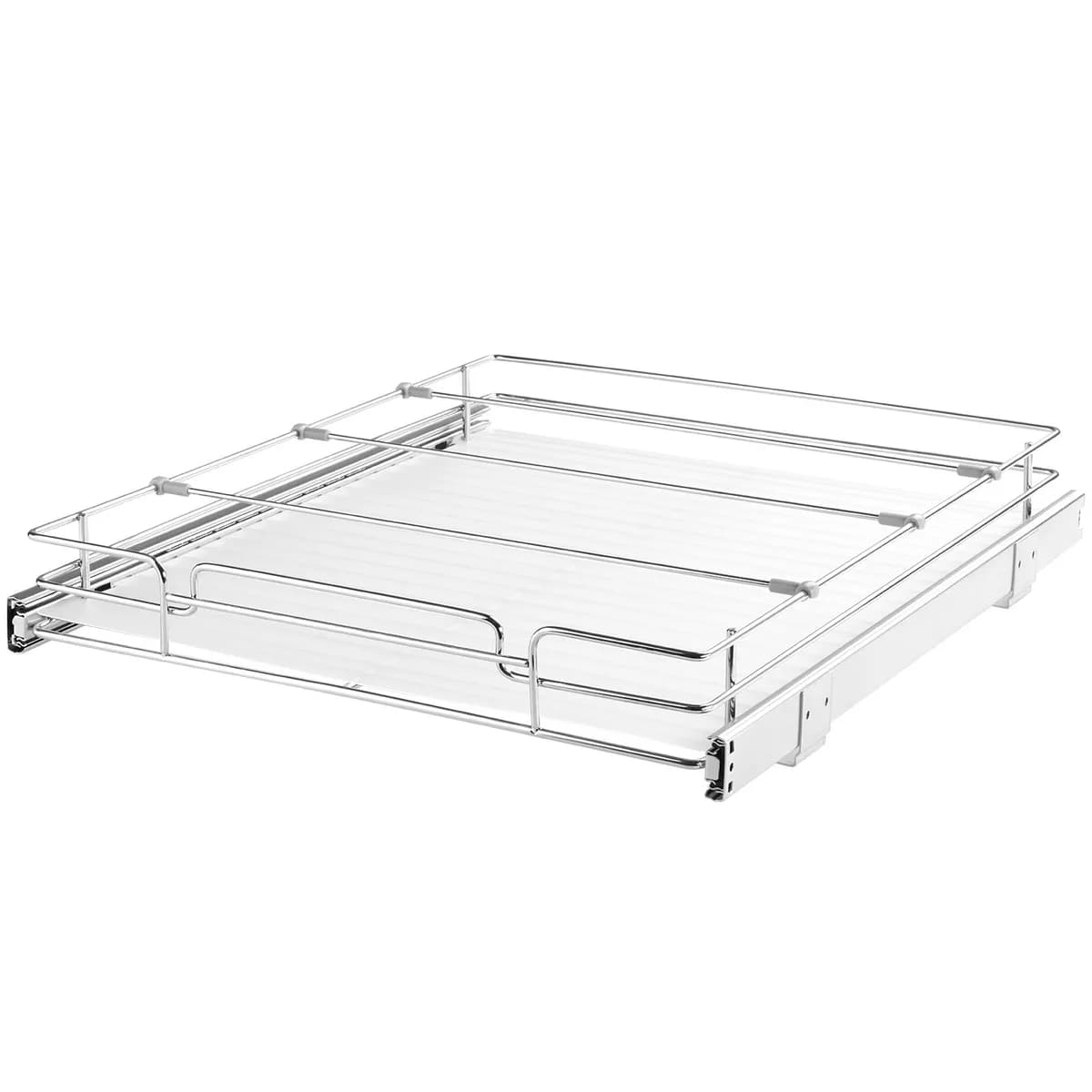
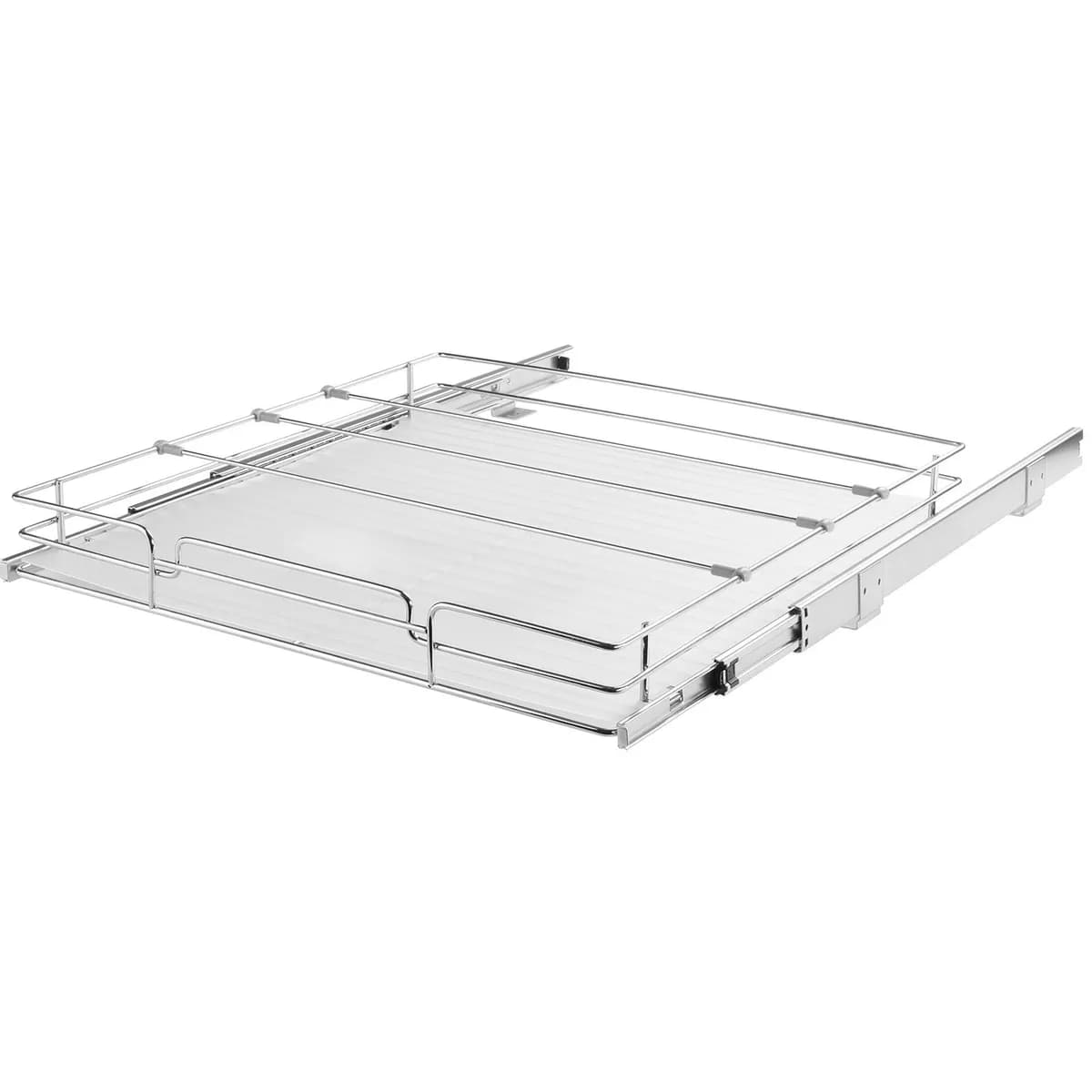
If you're ready to upgrade, the Pull-Out Cabinet Organizer, 14 in. Wide is a durable place to start, and you can browse more options in the Kitchen & Dining collection.
Liked this guide?
Get new organizing guides and the occasional new product by email. No spam, unsubscribe anytime.
Related articles

Explore more articles
- Hanging Dish Racks: Perfect Solution for Kitchens Without Cabinet Storage
- Mini Bar for Small Kitchens: 15 Creative Ideas to Maximize Space
- Food Storage Containers with Lids: Complete Guide to Fresh Food Organization in 2026
- Glasslock Food Storage Containers: Complete Guide to Premium Glass Storage Solutions in 2026
- Kitchen Pot Rack Ideas: Ceiling, Wall and Cabinet Options Compared
- Best Modular Closet Systems: Complete 2026 Review & Buying Guide for a Perfectly Organized Wardrobe
- How to Get Smell Out of Food Storage Containers
- How to Organize Your Bedroom Closet Step by Step: Complete Tutorial for a Tidy, Functional Wardrobe in 2026