Garden Tools and How to Store Them Neatly
Complete garden tools and organized storage are key to making gardening enjoyable rather than burdensome. Without a good storage system, garden tools often scatter around the garage, rust from rain exposure, or are hard to find when needed. This article covers essential garden equipment you should own, how to maintain them for longevity, and smart storage solutions that keep everything organized.
Essential Garden Tools for Beginners
You don't need to buy all garden tools at once. Start with basic equipment that you'll use most frequently, then add gradually as your needs grow. Here are the essential tools every beginner gardener should have:
Hand Tools
- Hand trowel - the most fundamental tool for digging planting holes, moving soil, and relocating small plants. Choose one made of stainless steel with an ergonomic grip.
- Hand fork - for loosening soil in pots and tight spaces, pulling weeds, and mixing fertilizer into growing media.
- Pruning shears/secateurs - for trimming branches, cutting wilted flowers, and harvesting vegetables. Invest in quality pruning shears since you'll use them most frequently.
- Garden gloves - protect your hands from soil, thorns, insects, and chemicals. Choose breathable gloves that fit well to maintain dexterity.
Long-Handled Tools
- Hoe - for working soil over large areas, creating garden beds, and cutting weed roots
- Spade - for digging large planting holes, moving soil, and dividing clumping plants
- Garden fork - for aerating compacted soil, mixing compost, and lifting root crops
- Rake - for leveling soil, gathering dry leaves, and cleaning the garden area
Watering Equipment
- Watering can - for gently watering potted plants and seedlings. Choose one with 5-8 liter capacity and a removable shower head.
- Garden hose - for larger garden areas. Choose one that's flexible, UV-resistant, and equipped with an adjustable nozzle.
- Sprayer - for evenly applying liquid fertilizer or pesticide.
Garden Tools by Experience Level
Garden Tools Equipment Chart by Need
| Level | Equipment | Estimated Budget | Primary Use |
|---|---|---|---|
| Beginner | Hand trowel, hand fork, pruning shears, gloves, watering can | $9-24 | Container gardening and ornamental plants |
| Intermediate | + Hoe, spade, hose, sprayer, sickle | $24-60 | Small vegetable garden, yard landscaping |
| Advanced | + Garden fork, wheelbarrow, soil tester, loppers | $60-180 | Large garden, fruit trees |
| Professional | + Chainsaw, hedge trimmer, blower, irrigation system | $180+ | Landscaping, commercial gardening |
For gardening in a minimalist home with pots and ornamental plants, beginner-level equipment is more than sufficient. Don't be tempted to buy tools you don't yet need.
How to Maintain Garden Tools
Well-maintained garden tools can last for years or even decades. Unfortunately, many people neglect tool maintenance, causing them to rust and become dull quickly. Here's the right maintenance guide:
After Each Use
- Clean attached soil - brush or spray water to remove soil residue from blades and tool surfaces. Soil left on tools accelerates corrosion.
- Dry thoroughly - wipe tools with a dry cloth before storing. Moisture is the main enemy of metal tools.
- Check for damage - look for cracks in wooden handles or loose metal parts.
Routine Maintenance (Every 1-3 Months)
- Sharpen blades - pruning shears and hoes need regular sharpening to stay sharp. Dull tools make work harder and damage plants.
- Oil metal surfaces - after cleaning, apply a thin coat of coconut oil or WD-40 to metal surfaces to prevent rust.
- Check handles - sand wooden handles that are becoming rough and oil with linseed oil to prevent cracking and splinters.
- Tighten fasteners - check and tighten all bolts and screws that may have loosened.
End-of-Season Maintenance
Indonesia doesn't have seasonal changes like four-season countries, but you can still schedule deep cleaning every 6 months. Thoroughly clean all equipment, inspect their condition, replace worn items, and store them clean and dry.
Garden Tool Storage Solutions
Proper storage not only keeps tools in good condition but also makes gardening more efficient since all tools are easy to find and access.
Wall Storage
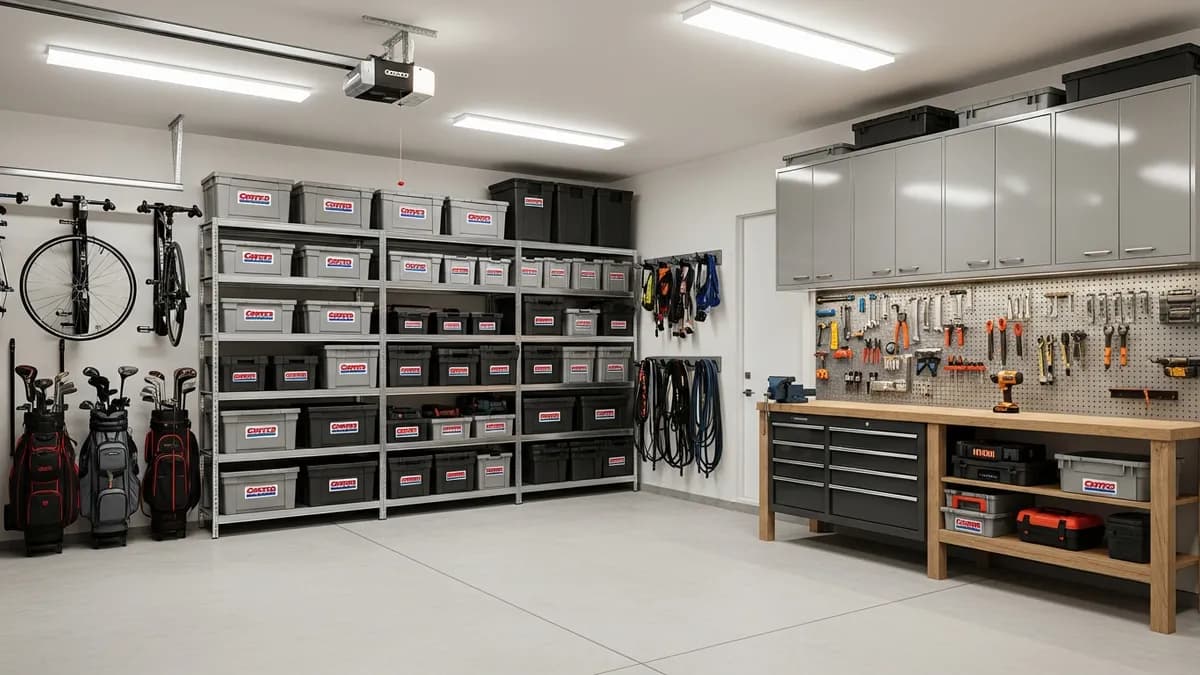
Using wall space is the most efficient way to store garden tools, especially long-handled tools that are difficult to store in cabinets.
- Pegboard - perforated board that can be fitted with various hooks and holders. Very flexible since hook positions can be adjusted as needed.
- Wall-mounted tool rack - specialized rack with slots or clips to hold tool handles. Perfect for hoes, spades, rakes, and brooms.
- Magnetic strip - magnetic strip attached to the wall for storing small metal hand tools like shears, knives, and hand trowels.
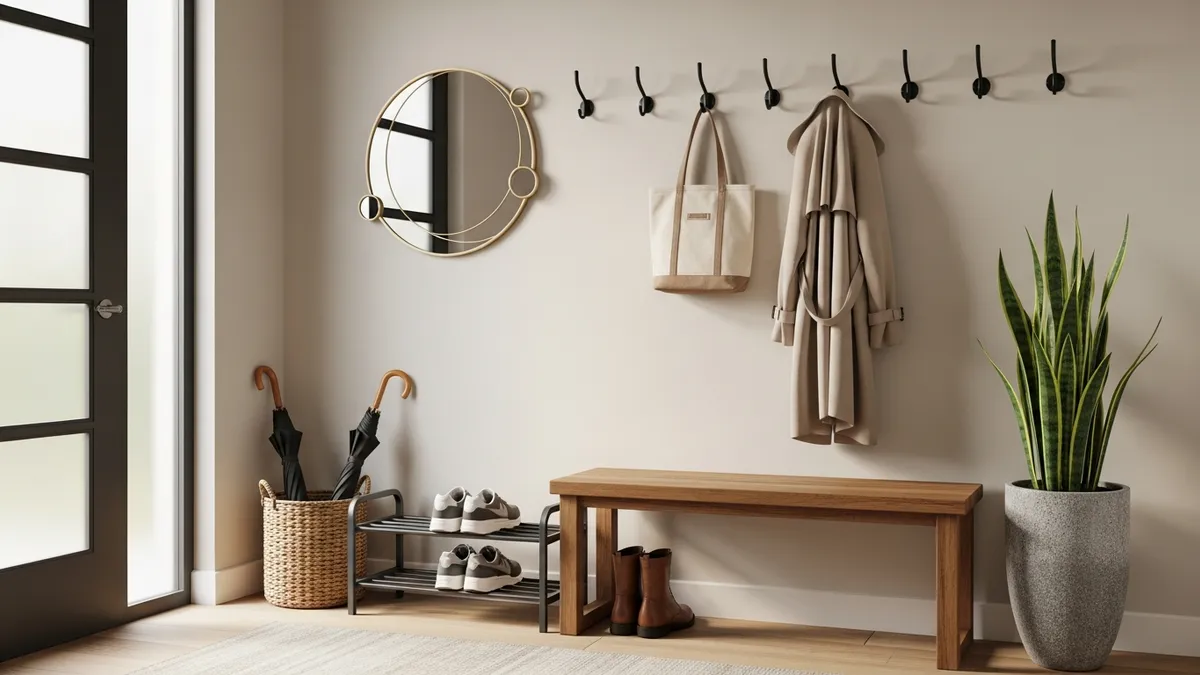
- Hooks and nails - simplest and cheapest solution. Install sturdy hooks on the wall to hang tools one by one.
Shelf and Cabinet Storage
- [Multi-purpose outdoor rack](/blog/rak-serbaguna) - rust-resistant metal rack for storing pots, fertilizer, growing media, and smaller equipment
- Tool chest or toolbox - tool box for storing hand tools, shears, twine, plant labels, and other small accessories
- Outdoor storage cabinet - weather-resistant cabinet for storing equipment that needs protection from rain and sun
Portable Storage
- Garden tote bag - canvas or fabric bag with many pockets for carrying hand tools while gardening in different areas
- Bucket caddy - organizer attached to bucket rim for storing hand tools, gloves, and twine
- Garden cart - small wheeled cart for transporting all equipment from storage to the garden area
Organizing Your Garden Storage Area
After choosing storage solutions, the next step is organizing the storage area properly. Follow these principles:
- Zone by frequency - tools you use often (pruning shears, gloves, watering can) should be in the most accessible area. Rarely-used tools (garden fork, loppers) can be in harder-to-reach areas.
- Group by function - cutting tools in one area, digging tools in another, watering equipment in a separate area. This makes finding things easier.
- Clear labeling - label each zone or hook so family members know where to return tools.
- Consumables storage - dedicate an area for storing fertilizer, pesticides, extra growing media, empty pots, and seeds. Store chemicals in closed containers away from children.
- Work area - if space allows, set up a small table for activities like seed starting, mixing growing media, or repotting plants.
Storing Garden Tools in Homes Without a Shed
Not all homes have a large shed or garage. Here are solutions for storing garden tools in a minimalist home:
- Under-stair storage - utilize empty space under stairs for storing garden tools
- Balcony or patio - use a storage bench on your patio to store tools while also providing seating
- Vertical wall storage outside - install shelves or hooks on exterior house walls protected by the roof
- Mini shed - small outdoor cabinet (20x20x60 inches) that can be placed on a patio or side of house
- Door hanging organizer - hang fabric or plastic organizer on the back door for hand tools and gloves
Safe Storage of Garden Tools
Garden tools include sharp objects that can be dangerous if not stored properly, especially if there are small children in the home.
- Store sharp tools high - shears, knives, and hoes must be stored at heights children can't reach
- Cover blades - use blade covers or sheaths for sharp tools like pruning shears and budding knives
- Lock up chemicals - chemical fertilizers and pesticides must be stored in a locked cabinet, away from food and children
- Ensure secure installation - tools hung on walls must be mounted firmly to prevent falling and injuring passersby
- Ventilation - chemical storage areas must have good ventilation to prevent dangerous fume buildup
FAQ - Frequently Asked Questions
1. What's the minimum budget to start gardening at home?
With a budget of $9-18, you can get a basic mid-quality hand tool set (trowel, fork, shears). Add $3-6 for gloves and a small watering can. So total of $12-24 is enough to start home gardening with adequate equipment.
2. Do I need to buy expensive tools?
For beginners, mid-range equipment is sufficient. What matters most is blade material quality (stainless steel is better than regular iron) and handle comfort. Invest in quality pruning shears since they're used most often. For other tools, mid-range versions work fine and can be upgraded later as needs develop.
3. How do I remove rust from garden tools?
Soak the rusty part in white vinegar solution for 2-4 hours, then scrub with a wire brush or coarse sandpaper. Rinse thoroughly and dry completely. For prevention, apply a light coat of oil after cleaning and store in a dry place. For light rust, just sand lightly and oil.
4. What garden tools are suitable for children?
For ages 4-8, buy a children's tool set made of sturdy plastic or lightweight metal with blunt tips. Usually available as sets with small trowel, fork, mini watering can, and child-sized gloves. Gardening with kids is excellent for teaching responsibility and love of nature.
5. How do I store a garden hose to prevent kinking?
Use a hose reel that can be wall-mounted or freestanding. After use, wind the hose slowly without creating tight loops. Avoid storing the hose in direct sunlight as UV will make it brittle and cracked over time.
Weekly Home Tips
Get home organization ideas, product picks, and exclusive deals delivered weekly.
No spam. Unsubscribe anytime.