15 Best House Plants for Every Room: Complete Indoor Plant Guide 2026
House plants have become more than just decoration in 2026 – they're essential elements for creating healthier, more organized living spaces. Studies show that incorporating tanaman hias rumah can improve indoor air quality by up to 25% while reducing stress levels and boosting productivity. Whether you're a beginner plant parent or looking to expand your green collection, choosing the right plants for each room can transform your home into a serene, well-organized sanctuary.
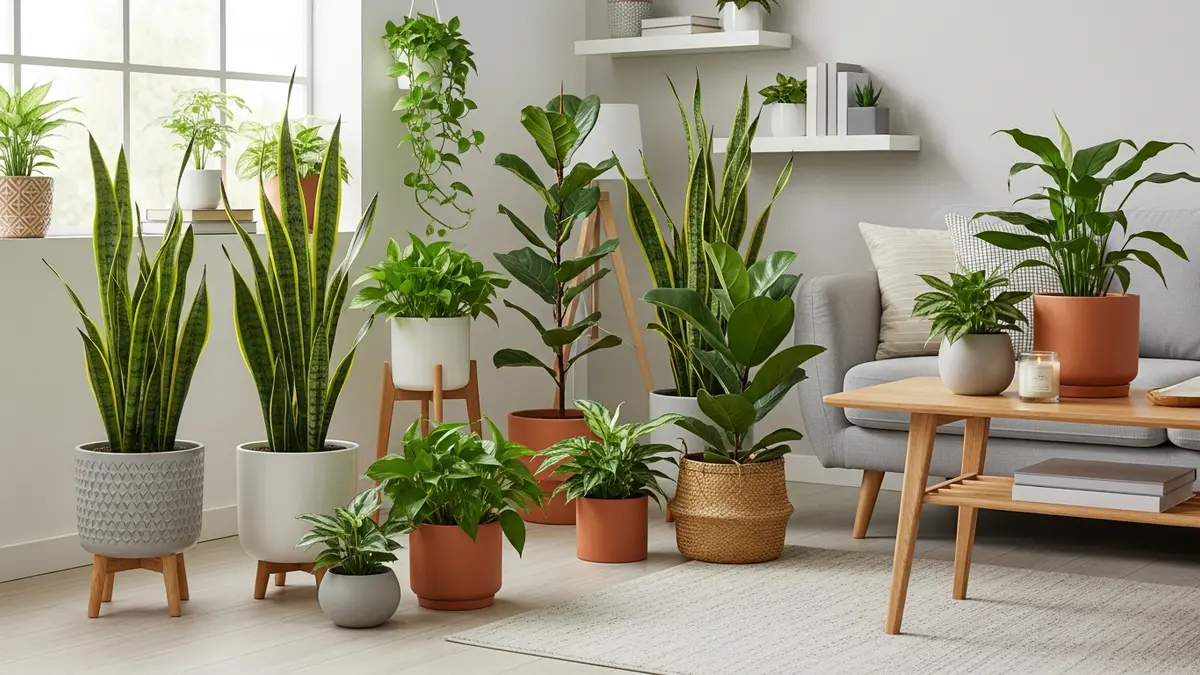
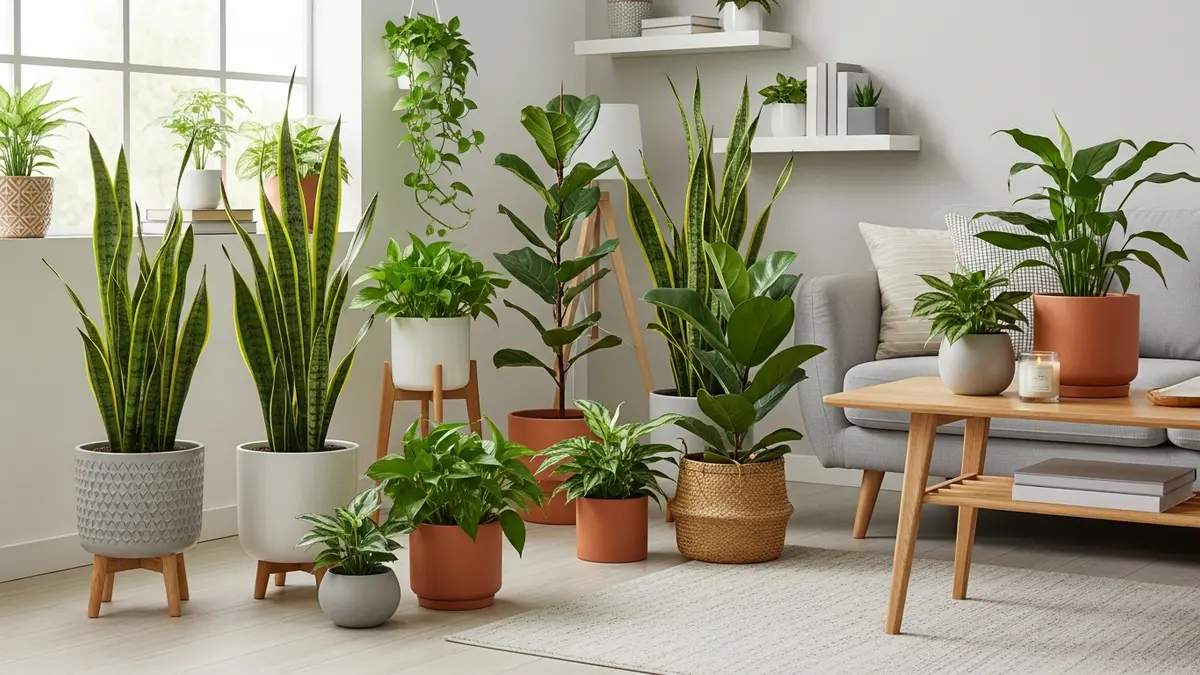
The key to successful indoor gardening lies in understanding which plants thrive in specific environments and how to integrate them seamlessly with your home organization system. From low-maintenance options perfect for busy lifestyles to air-purifying powerhouses that work overtime to clean your indoor environment, the right house plants can enhance both the aesthetics and functionality of every room. In this comprehensive guide, you'll discover the 15 best house plants for different rooms, practical care tips, and how to create an organized plant display that complements your lifestyle.
Why House Plants Are Essential for Modern Homes
Tanaman hias rumah offer numerous benefits beyond their visual appeal. Research from NASA's Clean Air Study reveals that certain houseplants can remove up to 87% of air toxins within just 24 hours. This natural air purification system is particularly valuable in 2026, as we spend approximately 90% of our time indoors.
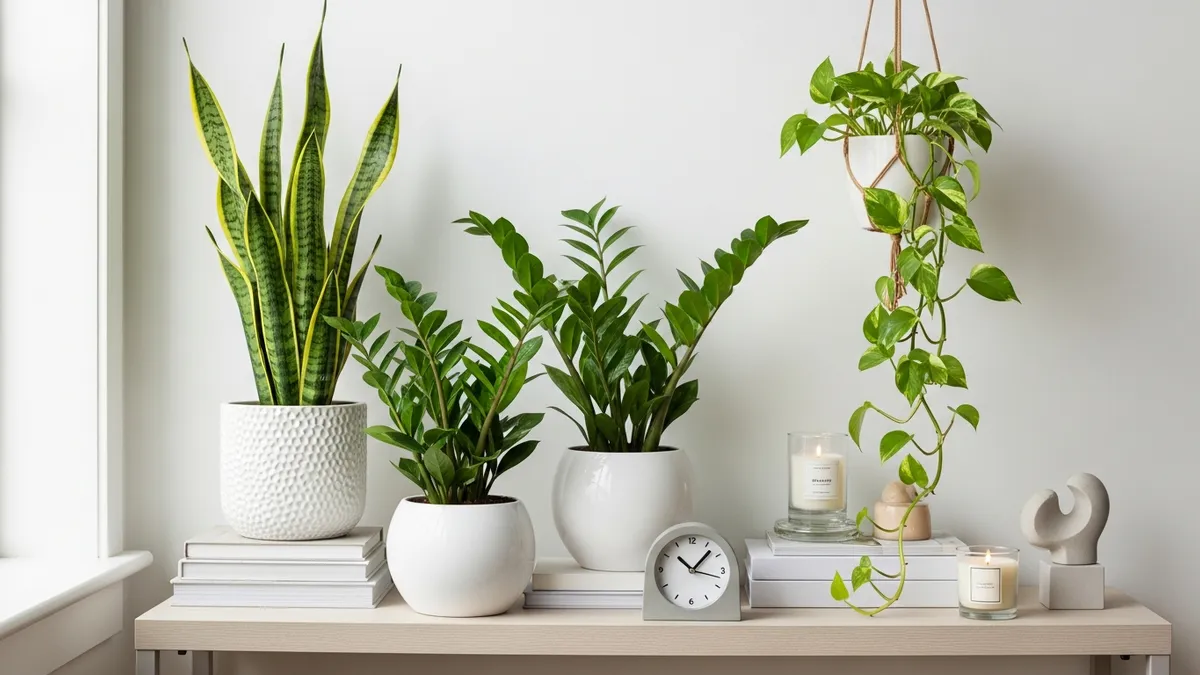
Beyond air purification, house plants contribute to mental wellness by reducing anxiety and improving focus. The practice of caring for plants, known as 'plant therapy,' has gained recognition for its stress-relieving properties. Additionally, strategically placed plants can enhance your home's storage solutions by creating natural room dividers and adding vertical interest to organized spaces.
Health Benefits of Indoor Plants
- Air Quality Improvement: Remove formaldehyde, benzene, and other harmful chemicals
- Humidity Regulation: Naturally increase moisture levels by 5-10%
- Stress Reduction: Lower cortisol levels and blood pressure
- Enhanced Focus: Improve concentration and productivity by up to 15%
- Better Sleep: Oxygen-producing plants promote restful sleep
Best Low-Maintenance House Plants for Beginners
Starting your plant journey with low-maintenance varieties ensures success while you develop your green thumb. These resilient plants forgive occasional neglect and adapt well to various lighting conditions, making them perfect for busy households.
Snake Plant (Sansevieria trifasciata) tops the list for its virtually indestructible nature. This architectural plant thrives in low light and requires watering only every 2-3 weeks. Its upright growth pattern makes it ideal for corners and pairs beautifully with modern storage boxes and organizers.
ZZ Plant (Zamioculcas zamiifolia) offers glossy, dark green foliage that adds sophistication to any room. This drought-tolerant plant can survive up to a month without water, making it perfect for frequent travelers or those new to plant care.
Top 5 Beginner-Friendly Plants
- Snake Plant: Tolerates neglect, low light, and irregular watering
- ZZ Plant: Extremely drought-resistant with glossy, attractive foliage
- Pothos: Fast-growing vine perfect for shelves and hanging displays
- Spider Plant: Produces baby plants and thrives in various conditions
- Rubber Tree: Large, dramatic leaves with minimal care requirements
Air-Purifying Plants for Healthier Indoor Spaces
Creating a healthier home environment starts with selecting plants proven to filter air pollutants. According to The Spruce, certain houseplants can significantly improve indoor air quality while adding natural beauty to your organized spaces.
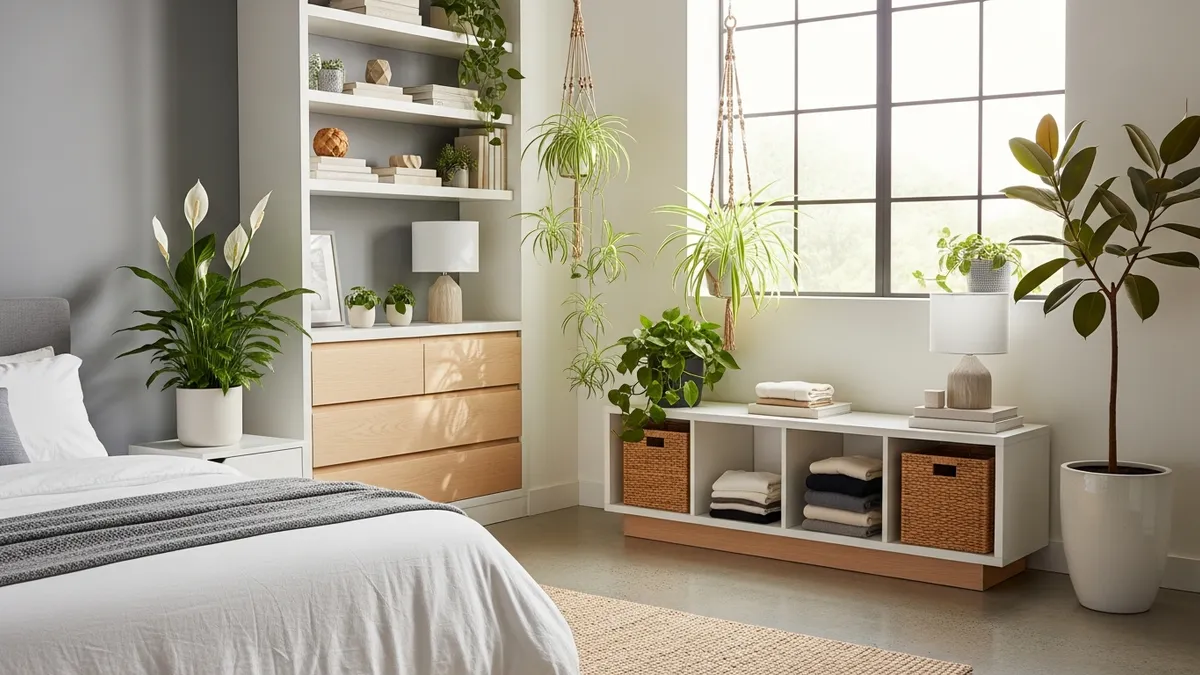
Peace Lily (Spathiphyllum) excels at removing ammonia, benzene, and acetone from the air while producing elegant white blooms. This plant thrives in medium to low light, making it perfect for bedrooms and living areas. Its dramatic foliage creates stunning displays when paired with modern storage solutions.
Spider Plant (Chlorophytum comosum) removes formaldehyde and xylene while producing charming plantlets that can be propagated easily. These cascading plants look spectacular in hanging planters or on high shelves, adding vertical interest to organized rooms.
Best Air-Purifying Plants by Room
- Living Room: Rubber Tree, Fiddle Leaf Fig, Dracaena
- Bedroom: Peace Lily, Snake Plant, Aloe Vera
- Kitchen: Spider Plant, Boston Fern, English Ivy
- Bathroom: ZZ Plant, Cast Iron Plant, Chinese Evergreen
- Home Office: Pothos, Philodendron, Bamboo Palm
Room-by-Room Plant Selection Guide
Choosing the right tanaman hias rumah for each space requires considering light levels, humidity, and the room's function. This strategic approach ensures your plants thrive while complementing your home's organization and design aesthetic.
Living Room: Statement Plants for Social Spaces
The living room calls for impressive plants that serve as natural focal points. Fiddle Leaf Fig (Ficus lyrata) makes a bold statement with its large, violin-shaped leaves. Position it near windows with bright, indirect light and pair with stylish storage furniture to create an organized, Instagram-worthy space.
Monstera Deliciosa brings tropical vibes with its distinctive split leaves. This climbing plant benefits from moss poles or trellises, which can double as room dividers in open-concept homes. According to Pinterest, Monstera searches have increased 200% in 2026, making it a trending choice for modern homes.
Bedroom: Plants for Better Sleep
Bedroom plants should promote relaxation and improve sleep quality. Aloe Vera releases oxygen at night while providing medicinal benefits for skin care. Its compact size makes it perfect for nightstands alongside bedside organizers.
Lavender offers natural aromatherapy benefits, promoting deeper sleep and reducing anxiety. While requiring bright light during the day, lavender can be moved to bedside tables in the evening for its calming scent.
Kitchen: Edible and Functional Plants
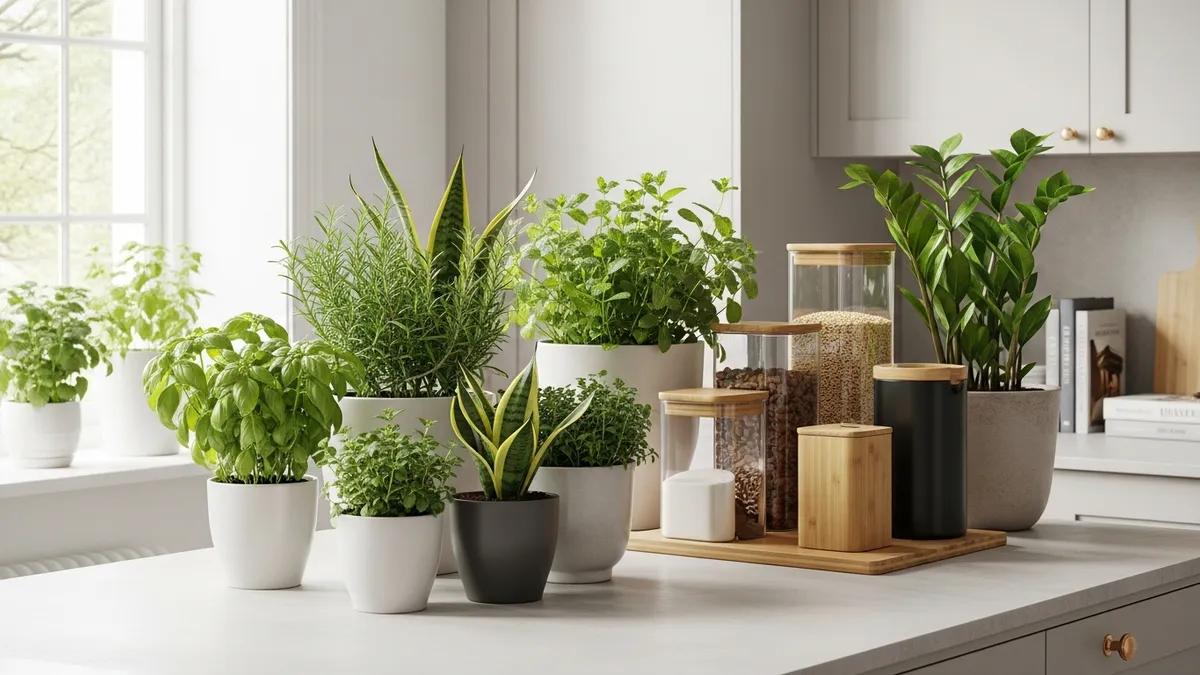
Kitchen plants should be both beautiful and functional. Herb Gardens featuring basil, mint, and rosemary provide fresh ingredients while purifying air. Use kitchen organizers to create dedicated herb stations on windowsills or counters.
Pothos thrives in kitchen humidity and can trail along cabinet tops or hang from ceiling hooks. Its air-purifying qualities help neutralize cooking odors while adding greenery to busy spaces.
Choosing the Right Planters and Storage Solutions
The right planters can elevate your tanaman hias rumah from simple greenery to sophisticated design elements. In 2026, the trend focuses on multifunctional planters that incorporate storage and organization features.
Self-Watering Planters reduce maintenance while ensuring consistent moisture levels. These innovative containers feature built-in water reservoirs that can sustain plants for 1-2 weeks, perfect for busy lifestyles or vacation periods.
Modular Planter Systems allow you to create custom arrangements that adapt to your space and plant collection growth. These systems often include integrated storage compartments for plant care supplies, maintaining a clutter-free appearance.
Planter Selection Tips
- Size Appropriately: Choose pots 1-2 inches larger than the root ball
- Ensure Drainage: All planters must have drainage holes to prevent root rot
- Consider Weight: Large plants need heavy, stable bases for safety
- Match Style: Select planters that complement your home's decor aesthetic
- Plan for Growth: Anticipate plant size increases over time
"The key to successful indoor gardening is creating a harmonious balance between plant health and home organization. Every plant should enhance your living space without creating clutter." - Interior Design Expert, 2026
Plant Care Organization and Maintenance Systems
Developing an organized approach to plant care ensures your tanaman hias rumah remain healthy and vibrant. Creating dedicated spaces for plant care supplies and establishing consistent routines simplifies maintenance while preventing plant neglect.
Plant Care Stations centralize all necessary supplies in one organized area. Use storage containers to organize watering tools, fertilizers, and pruning equipment. Label containers clearly and store frequently used items at eye level for easy access.
Digital Plant Journals help track watering schedules, fertilization dates, and growth observations. Apps like PlantNet or simple smartphone notes can remind you of care schedules and help identify potential problems early.
Essential Plant Care Supplies Organization
- Watering Tools: Watering can, spray bottle, moisture meter
- Feeding Supplies: Liquid fertilizer, slow-release pellets, compost
- Maintenance Tools: Pruning shears, soft cloth, plant stakes
- Problem-Solving: Insecticidal soap, fungicide, hydrogen peroxide
- Propagation Supplies: Rooting hormone, small pots, propagation stations
Common Mistakes and How to Avoid Them
Even experienced plant parents make mistakes that can harm their tanaman hias rumah. Understanding these common pitfalls helps ensure your plants thrive while maintaining an organized, beautiful home environment.
Overwatering remains the number one killer of houseplants. Most plants prefer to dry out slightly between waterings, so check soil moisture before watering. Invest in a moisture meter for accurate readings and prevent root rot.
Poor Drainage leads to waterlogged soil and root problems. Always use pots with drainage holes and consider adding pebbles or activated charcoal to improve drainage. Organize your plant care area with proper storage solutions for drainage materials.
Inadequate Light Assessment causes plants to struggle or die. Before purchasing plants, measure light levels in different areas using a light meter app. Match plant requirements to available light rather than hoping plants will adapt to unsuitable conditions.
Prevention Strategies
- Research Before Buying: Understand each plant's specific needs
- Start Small: Begin with 2-3 plants to develop skills gradually
- Quarantine New Plants: Isolate new additions for 2 weeks to prevent pest spread
- Monitor Regularly: Check plants weekly for signs of stress or problems
- Adjust Seasonally: Modify care routines based on seasonal changes
Creating Instagram-Worthy Plant Displays
Arranging your tanaman hias rumah thoughtfully creates stunning visual displays that enhance your home's organization and style. The key lies in balancing plant sizes, textures, and heights while maintaining accessibility for care and cleaning.
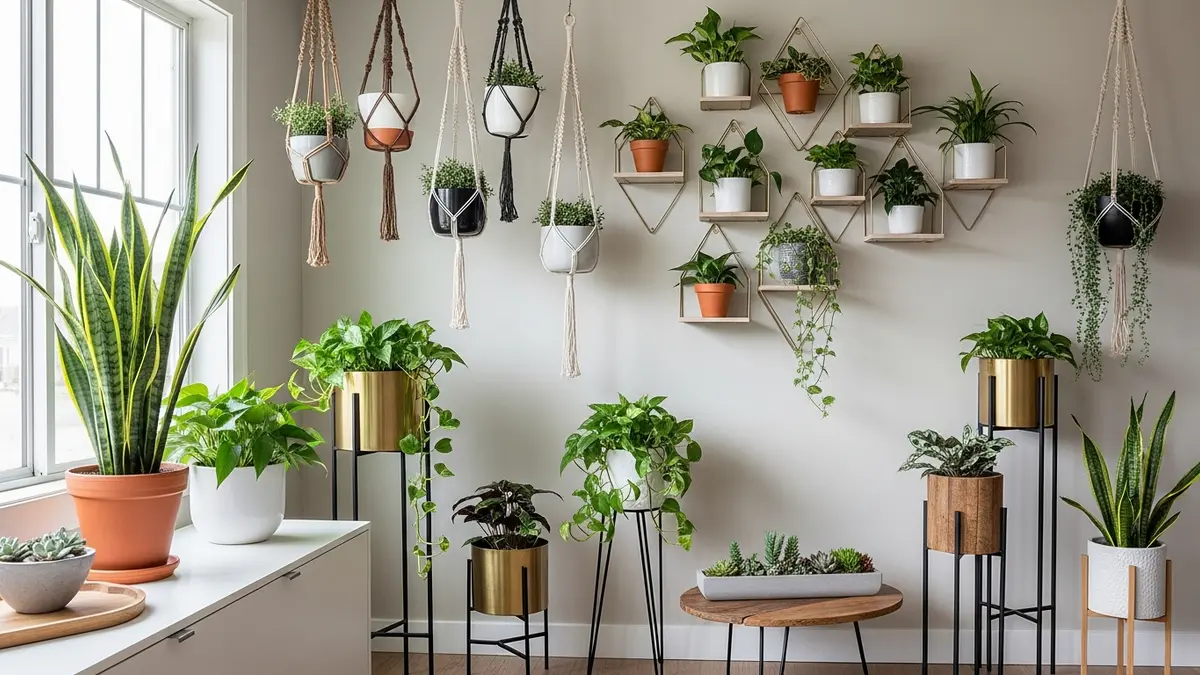
Layered Arrangements create depth and interest by combining plants of varying heights. Place tall plants like fiddle leaf figs in corners, medium plants like snake plants on plant stands, and trailing plants on shelves or hanging from ceilings. This approach maximizes visual impact while maintaining organized spacing.
Color Coordination involves selecting plants and planters that complement your existing decor. In 2026, the trend favors monochromatic schemes with varying textures rather than busy color combinations. White or neutral planters allow plant colors to shine while maintaining a cohesive, organized appearance.
Display Design Principles
- Rule of Odds: Group plants in sets of 3 or 5 for visual appeal
- Height Variation: Combine tall, medium, and low plants for dynamic displays
- Texture Contrast: Mix smooth leaves with textured or variegated foliage
- Space Planning: Leave adequate room for growth and maintenance access
- Lighting Consideration: Position plants according to their light requirements
Seasonal Plant Care and Organization
Adapting your plant care routine seasonally ensures your tanaman hias rumah remain healthy year-round. Seasonal changes affect light levels, humidity, and growth patterns, requiring adjustments to watering, fertilizing, and positioning.
Spring Preparation involves repotting root-bound plants, beginning regular fertilization, and gradually increasing watering as growth resumes. Organize your plant care supplies and refresh potting soil for the growing season ahead.
Summer Management requires increased watering frequency and protection from intense afternoon sun. Move sensitive plants away from hot windows and increase humidity through pebble trays or humidifiers. Monitor plants daily during heat waves and adjust care accordingly.
Winter Adjustments include reducing watering frequency, stopping fertilization for most plants, and providing additional humidity as heating systems dry indoor air. Consider using grow lights for light-dependent plants during shorter winter days.
FAQ: Frequently Asked Questions About House Plants
Q: How many house plants should I start with as a beginner?
Start with 2-3 low-maintenance plants like snake plants or pothos to develop your care routine without becoming overwhelmed. This allows you to learn each plant's needs while building confidence in plant care.
Q: What's the best way to organize plant care supplies in a small space?
Use compact storage containers with dividers to organize supplies vertically. Store frequently used items like watering cans and plant food in easily accessible locations, and keep seasonal supplies in labeled bins.
Q: How do I know if my plant is getting enough light?
Use a light meter app to measure foot-candles in different areas. Most houseplants need 100-500 foot-candles for low light, 500-1000 for medium light, and 1000+ for bright light conditions.
Q: Can house plants really improve indoor air quality?
Yes, according to NASA research, plants like spider plants and peace lilies can remove up to 87% of air toxins within 24 hours. However, you need approximately one plant per 100 square feet for significant air purification benefits.
Q: What should I do if I travel frequently?
Invest in self-watering planters or plant-sitting services. For short trips, group plants together to increase humidity and water thoroughly before leaving. Avoid fertilizing before travel as this increases water needs.
Conclusion
Incorporating the right tanaman hias rumah into your home creates a harmonious blend of natural beauty, improved air quality, and organized living. From low-maintenance options perfect for beginners to stunning statement plants that transform entire rooms, the right plant selection enhances both your home's health and aesthetic appeal. Remember that successful indoor gardening requires patience, observation, and the right organizational systems to support your growing plant family.
Ready to transform your home with beautiful, organized plant displays? Discover Sesoris's collection of modern planters and storage solutions to create the perfect foundation for your indoor garden. With our stylish organizers and containers, you can maintain a clutter-free, Instagram-worthy plant paradise that supports both your plants and your lifestyle goals.
Weekly Home Tips
Get home organization ideas, product picks, and exclusive deals delivered weekly.
No spam. Unsubscribe anytime.