
Guide to Choosing the Best Outdoor Backpack for Hiking and Camping (2026)
The wrong outdoor backpack can ruin your entire hiking or camping experience. A bag that's too small won't fit your gear, one that's too large adds unnecessary weight, and an ergonomic failure causes back pain after just a few hours of trekking.
Based on our conversations with regular Sesoris customers, organization problems are usually solved not by buying more, but by rearranging what's already there.
This guide helps you choose an outdoor backpack that truly matches your needs. We cover all bag types, capacity guidelines based on trip duration, important features to look for, and comparisons of popular brands in Indonesia.
Key Takeaways: > - Choose products with clear safety labels (food-grade, BPA-free) for daily use > - Investing slightly more in quality materials (glass, grade 304 stainless steel) saves long-term costs > - Match sizes to family needs, neither too large nor too small > - Local marketplaces like Tokopedia, Shopee, and Sesoris offer competitive prices with maintained quality
Types of Outdoor Bags and Their Functions
Each type of outdoor bag is designed for different activities. Choosing the wrong type is like wearing flip-flops to climb a mountain - possible, but full of suffering. For additional information, also see the guide from The Spruce.
Daypack (15-35 Liters)
A daypack is for short day hikes where you leave in the morning and return in the evening. A capacity of 15-25 liters is enough to carry 1-2 liters of water, snacks, a rain jacket, first aid kit, headlamp, and some extra clothing. For longer day hikes, choose 25-35 liters to have room for lunch and additional gear.
A good daypack weighs less than 1 kg, has a built-in rain cover, and a simple hip belt to distribute the load. Front or side panel access makes it easy to grab items without opening the main compartment.
Carrier / Backpacking Pack (40-80 Liters)
A carrier is for multi-day hikes or camping when you need to carry all your sleeping, cooking, and survival gear. A capacity of 40-55 liters works well for 2-3 day trips, while 55-80 liters suits 4+ day expeditions or cold weather requiring a thick sleeping bag.
Critical features on a carrier are the frame system (internal frame is more popular now), adjustable torso length, a padded hip belt supporting 60-70% of the load, and multiple access points. A good carrier makes a 15 kg load feel like 10 kg because of optimal weight distribution.
Duffle Bag (40-120 Liters)
A duffle bag is ideal for base camp or traveling to outdoor locations that don't require long trekking. For example, camping near a parking area, rafting where the bag is transported by boat, or as checked luggage that gets transferred to a carrier at base camp.
Duffle advantages include a large opening for easy packing, typically water-resistant material, and the ability to fold compactly when empty. Some premium models come with backpack straps so you can carry them on foot when needed.
Trail Running Vest (5-15 Liters)
A specialized vest for trail running and fast hiking where speed is the priority. Its body-hugging design prevents bouncing while running. It comes equipped with soft flasks on the chest for hydration without stopping. Limited capacity is only for water, snacks, and emergency kits.
Capacity Guide Based on Trip Duration
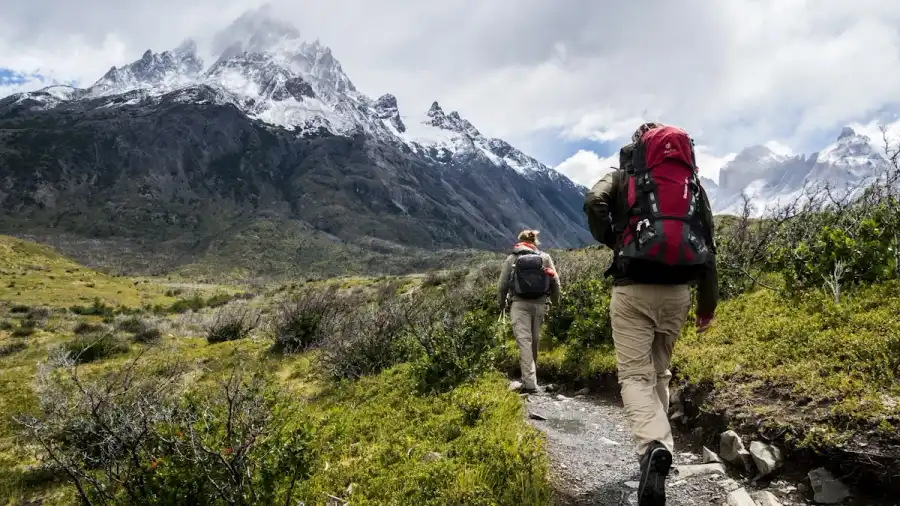
Choosing the right capacity heavily depends on trip duration and weather conditions. Here's a general guide you can reference: For additional information, also see the guide from Real Simple.
| Trip Duration | Capacity | Bag Type | Ideal Weight | Example Activity |
|---|---|---|---|---|
| 1 day | 15-25 L | Daypack | 3-5 kg | Day hike, nature walk |
| 1 day (intensive) | 25-35 L | Large daypack | 5-8 kg | Summit attempt, long trail |
| 2-3 days | 40-55 L | Medium carrier | 10-15 kg | Weekend camping, multi-day hike |
| 4-7 days | 55-70 L | Large carrier | 15-20 kg | Expedition, thru-hiking |
| 7+ days | 70-80 L | XL carrier | 18-25 kg | Remote expedition |
| Base camp | 60-120 L | Duffle | Variable | Car camping, rafting trip |
Golden rule: the total weight of your filled bag should not exceed 20-25% of your body weight. If you weigh 60 kg, your maximum bag weight is 12-15 kg.
7 Essential Features of Quality Outdoor Bags
Not all outdoor bags are created equal. Here are features that distinguish quality bags from ordinary ones:
- Adjustable suspension system - torso length must be adjustable because everyone has different body proportions
- Thickly padded hip belt - at least 10cm wide with sufficient padding to support the main load on your hips
- Integrated rain cover - hidden in a lower compartment and can be pulled out within seconds when rain strikes suddenly
- Multiple access points - besides the top opening, there should be side or front access to grab items mid-hike without unpacking everything
- Hydration compatible - internal sleeve for water bladder and tube holes on the shoulder, important for long hikes
- Compression straps - side straps that can be tightened to stabilize the load and prevent contents from shifting
- Attachment points - loops and external straps for tying trekking poles, mat, or helmet from outside the bag
Comparison of Popular Outdoor Bag Brands in Indonesia
The Indonesian outdoor bag market offers choices from ultra-budget to premium. Each segment has its trusted brands. Local brands like Eiger, Consina, and Arei offer excellent value for money with designs adapted for Indonesian terrain. Quality continues to improve yearly and after-sales service is more accessible.
International brands like Osprey, Deuter, and Gregory offer more advanced suspension system technology, lighter materials, and durability tested in extreme conditions worldwide. However, prices can be 2-3 times higher than local brands.
For beginners, we recommend starting with quality local brands in the $30 - $90 range. After learning your preferences and specific needs from your first few trips, then consider upgrading to premium brands if needed.
Tips for Efficient Outdoor Bag Packing
Proper packing is just as important as choosing the right bag. The basic principle is optimal weight distribution and item accessibility based on usage frequency.
- Bottom section - sleeping bag and clothes you won't wear while hiking, light and soft items as a base cushion
- Middle section near back - heavy items like tent, cookware, and water; this position keeps center of gravity close to your body
- Middle outer section - food, rain gear, and medium items you might access during rest breaks
- Top section - snacks, headlamp, first aid kit, map, and items you need quick access to without fully opening the bag
- Hip belt pocket - smartphone, snack bar, lip balm - items accessed most frequently while walking
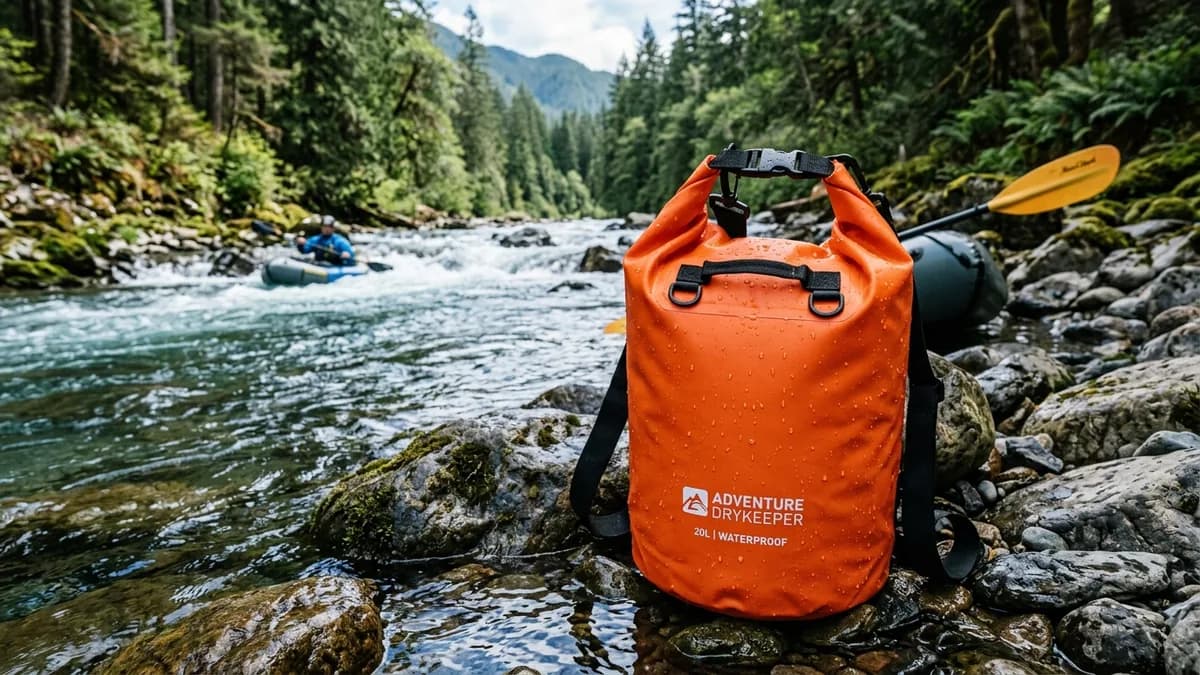
Also make sure to use dry bags or trash bag liners inside your bag for extra waterproofing. A rain cover alone often isn't enough during prolonged heavy rain because water can seep in from the back area that isn't covered.
Caring for Your Outdoor Bag for Longevity
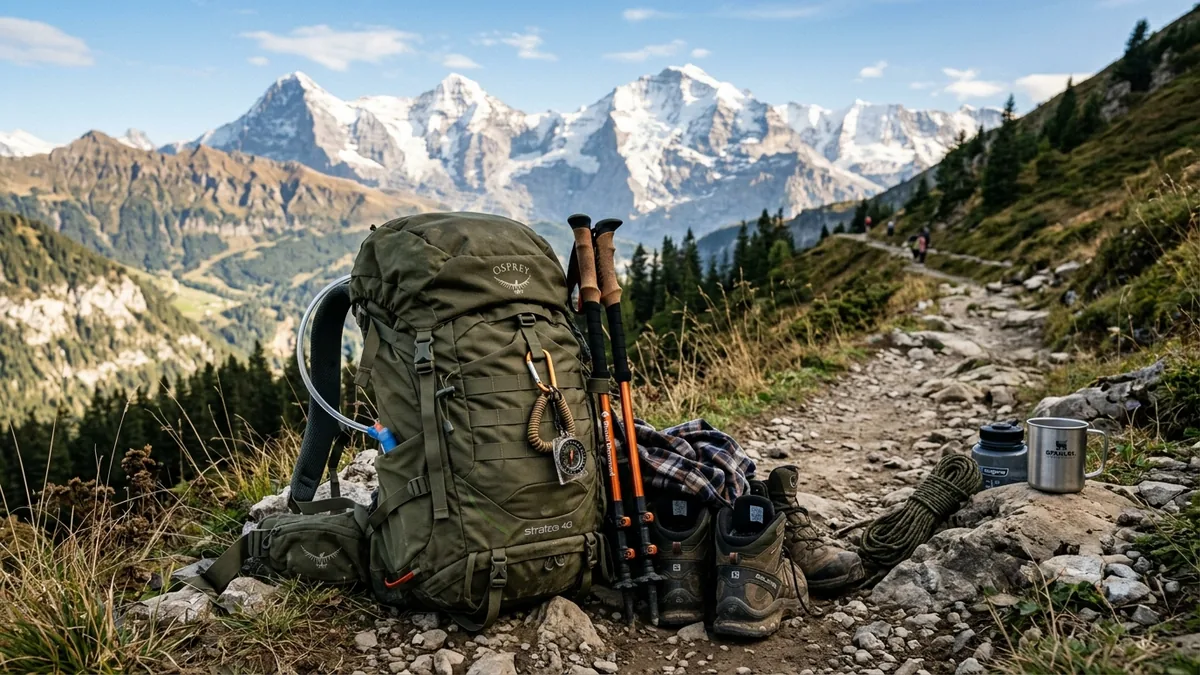
An outdoor bag is an investment that can last 5-10 years if properly maintained. After each trip, empty it completely and turn the inside out to clean sand or dirt. Never wash your outdoor bag in a washing machine because agitation can damage the waterproof coating and stitching.
For deep cleaning, use a soft sponge with outdoor gear-specific soap. Rinse with clean water and dry in a shaded place - avoid direct sunlight which can damage nylon material. Store the bag open, not in a stuff sack, so the foam padding doesn't become permanently compressed.
If zippers start sticking, apply zipper lubricant or beeswax. Check all buckles and straps before each trip to ensure nothing is worn or cracked. Small repairs early on are cheaper than buying a new bag.
To complete your camping gear collection, also check our camping equipment guide covering all essential gear from tents to cooking equipment.
Related Articles
Explore other guides from Sesoris to complement your knowledge:
Related Products from Sesoris
If this guide matches the way you want to organize your space, start with Travel Toiletry Bag and Mesh Zipper Pouches Set. For more options in the same use case, browse the Travel & Outdoor collection before comparing generic marketplace listings.
I prefer this softer path because readers who arrive from informational articles usually are not ready for a hard sell. A small related-product block gives them a practical next step while keeping the article useful first.
FAQ - Common Questions About Outdoor Bags
What's an ideal budget for your first outdoor bag?
For your first daypack, a budget of $18 - $50 will get you good quality from local brands. For your first carrier, prepare $50 - $125 Avoid bags under $12 because they usually have weak material and stitching that won't handle heavy loads long-term.
Daypack or carrier for beginner hikers?
Start with a 25-35 liter daypack. Most Indonesian hikes can be done in one day, so a daypack is sufficient. You'll only need a carrier once you start multi-day camping. Better to have a quality daypack than a cheap carrier that's uncomfortable.
How do you determine the right torso size?
Measure from the C7 bone (the prominent bone at the base of your neck when bent forward) to the iliac crest (the prominent hip bone on the side). This distance is your torso length. Most carriers provide S/M/L size guides based on torso length. Ask a friend to help measure since it's difficult to do alone.
Can outdoor bags be washed?
Yes, but never use a washing machine. Hand wash with a soft sponge and outdoor gear-specific soap. Rinse thoroughly and dry in a shaded place. Don't use regular detergent as it can damage the DWR (Durable Water Repellent) coating on the bag material.
What's the difference between internal frame and external frame carriers?
Internal frame carriers have a frame inside the bag providing a slimmer profile and center of gravity closer to your body, ideal for narrow technical trails. External frame carriers have a frame outside providing better back ventilation and can carry heavier loads, ideal for wide and flat trails. Currently 95% of modern carriers use internal frames.
Q: How long do quality home organization products typically last?
With proper routine care, food-grade plastic products last 3-5 years, while borosilicate glass and grade 304 stainless steel can last 10+ years. Key factors are consistent maintenance and avoiding extreme temperature exposure.
Q: Is this product food-safe?
Ensure the product is labeled "food-grade" or "BPA-free" before using it for food storage. Safe materials include borosilicate glass, grade 304 stainless steel, and certified food-grade plastic. Avoid plastic without food safety certification, especially for hot or oily foods.
Q: How do I clean and maintain it?
Wash with mild dish soap and warm water. Avoid abrasive sponges that can scratch the surface. For stubborn stains, use a baking soda and water paste as a natural cleaner. Dry completely before storing to prevent mold and bacteria.
Q: What is the price difference between local and imported products?
Local Indonesian products are typically 30-50% more affordable than imports of similar quality. For daily home organization needs, local products meet the standard. Consider imports only if you need specific features not available in the local market.
Q: Where should I buy products like this?
You can buy at offline stores like ACE Hardware, IKEA, or major hypermarkets, or via online marketplaces like Tokopedia, Shopee, and Sesoris. Check seller ratings, real product photos, and return policies before buying online.
Conclusion
Choosing the right outdoor bag is an investment in comfort and safety in the outdoors. Start by understanding the activities you do most, then choose the type and capacity that suits you. Don't be tempted by large bags if your needs are only day hikes.
Complete your outdoor gear by visiting Sesoris's collection which offers various accessories supporting outdoor activities, from storage boxes for storing gear to multipurpose containers for base camp.
About Tim Sesoris
The Sesoris editorial team consists of experienced writers in home organization, minimalist lifestyle, and Indonesian e-commerce. We test products, review market trends, and craft guides based on in-depth research and field experience. All recommendations are curated to give you accurate, practical, and relevant information for Indonesian households.
For questions or suggestions, contact us through the Sesoris contact page.
Weekly Home Tips
Get home organization ideas, product picks, and exclusive deals delivered weekly.
No spam. Unsubscribe anytime.
Explore More Articles
- 30+ Best Garage Wall Shelf Ideas to Transform Your Storage Space in 2026
- How to Speed Clean Your House in 30 Minutes
- 25+ Best Entryway Organization Ideas to Transform Your Home's First Impression in 2026
- 35+ Brilliant Small Space Clothing Storage Ideas to Maximize Your Wardrobe in 2026
- Mudroom Organization: 30+ Smart Ideas to Transform Your Entryway in 2026
- 25+ Small Room Laundry Room Organization Ideas That Actually Work in 2026
- Aluminum Dish Cabinets: Strength Meets Style in Modern Kitchen Storage
- Wooden Kitchen Tables: Timeless Classics That Never Go Out of Style