Quality Products, Free Shipping & Easy Returns!
Sesoris
My AccountTrack Order
BlogTips & Tricks
Home Document Storage: An Organized Filing System for Families
Tips & Tricks

Home Document Storage: An Organized Filing System for Families

June 8, 2026
10 min read read
/images/team/avatar-default.webp
Tim Sesoris
Home Organization Expert

An organized home document storage with a clear filing system is a basic necessity for every family. From birth certificates, land certificates, insurance policies, to monthly bills, every household stores dozens to hundreds of important documents that must be easily found when needed.

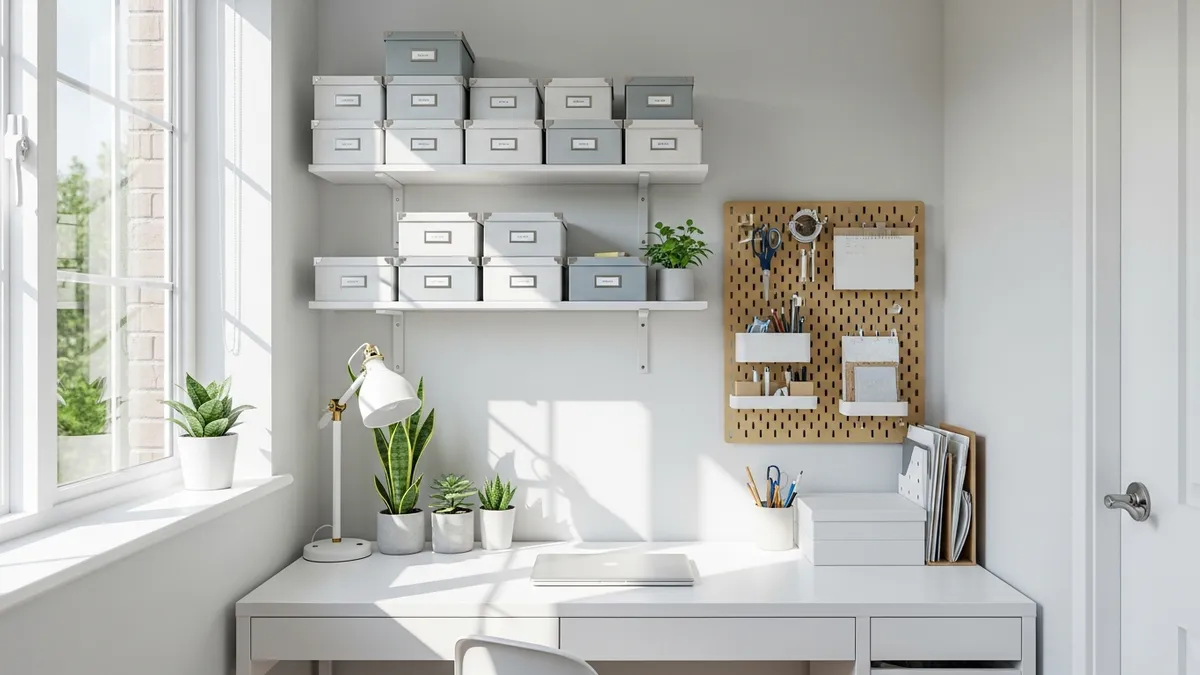
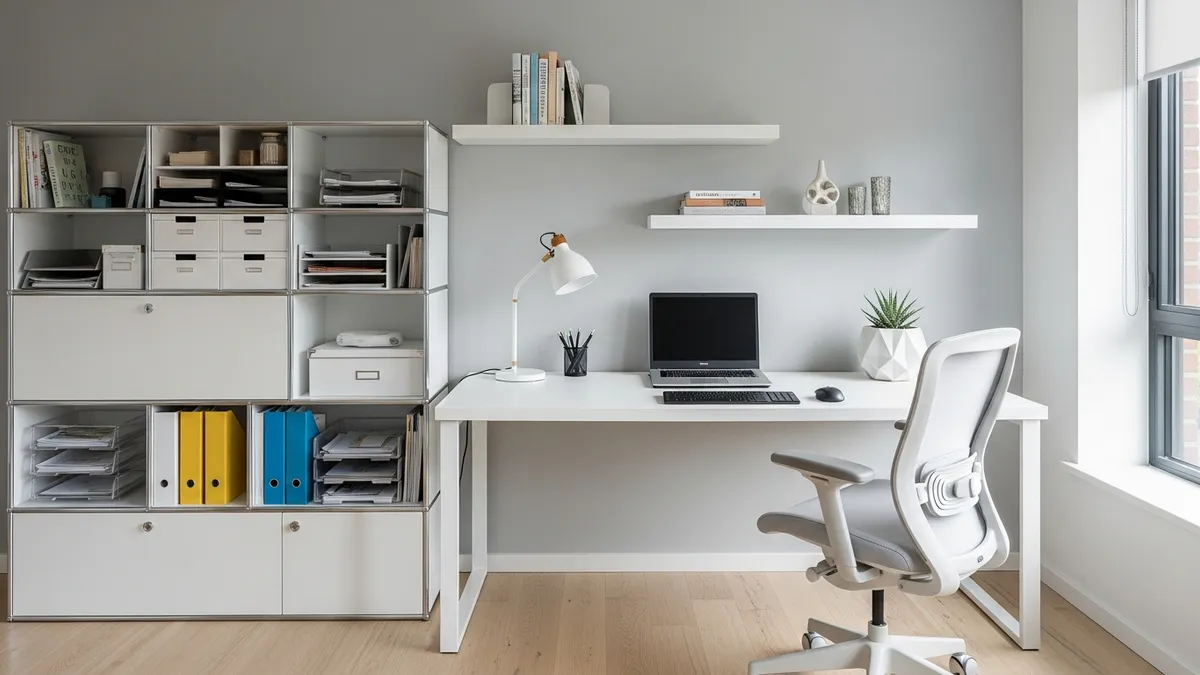
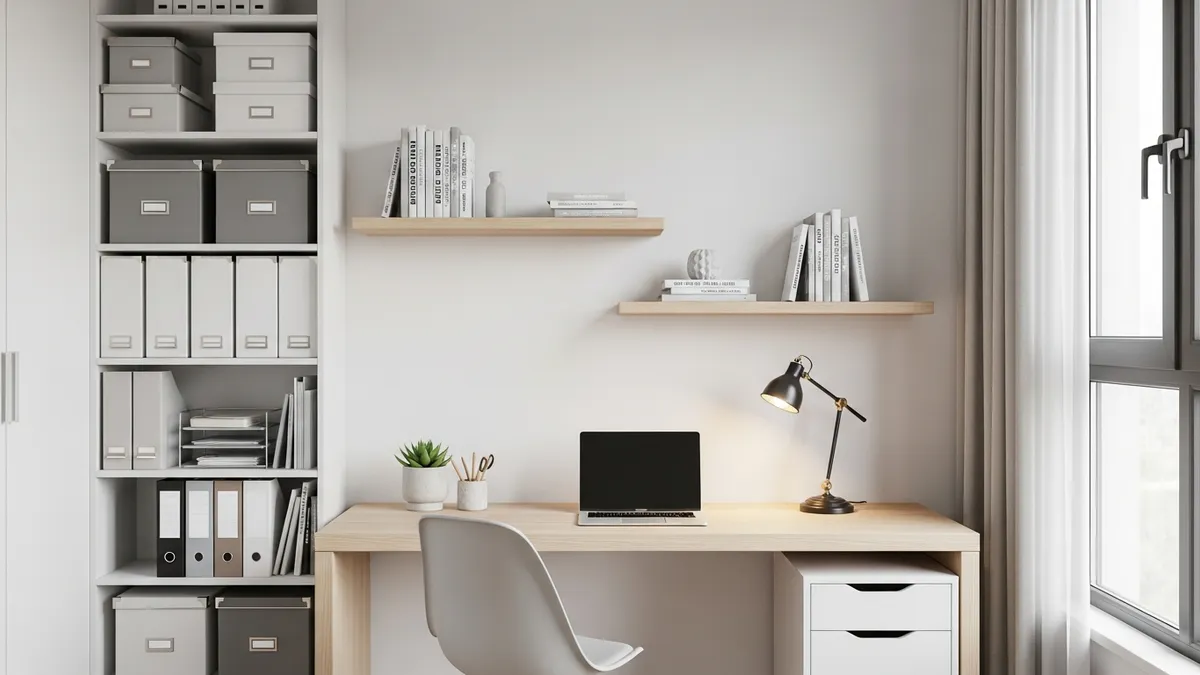
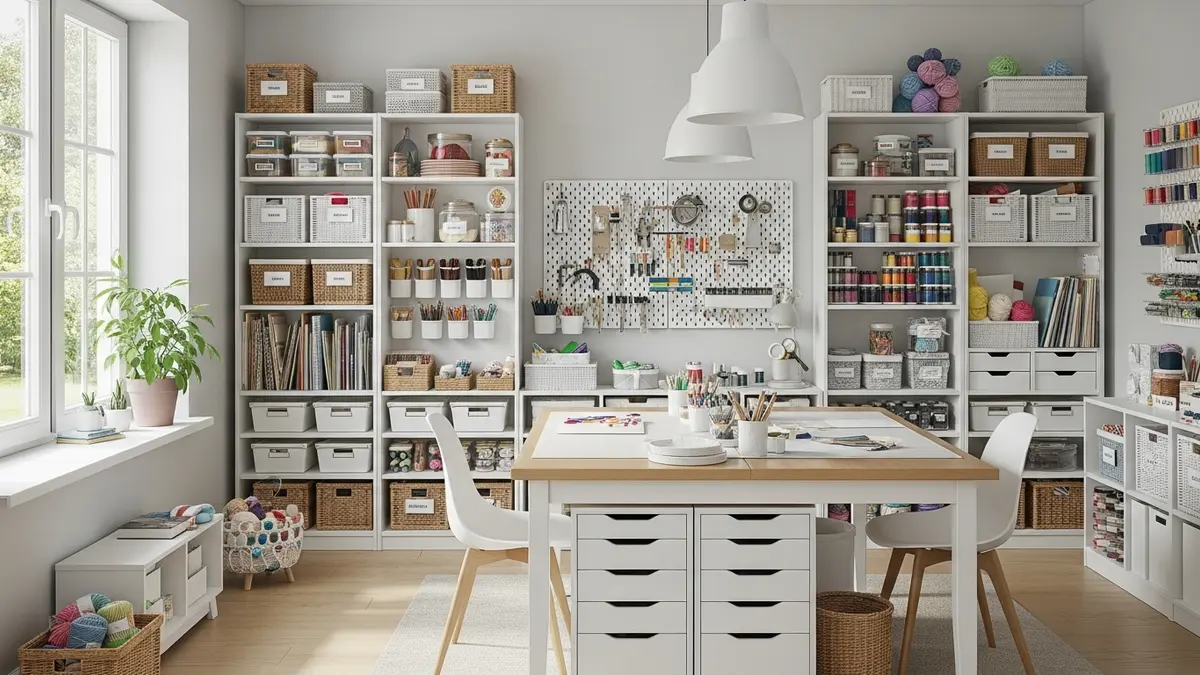
An organized and neat home document filing system

How many times have you panicked searching for your ID card, birth certificate, or vehicle registration when you suddenly needed them? This situation is very common in Indonesian households. A survey by the Indonesian Chamber of Commerce shows that the average Indonesian spends 30 minutes per week searching for misplaced documents. In a year, that equals 26 hours - more than a full day wasted just looking for documents.

Why a Home Filing System Matters

Organized documents aren't just about neatness. There are serious financial and legal implications if important documents are lost or damaged.

  • Administrative matters become faster - no need to request replacement copies that consume time and money
  • Insurance claims process faster if policies and supporting documents are complete and readily available
  • Financial planning becomes more accurate when all bills, contracts, and investment documents are properly filed
  • Emergencies can be handled more calmly if important documents like passports and certificates are easily accessible
  • Inheritance and succession - family won't be confused searching for property and asset documents if everything is properly archived

Step 1: Gather All Documents

The first step is to collect all documents scattered in various places around your home. Check desk drawers, cabinets, bags, old folders, and even plastic bags that often serve as emergency storage spots.

Gather everything on one large table or clean floor. This process might be surprising because you'll see just how many documents you actually have. Don't rush through sorting - make sure all documents are collected before moving to the next step.

Step 2: Sort and Categorize

After gathering all documents, sort them into main categories. Here's a recommended categorization system for Indonesian families.

Home Document Category Table

CategoryExample DocumentsFrequency NeededStorage Location
Personal IdentityID card, Family card, Birth certificate, PassportOccasionallySafe/special folder
PropertyLand certificate, Building permit, Property tax, DeedRarelySafe
VehiclesVehicle registration, Vehicle ownership, Insurance policyOccasionallySpecial folder
FinanceSavings book, Bank statements, InvestmentsMonthlyFile folder
InsuranceLife policy, Health policy, ClaimsOccasionallyFile folder
EducationDiplomas, Transcripts, CertificatesRarelySpecial folder
HealthMedical records, Prescriptions, Health insurance cardOccasionallyFile folder
BillsElectricity, Water, Internet, PhoneMonthlyFolder or digital
TaxTax return, Payment proof, Tax IDYearlyFile folder
EmploymentEmployment contract, Payslips, Work social securityOccasionallyFile folder

During the sorting process, also separate documents that are no longer relevant. Bills older than 2 years that aren't needed for tax purposes can be destroyed (use a paper shredder for documents containing personal information).

Step 3: Choose the Right Filing System

There are several filing system options you can use. Choose the one that best suits the volume of your documents and available space.

Filing Cabinet

A specialized filing cabinet with drawers designed to store hanging folders. Best choice for families with large document volumes. Available in sizes from 2-drawer (small) to 4-drawer (large). Some models come with locks for added security.

Accordion File / Expanding File

An expandable folder with labeled compartments. Compact, portable, and affordable. Great for families with medium document volume or as an addition to a filing cabinet. Easy to store in a cabinet or desk drawer.

Binder System

Using ring binders with sheet protectors for each document. Documents can be viewed without being removed from the sheet protector. Perfect for documents that need frequent viewing or copying. Can be neatly arranged on a bookshelf.

Box File

Storage boxes with lids and labels that can be stacked on shelves. Ideal for long-term archives that are rarely accessed. Choose moisture-resistant materials since Indonesian documents are vulnerable to high humidity.

Step 4: Label Clearly

A filing system without clear labels is the same as a random pile of documents in folders. Invest time in creating informative labels.

  • Use a label maker if possible, or write clearly by hand using permanent markers
  • Color-code by category - use different colored folders or labels for each main category (red for identity, blue for finance, green for property)
  • Descriptive labels - write the category and subcategory, for example 'Insurance - Family Health Policy'
  • Dates - for sequential documents like bills, add the month and year to the label
  • Table of contents - create a table of contents at the front of your filing cabinet or binder so you don't need to open every folder to find a document

Step 5: Secure Important Documents

Not all documents require the same level of security. Certain documents need extra protection.

Fireproof Safe

Documents that are very difficult to replace, such as birth certificates, land certificates, vehicle ownership documents, and passports, should be stored in a fireproof safe. Small home safes are available starting from $30 and can withstand temperatures up to 1,000 degrees Celsius for 30 minutes.

Digital Backup

Create digital copies (high-quality scans or photos) of all important documents. Store them in encrypted cloud storage (Google Drive, Dropbox) and also on an external hard drive kept separately. Digital backup ensures you still have copies even if physical documents are lost or damaged.

Safe Deposit Box

For extremely valuable documents like land certificates or securities, consider renting a safe deposit box at a bank. This provides the highest level of security with protection from fire, flooding, and theft.

Step 6: Create a Management Routine

An organized filing system needs regular maintenance to stay organized.

  • Daily - place new incoming documents in an inbox tray, don't just place them anywhere
  • Weekly - process the inbox tray, file new documents into appropriate categories. Ideal time: 15 minutes every weekend
  • Monthly - check bills and financial documents, make sure everything is up-to-date
  • Yearly - major audit: discard documents past their retention period, update expired documents, ensure digital backup is current

Involve your partner in document management. At least two people in the family should know where important documents are stored and how the filing system works.

How Long Should You Keep Documents?

Not all documents need to be kept forever. Here's a guide for document retention periods in Indonesia.

  • Forever: Birth certificates, marriage certificates, land certificates, diplomas, vehicle ownership documents (while the vehicle is still owned)
  • While active + 5 years: Insurance policies, employment contracts, investment documents
  • 5 years: Tax returns and tax payment proofs (per Tax Law)
  • 3 years: Bank statements, payslips, credit card bills
  • 1 year: Utility bills (electricity, water, internet) - unless there's a dispute
  • After verification: Receipts (except for items with warranties)

Special Filing Tips for Indonesian Families

School Documents for Children

Create a separate folder for each child. Store report cards, awards, certificates, and other important school documents. Documents no longer relevant (previous year's schedules, old circulars) can be discarded during annual reorganization.

BPJS Documents

Health insurance and employment insurance cards for all family members should be stored in one special folder that's easily accessible. Include photocopies of cards and member number information on the front page of the folder for quick reference.

Warranties and Product Instructions

Create one special folder for warranty cards and manuals for electronic products. Keep them with purchase receipts which are required for warranty claims. After warranty expires, manuals can be discarded (usually available online) and receipts only need to be kept if needed as proof of assets.

Vehicle Documents

Create a separate folder for each vehicle you own. Include vehicle registration (also keep a photocopy in the vehicle), insurance policies, regular service records, and related documents. Vehicle ownership documents should be kept in a separate safe.

FAQ - Frequently Asked Questions

1. Is it necessary to buy a filing cabinet or is a folder enough?

It depends on your document volume. For small families (2-3 people), an expanding file or binder system is usually sufficient. For large families or those with many properties and investments, a 2-drawer filing cabinet is a worthwhile investment. What matters most isn't the container, but the consistency of your labeling and filing system.

2. How do I protect documents from humidity in Indonesia?

Store silica gel in every folder, envelope, or filing cabinet drawer. Ensure the storage area has good air circulation. Use sheet protectors for the most important documents. Avoid storing documents in damp areas like warehouses or near bathrooms. If using box files, choose plastic or moisture-resistant materials.

3. Is it safe to store scans of important documents in the cloud?

Yes, as long as you use a trusted cloud service and enable two-factor authentication. Google Drive, Dropbox, and OneDrive have strong encryption. For extra security, you can encrypt files before uploading. Digital backup is highly recommended as a complement to physical documents, not a replacement.

4. What if an important document is already lost?

Immediately apply for a replacement from the relevant agency. ID cards can be obtained at the civil registration office, birth certificates at the civil registry office, and land certificates at the land registration office. The replacement process can take weeks to months, which further emphasizes the importance of proper document storage from the start. While waiting for the replacement, a digital copy can be used for some purposes.

5. Do all documents need to be kept in physical form?

For legal documents like certificates and diplomas, original physical versions are still required in Indonesia because many agencies request original documents. However, for operational documents like bills, receipts, and correspondence, digital versions are sufficient. The paperless trend is growing, and many bills are now available in digital format.

Weekly Home Tips

Get home organization ideas, product picks, and exclusive deals delivered weekly.

No spam. Unsubscribe anytime.