Toy Storage Solutions: Teaching Kids to Tidy Up the Fun Way
The right toy storage solution isn't just about keeping your home tidy - it's an educational tool that teaches children responsibility, independence, and organizational skills from an early age. Children who learn to put away their own toys tend to grow into more organized and disciplined individuals. This article explores various types of toy storage, effective organization strategies, and ways to make tidying up fun for kids.
Why Children Need to Learn to Tidy Their Toys
Teaching kids to clean up their toys isn't about having a perfect home - it's about building positive habits they'll carry into adulthood. According to research in child developmental psychology, children taught to organize their belongings starting at ages 2-3 show better self-regulation skills by school age.
Benefits of teaching children to tidy their toys include:
- Independence - children learn that they can complete tasks on their own
- Responsibility - understanding that every item has a place and they're accountable for returning it
- Problem-solving - deciding which toys go in which box trains logical thinking skills
- Appreciation for belongings - children who care for their own toys tend to value their possessions more
- Social readiness - tidying toys together with friends practices cooperation and communication
Types of Toy Storage
There's no one-size-fits-all storage solution for every type of toy. The key is using a combination of storage types suited to the size, shape, and frequency of use of different toys.
Table of Toy Storage Types and Their Uses
| Storage Type | Best For | Advantages | Disadvantages |
|---|---|---|---|
| Clear storage boxes | Small toys (LEGO, puzzles, figurines) | Contents visible from outside, easy to stack | Less aesthetically pleasing if mismatched |
| Woven baskets | Stuffed animals, balls, large toys | Lightweight, attractive, child can carry | Not suitable for very small toys |
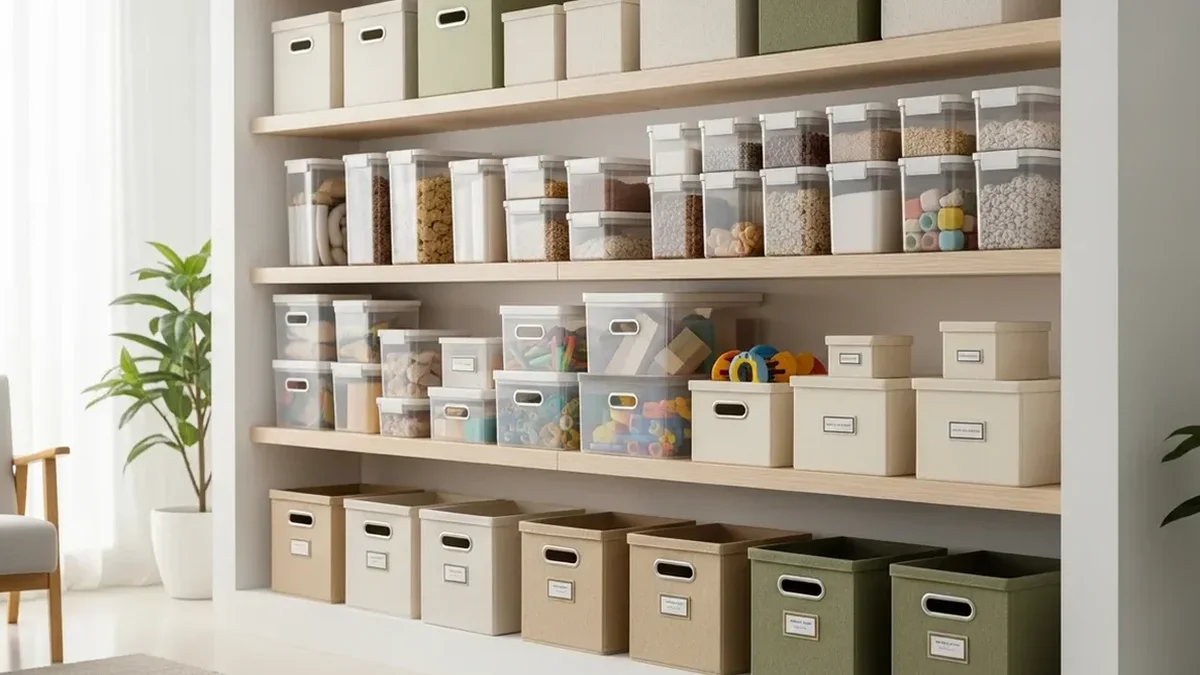
| Open shelving with bins | All toy sizes | Easy access, kids can choose independently | Requires regular maintenance to stay tidy |
| Storage ottoman | Soft toys, costumes, stuffed animals | Multifunctional as seating | Limited capacity |
| Hanging organizer | Small stuffed animals, toy cars, accessories | Saves floor space | Requires wall/door installation |
| Rolling cart | Art supplies, craft materials | Easy to move between rooms | Not stable for heavy toys |
Organization Strategies by Age
Toy storage systems should match your child's age and abilities. Systems that are too complicated will frustrate kids and eventually discourage them from tidying.
Ages 1-3: Dump and Go System
At this age, children can't categorize toys in detail. Use large uncovered baskets or bins where kids can simply toss toys in. Provide just 2-3 baskets in different colors. Teach simple rules - stuffed animals go in the blue basket, toy cars go in the red basket.
Ages 3-5: Picture Label System
Children start grouping toys by type. Use open shelving with labeled bins using pictures or photos of what should go inside. This visual system helps children know where to return toys without needing to read.
Ages 5-8: Category System
Children can now read simple labels and categorize toys more specifically. Create categories like LEGO, Stuffed Animals, Vehicles, Puzzles, Art Supplies. Begin teaching decluttering - if a box is full, choose which old toys to donate before adding new ones.
Ages 8+: Independent System
Children this age can design their own storage system with minimal guidance. Involve them in choosing storage types and locations. Give them full responsibility for maintaining their play area.
Making Tidying Up Fun
The biggest challenge in teaching kids to clean up toys is making the activity not feel like punishment. Here are proven effective strategies:
- Play upbeat music - create a special tidying playlist lasting 10-15 minutes. Challenge your child to finish before the music stops
- Make it a game - who can put the most toys in a box in one minute? Use a timer and create friendly competition
- Tidy together - don't just give orders, show that you're tidying too. Children learn most effectively by example
- Praise the process - rather than just praising the final result, praise effort while tidying. Phrases like "Wow, you put all the LEGOs in their spot!" are more motivating
- Make it routine - set a consistent tidying time, such as before dinner and bedtime. Routine turns the activity into an automatic habit
- Offer choices - instead of "Clean up your toys now," try "Do you want to put away the stuffed animals first or the toy cars?" Giving choices makes kids feel in control
Managing Toy Overload
One major cause of cluttered homes is too many toys. Research shows children actually play more creatively and for longer periods when toy choices are more limited. Here's how to manage toy quantity:
- Rotate toys - store some toys separately (in storage or a high shelf) and swap every 2-4 weeks. When toys reappear, they feel new to your child
- One in, one out rule - each time a new toy arrives, your child picks one old toy to donate. This teaches the concept of having enough and sharing
- Wish lists - instead of buying immediately, add desired toys to a wish list. This teaches children to delay gratification and think about what they truly want
- Experiences over things - for birthdays or holidays, consider giving experiences (art classes, amusement park tickets) rather than physical toys
DIY Toy Storage from Recycled Items
You don't always need to buy new storage. Here are creative ideas using items you might already have at home:
- Old paint buckets - wash thoroughly, repaint in bright colors, and use for storing crayons, playdough, or small toys
- Shoe boxes - line with wrapping paper or patterned fabric, label them, and stack on shelves for small toys
- Fabric shoe organizers - hang on the back of a door to store small stuffed animals, toy cars, or play accessories
- PVC pipes - cut into short tubes, attach to walls, and use to store toy cars like a parking garage
- Old fabric bags - sew or tie into pouches of various sizes for toy sets like puzzles or building blocks
Organizing a Well-Arranged Play Space
If you have a dedicated play area, good layout makes a huge difference. The main principle is dividing the space into clear activity zones:
- Reading zone - low bookshelf with floor cushions or small bean bags
- Active play zone - open space with soft mats or carpet for free play
- Creative zone - small table with art supplies neatly stored in a cart or shelf
- Pretend play zone - area for play kitchen, costumes, or doctor toys
- Building zone - dedicated area for LEGO, blocks, or construction toys
Make sure each zone has its own storage so children know exactly where to return toys after playing in that area.
Recommended Toy Storage Products
Some effective and popular storage products among Indonesian parents:
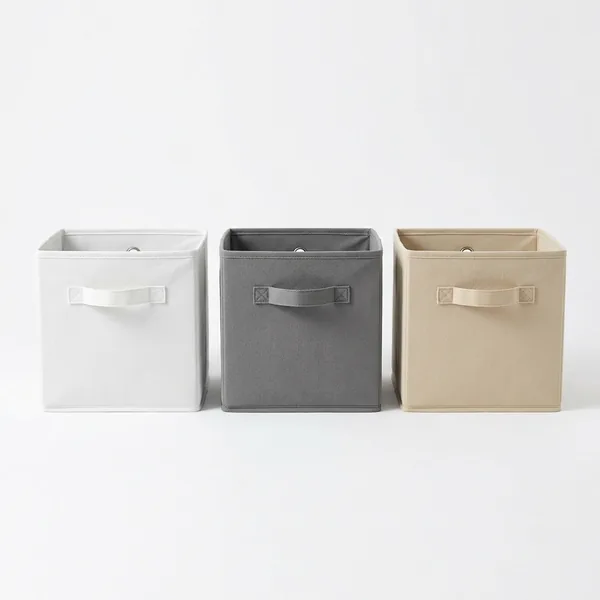
- [Stackable storage boxes](/blog/storage-box-terbaik-untuk-organisasi-rumah) with airtight lids - ideal for small toys that need dust protection
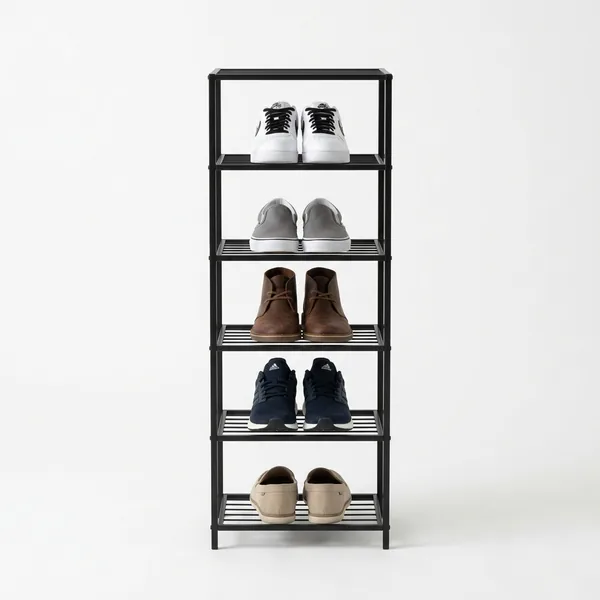
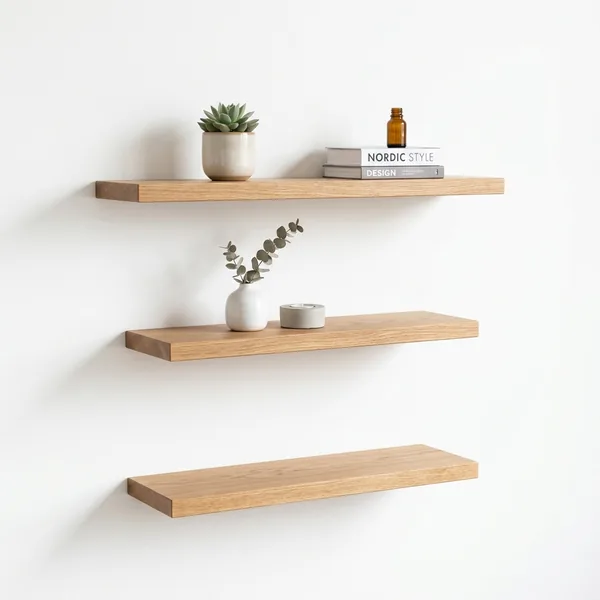
- [Multi-purpose shelving](/blog/rak-serbaguna) with colorful bins - an all-in-one solution that's both attractive and functional
- Woven baskets with handles - easy for kids to carry and works with various home décor styles
- Label maker or label stickers - a small investment with big impact for keeping your organization system running
Visit Sesoris to find various child-safe toy storage solutions.
FAQ - Frequently Asked Questions
1. How many toys are ideal for a child?
There's no exact number, but the principle is having enough to inspire creativity without overwhelming your child. Many experts recommend the rotation method - keep 15-20 accessible toys and store the rest for rotation. If all toys are available at once, children actually get confused choosing and play shorter periods.
2. How do I get my child to donate toys?
Never throw away your child's toys without their knowledge - this damages trust. Let your child choose which toys to give to children in need. Tell them the toys will make another child happy. Start with toys they haven't played with in a while and make it a gradual process.
3. My child always pulls out all toys at once. How do I handle this?
Apply the one-activity-at-a-time rule - tidy toys from the first activity before pulling out new ones. Initially this requires consistent parental supervision. Use a visual timer so your child knows when it's time to tidy up before moving to new toys.
4. What's the safest toy storage for toddlers?
For toddlers, avoid storage with heavy lids that could pinch fingers, sharp corners, or hinges that could trap them. Choose uncovered baskets, plastic bins with rounded edges, or low shelves that won't tip over easily. Ensure all storage furniture is secured to the wall with tip-over restraints.
5. How do I store outdoor toys like bikes and balls?
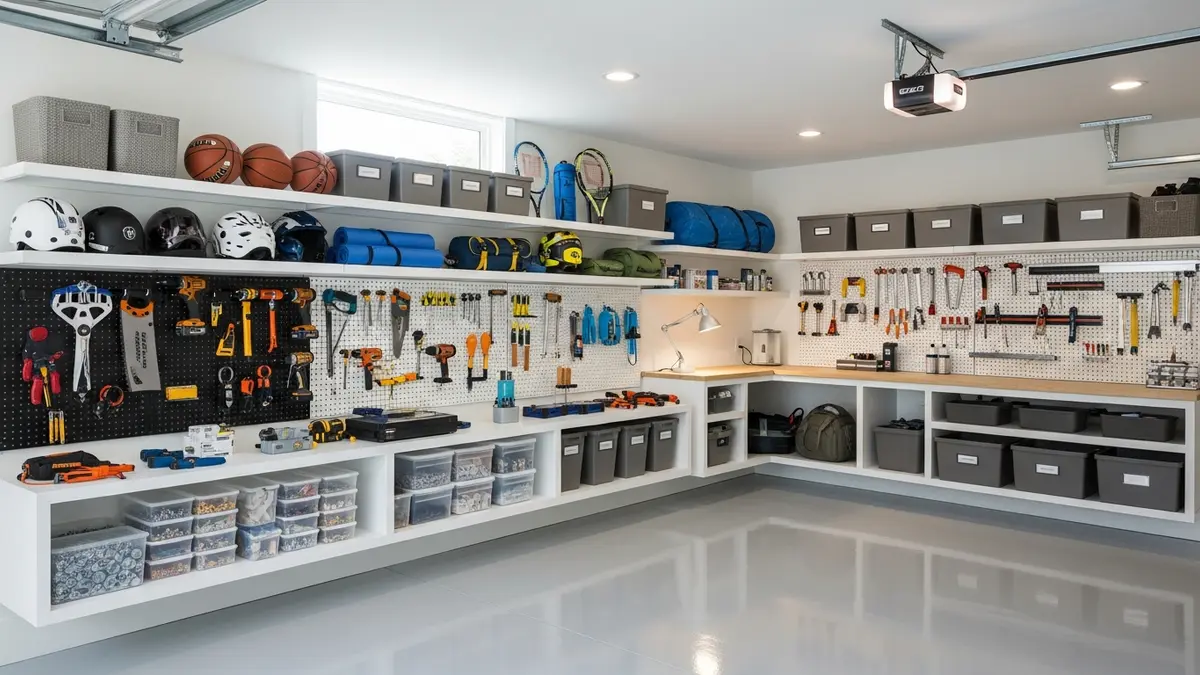
Create a dedicated outdoor storage area on a porch, garage, or carport. Use wall hooks to hang small bikes, large baskets for balls, and open shelving for helmets and sports equipment. Teach your child that outdoor toys must be returned to this area after playing and shouldn't be brought indoors.
Weekly Home Tips
Get home organization ideas, product picks, and exclusive deals delivered weekly.
No spam. Unsubscribe anytime.