Food Storage Containers Guide: Best Solutions for Fresh Food in 2026
Choosing the right food storage containers is essential for maintaining freshness, preventing food waste, and creating an organized kitchen in 2026. With rising food costs and increased focus on sustainable living, proper food storage has become more important than ever. The right containers can extend food life by up to 5 times longer than traditional storage methods, saving families an average of Rp 16.000,200 annually on grocery bills.
Essential Types of Food Storage Containers for Every Kitchen
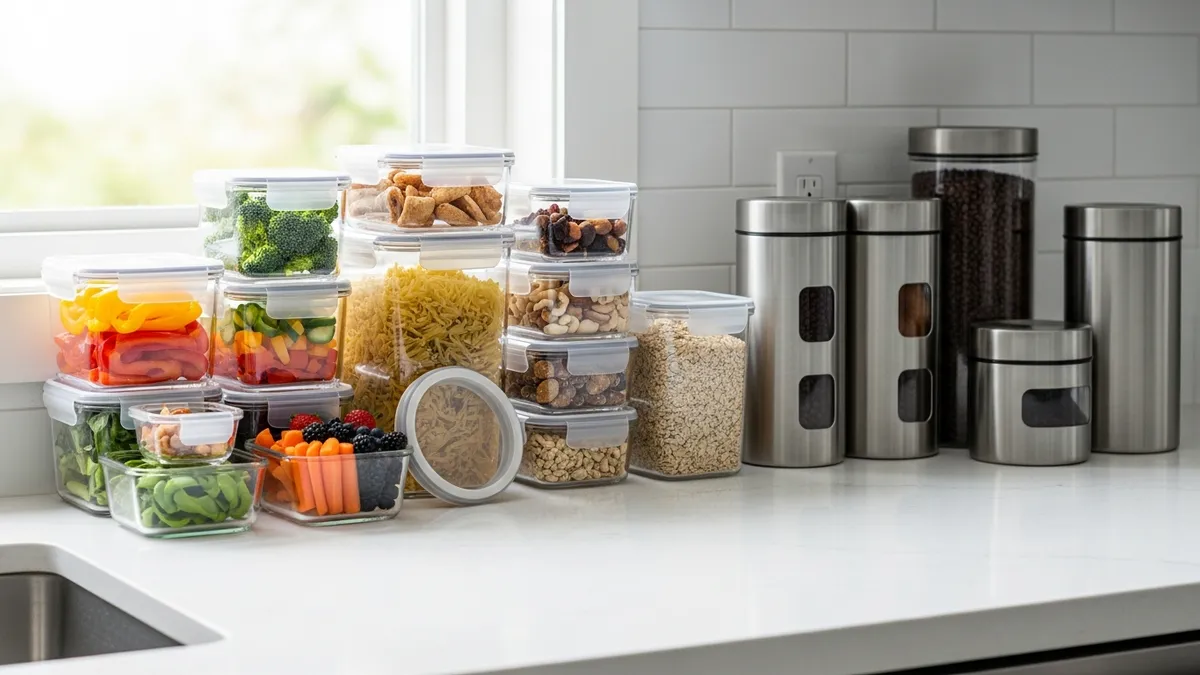
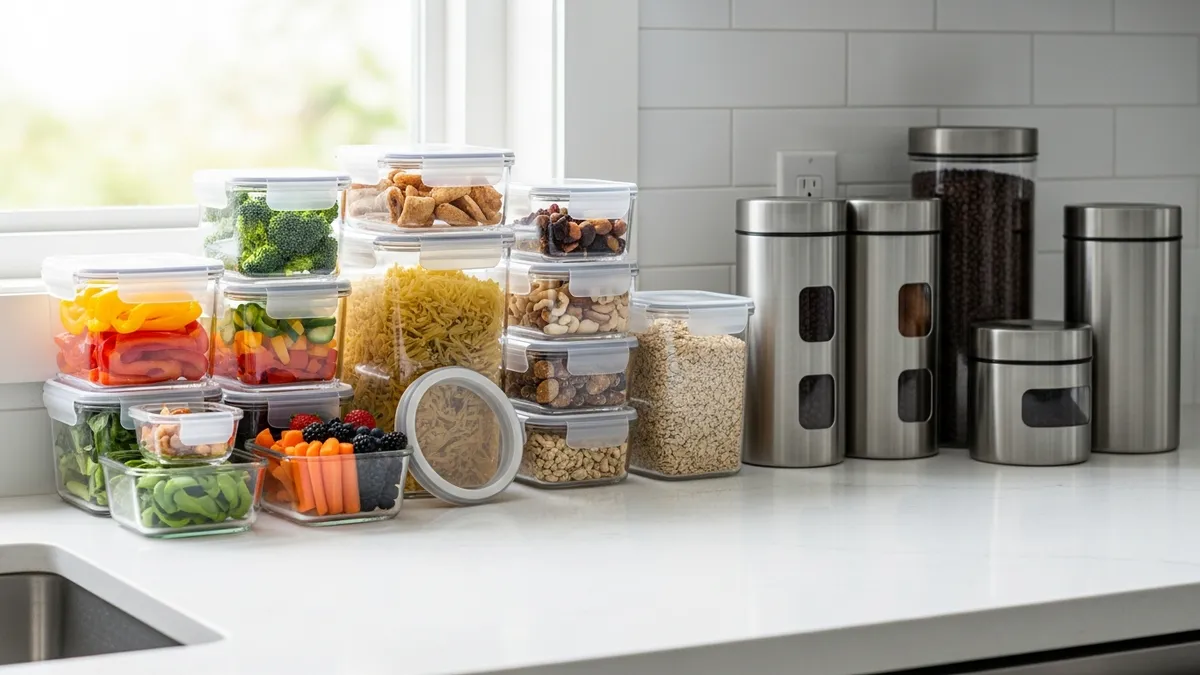
Modern kitchens require diverse food storage solutions to accommodate different types of ingredients. Understanding the various container types helps you make informed decisions for your specific needs. Glass containers excel at preserving flavor and are microwave-safe, while plastic options offer lightweight convenience for daily use. Stainless steel containers provide exceptional durability and are perfect for pantry storage. For additional information, also see the guide from The Spruce.
Key Takeaways: > - Choose products with clear safety labels (food-grade, BPA-free) for daily use > - Investing slightly more in quality materials (glass, grade 304 stainless steel) saves long-term costs > - Match sizes to family needs, neither too large nor too small > - Local marketplaces like Tokopedia, Shopee, and Sesoris offer competitive prices with maintained quality
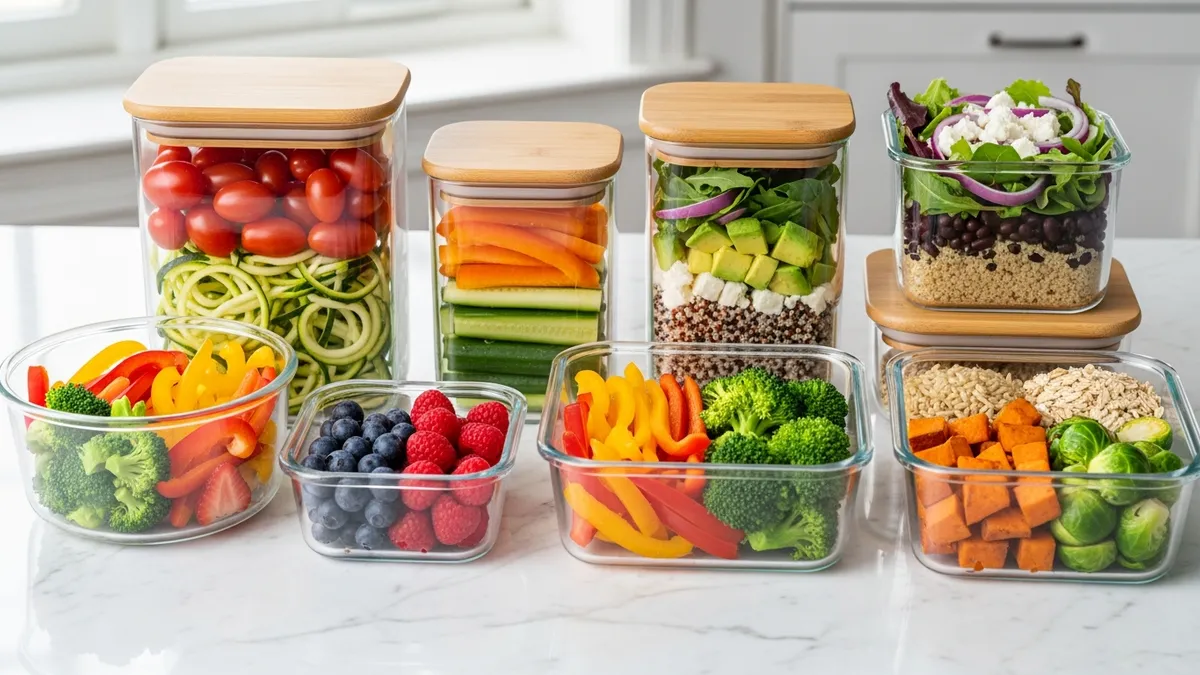
Glass Food Storage Containers
Glass containers represent the premium choice for food storage, offering superior preservation qualities and versatility. They're non-reactive, meaning they won't absorb odors or stains, and are completely safe for microwave and dishwasher use. Popular brands like Pyrex and Anchor Hocking offer sets starting at Rp 464.000 for a 10-piece collection.
- Borosilicate glass: Heat-resistant up to 450°F, perfect for oven-to-table storage
- Soda-lime glass: More affordable option, ideal for refrigerator and pantry use
- Tempered glass: Extra durability for everyday kitchen tasks
- Lead-free construction: Safe for all family members including children
Plastic Food Storage Solutions
Modern plastic containers offer lightweight convenience and come in various sizes perfect for different storage needs. Look for BPA-free options that ensure food safety while providing excellent value. Quality plastic containers from brands like Rubbermaid and OXO typically range from Rp 240.000-45 for complete sets.
- Polypropylene (PP): Microwave-safe and dishwasher-friendly plastic
- Polyethylene (PE): Excellent for freezer storage and meal prep
- Tritan plastic: Crystal-clear appearance with exceptional durability
- BPA-free certification: Essential for family health and safety
Airtight Food Storage Containers: Maximum Freshness Protection
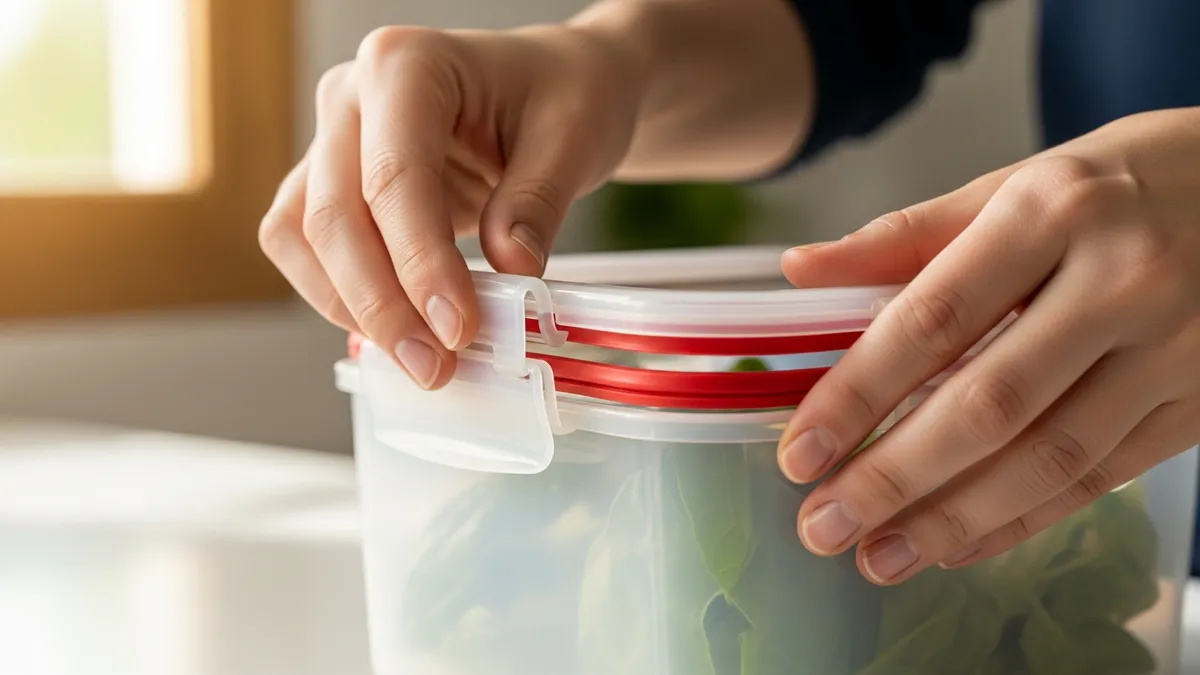
Airtight food storage containers are the gold standard for preserving freshness and preventing pest contamination. These specialized containers feature superior sealing mechanisms that lock out air and moisture, extending food life significantly. Research shows that airtight storage can keep dry goods fresh for up to 2 years compared to 6 months in regular containers. For additional information, also see the guide from Real Simple.
The key to effective airtight storage lies in the sealing mechanism. Silicone gaskets create the most reliable seal, while snap-lock lids offer convenience for daily use. Professional-grade containers often feature vacuum-seal technology for ultimate preservation.
Benefits of Airtight Storage Systems
- Extended shelf life: Reduces food spoilage by up to 75%
- Pest prevention: Creates impermeable barrier against insects and rodents
- Moisture control: Prevents humidity damage to dry goods
- Flavor preservation: Maintains original taste and aroma
- Space efficiency: Stackable designs maximize storage capacity
Smart Pantry Organization with Food Storage Containers
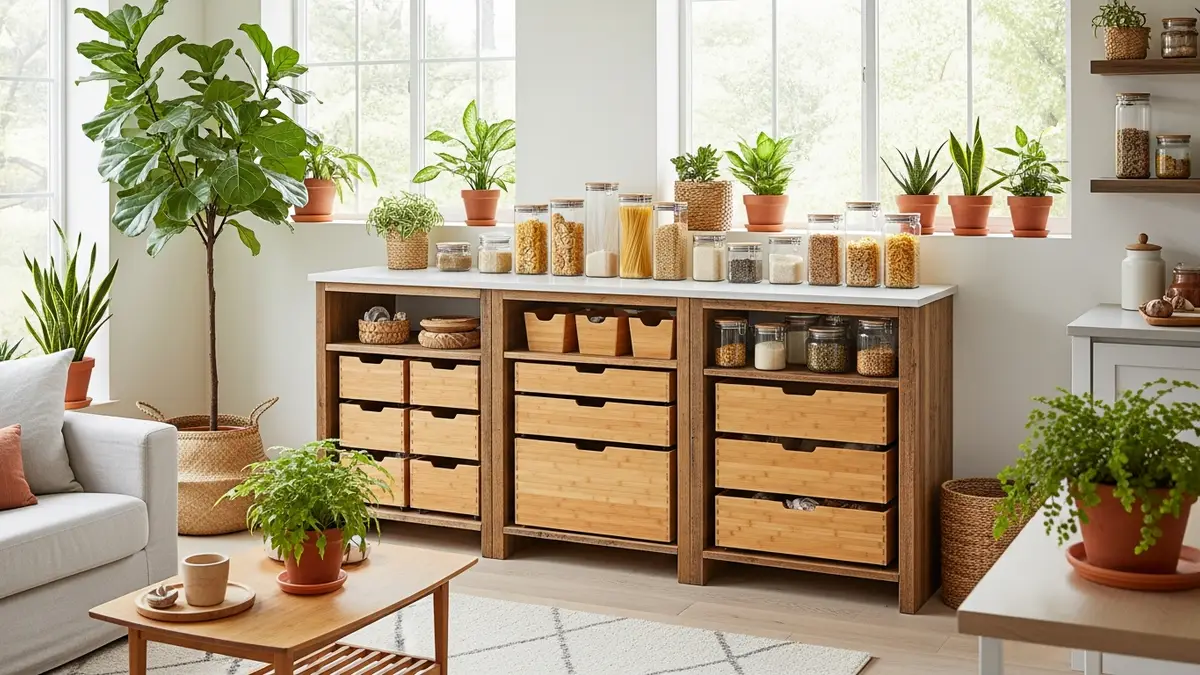
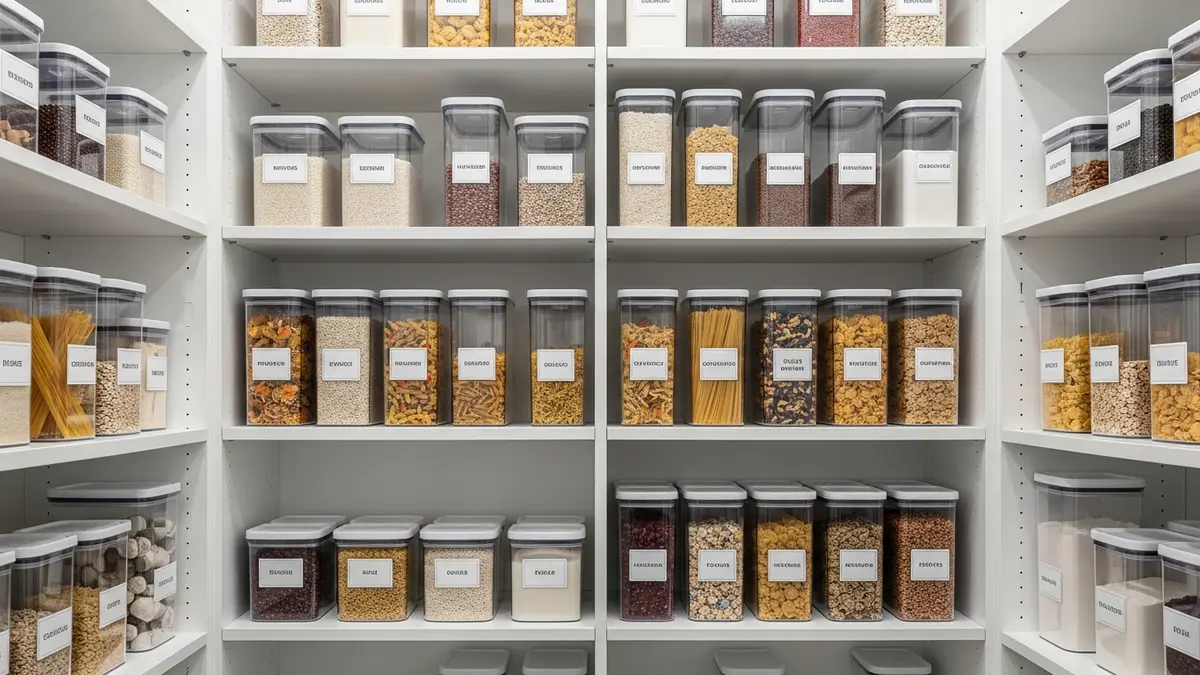
Creating an efficient pantry system requires strategic planning and the right combination of container sizes. Food storage containers for pantry organization should accommodate bulk purchases while maintaining easy access to daily essentials. Clear containers allow quick inventory checks, reducing duplicate purchases and food waste.
Professional organizers recommend the 80/20 rule: use 80% uniform containers for visual harmony and 20% specialized containers for unique items. This approach creates a clean, organized appearance while maintaining functionality.
Essential Container Sizes for Pantry Storage
- Large containers (4-6 quarts): Perfect for rice, pasta, and cereal storage
- Medium containers (2-3 quarts): Ideal for snacks, nuts, and baking ingredients
- Small containers (1-2 cups): Great for spices, seeds, and specialty items
- Specialty shapes: Tall containers for spaghetti, wide containers for cookies
Pro tip: Invest in containers with measurement marks to track usage and plan grocery shopping more effectively.
Best Materials for Different Food Types
Selecting the appropriate container material depends on the specific food type and storage duration. Glass containers excel for acidic foods like tomatoes and citrus, as they won't react or absorb flavors. Stainless steel works beautifully for dry goods and offers excellent durability for long-term storage. Plastic containers provide lightweight convenience for snacks and everyday items.
Understanding material properties helps optimize food preservation. Glass maintains food quality longest but weighs more and costs more initially. Plastic offers versatility and affordability but may retain odors over time. Stainless steel provides durability and style but isn't microwave-compatible.
Food-Safe Material Guidelines
- Dairy products: Glass or BPA-free plastic with tight seals
- Acidic foods: Glass containers to prevent chemical reactions
- Dry goods: Any material works, prioritize airtight seals
- Freezer storage: Expansion-rated glass or flexible plastic
- Hot foods: Heat-resistant glass or certified plastic only
Container Maintenance and Longevity Tips
Proper care extends the life of your food storage containers significantly, protecting your investment and ensuring continued food safety. Regular cleaning prevents odor buildup and maintains clarity in clear containers. Most glass and quality plastic containers can last 10+ years with proper maintenance.
Establishing a cleaning routine keeps containers in optimal condition. Deep clean weekly with baking soda for odor removal, and inspect seals monthly for wear. Replace gaskets annually for airtight containers to maintain effectiveness.
For more kitchen organization inspiration, explore our complete collections at Sesoris featuring premium storage solutions designed for modern homes.
Budget-Friendly Food Storage Solutions
Creating an effective food storage system doesn't require a huge investment. Smart shoppers can build comprehensive storage solutions for under Rp 1.600.000 by focusing on versatile, multi-use containers. Start with a basic set and expand based on specific needs rather than purchasing everything at once.
- Starter sets: Begin with 5-10 containers in mixed sizes (Rp 400.000-40)
- Modular systems: Choose expandable collections for future growth
- Multi-purpose containers: Select designs that work for multiple food types
- Quality over quantity: Invest in durable containers that last years
Practical Tips for Choosing Quality Products Choosing the right home organization products requires considerations that aren't always obvious. From our experience crafting dozens of guides for Sesoris readers, here are three principles most commonly overlooked. First, pay attention to **material density**, not just visible thickness. Quality food-grade plastic has higher density than recycled plastic, making it more impact-resistant and crack-proof. Check the product's weight relative to its size, items that feel too light for their dimensions usually use thinner material. Second, **stackability compatibility**. Many shoppers buy containers or organizers as a set, only to discover they can't be stacked neatly due to 1-2 cm dimension differences. Before buying, ensure exterior dimensions match across series so they can be stacked maximally in cupboards or pantries. Third, **long-term maintenance cost**. A Rp 50.000 product that needs replacement every 6 months actually costs more than a Rp 200.000 product that lasts 3 years. Calculate total cost of ownership, not just initial price. ## Common Mistakes When Shopping Online Online shopping on marketplaces like Tokopedia, Shopee, or [Sesoris](https://www.sesoris.com/) is practical, but there are pitfalls beginners often overlook. Product photos shown by sellers are frequently international stock images, not actual items. Always check the "reviews with photos" tab to see real photos from previous buyers. If there isn't a single real buyer photo, it's a red flag. Size descriptions can mislead: "large size" without specific numbers could mean anything. Ask exact dimensions in centimeters via chat before checkout, especially for items like shelves or organizers that must fit your space. Also verify **shipping weight** for cost estimates. Glass containers or heavy items from outer islands can add significant shipping fees, making a seemingly cheap product more expensive than local alternatives. > **Budget Tip (2026):** For standard Indonesian family home organization needs, allocate Rp 1.500.000-Rp 3.000.000 for a starter pack (food containers, wardrobe organizers, labels, and additional shelving). Add gradually based on room needs. Avoid impulsive shopping without a plan, many people end up accumulating items they never use.
Related Articles
Explore other guides from Sesoris to complement your knowledge:
FAQ: Frequently Asked Questions About Food Storage Containers
Q: How long do food storage containers typically last?
High-quality glass and stainless steel containers can last 10-15 years with proper care. Plastic containers typically last 5-7 years before showing wear, though BPA-free varieties maintain safety throughout their lifespan. Replace containers when cracks, cloudiness, or damaged seals appear.
Q: Are glass containers safe for freezer storage?
Yes, but choose freezer-safe glass containers and leave 1-inch expansion space for liquids. Borosilicate glass handles temperature changes better than regular glass. Always cool hot foods before freezing to prevent thermal shock.
Q: What's the best way to remove odors from plastic containers?
Create a paste with baking soda and water, scrub gently, then rinse thoroughly. For stubborn odors, soak overnight in white vinegar solution. Some plastic containers naturally retain odors and may need replacement after heavy use.
Q: How do I choose the right container sizes for my family?
Consider your family size and eating habits. A family of four typically needs 15-20 containers in various sizes. Focus on 2-4 quart containers for staples like rice and pasta, with smaller containers for specialty items and leftovers.
Q: Are expensive food storage containers worth the investment?
Quality containers pay for themselves through reduced food waste and longevity. Premium brands offer better seals, durability, and often come with warranty protection. Calculate cost per year of use rather than initial price for true value assessment.
Q: Can I mix different brands of food storage containers?
While mixing brands works functionally, uniform systems create better organization and space efficiency. If mixing brands, ensure similar sizing standards and compatible stacking systems for optimal pantry organization.
Conclusion
Selecting the right food storage containers transforms your kitchen efficiency while protecting food quality and reducing waste. Whether you choose glass for its purity, plastic for convenience, or stainless steel for durability, investing in quality storage solutions pays dividends in freshness and organization. Start building your ideal storage system today by exploring the premium collection of kitchen organization solutions at Sesoris, where quality meets functionality for the modern home.
About Tim Sesoris The Sesoris editorial team consists of experienced writers in home organization, minimalist lifestyle, and Indonesian e-commerce. We test products, review market trends, and craft guides based on in-depth research and field experience. All recommendations are curated to give you accurate, practical, and relevant information for Indonesian households. For questions or suggestions, contact us through the [Sesoris contact page](https://www.sesoris.com/).
Weekly Home Tips
Get home organization ideas, product picks, and exclusive deals delivered weekly.
No spam. Unsubscribe anytime.