Quality Products, Free Shipping & Easy Returns!
Sesoris
My AccountTrack Order
BlogTips & Tricks
8 Steps to Organize Your Kitchen Neatly for Homemakers (2026)
Tips & Tricks

8 Steps to Organize Your Kitchen Neatly for Homemakers (2026)

April 14, 2026
9 min read read
SD
Sari Dewi
Kitchen & Cooking Expert

The most effective way to organize your kitchen neatly as a homemaker is to implement a frequency-based categorization system - place items you use most often in the most accessible locations. With the 8 steps discussed in this article, your kitchen can transform from chaotic to organized in just one weekend.

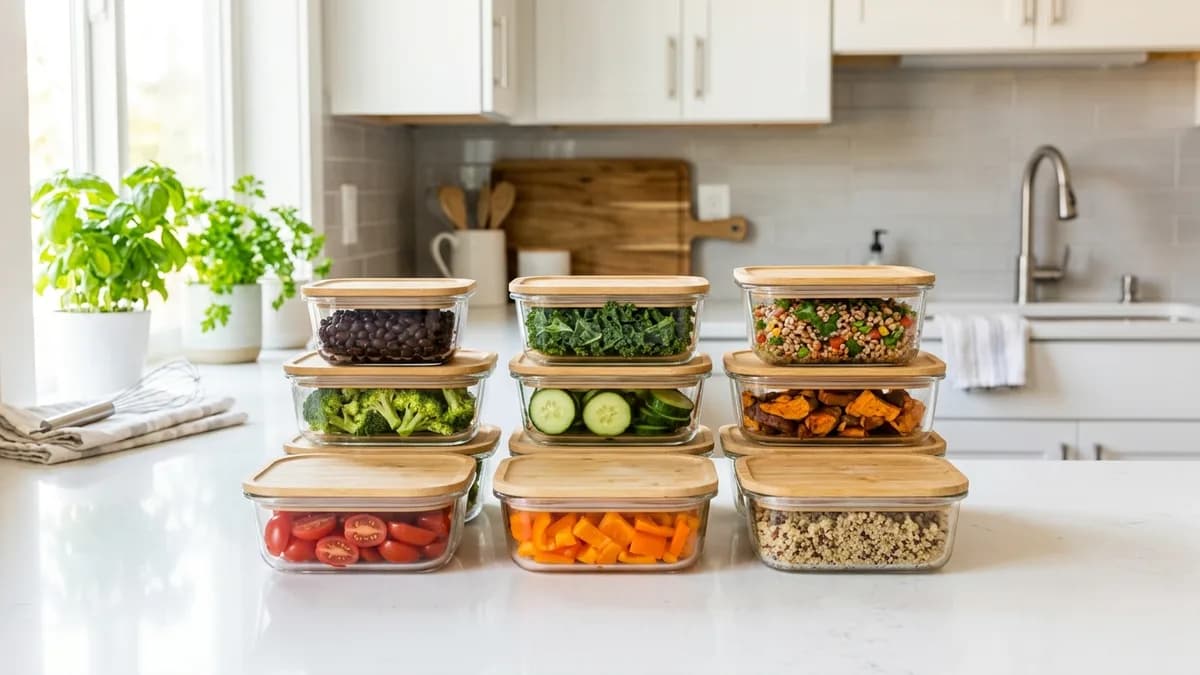
An organized home kitchen with neatly arranged equipment

As a homemaker, you spend an average of 2-4 hours daily in the kitchen. That time will feel much more enjoyable if your kitchen is neat and organized. A survey from Homekeeper Indonesia shows that homemakers with organized kitchens spend 25% less time cooking compared to those with cluttered kitchens. Imagine how much time you could save each week.

Step 1: Remove Everything and Sort

The first step may feel daunting, but it's the foundation of a neat kitchen. Choose one area - such as one cabinet or one drawer - then remove everything onto your dining table.

Sort into four groups:

    1
  1. Keep - items that are still usable and frequently used
  2. 2
  3. Relocate - items that should be stored in another area
  4. 3
  5. Donate/Sell - usable items you no longer need
  6. 4
  7. Discard - damaged, expired, or unsafe items
  8. 5
  9. Review - items you're unsure about; keep in a separate box for 30 days

Do this process for each cabinet, drawer, and shelf gradually. Don't try to organize your entire kitchen in one day if it hasn't been organized in a while - you'll get exhausted and the results won't be optimal.

Step 2: Create Categories and Determine Locations

After decluttering, group remaining items by function and frequency of use. This system ensures you won't have to walk back and forth while cooking.

Kitchen Category and Placement Table

CategoryExample ItemsIdeal Location
Daily cookingWok, spatula, cooking oil, saltNear stove, easily accessible
Food prepCutting board, knife, bowl, strainerNear sink and chopping area
Spices and seasoningsTurmeric, coriander, pepper, soy sauceSpice rack near stove
ServingPlates, glasses, bowls, serving spoonsCabinet near dining table
Food storageContainers, plastic wrap, aluminum foilCabinet near refrigerator
CleaningSoap, sponge, cloth, glovesUnder sink
Rarely usedCake pan, molds, BBQ toolsUpper cabinet or separate storage

Main principle: cooking zone for cookware, sink zone for prep, refrigerator zone for storage. Everything follows the natural workflow of cooking.

Step 3: Organize Indonesian Kitchen Spices

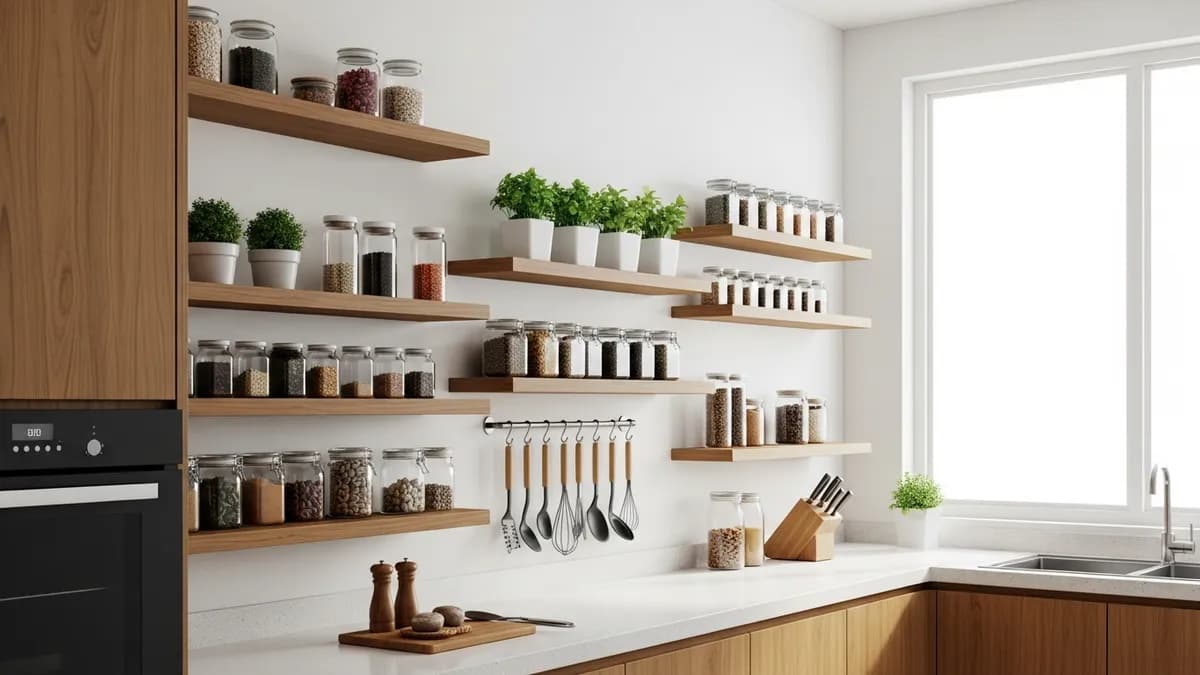
Spices are the heart of Indonesian cooking - and often the biggest source of kitchen chaos. The average Indonesian homemaker stores 20-30 types of spices and seasonings, not including sauces and condiments.

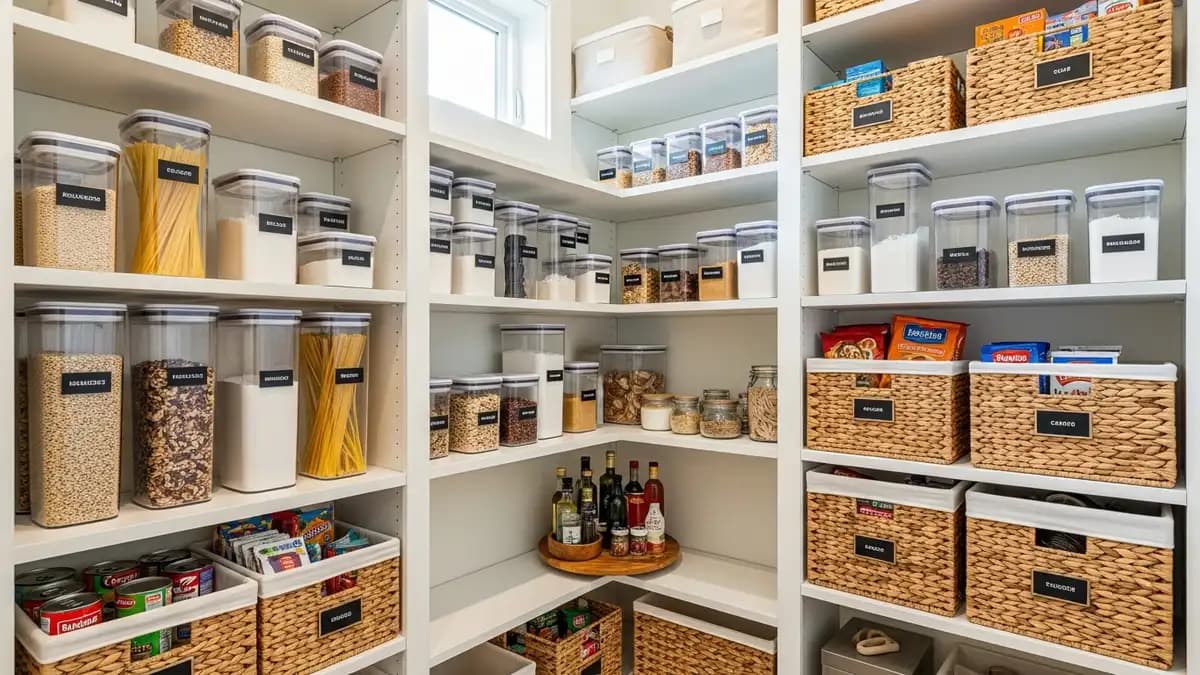
Organized kitchen spices in uniform containers with clear labels

Recommended spice organization system:

  • Daily spices (salt, sugar, pepper, cooking oil, soy sauce) - near stove in containers that open with one hand
  • Dry spices (turmeric powder, coriander, cumin, nutmeg) - in airtight containers with labels, arranged on a spice rack
  • Fresh seasonings (shallots, garlic, ginger, galangal) - in a ventilated basket near the prep area
  • Sauces and condiments - on a lazy Susan turntable inside the cabinet for easy access
  • Rarely used spices (vanilla extract, pandan paste, food coloring) - in an upper cabinet with clear labels

Consider making a DIY spice rack tailored to the amount and type of spices you use.

Step 4: Organize Cookware

Pots, pans, and other cookware are often the hardest to organize due to their large size and irregular shapes. Several proven effective strategies:

  • Hang frequently used items - favorite pans and pots hung on a wall-mounted pot rack near the stove
  • Stack nesting style - place smaller pots inside larger ones, smaller pans inside larger ones
  • Separate lids - use a pot lid organizer on the inside of a cabinet door
  • Vertical dividers - use upright dividers in the cabinet to store cutting boards, baking sheets, and trays vertically

For dish racks, choose a model that fits your family size. A dish rack that's too large wastes space, while one that's too small causes dishes to pile up on the counter.

Step 5: Food Storage System

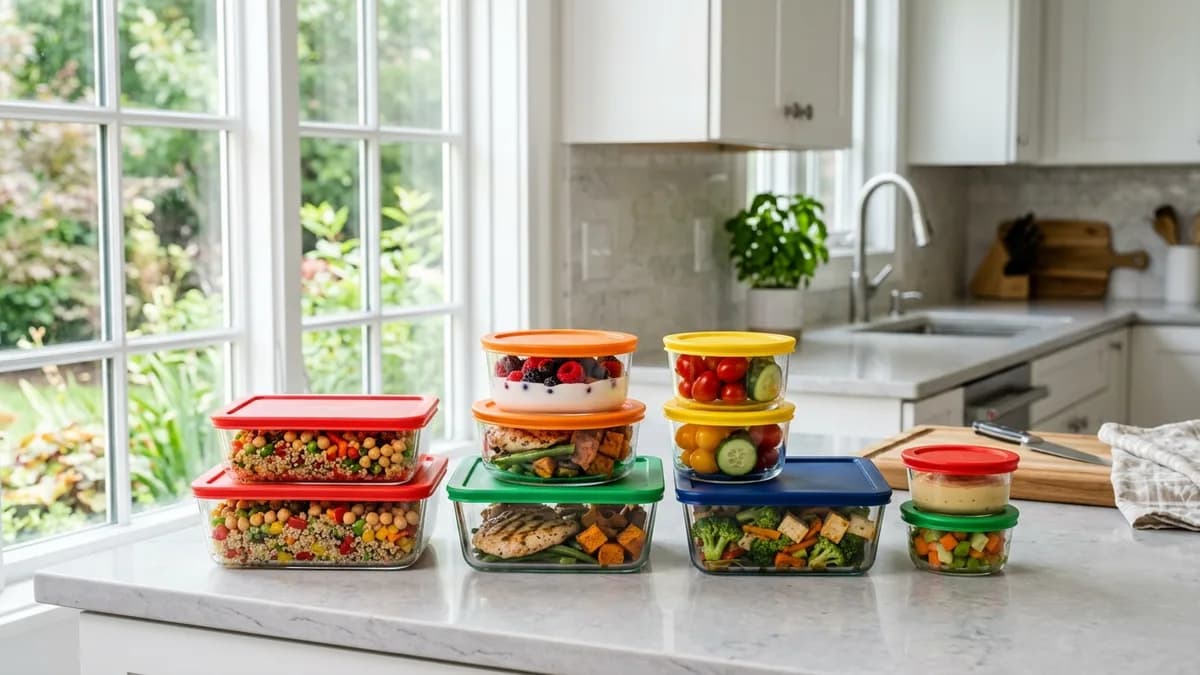
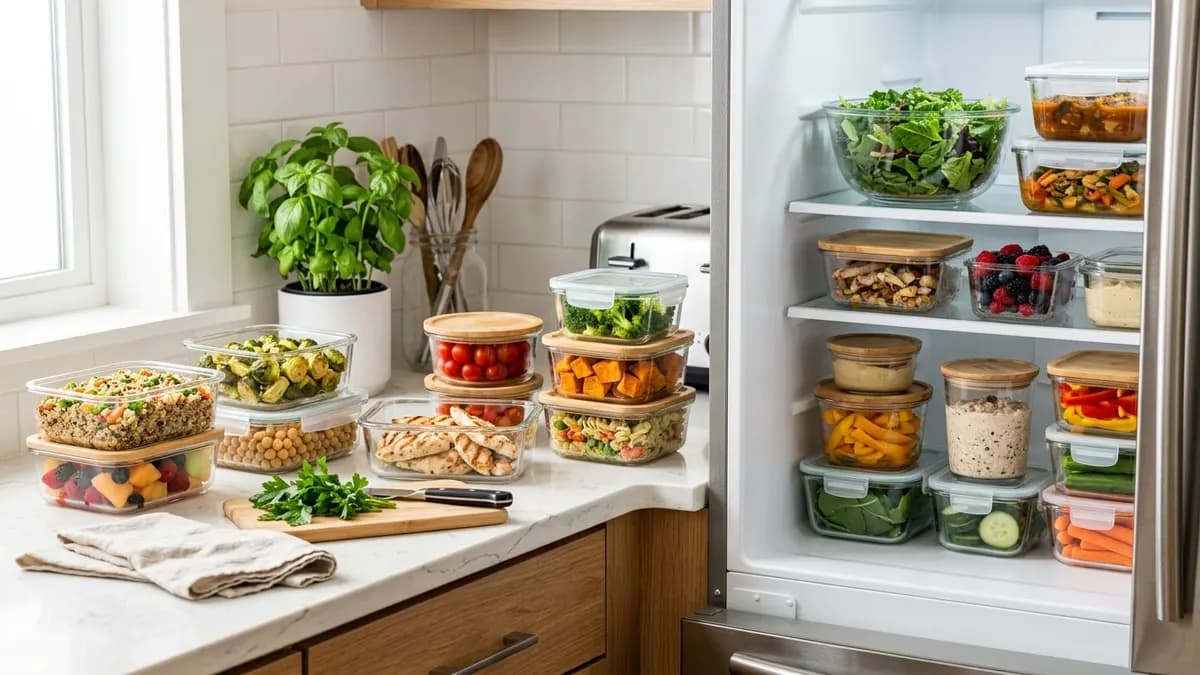
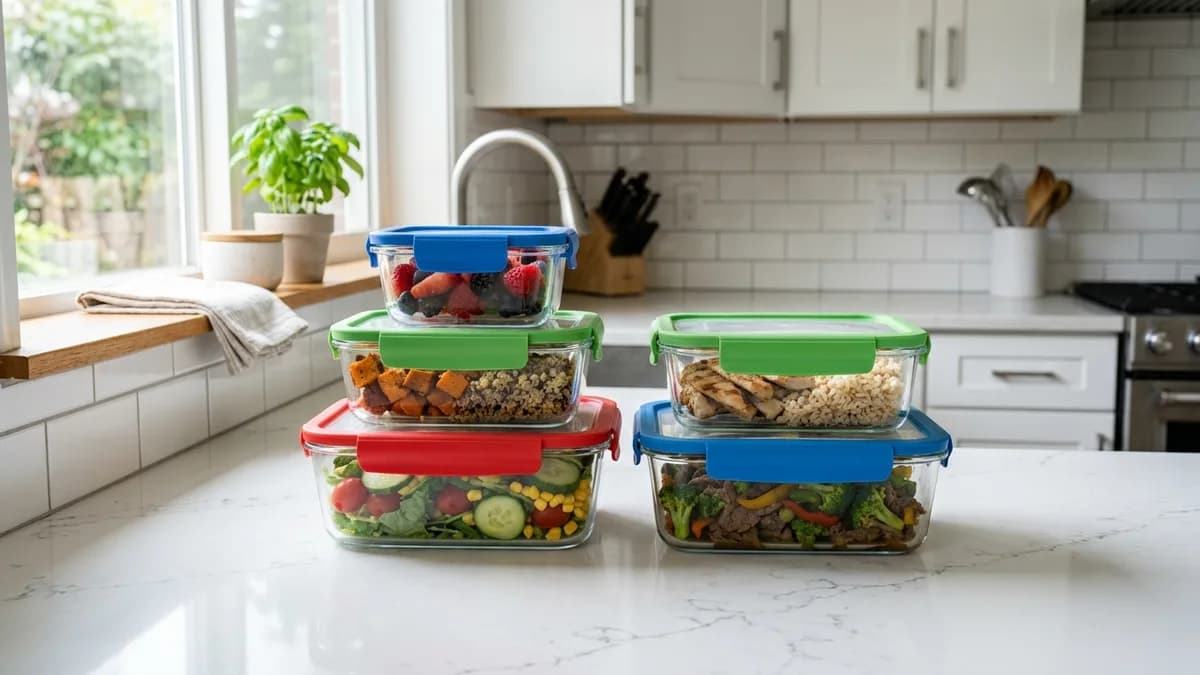
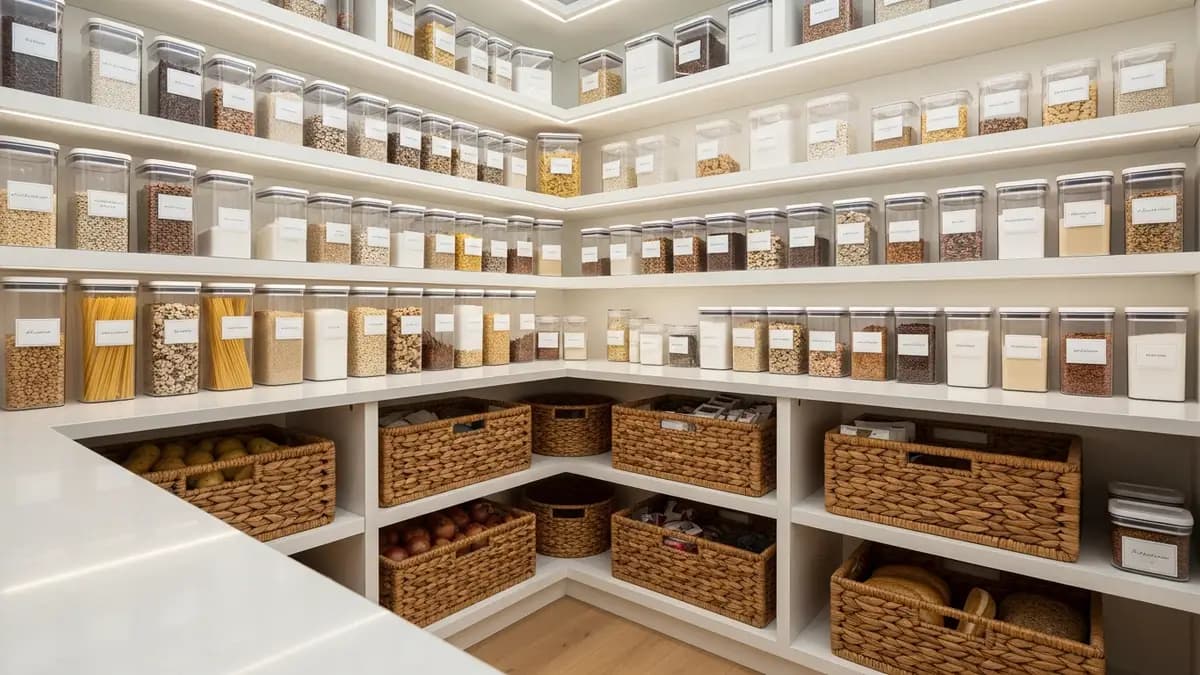
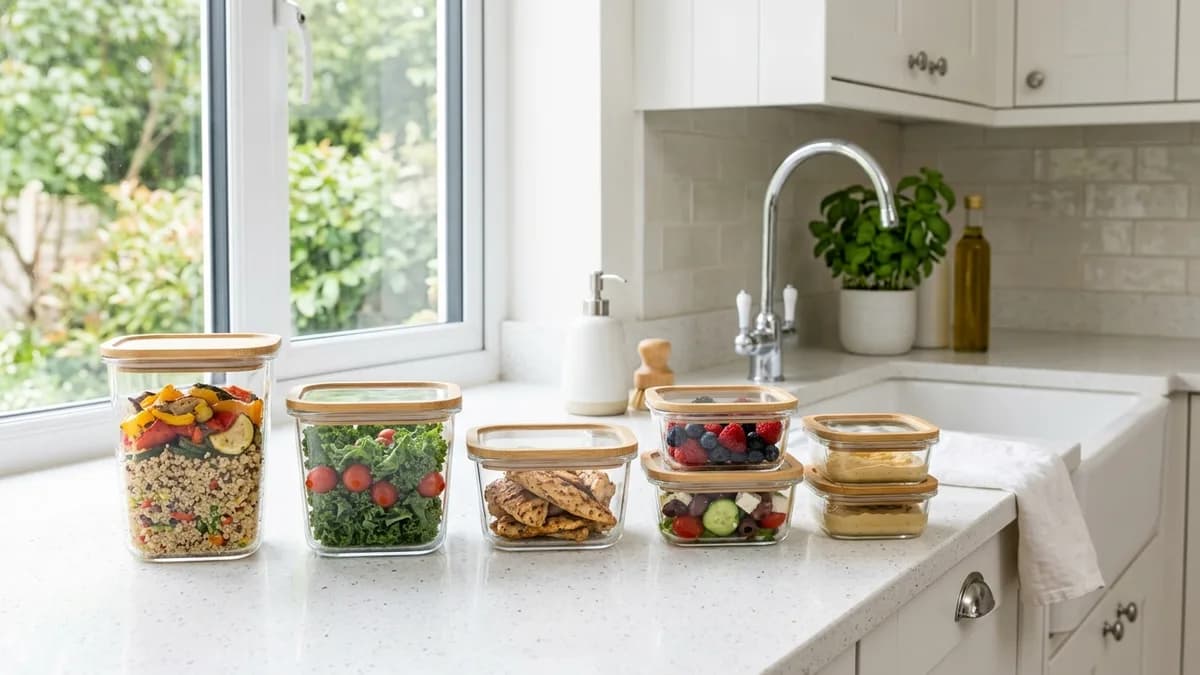
A neat kitchen also means food is well-stored. Use airtight containers for all dry ingredients - this prevents ants, rice weevils, and moisture. Replace original plastic packaging with clear containers of uniform size for easier stacking.

Apply the FIFO system (First In, First Out): place older ingredients in front and new ones in back. This prevents food from expiring without notice. Label each container with the purchase date.

Step 6: Kitchen Cleaning Schedule

A neat kitchen needs regular maintenance to keep the organization intact. Here's a recommended schedule:

  • After cooking: clean counter, wash dishes, wipe stove
  • Daily: sweep/mop kitchen floor, discard wet trash
  • Weekly: clean refrigerator, check expiration dates, wipe cabinet surfaces
  • Monthly: deep clean oven/microwave, clean exhaust fan, check spice inventory
  • Every 3 months: reorganize cabinets, evaluate equipment, clean hard-to-reach areas

This schedule may seem extensive, but each daily task only takes 5-10 minutes. It's much easier than deep cleaning a very dirty kitchen all at once.

Step 7: Involve Family Members

A neat kitchen isn't just the homemaker's responsibility. Involve your spouse and children with simple age-appropriate tasks. Children can help put clean dishes away. Your spouse can be responsible for taking out trash and sweeping the kitchen floor.

Family together cleaning and organizing the kitchen

Create simple rules everyone can follow: whoever takes a glass must return it to its place after washing. Make labeling systems clear so everyone knows where items belong.

Step 8: Evaluate and Adjust

After implementing the new system for 2-4 weeks, evaluate what works and what needs adjustment. Are there areas that frequently get messy? Perhaps the storage system isn't practical enough. Are there items you frequently search for but can't find? Perhaps their location needs to move to a more accessible spot.

A good kitchen organization system should continuously evolve with your family's habits and needs. Don't be afraid to experiment until you find the most comfortable configuration.

Storage Products That Help

Investing in quality storage products makes organizing your kitchen much easier. Some of the most impactful products for a homemaker's kitchen:

  • [Stackable storage boxes](/blog/storage-box-terbaik-untuk-organisasi-rumah) for storing rarely used equipment
  • [Airtight food containers](/blog/food-container) for dry ingredients and leftovers
  • [Multi-purpose racks](/blog/rak-serbaguna) to add vertical storage space
  • [Aluminum dish racks](/blog/rak-piring-aluminium-kelebihan-dan-cara-memilih) for drying and storing plates

Visit Sesoris for a complete collection of kitchen storage solutions designed for Indonesian household needs.

FAQ - Frequently Asked Questions

1. How long does it take to organize a kitchen from scratch?

For a standard-sized kitchen (36-45 sqm house), the complete process takes 1-2 weekends. Day one for decluttering and sorting, day two for organizing and placing everything in new locations. If your kitchen is very full, allocate one week working on one zone per day.

2. What should I do with unused kitchen equipment gifts?

Don't feel guilty about donating or selling kitchen equipment gifts you don't use. The gift served its purpose when given - keeping it in your kitchen just because you feel uncomfortable only sacrifices your kitchen's neatness and space efficiency.

3. How do I organize a kitchen without enough cabinets?

Use walls with hanging shelves, pegboards, and magnetic strips. Use standing multi-purpose racks in empty corners. Install organizers on the inside of existing cabinet doors. Utilize space above the refrigerator with stackable containers. Also see how to organize a small space neatly for limited space storage tips.

4. How often should I clean inside kitchen cabinets?

Interior cabinet surfaces should be wiped with a damp cloth every 2-3 months. For cabinets storing food items, check monthly to ensure there are no spills, crumbs, or signs of insects. Deep cleaning with special soap should be done 2 times a year.

5. Do I need to buy all storage products at once?

No, you don't. Start with the most urgent needs - usually containers for spices and dry ingredients. Once the basic system is established, add storage products gradually as needed. Buying everything at once often results in purchasing items you don't actually need.

Weekly Home Tips

Get home organization ideas, product picks, and exclusive deals delivered weekly.

No spam. Unsubscribe anytime.