Minimalist Wardrobe: A Guide to Choosing the Right Clothing Storage
A minimalist wardrobe is more than just a place to store clothes - it's the foundation of a good clothing organization system. Choosing the right wardrobe means choosing a long-term partner that will help you manage your daily dressing routine more efficiently.
This article serves as a comprehensive guide to selecting a minimalist wardrobe that suits your needs, room size, and lifestyle - from material selection to strategies for organizing your closet contents.
Characteristics of Minimalist Wardrobes
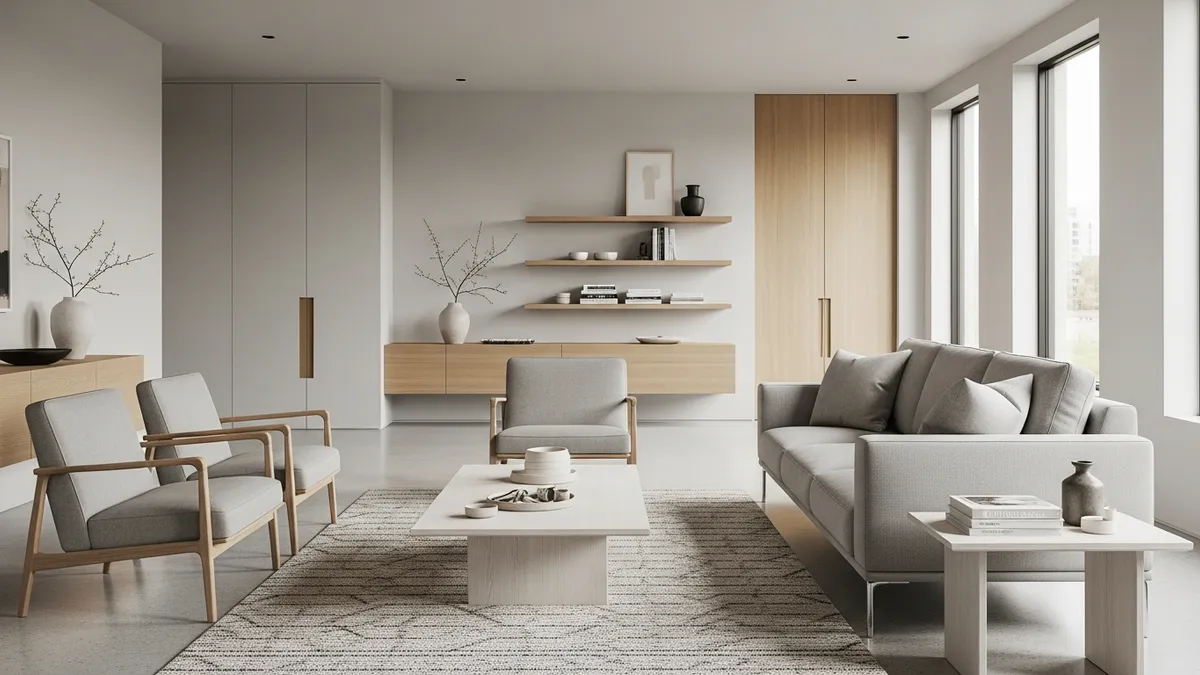
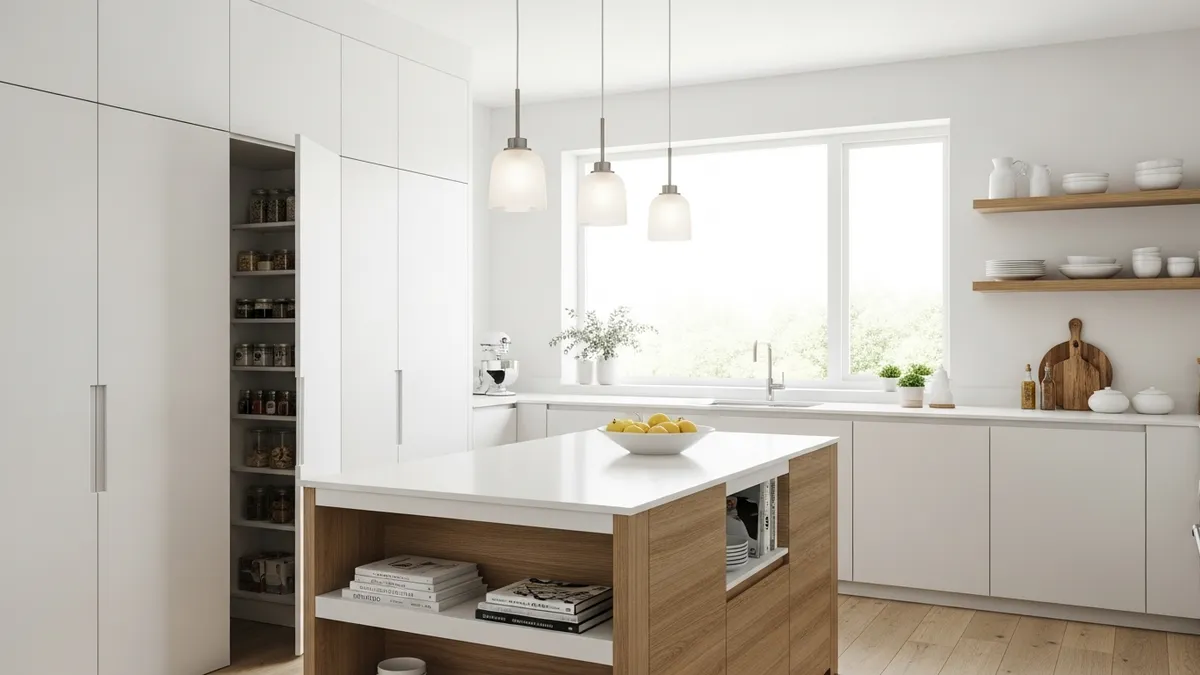
Minimalist design in wardrobes is characterized by clean lines, hidden or handle-free handles, neutral colors, and a focus on functionality. There are no excessive ornaments that clutter the appearance. Each design element serves a clear purpose.
Key Features of Minimalist Wardrobes
- Clean design with flat surfaces and simple geometric lines
- Minimalist handles or push-to-open systems without handles
- Neutral colors such as white, gray, cream, or natural wood
- Organized interior with clear and planned compartments
- Quality materials that prioritize durability over decoration
Types of Minimalist Wardrobes
1. Sliding Door Wardrobe
A wardrobe with sliding doors that require no swing space when opened. The best choice for small bedrooms as it doesn't require clearance in front of the wardrobe. Available with 2-3 door panels. Some models feature a mirror on one of the door panels.
2. Swing Door Wardrobe
A classic wardrobe with doors that open outward. Provides full access to the entire wardrobe contents when opened - unlike sliding doors which can only open half the contents at once. Requires a minimum 60 cm space in front of the wardrobe for the door swing.
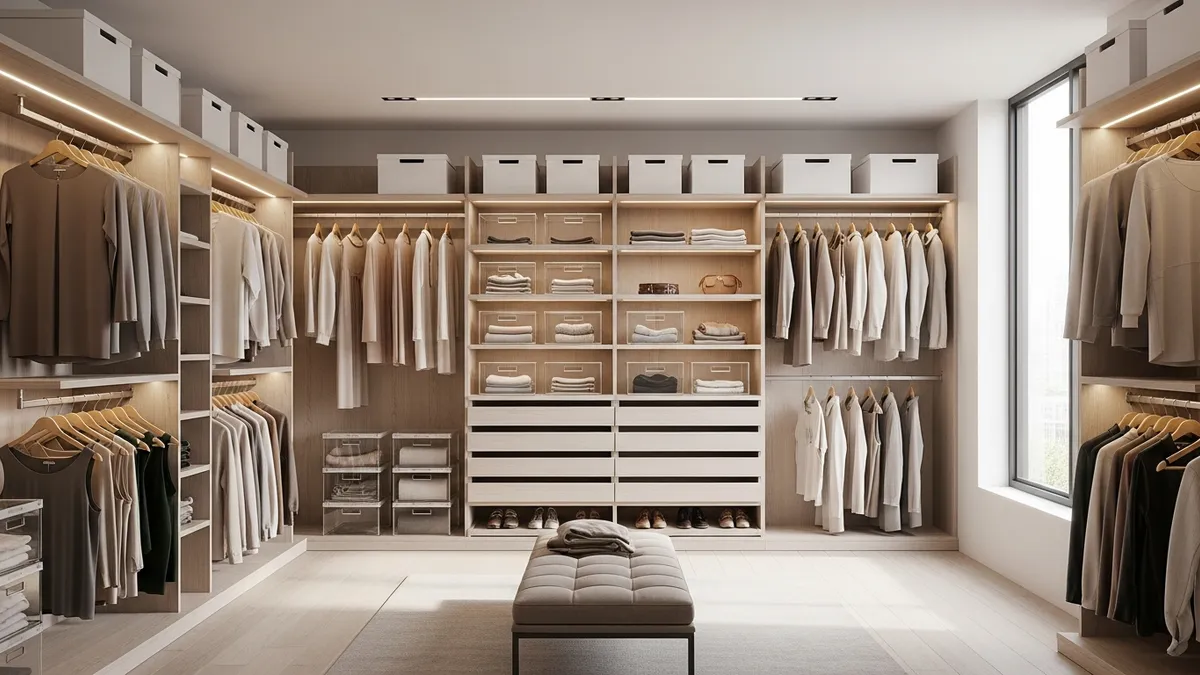
3. Walk-in Closet
A dedicated room that functions as a wardrobe. Provides the most comfortable dressing experience with all collections visible at a glance. Requires at least 4 square meters of dedicated space. Can be created by converting a small room or corner of a bedroom.
4. Open Wardrobe
A wardrobe without doors that displays contents openly. Creates a sense of space and makes clothing selection easier. However, it demands discipline in organization since everything is visible. Ideal for those with a curated and well-organized clothing collection.
5. Fitted Wardrobe (Built-in)
A wardrobe custom-made to fit the exact dimensions of your wall and ceiling. Uses every centimeter of space without gaps. Offers the most seamless appearance and optimal capacity. A larger investment but with maximum results.
6. Portable Wardrobe
A lightweight assembled wardrobe that can be disassembled and reassembled. Usually features a metal frame with fabric or plastic covering. Ideal for dorm rooms, rental apartments, or temporary needs. Affordable but with more limited capacity and durability.
Comparison of Wardrobe Materials
| Material | Durability | Weight | Aesthetics | Price | Termite Resistant |
|---|---|---|---|---|---|
| Teak Wood | Very High | Heavy | Premium/Classic | $180-900 | Yes |
| Plywood | High | Medium | Modern | $90-360 | Moderate |
| Laminated MDF | Medium | Medium | Varied | $48-240 | No |
| Particle Board | Low-Medium | Light | Budget | $30-120 | No |
| HPL (High Pressure Laminate) | High | Medium | Modern/Premium | $120-480 | Yes |
| Metal | Very High | Heavy | Industrial | $60-300 | Yes |
For Indonesia's humid tropical climate, avoid uncoated particle board. Laminated MDF and plywood with good finishing offer the best balance between price and durability.
Guide to Determining Wardrobe Size
Calculate Your Clothing Volume
Before choosing a wardrobe size, calculate your total clothing collection. The average Indonesian owns 50-100 pieces of clothing. One meter of hanging space accommodates about 15-20 shirts, while one folded shelf holds 10-15 pieces depending on thickness.
Measure Your Available Space
Measure the length, height, and depth of the area where your wardrobe will be placed. Leave a minimum of 5 cm on each side for air circulation. For swing doors, ensure there's 60-70 cm clearance in front. Also note the position of outlets, switches, and windows that might be blocked.
Standard Depth
Standard wardrobe depth is 55-60 cm, sufficient for hanging clothes on standard hangers that require 45-50 cm. For very limited spaces, wardrobes with 40 cm depth can be used with hangers mounted lengthwise (front-facing).
Optimal Height
Maximize your room height. A wardrobe reaching the ceiling (usually 240-280 cm) provides the largest storage capacity. Hard-to-reach spaces at the top can be used for storing seasonal items or rarely-used garments.
Important Wardrobe Interior Components
Hanging Rod
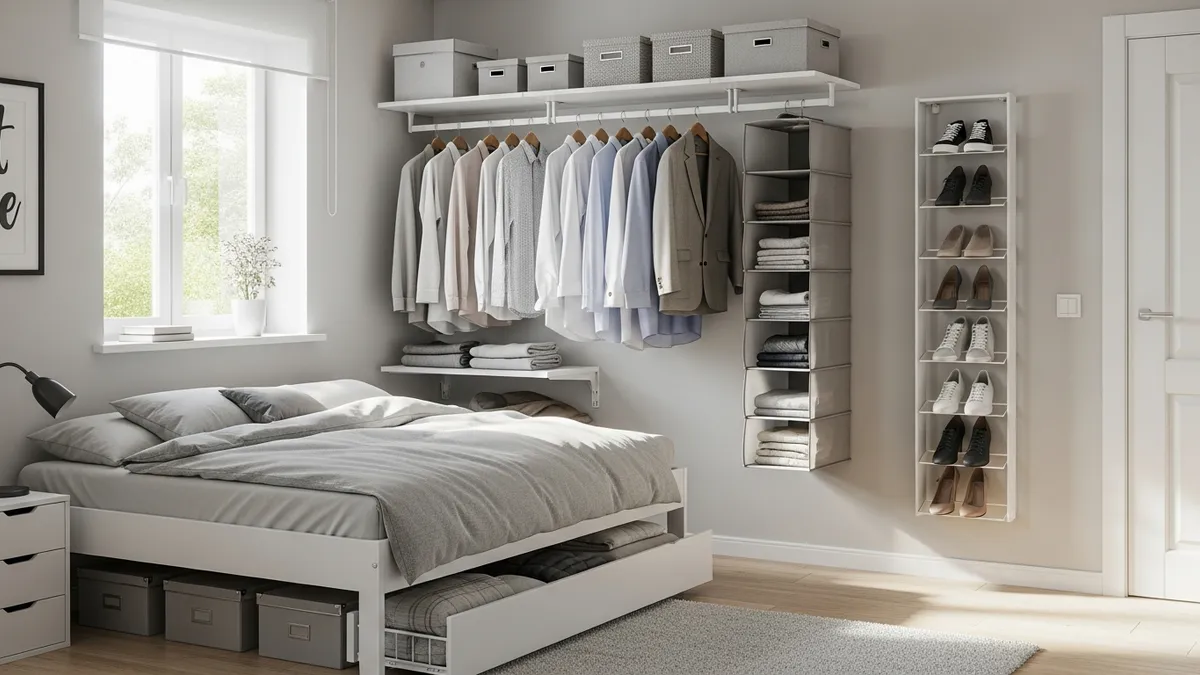
The most essential component. Ideally there are two levels - upper for long clothes (dresses, jackets, long gowns) and lower for short clothes (shirts, t-shirts, folded pants). A double rod doubles your hanging capacity in the same space.
Folded Shelves
Horizontal shelves for folded clothing such as t-shirts, sweaters, and jeans. Ideal spacing between shelves is 25-30 cm. Adjustable height shelves provide greater flexibility.
Drawers
Important for storing underwear, socks, accessories, and small items that easily clutter open shelves. Drawers with internal dividers help organize items by type.
Shoe Rack
A compartment at the bottom of the wardrobe for storing shoes. Can be a tilted rack for frequently worn shoes or a closed box for shoe collections. Air circulation is important to prevent odors.
Mirror
Some wardrobes come with a mirror on the inside or outside of the door. A full-length mirror is very practical for viewing your complete appearance when choosing outfits. Besides being functional, mirrors also make the room feel larger.
Tips for Organizing Your Wardrobe Contents
Declutter Before Organizing
Before reorganizing your wardrobe, declutter first. Remove all clothing and sort through each piece. Donate or sell clothes you haven't worn in the past year, that no longer fit, or that are damaged.
Clear Categorization
Group clothing by category - work, casual, formal, sportswear. Within each category, group again by type - shirts, t-shirts, pants, skirts. This system helps you quickly find the outfit you need.
Efficient Folding Technique
Use the KonMari folding technique that makes clothes stand upright in drawers or on shelves. This method lets you see all your clothes at once without rummaging through piles. Each piece is easy to grab without disturbing others.
Seasonal Rotation
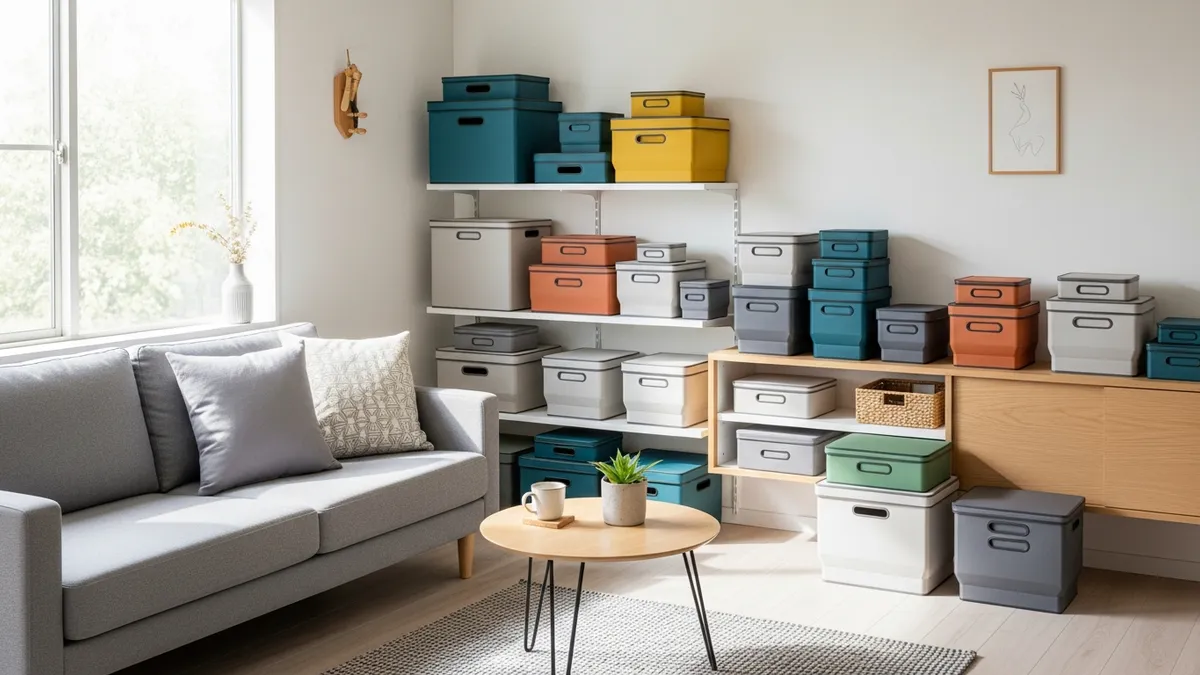
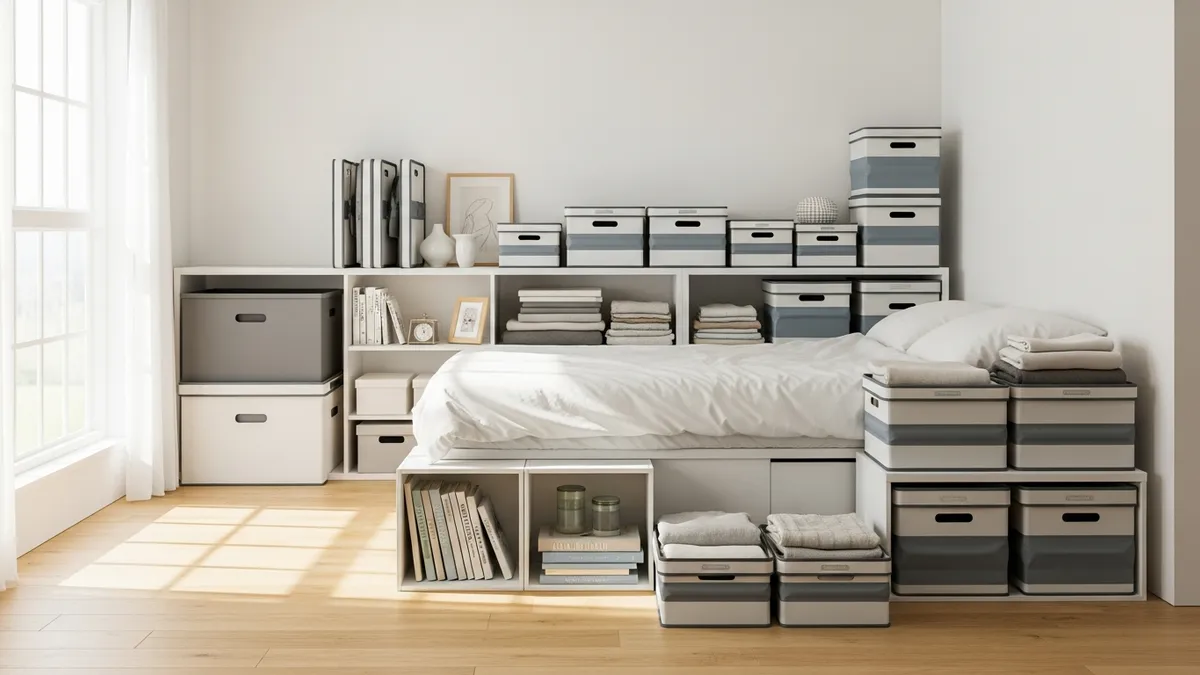
Although Indonesia doesn't have four seasons, there are differences in clothing needs between rainy and dry seasons. Store clothes unsuitable for the season in storage boxes and place them on top of the wardrobe or under the bed.
Common Mistakes When Choosing a Wardrobe
Too Small for Your Needs
Many people choose wardrobes based only on available space without considering their clothing volume. This results in overstuffed wardrobes and wrinkled clothes. It's better to sacrifice some room aesthetics for adequate capacity.
Neglecting Ventilation
Completely sealed wardrobes without ventilation cause musty odors and excessive humidity that can damage clothing. Ensure there's air circulation or use silica gel and camphor to absorb moisture.
Not Considering Ergonomics
Hanging rods that are too high, shelves that are too deep, or difficult-to-pull drawers make daily use uncomfortable. Ensure every wardrobe component is easily accessible to all users.
Choosing the Cheapest Option
A wardrobe is a long-term investment used daily. Low-quality materials deteriorate quickly - loose hinges, warped shelves, and peeling surfaces. It's better to invest a bit more for quality that lasts for years.
Wardrobe Maintenance
Regular Cleaning
Clean the wardrobe interior at least monthly. Remove all contents, wipe away dust with a dry cloth, and clean surfaces with a cleaner suitable for the material. This is also an opportunity to re-sort your clothes.
Protection from Termites and Moths
Use camphor or cedar blocks to repel moths. To prevent termites, ensure the wardrobe isn't directly against damp walls. Regularly check for signs of termite damage on the bottom and back of the wardrobe.
Care for Hinges and Tracks
Apply lubricant to door hinges and sliding tracks every 6 months to maintain smooth operation. Stuck hinges forced open will quickly deteriorate and damage the door structure.
Conclusion
Choosing the right minimalist wardrobe requires careful consideration of size, material, interior design, and alignment with your lifestyle. Investing in a quality wardrobe with well-planned interior components will make your daily dressing routine more efficient and enjoyable for years to come.
Discover various quality clothing storage solutions at Sesoris. From wardrobe organizers to clothing storage boxes, Sesoris provides accessories that help you maximize the functionality of your minimalist wardrobe.
Weekly Home Tips
Get home organization ideas, product picks, and exclusive deals delivered weekly.
No spam. Unsubscribe anytime.