
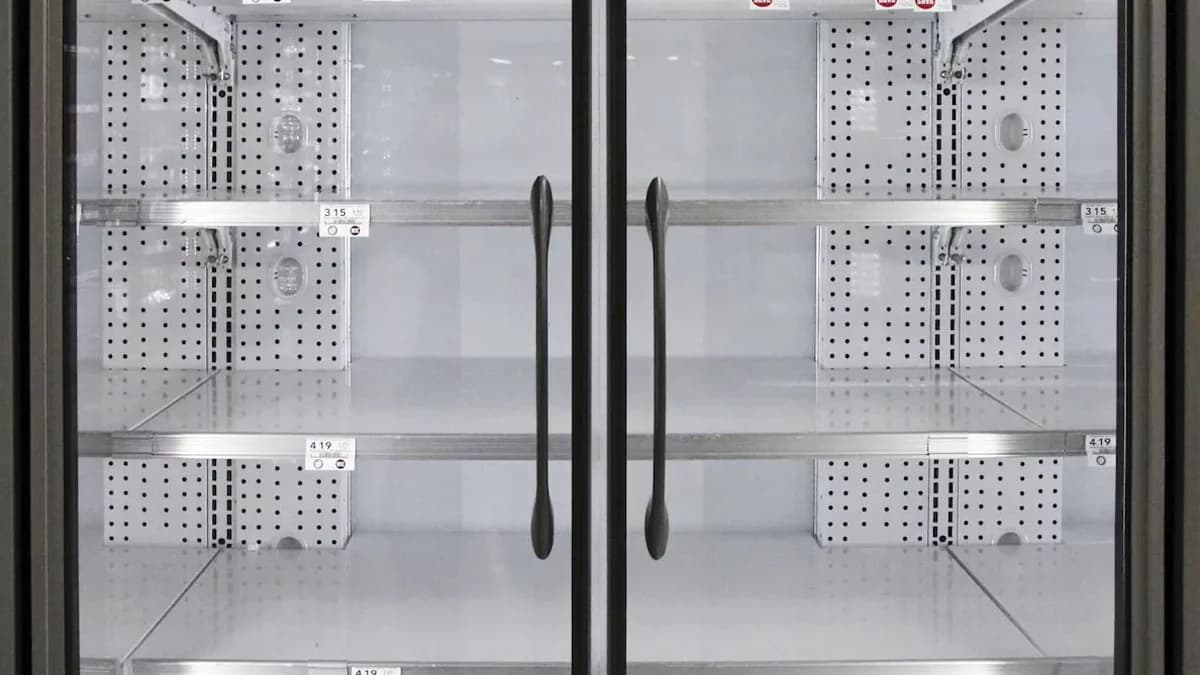
Refrigerator Organizer: How to Arrange Your Fridge Neatly and Save Electricity
A messy refrigerator not only makes it difficult to find ingredients, but it can also increase electricity consumption and speed up food spoilage. Refrigerator organizers are a simple yet effective solution to keep your fridge contents organized, hygienic, and energy-efficient.
Based on our experience helping pet households across Indonesia, food storage often gets overlooked until something goes wrong.

In this article, we discuss in detail various types of refrigerator organizers, how to choose the right ones, arrangement strategies based on temperature zones, and tips for saving electricity through optimal fridge organization. Let's explore the complete guide.
Key Takeaways: > - Choose products with clear safety labels (food-grade, BPA-free) for daily use > - Investing slightly more in quality materials (glass, grade 304 stainless steel) saves long-term costs > - Match sizes to family needs, neither too large nor too small > - Local marketplaces like Tokopedia, Shopee, and Sesoris offer competitive prices with maintained quality
Why Is Refrigerator Organization Important?
Many people underestimate fridge organization and simply throw in ingredients without any system. However, a well-organized refrigerator offers many benefits that you might not realize. For additional information, also see the guide from The Spruce.
Price range in Indonesia (2026): Home organization products are generally available from $3 for entry-level options, $9.5-$31 for quality mid-range, and $50+ for premium imports. Compare prices on marketplaces like Tokopedia or Shopee before buying.
First, proper organization helps cold air circulation flow smoothly inside the refrigerator. When fridge contents are too dense and disorganized, cold air cannot circulate optimally, causing the compressor to work harder, meaning higher electricity bills. Studies show that a well-organized fridge can save up to 10-15% of energy consumption.
Second, you can easily see what food items are available. This prevents duplicate purchases and reduces food waste from forgotten items spoiling in a corner of the fridge. Third, correct organization according to the fridge's temperature zones helps food last longer.
Impact of a Messy Fridge
- Food spoils quickly because it's covered and out of sight
- Unpleasant odors because foods mix without containers
- Increased electricity consumption due to blocked air circulation
- Wasted time searching for ingredients
- Cross-contamination between raw and cooked foods
- Waste from buying items you already have but can't see
Types of Refrigerator Organizers
1. Transparent Storage Containers
Transparent container boxes are the most versatile refrigerator organizers. Made from food-grade plastic like PET or PP, these containers allow you to see contents without opening the lid. Available in various sizes that fit your fridge shelves. For additional information, also see the guide from Real Simple.
Transparent containers are ideal for storing vegetables, fruits, meat, or leftovers. Choose ones with tight-fitting lids to prevent food odors from spreading throughout the fridge.
2. Egg Storage Box
Specialized egg storage boxes typically come with individual compartments for each egg. Besides protecting eggs from damage, this organizer also makes it easy to count your remaining eggs. Some models are stackable to save space.
3. Drawer Organizer (Pull-Out Drawer)
A drawer-shaped organizer that hangs under fridge shelves. By utilizing the normally wasted space below shelves, drawer organizers are perfect for storing small items like sauce packets, cheese slices, or seasoning packets.
4. Can Dispenser
Designed specifically for storing canned beverages in a row using the FIFO (First In, First Out) system. New cans are inserted from the back and taken from the front, so stock always rotates and nothing expires.
5. Lazy Susan (Turntable)
A round rotating shelf that makes accessing all items easy without moving items in front. Very useful for storing sauces, jams, or seasoning bottles in hard-to-reach corner areas of the fridge.
6. Bottle Holder
A specialized organizer for storing beverage bottles horizontally, preventing bottles from rolling and falling. Some designs are stackable for storing multiple bottles neatly at once.
Comparison of Refrigerator Organizer Materials
| Material | Temperature Resistance | Food Safety | Transparency | Durability | Price |
|---|---|---|---|---|---|
| Polypropylene (PP) Plastic | -20 to 120°C | Food-safe | Semi-transparent | 5-8 years | Affordable |
| PET Plastic | -40 to 70°C | Food-safe | Very transparent | 3-5 years | Budget-friendly |
| Tritan Plastic | -40 to 100°C | BPA-free, food-safe | Very transparent | 8-10 years | Moderate |
| Borosilicate Glass | -20 to 400°C | Very safe | Very transparent | 10+ years | Expensive |
| Food-Grade Silicone | -40 to 230°C | Food-safe, BPA-free | Not transparent | 5-10 years | Moderate |
For refrigerator organizers, PP and Tritan plastic are the best choices because they offer a balance between food safety, cold temperature resistance, and reasonable pricing.
Refrigerator Organization Strategy Based on Temperature Zones
Refrigerators have different temperature zones in different areas. Organizing food according to these zones helps maintain food freshness and safety optimally.
Top Shelf
The temperature on the top shelf is usually the most stable. The ideal place to store foods that don't require cooking like ready-to-drink beverages, cooked leftovers, yogurt, and cheese. Use transparent containers for leftovers so they're easy to spot and won't be forgotten.
Middle Shelf
This zone has consistent temperature and is perfect for dairy products, eggs, and ready-to-eat foods. Place your egg storage box here to keep eggs at the ideal temperature. Avoid storing eggs on the fridge door because temperature fluctuations can accelerate spoilage.
Bottom Shelf
The coldest part of the fridge and ideal for storing raw meat, fish, and seafood. Always use tightly sealed containers to prevent meat drippings from falling onto other foods below. This prevents dangerous cross-contamination.
Crisper Drawer
Specially designed for storing fruits and vegetables with controlled humidity. Use organizers with ventilation holes to maintain air circulation. Separate fruits and vegetables if possible because some fruits produce ethylene gas that speeds up vegetable spoilage.
Fridge Door
The warmest part of the fridge because it's most exposed to outside air. Suitable for storing sauces, jams, seasonings, and beverages that are relatively shelf-stable. Use bottle holders and lazy susans to maximize space in the door area.
Tips for Saving Electricity Through Fridge Organization
Proper fridge organization can directly impact energy efficiency. Here are practical tips:
- Fill fridge to 70-80% capacity - a fridge that's too empty or too full both waste energy. Optimal filling provides enough thermal mass to maintain stable temperature
- Space items apart - don't stack food too tightly so cold air can circulate properly to all areas
- Use closed containers - uncovered food releases moisture that makes the fridge work harder
- Set the right temperature - ideal fridge temperature is 3-4°C and freezer is -18°C
- Reduce door opening time - with organized organizers, you know exactly where each item is so the door doesn't need to stay open long
- Cool food before placing inside - inserting hot food causes fridge temperature to spike and the compressor to work overtime
- Clean condenser regularly - dust on the back of the fridge reduces cooling efficiency by up to 25%
How to Clean Refrigerator Organizers
Refrigerator organizers need regular cleaning to maintain hygiene and prevent bacterial growth.
Weekly Cleaning
- Remove all organizers from the fridge
- Discard expired or questionable-looking food
- Wipe organizers with a damp cloth with a little dish soap
- Rinse with clean water and dry before putting back
Monthly Cleaning (Deep Clean)
- Empty entire fridge contents
- Soak organizers in warm water with a little baking soda for 15-30 minutes
- Scrub with a soft sponge to remove stubborn stains
- Rinse thoroughly and dry completely
- Also clean the fridge interior with a mixture of water and vinegar
- Re-organize fridge contents using the zone system explained above
Common Mistakes in Organizing Your Fridge
Avoid these common mistakes when organizing your refrigerator:
- Placing milk on the door - milk and dairy products are sensitive to temperature and should be stored on the middle shelf, not the door where temperature fluctuates
- Mixing fruits and vegetables - ethylene gas from fruit speeds up vegetable spoilage
- Not labeling items - especially frozen foods, label storage dates so you know when to consume them
- Storing tomatoes in the fridge - tomatoes actually lose flavor and texture when refrigerated; store them at room temperature
- Overfilling the fridge - ideal capacity is 70-80% to maintain proper air circulation
Conclusion
Refrigerator organizers are simple tools that can transform how you manage food at home. With relatively small investment, you can get a neatly organized fridge, longer-lasting food, and even noticeable electricity savings on your monthly bills.
The key to successful fridge organization is consistency, implement the zone system, use organizers suited for each food type, and clean regularly. Visit Sesoris to find a variety of quality refrigerator organizers that will keep your fridge contents perfectly organized.
Practical Tips for Choosing Quality Products
Choosing the right home organization products requires considerations that aren't always obvious. From our experience crafting dozens of guides for Sesoris readers, here are three principles most commonly overlooked.
First, pay attention to material density, not just visible thickness. Quality food-grade plastic has higher density than recycled plastic, making it more impact-resistant and crack-proof. Check the product's weight relative to its size, items that feel too light for their dimensions usually use thinner material.
Second, stackability compatibility. Many shoppers buy containers or organizers as a set, only to discover they can't be stacked neatly due to 1-2 cm dimension differences. Before buying, ensure exterior dimensions match across series so they can be stacked maximally in cupboards or pantries.
Third, long-term maintenance cost. A $3 product that needs replacement every 6 months actually costs more than a $13 product that lasts 3 years. Calculate total cost of ownership, not just initial price.
Common Mistakes When Shopping Online
Online shopping on marketplaces like Tokopedia, Shopee, or Sesoris is practical, but there are pitfalls beginners often overlook.
Product photos shown by sellers are frequently international stock images, not actual items. Always check the "reviews with photos" tab to see real photos from previous buyers. If there isn't a single real buyer photo, it's a red flag.
Size descriptions can mislead: "large size" without specific numbers could mean anything. Ask exact dimensions in centimeters via chat before checkout, especially for items like shelves or organizers that must fit your space.
Also verify shipping weight for cost estimates. Glass containers or heavy items from outer islands can add significant shipping fees, making a seemingly cheap product more expensive than local alternatives.
Budget Tip (2026): For standard Indonesian family home organization needs, allocate $94-$188 for a starter pack (food containers, wardrobe organizers, labels, and additional shelving). Add gradually based on room needs. Avoid impulsive shopping without a plan, many people end up accumulating items they never use.
Frequently Asked Questions (FAQ)
Here are answers to the most frequently asked reader questions on this topic.
Q: How long do quality home organization products typically last?
With proper routine care, food-grade plastic products last 3-5 years, while borosilicate glass and grade 304 stainless steel can last 10+ years. Key factors are consistent maintenance and avoiding extreme temperature exposure.
Q: Is this product food-safe?
Ensure the product is labeled "food-grade" or "BPA-free" before using it for food storage. Safe materials include borosilicate glass, grade 304 stainless steel, and certified food-grade plastic. Avoid plastic without food safety certification, especially for hot or oily foods.
Q: How do I clean and maintain it?
Wash with mild dish soap and warm water. Avoid abrasive sponges that can scratch the surface. For stubborn stains, use a baking soda and water paste as a natural cleaner. Dry completely before storing to prevent mold and bacteria.
Q: What is the price difference between local and imported products?
Local Indonesian products are typically 30-50% more affordable than imports of similar quality. For daily home organization needs, local products meet the standard. Consider imports only if you need specific features not available in the local market.
Q: Where should I buy products like this?
You can buy at offline stores like ACE Hardware, IKEA, or major hypermarkets, or via online marketplaces like Tokopedia, Shopee, and Sesoris. Check seller ratings, real product photos, and return policies before buying online.
Related Articles
Explore other guides from Sesoris to complement your knowledge:
- DIY Bedroom Drawer Organizer Tutorial
- Travel Organizer Bag Ultimate Guide Smart Packing Solutions 2026
About Tim Sesoris
The Sesoris editorial team consists of experienced writers in home organization, minimalist lifestyle, and Indonesian e-commerce. We test products, review market trends, and craft guides based on in-depth research and field experience. All recommendations are curated to give you accurate, practical, and relevant information for Indonesian households.
For questions or suggestions, contact us through the Sesoris contact page.
Weekly Home Tips
Get home organization ideas, product picks, and exclusive deals delivered weekly.
No spam. Unsubscribe anytime.
Explore More Articles
- Bathroom Storage Ideas to Keep a Small Bathroom Tidy
- 25+ Brilliant Bathroom Wall Shelf Ideas to Transform Your Space in 2026
- Productive WFH Setup for a Small Minimalist Home
- 25+ Brilliant Storage Space Ideas for Small Bathroom: Maximize Every Inch in 2026
- Best Food Storage Solutions: Complete Guide to Organizing Your Kitchen in 2026
- 25+ Small Room Laundry Room Organization Ideas That Actually Work in 2026
- Overhead Garage Storage Solutions: Ultimate Guide to Transform Your Garage Space in 2026
- How to Organize Your Home: Expert Guide to a Tidy Living Space