
Quality Products, Free Shipping & Easy Returns!
Sesoris
My AccountTrack Order
BlogPanduan
Kitchen Knife Organizer: Safe Storage for Knives and Cutting Boards
Panduan

Kitchen Knife Organizer: Safe Storage for Knives and Cutting Boards

June 14, 2026
9 min read read
/images/team/avatar-default.webp
Tim Sesoris
Home Organization Expert

Kitchen knives are among the most important—yet most dangerous—cooking tools if not stored properly. Keeping knives loosely in a drawer without protection doesn't just dull the blade; it also risks injury when reaching into the drawer. A kitchen knife organizer is an essential solution for maintaining safety, preserving blade sharpness, and keeping your kitchen tidy.

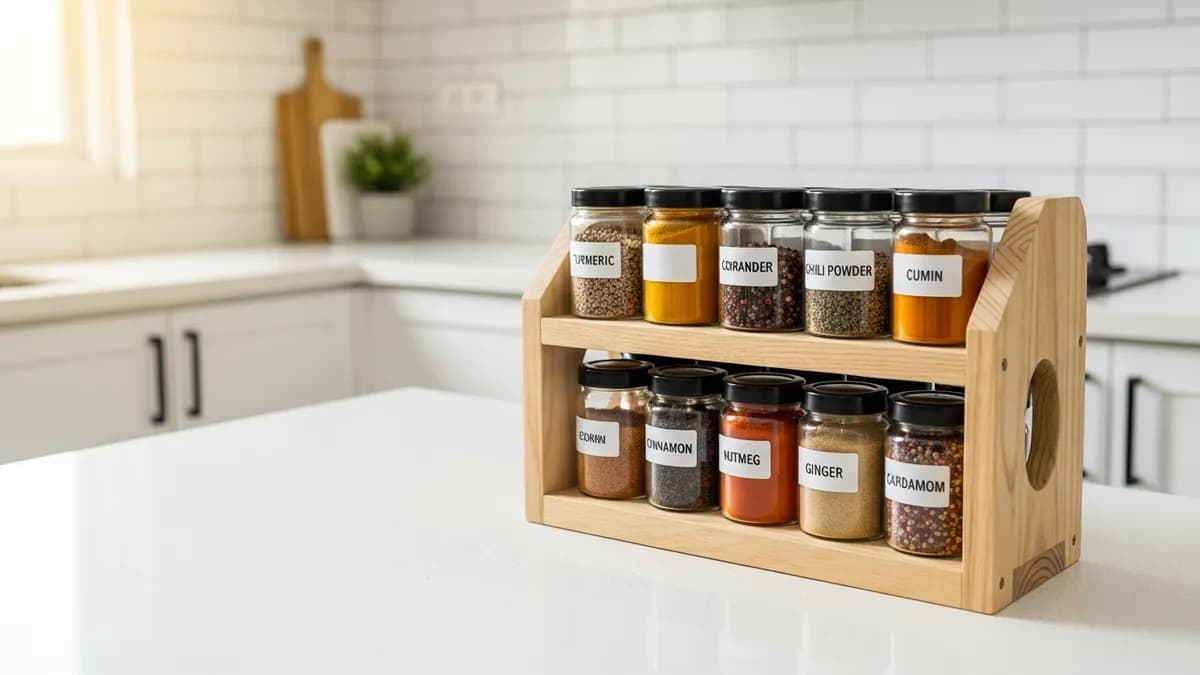
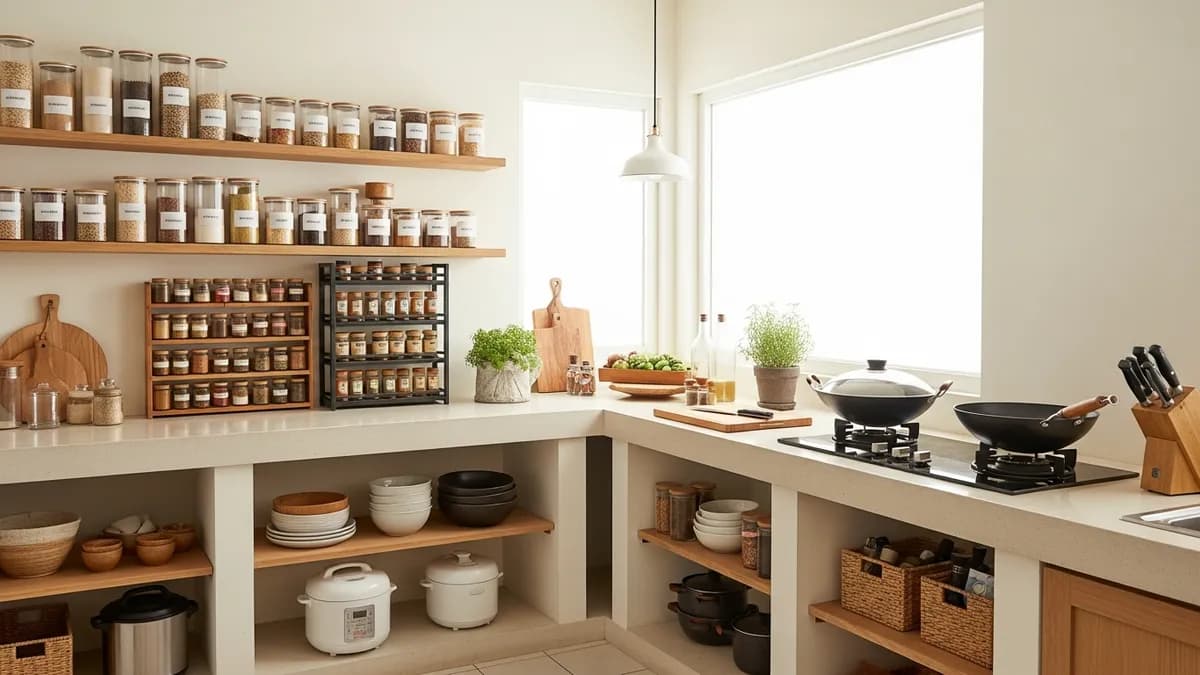
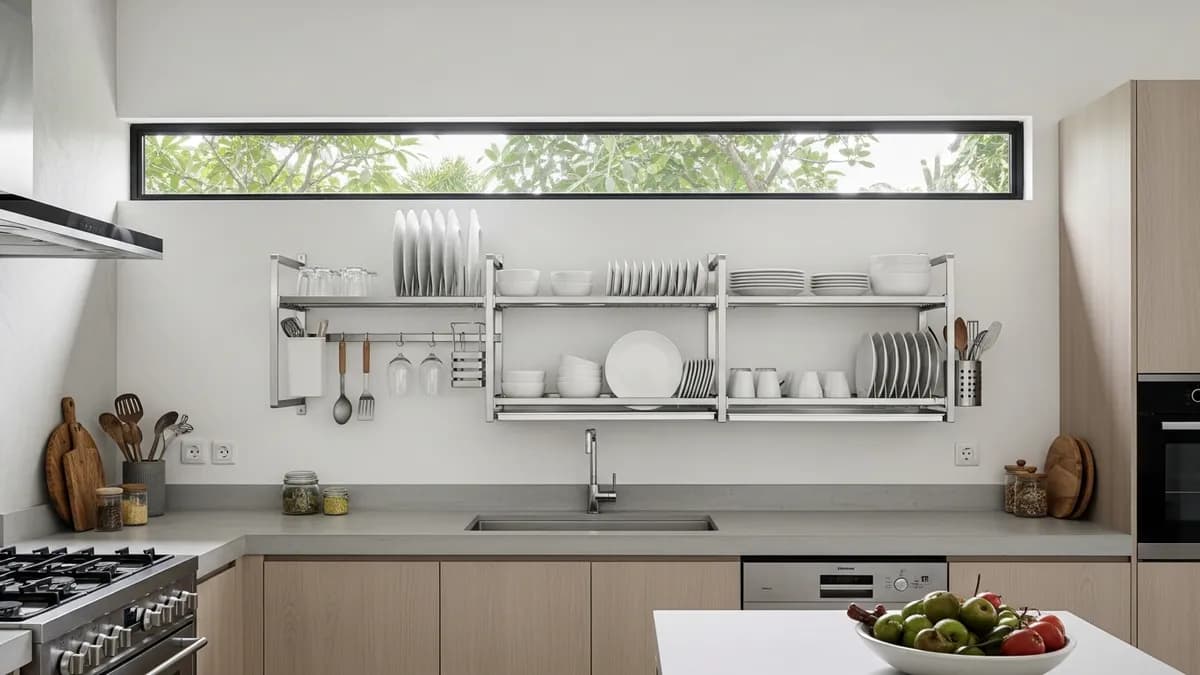
Kitchen knife organizer with various knives and cutting boards neatly arranged

In this guide, we discuss various types of knife organizers, how to choose one that fits your needs, tips for storing cutting boards, and proper maintenance to keep your knives and organizer in top condition. Read on to learn more.

Why Proper Knife Storage Matters

Many Indonesian households still store knives unsafely—mixed with other tools in drawers, placed carelessly on kitchen counters, or tucked between other cooking equipment. This habit brings several serious risks.

Safety Risks

Sharp knives stored in a drawer with other tools become dangerous traps. Each time you reach into the drawer, there's a risk of cutting your fingers on the blade. Families with young children need to be especially careful, as curious children can easily access improperly stored knives.

Blade Damage

Knives that rub against other metal tools in the drawer will damage the blade. Sharpness decreases dramatically and the blade edge can become unevenly jagged. High-quality, expensive knives can be ruined simply by incorrect storage.

Cooking Efficiency

When knives are stored neatly and within easy reach, cooking becomes more efficient. You won't waste time searching for the right knife among piles of equipment. Each knife has its own place and can be quickly grabbed when needed.

Types of Kitchen Knife Organizers

1. Knife Block

A knife block is a classic wood or bamboo organizer with vertical slots for inserting knives. Usually placed on the kitchen counter, it can hold 5-15 knives at once. Some modern models use transparent acrylic material so you can see your knife collection from the outside.

The advantage of a knife block is easy access—knives can be taken out and returned with one hand. The disadvantage is that it takes up counter space and the fixed slots don't always fit every knife size.

2. Magnetic Knife Strip

An organizer consisting of a magnetic rail mounted on the kitchen wall. Knives stick to the magnetic surface with blades exposed, giving a modern, professional look. This type saves space greatly since it uses wall space and doesn't take up any counter area.

Magnetic strips are popular in industrial and minimalist kitchens. Make sure the magnet is strong enough to hold your heaviest knives and install it at a height children can't reach.

3. In-Drawer Knife Organizer

Designed to be placed in a kitchen drawer, this organizer has special slots for each knife. The blades are protected by the slots, making it safe to reach into the drawer. This type is ideal if you prefer keeping knives out of sight.

4. Knife Guards and Sheaths

Individual protective covers for each knife, made from plastic, leather, or felt. Knife guards cover the blade so it's safe to store anywhere without risk of injury or damage. The most flexible and portable knife storage solution.

5. Universal Knife Block

Unlike traditional knife blocks with fixed slots, universal knife blocks use inserts made of bristles or flexible material that can accommodate knives of any size and shape. Just insert your knife wherever you want.

6. Combination Knife + Cutting Board Organizer

Some organizers are designed to store both knives and cutting boards in one unit. Usually in the form of a standing rack with knife slots on one side and cutting board slots on the other. Very practical for saving space and keeping both items close at hand when needed.

Comparison of Knife Organizer Types

Organizer TypeCapacitySpace-SavingSafetyPriceBest For
Wooden Knife Block5-15 knivesModerateHigh$6-30Classic/traditional kitchens
Magnetic Strip5-10 knivesVery space-savingModerate$5-18Modern/industrial kitchens
In-Drawer Organizer8-12 knivesVery space-savingVery high$6-21Kitchens with young children
Individual Knife Guard1 knife/guardVery space-savingHigh$1-3 eachPremium/collector knives
Universal Block10-20 knivesModerateHigh$9-24Varied knife collections
Combination + Cutting Board5-8 knives + cutting boardSpace-savingHigh$7-27Minimalist kitchens

Guide to Choosing the Right Knife Organizer

1. Count and Categorize Your Knives

Inventory all your kitchen knives first. Note the quantity, type (chef's knife, santoku, bread knife, paring knife, etc.), and blade size of each. This helps determine an organizer with appropriate capacity and slots.

2. Consider Available Space

If counter space is limited, avoid knife blocks that take up room and consider magnetic strips or in-drawer organizers. Conversely, if you don't have an extra drawer but have counter space, a knife block or universal block makes sense.

3. Safety Factor for Your Family

Families with toddlers or pets should choose an in-drawer organizer with a lock or place a magnetic strip at a safe height. A knife block on the counter can be reached by children skilled at climbing on chairs.

4. Pay Attention to Organizer Material

The organizer material should be compatible with your knives. Wooden slots that are too tight can scratch the blade when inserted and removed repeatedly. A magnet that's too strong can magnetize carbon steel blades. Choose material that's gentle on your knives.

5. Ease of Cleaning

A knife organizer that's rarely cleaned can become a bacteria haven, especially if knives are inserted before they're fully dry. Choose an organizer that's easy to disassemble and clean—knife blocks that open, magnetic strips that wipe down easily, or in-drawer organizers that lift out.

Tips for Proper Cutting Board Storage

Cutting boards are a faithful partner to kitchen knives and also require proper storage. Here's how to store cutting boards so they last and stay hygienic:

Store in an Upright Position

Cutting boards should be stored upright (vertically), not stacked horizontally. An upright position allows both sides of the board to get even air circulation so they dry quickly and resist mold. Use a dedicated cutting board rack or slots in a combination knife organizer.

Separate Cutting Boards by Function

Ideally, you should have at least two cutting boards—one for raw items (meat, fish, poultry) and one for vegetables and fruit. This prevents cross-contamination. Use cutting boards in different colors to make identification easier.

Dry Before Storing

Don't store cutting boards while still wet. Wipe with a clean cloth and let sit on a drying rack until completely dry before placing in the organizer. Trapped moisture between stacked boards can trigger mold and bacteria growth.

Maintaining Your Knife Organizer

Caring for your knife organizer is as important as caring for the knives themselves. Here are the recommended maintenance steps:

    1
  1. Clean every 2 weeks—remove all knives and clean the organizer with a damp cloth. For knife blocks, use a small bottle brush to reach inside the slots
  2. 2
  3. Dry completely—make sure the organizer is totally dry before reinserting knives. Moisture inside slots can cause blade rust
  4. 3
  5. Disinfect monthly—spray the inside of the organizer with a water-vinegar solution (1:1) and let dry completely
  6. 4
  7. Check magnet strength—for magnetic strips, ensure the magnet is still strong enough to safely hold all your knives
  8. 5
  9. Maintain wooden blocks—wooden knife blocks should be oiled with mineral oil every 3-6 months to prevent cracking and preserve the beauty of the wood grain
  10. 6
  11. Replace if damaged—organizers that are cracked, have loose slots, or weakened magnets should be replaced immediately for safety

Tips for Maintaining Knife Sharpness

Beyond the right organizer, here are additional tips to keep your knives sharp:

  • Use wooden or plastic cutting boards—avoid cutting directly on hard surfaces like ceramic, glass, or stone as this damages the blade
  • Sharpen regularly—use a honing steel before each use and sharpen with a whetstone every 2-3 months
  • Hand wash only—don't put knives in the dishwasher as water pressure and harsh detergent can damage the blade and handle
  • Dry immediately—after washing, dry knives right away to prevent water spots and rust
  • Don't misuse—knives aren't screwdrivers, bottle openers, or prying tools; use them for their intended purpose

Conclusion

A kitchen knife organizer isn't just an accessory—it's an essential need for safety, efficiency, and care of your cooking equipment. By choosing the right type of organizer that matches your needs and cooking habits, you can keep knives sharp, safe from children's reach, and easily accessible when needed.

Don't forget proper cutting board storage either as a complement to organizing your cutting area in the kitchen. Visit Sesoris to discover our collection of knife and cutting board organizers designed for safety and order in Indonesian kitchens.

Weekly Home Tips

Get home organization ideas, product picks, and exclusive deals delivered weekly.

No spam. Unsubscribe anytime.