
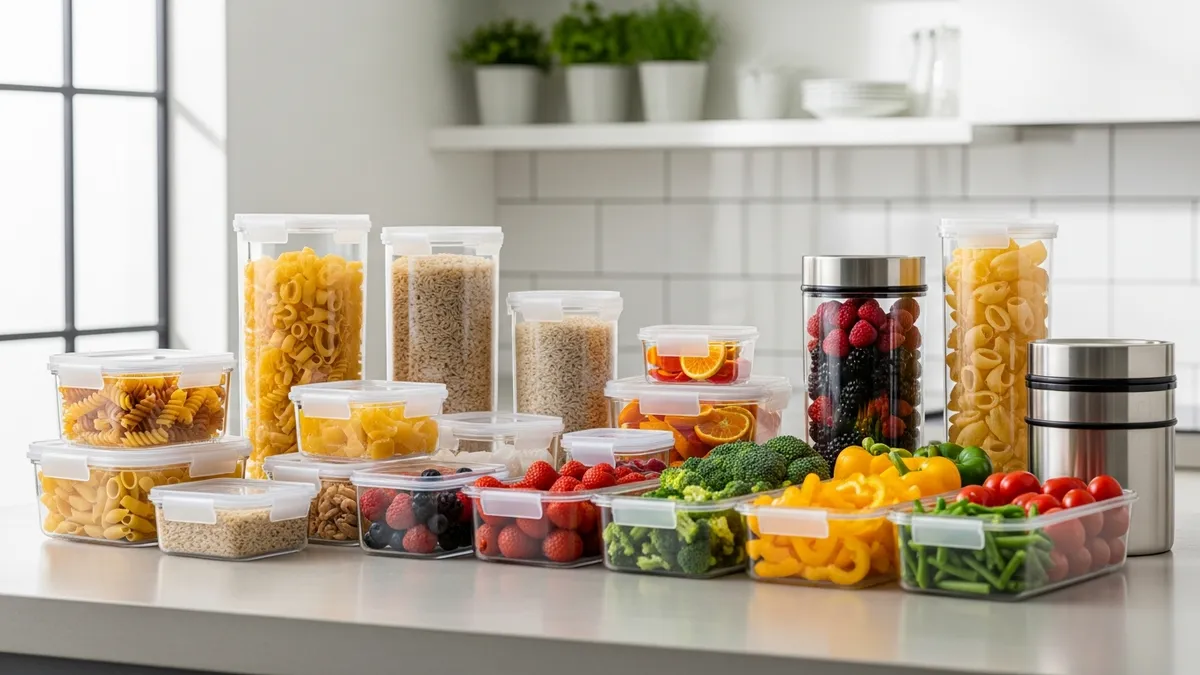
Best Storage Containers for Food: Complete Guide to Fresh Food Storage Solutions in 2026
Finding the right storage containers for food can transform your kitchen organization and significantly extend the freshness of your ingredients. In 2026, with rising food costs and increased awareness of food waste, investing in quality storage containers has become more crucial than ever. Whether you're storing leftovers, meal prepping, or organizing your pantry, the right containers can save you up to 30% on your grocery budget while keeping your kitchen clutter-free.
Based on our conversations with regular Sesoris customers, organization problems are usually solved not by buying more, but by rearranging what's already there.
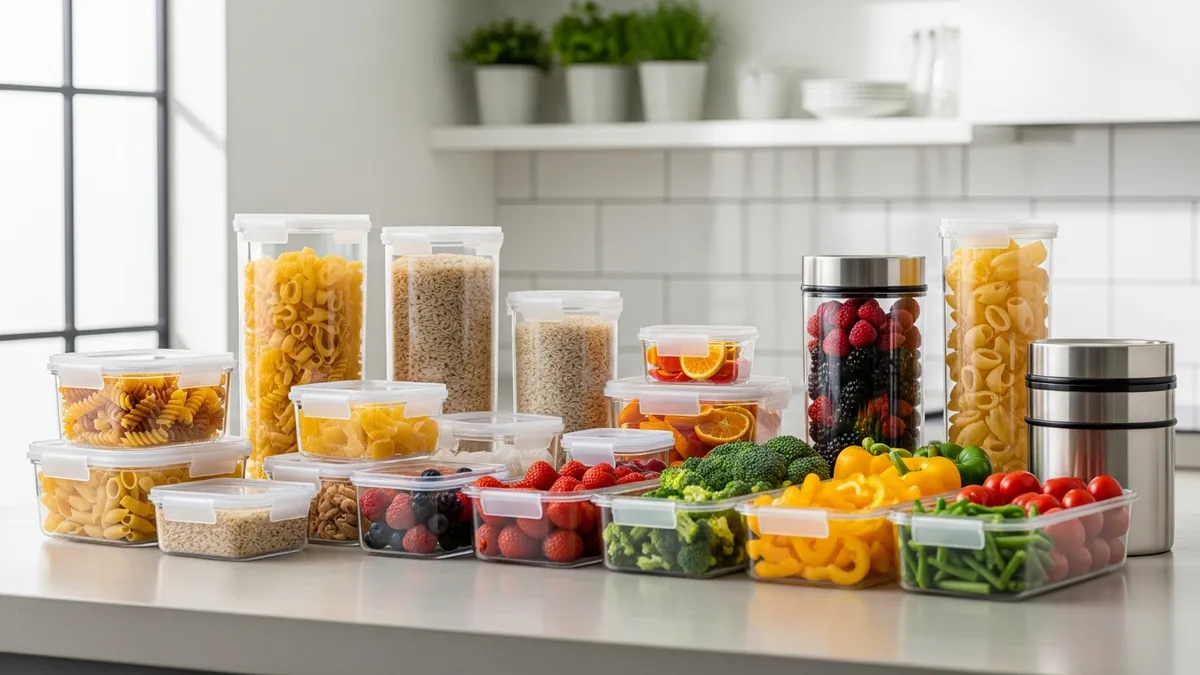
Proper food storage can extend the shelf life of dry goods by up to 50% and keep fresh produce crisp for days longer. With the right storage containers for food, you're not just organizing your kitchen – you're investing in a more sustainable and economical lifestyle.
Key Takeaways:
- Choose products with clear safety labels (food-grade, BPA-free) for daily use
- Investing slightly more in quality materials (glass, grade 304 stainless steel) saves long-term costs
- Match sizes to family needs, neither too large nor too small
- Local marketplaces like Tokopedia, Shopee, and Sesoris offer competitive prices with maintained quality
Why Quality Storage Containers for Food Matter in 2026
The importance of proper food storage has never been more evident. With inflation affecting grocery prices worldwide, making the most of your food purchases is essential. Storage containers for food serve multiple purposes beyond simple organization: For additional information, also see the guide from The Spruce.
- Food Safety: Proper containers prevent contamination and pest infiltration
- Freshness Retention: Airtight seals maintain optimal moisture and temperature conditions
- Space Optimization: Stackable designs maximize your storage capacity by up to 40%
- Cost Savings: Reduces food waste, saving the average family $600 annually
- Meal Prep Efficiency: Streamlines cooking and preparation processes
Research shows that households using proper storage containers waste 25% less food compared to those relying on original packaging. This translates to significant savings and a more organized kitchen environment.
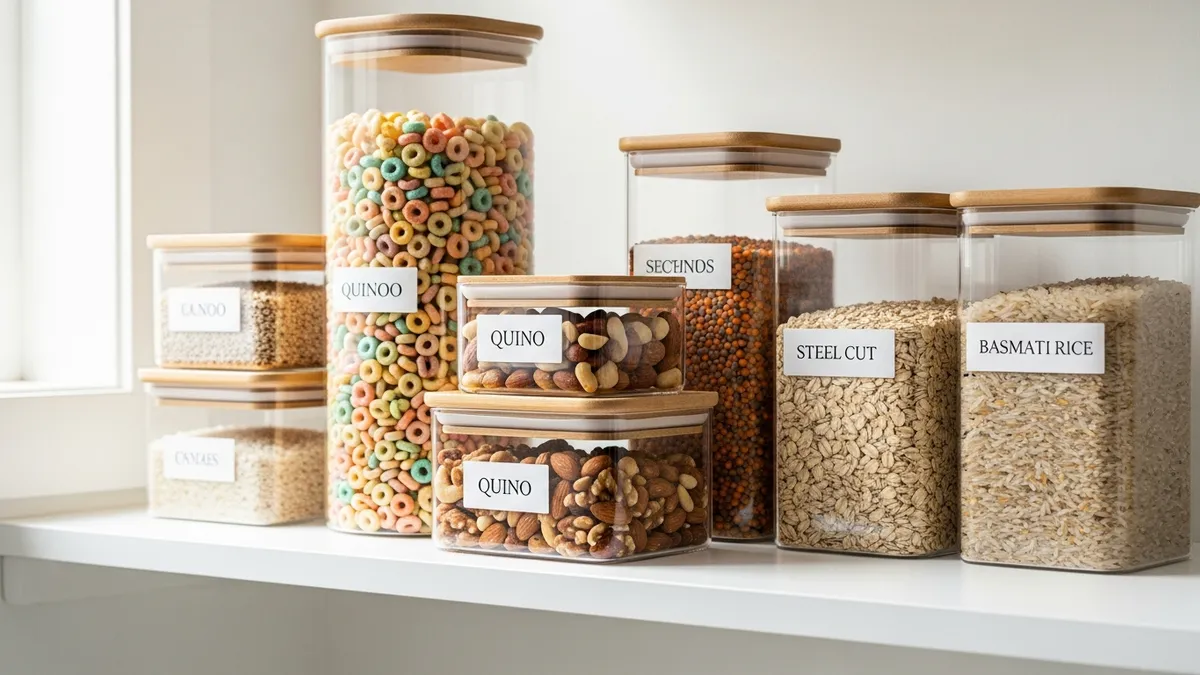
Types of Storage Containers for Food: Materials and Benefits
When selecting storage containers for food, the material choice significantly impacts functionality, durability, and safety. Here are the main options available in 2026: For additional information, also see the guide from Real Simple.
Glass Storage Containers
Glass containers remain the gold standard for food storage due to their non-reactive properties and versatility:
- Temperature Resistant: Safe for freezer, microwave, and dishwasher use
- Stain and Odor Free: Won't absorb flavors or discoloration
- Eco-Friendly: 100% recyclable and sustainable option
- Visibility: Clear material allows easy identification of contents
- Durability: Can last 10+ years with proper care
BPA-Free Plastic Containers
Modern plastic containers offer lightweight convenience with improved safety features:
- Lightweight: 60% lighter than glass alternatives
- Shatter-Resistant: Ideal for households with children
- Affordability: Starting at just $4 for basic sets
- Variety: Available in numerous sizes and shapes
- Stackability: Designed for efficient storage organization
Stainless Steel Options
Premium stainless steel containers offer professional-grade storage solutions:
- Durability: Virtually indestructible with 15+ year lifespan
- Insulation: Maintains temperature longer than other materials
- Hygiene: Naturally antimicrobial properties
- Professional Grade: Used in commercial kitchens worldwide
Essential Features to Look for in Storage Containers for Food
Not all storage containers are created equal. When shopping for storage containers for food, prioritize these key features to ensure maximum value and functionality:
Airtight Sealing Technology
The seal quality determines how well your containers preserve freshness. Look for:
- Silicone Gaskets: Provide superior airtight seals that last years
- Locking Mechanisms: Four-sided locking clips ensure consistent pressure
- Leak-Proof Design: Essential for liquid storage and transport
- Vacuum Capability: Some premium containers offer vacuum-sealing features
Size and Capacity Options
A comprehensive storage system requires various sizes to accommodate different food types:
- Small containers (0.5-1 cup): Perfect for spices, nuts, and small portions
- Medium containers (2-4 cups): Ideal for leftovers and meal prep portions
- Large containers (6-12 cups): Great for bulk items like flour, rice, and cereal
- Extra-large containers (16+ cups): Perfect for family-sized storage needs
Easy Maintenance Features
Consider containers that simplify cleaning and maintenance:
- Dishwasher Safe: Saves time and ensures thorough cleaning
- Wide Openings: Allow easy filling and cleaning access
- Smooth Surfaces: Prevent bacteria buildup and simplify washing
- Removable Seals: Enable thorough gasket cleaning
Best Storage Containers for Food by Category in 2026
Different foods require specific storage approaches. Here's how to choose the right storage containers for food based on what you're storing:
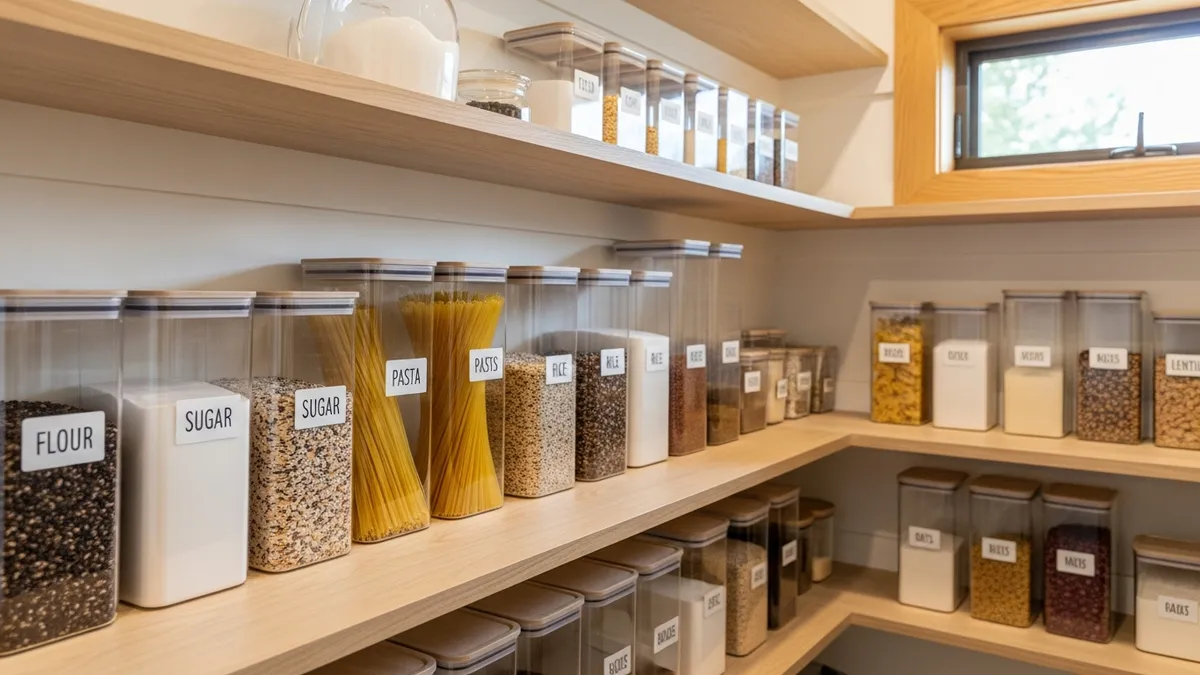
Dry Goods and Pantry Items
For flour, sugar, rice, pasta, and cereals, prioritize:
- Large capacity containers (8-16 cups) for bulk storage
- Clear materials for easy identification and inventory management
- Pour spouts for convenient dispensing without mess
- Graduated markings for accurate measuring
Popular options include stackable rectangular containers that maximize pantry space efficiency. These typically range from $15 - $40 depending on size and material quality.
Fresh Produce Storage
Fruits and vegetables need specialized storage conditions:
- Ventilated containers for items requiring air circulation
- Humidity control features for leafy greens
- Ethylene gas filters to prevent premature ripening
- Compartmentalized designs to separate different produce types
Leftover and Meal Prep Containers
For cooked foods and prepared meals, focus on:
- Microwave-safe materials for easy reheating
- Portion control sizes (1-3 cup capacity) for individual servings
- Freezer compatibility for long-term storage
- Leak-proof seals for sauce and liquid-based dishes
Organizing Your Kitchen with Storage Containers for Food
Effective organization maximizes both storage space and food freshness. Implement these strategies when arranging your storage containers for food:
Pantry Organization System
Create a logical hierarchy in your pantry:
- Eye-level placement: Most frequently used items
- Lower shelves: Heavy containers and bulk items
- Upper shelves: Seasonal or rarely used ingredients
- Door storage: Small containers with spices and condiments
Label everything clearly with both contents and expiration dates. Consider investing in a complete storage box guide for comprehensive organization strategies.
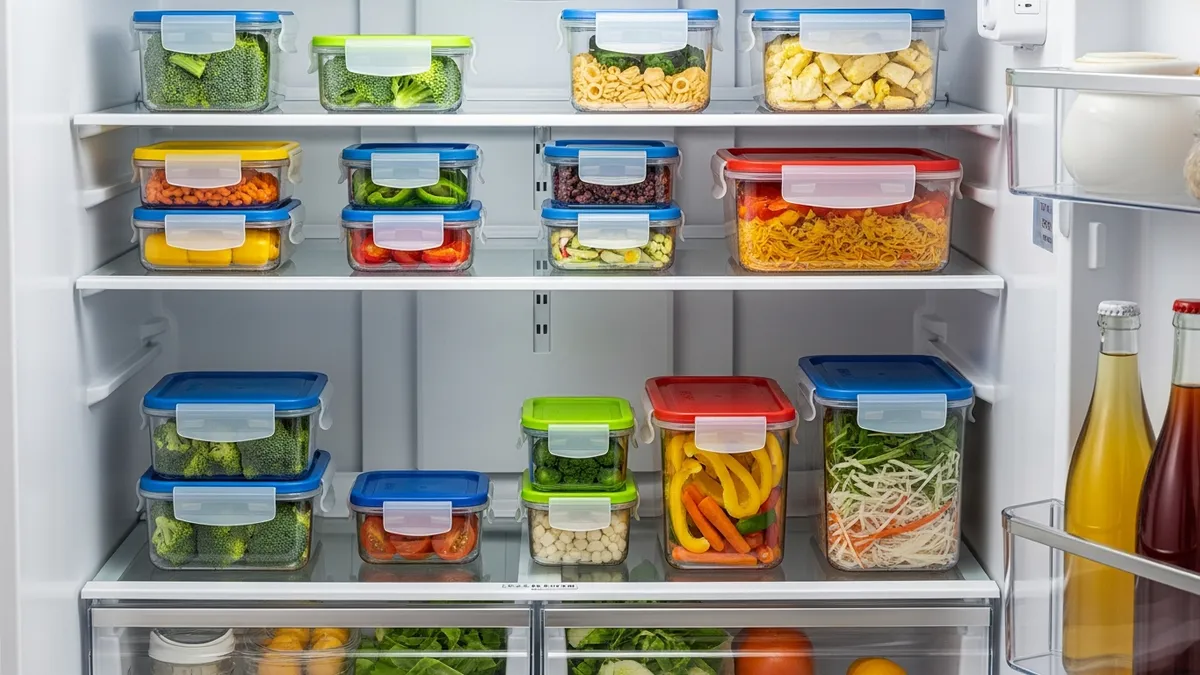
Refrigerator Storage Optimization
Maximize refrigerator efficiency with proper container placement:
- Top shelf: Leftovers and ready-to-eat items in clear containers
- Middle shelves: Dairy and eggs in appropriate containers
- Bottom shelf: Raw meat in sealed, leak-proof containers
- Crisper drawers: Produce in ventilated containers
- Door compartments: Condiments and frequently accessed items
Maintenance and Care Tips for Storage Containers
Proper maintenance extends the life of your storage containers for food and ensures optimal performance:
Regular Cleaning Routine
- Daily: Rinse containers immediately after use
- Weekly: Deep clean with warm, soapy water
- Monthly: Sanitize with diluted bleach solution (1:10 ratio)
- Quarterly: Inspect seals and replace if worn
Odor Prevention and Removal
Prevent persistent odors with these techniques:
- Baking soda paste: Mix with water for stubborn odors
- White vinegar soak: Natural deodorizer for 30 minutes
- Lemon juice treatment: Fresh citrus scent and natural cleaning
- Proper drying: Always air dry completely before storage
Seal and Gasket Care
Maintain airtight seals for optimal performance:
- Remove gaskets monthly for thorough cleaning
- Check for cracks or tears during regular use
- Replace seals every 2-3 years or as needed
- Store containers with lids slightly ajar to prevent seal compression
Smart Shopping: Budget-Friendly Storage Container Solutions
Quality storage containers for food don't have to break the budget. Here's how to shop smart in 2026:
Value-Driven Purchasing Strategies
- Start with basics: Begin with a core set of 6-8 essential containers
- Buy sets: Often 30-40% cheaper than individual pieces
- Seasonal sales: Stock up during back-to-school and New Year promotions
- Quality over quantity: Invest in durable containers that last years
Price Ranges and Expectations
Budget planning for storage containers in 2026:
- Basic plastic sets: $25 - $50 for 10-piece starter sets
- Mid-range glass: $60 - $120 for comprehensive collections
- Premium stainless steel: $100 - $200 for professional-grade options
- Specialty containers: $15 - $30 for unique features like vacuum sealing
Visit our Sesoris collections to explore curated storage solutions that fit every budget and need.
Pro tip: Calculate the cost per container and expected lifespan to determine true value. A $40 glass set lasting 10 years costs just $4 annually – less than most families spend on food waste weekly.
Environmental Impact and Sustainability
Choosing the right storage containers for food contributes to environmental conservation and sustainable living practices:
Reducing Food Waste
Proper food storage can reduce household food waste by up to 40%. This environmental benefit includes:
- Decreased landfill waste: Less food decomposition reduces methane emissions
- Resource conservation: Less food waste means fewer resources needed for production
- Packaging reduction: Bulk storage reduces single-use packaging consumption
- Transportation efficiency: Fewer grocery trips reduce carbon footprint
Sustainable Material Choices
Consider the environmental impact of your container materials:
- Glass: 100% recyclable and made from abundant natural materials
- Stainless steel: Infinitely recyclable and extremely durable
- BPA-free plastic: Choose containers made from recycled materials when possible
- Bamboo fiber: Emerging eco-friendly option for dry storage
FAQ: Frequently Asked Questions About Storage Containers for Food
Q: How long do storage containers for food typically last?
Glass and stainless steel containers can last 10-15 years with proper care, while quality BPA-free plastic containers typically last 3-5 years. The lifespan depends on usage frequency, cleaning methods, and storage conditions.
Q: Are expensive storage containers worth the investment?
Premium storage containers often provide better sealing, durability, and features that extend food freshness significantly. While the initial cost is higher, they typically offer better value over time through reduced food waste and longer lifespan.
Q: Can I use the same containers for different types of food?
Yes, but thoroughly clean containers between different food types to prevent flavor transfer and contamination. Dedicated containers for strongly flavored items like onions or spices are recommended.
Q: What size containers are most versatile for food storage?
Medium-sized containers (2-4 cup capacity) offer the most versatility for leftovers, meal prep, and moderate portions. A good starter set includes various sizes from 1 cup to 8 cups.
Q: How do I prevent containers from retaining odors?
Clean immediately after use, avoid storing highly aromatic foods long-term, use baking soda treatments for persistent odors, and ensure complete drying before storage. Glass containers are naturally more odor-resistant than plastic.
Conclusion
Investing in quality storage containers for food is one of the smartest decisions you can make for your kitchen organization and budget management in 2026. From reducing food waste by up to 40% to saving hundreds of dollars annually on groceries, the right containers transform both your cooking experience and household efficiency. Whether you choose glass for durability, plastic for convenience, or stainless steel for premium performance, the key is selecting containers that match your specific needs and lifestyle.
Start building your organized kitchen today by exploring our comprehensive selection of storage solutions at Sesoris. With our carefully curated collection of premium storage containers for food, you'll find everything needed to create a more organized, efficient, and sustainable kitchen that serves your family for years to come.
About Tim Sesoris
The Sesoris editorial team consists of experienced writers in home organization, minimalist lifestyle, and Indonesian e-commerce. We test products, review market trends, and craft guides based on in-depth research and field experience. All recommendations are curated to give you accurate, practical, and relevant information for Indonesian households.
For questions or suggestions, contact us through the Sesoris contact page.
Weekly Home Tips
Get home organization ideas, product picks, and exclusive deals delivered weekly.
No spam. Unsubscribe anytime.

Explore More Articles
- 30 Brilliant Kitchen Pantry Organization Ideas to Transform Your Food Storage in 2026
- 30+ Creative Coat Closet Organization Ideas to Transform Your Storage Space in 2026
- Aluminum Kitchen Racks: Complete Guide to Durable Kitchen Storage Solutions 2026
- 30 Smart Organization Ideas for Small Laundry Room: Transform Your Compact Space in 2026
- 25+ Small Room Laundry Room Organization Ideas That Actually Work in 2026
- 30+ Small Walk-In Closet Organization Ideas to Maximize Your Limited Space in 2026
- 35+ Small Walk-In Closet Organization Ideas to Transform Your Compact Space in 2026
- IKEA Mudroom Organization: 25+ Smart Ideas to Transform Your Entryway in 2026