
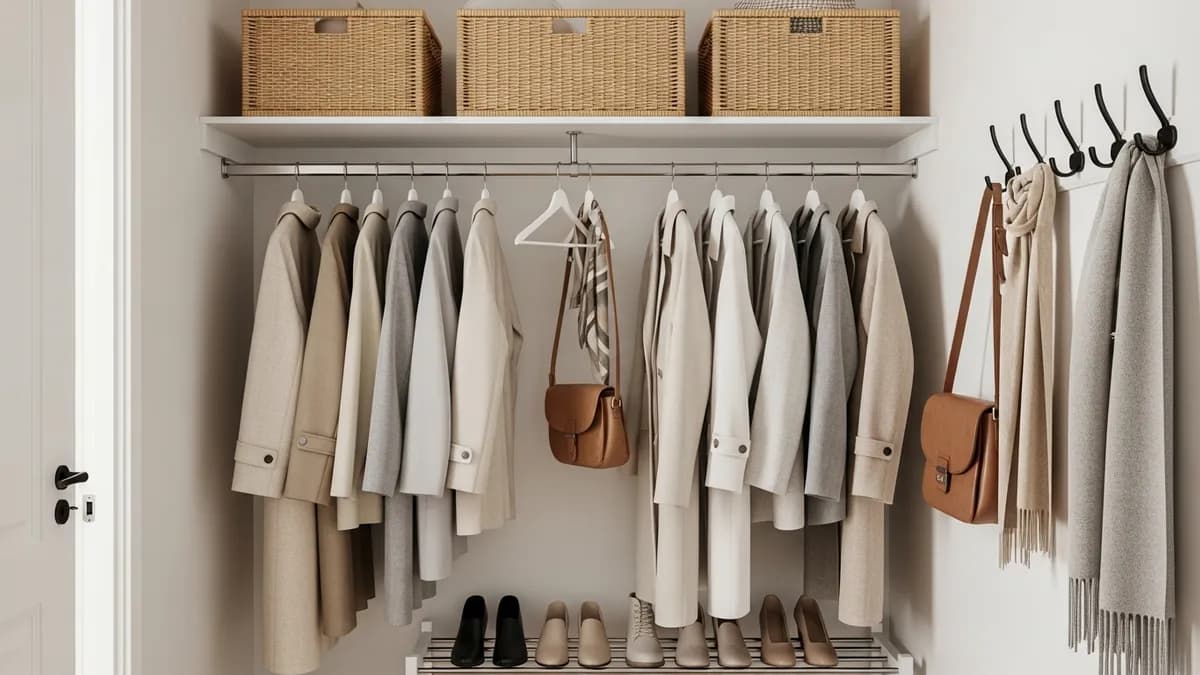
25+ Best Small Coat Closet Organization Ideas to Maximize Your Space in 2026
If you have ever stared into a cramped, overstuffed entryway closet and felt a wave of anxiety wash over you, you are definitely not alone. Small coat closet organization ideas are among the most searched home improvement topics in 2026 - and for good reason. According to The Spruce, a well-organized entryway can reduce everyday stress by up to 30%, simply because you stop wasting time hunting for coats, keys, and shoes every morning. Whether you are dealing with a shallow hall closet, a narrow wardrobe nook, or a standard-sized coat closet that somehow still feels too small, this guide is packed with practical, budget-friendly strategies to help you make every single inch count. Let's dive in!
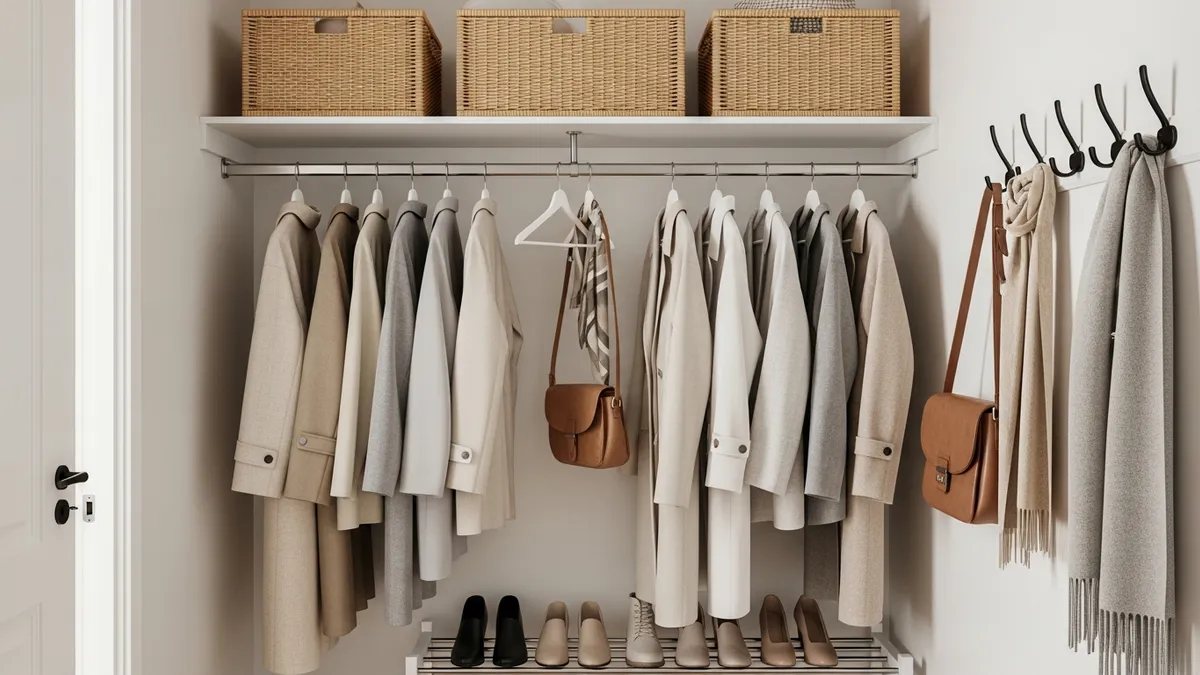
Why Small Coat Closet Organization Ideas Matter More Than Ever in 2026
Modern homes - especially apartments, condos, and compact houses - are trending smaller. According to the National Association of Home Builders, the average new home size has been shrinking since 2015, and entryway closet space is often the first casualty. In 2026, homeowners and renters alike are prioritizing smarter storage over bigger spaces, and the coat closet is a perfect starting point.
An organized coat closet does more than just look pretty. It creates a functional drop zone for the whole family, prevents clutter from spilling into your living spaces, and can even add perceived value to your home. Studies show that organized entryways can improve household efficiency by as much as 40%, saving you an average of 10 minutes per morning routine.
The best part? You do not need a massive renovation budget. Most of the small coat closet organization ideas in this guide can be implemented for under $50, and many use products you might already own. For those who want to invest in quality storage solutions, Sesoris offers a curated collection of home organization products that make the process even easier.
Step 1: Declutter Before You Organize Your Small Coat Closet
Every successful small coat closet organization project starts with one non-negotiable step: decluttering. There is absolutely no point in buying new storage products if you are simply organizing items you no longer need.
The 4-Box Decluttering Method
Grab four boxes or bags and label them: Keep, Donate, Relocate, and Trash. Pull everything out of your coat closet - yes, everything - and sort each item into one of these four categories. Be honest with yourself. If you have not worn that winter jacket in two years, it is time to let it go.
Here is a quick checklist to guide your declutter session:
- Remove any items that do not belong in a coat closet (old mail, random tools, forgotten grocery bags)
- Toss worn-out gloves, scarves, or hats with no pair
- Donate coats and jackets that no longer fit anyone in the household
- Relocate seasonal items like ski gear or rain boots to a more appropriate storage area
- Keep only what your household genuinely uses at least once per season
Pro tip: According to Good Housekeeping, the average household stores 35% more items in their coat closet than they actually need. A thorough declutter alone can free up nearly half the space.
Once you have decluttered, take measurements of your closet - height, width, and depth - before purchasing any new storage solutions. This single step will save you from buying products that do not fit.
25+ Small Coat Closet Organization Ideas That Actually Work
Now for the fun part. Here are more than 25 creative, practical, and budget-friendly small coat closet organization ideas to transform your space in 2026.
1. Switch to Slim Velvet Hangers
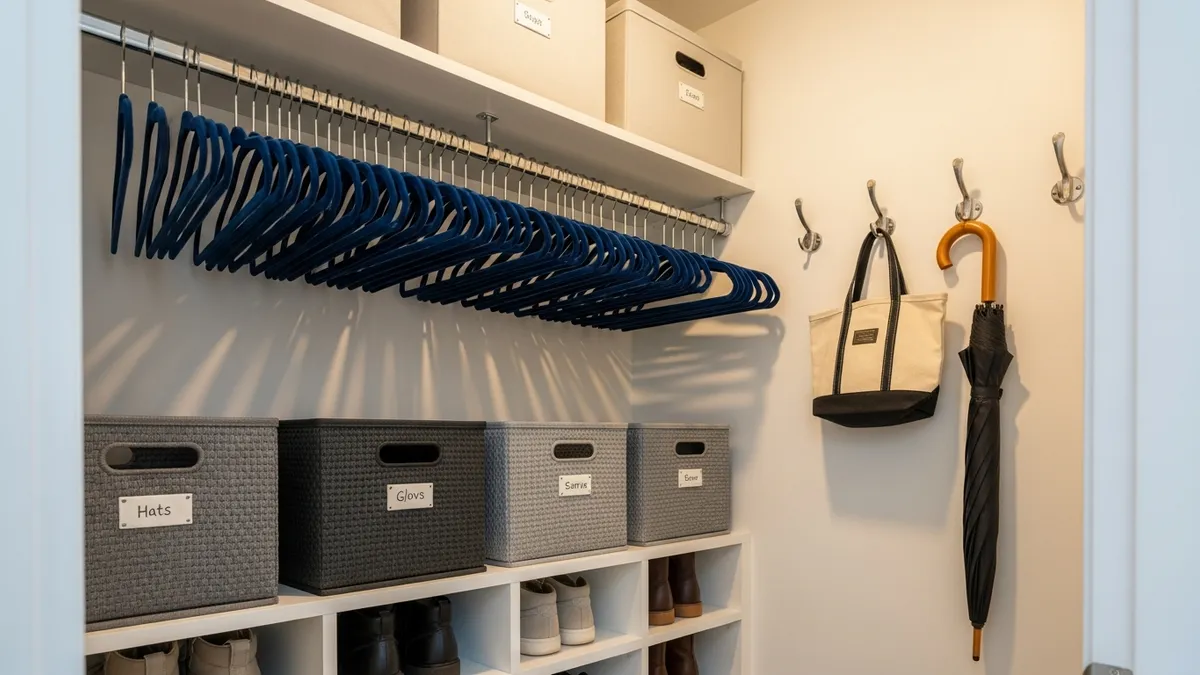
This is the single biggest game-changer for any small coat closet. Standard plastic hangers are about 2 inches wide, while slim velvet hangers are just 0.2 inches - that means you can fit 5 times more coats in the same rod space. A pack of 50 velvet hangers typically costs between $12 - $18 and can free up to 60% more hanging space instantly.
2. Install a Double Hanging Rod
If your coat closet currently has only one rod running across the top, you are leaving half your vertical space completely unused. Installing a second rod - either a fixed one or an adjustable expandable rod starting at $9.99 - creates two tiers of hanging space. Use the upper rod for coats and jackets, and the lower rod for shorter items like blazers, vests, or kids' outerwear.
3. Use the Back of the Door
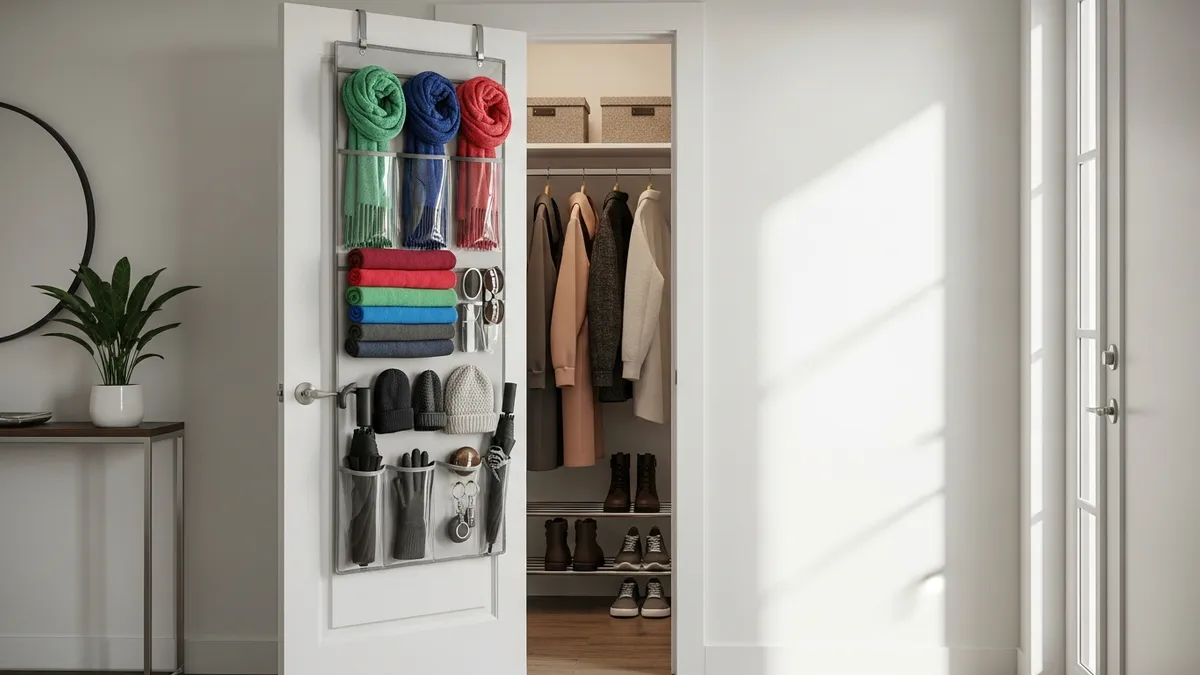
The back of your closet door is prime real estate that most people completely ignore. An over-the-door organizer with clear pockets (starting at $14.99) is perfect for storing gloves, scarves, hats, sunglasses, and small accessories. Over-the-door hook racks are great for bags, umbrellas, and dog leashes.
4. Add a Shelf Divider
If your closet has a single upper shelf, shelf dividers (around $8 - $15 per set) help you section it off and prevent the dreaded pile collapse. Dedicate one section to hats, another to folded sweaters, and another to small storage bins.
5. Incorporate Stackable Storage Bins and Baskets
Wicker baskets and stackable bins are both beautiful and functional. Use them to corral small accessories like mittens, dog walking supplies, or seasonal items. Label each basket clearly so every family member knows exactly where things belong. Check out the Best Sellers at Sesoris for affordable, stylish storage bins that fit standard closet shelves.
6. Install Wall Hooks Inside the Closet
Adding adhesive or screw-in wall hooks to the interior side walls of your coat closet creates extra hanging space for bags, umbrellas, belts, and more. A set of 6 heavy-duty adhesive hooks costs around $10 - $15 and can hold items weighing up to 10 lbs each.
7. Use a Hanging Shelf Organizer
A fabric hanging shelf organizer clips onto your existing rod and creates 3-5 additional shelving tiers below it. These are especially useful for storing folded sweaters, small bags, or shoe boxes. Most hanging organizers are priced between $15 - $25.
8. Add a Shoe Rack or Shoe Shelf at the Bottom
Floor space is often wasted in small coat closets, taken over by a jumbled pile of shoes. A tiered shoe rack (starting at $19.99) can organize 8-12 pairs of shoes in the footprint of just 2-3 pairs left on the floor. Alternatively, use clear stackable shoe boxes to keep pairs together and make them easy to identify.
9. Try a Pull-Out Drawer Unit
Narrow rolling drawer units that fit under the hanging rod can hold folded scarves, seasonal accessories, or even cleaning supplies. These units typically cost $25 - $60 and make use of otherwise wasted floor-level space.
10. Mount a Pegboard on the Side Wall
If your coat closet has a side wall, a small pegboard section can be mounted to hold hooks, small baskets, and clip-on accessories. Pegboards are incredibly versatile and allow you to reconfigure your layout as needs change.
11. Create a Kids' Zone at Lower Height
If you have children, designate the lower section of the coat closet specifically for their outerwear. Install a low hook rail at their height (around 36-42 inches from the floor) so they can independently hang and retrieve their own coats, backpacks, and hats. This reduces morning chaos significantly and teaches kids responsibility.
12. Use Clear Bins with Labels
Transparency is your best friend in a small coat closet. Clear bins allow you to see contents at a glance without rummaging, while labels tell every family member exactly where things go. A set of 6 clear storage bins starts at around $22.99 at Sesoris.
13. Hang an Umbrella Stand or Rail
Umbrellas are awkward to store and tend to fall over and create chaos. A wall-mounted umbrella rail or a small freestanding umbrella stand (starting at $15.99) keeps them upright, drip-dry, and out of the way.
14. Store Seasonal Items in Vacuum Storage Bags
Bulky winter coats and blankets can take up enormous amounts of space during warmer months. Vacuum storage bags compress items by up to 75%, letting you tuck away off-season outerwear on the upper shelf without sacrificing space needed for current-season items.
15. Add Interior Lighting
This one is often overlooked but makes a huge difference in how usable your small coat closet feels. A battery-powered LED stick light (starting at $9.99) placed on the upper shelf or ceiling makes it easy to find items quickly, especially in darker entryways.
16. Use Matching Storage Containers
Mismatched boxes and bags create visual chaos that makes even a tidy closet look messy. Invest in a matching set of storage containers in one color or material - it makes the space feel curated, calm, and twice as organized. Browse the Collections at Sesoris for coordinated storage sets.
17. Install a Floating Shelf Above the Door
If your coat closet door frame has space above it, a floating shelf can be installed to store rarely used items like extra umbrellas, seasonal hats, or decorative boxes. This is free space that almost no one uses!
18. Designate a "Drop Zone" Bin
Place one open bin or basket at eye level or on the floor specifically for items that need to be "dealt with later" - mail, receipts, or items to be returned to stores. Having a dedicated spot prevents these items from scattering throughout the house.
19. Use a Tension Rod for Cleaning Supplies
If your coat closet doubles as a cleaning supply closet, a tension rod installed at mid-height creates a spray bottle rail that keeps bottles upright and frees up shelf space for other items.
20. Mount a Small Mirror Inside the Door
A small adhesive mirror mounted on the inside of the door adds function without taking up any space. It is perfect for a quick check before heading out - and it makes the closet feel slightly larger, too.
21. Color-Code by Person or Season
Assign each family member a different colored hanger, basket, or section of the closet. Color-coding reduces the "who owns what" confusion and makes it easy to see at a glance if anyone has left their belongings out of place.
22. Add a Small Bench or Ottoman at the Bottom
If your coat closet is wide enough, a small storage ottoman or bench at the bottom (starting at $29.99) serves a dual purpose: it provides a place to sit when putting on shoes, and it offers hidden storage inside for scarves, hats, or shoe care supplies.
23. Use Bungee Cords or Dividers for Sports Gear
If your coat closet stores sports balls, helmets, or similar gear, bungee cords stretched across a corner or a DIY ball divider made from bungee cords creates a tidy corral that keeps items accessible without rolling everywhere.
24. Hang a Pocket Shoe Organizer on the Rod
A clear over-the-door pocket shoe organizer can be hung directly from the closet rod instead of the door. Use the pockets to store small accessories, sunscreen, hand sanitizer, lip balm, dog treats, or anything else you need to grab on the go.
25. Create a Dedicated Bag Station
Purses, tote bags, and backpacks are usually the biggest space hogs in a coat closet. Install a row of sturdy hooks or a hanging bag organizer specifically for bags, and train every household member to hang their bag immediately upon arriving home. This one habit alone can dramatically reduce daily clutter.
Bonus Idea: Customize with a Simple DIY Shelving System
If your budget allows a slightly larger project (around $50 - $150 in materials), installing custom floating shelves and a double rod system can completely transform a bare coat closet into a highly efficient storage hub. Many homeowners use IKEA PAX components or similar modular systems to customize their coat closets without the cost of a professional build.
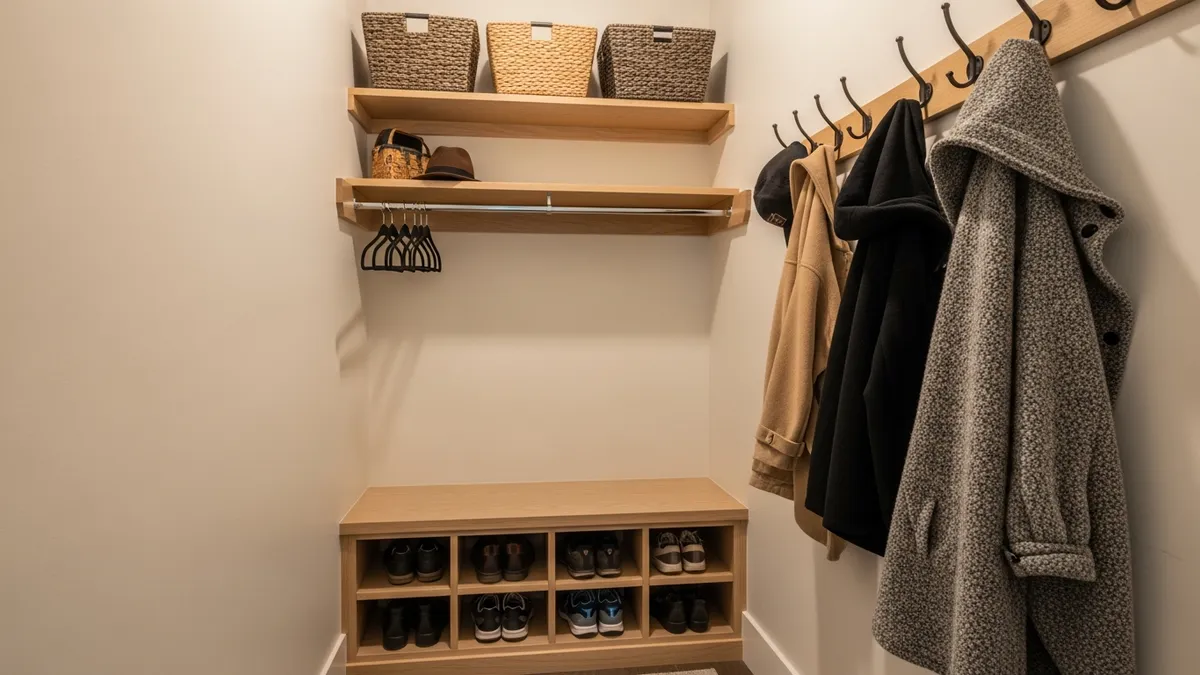
Best Products for Small Coat Closet Organization in 2026
Knowing which products to buy can be overwhelming with so many options on the market. Here is a curated list of the most impactful small coat closet organization products available in 2026, along with estimated price ranges:
- Slim velvet hangers (50-pack) - $12 - $18 | The single best investment for any coat closet
- Over-the-door pocket organizer - $14.99 - $24.99 | Perfect for accessories and small items
- Expandable hanging rod - $9.99 - $29.99 | Creates double the hanging space instantly
- Stackable clear bins with lids - $22.99 - $39.99 per set | Visible, labeled storage for shelves
- Wicker storage baskets (set of 3) - $19.99 - $35.99 | Stylish and functional for shelves
- Tiered shoe rack - $19.99 - $49.99 | Organizes 8-12 pairs in minimal floor space
- Adhesive wall hooks (6-pack) - $10 - $15 | Great for bags, umbrellas, and accessories
- LED stick light - $9.99 - $19.99 | Essential for dark closets
- Vacuum storage bags (4-pack) - $14.99 - $24.99 | Compress bulky seasonal items by up to 75%
- Shelf dividers (set of 4) - $8 - $15 | Prevents shelf pile collapse
You can find many of these products and more in the New Arrivals at Sesoris, where new home organization products are added regularly throughout 2026.
How to Maintain Your Organized Small Coat Closet Long-Term
Getting your coat closet organized is only half the battle. The real challenge is keeping it that way - especially in a busy household. Here are some simple habits to maintain your newly organized space:
The "One In, One Out" Rule
Every time a new coat, bag, or accessory enters the closet, an old one must leave. This prevents gradual re-accumulation of clutter over time and keeps your closet at maximum capacity without overflowing.
Seasonal Reset (Twice a Year)
Schedule a coat closet reset at the start of each major season - typically spring and fall. Swap out seasonal items, assess what needs to be donated or discarded, and reorganize as needed. A seasonal reset takes only 30-60 minutes but keeps your closet functional year-round.
The "Immediate Return" Policy
Every item that comes out of the coat closet should be returned to its designated spot immediately after use. This sounds simple, but it is the most powerful habit for maintaining long-term organization. Real Simple notes that homes with designated "homes" for every item spend 40% less time tidying up overall.
Weekly 5-Minute Tidy
Set aside just 5 minutes once a week to do a quick scan of the coat closet. Put stray items back in their places, straighten hangers, and ensure labels are still accurate. This micro-habit prevents small messes from becoming overwhelming.
For more inspiration on maintaining an organized home beyond just your coat closet, explore our Entryway Organization Guide and our Home Decluttering Tips.
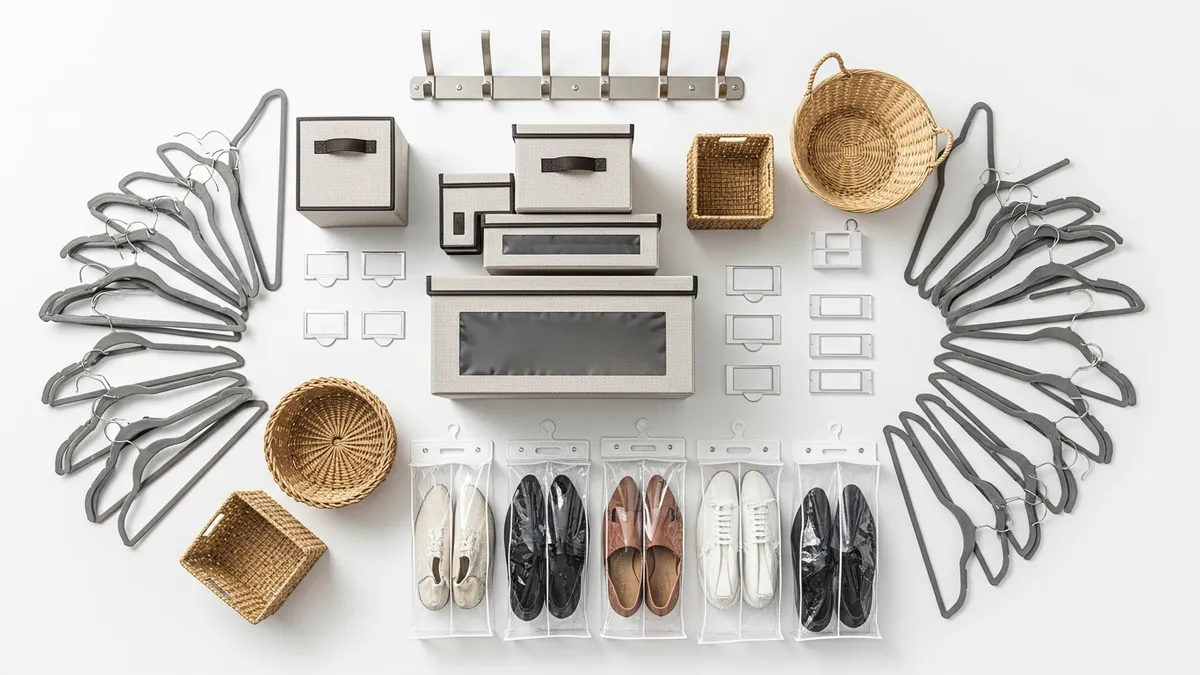
Small Coat Closet Organization Ideas for Different Home Types
Not all coat closets are the same. Here is how to adapt these ideas based on your specific living situation:
For Apartments and Rentals
Stick to damage-free solutions: adhesive hooks (rated for the weight you need), tension rods, over-the-door organizers, and freestanding shoe racks. These require zero drilling and leave no damage when you move out. Budget of $30 - $60 can transform most apartment coat closets dramatically.
For Family Homes with Kids
Prioritize accessibility and simplicity. Lower hooks at kid height, open bins with picture labels (great for young children who cannot yet read), and a "done for you" system where everything has a very obvious place. Avoid complicated systems that require adult supervision to maintain.
For Minimalist Households
Less is more. A single rod with matching slim hangers, one or two labeled bins, and a simple hook rail is all you need. Focus on quality over quantity, and resist the urge to buy more storage than you actually require.
For Small Spaces Under 24 Inches Wide
Ultra-narrow coat closets require specialized thinking. Use every vertical inch with floor-to-ceiling shelving, skip the hanging rod in favor of hooks (which are more space-efficient), and keep the floor clear for a small rolling cart or slim shoe rack. For more ideas tailored to tiny closets, see our article on Organization Ideas for Small Closets.
FAQ: Frequently Asked Questions About Small Coat Closet Organization Ideas
Q: What is the most effective small coat closet organization idea for a very tight budget?
The single most impactful free change is decluttering - removing everything you do not need immediately frees up space without spending a cent. After that, the best low-cost investment is a pack of slim velvet hangers ($12 - $18), which can instantly free up 50-60% more hanging space. Combine those two steps and you will be amazed at the transformation.
Q: How do I organize a coat closet that has no shelving?
Start by installing a simple shelf kit from a hardware store (most come in at under $30 for a basic set) or use a freestanding shelving unit that fits the closet dimensions. Alternatively, use hanging fabric shelf organizers that attach to the rod to create tiers of storage without any installation required.
Q: How can I make a small coat closet look bigger?
Paint the interior walls white or a very light neutral color to reflect light and create a sense of depth. Add interior LED lighting. Use matching, coordinated storage containers instead of mismatched ones. Keep the floor as clear as possible - a clutter-free floor visually expands a small space significantly.
Q: Should I use open or closed storage in a small coat closet?
A mix of both works best. Open hooks and rods make frequently used items like coats and bags easy to grab. Closed bins and baskets are better for smaller accessories and seasonal items, hiding visual clutter and keeping things tidy. If the closet is visible from a main living area, lean more toward closed storage for a neater appearance.
Q: What is the best way to organize a coat closet shared by multiple family members?
Assign each family member their own clearly defined zone - a dedicated section of the rod, a specific colored bin, or a labeled basket. Color-coding by person is particularly effective for families with children. When everyone knows exactly where their things belong, the system maintains itself much more easily.
Q: How often should I reorganize my coat closet?
A full reorganization twice a year (spring and fall seasonal transitions) is ideal. A quick weekly 5-minute tidy and a monthly check to return stray items will keep the system running smoothly between those larger sessions.
Conclusion: Transform Your Entryway with These Small Coat Closet Organization Ideas
A small coat closet does not have to be a source of daily frustration. With the right small coat closet organization ideas - from switching to slim velvet hangers and adding a double rod, to using over-the-door organizers and clear labeled bins - even the most cramped closet can be transformed into a fully functional, stress-free storage hub. The key is to start with a thorough declutter, measure your space carefully, and invest in a few high-impact products that address your specific needs.
In 2026, the trend is clear: smarter storage beats bigger storage every single time. You do not need a walk-in wardrobe or a complete home renovation to enjoy an organized, welcoming entryway. You just need the right approach - and the right products.
Ready to get started? Explore our full range of home organization solutions at Sesoris and find everything you need to bring these small coat closet organization ideas to life. From stackable bins and stylish baskets to hooks, racks, and more, we have got you covered. Organize Your Life with Ease - starting today!
Modular helpers like Foldable Storage Bins and the Multi-Purpose Storage Pouch make most of these closet ideas practical on day one.
Weekly Home Tips
Get home organization ideas, product picks, and exclusive deals delivered weekly.
No spam. Unsubscribe anytime.

Explore More Articles
- Stackable Plastic Spice Rack: Ideas for a Tidy Kitchen
- Multipurpose Kitchen Rack: The Complete Buying Guide
- 30+ Best Closet Organization Ideas for Nursery: Create the Perfect Baby Storage Space in 2026
- Wall-Mounted Spice Rack: Complete Review & Buying Guide 2026
- Meal Prep Containers for Beginners: Safe and Simple
- 25+ Best Entryway Organization Ideas to Transform Your Home's First Impression in 2026
- Complete Guide to Closet Organization: Transform Your Wardrobe in 2026
- Entryway Closet Organization: 25+ Smart Ideas to Transform Your Home's First Impression in 2026