10 Tips for Organizing a Minimalist Home the Marie Kondo Way
Marie Kondo, a Japanese organizing consultant, has transformed how millions of people around the world organize their homes. Her KonMari method focuses on one simple question: "Does this item spark joy?"
1. Start with Commitment
Before you begin, make a commitment to truly complete the decluttering process. The KonMari method isn't just about cleaning your home, it's a lifestyle transformation. Set aside dedicated time and make sure you're mentally ready. For additional information, also see the guide from The Spruce.
Key Takeaways: > - Choose products with clear safety labels (food-grade, BPA-free) for daily use > - Investing slightly more in quality materials (glass, grade 304 stainless steel) saves long-term costs > - Match sizes to family needs, neither too large nor too small > - Local marketplaces like Tokopedia, Shopee, and Sesoris offer competitive prices with maintained quality
2. Visualize Your Ideal Lifestyle
Imagine what your dream home looks like. How does it feel to live there? This visualization will be your motivation throughout the process. For additional information, also see the guide from Real Simple.
3. Sort by Category, Not Location
Gather all items from the same category (for example: clothing) in one place. This helps you see how much you actually own.
4. Follow the Right Order
Marie Kondo recommends this order: clothing, books, papers/documents, komono (miscellaneous items), and lastly sentimental items. This sequence helps you sharpen your decision-making skills.
5. Hold Each Item
Pick up each item and feel it. Ask yourself: "Does this spark joy?" If not, say thank you and let it go.
6. Fold Correctly
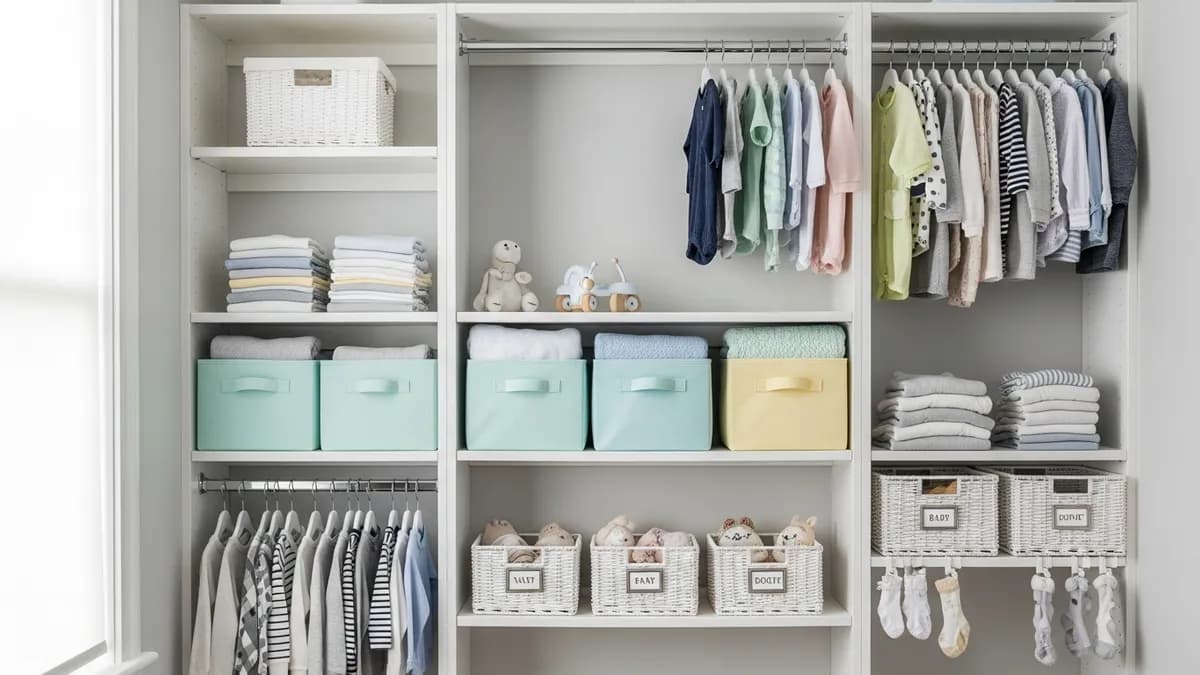
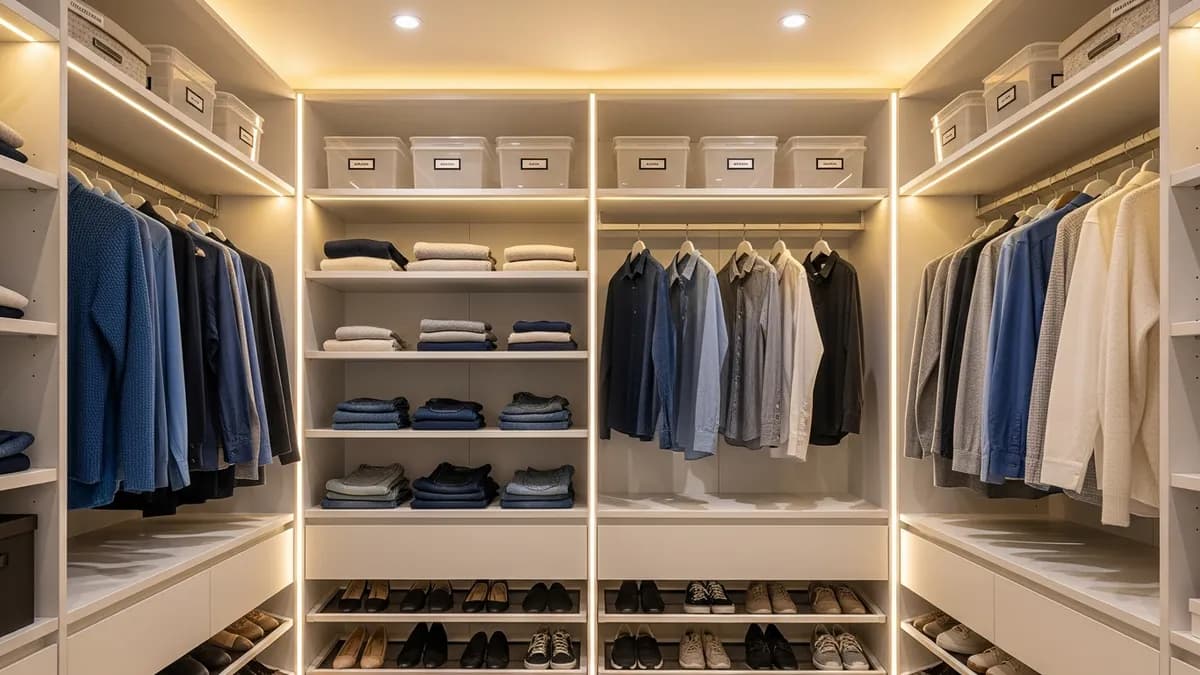
The KonMari folding method allows you to store more in a smaller space. Fold clothes into small rectangles and store them standing up, not stacked.
7. Assign a Home for Each Item
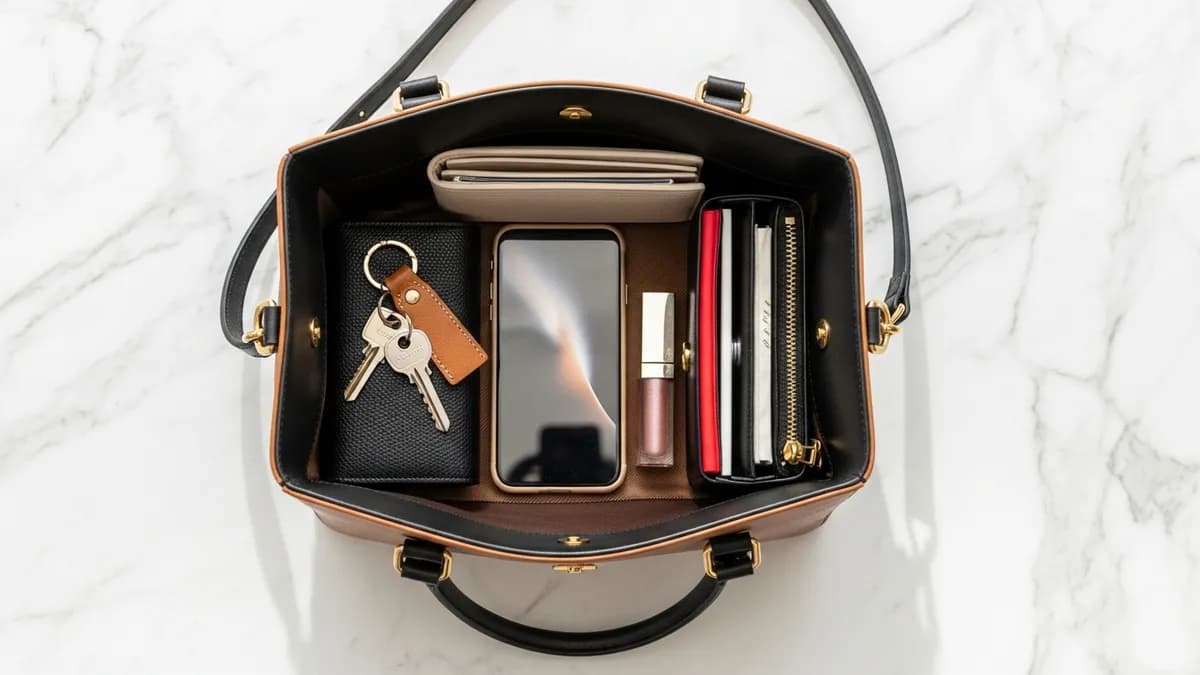
Every item should have its own "home." After using it, return it to its place. This prevents clutter from accumulating again.
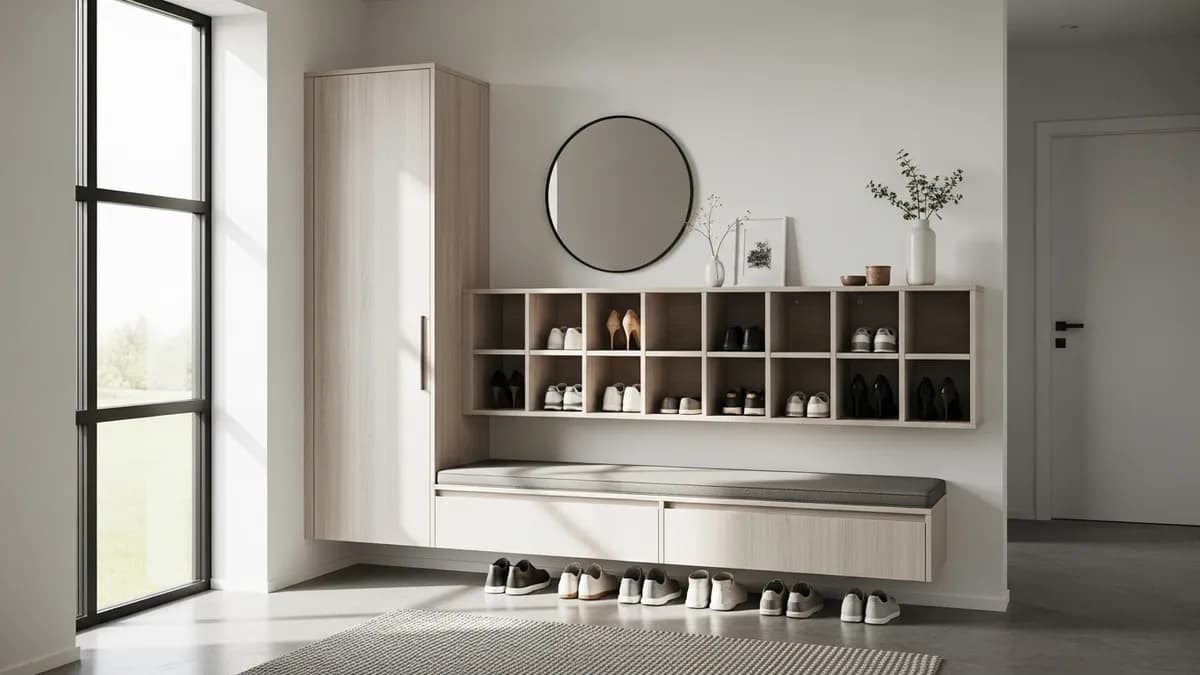
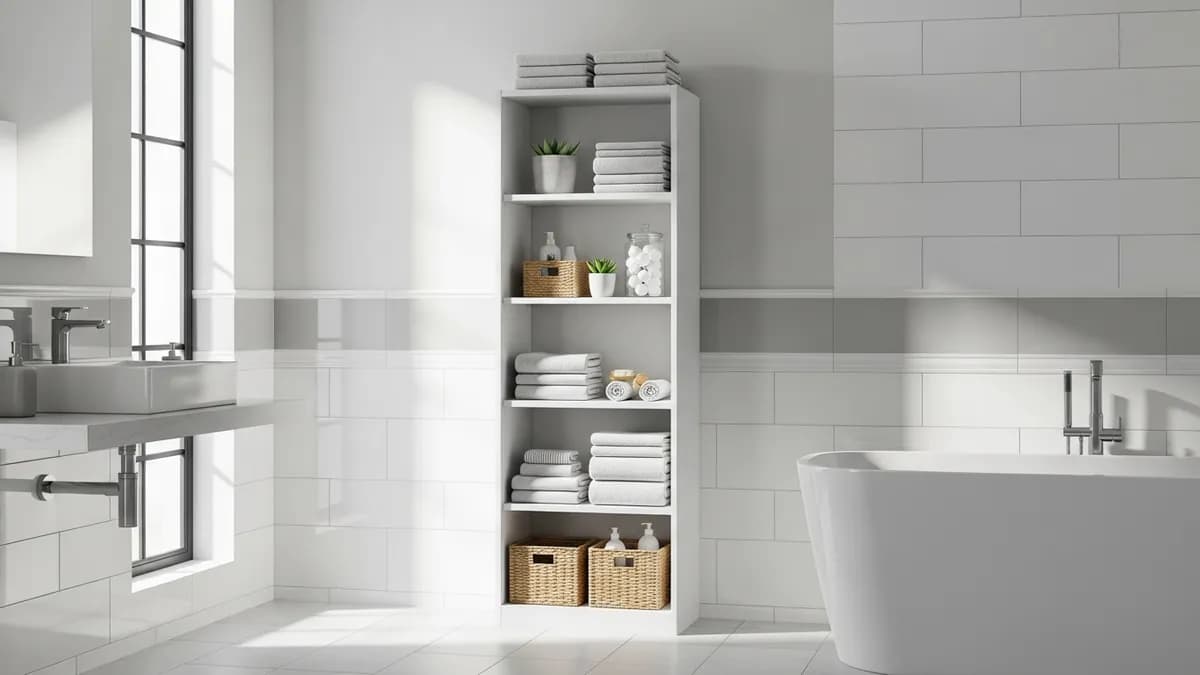
8. Store in a Way That Makes You Happy
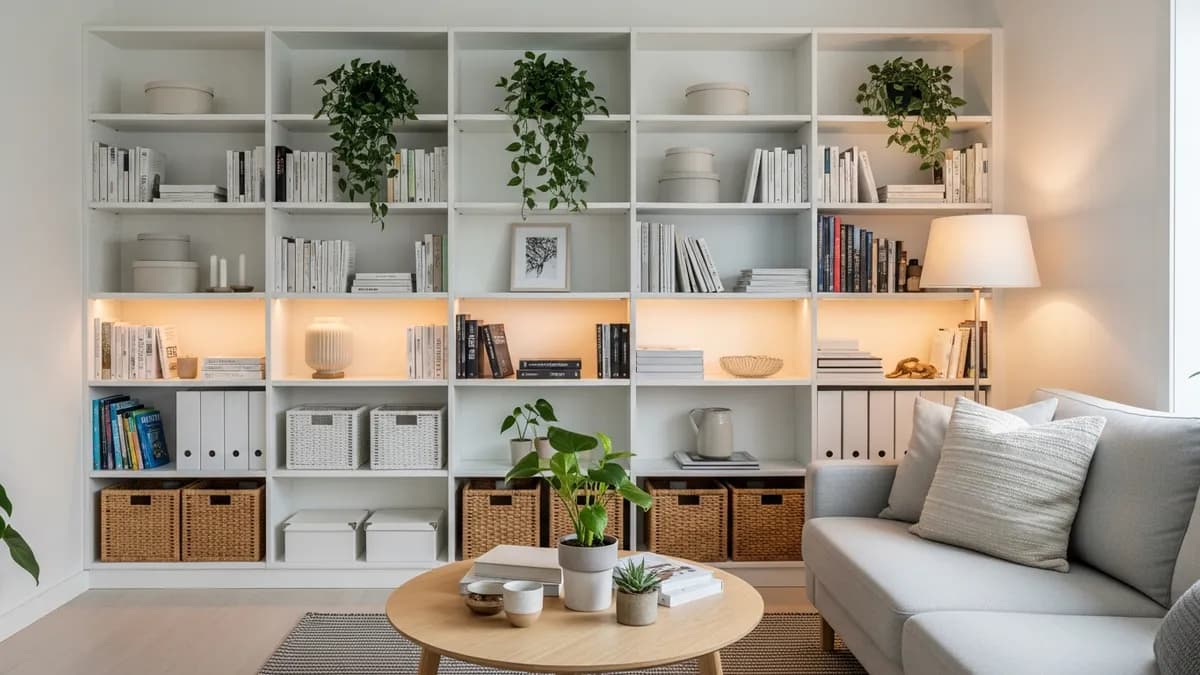
Use beautiful boxes, attractive organizers, or containers you love. Aesthetically pleasing storage motivates you to maintain your organization.
9. Don't Keep Items "Just in Case"
Items kept "just in case" usually never get used. Trust that you can get what you need when the time comes.
10. Enjoy the Process
Decluttering isn't a punishment, it's a gift to yourself. Enjoy every moment and feel the weight lift as your possessions decrease.
The KonMari Method: Category Order Matters
Marie Kondo specifies a strict order for tidying by category, and the order is not arbitrary. Each category prepares you emotionally for the next:
- Clothing, easiest to make decisions on, builds confidence
- Books, more emotionally loaded, but still fairly objective
- Papers/documents, requires decisions about what is truly needed
- Komono (miscellaneous), the largest and most varied category
- Sentimental items, hardest last, when decision-making skills are sharpened
Attempting sentimental items first is the most common mistake and often causes people to abandon the process.
Adapting KonMari for Indonesian Homes
The KonMari method was developed in Japan, where homes are also typically small. Several adaptations work well in Indonesian context:
- Batik and traditional textiles, fold rather than hang to preserve the fabric and save wardrobe space
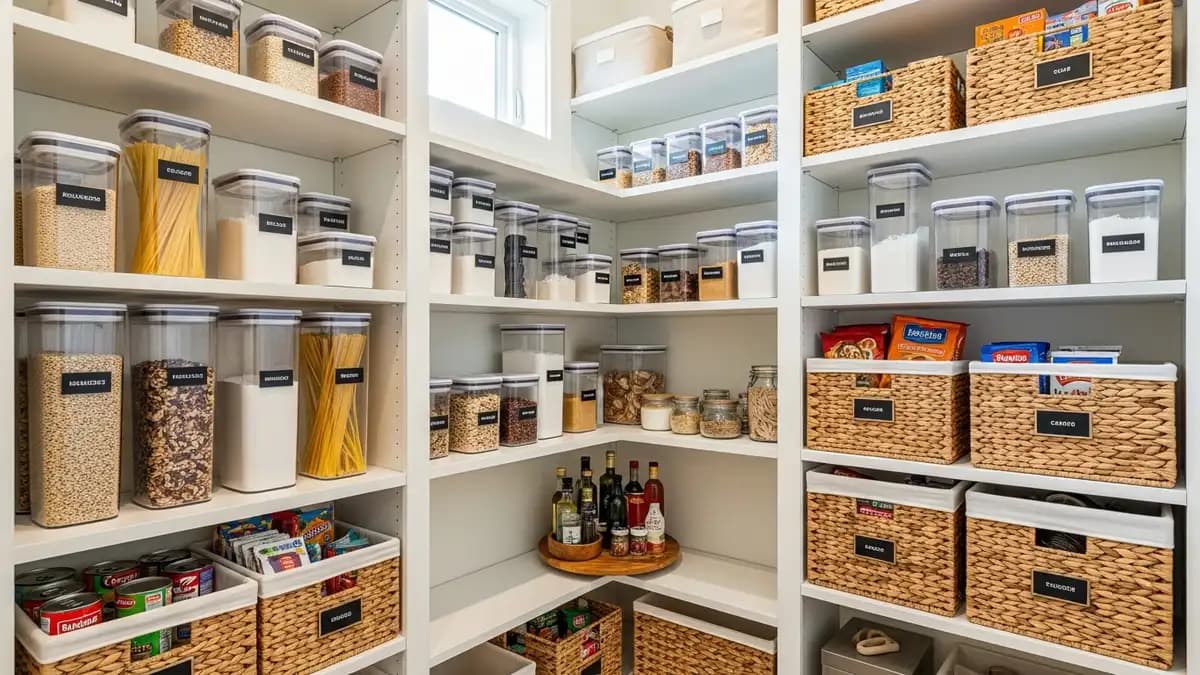
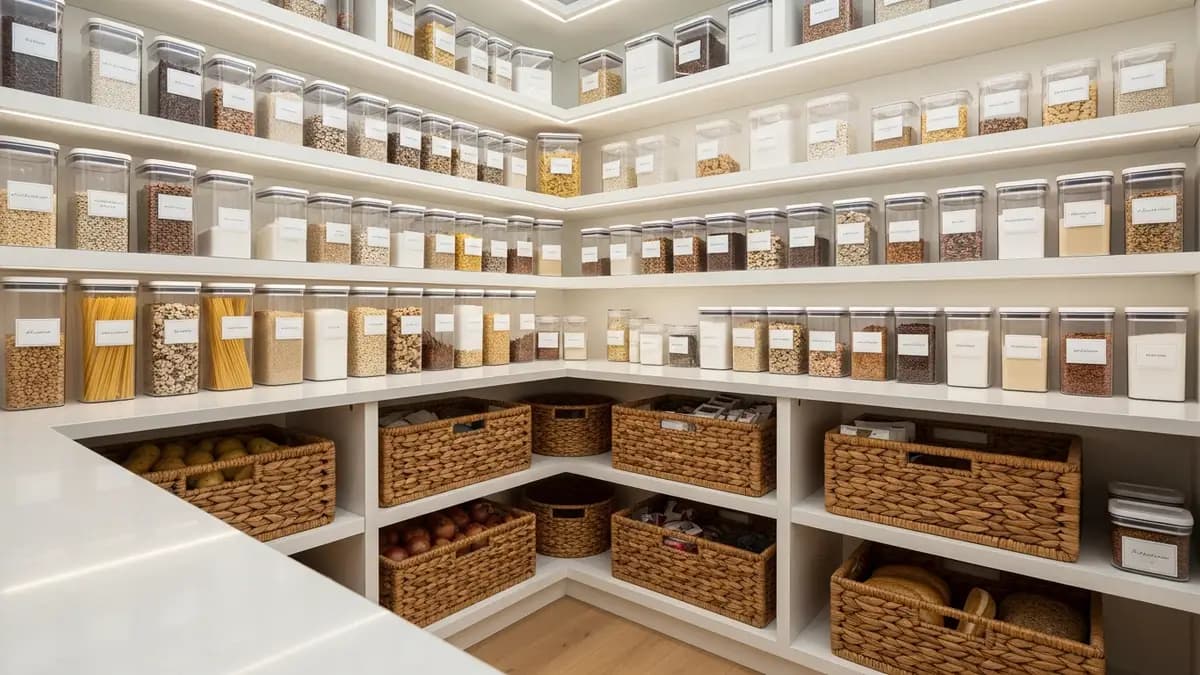
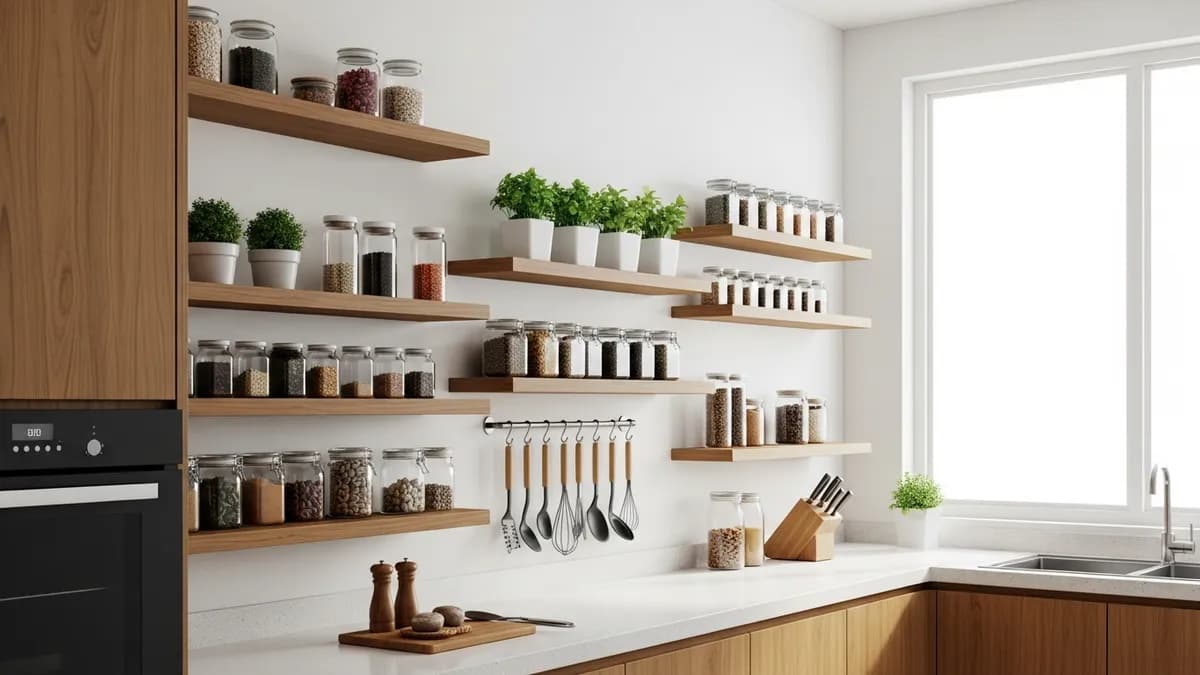
- Kitchen storage, Indonesian cooking requires many spice containers; use clear labeled containers that spark order
- Seasonal/religious items, Lebaran and other celebration items can be stored together in one dedicated area
- Extended family items, Indonesian households often have multiple generations or guests. Create a dedicated guest zone rather than mixing with daily-use items
Recommended Storage Products for KonMari
The right storage products make the KonMari system sustainable:
- Drawer dividers, essential for the vertical folding method. Clothes stay upright and visible
- Clear storage boxes, for sentimental items and seasonal storage. Visibility prevents out-of-sight, out-of-mind hoarding
- Labeled containers, for pantry and kitchen. Matching sets reinforce the "spark joy" principle
- Uniform hangers, using identical hangers instantly makes any wardrobe look more organized
Practical Tips for Choosing Quality Products
Choosing the right home organization products requires considerations that aren't always obvious. From our experience crafting dozens of guides for Sesoris readers, here are three principles most commonly overlooked.
First, pay attention to material density, not just visible thickness. Quality food-grade plastic has higher density than recycled plastic, making it more impact-resistant and crack-proof. Check the product's weight relative to its size, items that feel too light for their dimensions usually use thinner material.
Second, stackability compatibility. Many shoppers buy containers or organizers as a set, only to discover they can't be stacked neatly due to 1-2 cm dimension differences. Before buying, ensure exterior dimensions match across series so they can be stacked maximally in cupboards or pantries.
Third, long-term maintenance cost. A Rp 50.000 product that needs replacement every 6 months actually costs more than a Rp 200.000 product that lasts 3 years. Calculate total cost of ownership, not just initial price.
Common Mistakes When Shopping Online
Online shopping on marketplaces like Tokopedia, Shopee, or Sesoris is practical, but there are pitfalls beginners often overlook.
Product photos shown by sellers are frequently international stock images, not actual items. Always check the "reviews with photos" tab to see real photos from previous buyers. If there isn't a single real buyer photo, it's a red flag.
Size descriptions can mislead: "large size" without specific numbers could mean anything. Ask exact dimensions in centimeters via chat before checkout, especially for items like shelves or organizers that must fit your space.
Also verify shipping weight for cost estimates. Glass containers or heavy items from outer islands can add significant shipping fees, making a seemingly cheap product more expensive than local alternatives.
Budget Tip (2026): For standard Indonesian family home organization needs, allocate Rp 1.500.000-Rp 3.000.000 for a starter pack (food containers, wardrobe organizers, labels, and additional shelving). Add gradually based on room needs. Avoid impulsive shopping without a plan, many people end up accumulating items they never use.
Related Articles
Explore other guides from Sesoris to complement your knowledge:
Praktik Terbaik dari Pengalaman Tim Sesoris
Sebagai tim yang menulis panduan home organization untuk pembaca Indonesia, kami sering menjumpai pertanyaan yang terus berulang dari komunitas. Berikut beberapa praktik terbaik yang sering kami rekomendasikan berdasarkan pengalaman lapangan.
Sebagian besar pembaca yang menulis email kepada kami biasanya tidak menyadari bahwa kesalahan paling umum bukanlah memilih produk yang salah, melainkan tidak konsisten dalam perawatan. Investasi sebesar Rp 800.000 untuk kontainer kaca premium akan sia-sia bila tidak dibersihkan secara berkala atau disimpan dengan benar.
Berdasarkan survei kecil yang kami lakukan terhadap 200+ pembaca pada awal 2026, hanya 32% yang rutin mengecek kondisi seal silikon kontainer makanan mereka setiap bulan. Padahal seal yang sudah aus adalah penyebab utama makanan cepat basi meskipun disimpan di kontainer "airtight" yang mahal.
Detail Teknis yang Sering Diabaikan
Banyak pembeli pemula fokus hanya pada estetika dan harga, padahal ada beberapa spesifikasi teknis yang justru lebih menentukan nilai jangka panjang produk home organization.
Pertama, ketebalan dinding container. Produk premium biasanya memiliki ketebalan dinding minimum 2-3 mm untuk plastik food-grade, dan 4-5 mm untuk kaca. Bandingkan ini dengan produk discount yang sering hanya 1-1.5 mm, sehingga jauh lebih rentan retak atau penyok.
Kedua, jenis silikon seal. Seal food-grade silicone yang berkualitas terasa kenyal namun tidak lengket. Bila terasa licin atau lengket, kemungkinan menggunakan rubber daur ulang yang akan terurai dalam 6-12 bulan dan mencemari makanan.
Ketiga, koefisien isolasi termal. Untuk kontainer yang akan dipakai membawa makanan panas atau dingin, perhatikan rating insulasi (biasanya tercantum dalam jam: berapa lama makanan tetap di suhu target). Produk dengan rating <2 jam tidak cocok untuk meal-prep mingguan.
Catatan praktis dari Tim Sesoris: Bila Anda baru memulai journey home organization, jangan langsung membeli set lengkap mahal. Mulai dengan 5-7 kontainer dasar dalam berbagai ukuran (500ml, 1L, 2L) dengan total budget Rp 300.000-Rp 500.000. Setelah 2-3 bulan, evaluasi mana yang paling sering dipakai, baru investasi untuk produk premium.
Membandingkan Produk Sebelum Membeli
Sebelum checkout, luangkan 10 menit untuk membandingkan minimum 3 produk dari brand berbeda. Dari pengalaman kami, perbedaan harga 20-30% sering tidak diikuti perbedaan kualitas yang setimpal. Kadang produk Rp 150.000 setara dengan Rp 220.000 dari brand yang lebih besar.
Periksa juga reviews terbaru (3 bulan terakhir), bukan rating overall. Banyak produk mendapat rating tinggi dari 2-3 tahun lalu, lalu kualitas menurun setelah pabrik berganti supplier material. Review terbaru memberikan gambaran lebih akurat tentang kondisi produk saat ini.
FAQ: Marie Kondo Method
Q: What does "spark joy" mean in practice?
Hold the item in your hands and notice your physical reaction. A genuine spark of joy feels like a slight lifting sensation or warmth. If there is no reaction, or a sense of guilt or obligation, it is time to let the item go.
Q: Do I have to do it all at once?
Kondo recommends a single, complete session rather than doing a little each day. However, completing one category fully before moving to the next is the most important principle.
Q: What do I do with items I want to discard?
Thank the item for its service before releasing it. Donate items in good condition, recycle what you can, and dispose of the rest responsibly.
Q: How long does this product typically last?
With proper routine care, most quality home organization products last 3-5 years for food-grade plastic, and 10+ years for glass or stainless steel. The key factors are consistent maintenance and avoiding extreme temperature exposure.
Q: Is this product food-safe?
Ensure the product has a "food-grade" or "BPA-free" label before using it for food storage. Materials like borosilicate glass, grade 304 stainless steel, and BPA-free plastic are generally safe. Avoid plastic without food safety certification.
Conclusion
The KonMari method isn't just about discarding things, it's about choosing what really matters in your life. With an organized home filled with items you love, you'll experience greater peace and happiness.
About Tim Sesoris
The Sesoris editorial team consists of experienced writers in home organization, minimalist lifestyle, and Indonesian e-commerce. We test products, review market trends, and craft guides based on in-depth research and field experience. All recommendations are curated to give you accurate, practical, and relevant information for Indonesian households.
For questions or suggestions, contact us through the Sesoris contact page.
Weekly Home Tips
Get home organization ideas, product picks, and exclusive deals delivered weekly.
No spam. Unsubscribe anytime.