Quality Products, Free Shipping & Easy Returns!
Sesoris
My AccountTrack Order
BlogLifestyle
Creating a Productive Home Office: Lifestyle Guide 2026
Lifestyle

Creating a Productive Home Office: Lifestyle Guide 2026

March 11, 2026
8 min read read
DP
Dian Pratama
Home & Living Writer

2026 marks a new era in creating a productive home office, where more Indonesian professionals are choosing to work from home. According to Katadata data, 65% of Indonesian workers now spend at least 3 working days from home each week. However, creating a truly productive home workspace requires more than just placing a laptop on the dining table.

Productivity in a home office can increase by up to 50% with proper space arrangement and structured lifestyle. The main key lies in systematic organization, selecting ergonomic furniture, and creating a work atmosphere that separates personal and professional spaces.

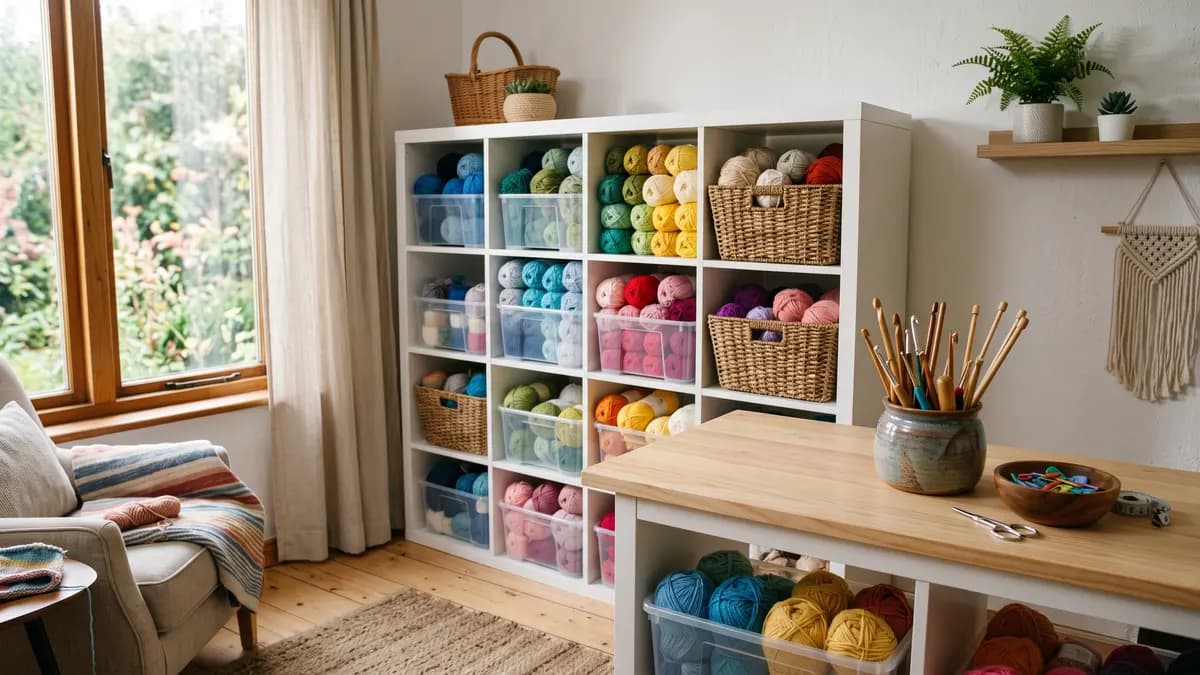
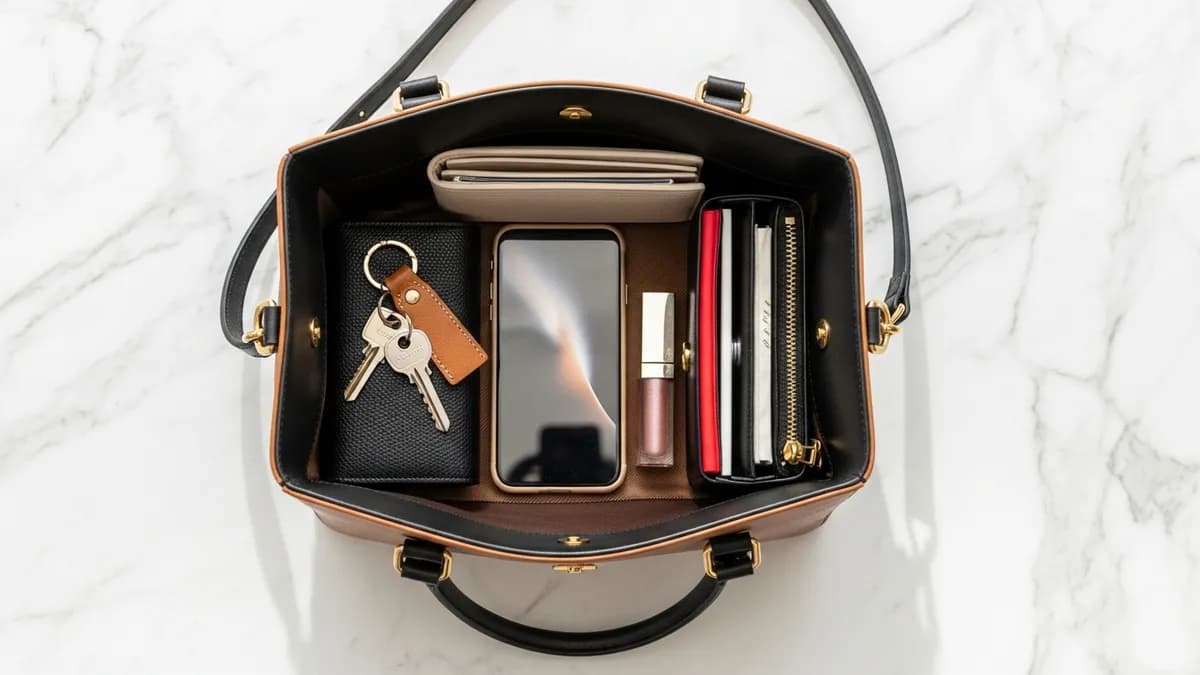
Modern home office workspace with neat arrangement and organized storage solutions

Understanding the Concept of a Productive Home Office in 2026

A productive home office isn't just about having a work space at home, but creating a lifestyle ecosystem that supports optimal performance. In 2026, this concept has evolved into a holistic approach combining physical, mental, and technological aspects.

Research from Harvard Business Review shows that workers with organized home offices experience up to 40% increased focus compared to those working in cluttered spaces. This proves the importance of home organization in creating long-term productivity.

Characteristics of a Productive Home Office

  • Clearly defined work zones - A dedicated area separated from household activities
  • Efficient storage systems - Documents and work equipment neatly organized and easily accessible
  • Proper ergonomics - Desk, chair, and lighting that support body health
  • Minimized distractions - Environmental arrangement that reduces external interruptions
  • Integrated technology - Devices and applications that support your workflow

Initial investment for creating a quality home office in Indonesia ranges from $300-$900, depending on scale and specific needs. However, the ROI from increased productivity can be felt within the first 3-6 months.

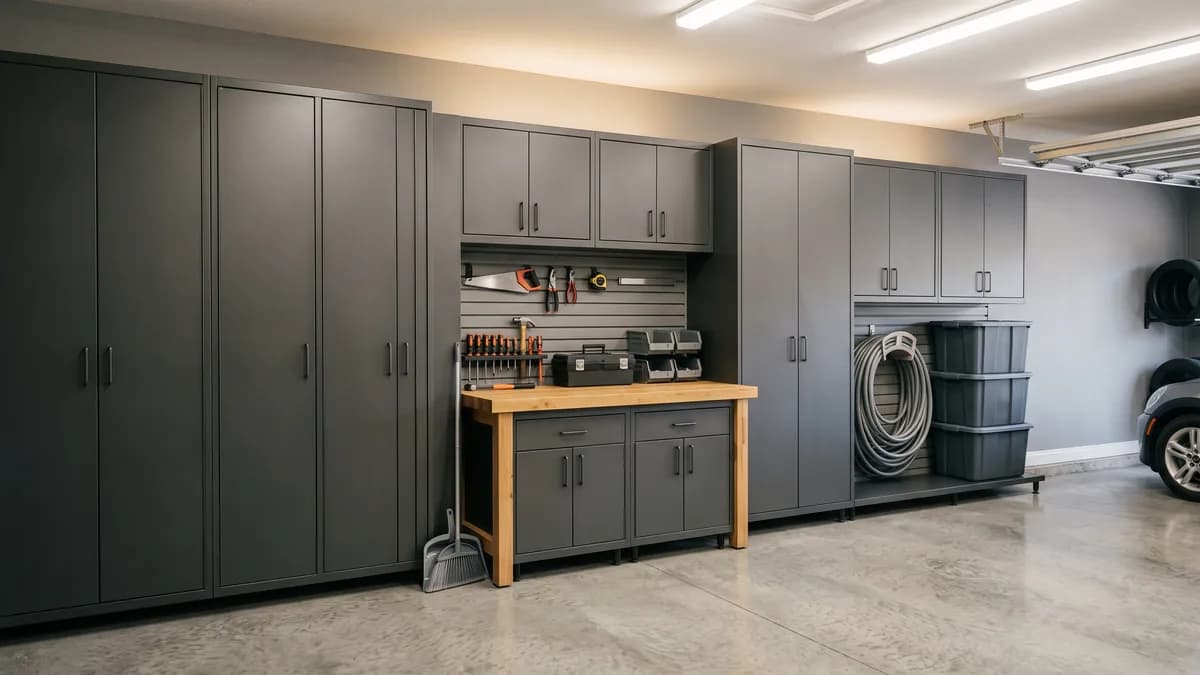
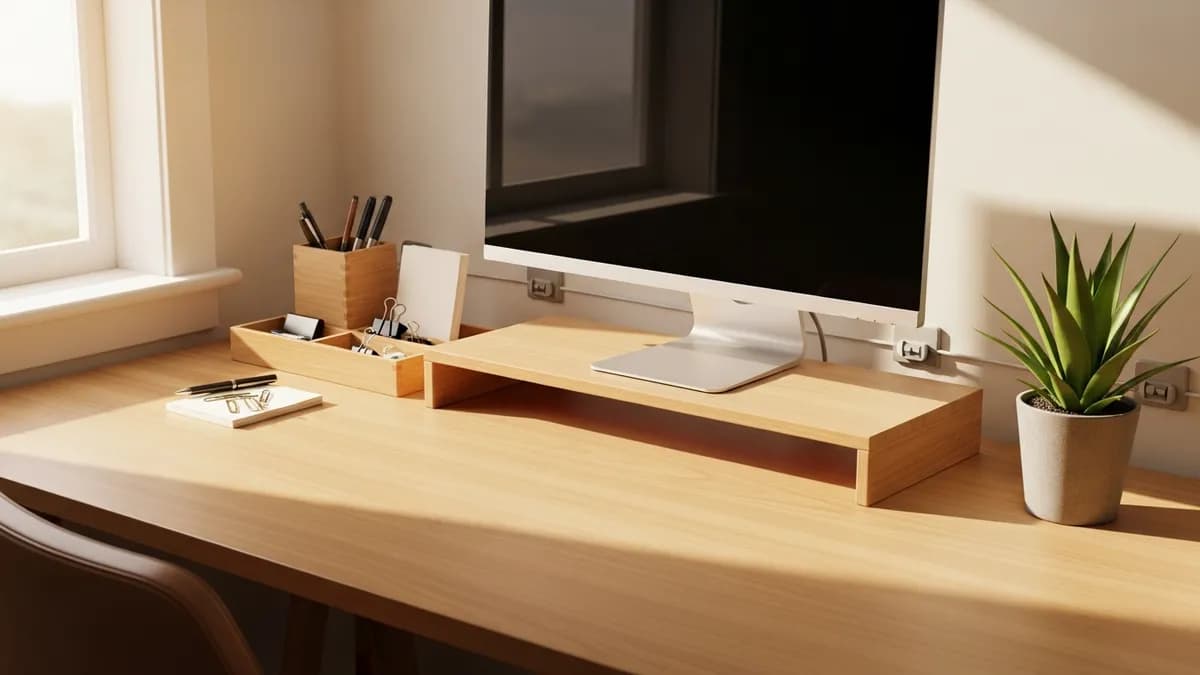
Organized work desk with various organizers and document storage systems

Organization Strategies for an Effective Home Office

Organization is the foundation of a productive home office. Without a structured system, even a workspace with cutting-edge technology will lose its effectiveness. Let's discuss organization strategies proven to increase productivity by up to 60%.

Digital and Physical Document Storage Systems

In 2026, an effective home office harmoniously combines digital and physical storage. For physical documents that are still needed, use a filing cabinet system with clear categories: Urgent, Action Required, Reference, and Archive.

Tips for physical document storage:

    1
  1. Use colored folders - Red for urgent, yellow for action required, green for reference
  2. 2
  3. Consistent labeling - Same naming system for all documents
  4. 3
  5. Regular review - Audit documents every 3 months to prevent accumulation
  6. 4
  7. Gradual digitization - Scan important documents for digital backup

For digital storage, apply the 3-2-1 method: 3 document copies, 2 different storage media, 1 cloud backup. Platforms like Google Drive or OneDrive can be integrated with your physical filing system for maximum accessibility.

Cable and Electronic Device Management

Cable clutter can reduce productivity by up to 25% by creating visual stress and maintenance difficulties. Invest in quality cable management solutions starting from $9 for a complete set.

  • Cable tray under the desk to organize main cable routes
  • Cable clips to direct cables to specific devices
  • Power strip with USB to reduce the number of adapters
  • Velcro ties to bundle unused cables
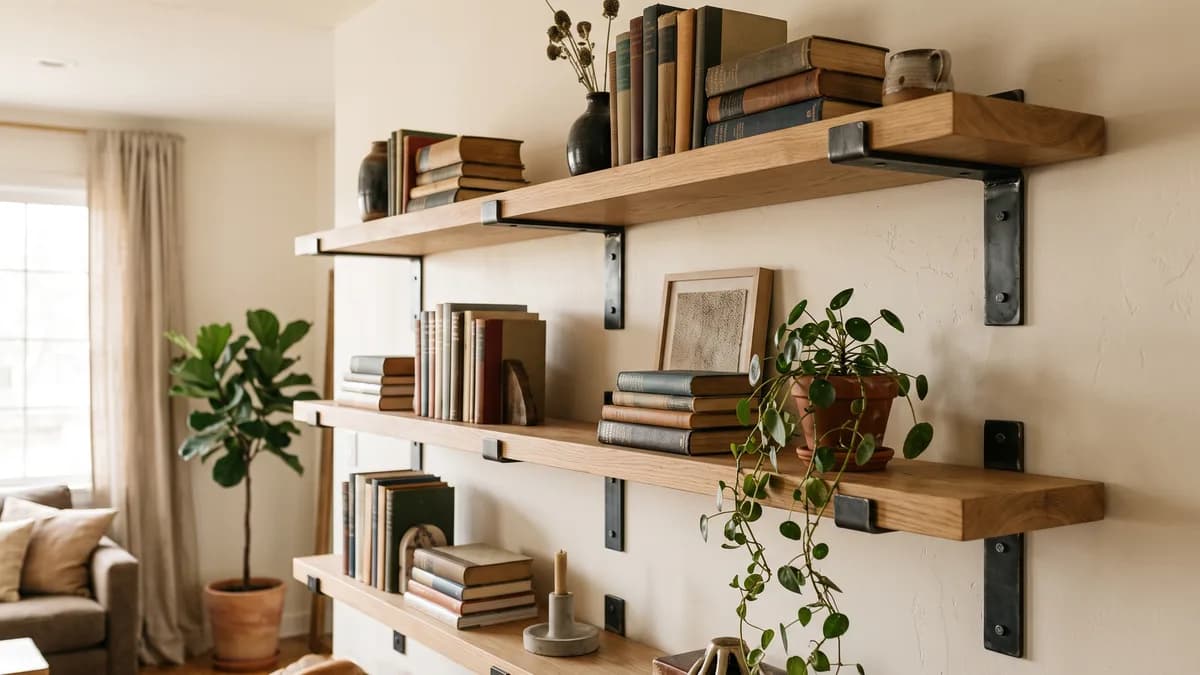
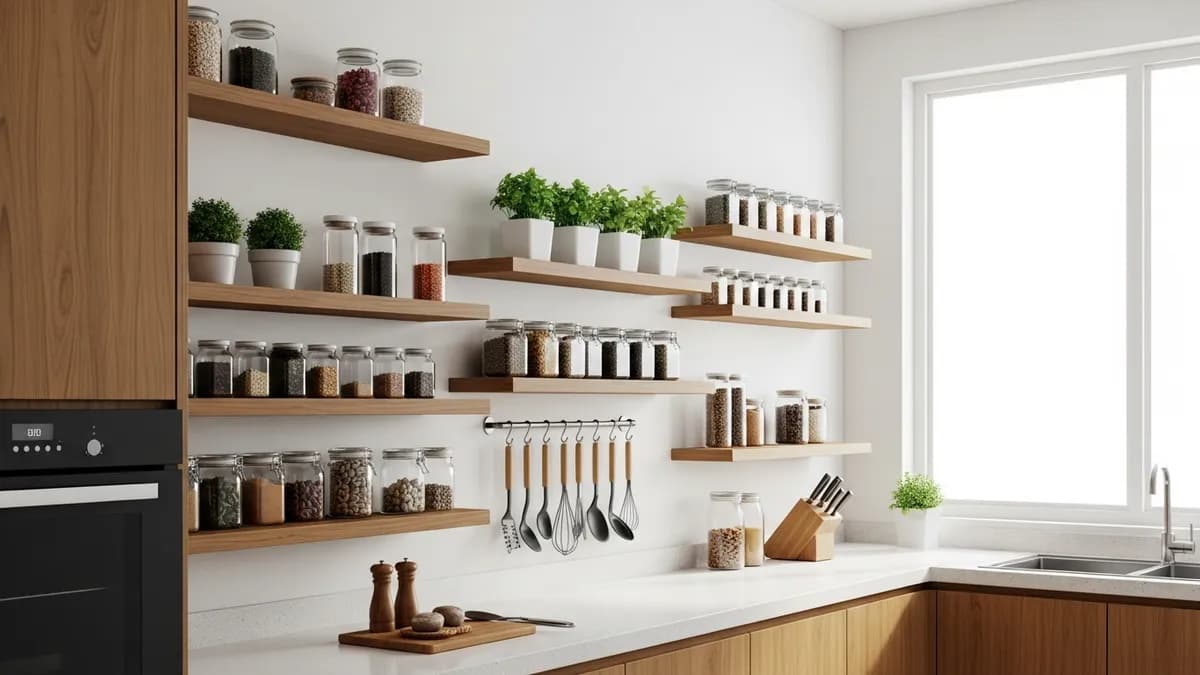
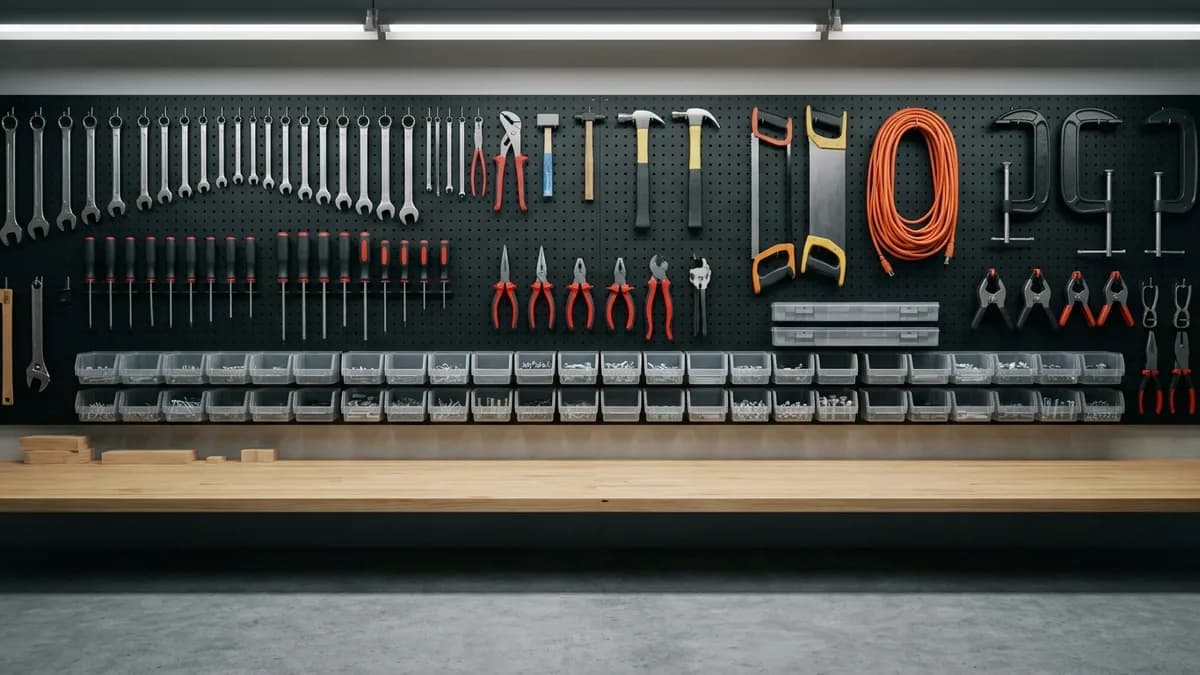
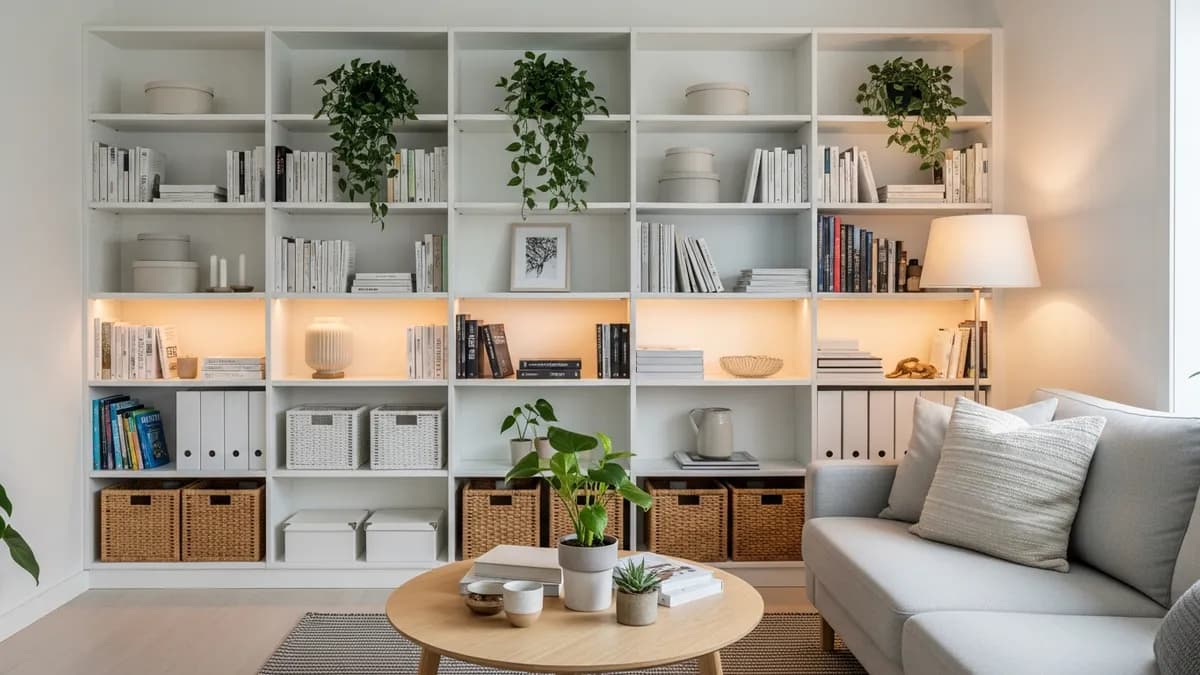
Various home office storage solutions such as wall shelves and drawer organizers

Creating a Balanced Work Lifestyle from Home

Lifestyle balance is key to sustaining long-term productivity in a home office. Without clear boundaries between personal and professional life, burnout can occur faster than working in a conventional office.

Establishing Consistent Work Routines

Routines are the backbone of productive lifestyle. Start your day with a consistent morning ritual: wake up at the same time, shower, dress as if going to the office, and eat breakfast before starting work. This helps your brain 'switch modes' from personal to professional.

Optimal daily work structure:

  • 06:30-07:30 - Morning ritual and preparation
  • 08:00-12:00 - First deep work session
  • 12:00-13:00 - Lunch break and rest
  • 13:00-17:00 - Collaborative work and administrative tasks
  • 17:00-17:30 - Wrap up and plan for tomorrow

Research from the University of Indonesia shows that workers with consistent routines have 30% lower stress levels and 45% higher productivity compared to those without clear time structures.

Work-Life Boundaries in Home Office

One of the biggest challenges with home office is boundary management. Without clear physical boundaries, work can easily 'leak' into personal time or vice versa. Create a clear closing ritual such as shutting down your computer, tidying your desk, and symbolically 'leaving' your work space.

Effective boundary strategies:

    1
  1. Physical boundaries - Separate work space or at minimum a dedicated corner
  2. 2
  3. Time boundaries - Strict working hours communicated to family
  4. 3
  5. Digital boundaries - Work notifications muted after work hours
  6. 4
  7. Ritual boundaries - Transition activities from work mode to personal mode
"A successful home office isn't about working longer, but working smarter with a lifestyle that supports sustained productivity." - Home Organization Expert 2026

Selecting the Right Home Office Furniture and Equipment

Investment in ergonomic furniture is an investment in long-term health and productivity. In the Indonesian market in 2026, there are various home office furniture options ranging from $120-$1200 for a complete set, depending on quality and desired features.

Ideal Work Desk Criteria

A work desk is the centerpiece of your home office. Choose a desk with minimum width of 120 cm to provide enough space for your laptop, external monitor, and work documents. Standard height of 75 cm suits most Indonesian users, but an adjustable desk offers better flexibility starting from $210.

Essential work desk features to consider:

  • Cable management - Holes or trays to organize cables
  • Integrated storage - Drawers or shelves for storing stationery
  • Surface material - Scratch-resistant and easy to clean
  • Stability - No wobbling during intensive typing

For limited space, a folding desk or wall-mounted desk can be solutions starting from $110. Quality products can be found in Sesoris furniture collection specifically designed for Indonesian home office needs.

Ergonomic Chair and Postural Health

The wrong chair can cause chronic back problems within 3-6 months of intensive use. Invest at least 20% of your total home office budget in a quality chair. A good ergonomic chair must have lumbar support, adjustable armrests, and breathable material.

Quality ergonomic chair prices in Indonesia range from $120-$480. While seemingly expensive, this cost is far less than medical expenses for back problems which can reach hundreds of thousands of rupiah.

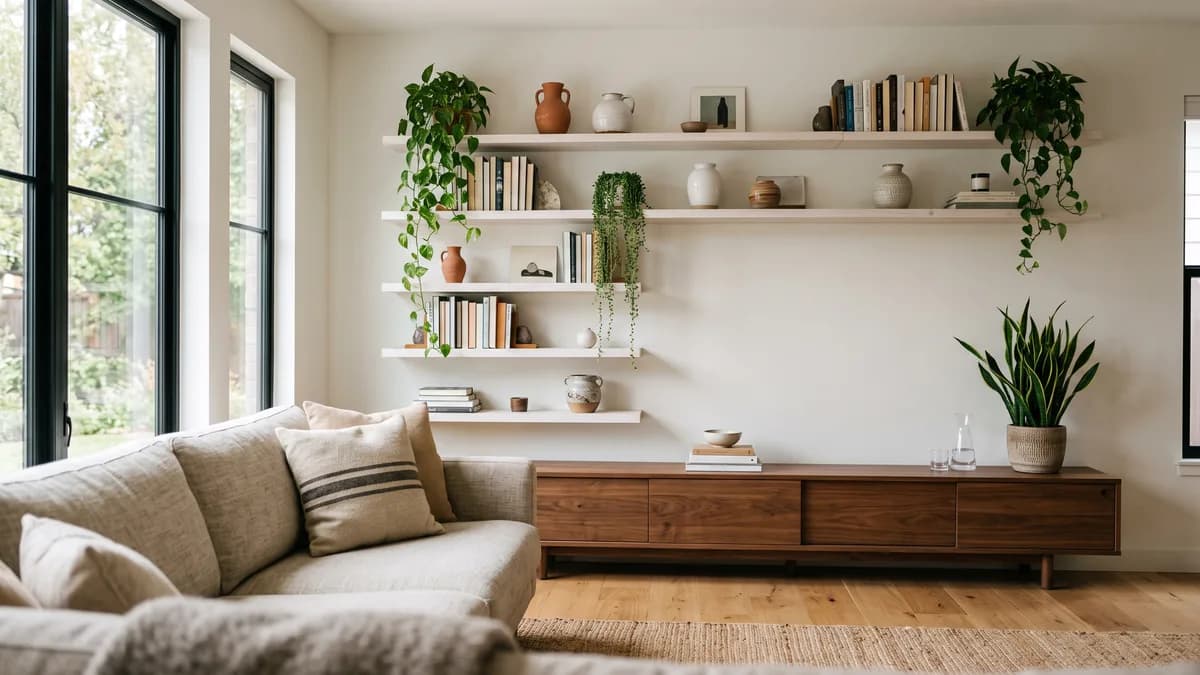
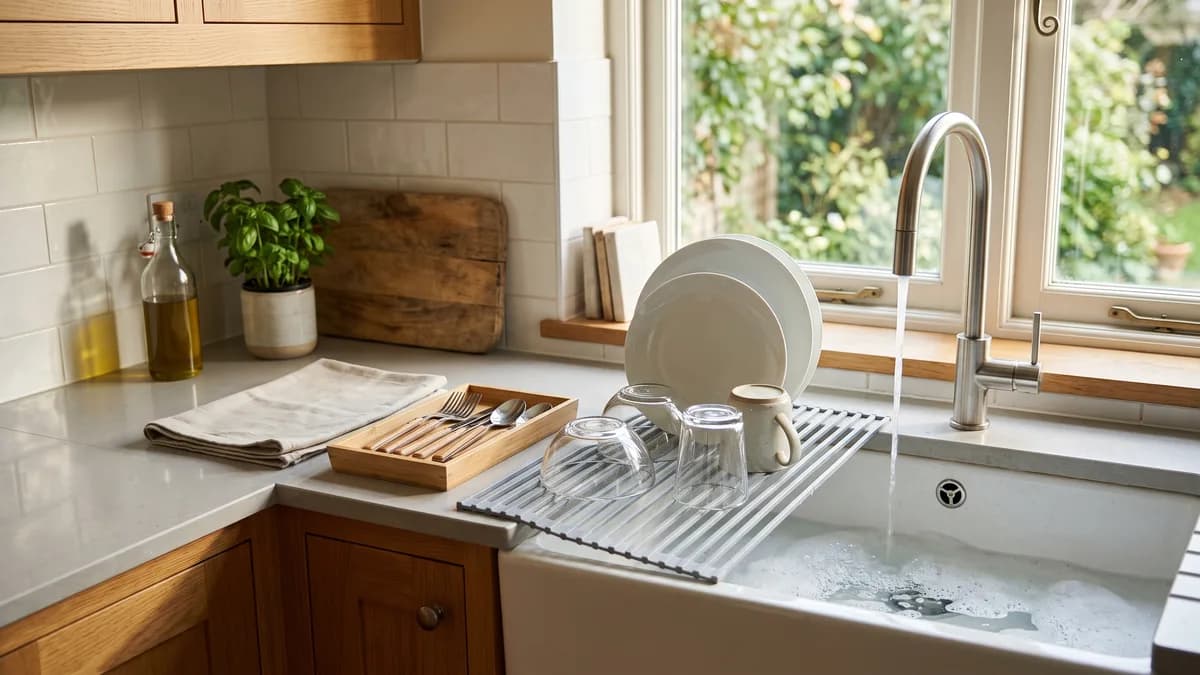
Comfortable home office workspace with good lighting and motivational décor

Lighting and Work Atmosphere Supporting Productivity

Lighting has a direct impact on productivity, mood, and eye health. An ideal home office combines natural light and artificial lighting to create optimal working conditions throughout the day.

Optimizing Natural Light

Position your work desk perpendicular to the window to get natural light without glare on your monitor screen. If space is limited, use a light reflector or mirror to maximize natural light distribution. Natural light not only saves electricity but also improves mood and reduces eye strain by up to 40%.

Tips for natural lighting:

  • Window positioning - Left or right side of desk, not behind or in front
  • Window treatments - Adjustable curtains or blinds to control intensity
  • Light shelf - Horizontal reflector to bounce light to ceiling
  • Plant positioning - Plants near window for natural air purification

Appropriate Artificial Lighting

For evening work or cloudy weather, task lighting becomes crucial. Combine ambient lighting (200-500 lux) for general illumination and task lighting (500-1000 lux) for detailed activities like reading documents.

Optimal investment for home office lighting system ranges from $90-$240, including LED desk lamp with adjustable color temperature, ambient ceiling light, and accent lighting to create a comfortable atmosphere.

Technology and Productivity Tools for 2026 Home Office

Integration of appropriate technology can increase work efficiency by up to 70%. In 2026, home office technology focus has shifted toward seamless integration and intelligent automation that simplify workflow without adding complexity.

Hardware Essentials

Dual monitor setup is proven to increase productivity by up to 42% for work involving multitasking. A second monitor at 21-24 inches can be obtained for $120-$240. For laptops, a docking station allows connecting multiple devices with a single cable, starting from $72.

Quality audio equipment is also important for meetings and conference calls. Headsets with noise cancelling and clear microphone range from $48-$180, depending on features and brand.

Productivity Software and Applications

Utilize integrated productivity apps like Microsoft 365 or Google Workspace for collaboration. For task management, tools like Asana, Trello, or Notion help organize work more systematically.

Essential software categories:

    1
  1. Communication - Zoom, Microsoft Teams, Slack
  2. 2
  3. Project Management - Asana, Monday.com, Clickup
  4. 3
  5. File Storage - Google Drive, Dropbox, OneDrive
  6. 4
  7. Time Tracking - RescueTime, Toggl, Clockify
  8. 5
  9. Focus Apps - Forest, Freedom, Cold Turkey

Most of these tools offer freemium models so you can try them free before upgrading to premium versions ranging from $6-$30 per month.

Overcoming Common Home Office Challenges

Every home office lifestyle has unique challenges that need to be anticipated and resolved proactively. Based on McKinsey Indonesia 2026 survey, 78% of remote workers face at least 3 of the following 5 main challenges.

Managing Distractions from Home Environment

Distraction is the enemy of home office productivity. Noise cancelling headphones can reduce audio disturbances by up to 85%, while visual barriers like room dividers or even tall plants help create visual focus.

Anti-distraction strategies:

  • Family communication - Clear rules about work hours and interruptions
  • Phone management - Focus mode or airplane mode during deep work sessions
  • Social media blocking - Apps or browser extensions to block distracting sites
  • Environment control - Optimal temperature, humidity, and noise levels

Managing Isolation and Maintaining Team Connection

Social isolation is a common side effect of home office that can affect mental health and team collaboration. Schedule regular virtual coffee breaks with colleagues, and consider a co-working day once a week at a cafe or co-working space for environmental variety.

Investment in a high-quality webcam and professional lighting for video calls makes interactions more natural and engaging. A minimal budget of $90 for a 1080p webcam and ring light is sufficient for professional needs.

Maintenance and Continuous Improvement of Home Office

A productive home office requires ongoing maintenance and continuous improvement. Like physical workspaces, home offices also need regular evaluation and upgrades to maintain their effectiveness.

Weekly and Monthly Maintenance Routines

Set up a weekly cleanup ritual every Friday afternoon to organize documents, clean equipment, and prepare for the next week. Monthly review includes evaluating workflow, updating software, and assessing new equipment needs.

Weekly maintenance checklist:

  • Document filing - Archive completed documents
  • Equipment cleaning - Clean monitor, keyboard, and mouse
  • Cable management - Check and organize tangled cables
  • Inventory check - Ensure stationery and supplies are sufficient
  • Digital cleanup - Organize desktop and delete unnecessary files

Continuous Evaluation and Upgrades

Conduct a quarterly assessment of your productivity and comfort level. Track metrics like completed tasks, focus hours, and physical comfort level. If there's consistent decline, identify bottlenecks and make necessary upgrades.

Budget 5-10% of your income for continuous home office improvement. This could be equipment upgrades, software subscriptions, or additional furniture that supports your productivity.

"The best home office is one that continuously evolves according to the user's needs and lifestyle. A static setup is a recipe for stagnant productivity."

FAQ: Questions About a Productive Home Office

Q: What's the minimum budget for setting up a productive home office?

A basic home office budget ranges from $300-$480, including a simple work desk ($90), entry-level ergonomic chair ($120), lighting ($60), and organization accessories ($90). For a premium setup, budget can reach $900-$1500 with more advanced furniture and technology.

Q: How can I deal with family interruptions while working from home?

Communication is key. Set clear work hours and communicate them to your entire family. Use visual signals like a door sign or headphones to indicate you're focused on work. Involve family in scheduling so they understand and support your productivity.

Q: Do I need a separate room dedicated to home office?

Ideally yes, but not necessarily. What's important is having a dedicated space consistently used for work. It could be a corner of the living room, bedroom, or even a folding table you set up and break down daily. The key is consistency and mental association between the space and work mode.

Q: How do I maintain long-term productivity in a home office?

Variety is key. Occasionally work at a cafe, park, or co-working space to avoid monotony. Establish a reward system for achieving targets, and don't forget regular breaks. Physical exercise and social interaction are also crucial for maintaining energy and motivation.

Conclusion

Creating a productive home office in 2026 requires a holistic approach combining systematic organization, balanced lifestyle, and appropriate technology. Initial investment is necessary, but the ROI in the form of productivity, health, and work-life balance is highly significant.

The key to success lies in continuous improvement and adaptation to changing needs. Start with a solid basic setup, then upgrade gradually according to your career development and specific requirements.

To support your journey in creating the home office of your dreams, Sesoris provides a variety of quality home organization products at affordable prices. From storage solutions, desk organizers, to minimalist furniture that supports your productive lifestyle. Let's realize "Live More Organized" starting from an optimal workspace!

Weekly Home Tips

Get home organization ideas, product picks, and exclusive deals delivered weekly.

No spam. Unsubscribe anytime.