
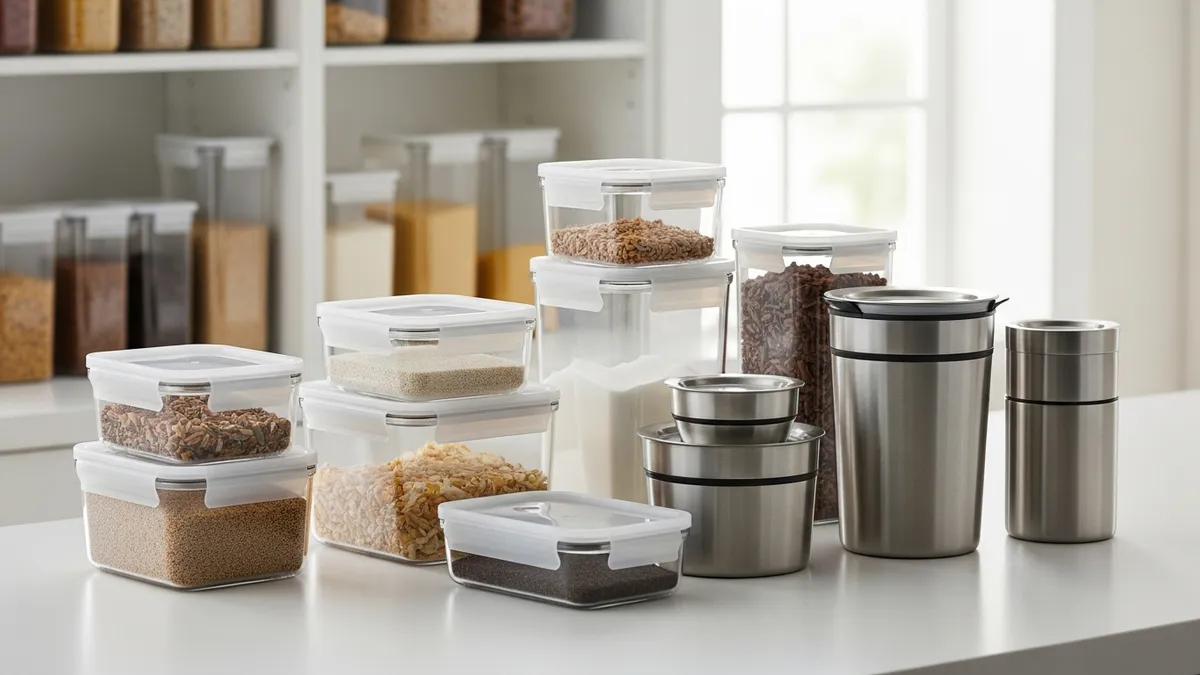
Food Containers: Best Storage Solutions to Keep Your Food Fresh
Did you know that food containers can extend your groceries' freshness by up to 5 times longer than traditional storage methods? In 2026, proper food storage has become more crucial than ever as families seek to reduce food waste and maintain organized kitchens.
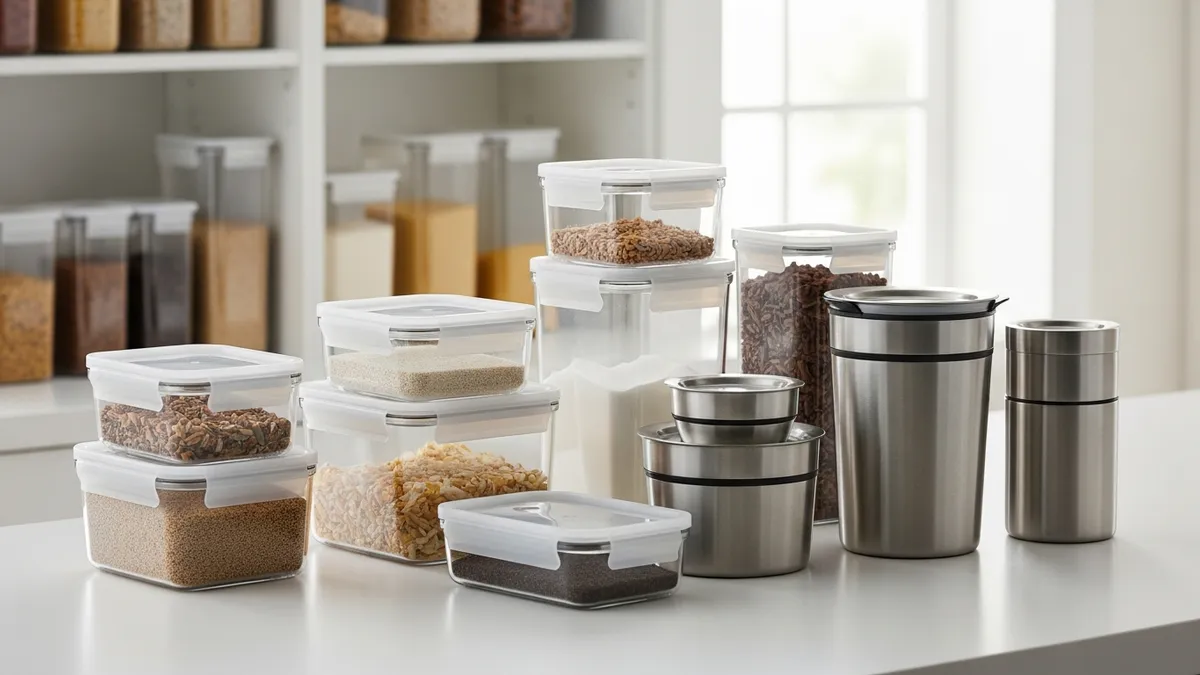
Whether you're meal prepping for the week, storing leftovers, or organizing your pantry, choosing the right food containers can revolutionize your kitchen efficiency. From glass to stainless steel options, the market offers numerous solutions designed to keep your ingredients fresh while maintaining an aesthetically pleasing storage system.
In this comprehensive guide, you'll discover the best food containers available in 2026, learn how to choose the perfect storage solutions for your needs, and explore practical tips to maximize freshness while creating an organized kitchen space.
What Are Food Containers and Why Do They Matter?
Food containers are specialized storage vessels designed to preserve the freshness, flavor, and nutritional value of your ingredients. Unlike regular bowls or bags, quality food containers feature airtight sealing systems that prevent air exposure, moisture infiltration, and contamination.
Modern food storage solutions serve multiple purposes beyond basic containment. They help organize your kitchen space, reduce food waste, and maintain hygiene standards that protect your family's health. The right containers can also save you money by extending the shelf life of expensive ingredients like nuts, spices, and specialty grains.
At Sesoris, we understand that effective food storage is the foundation of an organized kitchen. Our curated collection of kitchen storage solutions focuses on functionality without compromising style.
Types of Food Containers Available in 2026
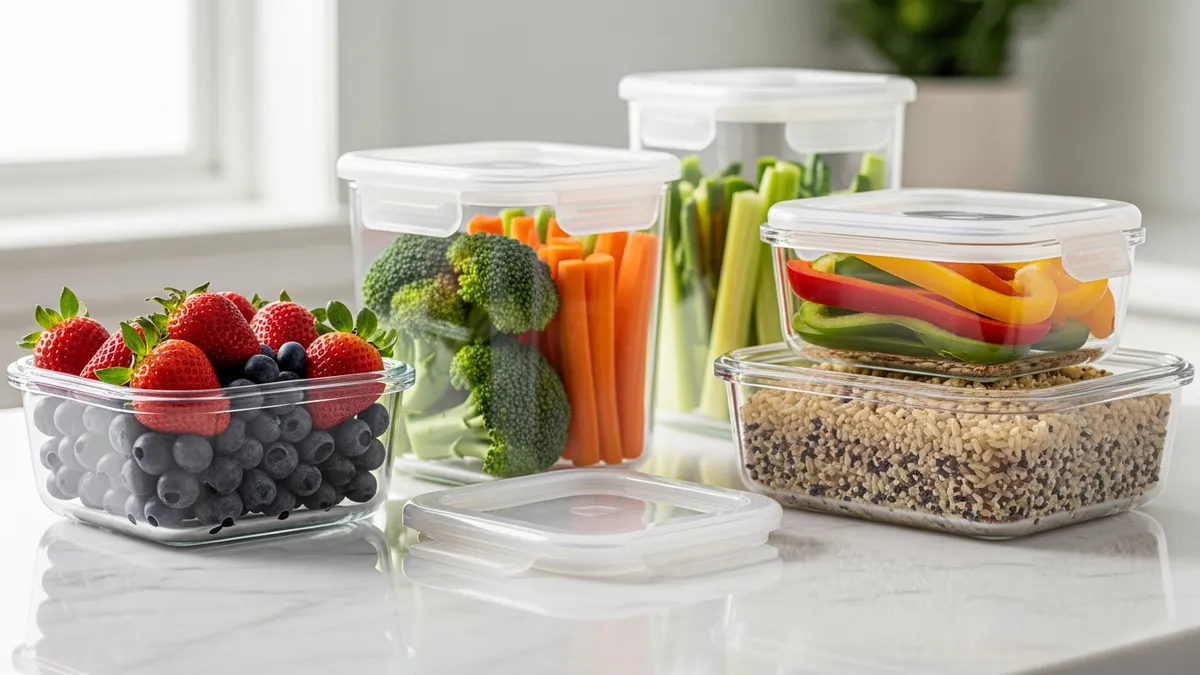
Glass Food Storage Containers
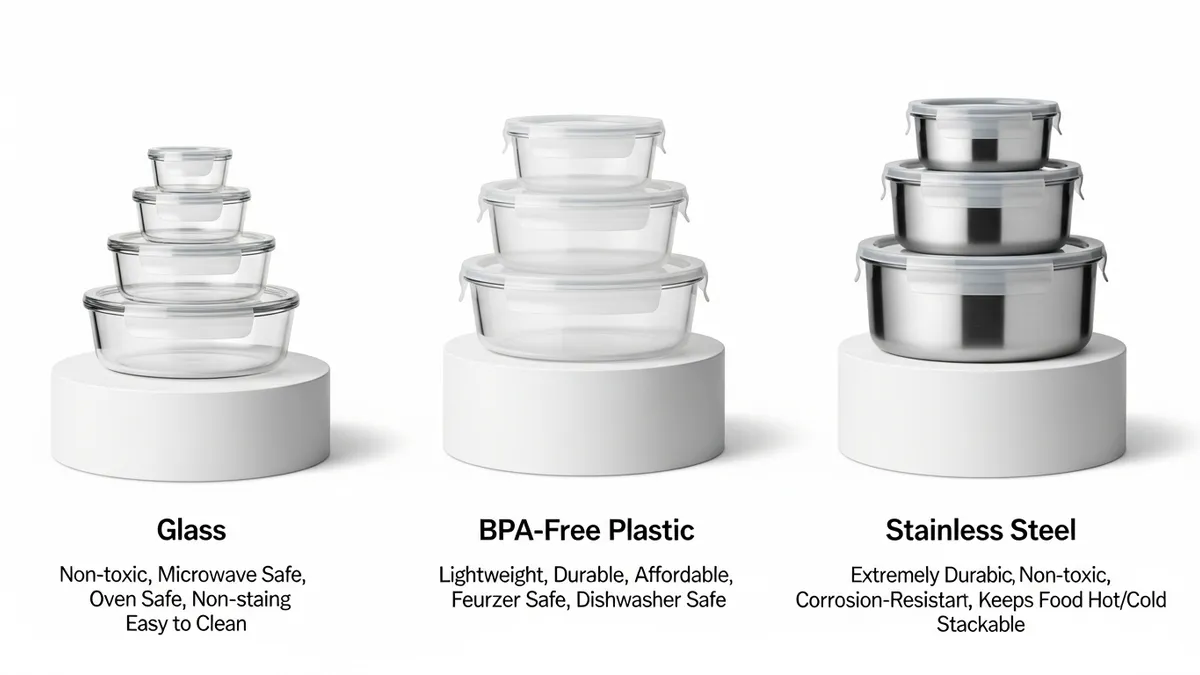
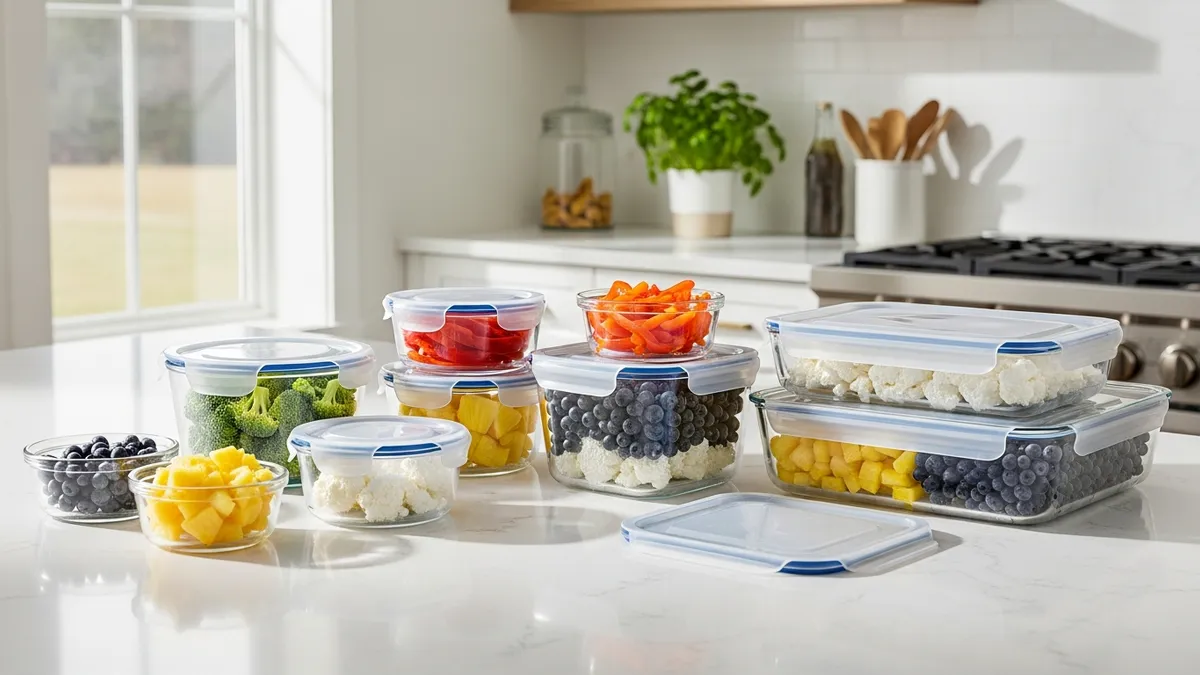
Glass containers have gained popularity for their non-reactive properties and visual appeal. These food containers don't absorb odors or stains, making them ideal for storing acidic foods like tomatoes or citrus-based sauces.
Benefits of glass containers:
- Completely BPA-free and chemical-resistant
- Microwave and oven-safe options available
- Easy to clean and maintain
- Transparent design for easy content identification
- Environmentally sustainable choice
BPA-Free Plastic Storage Solutions
Modern plastic food containers have evolved significantly, with manufacturers focusing on food-grade materials that ensure safety and durability. Look for containers marked with recycling codes 1, 2, 4, or 5, which indicate safer plastic types.
Advantages of quality plastic containers:
- Lightweight and portable
- Shatter-resistant for busy households
- Often more affordable than glass alternatives
- Available in various sizes and shapes
- Freezer-safe options for long-term storage
Stainless Steel Food Storage
Stainless steel containers offer exceptional durability and are perfect for families seeking long-lasting storage solutions. These food containers excel in maintaining temperature and preventing contamination.
Key features of stainless steel options:
- Rust-resistant and virtually indestructible
- Excellent for both hot and cold foods
- Professional-grade durability
- No chemical leaching concerns
- Easy to sanitize and maintain
How to Choose the Right Food Containers for Your Needs
Selecting the perfect food containers requires considering your specific storage needs, kitchen space, and lifestyle preferences. Start by evaluating what types of foods you store most frequently and how you plan to use the containers.
Essential factors to consider:
Size and Capacity Requirements
Determine the portion sizes you typically store. Small containers (8-16 oz) work well for spices and herbs, medium sizes (2-4 cups) suit leftovers and meal prep, while large containers (6+ cups) handle bulk ingredients like flour or rice.
Airtight Sealing Technology
Look for food containers with silicone gaskets and secure locking mechanisms. According to Good Housekeeping, proper airtight seals can extend food freshness by 3-5 times compared to regular storage methods.
Versatility and Multi-Purpose Use
Choose containers that transition seamlessly from storage to serving. Many modern food containers are designed to go from freezer to microwave to dishwasher, maximizing their utility in your daily routine.
Stack-ability and Space Efficiency
Optimize your storage space with containers designed to nest or stack efficiently. This feature is particularly valuable in smaller kitchens where every inch of cabinet and pantry space matters.
Explore our best sellers section to discover the most popular storage solutions that combine functionality with space-saving design.
Top Recommended Food Container Sets for 2026
Premium Glass Container Collections
Pyrex Brilliance Series - Starting at $49.99
- 10-piece set with leak-proof lids
- Oven-safe up to 425°F
- Stain and odor-resistant glass construction
- Lifetime warranty on glass components
Anchor Hocking TrueSeal - Starting at $34.99
- BPA-free plastic lids with airtight sealing
- Microwave and dishwasher safe
- Crystal-clear glass for easy identification
- Compact nesting design
Best Value Plastic Options
Rubbermaid Brilliance - Starting at $29.99
- Crystal-clear Tritan plastic construction
- 100% leak-proof guarantee
- Modular design for efficient storage
- BPA-free with stain-resistant properties
OXO POP Containers - Starting at $24.99
- One-touch airtight sealing
- Space-efficient square and rectangular shapes
- Dishwasher-safe components
- Clear measurement markings
Professional Stainless Steel Solutions
Progressive Stainless Steel Set - Starting at $69.99
- Food-grade 18/8 stainless steel
- Silicone gasket lids for airtight sealing
- Freezer to oven versatility
- Commercial kitchen durability
Browse our complete shop collection to find food containers that match your specific needs and budget requirements.
Price Comparison and Value Analysis
Understanding the cost-per-use value helps justify investing in quality food containers. While premium options require higher upfront costs, they often provide better long-term value through durability and performance.
Budget-Friendly Options ($15-30):
Basic plastic sets suitable for occasional use and starter kitchens. These food containers offer essential functionality without premium features like advanced sealing or temperature resistance.
Mid-Range Solutions ($30-60):
This category provides the best balance of quality and affordability. Features include reliable airtight sealing, dishwasher safety, and moderate durability suitable for daily use.
Premium Investment ($60-120):
High-end food containers with advanced materials, superior sealing technology, and extended warranties. These options excel in busy kitchens where performance and longevity are priorities.
According to recent consumer reports, investing in quality food storage can reduce household food waste by up to 40%, translating to average savings of $1,500 annually for a family of four.
Consider your usage patterns and kitchen habits when selecting food containers. Frequent meal preppers and bulk shoppers benefit most from premium options, while occasional users may find budget-friendly alternatives perfectly adequate.
Essential Care and Maintenance Tips
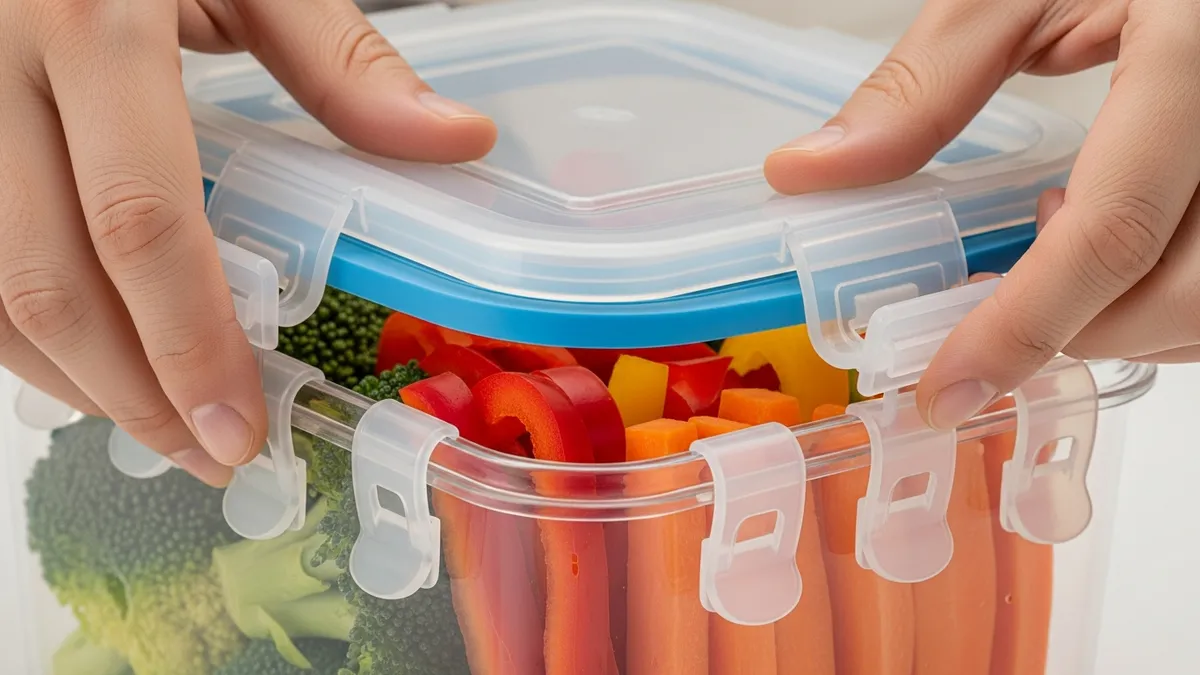
Proper maintenance extends the lifespan of your food containers while ensuring optimal performance and hygiene standards.
Daily Cleaning Routines
Immediate cleaning: Rinse containers promptly after use to prevent staining and odor absorption. This simple step is particularly important for plastic food containers that are more susceptible to discoloration.
Deep cleaning weekly: Use a mixture of warm water and white vinegar to remove stubborn odors and sanitize surfaces. For persistent stains, create a paste with baking soda and water, let it sit for 30 minutes before scrubbing gently.
Seal and Gasket Care
Inspect silicone seals regularly for cracks or warping that could compromise airtight performance. Most quality food containers feature replaceable gaskets, extending the product's useful life significantly.
Monthly seal maintenance:
- Remove gaskets and wash separately
- Check for food particles or residue buildup
- Apply food-grade silicone lubricant if recommended
- Replace damaged seals promptly
Storage Best Practices
Store nested containers in dry, well-ventilated areas to prevent moisture accumulation. Avoid stacking heavy items on top of plastic food containers to prevent warping or cracking.
Temperature considerations:
- Allow hot foods to cool before transferring to containers
- Avoid extreme temperature changes that could cause cracking
- Use appropriate containers for freezer storage
Find maintenance supplies and replacement parts in our new arrivals section to keep your storage system functioning optimally.
Smart Organization Strategies for Maximum Efficiency
Transform your kitchen into an organized workspace by implementing strategic placement and labeling systems for your food containers. Effective organization reduces meal preparation time and helps maintain inventory awareness.
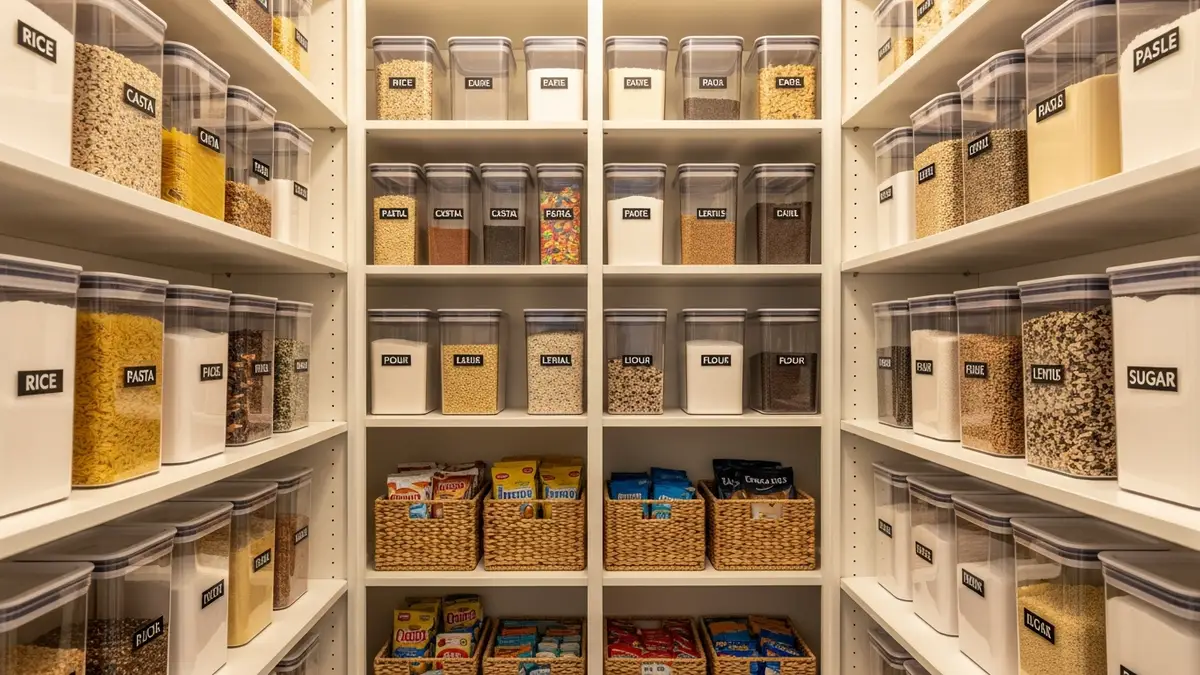
Pantry Organization Systems
Zone-based storage: Group similar items together using appropriately sized food containers. Create dedicated zones for baking supplies, snacks, breakfast items, and cooking ingredients.
Height optimization: Store frequently used items at eye level, with less common ingredients on higher shelves. Heavy food containers should remain on lower shelves for safety and accessibility.
Labeling and Inventory Management
Clear labeling systems: Use waterproof labels with contents and expiration dates. This practice is especially valuable for food containers storing bulk items like flour, sugar, or rice.
First-in, first-out rotation: Implement restaurant-style inventory rotation to minimize waste and ensure freshness. Place newer items behind older stock to encourage proper usage patterns.
Refrigerator and Freezer Organization
Temperature zone awareness: Understand your refrigerator's temperature variations and place food containers accordingly. Most refrigerators are coldest in the back and warmest near the door.
Freezer-safe practices: Use containers specifically rated for freezer use and leave appropriate headspace for expansion. Label frozen items clearly with contents and freeze date for easy identification.
Discover organizational tools and accessories in our comprehensive blog section featuring expert tips and product recommendations.
Conclusion: Building Your Perfect Food Storage System
Investing in quality food containers represents a smart approach to kitchen organization, food safety, and waste reduction. The right storage system pays for itself through extended food freshness, reduced waste, and improved meal preparation efficiency.
Whether you choose glass for its purity, plastic for its convenience, or stainless steel for its durability, focus on airtight sealing, appropriate sizing, and materials that match your lifestyle needs. Remember that the best food containers are those you'll actually use consistently.
Start building your organized kitchen today by exploring our curated selection of storage solutions at Sesoris. Our team carefully selects products that combine functionality, durability, and style to help you create the organized home you deserve.
Transform your kitchen organization with Sesoris - where function meets style in every storage solution.
FAQ: Frequently Asked Questions About Food Containers
Q: Are glass food containers better than plastic for food storage?
Glass containers offer superior chemical resistance and don't absorb odors, making them ideal for acidic foods. However, BPA-free plastic containers are lighter, more portable, and often more affordable. Choose based on your specific needs and preferences.
Q: How long do quality food containers typically last?
Well-maintained glass and stainless steel containers can last 10+ years, while quality plastic containers typically provide 3-5 years of reliable service. Proper care and avoiding extreme temperatures extend lifespan significantly.
Q: Can I put hot food directly into food containers?
Allow hot foods to cool slightly before transferring to avoid thermal shock, especially with glass containers. Most containers can handle warm foods, but extreme temperature changes may cause cracking or warping.
Q: What's the best way to remove odors from plastic food containers?
Soak containers in a solution of warm water and white vinegar for 30 minutes, then scrub with baking soda paste. For persistent odors, leave crumpled newspaper inside overnight to absorb remaining smells.
Q: Are airtight seals really necessary for food storage?
Airtight seals significantly extend food freshness by preventing air exposure and moisture infiltration. They're essential for maintaining the quality of dry goods, preventing freezer burn, and keeping pests away from stored foods.
Weekly Home Tips
Get home organization ideas, product picks, and exclusive deals delivered weekly.
No spam. Unsubscribe anytime.
Explore More Articles
- Enclosed Minimalist Dish Racks: Clean & Modern Kitchen Storage 2026
- Dry Bag: Complete Guide to Choosing Waterproof Bags for Outdoor Activities (2026)
- Lidded Food Storage Containers: Ultimate Guide to Fresh Food Organization in 2026
- Pyrex Food Storage Containers: Complete Review & Buying Guide for 2026
- Packing Cubes: Efficient Packing Method That Transforms Your Travel Style (2026)
- Glassware Food Storage Containers: The Ultimate Guide to Fresh Food Storage Solutions in 2026
- Ultimate Storage Solutions for Food Storage Containers: Complete Organization Guide 2026
- Complete Storage Box Guide 2026: Choose the Perfect Storage Solution for Your Home