
Ultimate Nursery Organization Guide: 35+ Creative Ideas to Transform Your Baby's Space in 2026
Transform your baby's nursery with 35+ expert organization ideas for 2026. Create functional, beautiful spaces that grow with your child using smart storage solutions.
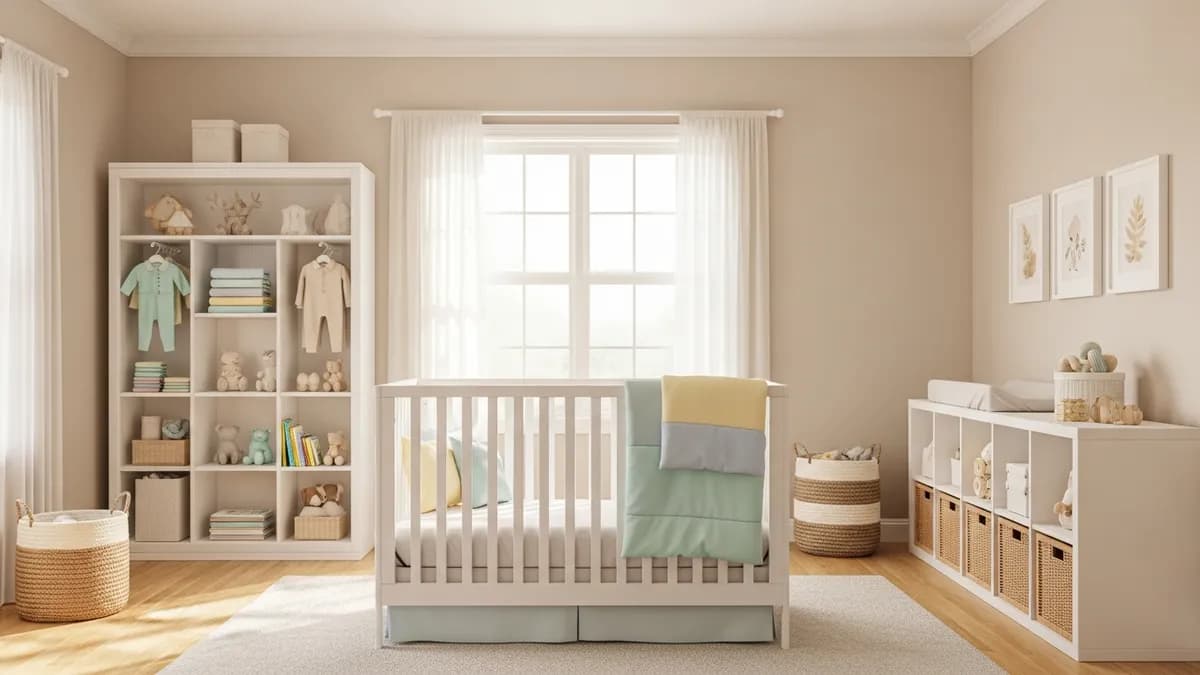
Creating an organized nursery is one of the most rewarding projects for expecting parents. With proper nursery organization, you'll save time during those sleepless nights, reduce stress, and create a peaceful environment for both you and your baby. Studies show that organized spaces can reduce cortisol levels by up to 23%, making this investment in your nursery's functionality even more valuable for your family's wellbeing in 2026.
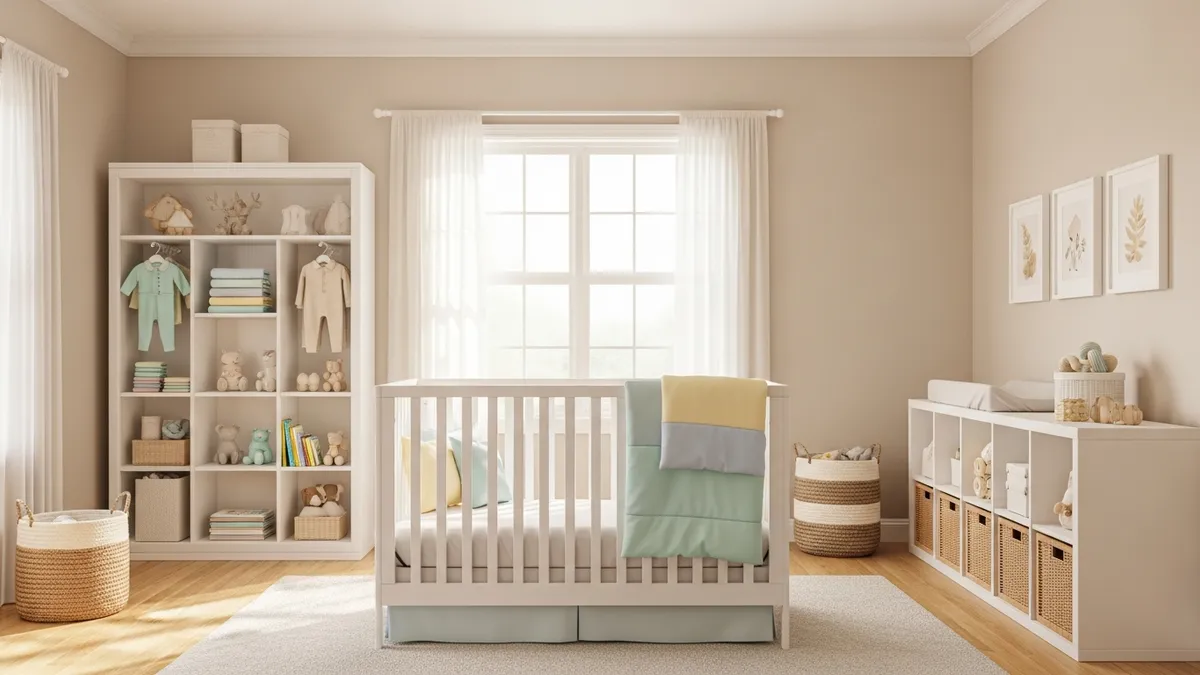
The key to successful nursery organization lies in creating systems that work for your daily routines while maintaining the room's aesthetic appeal. Whether you're working with a spacious nursery or a compact corner, these expert-approved strategies will help you maximize every square inch of your baby's space.
Essential Nursery Organization Systems That Actually Work
Before diving into specific storage solutions, it's important to understand the core principles of effective nursery organization. The best organized nurseries combine functionality with safety, ensuring that everything you need is within arm's reach while keeping hazardous items securely stored.
The Three-Zone Approach to Nursery Layout
Professional organizers recommend dividing your nursery into three distinct zones:
- Sleeping Zone: Crib area with minimal distractions and easy access to sleep essentials
- Feeding Zone: Comfortable seating with feeding supplies, burp cloths, and reading materials
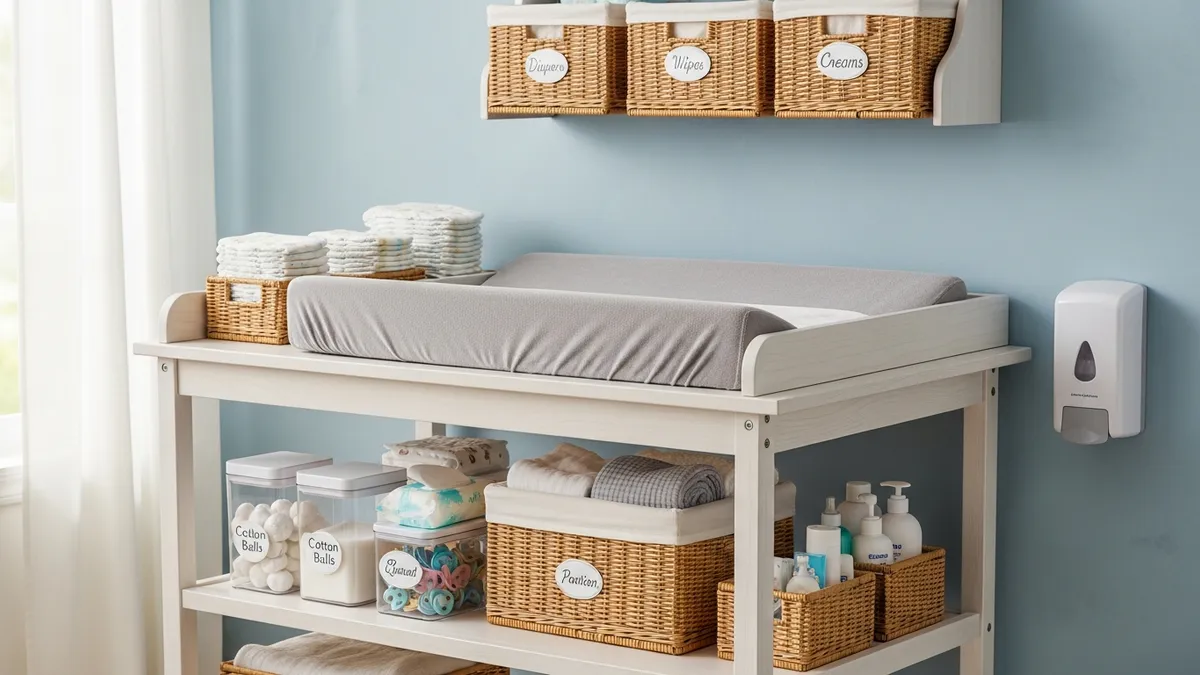
- Care Zone: Changing table area with diapers, wipes, creams, and clothing storage
This zoning system reduces the time spent moving between areas during daily care routines, according to pediatric space planning experts.
Smart Storage Categories for Maximum Efficiency
Organize baby items into these essential categories:
- Daily essentials: Items used multiple times per day (diapers, wipes, burp cloths)
- Weekly necessities: Clothing, blankets, and feeding supplies
- Monthly items: Seasonal clothing, special occasion outfits, and backup supplies
- Memory keepers: Hospital items, first outfits, and special mementos
Creative Nursery Organization Ideas for Small Spaces
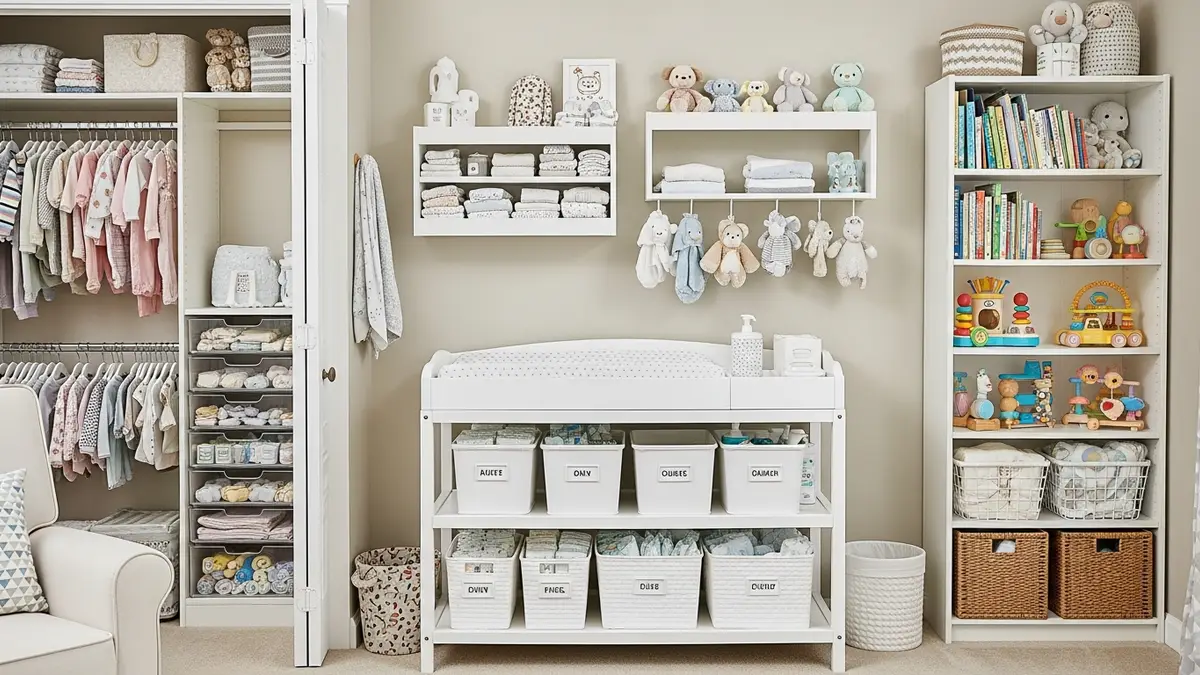
Even the smallest nurseries can be incredibly functional with the right nursery organization strategies. These space-maximizing ideas work particularly well in apartments, shared rooms, or compact homes where every inch counts.
Vertical Storage Solutions That Save Floor Space
When floor space is limited, think vertically. Wall-mounted storage can increase your usable storage space by up to 60% without cluttering the room:
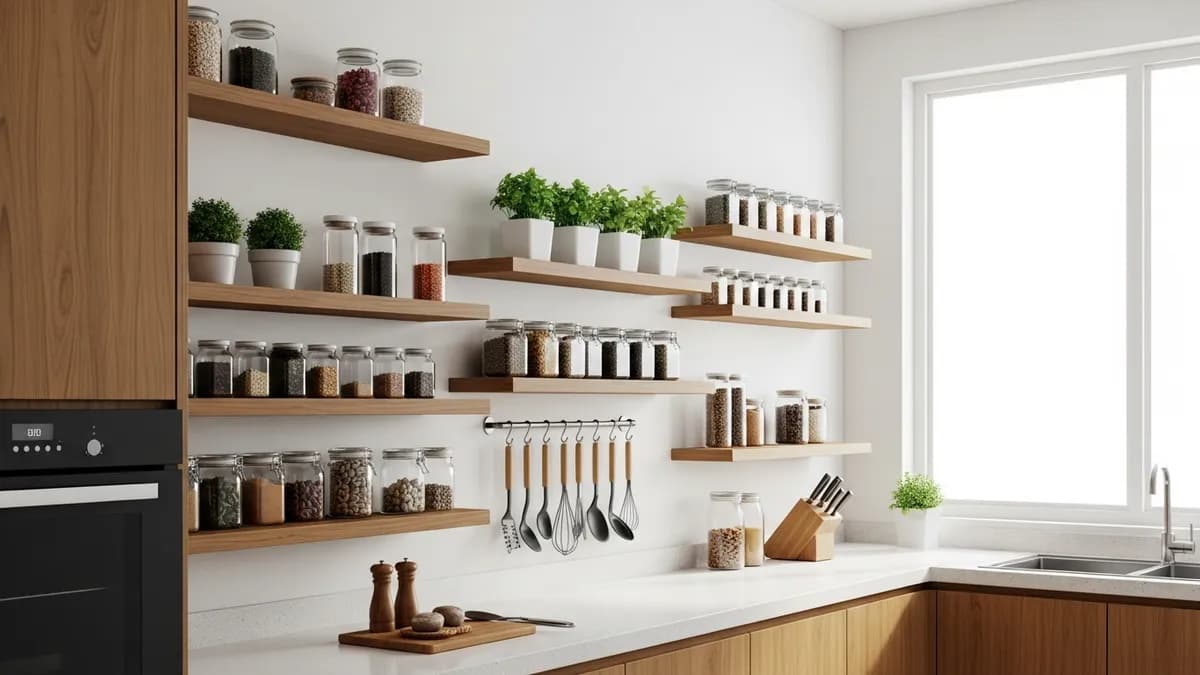
- Floating shelves: Install at varying heights for visual interest and practical storage
- Wall-mounted baskets: Perfect for frequently used items like diapers and blankets
- Over-door organizers: Utilize the back of closet doors for small essentials
- Pegboard systems: Customizable storage that grows with your needs
Multi-Purpose Furniture Solutions
Choose furniture pieces that serve double duty to maximize your nursery's functionality:
- Ottoman with storage: Provides seating and hidden storage for toys or blankets
- Bookshelf room divider: Creates zones while providing display and storage space
- Storage bench: Offers seating during feeding times and stores larger items
- Convertible crib with drawers: Grows with your child and includes built-in storage
Professional Nursery Organization Strategies for Different Room Sizes
The size and layout of your nursery will determine which nursery organization strategies work best. Here's how to adapt these principles to your specific space.
Large Nursery Organization (150+ square feet)
With ample space, you can create distinct zones and incorporate larger storage solutions:
- Walk-in closet system: Install adjustable shelving and hanging rods at different heights
- Central storage island: A dresser or changing table that's accessible from all sides
- Reading nook with storage: Built-in bench seating with hidden storage underneath
- Play area organization: Dedicated space with toy storage and soft flooring
Medium Nursery Organization (100-150 square feet)
This size offers flexibility while requiring strategic planning:
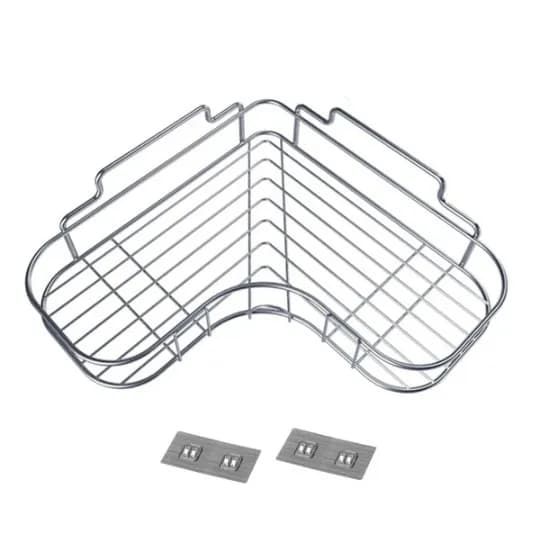
- Corner storage solutions: Utilize corners with triangular shelves or curved storage units
- Under-crib storage: Rolling bins that slide easily beneath the crib
- Closet door storage: Over-door shoe organizers repurposed for baby supplies
- Window seat storage: If applicable, add cushioned seating with built-in storage
Small Nursery Organization (under 100 square feet)
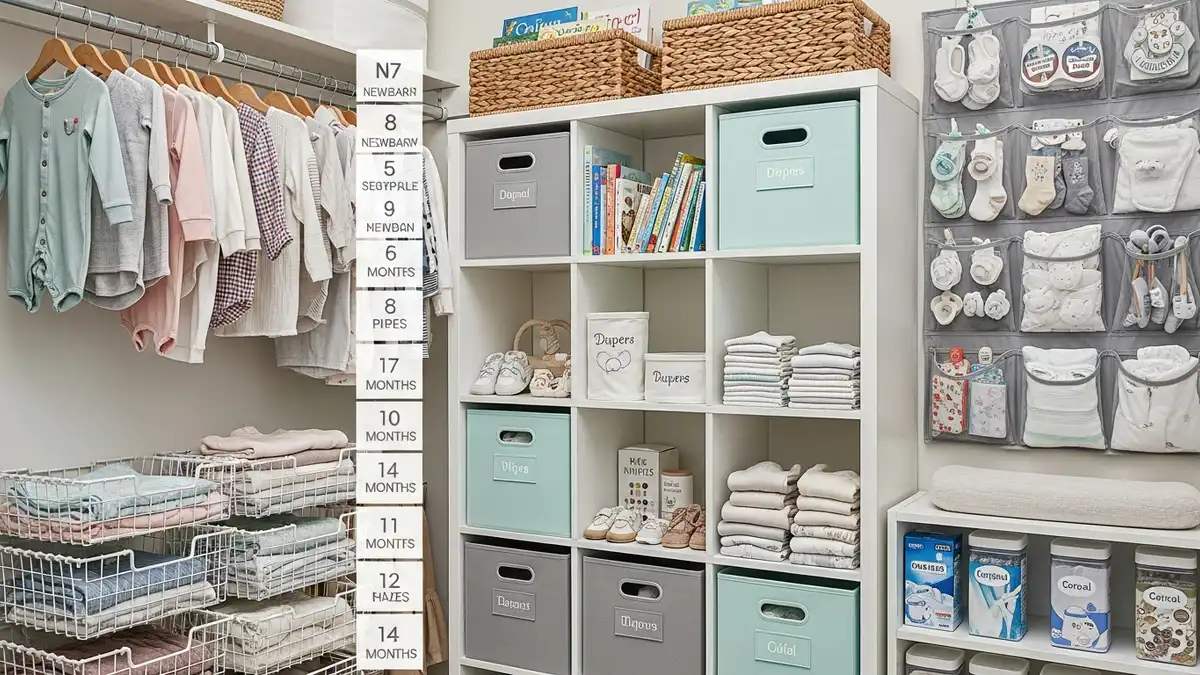
Compact spaces require creative solutions and careful prioritization:
- Hanging organizers: Maximize vertical space with fabric or plastic hanging storage
- Rolling carts: Mobile storage that can be moved as needed
- Over-changing table storage: Wall-mounted shelves or cabinets above the changing area
- Shared closet systems: If sharing with parents, use clear divisions and labels
According to Happiest Baby's nursery experts, even the smallest nurseries can accommodate all essential baby items with proper planning and vertical storage solutions.
Essential Storage Products for Nursery Organization Success
The right storage products can make or break your nursery organization system. Here are the must-have items that organize effectively while maintaining safety standards.
Top-Rated Storage Containers and Organizers
Invest in quality storage solutions that will last beyond the baby years:
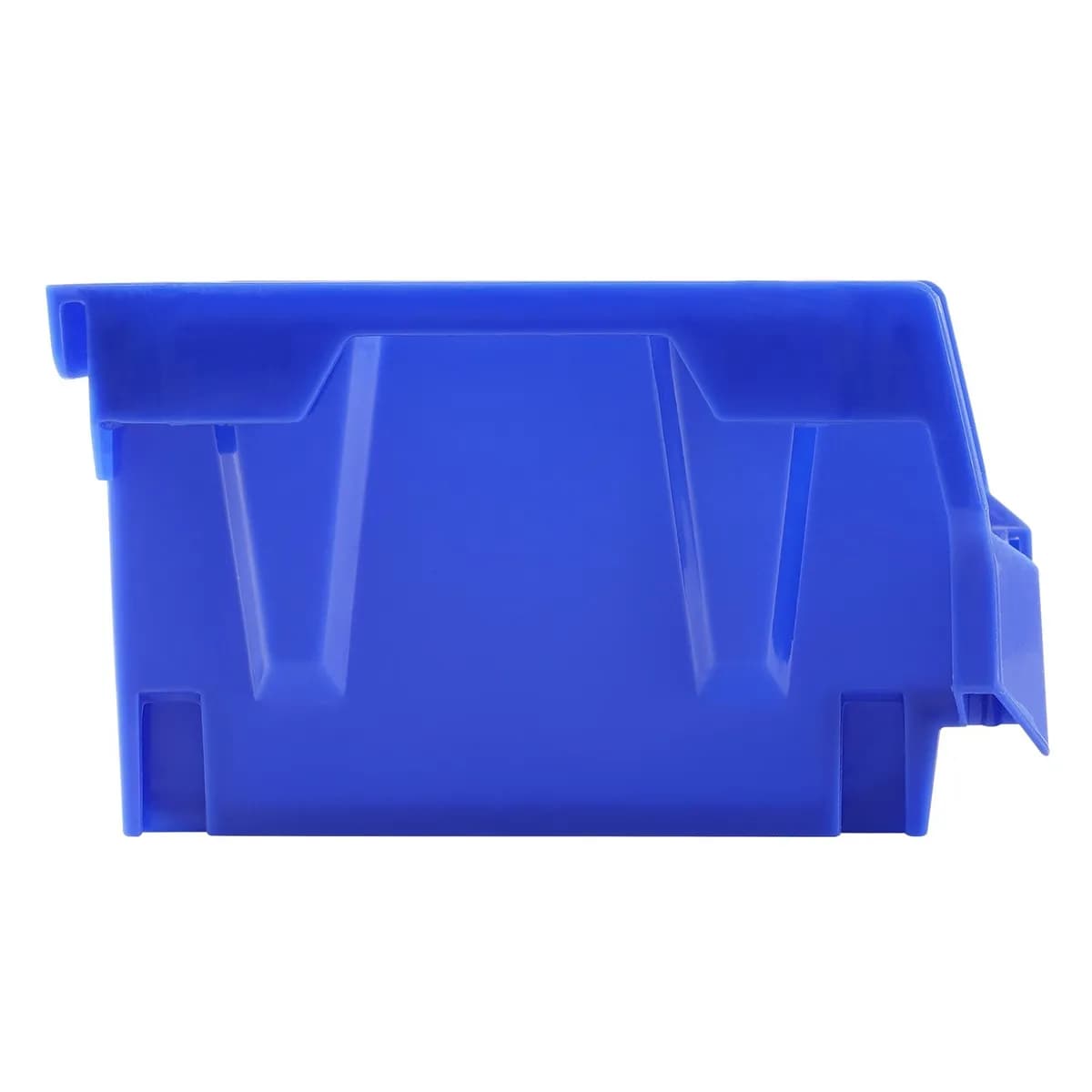
- Clear storage bins with tight-fitting lids ($12-25 each): Perfect for seasonal clothing and keepsakes
- Fabric storage cubes ($8-15 each): Soft, safe storage for everyday items
- Drawer dividers ($10-20 per set): Keep small items separated and easy to find
- Hanging closet organizers ($15-30 each): Maximize closet vertical space efficiently
- Under-crib storage boxes ($20-40 each): Utilize often-wasted space beneath the crib
Safety-First Storage Guidelines
All nursery storage must prioritize baby safety:
- Secure heavy items: Anchor tall storage units to walls to prevent tipping
- Avoid small parts: Choose storage with no detachable small components
- Rounded corners: Select storage furniture with soft or rounded edges
- Non-toxic materials: Ensure all storage products are made from baby-safe materials
Remember: The Consumer Product Safety Commission recommends that all nursery furniture and storage be specifically designed for children's spaces and meet current safety standards.
Seasonal Nursery Organization: Adapting Throughout the Year
Your nursery organization needs will evolve as your baby grows and seasons change. Planning for these transitions ensures your organization system remains effective year-round.
Clothing Organization by Season and Size
Baby clothes present unique organization challenges due to rapid growth and seasonal needs:
- Size rotation system: Store current size at eye level, next size up within reach, and future sizes on higher shelves
- Seasonal storage: Use vacuum-sealed bags for out-of-season clothing to save 75% of storage space
- Growth tracking: Label storage bins with size ranges and season for quick identification
- Quick-access essentials: Keep 3-day supply of current size basics in easy-reach drawers
Toy Organization That Grows With Your Child
Plan your toy storage to accommodate changing play patterns:
- Age-appropriate accessibility: Lower storage for items baby can safely access independently
- Rotation system: Store some toys out of sight to maintain novelty and reduce clutter
- Easy cleanup solutions: Storage that children can use independently as they grow
- Safety progression: Adjust storage height and accessibility as motor skills develop
Budget-Friendly DIY Nursery Organization Solutions
Creating an organized nursery doesn't require a huge investment. These DIY solutions cost under $20 each but provide professional-level nursery organization results.
Repurposed Household Items for Nursery Storage
Transform everyday items into functional nursery storage:
- Shoe boxes covered in contact paper: Perfect drawer dividers for small clothing items
- Mason jars with ribbon ties: Attractive storage for cotton balls, hair accessories, and small supplies
- Ice cube trays in drawers: Ideal organizers for tiny items like socks and mittens
- Shower caddies: Portable storage for bath time or feeding supplies
Simple DIY Storage Projects
These beginner-friendly projects require minimal tools and skills:
- Fabric-covered storage boxes: Transform plain cardboard boxes with beautiful fabric
- Pegboard organizer wall: Create customizable storage that adapts to changing needs
- Rope basket organization: Coil rope around buckets to create attractive, soft storage
- Wooden crate shelving: Stack and secure wooden crates for rustic, adjustable storage
Technology Integration in Modern Nursery Organization
2026 brings exciting technological advances to nursery organization. Smart solutions can simplify your organization system while providing valuable insights into your baby's needs.
Smart Storage Solutions for the Modern Nursery
Technology-enhanced organization tools are becoming more accessible and practical:
- App-connected inventory systems: Track clothing sizes, feeding supplies, and diaper stock
- Smart labels with QR codes: Quickly identify contents without opening containers
- Temperature-controlled storage: Maintain optimal conditions for sensitive items like medications
- Voice-activated organization reminders: Set reminders for restocking or rotating seasonal items
Digital Organization Tools
Complement physical organization with digital systems:
- Photo inventory apps: Document stored items and their locations
- Shared family calendars: Coordinate organization tasks with partners or caregivers
- Shopping list integration: Automatically generate shopping lists based on inventory levels
- Growth tracking apps: Monitor which clothing sizes to prepare next
Common Nursery Organization Mistakes to Avoid
Learning from common pitfalls can save time and frustration in your nursery organization journey. Here are the mistakes that even experienced parents make and how to avoid them.
Over-Organization Traps
Sometimes less organization is actually more effective:
- Too many categories: Simplify sorting systems to reduce daily maintenance time
- Inaccessible storage: Ensure frequently used items are within easy reach during nighttime care
- Rigid systems: Build flexibility into your organization to accommodate changing needs
- Aesthetic over function: Prioritize usability over appearance for daily-use storage
Planning Mistakes That Cost Time and Money
Avoid these common planning oversights:
- Not accounting for growth: Plan for rapid changes in clothing sizes and toy preferences
- Ignoring daily routines: Organize based on your actual usage patterns, not ideal scenarios
- Insufficient backup storage: Always have extra space for unexpected gifts and necessities
- Single-purpose solutions: Choose versatile storage that can adapt to multiple uses
Research from Architectural Digest's organization specialists shows that parents who avoid these common mistakes report noticeably less daily stress and save time on baby care routines.
FAQ: Frequently Asked Questions About Nursery Organization
When should I start organizing the nursery?
Start your nursery organization project during the second trimester (around 20-24 weeks) when you have energy but aren't too close to your due date. This timing allows for adjustments and ensures everything is ready before baby arrives.
How much storage space do I actually need for a newborn?
Plan for approximately 20-30 square feet of storage space for newborn essentials. This includes clothing (0-12 months), diapers (3-month supply), feeding supplies, toys, and keepsakes. Storage needs will double by the child's first birthday.
What's the most important area to organize first in a nursery?
Prioritize the changing station and immediate crib area first. These are used multiple times daily and having them organized reduces stress during frequent diaper changes and sleep routines. Focus on easy-access storage for diapers, wipes, and extra clothing.
How do I organize baby clothes by size when I receive so many gifts?
Create a simple filing system: current size in the dresser, next size up in the closet at eye level, and future sizes in labeled bins on shelves. Remove tags immediately and wash clothes before storing to save time later.
What storage solutions work best for shared nursery spaces?
Use vertical storage and dual-purpose furniture when sharing space. Room dividers with storage, under-bed containers, and wall-mounted solutions maximize functionality without claiming floor space. Choose mobile storage that can be moved when needed.
How often should I reorganize the nursery as my baby grows?
Plan for major reorganization every 3-4 months during the first year to accommodate rapid growth and changing needs. Monthly mini-reorganization sessions help maintain the system and rotate clothing sizes efficiently.
Conclusion
Creating effective nursery organization is an investment in your family's daily peace and functionality. By implementing these 35+ creative ideas, you'll transform your baby's space into an organized haven that grows and adapts with your child's changing needs throughout 2026 and beyond.
Remember that the best organization system is one that works consistently for your family's lifestyle and routines. Start with the basics, build gradually, and don't hesitate to adjust your system as you discover what works best for your unique situation.
Ready to transform your nursery with professional-quality storage solutions? Explore Sesoris's complete collection of home organization products designed to help you organize your life with ease. From storage containers to drawer organizers, we have everything you need to create the perfectly organized nursery your family deserves.
For storage gear that puts these ideas into practice, browse the Home & Living collection.
Liked this guide?
Get new organizing guides and the occasional new product by email. No spam, unsubscribe anytime.
Related articles

Explore more articles
- 25+ Best DIY Garage Storage Solutions to Transform Your Space in 2026
- 20+ Best Organization Ideas for Bedroom Closet to Transform Your Wardrobe in 2026
- Home Organization Trends 2026: Invisible Storage to Smart Organizers
- Craft Room Storage Furniture: Buying Guide
- L-Shaped Kitchen Design: The Most Efficient Layout
- Meal Prep Containers for Beginners: Safe and Simple
- Under Bed Storage: Maximize Your Bed's Hidden Storage Space
- 20+ Best Towel Rack Ideas for Kitchen: Stylish & Functional Solutions in 2026