
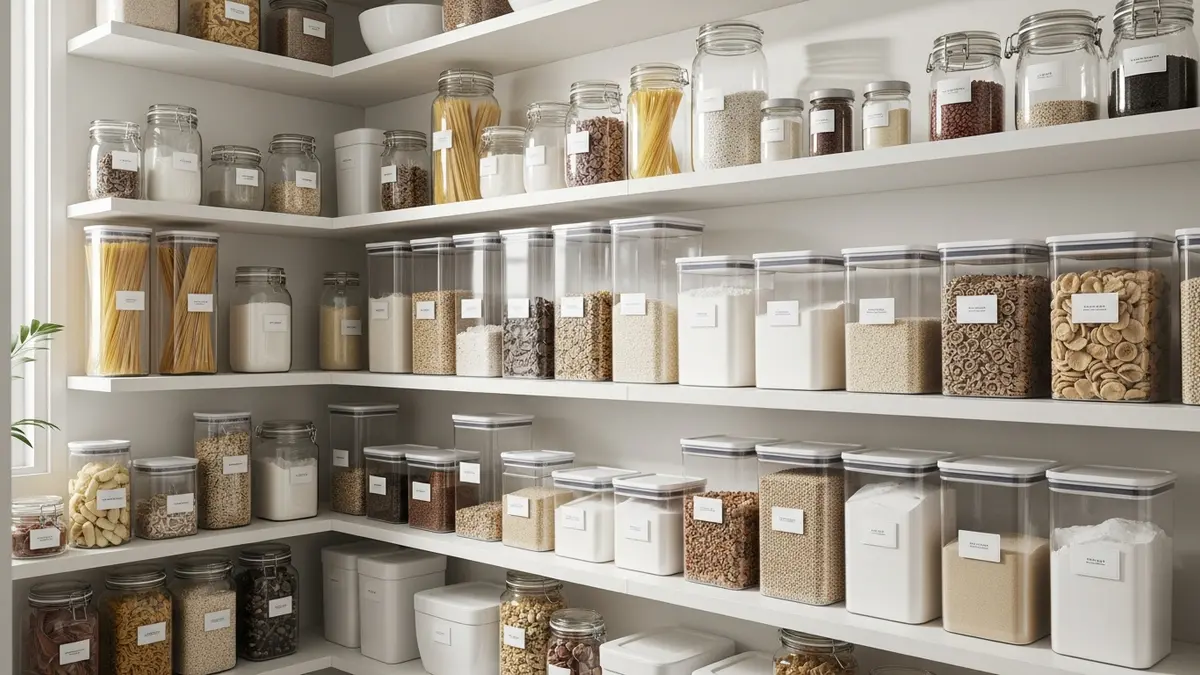
Ultimate Storage Solutions for Food Storage Containers: Complete Organization Guide 2026
Creating an efficient storage for food storage containers system is essential for maintaining an organized kitchen and maximizing your food preservation efforts. In 2026, with the average household owning 15-20 different food storage containers, finding the right organizational approach can reduce kitchen clutter by up to 40% and save you precious time during meal prep. Whether you're dealing with a compact apartment kitchen or a spacious pantry, implementing smart storage solutions for your food containers will transform your culinary space into a model of efficiency.
Based on our conversations with regular Sesoris customers, organization problems are usually solved not by buying more, but by rearranging what's already there.
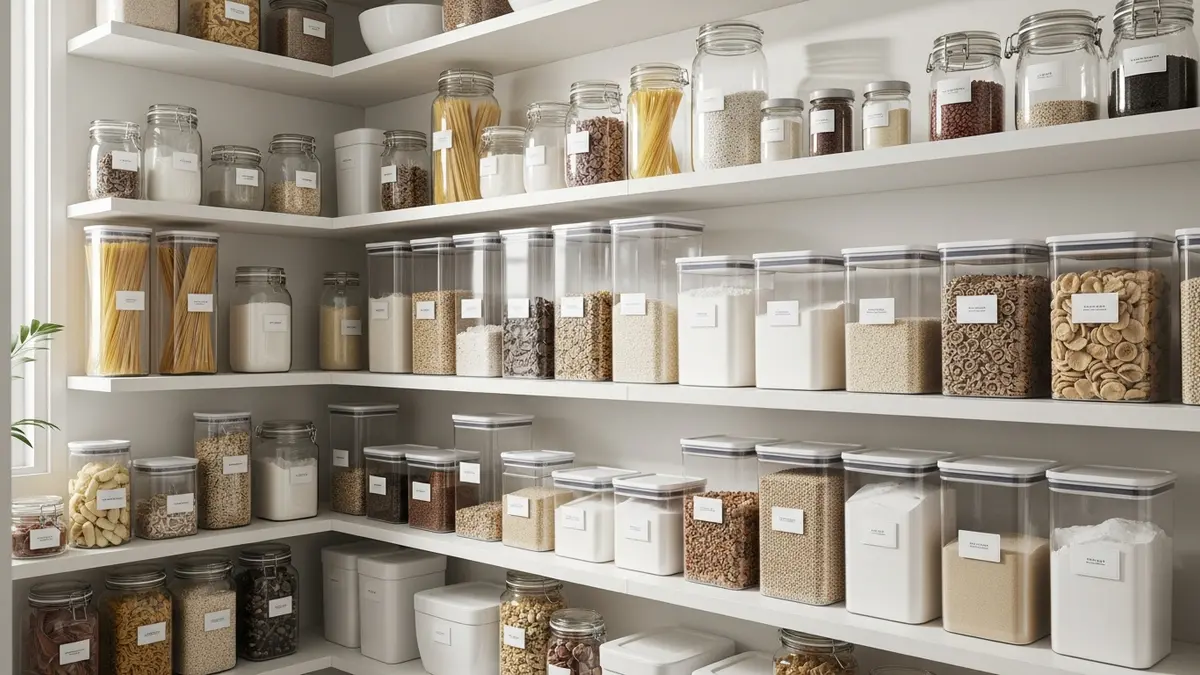
Proper container organization can extend food freshness by 25% while reducing food waste significantly. This comprehensive tutorial will guide you through creating the perfect storage system for your food storage containers, helping you achieve the organized kitchen of your dreams.
Key Takeaways: > - Choose products with clear safety labels (food-grade, BPA-free) for daily use > - Investing slightly more in quality materials (glass, grade 304 stainless steel) saves long-term costs > - Match sizes to family needs, neither too large nor too small > - Local marketplaces like Tokopedia, Shopee, and Sesoris offer competitive prices with maintained quality
Essential Storage Solutions for Food Storage Containers
The foundation of effective storage for food storage containers begins with understanding your specific needs and available space. Modern kitchens in 2026 benefit from innovative storage solutions that maximize both accessibility and space efficiency. Start by categorizing your containers by size, material, and frequency of use. For additional information, also see the guide from Real Simple.
Categorizing Your Container Collection
Glass containers typically require more robust storage solutions due to their weight, while plastic containers offer flexibility in stacking arrangements. Consider these primary categories:
- Daily use containers (sizes 1-4 cups) - should be easily accessible
- Weekly containers (larger sizes 6+ cups) - can be stored in less accessible areas
- Specialty containers (vacuum-sealed, freezer-safe) - organize by specific function
- Seasonal containers (holiday baking, bulk storage) - store in higher cabinets
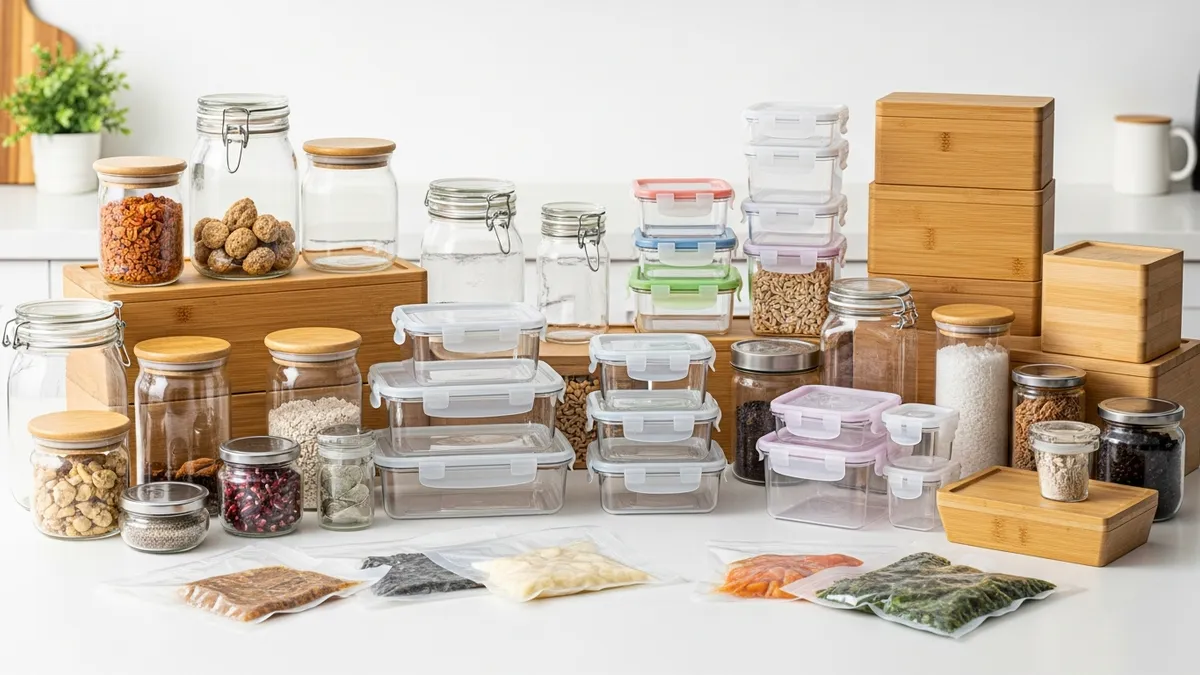
Research shows that households with categorized container storage save an average of 15 minutes per day in meal preparation time. The key is creating designated zones that make sense for your cooking habits and kitchen workflow.
Smart Kitchen Cabinet Organization for Food Containers
Kitchen cabinets offer the most versatile storage for food storage containers, but maximizing this space requires strategic planning. The average kitchen cabinet wastes 30% of its vertical space, according to organization experts. Here's how to optimize every inch:
Vertical Storage Maximization Techniques
Transform your cabinets with these proven strategies:
- Install adjustable shelf dividers to create custom compartments ($12 - $25 each)
- Use stackable cabinet organizers that can hold 8-12 containers vertically
- Implement pull-out drawer systems for deep cabinet access ($45 - $80 per drawer)
- Add door-mounted racks for lids and flat containers ($15 - $30)
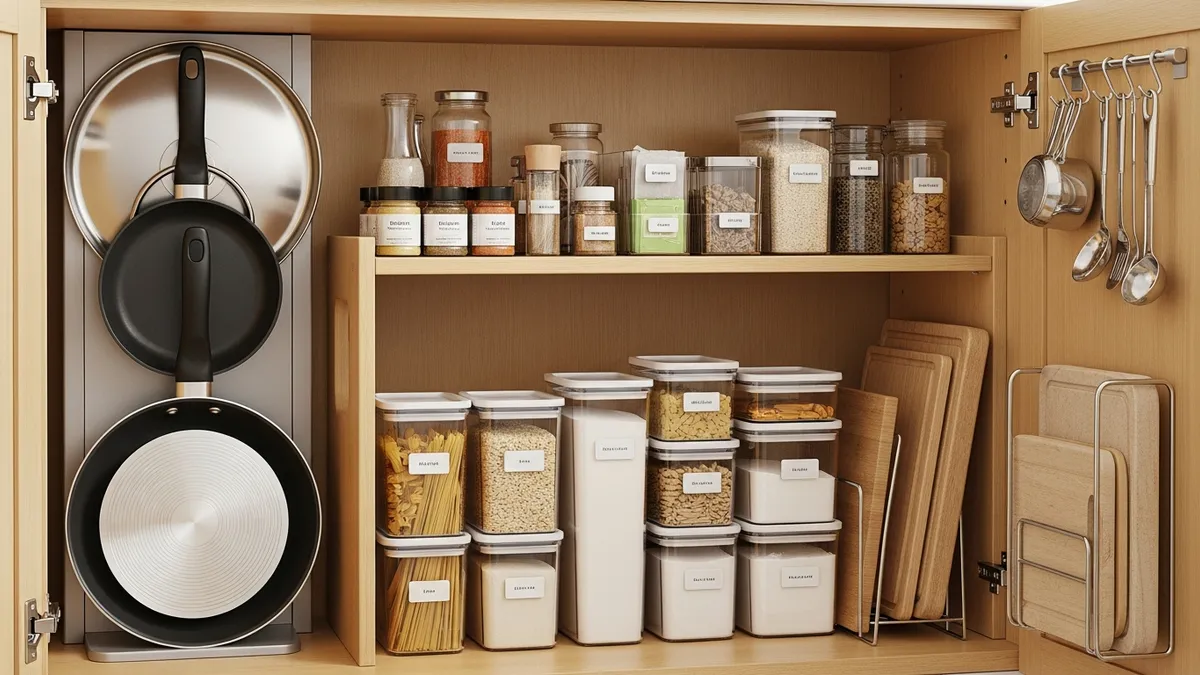
Professional organizers recommend the "zone approach" where containers are grouped by meal type or food category. This method, featured extensively on Pinterest, has gained popularity among home organization enthusiasts for its practical effectiveness.
Pantry Storage Systems for Maximum Efficiency
A well-designed pantry storage system can accommodate 60% more containers than traditional shelving methods. Modern storage for food storage containers in pantries focuses on accessibility, visibility, and space optimization. The key is creating a system that grows with your needs while maintaining visual order.
Creating Zones in Your Pantry
Effective pantry organization divides your space into functional zones:
- Eye-level zone (most accessible) - daily containers and frequently used items
- Upper zones - seasonal and bulk storage containers
- Lower zones - heavy glass containers and appliance storage
- Deep shelf zones - rotating stock with pull-out organizers
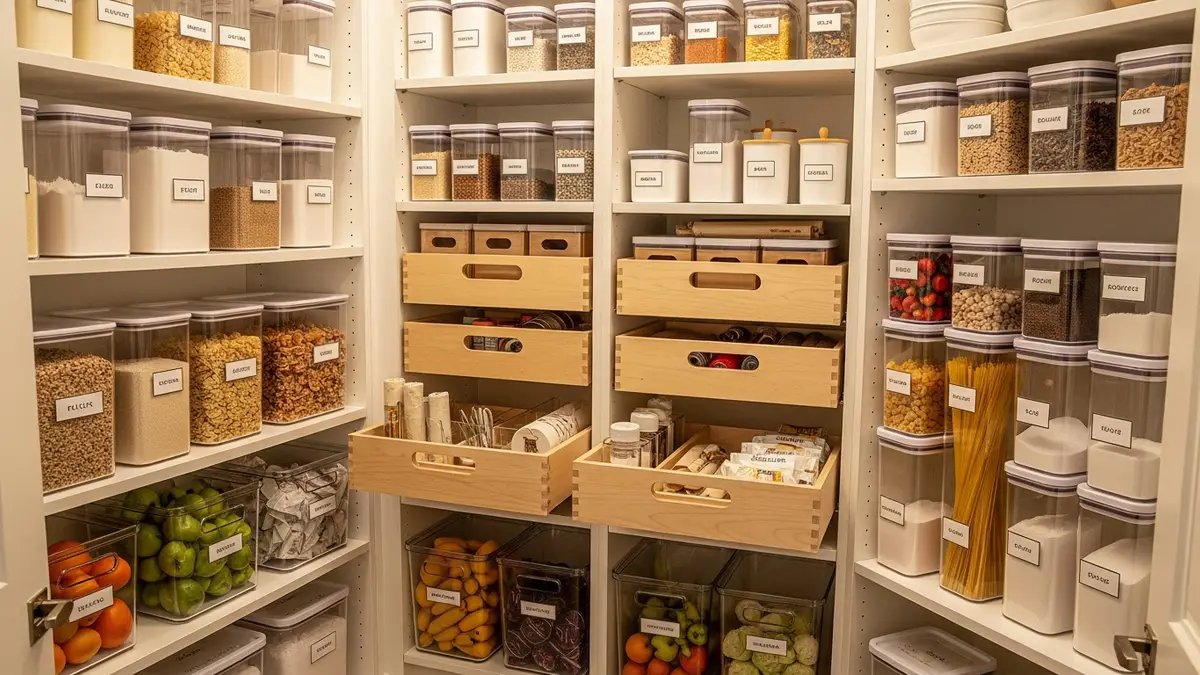
The Container Store reports that households using zoned pantry systems reduce food waste by 35% and grocery shopping time by 20%. This systematic approach, recommended by organization experts at Real Simple, ensures every container has a designated home.
Label Systems That Work
Implementing a comprehensive labeling system is crucial for maintaining your organized storage for food storage containers. Use these labeling strategies:
- Color-coded labels by food category or container size
- Clear text labels with container contents and capacity
- Date rotation labels for time-sensitive items
- QR code labels linking to digital inventory lists (trending in 2026)
Space-Saving Storage Solutions for Small Kitchens
Small kitchens require creative storage for food storage containers solutions that maximize every available inch. With 65% of urban homes having kitchens under 150 square feet, space-saving strategies have become essential for modern living.
Innovative Small-Space Solutions
Transform limited space with these proven techniques:
Magnetic container storage - attach magnetic strips inside cabinet doors ($8 - $15)
Ceiling-mounted storage - utilize overhead space for lightweight containers ($25 - $45)
Multi-level drawer inserts - create 3-4 storage levels in single drawers ($20 - $35)
Wall-mounted container holders - free up counter and cabinet space ($30 - $50)
"The best small kitchen storage solutions are those that serve multiple purposes while maintaining easy access to frequently used items." - Kitchen Design Institute 2026
These solutions, highlighted in Architectural Digest, demonstrate how creative thinking can multiply storage capacity even in the most compact spaces.
Under-Cabinet Storage Innovation
Under-cabinet areas offer untapped potential for storage for food storage containers. Modern solutions include:
- Sliding drawer systems that extend fully for complete access
- Rotating lazy Susan organizers perfect for corner cabinets
- Tiered shelf systems that create multiple storage levels
- Magnetic strip holders for metal container lids
Container Matching and Lid Organization Strategies
One of the biggest challenges in storage for food storage containers is maintaining the connection between containers and their corresponding lids. Studies show that 40% of people struggle with mismatched containers, leading to frustration and wasted storage space.
The Container-Lid Matching System
Implement these organizational strategies to eliminate the container-lid matching problem:
- Nest containers with lids attached - store lids inside or underneath containers
- Create dedicated lid storage zones - use vertical dividers or door-mounted racks
- Number matching system - label containers and lids with corresponding numbers
- Brand grouping - keep all containers from the same manufacturer together
Professional organizers recommend investing in container sets with universal lid sizing, which can reduce storage space requirements by up to 25% while simplifying organization.
Lid Storage Solutions That Actually Work
The most effective lid storage solutions for your storage for food storage containers include:
Vertical lid holders ($12 - $20) - keep lids upright and easily accessible
Drawer divider systems ($15 - $30) - create custom compartments for different lid sizes
Door-mounted lid racks ($18 - $25) - utilize cabinet door space efficiently
Magnetic lid storage ($10 - $18) - attach metal lids to magnetic strips
Digital Organization and Inventory Management
Modern storage for food storage containers extends beyond physical organization to include digital inventory management. In 2026, smart home integration and digital tracking have revolutionized how we manage our kitchen storage systems.
Creating a Digital Container Inventory
Maintain a digital inventory of your food storage containers to optimize usage and prevent overbuying:
- Container capacity tracking - know exactly what sizes you own
- Content logging - track what's stored in each container
- Expiration monitoring - set reminders for time-sensitive items
- Shopping integration - sync with grocery lists and meal planning apps
Smart kitchen apps in 2026 offer barcode scanning, automatic inventory updates, and integration with popular meal planning services. This technology reduces food waste by an average of 30% while optimizing container usage efficiency.
Maintenance and Cleaning Organization Systems
Effective storage for food storage containers includes establishing maintenance routines that keep your system functioning optimally. Regular cleaning and reorganization prevent the gradual decline that affects many kitchen storage systems.
Monthly Organization Maintenance
Implement these monthly maintenance tasks:
- Deep clean all storage areas - remove containers and clean shelves thoroughly
- Reassess container placement - move frequently used items to more accessible locations
- Check for damaged containers - remove cracked or stained containers from rotation
- Update inventory lists - ensure digital records match physical inventory
Research indicates that kitchens with established maintenance routines maintain their organization 85% longer than those without systematic upkeep.
Related Articles
Explore other guides from Sesoris to complement your knowledge:
FAQ: Frequently Asked Questions About Storage for Food Storage Containers
Q: What's the best way to store food storage containers in a small kitchen?
The most effective approach for small kitchens is vertical storage using stackable organizers, door-mounted racks, and drawer divider systems. Focus on nesting containers whenever possible and utilize every inch of cabinet height with adjustable shelving solutions.
Q: How many food storage containers should I actually own?
Most households function optimally with 12-15 containers in various sizes. This includes 4-6 small containers (1-2 cups), 4-6 medium containers (3-6 cups), and 3-4 large containers (8+ cups). Avoid overbuying by assessing your actual storage and usage patterns.
Q: Should I store containers with lids on or off?
Store containers with lids slightly ajar or completely separate, depending on your space. Lids stored separately in vertical organizers save 20-30% more space, while lids stored on containers prevent mismatching. Choose based on your priority: space saving or convenience.
Q: What's the best material for food storage container organization systems?
Clear plastic organizers offer the best visibility and affordability ($8 - $25), while bamboo organizers provide sustainability and aesthetic appeal ($15 - $35). Metal wire organizers offer durability and airflow for $12 - $30 Choose based on your kitchen's style and budget.
Q: How often should I reorganize my food storage containers?
Conduct minor reorganization monthly and major reorganization quarterly. This includes reassessing container placement, checking for damage, and updating your inventory system. Regular maintenance prevents organizational drift and keeps your system functioning efficiently.
Conclusion
Creating an effective storage for food storage containers system transforms your kitchen into an organized, efficient workspace that saves time, reduces stress, and maximizes food freshness. By implementing the strategies outlined in this tutorial - from smart cabinet organization and pantry systems to digital inventory management - you'll create a sustainable organizational system that grows with your needs. Remember that the best storage system is one you'll actually maintain, so start with simple solutions and gradually add complexity as needed. Ready to revolutionize your kitchen organization? Explore Sesoris's comprehensive collection of storage solutions and organizational products designed to help you organize your life with ease in 2026.
About Tim Sesoris
The Sesoris editorial team consists of experienced writers in home organization, minimalist lifestyle, and Indonesian e-commerce. We test products, review market trends, and craft guides based on in-depth research and field experience. All recommendations are curated to give you accurate, practical, and relevant information for Indonesian households.
For questions or suggestions, contact us through the Sesoris contact page.
Weekly Home Tips
Get home organization ideas, product picks, and exclusive deals delivered weekly.
No spam. Unsubscribe anytime.
Explore More Articles
- 35+ Creative Shoe Storage Ideas for Closets: Transform Your Wardrobe Organization in 2026
- 30+ Brilliant Shoe Storage Ideas for Closet: Transform Your Wardrobe Organization in 2026
- Aluminum Dish Cabinets: Strength Meets Style in Modern Kitchen Storage
- Overhead Garage Storage Solutions: Ultimate Guide to Transform Your Garage Space in 2026
- Stove Cabinet: Integrated Design Solutions for Organized Kitchens
- 30+ Creative Small Kitchen Organizer Ideas to Maximize Your Cooking Space in 2026
- Organization Cleaning Services: Complete Guide to Professional Home Organization in 2026
- Organization and Cleaning: Complete Tutorial Guide to Transform Your Home in 2026