
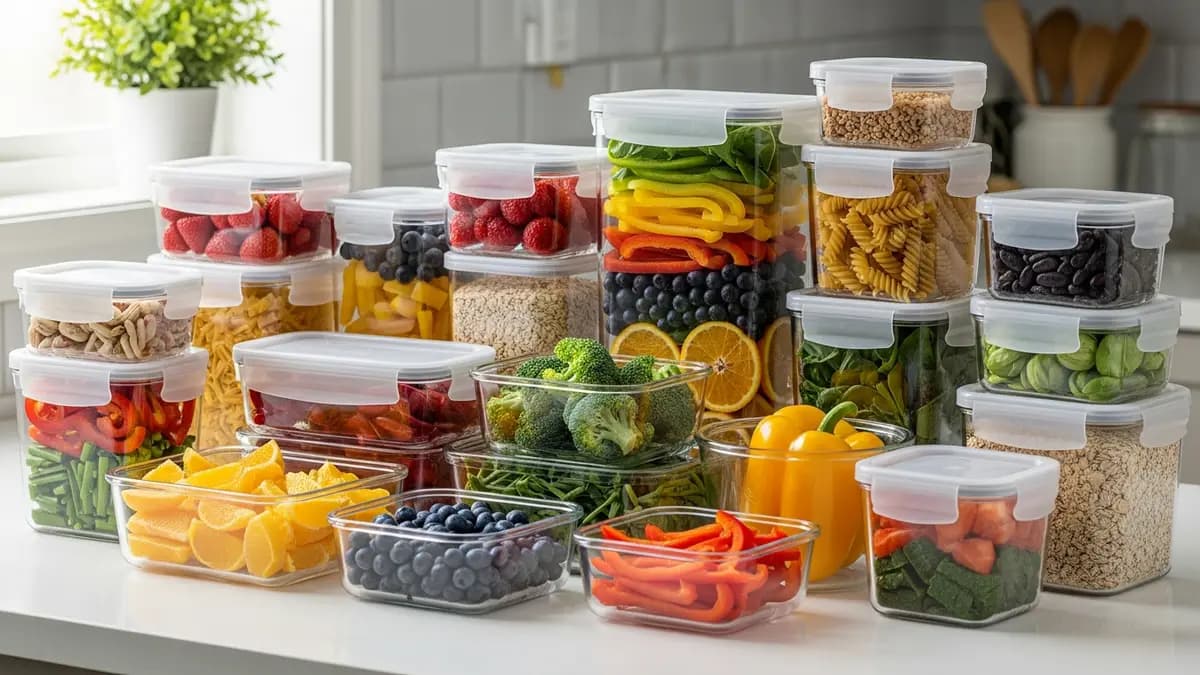
Food Storage Containers with Lids: Complete Guide to Fresh Food Organization in 2026
Finding the perfect food storage containers with lids can transform your kitchen organization and significantly extend your food's freshness. In 2026, with rising food costs averaging 15% higher than previous years, investing in quality storage solutions isn't just about organization, it's about maximizing your grocery budget and reducing food waste by up to 40%.
Our team at Sesoris has noticed that the happiest customers aren't those with the largest homes, but those with the most consistent organization habits.
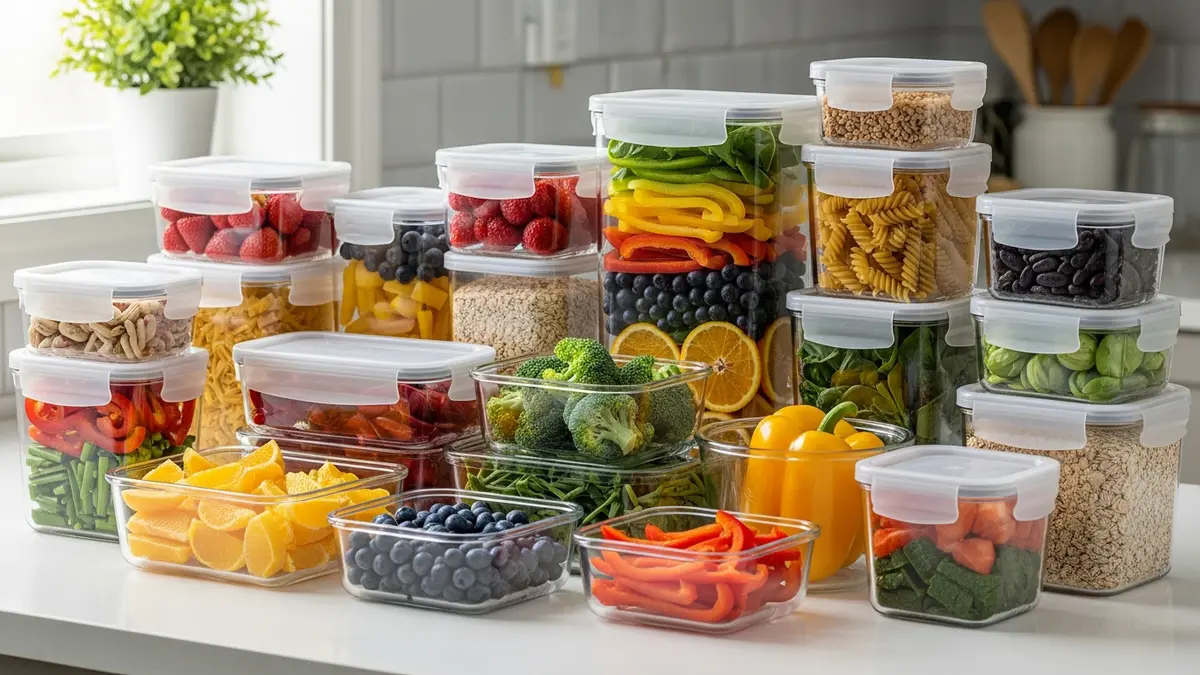
Whether you're meal prepping for the week, storing holiday leftovers, or organizing your pantry, the right containers with secure lids make all the difference. From glass containers that showcase your ingredients beautifully to stackable plastic options perfect for busy families, this comprehensive guide will help you choose the ideal food storage containers with lids for your specific needs.
Key Takeaways: > - Choose products with clear safety labels (food-grade, BPA-free) for daily use > - Investing slightly more in quality materials (glass, grade 304 stainless steel) saves long-term costs > - Match sizes to family needs, neither too large nor too small > - Local marketplaces like Tokopedia, Shopee, and Sesoris offer competitive prices with maintained quality
Why Food Storage Containers with Lids Are Essential in 2026
Modern households are increasingly focused on sustainability and cost-effectiveness. Quality food storage containers with lids address multiple concerns that today's families face: For additional information, also see the guide from Real Simple.
Freshness Preservation: According to the USDA Food Safety Guidelines, proper storage can extend food life by 3-5 times compared to inadequate containers. Airtight lids prevent oxidation and moisture loss, keeping your food fresh longer.
Economic Benefits: Investing $50 - $100 in quality storage containers can reduce food waste by 35-50%, paying for itself within months.
Space Optimization: Stackable containers with secure lids maximize refrigerator and pantry space. Studies show organized storage systems can increase usable space by up to 30%.
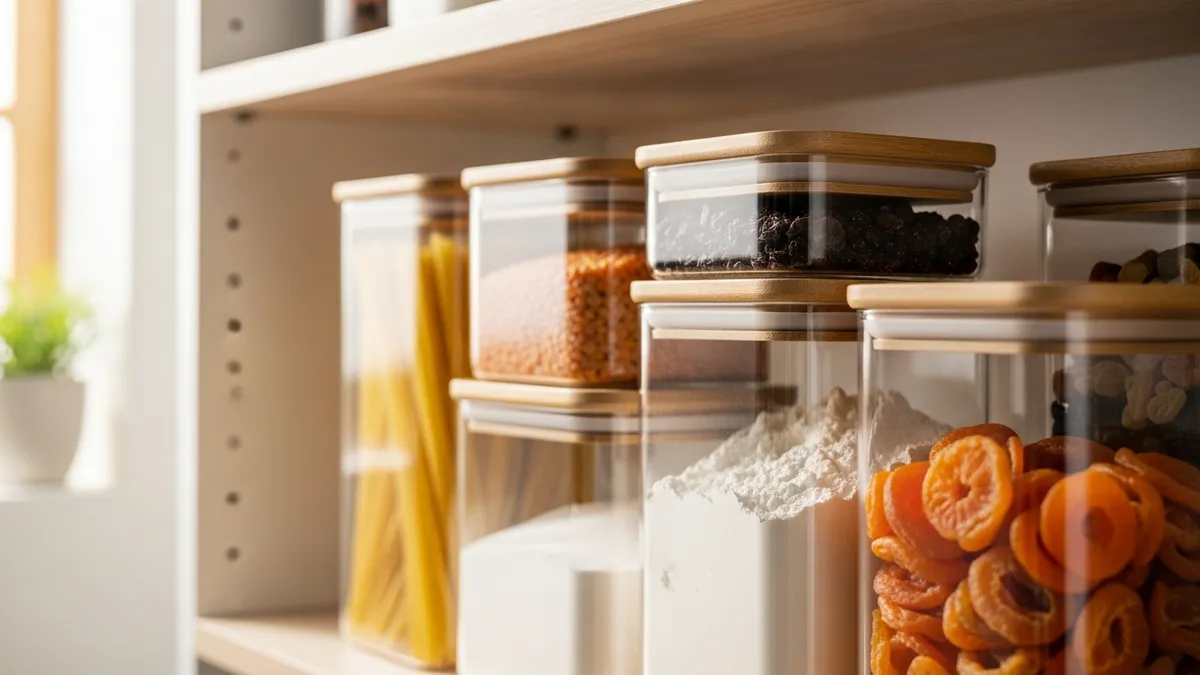
Health and Safety: BPA-free materials and airtight seals prevent bacterial growth and cross-contamination. Modern lid designs create vacuum-like seals that maintain optimal storage conditions.
Material Considerations for Container Lids
The lid material significantly impacts performance and durability:
- Silicone Gaskets: Provide superior airtight seals and remain flexible in extreme temperatures
- Polypropylene Lids: Lightweight, dishwasher-safe, and chemical-resistant
- Glass Lids: Offer complete visibility and won't absorb odors or stains
- Bamboo Lids: Eco-friendly option with natural antimicrobial properties
Types of Food Storage Containers with Lids for Different Needs
Choosing the right food storage containers with lids depends on your specific storage requirements, available space, and lifestyle preferences.
Glass Food Storage Containers with Lids
Glass containers remain the gold standard for food storage in 2026. Premium brands like Pyrex offer complete sets starting at $80 for 10-piece collections.
Advantages of Glass Containers:
- Non-porous surface won't absorb odors, flavors, or stains
- Microwave and oven-safe (without plastic lids)
- Completely transparent for easy content identification
- Dishwasher-safe for effortless cleaning
- Chemical-free storage without BPA concerns
Best Uses: Storing acidic foods like tomato sauce, marinating meats, freezer storage, and reheating meals directly in the container.
Plastic Food Storage Containers with Secure Lids
Modern plastic containers have evolved significantly, with BPA-free formulations and innovative lid designs. Quality sets range from $25 - $60 depending on size and features.
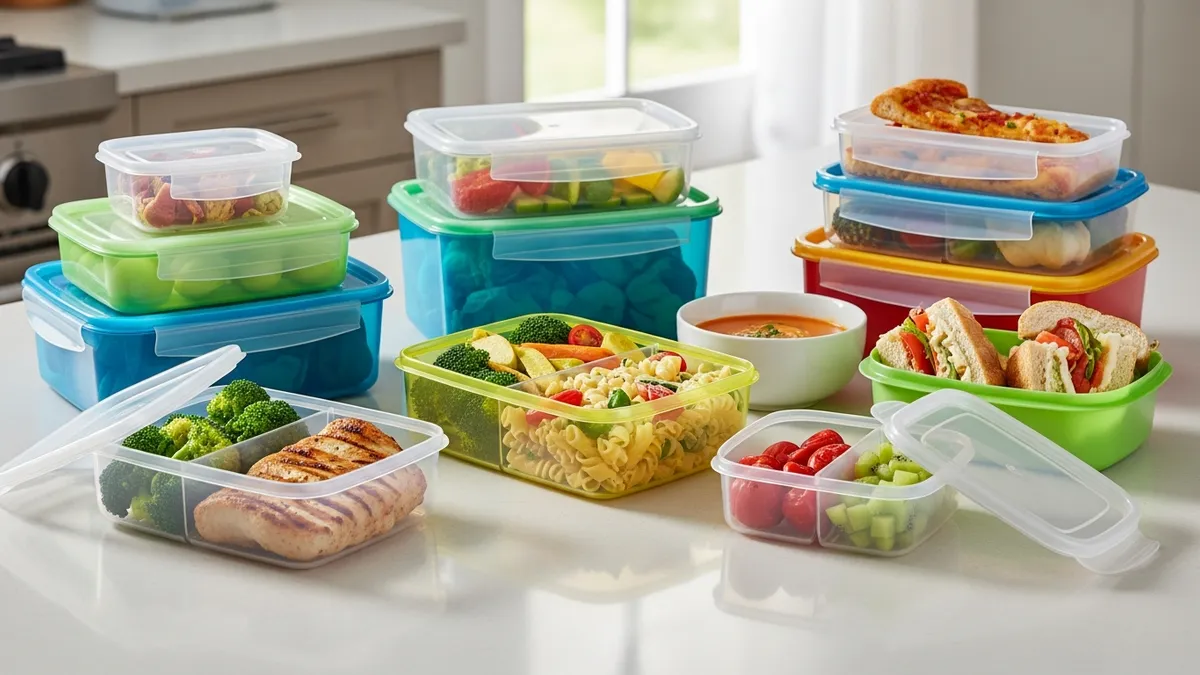
Benefits of Plastic Storage Containers:
- Lightweight and shatter-resistant for everyday use
- Stackable designs maximize storage efficiency
- Affordable option for large families
- Available in various colors for categorization systems
- Freezer-safe options for long-term storage
Lid Technologies: Look for containers featuring snap-lock lids, silicone-sealed edges, and steam vents for microwave use. The best plastic food storage containers with lids in 2026 include leak-proof guarantees.
Essential Features to Look for in Food Storage Container Lids
The lid design often determines the container's effectiveness. When shopping for food storage containers with lids, prioritize these crucial features:
Airtight Sealing Technology
Modern lids incorporate multiple sealing mechanisms:
- Silicone Gaskets: Create vacuum-tight seals that prevent air and moisture infiltration
- Multi-Point Locking: Four or more locking points distribute pressure evenly
- Graduated Sealing: Step-down lid designs that compress contents while sealing
- Pressure Valve Systems: Allow air removal for extended freshness
Containers with proper airtight lids maintain food freshness 3x longer than basic snap-on versions.
Stackability and Space Efficiency
Efficient lid design enables perfect stacking without sacrificing seal integrity. Look for:
- Flat-top lids that accommodate containers stacked above
- Interlocking rim designs that prevent sliding
- Graduated sizes that nest together when empty
- Corner-grip handles that don't interfere with stacking
Space-efficient food storage containers with lids can increase your refrigerator's usable space by up to 40%, according to kitchen organization experts at The Spruce.
Easy-Open Lid Mechanisms
User-friendly lid designs are essential for daily use:
- Lever-Release Systems: One-handed operation for quick access
- Flexible Tab Pulls: Easy grip points that won't break under stress
- Color-Coded Systems: Visual indicators for different food categories
- Date Tracking: Built-in wheels or areas for marking storage dates
Best Food Storage Containers with Lids by Category in 2026
Premium Glass Options ($50 - $150)
For households prioritizing durability and versatility, glass containers offer unmatched performance. The Sesoris Premium Glass Collection features borosilicate glass with leak-proof lids.
Top Features:
- Temperature resistance from -40°F to 450°F
- Lifetime warranty against thermal shock
- Modular sizing system for optimal organization
- Microwave and oven-safe construction
Budget-Friendly Plastic Solutions ($15 - $45)
Quality plastic food storage containers with lids provide excellent value for growing families. Look for BPA-free polypropylene construction with silicone-sealed lids.
Recommended Features:
- Dishwasher-safe materials
- Freezer compatibility to -10°F
- Microwave venting lids
- Stain and odor resistance
Specialty Storage Solutions
Vacuum-Sealed Containers: For extended freshness, vacuum-lid systems remove air completely. Prices range from $30 - $80 per container but can extend food life by 5x normal storage.
Portion Control Sets: Pre-measured containers perfect for meal prep and dietary management. Typically $25 - $50 for complete portion-controlled systems.
Organization Systems Using Food Storage Containers with Lids
Creating an effective kitchen organization system requires strategic placement and labeling of your food storage containers with lids.
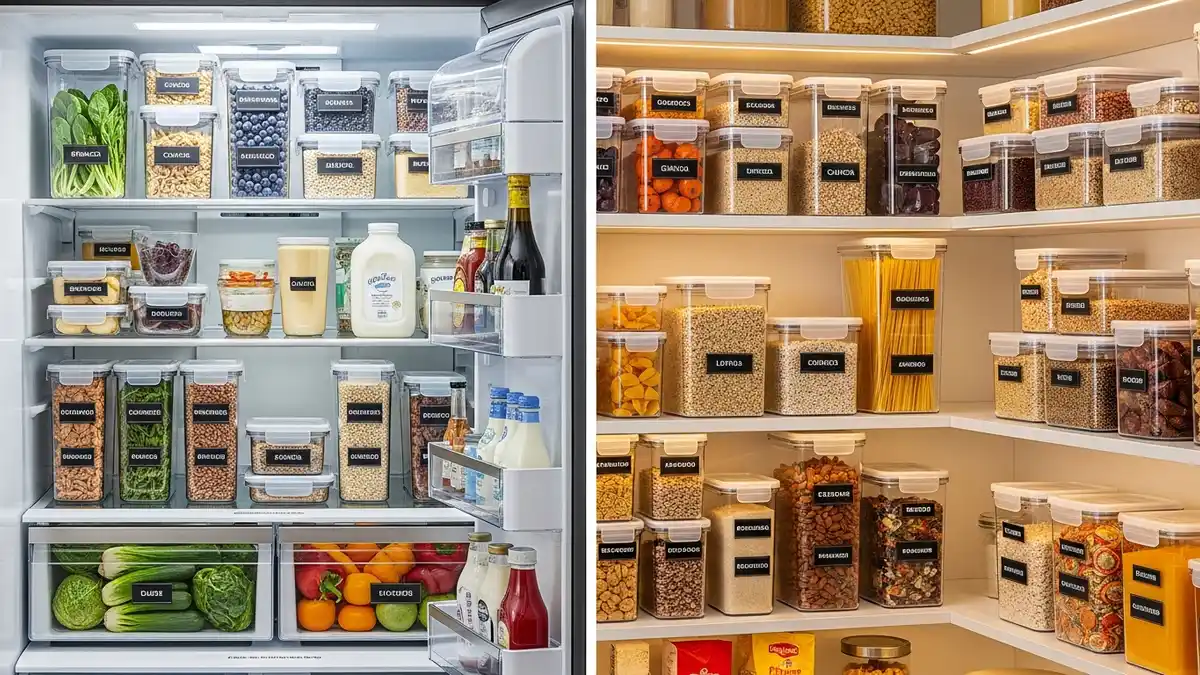
Refrigerator Organization Strategy
Maximize freshness and accessibility with systematic organization:
- Upper Shelves: Glass containers with leftovers and prepared meals
- Middle Shelves: Clear containers with daily-use items like cut vegetables
- Lower Shelves: Larger containers with meal prep portions
- Door Storage: Small containers for condiments and sauces
Professional organizers recommend dedicating 60% of refrigerator space to containers with airtight lids to maintain optimal freshness levels.
Pantry Storage Solutions
Transform your pantry with stackable food storage containers with lids:
- Dry Goods Station: Large containers (2-4 quarts) for flour, sugar, rice
- Snack Organization: Medium containers (1-2 quarts) for nuts, cereals, crackers
- Spice and Seasoning Area: Small containers (8-16 oz) with clear lids
- Baking Supply Zone: Specialized containers for chocolate chips, sprinkles, extracts
Maintenance and Care for Food Storage Container Lids
Proper maintenance ensures your food storage containers with lids provide years of reliable service and maintain their sealing effectiveness.
Daily Cleaning Best Practices
Regular cleaning prevents odor buildup and maintains lid functionality:
- Hand Wash Lids: Even dishwasher-safe lids benefit from gentle hand washing to preserve gasket flexibility
- Avoid Abrasive Cleaners: Use mild dish soap to prevent scratching sealing surfaces
- Dry Completely: Ensure all components are completely dry before storage to prevent mold growth
- Check Gaskets Monthly: Inspect silicone seals for wear, cracks, or food residue
Deep Cleaning and Odor Removal
For stubborn odors or stains, follow these professional cleaning methods:
- Baking Soda Paste: Mix 3 parts baking soda with 1 part water, let sit 30 minutes
- White Vinegar Soak: Submerge lids in undiluted white vinegar for 2 hours
- Lemon and Salt Scrub: Natural abrasive that removes stains without damaging seals
- UV Sanitizing: Place clean, dry containers in direct sunlight for natural sanitization
Professional kitchen equipment suppliers report that proper maintenance can extend container life by 40-60% compared to standard care routines.
Replacement and Upgrades
Know when to replace your food storage containers with lids:
- Warped or Cracked Lids: Compromise sealing ability
- Damaged Gaskets: Cannot maintain airtight seals
- Persistent Odors: Indicate material degradation
- Difficulty Opening: Suggests mechanism wear
Many premium manufacturers offer individual lid replacements, extending the life of quality containers. Check with Sesoris customer service for replacement part availability.
Smart Shopping Tips for Food Storage Containers with Lids
Making informed purchases ensures you get the best value and performance from your food storage containers with lids.
Size Planning and Set Selection
Determine your storage needs before purchasing:
Small Households (1-2 people): 6-8 containers ranging from 8oz to 2 quarts
Medium Families (3-4 people): 10-15 containers with varied sizes including large meal prep options
Large Families (5+ people): 20+ container systems with bulk storage capabilities
Budget Allocation Strategy
Invest strategically in quality food storage containers with lids:
- 70% on Daily-Use Containers: Prioritize quality for frequently used sizes
- 20% on Specialty Storage: Unique shapes for specific needs
- 10% on Replacement/Backup: Extra lids and gaskets
Research indicates that spending 15-20% more on premium containers saves 30-50% on food costs annually through improved preservation.
Seasonal Shopping Opportunities
Time your purchases for maximum savings:
- January: Post-holiday clearance on gift sets
- Spring: New product launches with introductory pricing
- Back-to-School Season: Lunch container promotions
- Black Friday/Cyber Monday: Deep discounts on premium brands
Sesoris frequently offers seasonal promotions with savings up to 40% on popular food storage container sets.
Related Articles
Explore other guides from Sesoris to complement your knowledge:
Repairing Common Food Storage Containers Lids Problems
Rather than immediately replacing damaged food storage containers lids, many common issues can be repaired at home, saving money and reducing waste. Here's how to address the most frequent problems:
Fixing Warped Lids
Heat exposure often causes plastic lids to warp, preventing proper sealing. This simple repair technique works for most minor warping:
- Fill a large bowl with hot water (not boiling) around 160°F
- Submerge the warped lid for 30-60 seconds
- Place the lid on a flat surface and apply gentle pressure
- Allow to cool completely before testing the seal
- Repeat if necessary for stubborn warping
Pro Tip: Prevention is key! Always allow hot foods to cool before sealing and avoid putting plastic lids in the dishwasher's heated dry cycle.
Replacing Worn Gaskets and Seals
Silicone gaskets and rubber seals are often the first components to wear out on food storage containers lids. Replacement gaskets typically cost $2 - $5 each and can extend your lid's life by years.
- Remove the old gasket carefully using a plastic tool
- Clean the gasket groove thoroughly with warm soapy water
- Measure the groove to ensure proper replacement gasket size
- Install the new gasket by pressing firmly into the groove
Smart Organization Strategies with Lidded Food Storage Containers
Creating an efficient storage system requires strategic planning and the right selection of lidded food storage containers sized for your household's consumption patterns.
The 3-Zone Storage Method
Professional organizers recommend dividing your storage areas into three distinct zones, each optimized for different types of lidded containers:
Zone 1: Daily Access Items
Store frequently used ingredients in medium-sized containers (2-4 quart capacity) at eye level. Coffee, sugar, flour, and cereals belong in this prime real estate area of your pantry or kitchen cabinets.
Zone 2: Weekly Rotation Items
Medium-frequency items like pasta, rice, and baking supplies work best in larger containers (4-8 quart capacity) on lower shelves. These lidded food storage containers should be easily accessible but don't need to be in the prime zone.
Zone 3: Bulk and Seasonal Storage
Large containers (8+ quart capacity) house bulk purchases and seasonal items. Store these in harder-to-reach areas like high shelves or pantry corners.
Labeling Systems for Maximum Efficiency
Implement a comprehensive labeling system that includes both contents and expiration dates. Real Simple research indicates that properly labeled containers reduce food waste by an additional 25% beyond the preservation benefits.
- Use waterproof labels that won't peel or fade
- Include purchase or transfer dates for rotation tracking
- Note any special storage requirements or serving suggestions
- Consider color-coding systems for different food categories
- Place labels at eye level for easy identification
FAQ: Frequently Asked Questions About Food Storage Containers with Lids
Q: How long do food storage containers with lids typically last?
Quality containers can last 5-10 years with proper care. Glass containers often outlast plastic versions, while lids may need replacement every 2-3 years depending on usage frequency.
Q: Are expensive food storage containers with lids worth the investment?
Yes, premium containers typically offer better sealing technology, durability, and warranty coverage. The initial higher cost is offset by extended food freshness, reduced replacement needs, and better organization efficiency.
Q: Can I microwave food storage containers with plastic lids?
Most modern plastic lids are microwave-safe, but always check manufacturer specifications. Remove or vent lids to prevent pressure buildup. Glass lids should never be used in microwaves.
Q: What's the difference between airtight and leak-proof lids?
Airtight lids prevent air exchange for freshness preservation, while leak-proof lids prevent liquid spillage. The best containers offer both features for maximum versatility.
Q: How do I remove stubborn odors from container lids?
Soak lids in a solution of equal parts white vinegar and water for 2-4 hours, then scrub with baking soda paste. For severe odors, replace the lid if the gasket has absorbed smells permanently.
Pro Tip: Always buy one size larger than you think you need. Overpacking containers compromises lid sealing and can lead to spillage and reduced freshness.
Conclusion
Investing in quality food storage containers with lids is one of the most impactful decisions you can make for your kitchen organization and food preservation efforts in 2026. Whether you choose premium glass options for their durability and versatility, or efficient plastic solutions for their practicality and affordability, the right containers will transform your food storage experience.
The key to success lies in selecting containers that match your specific needs, lifestyle, and budget while prioritizing essential features like airtight sealing, stackability, and ease of use. Remember that quality food storage containers with lids are an investment that pays dividends through reduced food waste, better organization, and significant savings on your grocery budget.
Ready to transform your kitchen organization? Explore Sesoris's complete collection of food storage solutions and discover how the right containers with secure lids can revolutionize your food preservation and organization system. Start building your perfect storage collection today and experience the difference quality makes in keeping your food fresh and your kitchen organized.
About Tim Sesoris
The Sesoris editorial team consists of experienced writers in home organization, minimalist lifestyle, and Indonesian e-commerce. We test products, review market trends, and craft guides based on in-depth research and field experience. All recommendations are curated to give you accurate, practical, and relevant information for Indonesian households.
For questions or suggestions, contact us through the Sesoris contact page.
For matching storage gear, browse the Kitchen & Dining collection.
Weekly Home Tips
Get home organization ideas, product picks, and exclusive deals delivered weekly.
No spam. Unsubscribe anytime.

Explore More Articles
- Free Printable Storage Bin Labels: The Complete 2026 Guide to a Perfectly Organized Home
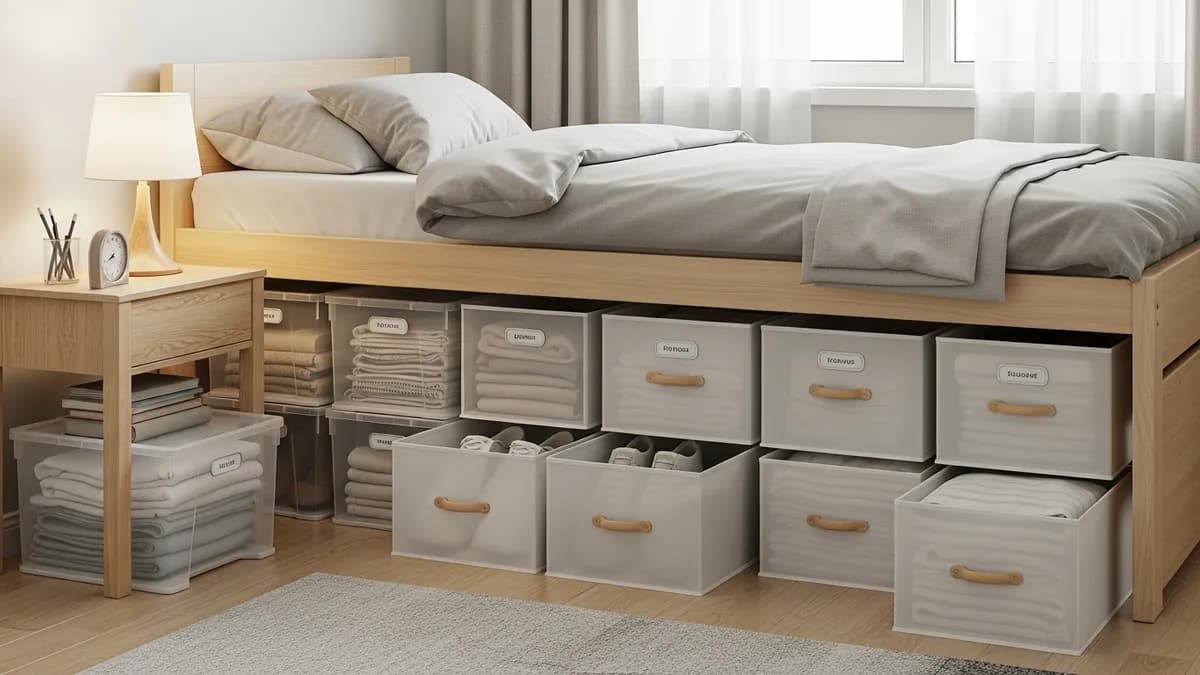
- 20+ Best Under Dorm Bed Storage Ideas to Maximize Every Inch of Your Room in 2026
- 30+ Best Small Entryway Organization Ideas to Transform Your Home's First Impression in 2026
- 25+ Best Indoor Plant Stand Ideas to Elevate Your Home Decor in 2026
- Storage Bin Labels: The Complete 2026 Guide to a Perfectly Organized Home
- 25+ Best Kids Book Storage Ideas to Create a Tidy, Reading-Friendly Space in 2026
- 25+ Best Home Gym Organization Ideas to Build a Functional Workout Space in 2026
- 25+ Best Work From Home Desk Setup Ideas to Build a Productive Workspace in 2026