

Quality Products, Free Shipping & Easy Returns!
Sesoris
My AccountTrack Order
BlogPanduan
Food Storage Racks: The Solution for a Clean and Hygienic Kitchen
Panduan

Food Storage Racks: The Solution for a Clean and Hygienic Kitchen

May 15, 2026
9 min read read
/images/team/avatar-default.webp
Tim Sesoris
Home Organization Expert

A well-organized kitchen starts with a proper food storage system. Food storage racks that are chosen correctly not only make your kitchen look clean but also keep your ingredients hygienic, easily accessible, and prevent them from spoiling or expiring without your knowledge.

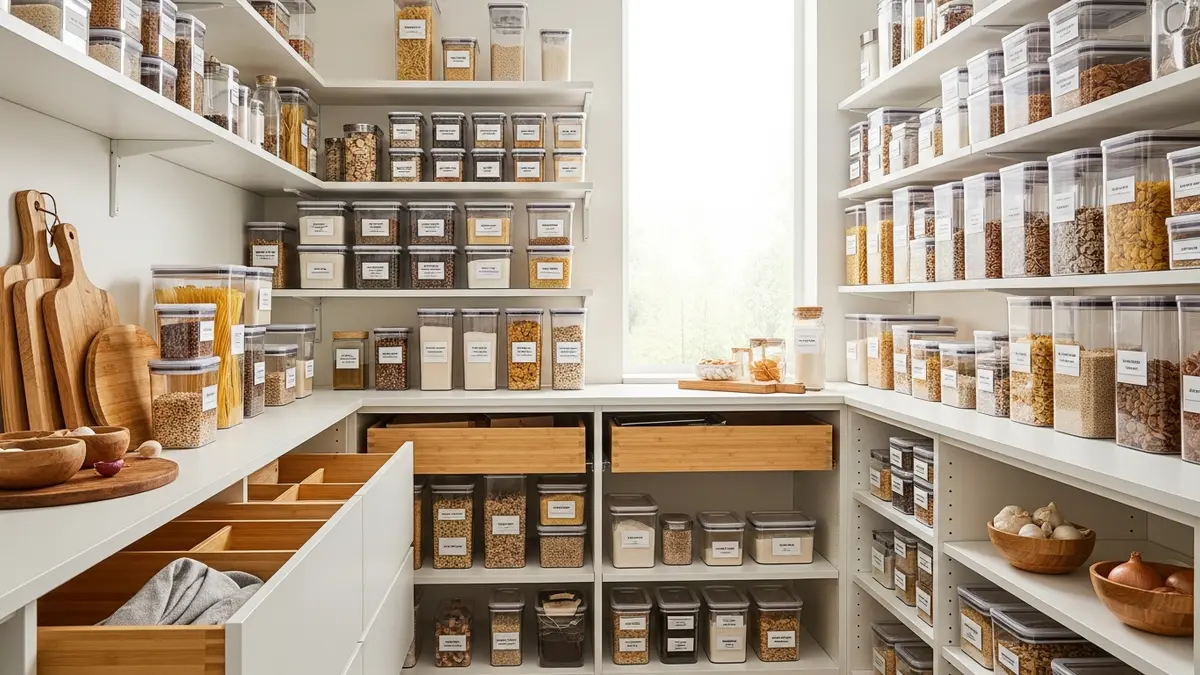
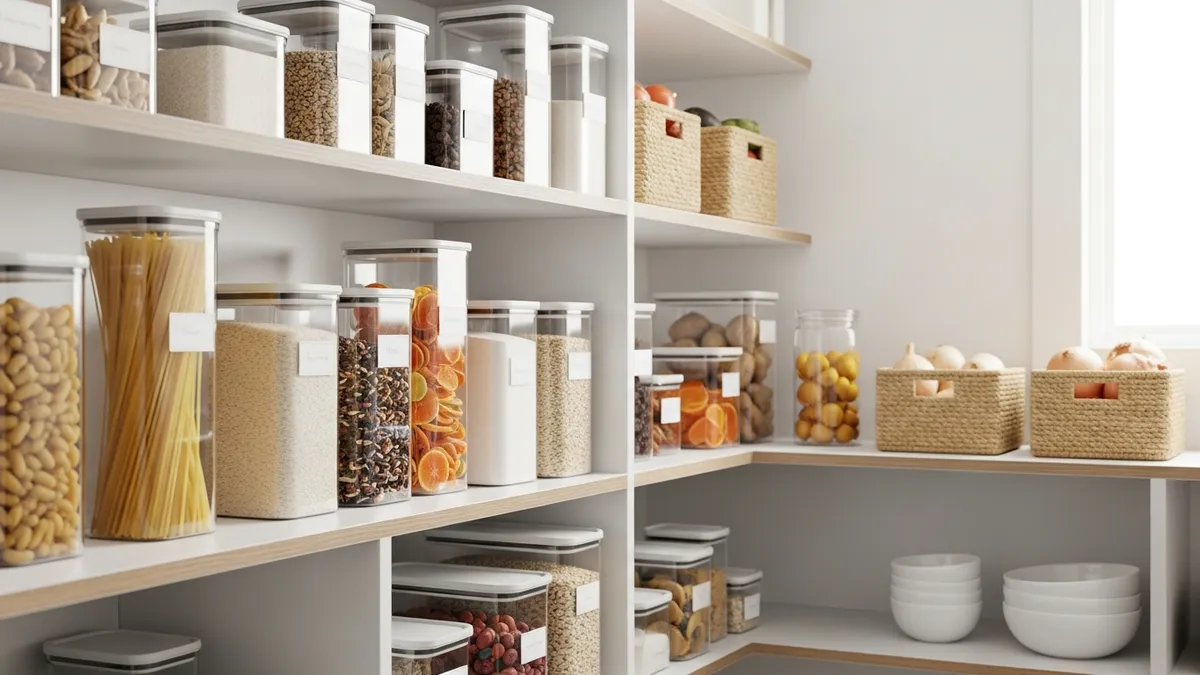
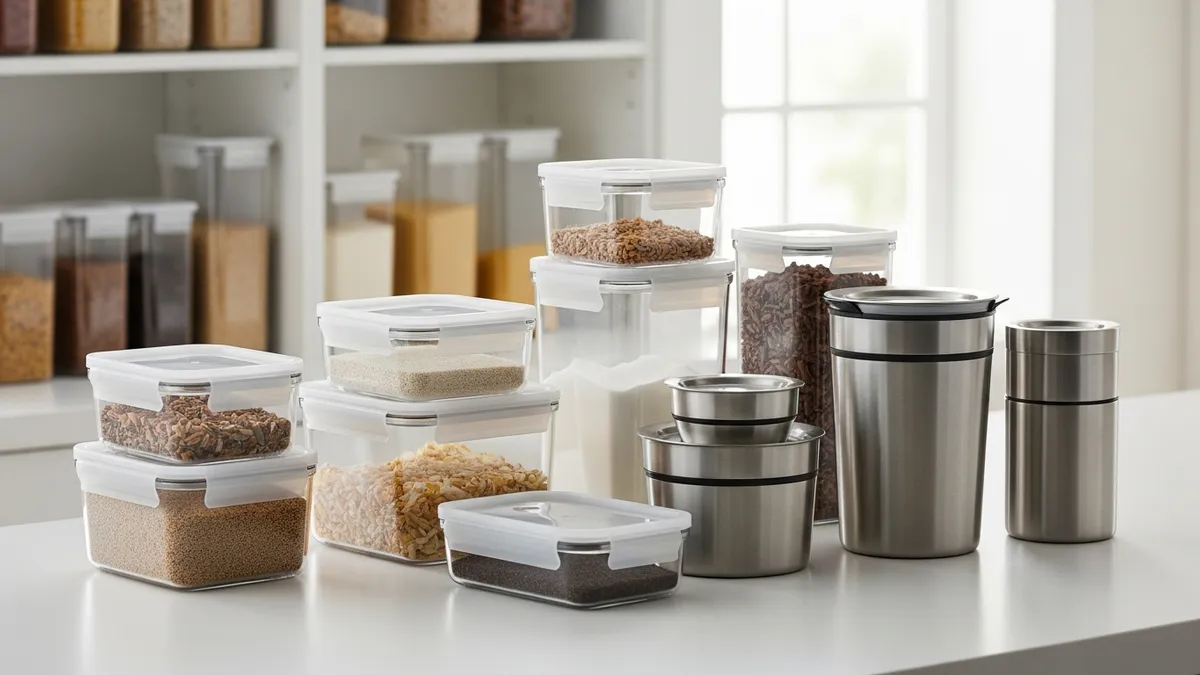
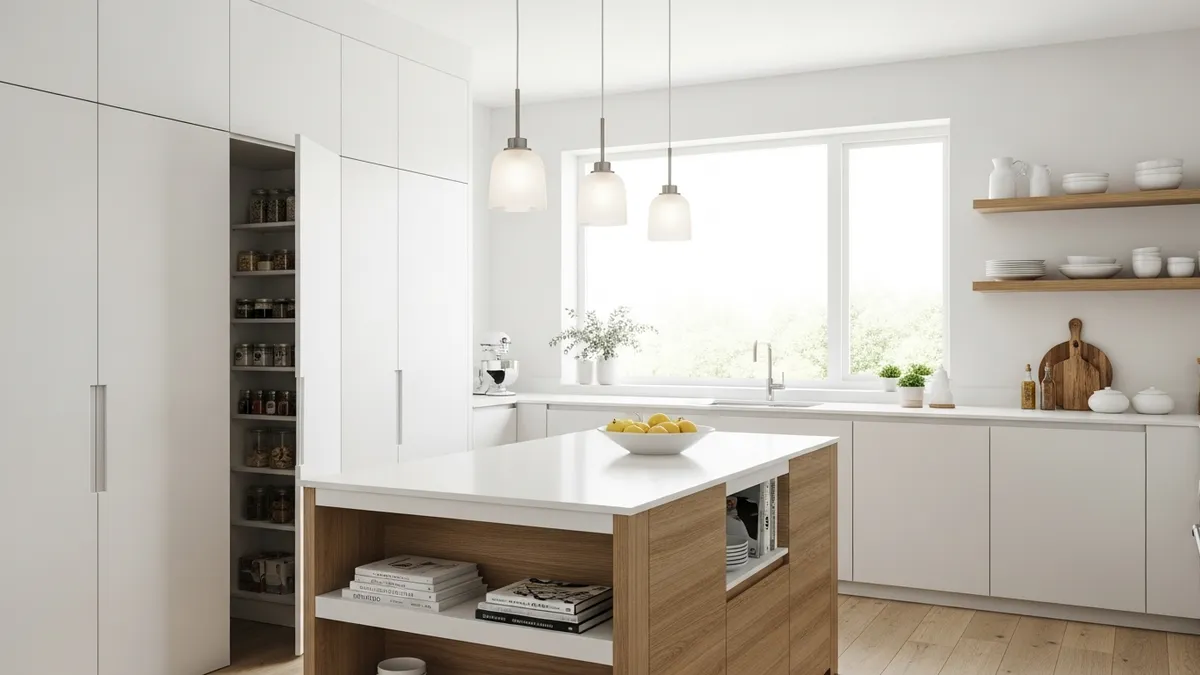
Modern food storage rack for a clean and hygienic kitchen

This article discusses how to choose a food storage rack that suits your kitchen needs, from material types and designs to arrangement tips that make cooking more efficient and enjoyable.

Why Are Food Storage Racks Important for Your Kitchen?

The kitchen is one of the busiest areas in a home. Without a proper storage system, food can scatter, become difficult to find when needed, and may even become contaminated due to improper storage.

A survey by the Indonesian Food and Drug Authority shows that improper food storage is one of the main causes of food poisoning in households. Food storage racks designed specifically for food help maintain cleanliness, air circulation, and separation of different food types.

Benefits of Using Food Storage Racks

  • Maintains cleanliness - food doesn't directly contact the floor or dirty surfaces
  • Easy access - all ingredients are visible and within reach
  • Prevents waste - helps you see remaining stock and prevents food from expiring
  • Saves space - utilizes vertical space that's often overlooked
  • Maintains food quality - good air circulation prevents excess moisture

Types of Food Storage Racks Based on Material

1. Stainless Steel Racks

Stainless steel is the most popular material for food storage racks in professional kitchens and homes. This material is rust-resistant, easy to clean, and doesn't absorb odors. It has very high durability and can handle heavy loads.

Stainless steel racks are suitable for storing cookware, spices, and dry ingredients. While the price is higher than other materials, its durability makes it worth the investment.

2. Aluminum Racks

Aluminum is a lighter and more affordable alternative to stainless steel. This material is also rust-resistant and easy to clean. It's ideal for small kitchens since its light weight makes installation and relocation easier.

3. Food Grade Plastic Racks

Food grade plastic racks are perfect for storing fruits, vegetables, and lightweight food items. The advantages are affordable price, light weight, and availability in various colors. Make sure to choose ones labeled as food grade and BPA-free.

4. Wood or Bamboo Racks

These natural materials give a warm impression to your kitchen. They're suitable for storing dry ingredients like bread, fruit, or spices. However, wooden racks require extra maintenance as they're prone to moisture and mold.

Comparison of Food Storage Rack Materials

MaterialRust-ResistantMax LoadMaintenancePriceBest For
Stainless SteelYes30-50 kg/tierEasy$18-$90All types of food
AluminumYes15-30 kg/tierEasy$9-$48Small kitchens
Food Grade PlasticYes5-15 kg/tierVery Easy$3-$18Lightweight food
Wood/BambooNo10-25 kg/tierExtra Care$12-$60Dry food

Tiered Shelving Racks

The most classic and functional design. Tiered shelving racks typically have 3-5 tiers and can be placed in a kitchen corner or pantry. Each tier's height can be adjusted based on the items you're storing.

Wall-Mounted Racks

Wall-mounted racks are very effective for small kitchens. They can be used for storing spices, cups, or lightweight cooking tools. This design frees up counter and floor space for other needs.

Rotating Racks (Lazy Susan)

Rotating racks are very practical for storing spices and sauces. By rotating the rack, all items are accessible without having to move bottles one by one. Perfect for placement inside cabinets or on kitchen counters.

Pull-Out Racks

Pull-out racks are installed inside kitchen cabinets and can be pulled out like a drawer. This design maximizes cabinet space that's often underutilized, especially corner areas.

Wheeled Trolley Racks

Wheeled trolley racks provide flexibility since they can be moved as needed. While cooking, pull the rack close to the stove for easy access to spices and ingredients. After you're done, push it back to the kitchen corner.

How to Choose the Right Food Storage Rack

1. Measure Your Kitchen Space

The first step is to measure the available area. Measure the height, width, and depth of the space where the rack will go. Don't forget to leave room for opening cabinet doors or moving around the kitchen.

2. Determine the Type of Food You'll Store

The type of food determines the type of rack you need. Wet or moist foods require water-resistant racks that are easy to clean, while dry foods can be stored on wooden or plastic racks.

3. Pay Attention to Load Capacity

If you're storing many cans, bottles, or heavy equipment, choose a rack with high load capacity. Stainless steel or powder-coated iron racks are the best options for this need.

4. Consider Ease of Cleaning

Kitchens are prone to oil, food crumbs, and spills. Choose racks with smooth surfaces that are easy to wipe. Avoid racks with many crevices or ornaments that are hard to reach.

Tips for Organizing Your Food Storage Rack

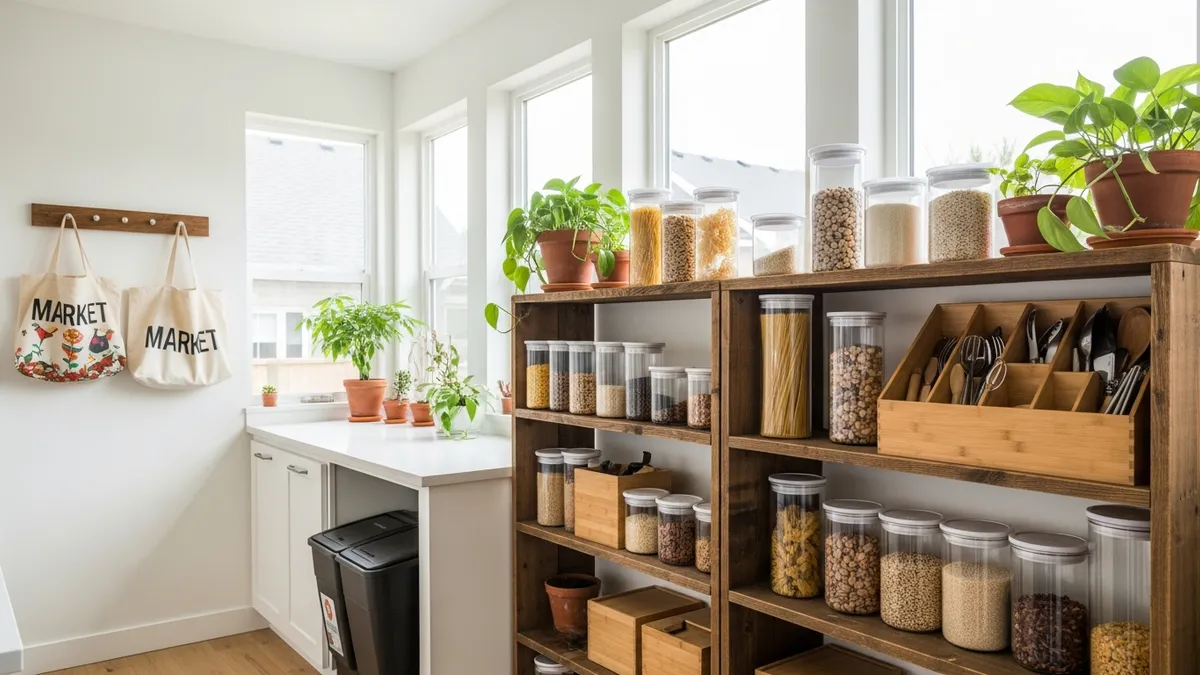
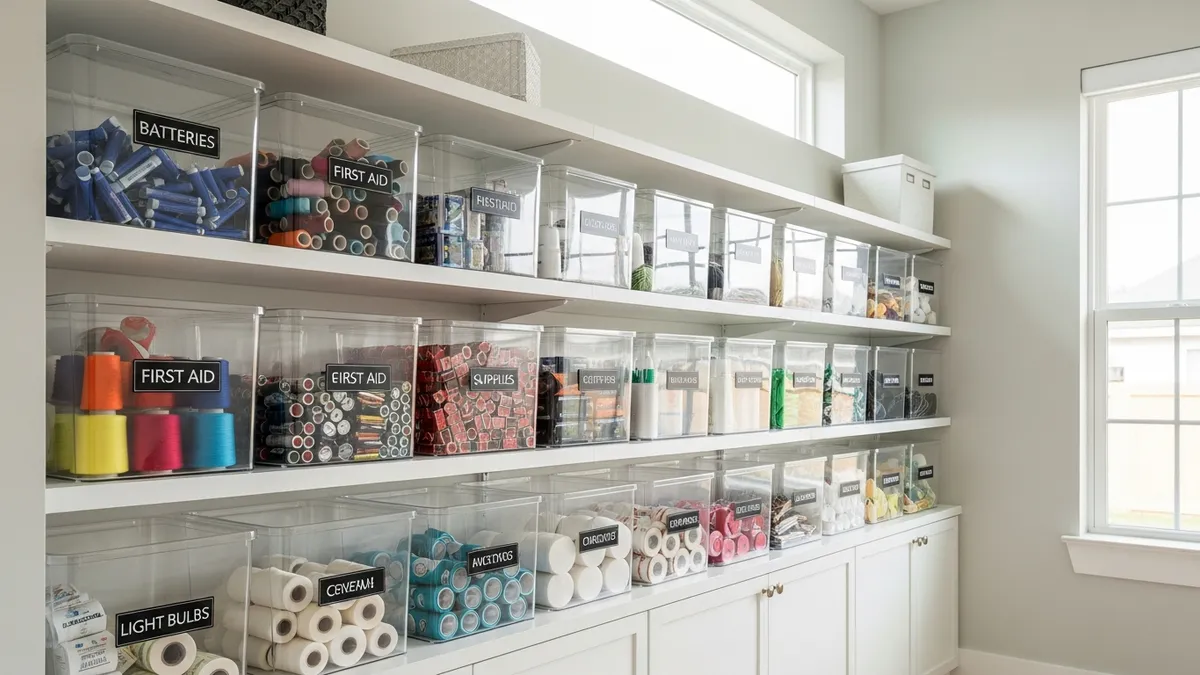
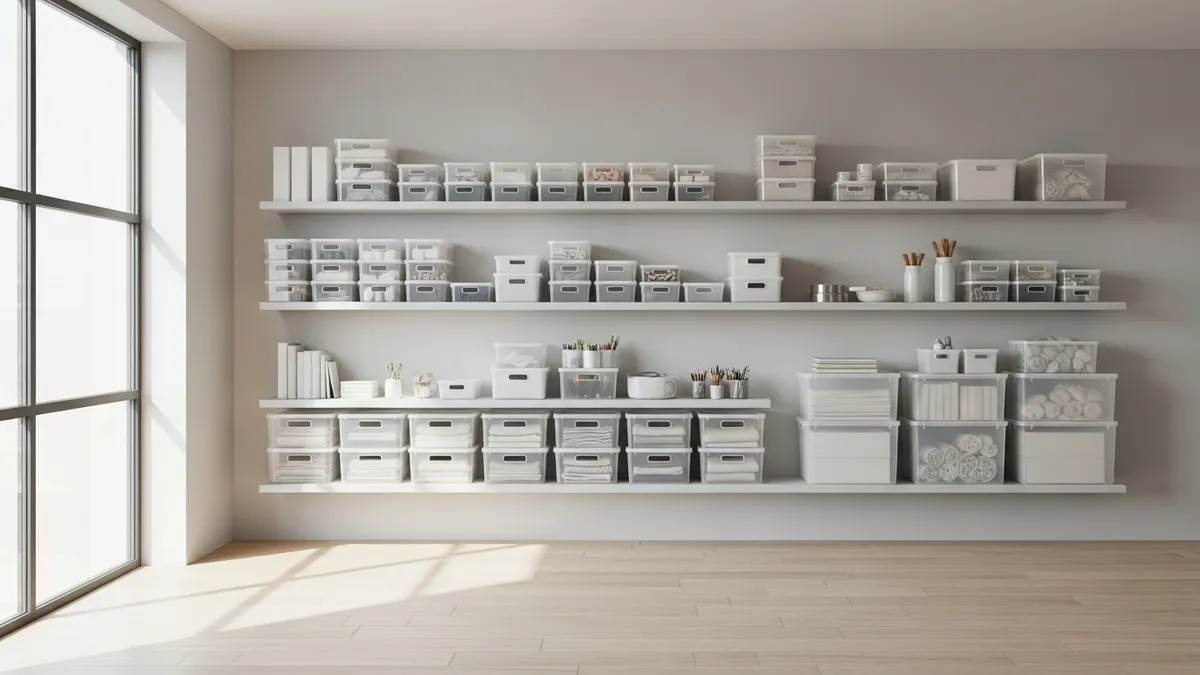
Tips for organizing food storage racks to keep your kitchen neat
    1
  1. Group by category - separate spices, dry foods, canned goods, and fresh foods in different areas
  2. 2
  3. Use transparent containers - makes it easy to see contents without opening each one
  4. 3
  5. Apply the FIFO system - place new items in the back, older items in front so they're used first
  6. 4
  7. Label each container - write the name and expiration date for easy identification
  8. 5
  9. Keep spices near the stove - spice racks should be within arm's reach while cooking
  10. 6
  11. Place heavy items on lower shelves - maintains rack stability and makes retrieval easier
  12. 7
  13. Leave empty space - don't fill the rack to capacity to allow for air circulation

For quality food storage containers, you can find various food-grade options at Sesoris designed to keep your food fresh.

Maintaining Your Food Storage Racks

Regular Cleaning

  • Wipe racks with a damp cloth weekly to remove dust and food crumbs
  • Use a mixture of water and vinegar to clean oil stains
  • For stainless steel racks, use a special cleaner to keep them shiny
  • Dry the racks after cleaning to prevent mold and rust

Periodic Maintenance

  • Check the strength of joints and screws every 3 months
  • For wooden racks, apply food-safe wood oil every 6 months
  • Replace plastic racks that have changed color or cracked
  • Check the feet of the rack to ensure it remains level and stable

Rack Arrangement Ideas for Different Kitchen Sizes

Small Kitchen (under 43 sq ft)

Maximize walls and cabinet doors. Use wall-mounted racks, magnetic spice racks on the fridge door, and corner racks for overlooked areas. Wheeled trolley racks can be a flexible addition since they can be moved out of the way when not in use.

Medium Kitchen (43-86 sq ft)

Combine wall-mounted racks with standing racks. Utilize the space above cabinets for rarely used items. Consider pull-out racks inside cabinets to maximize hidden storage space.

Large Kitchen (over 86 sq ft)

A large kitchen allows for a walk-in pantry with tiered shelving covering entire walls. Add an island rack in the center of the kitchen for access from all sides. Use a combination of open and closed racks for a neat yet functional look.

For more kitchen organization inspiration, read our complete guide on small kitchen organization tips and how to arrange a minimalist kitchen.

Frequently Asked Questions (FAQ)

What is the best material for food storage racks?

Stainless steel is the best overall choice due to its rust resistance, easy cleaning, and durability. For a limited budget, aluminum is a good alternative.

What is the ideal spacing between rack tiers?

Ideal spacing ranges from 10-14 inches between tiers, depending on what you're storing. For tall bottles and cans, allow 12-14 inches. For spices and small containers, 8-10 inches is sufficient.

How do I prevent insects on food storage racks?

Store all dry foods in airtight containers. Clean racks regularly and ensure there are no food crumbs. Place pandan leaves or mothballs in the rack corners as natural insect repellents.

Conclusion

The right food storage rack is the foundation of a clean, hygienic, and efficient kitchen. Choose materials that suit your kitchen conditions, pay attention to load capacity, and implement an organization system that makes daily access easy.

With good organization, cooking becomes more enjoyable because all ingredients are easy to find and their freshness is maintained. Find various quality kitchen storage solutions at Sesoris to create your dream kitchen.

Weekly Home Tips

Get home organization ideas, product picks, and exclusive deals delivered weekly.

No spam. Unsubscribe anytime.