How to Organize a Minimalist Kitchen: Complete Guide for Your Dream Kitchen (2026)
Organizing a minimalist kitchen correctly starts with one main principle: keep only what you use at least once a week, and ensure every item has a designated place. A minimalist kitchen doesn't mean an empty kitchen - it means a kitchen where every element has a clear function and is well-organized.
Interior design trends in 2026 show that minimalist style remains the top choice for Indonesian families, especially for kitchens. Data from Houzz Indonesia notes that 68% of kitchen renovation projects in Indonesia in 2025 adopted a minimalist concept. The reason is clear: minimalist kitchens are easier to clean, more efficient for cooking, and visually make homes feel more spacious.
Basic Principles of a Minimalist Kitchen
Before you start organizing, understand three pillars of a minimalist kitchen:
- Functionality above all - every item and design must serve a real purpose
- Clean and neat lines - avoid excessive ornaments, focus on simple shapes
- Intentional negative space - empty areas are not waste, but design elements that let your eyes rest
- Quality over quantity - it's better to have a few high-quality tools than many cheap ones
This principle aligns with the increasingly popular minimalist lifestyle in Indonesia - it's not about having less, but about having the right things.
Step 1: Audit and Declutter Your Kitchen Contents
Take out everything from your kitchen cabinets, drawers, and countertops. Yes, everything. This process might be surprising - most people discover that 30-40% of their kitchen contents are items they rarely or never use.
How to Sort Kitchen Items
- "Frequent" category (daily/weekly) - separate tools and ingredients you use every day or every week
- "Sometimes" category (monthly) - items used occasionally like cake pans or large woks
- "Rarely" category (every 3+ months) - seasonal tools or items for special occasions
- "Never" category - items you haven't touched in over 6 months
- "Broken/Duplicate" category - items no longer usable or duplicates
Items in the "Never" and "Broken/Duplicate" categories should be donated or discarded immediately. For the "Rarely" category, store them in a separate storage cabinet outside the kitchen if possible.
Step 2: Choose the Right Color Scheme
Color is the visual foundation of a minimalist kitchen. The right color choice makes your kitchen feel spacious, clean, and timeless.
Table of Popular Minimalist Kitchen Color Schemes 2026
| Color Scheme | Impression Created | Suitable For | Combination Tips |
|---|---|---|---|
| White + Natural Wood | Clean, warm, Scandinavian | Kitchens of all sizes | Green accents from plants |
| Gray + White | Modern, sophisticated | Medium to large kitchens | Brass accents (handles, faucet) |
| Black + Wood | Bold, contemporary | Spacious kitchens, good lighting | Requires plenty of natural light |
| Cream + Sage Green | Fresh, natural, cozy | Small to medium kitchens | Terracotta accents |
| Navy + White | Elegant, coastal modern | All sizes | Gold or brass accents |
General rule: use a bright color as dominant (70%), a secondary color as complement (20%), and an accent color for small details (10%). For small kitchens, bright colors are always safer.
Step 3: Minimalist Counter Layout
A minimalist kitchen counter ideally displays only 3-5 permanent items. Everything else stays hidden in cabinets.
Items that can stay on the counter: stove/cooktop, wooden cutting board (as functional decoration), and one utensil container (spatulas, wooden spoons). Items that should be stored in cabinets: rice cooker (take out when needed), blender, toaster, and all other electrical appliances.
Also read about organizing a small kitchen effectively for more detailed storage techniques.
Step 4: Smart Storage Solutions
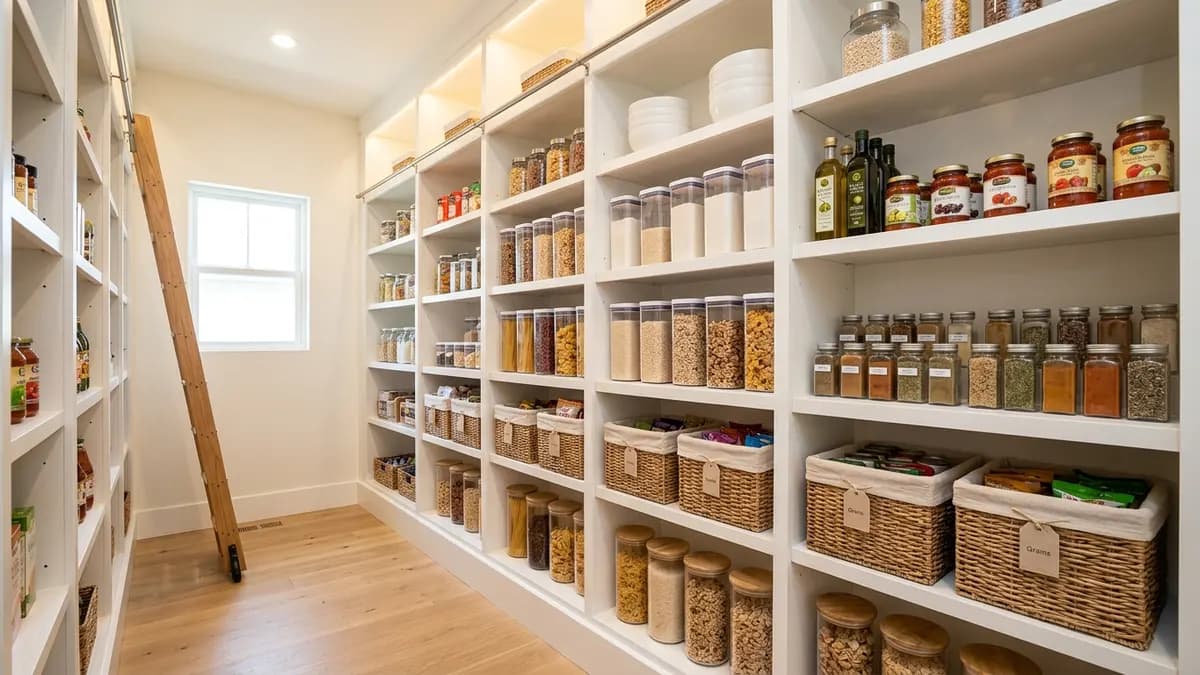
A successful minimalist kitchen always has a superior storage system. Since the counter is clean, all items must be stored neatly in easily accessible places.
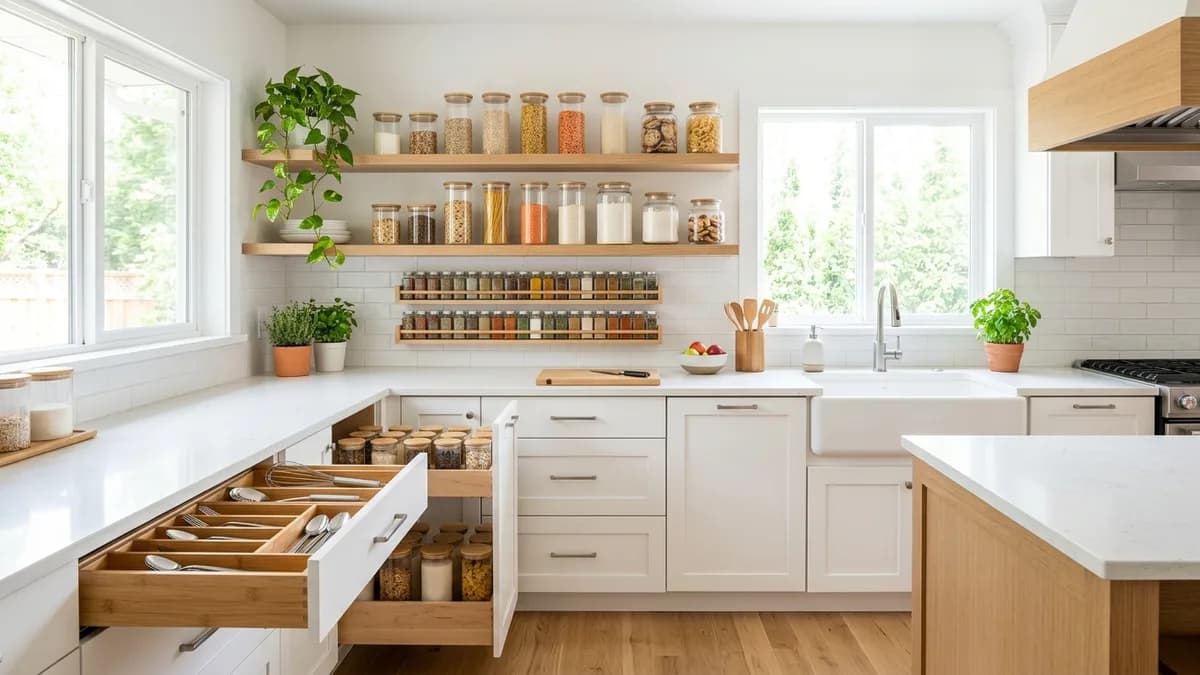
- Drawer organizers for tableware - each item has its own slot
- Pull-out baskets inside lower cabinets for pots and pans
- [Minimalist dish racks](/blog/desain-rak-piring-minimalis-untuk-dapur-modern) built inside cabinets
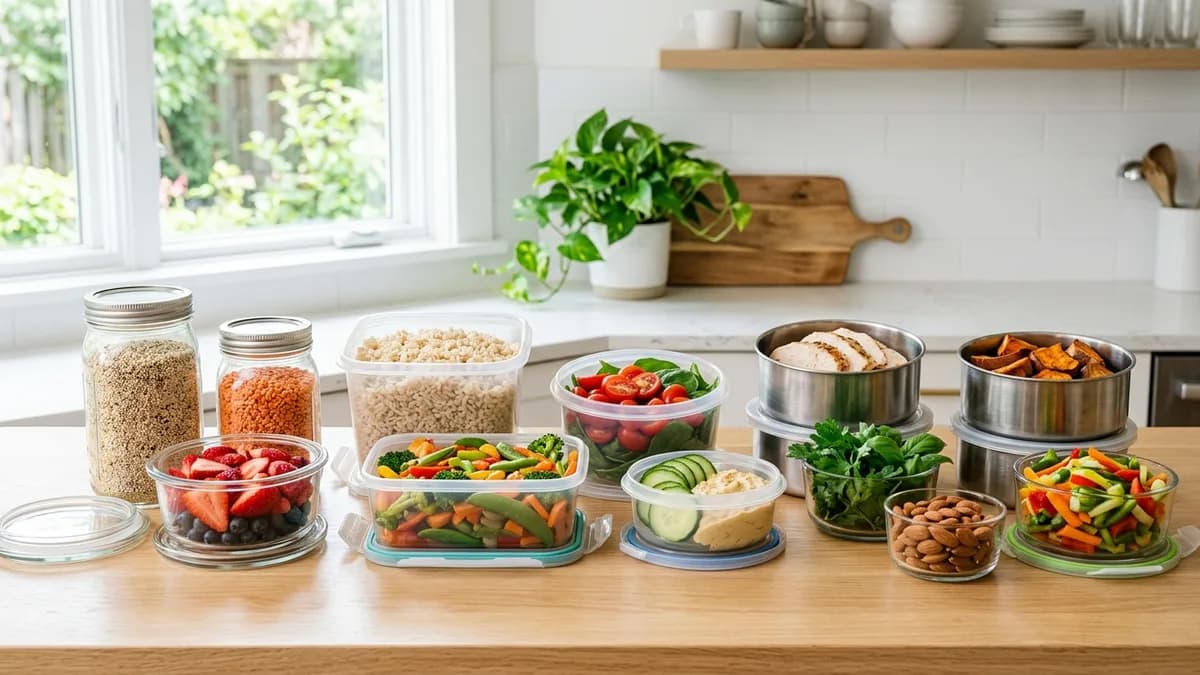
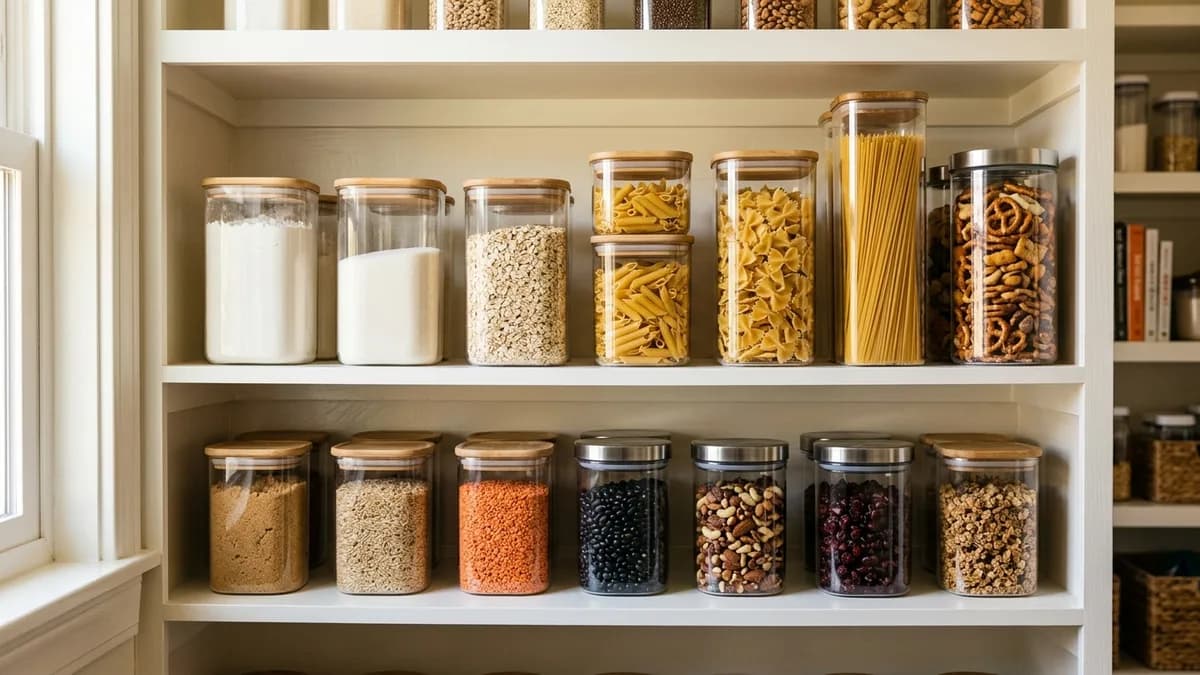
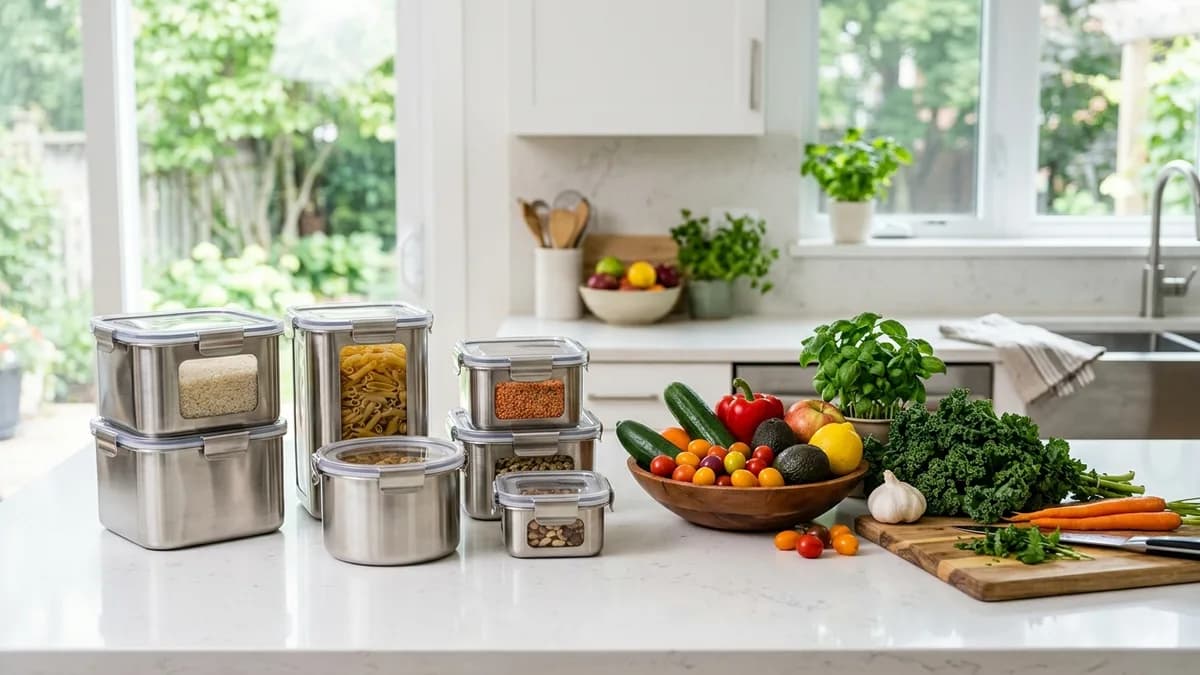
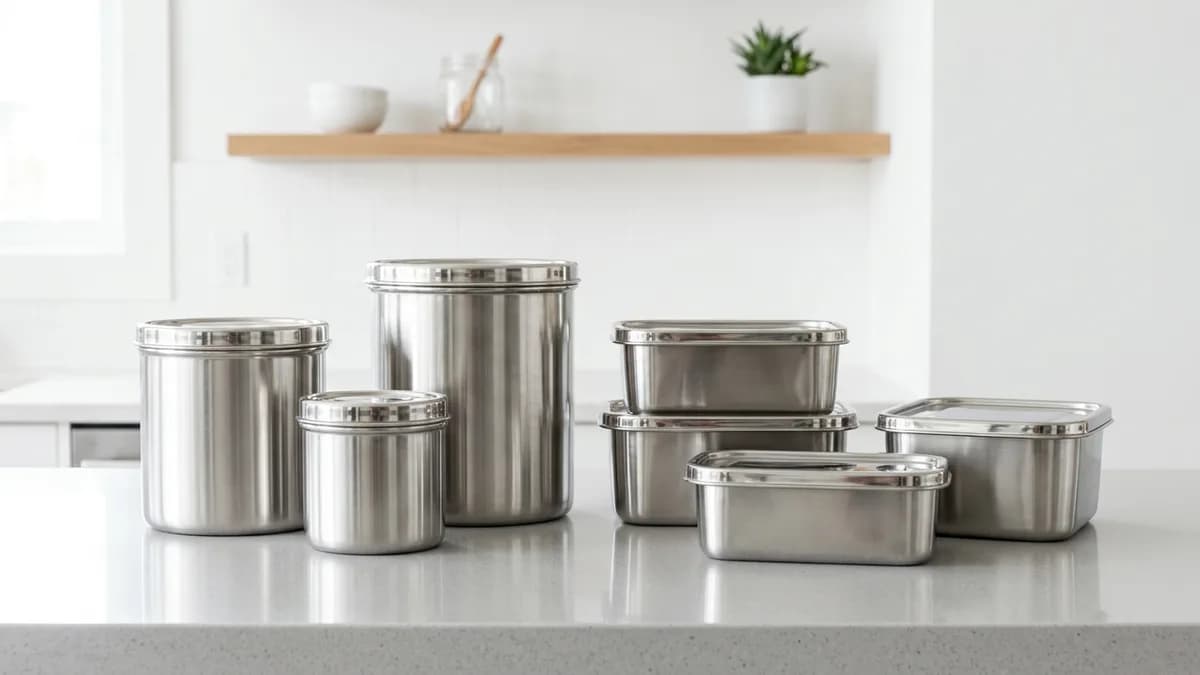
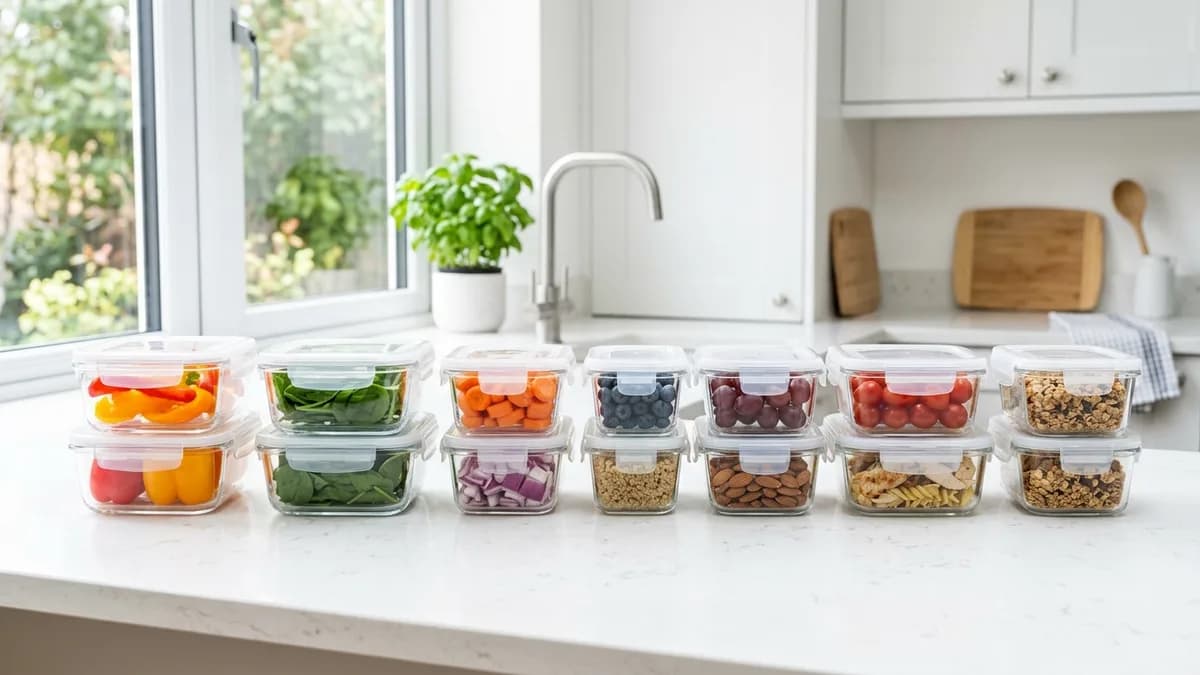
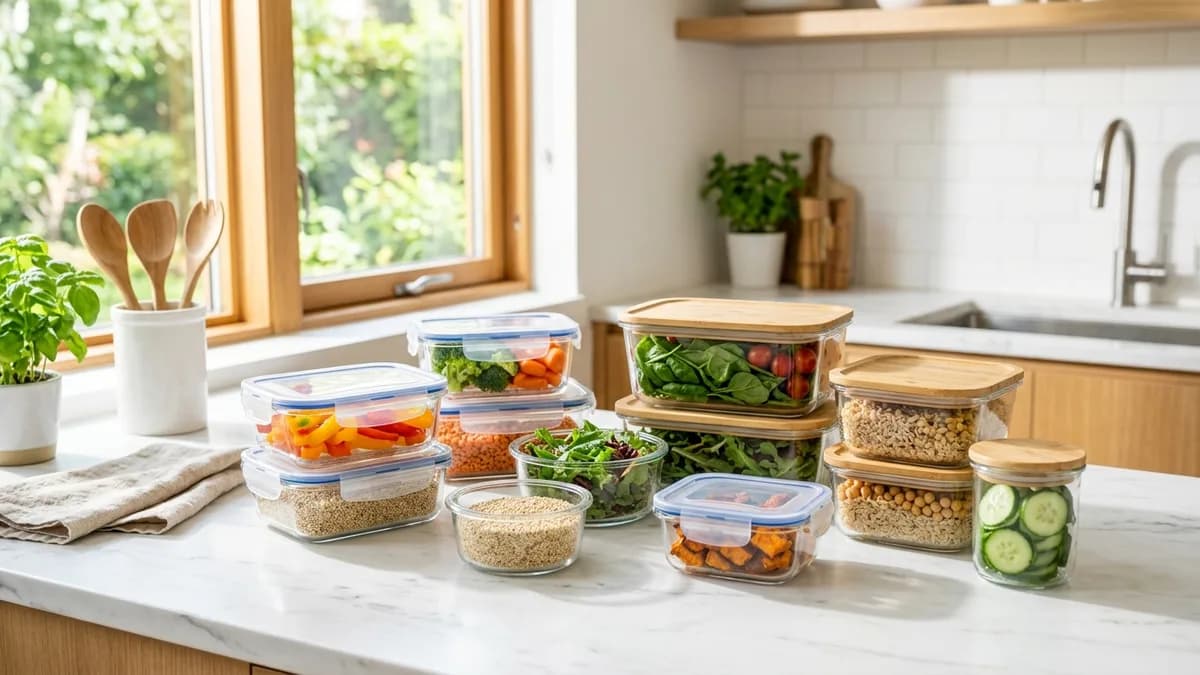
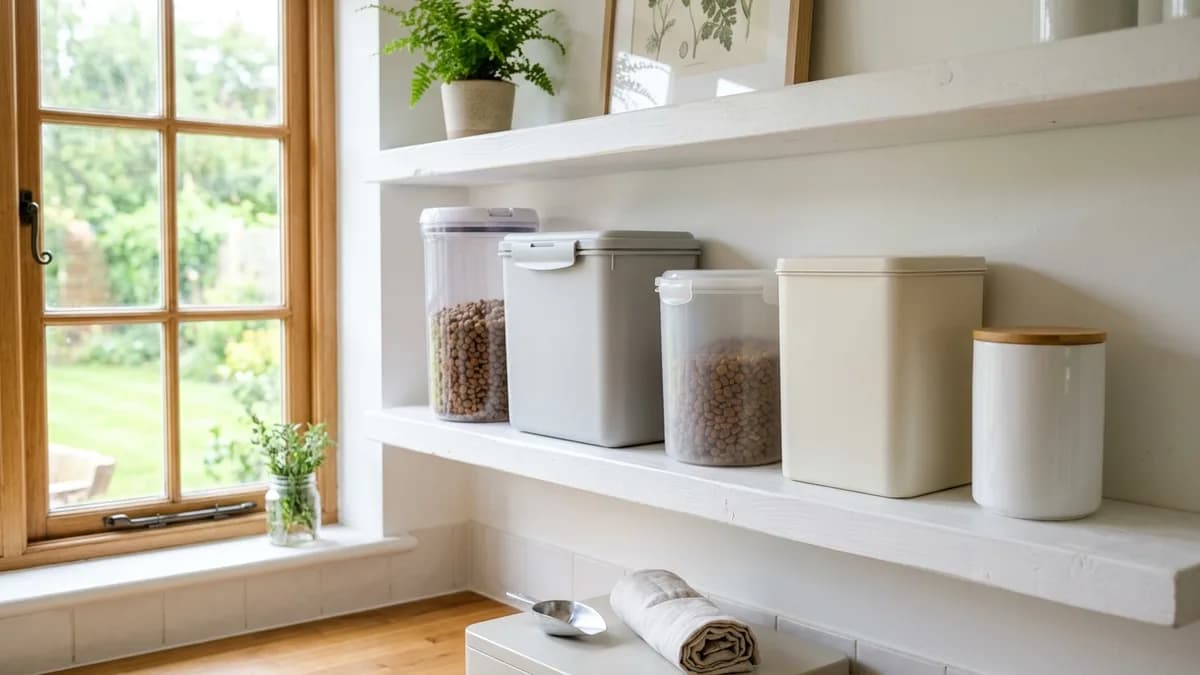
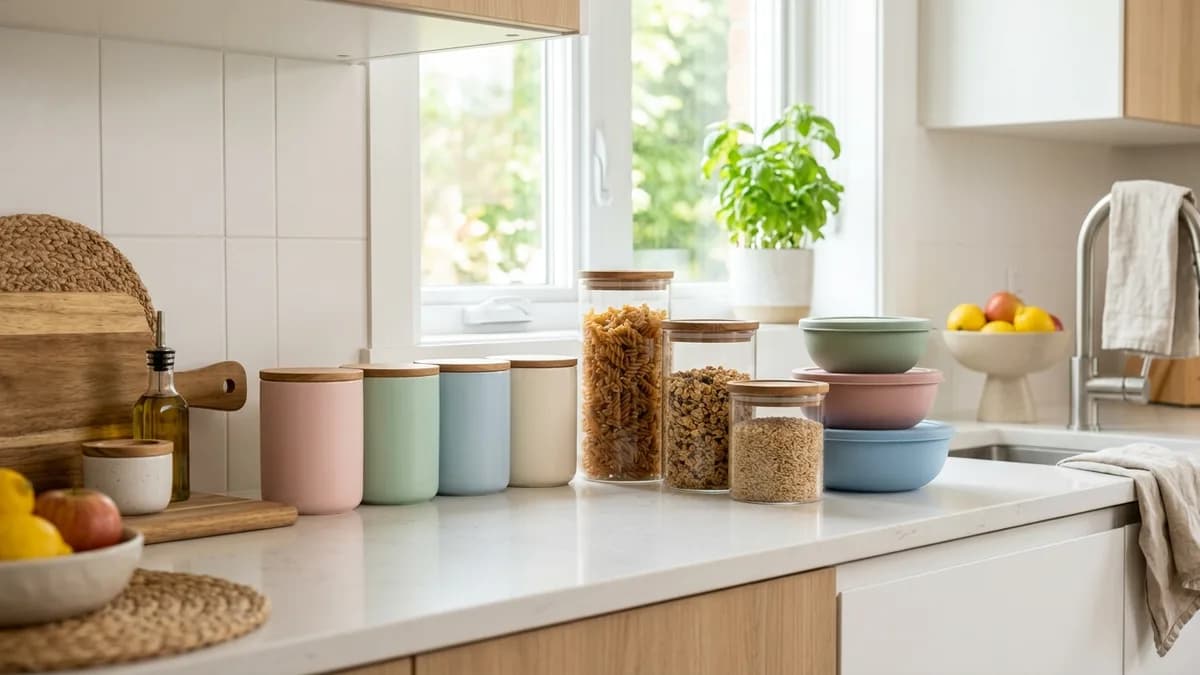
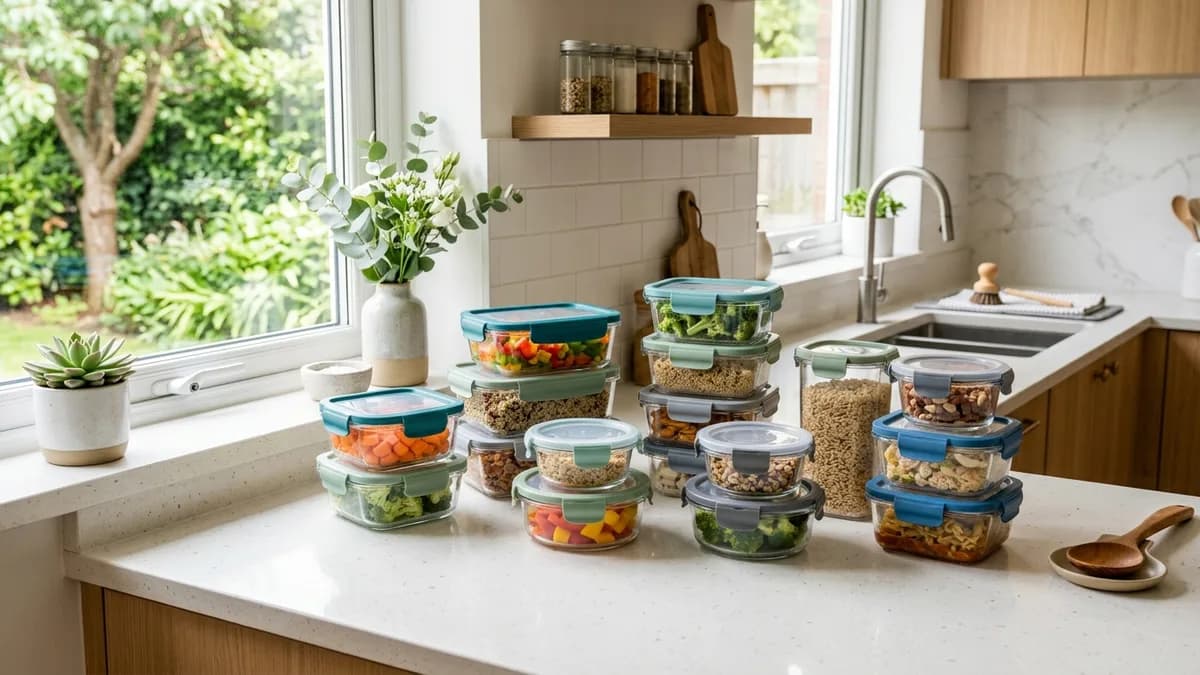
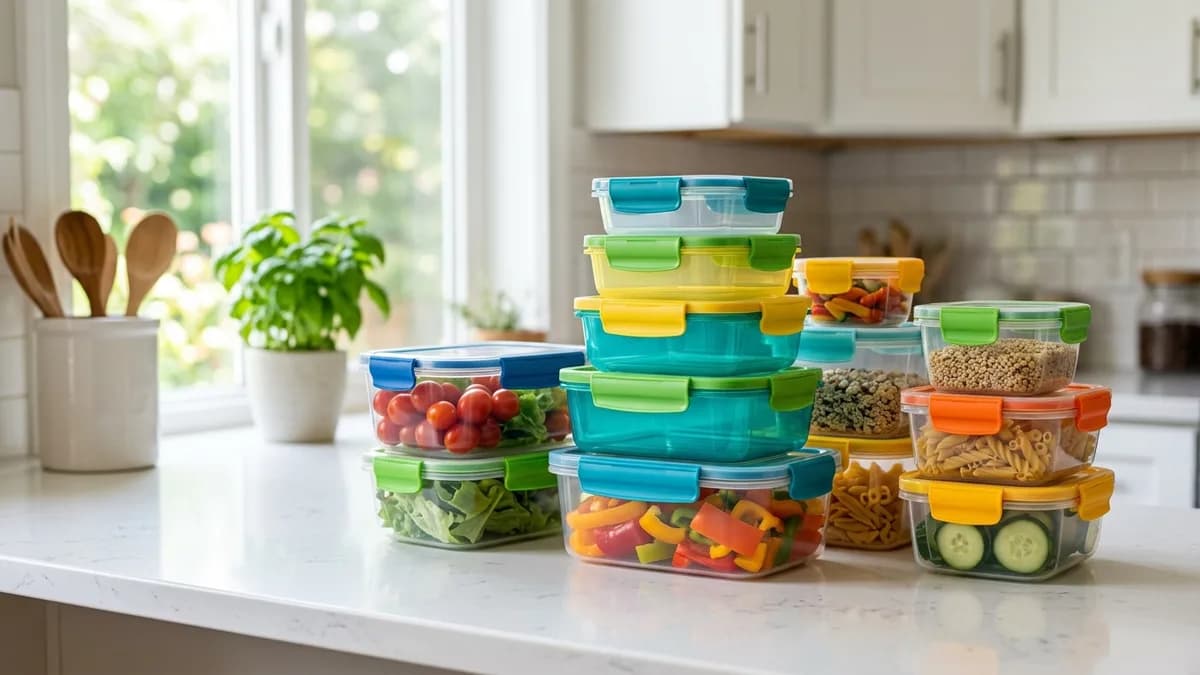
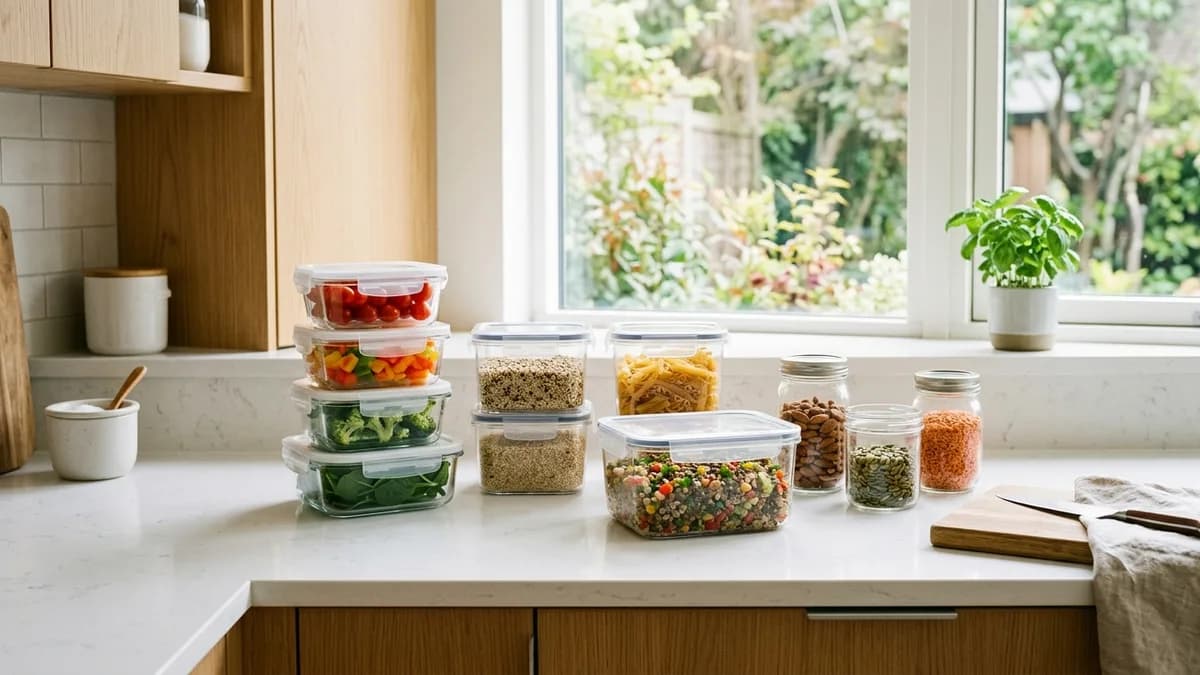
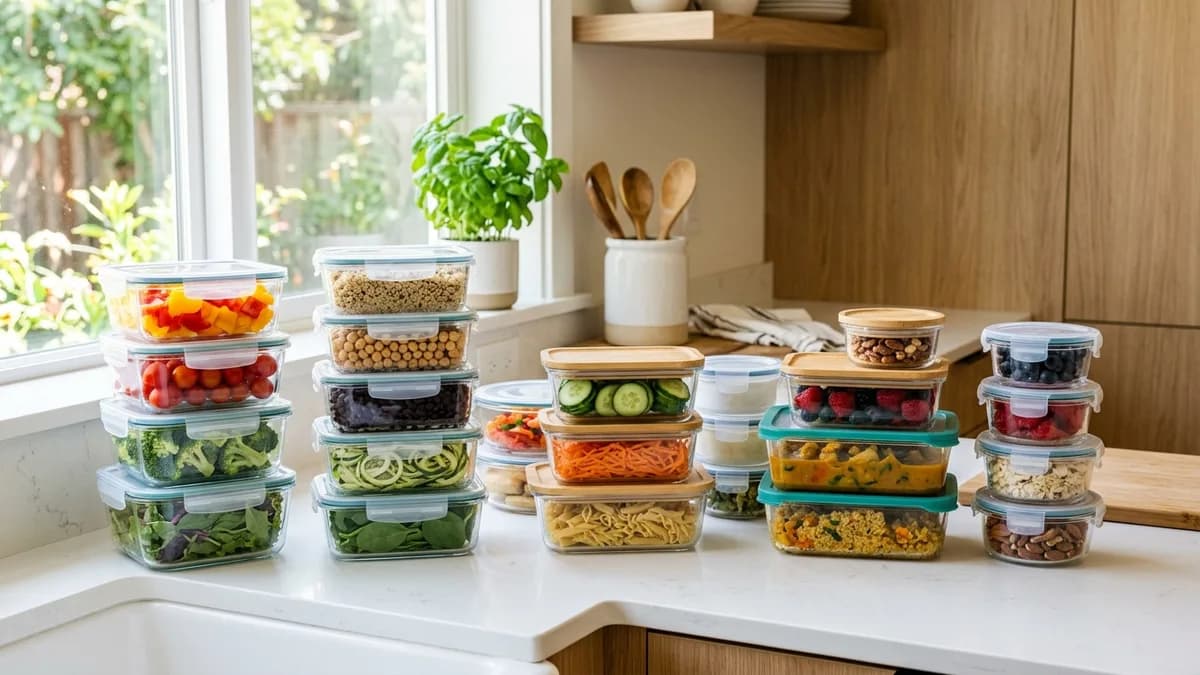
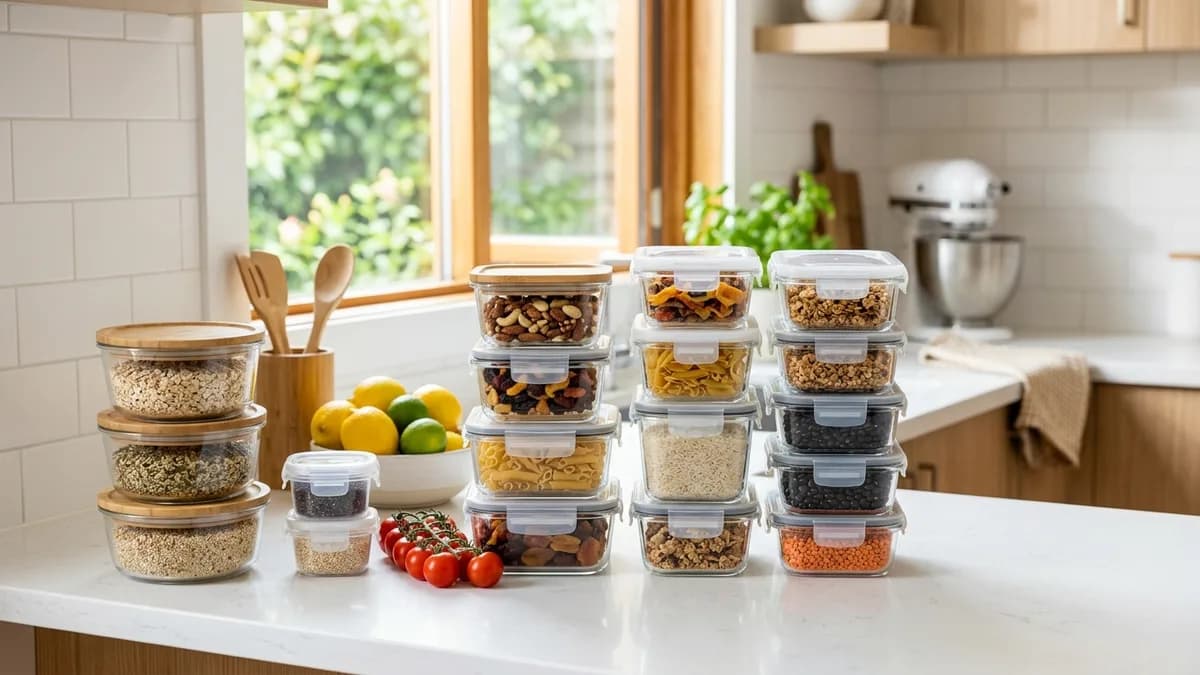
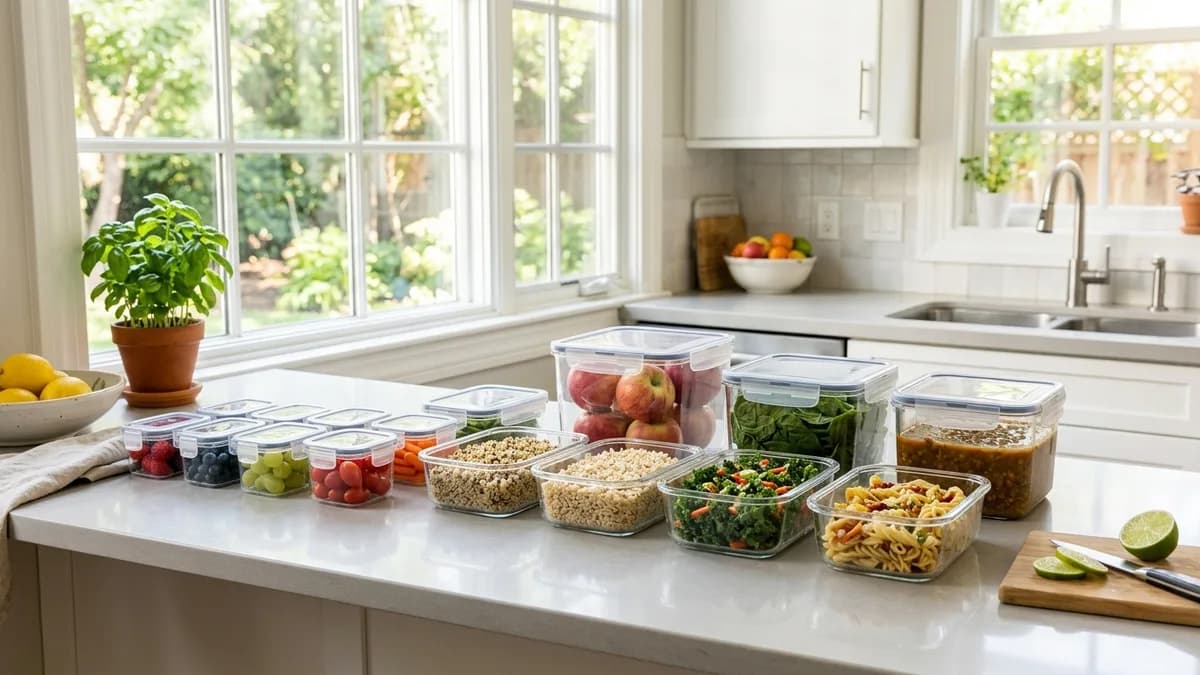
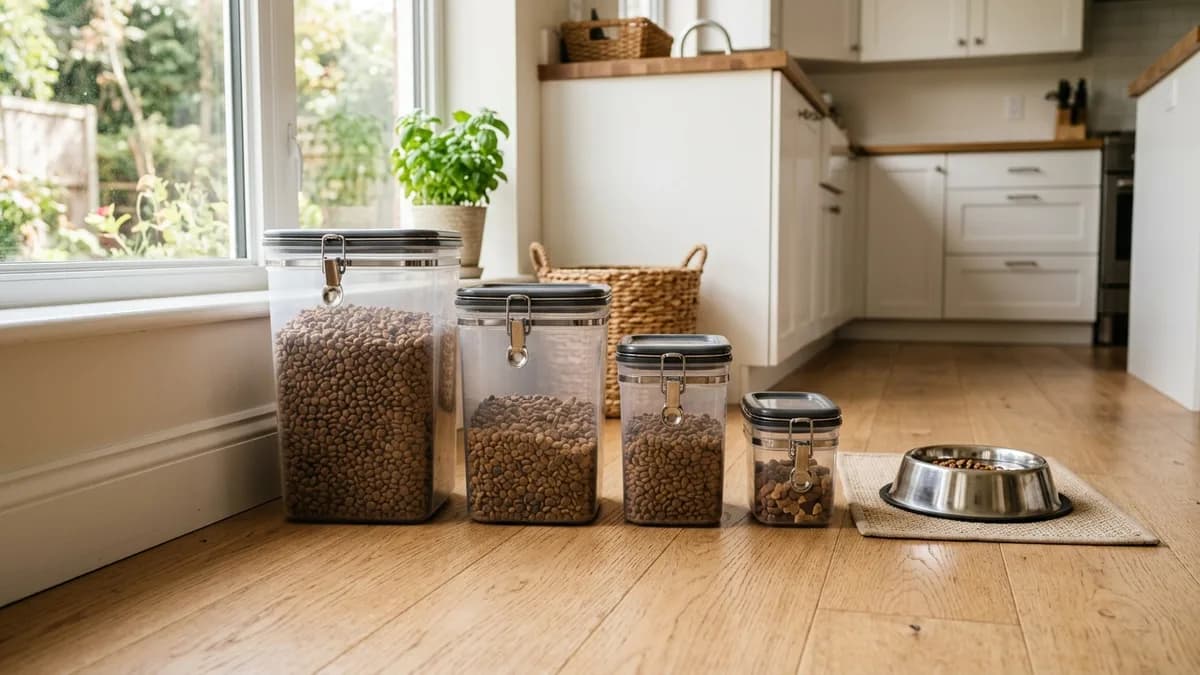
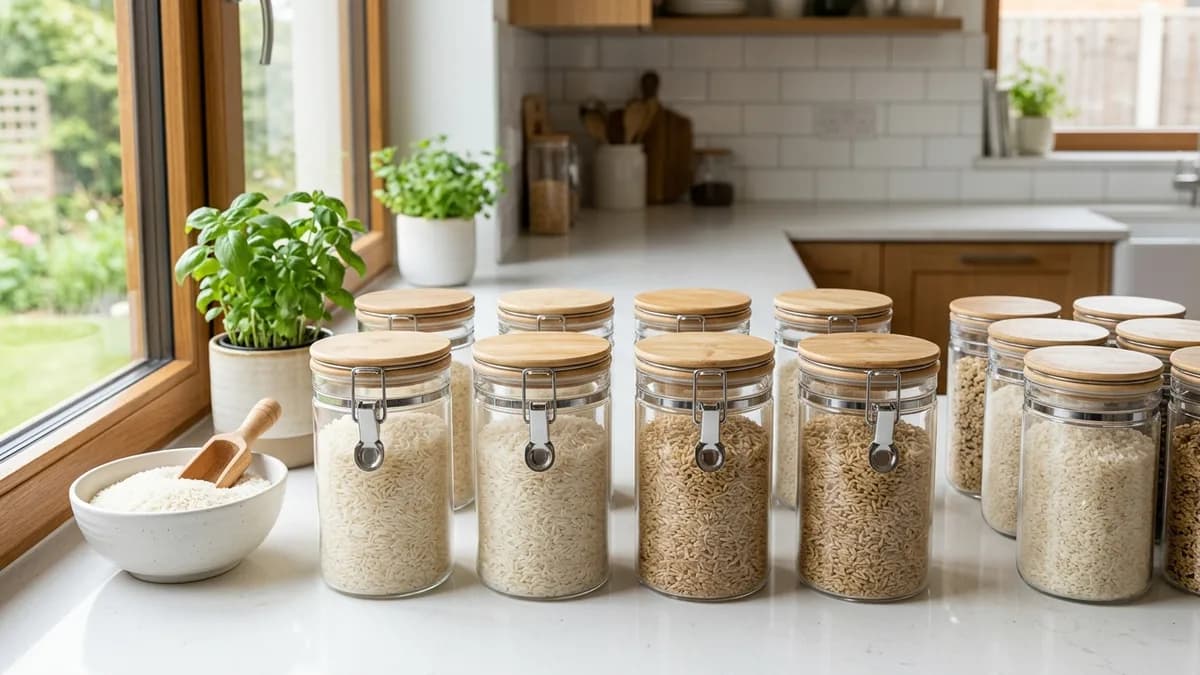
- Uniform containers for dry ingredients - same size and color create a neat impression
- [Organized spice rack](/blog/tutorial-membuat-spice-rack-diy-dapur-kecil) on the inside of cabinet doors
The key to minimalist kitchen storage: everything must be accessible in one motion. If you need to move other items to get something, your storage system needs improvement.
Step 5: Choose Only Essential Kitchen Tools
Minimalist kitchens reject the "just in case" principle. Keep only tools you use regularly. For a complete reference, check out essential kitchen tools for new households.
Minimalist kitchen essentials list: one quality knife set (chef knife, paring knife, bread knife), one medium non-stick pan, one cooking pot, one small sauce pan, cutting board, spatula, slotted spoon, and dinnerware sets for household members plus two extras.
Every additional tool must pass this test: "Do I use this at least twice a month?" If not, that tool doesn't need to be in your minimalist kitchen.
Step 6: Appropriate Materials and Finishes
Minimalist kitchen materials must be easy to clean and durable. For countertops, choose granite, solid surface, or quartz in solid colors. For backsplash, white subway tiles or large porcelain slabs (minimal grout that traps dirt) are ideal choices.
Cabinets should use hidden handles (push-to-open) or simple long bar handles. Avoid ornamental handles that collect dust and disrupt the clean lines of a minimalist kitchen.
Step 7: Minimalist Kitchen Lighting
Minimalist kitchen lighting must be both functional and aesthetic. Recommended lighting layers:
- Task lighting - LED strips under upper cabinets to illuminate work areas
- Ambient lighting - recessed downlights on ceiling for even illumination
- Accent lighting - minimalist pendant lights above islands or dining tables
Choose lights with CRI (Color Rendering Index) above 90 so food and ingredients look accurate while cooking. Color temperature of 3500-4000K provides balance between warmth and functionality.
Step 8: Routine Maintenance to Stay Minimalist
A minimalist kitchen requires consistent maintenance so it doesn't gradually become a regular kitchen full of items. Apply these habits:
- After cooking: clean the counter and wash all dishes before eating
- Every week: check refrigerator contents, discard expired items, reorganize cabinets that are getting messy
- Every month: evaluate whether new items are coming in without old items leaving
- Every 3 months: deep clean the entire kitchen including inside cabinets and behind appliances
This consistency is what distinguishes a permanently minimalist kitchen from one that only looks minimalist right after organizing.
Investment for Your Dream Minimalist Kitchen
To complete your minimalist kitchen with quality storage solutions, visit Sesoris. Sesoris' collection of dish racks, food containers, and minimalist shelves are designed with clean aesthetics that suit minimalist kitchen concepts.
FAQ - Frequently Asked Questions
1. Is a minimalist kitchen suitable for large families who cook frequently?
Absolutely. A minimalist kitchen is actually more efficient for intensive cooking because all tools are organized and easily accessible. The key is having sufficient cabinets and storage - minimalist means minimal unnecessary items, not minimal storage.
2. What's the budget to transform a regular kitchen into a minimalist kitchen?
Without renovation (just decluttering and reorganizing), a budget of $30-120 for containers and organizers is sufficient. For light renovation including repainting and handle replacement, prepare $180-300. For full renovation including a new minimalist kitchen set, budget starts from $480.
3. How do I store the variety of Indonesian spices in a minimalist kitchen?
Use uniform containers (same size and color) with consistent labels. Group spices by frequency of use. Daily spices in the most accessible shelf, weekly spices on the second tier, and rarely used spices in upper cabinets.
4. Is open shelving suitable for a minimalist kitchen?
Open shelving can work very well IF you're disciplined about keeping it neat. Display only beautiful and functional items (ceramic plates, glass cups, herb plants). For less photogenic items, keep them in closed cabinets. A mix of 70% closed cabinets and 30% open shelving is a balanced formula.
5. What minimalist kitchen color works best for Indonesian homes?
White with natural wood accents is the safest and most timeless choice - works with tropical climate and makes kitchens feel cool. If you want to be bolder, sage green or dusty blue also work well in Indonesian climate. Avoid fully dark colors unless your kitchen is very spacious and has many windows.
Weekly Home Tips
Get home organization ideas, product picks, and exclusive deals delivered weekly.
No spam. Unsubscribe anytime.