

Complete Guide to Creating a Household Inventory List: Step-by-Step Guide 2026
Do you often struggle to find certain items in your home or forget about things you've stored away? Creating a household inventory list is a smart solution to overcome this problem. In 2026, with more and more possessions in our homes, an organized record-keeping system has become essential for every Indonesian family.
Benefits of Creating a Household Inventory List
Before starting the step-by-step tutorial, it's important to understand why a household inventory is so beneficial for daily life:
- Save searching time - You can find items 70% faster with a good record system
- Prevent duplicate purchases - Avoid buying items you already own and save up to $30 per month
- Simplify insurance claims - Complete documentation speeds up the claims process by 50%
- Better financial planning - Know the total value of your household assets for investment planning
- Regular maintenance - Maintenance schedules for appliances and furniture become more manageable
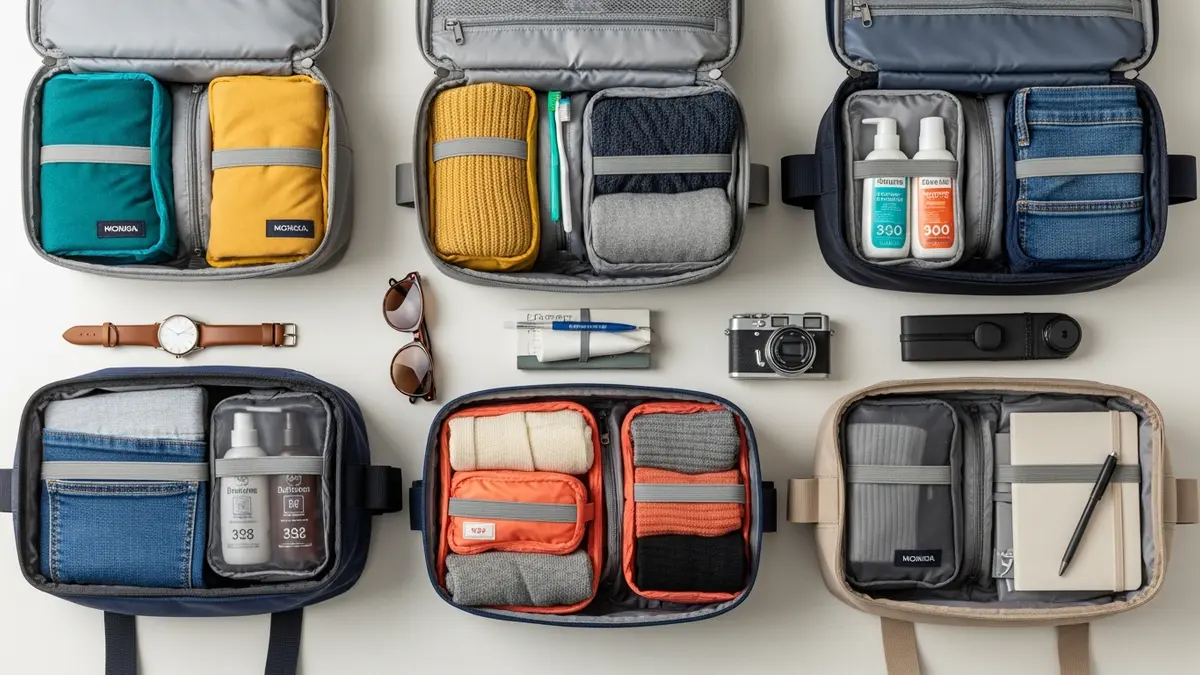
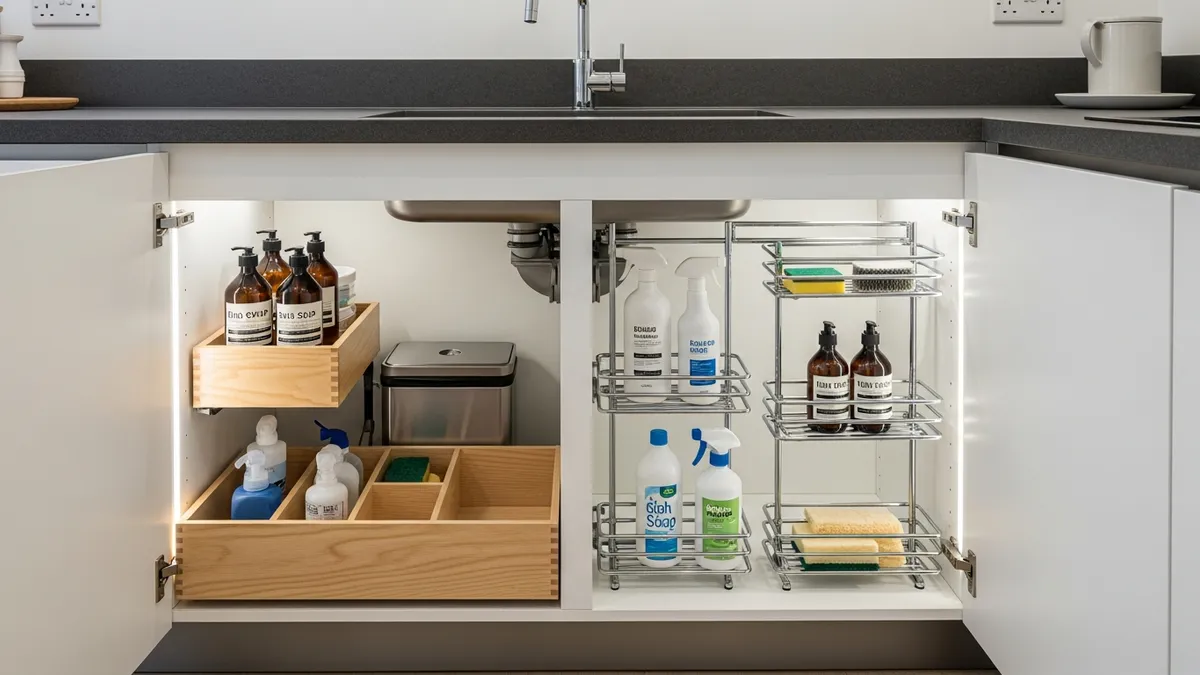
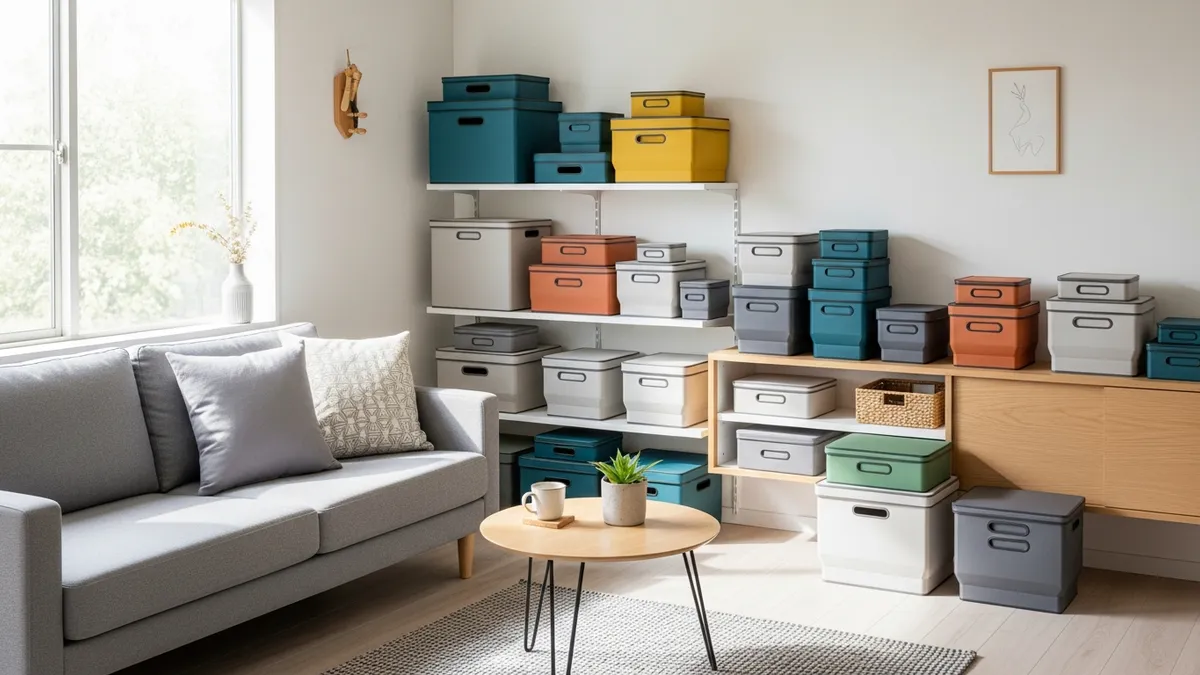
With Sesoris's home organization product collection, you can organize your belongings while documenting them in your inventory.
Preparation Before Creating a Household Inventory List
Tools and Materials Needed
To create an effective inventory list, prepare the following equipment:
- A notebook or smartphone app for digital record-keeping
- A camera or smartphone for photo documentation
- A ruler or measuring tape for measuring item dimensions
- Label stickers to mark storage locations
- A calculator to calculate total values
- Folders or envelopes to store purchase receipts
Determining Your Recording Method
There are two main methods you can choose in 2026:
1. Manual Method (Traditional)
Using a physical notebook starting from $1. Suitable for those more comfortable writing by hand and not dependent on technology.
2. Digital Method (Modern)
Using smartphone apps or spreadsheets costing $0-3 per month. More convenient with automatic search features and cloud backup.
Step-by-Step Creating a Household Inventory
Step 1: Categorize by Room
Start your inventory tutorial by dividing your home by area or room:
- Living Room - Furniture, entertainment electronics, decorations
- Bedroom - Beds, wardrobes, personal items, textiles
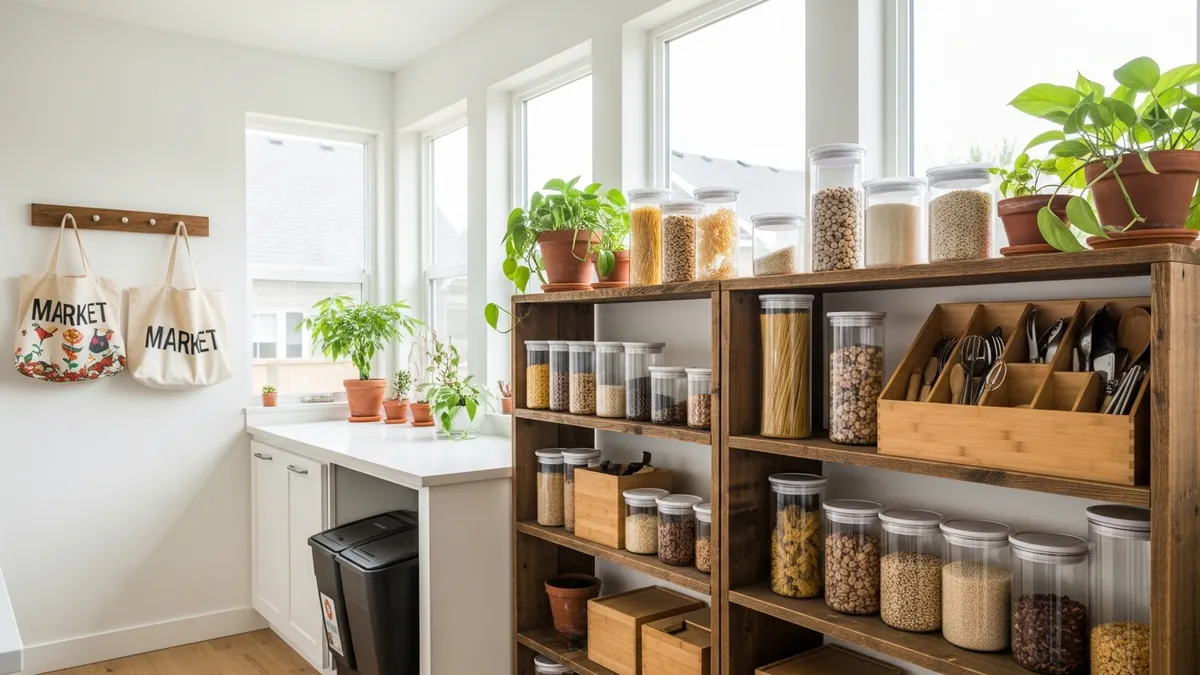
- Kitchen - Cooking equipment, dishware, kitchen appliances
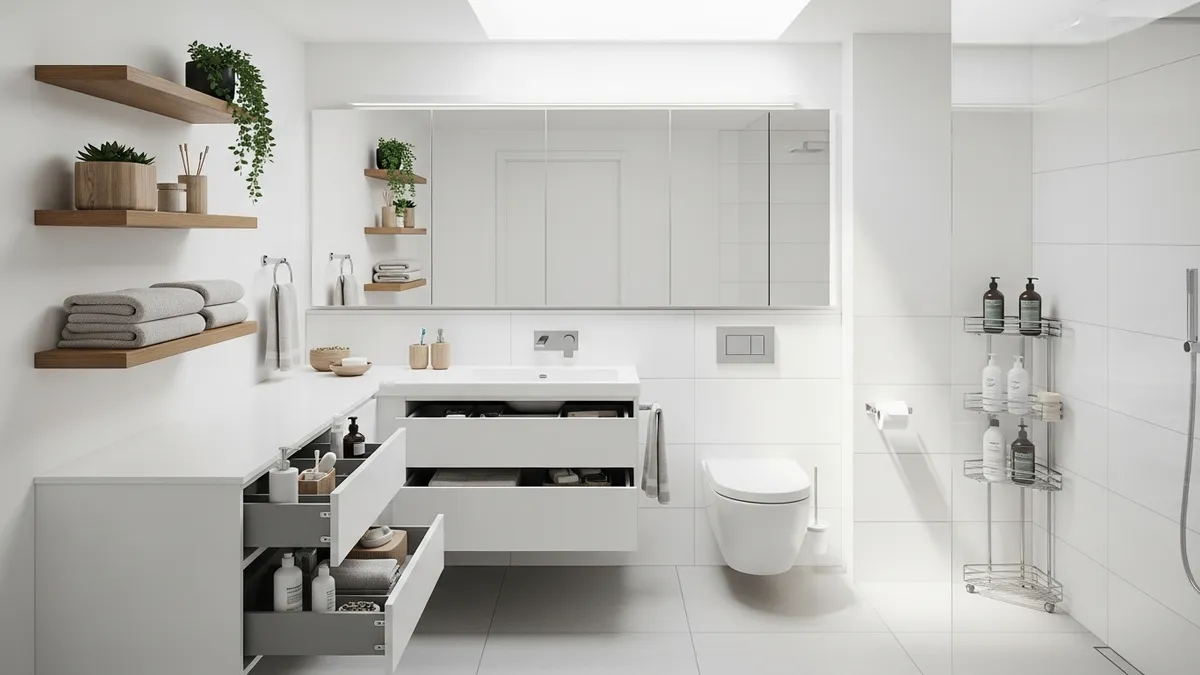
- Bathroom - Bath supplies, medications, cosmetics
- Home Office - Computer, stationery, important documents
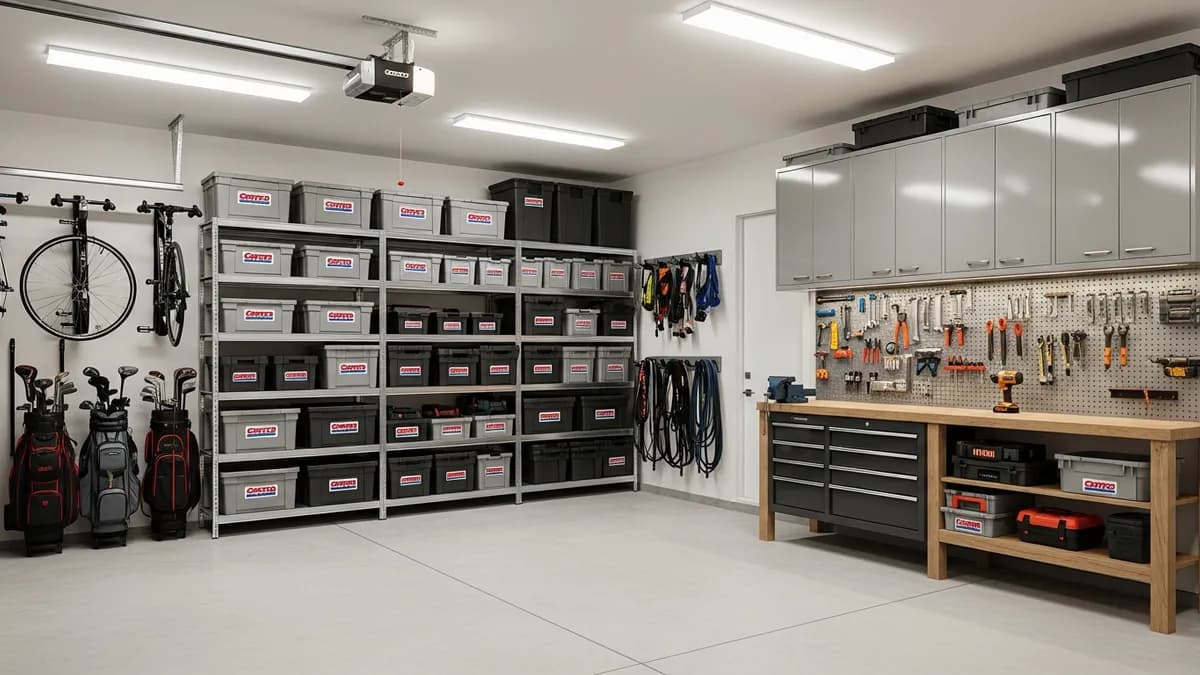
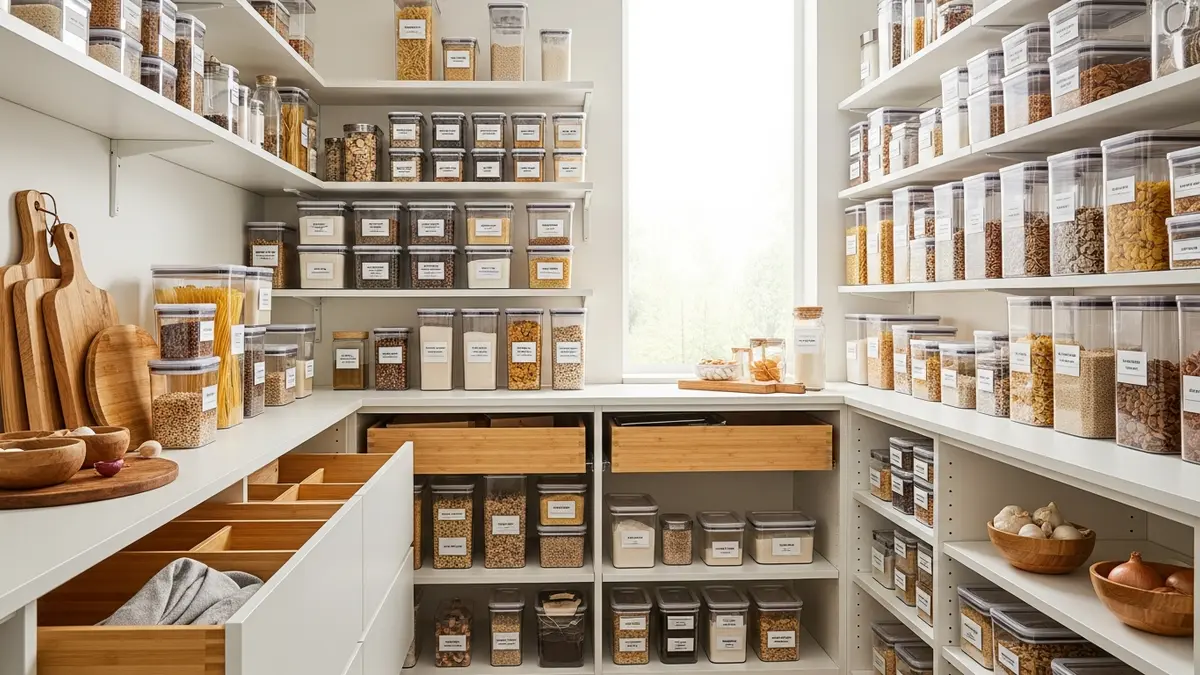
- Storage/Pantry - Seasonal items, supplies, rarely used items
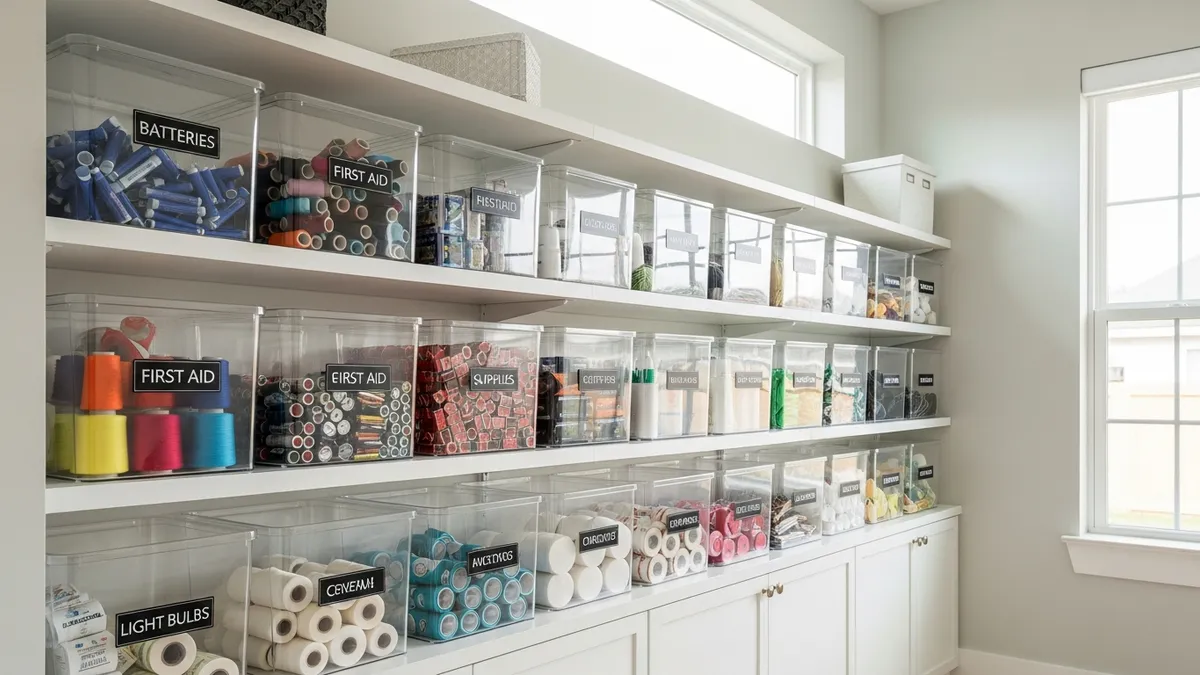
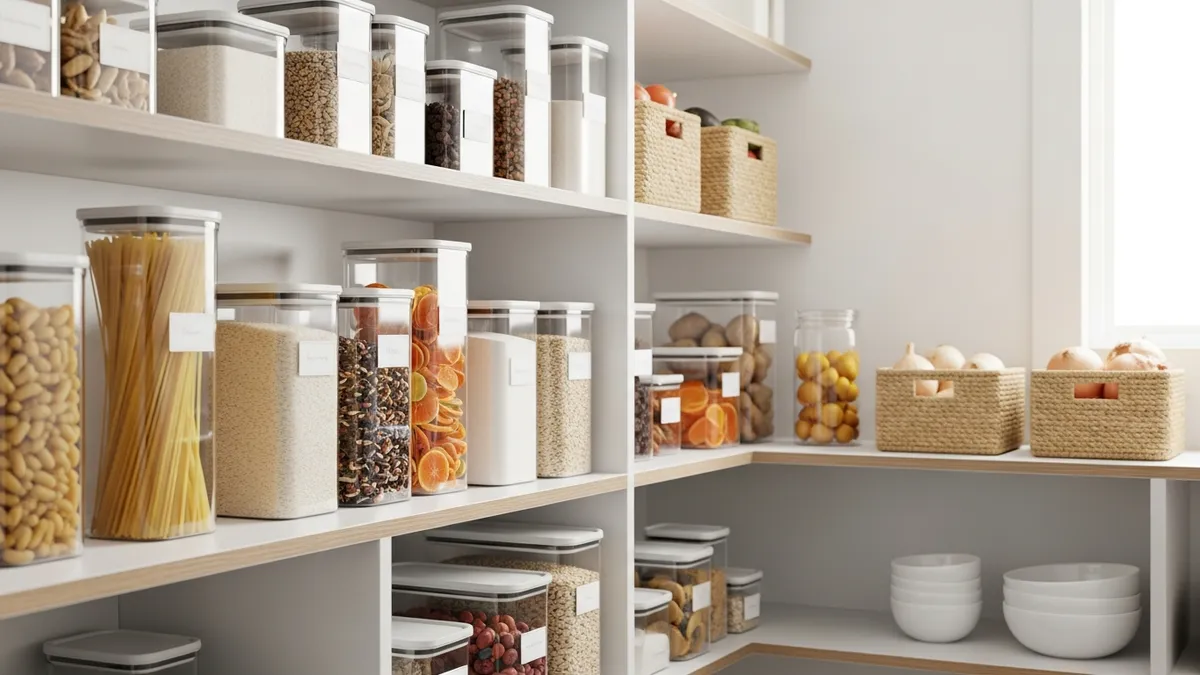
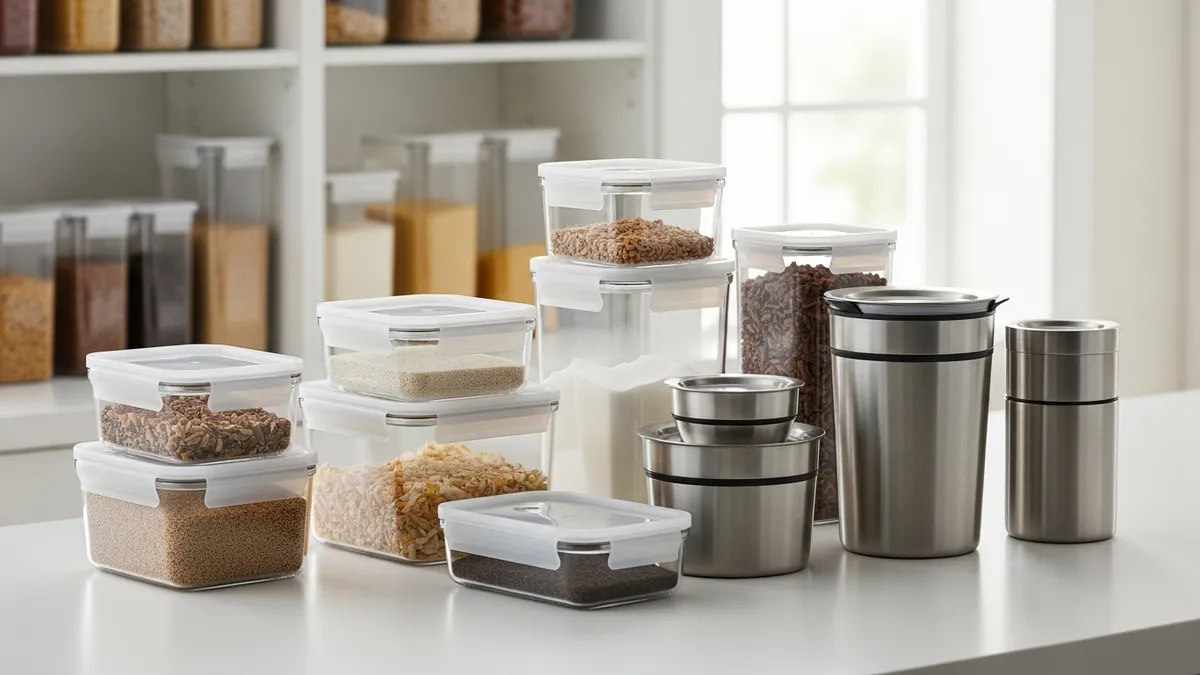
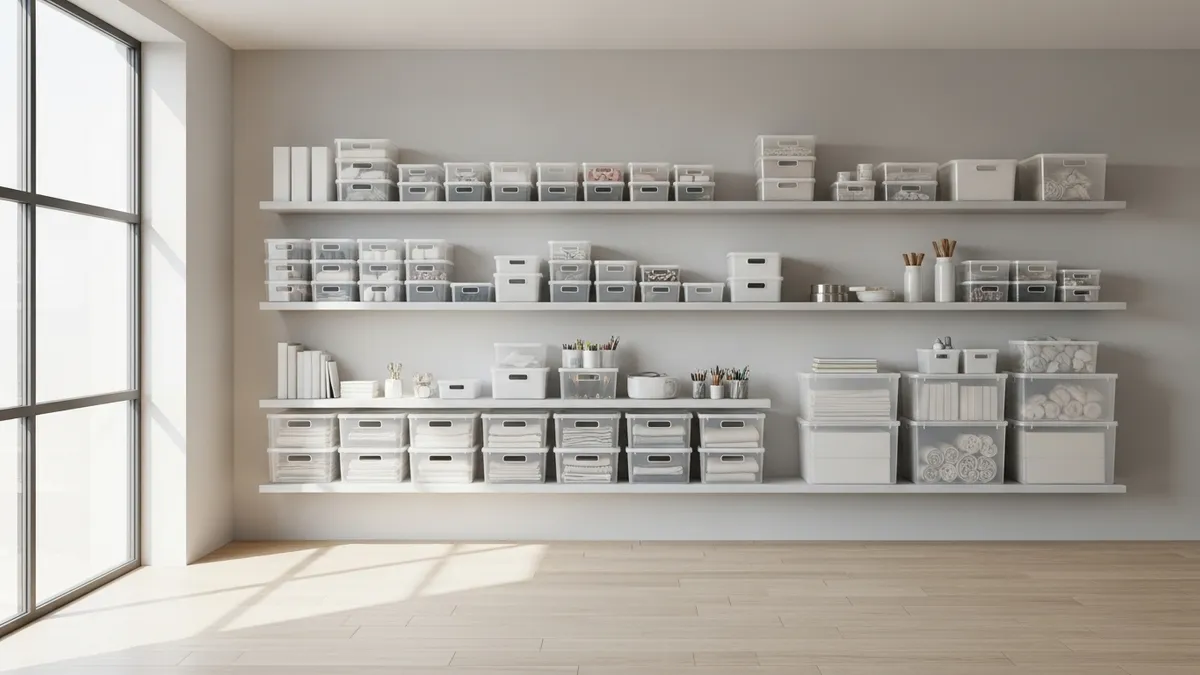
Tip from Sesoris: Use transparent containers to make it easier to identify items in storage.
Step 2: Record Details for Each Item
For each item, record the following information:
- Item name and brand - Example: "Panasonic SR-CEZ18SSR Rice Cooker"
- Serial number - Important for warranty and insurance
- Purchase date - Format: DD/MM/YYYY
- Purchase price - In Rupiah, example: $51
- Current condition - Scale 1-5 (1=broken, 5=like new)
- Storage location - Specific, example: "Lower kitchen shelf"
- Current estimated value - For insurance purposes
Step 3: Photo Documentation
Take photos of each item using proper techniques:
- Main photo - Full view of the item from the front
- Detail photo - Focus on brand, model, or damage
- Serial number photo - Close-up of label or identification sticker
- Context photo - Item in its storage location
Pro Tip: Use natural lighting and clean backgrounds for optimal photo results. Save photos with consistent file names, for example "RiceCooker_Panasonic_2026_001.jpg"
Coding and Labeling System for Household Inventory
Creating an Effective Coding System
To manage your inventory more professionally, create a simple coding system:
Code Format: [Room][Category][Serial Number]
Example coding system:
- RT-EL-001 = Living Room - Electronics - Item 001
- DK-MS-015 = Kitchen - Cooking - Item 015
- KT-TX-008 = Bedroom - Textiles - Item 008
Implementing Physical Labels
Attach small labels containing codes to each item or storage area. Use water-resistant labels for wet areas like kitchens and bathrooms.
Investment in labeling products and storage organizers can save up to 60% of searching time in the long run.
Digital Applications and Tools for Household Inventory 2026
Popular Mobile Applications
Some recommended applications for Indonesian families:
1. MyStuff2 (Free - $3/month)
- User-friendly interface in Indonesian language
- Barcode scanning feature for electronics
- Automatic cloud storage backup
- Reminders for maintenance and warranties
2. Sortly ($2-5/month)
- Visual inventory with drag-and-drop
- Share access with family members
- Export data to Excel or PDF
- Special categories for Indonesian households
3. Encircle (Free - $4/month)
- Focused on insurance purposes
- Geo-tagging item locations
- Household category templates
- Multi-device synchronization
Free Spreadsheet Template
For those who prefer Excel or Google Sheets, create a template with these columns:
| Code | Item Name | Category | Location | Purchase Price | Purchase Date | Condition | Current Value | Photo |
|---|
This template can be downloaded free from various educational sites and customized for Indonesian household needs.
Maintaining and Updating Your Household Inventory
Regular Review Schedule
An effective inventory system requires routine updates:
- Weekly - Record newly purchased items (time: 10-15 minutes)
- Monthly - Review item condition and update locations (time: 30-45 minutes)
- Quarterly - Evaluate market value and overall condition (time: 2-3 hours)
- Annually - Complete audit and clean duplicate data (time: 4-6 hours)
Tips for Long-Term Consistency
- Create daily routine - Record new purchases immediately upon arriving home
- Involve family members - Assign responsibilities to each family member
- Set reminders - Use smartphone alarms for review schedules
- Reward system - Give appreciation when inventory targets are met
Factual Data: Families consistently maintaining an inventory system report up to 65% reduction in item-searching time and household spending savings of $18-48 per month.
Optimizing Your Inventory for Insurance Purposes
Documentation for Insurance Claims
A complete household inventory greatly helps the insurance claims process:
- High-quality photos from multiple angles
- Purchase receipts or digital transaction proof
- Warranty certificates and instruction manuals
- Video documentation of items' condition periodically
- Current appraisal from experts for valuable items
Estimating Value for Insurance Policy
Use realistic valuation methods:
- Linear depreciation method - Reduce 10-20% annually for electronics
- Physical condition - Major factor determining resale value
- Accessory completeness - Boxes, chargers, and remotes add value
Average household inventory value for middle-class Indonesian families ranges from $3,000-9,000, so proper documentation can save up to 25% on insurance premiums.
Integrating Inventory with Smart Home Systems
RFID and QR Code Technology
In the 2026 era, advanced technology is becoming more affordable for Indonesian households:
RFID Tags ($0.30-0.90 per piece)
- Automatic scanning when items are moved
- Real-time item location tracking
- Integration with inventory applications
QR Code Labels ($0.03-0.12 per piece)
- Scan using regular smartphone
- Direct link to item details in application
- Easy to print and attach
IoT Integration for Electronic Items
Some modern electronic devices already support IoT connectivity that can be integrated with your inventory system:
- Smart plugs - Monitor electricity usage and on/off status
- Bluetooth trackers - Location tracking for portable items
- Smart sensors - Detect temperature and humidity in storage areas
Case Study: Indonesian Family Successfully Implementing an Inventory System
Wijaya Family - South Jakarta
This family with 2 children successfully organized 1,200+ household items in 3 months:
Initial Challenges:
- Frequently lost important items
- Duplicate purchases reached $30/month
- Insurance claims process delayed 6 months
Solutions Implemented:
- Used Sortly app with custom categories
- Simple coding system per room
- Photo documentation every weekend
- Children involved in routine maintenance
Results After 1 Year:
- Saved $288 by eliminating duplicate purchases
- Reduced item-searching time by 70%
- Insurance claim processed in 2 weeks
- Home more organized and comfortable
FAQ: Questions About Household Inventory
Q: How long does it take to create a complete inventory?
For a 3-4 bedroom home, about 15-20 hours of work spread over 4-6 weeks. Start with 1-2 rooms per week to avoid feeling overwhelmed.
Q: Should I record items worth less than $3?
Yes, especially frequently lost or easily damaged items. Small items like chargers, cables, or small tools are actually the most often searched for.
Q: How do I determine current value for old items?
Use secondhand marketplace references online, reduce 10-30% from new price depending on condition, or consult used goods stores for accurate estimates.
Q: Which app is best for beginners?
MyStuff2 is the best choice for beginners with its simple interface, Indonesian language availability, and comprehensive tutorials. Start with the free version.
Q: How do I involve other family members?
Create a simple reward system, assign specific responsibilities (such as a child managing toy inventory), and make inventory updates a family bonding activity each weekend.
Q: How detailed should inventory be for insurance?
Minimum: item name, brand, model, purchase year, purchase price, current condition photos. For items over $300, include serial number, purchase receipt, and detailed photos from multiple angles.
Conclusion
Creating a household inventory list is a valuable time investment for a more organized and efficient life. By following this step-by-step tutorial, you can build a system suited to your Indonesian family's needs in 2026.
A good inventory system not only saves time and money, but also provides peace of mind when managing household assets. Start with one room, stay consistent with regular updates, and involve all family members for optimal results.
Visit Sesoris to get home organization products that support your inventory system. With our tagline "Live More Organized", we provide complete solutions for a more organized and comfortable home. Start your journey toward a more organized home today!
Weekly Home Tips
Get home organization ideas, product picks, and exclusive deals delivered weekly.
No spam. Unsubscribe anytime.