

Home Decluttering Tips: A Simple System for a Calm, Organized Home in 2026
Looking for home decluttering tips that make your house feel calmer without turning the weekend into a full renovation project? The best approach is not to buy more bins first. It is to reduce decision fatigue, clear the items you no longer use, and give the things you keep a simple place to return to every day.
A cluttered home rarely happens because one person is careless. It happens because daily life creates more incoming items than outgoing items: packages, mail, school papers, spare cables, seasonal decor, half-used cleaning supplies, and clothes that no longer fit your routine. This guide gives you a practical system for 2026 that works for apartments, family homes, shared spaces, and small storage layouts.
The goal is not a perfect magazine home. The goal is a home where counters reset quickly, closets open without stress, and every frequently used item has a logical home. Use this plan once as a full reset, then keep it alive with short weekly habits.
Table of Contents
- Why Home Decluttering Works Better Before Organizing
- Start With the 10 Minute Reset Zone
- Room by Room Home Decluttering Tips
- The Simple Decision Rules That Stop Clutter From Coming Back
- Storage Solutions That Support a Decluttered Home
- Donate, Recycle, Sell, or Store: What to Do With the Extras
- FAQ About Home Decluttering Tips
Why Home Decluttering Works Better Before Organizing
Many people start by shopping for baskets, shelves, and containers. That feels productive, but it can create prettier clutter if the home still holds too many unused items. Decluttering comes first because it reduces the number of decisions your storage system has to support.
When you remove extras, your home becomes easier to maintain. One drawer organizer can work because the drawer now holds five daily tools instead of thirty random objects. A pantry bin can stay neat because it contains one category, not expired snacks, backup jars, and mystery packets from three years ago.
A useful rule is simple: declutter for behavior, then organize for access. First, decide what deserves space based on how your household actually lives. Then use storage to make those kept items easier to see, reach, and return.
For a sustainable approach, connect decluttering with reduction and reuse. The U.S. Environmental Protection Agency explains that reducing waste before it is created is one of the most effective ways to save resources and money. In a home setting, that means buying less of what you do not use, repairing what still works, donating usable items, and recycling according to local rules.
If you want a fast win, begin with visible surfaces: the entryway table, kitchen counter, sofa side table, nightstand, and desk. These areas create the strongest emotional signal. When they are clear, the house immediately feels lighter, even before deep closets are finished.
Start With the 10 Minute Reset Zone

The easiest way to begin is to choose one small zone and set a 10 minute timer. A reset zone is not a whole room. It is a drawer, shelf, countertop, basket, bedside table, or cabinet. Small zones prevent burnout because the finish line is visible from the start.
Use four simple categories while you work:
- Keep here: items that belong in this exact zone and are used often.
- Relocate: items that belong somewhere else in the home.
- Donate or give away: usable items that no longer serve your household.
- Trash or recycle: broken, expired, empty, or non-donatable items.
Do not create a fifth maybe pile unless the item is sentimental or expensive. Maybe piles are clutter with a delay button. If you truly need a temporary decision box, label it with a review date 30 days from now. If you do not open it by then, you have strong evidence that the items are not part of daily life.
For the first reset, pick a place that bothers you every day. Good starting points include the entryway drop zone, the top kitchen drawer, the bathroom counter, the laundry shelf, or the chair that collects clothes. The faster you see a benefit, the easier it is to keep going.
After the timer ends, immediately remove the donate and trash items from the room. Put donation items in a bag or box near the door or car. Put relocation items away before starting another zone. This closing step matters because unfinished piles can make the home feel worse before it feels better.
Room by Room Home Decluttering Tips

Once you have a few quick wins, move room by room. Habitat for Humanity ReStore recommends a room by room checklist because finishing one area creates a motivating sense of accomplishment. Their spring cleaning and decluttering checklist also highlights a simple three box method: donate, keep, and trash or recycle.
Start with the entryway because it controls the first impression of the home. Remove shoes that no one wears, old mail, extra tote bags, broken umbrellas, duplicate keys, and seasonal gear that belongs in storage. Keep only daily shoes, one landing tray, and a simple hook or basket system for grab-and-go items.
In the kitchen, focus on duplicate tools, mismatched food containers, expired pantry goods, extra mugs, and gadgets that solve problems you no longer have. Match every container with a lid. If the lid is missing, stained beyond cleaning, or warped, recycle or discard it according to local rules. For better kitchen flow, connect this step with kitchen and dining organizers so dry goods, lids, and daily cooking tools have obvious zones.
In the bedroom, clear nightstands, dresser tops, under-bed storage, and closet overflow. If clothing has not been worn in a year, does not fit, or makes you feel guilty every time you see it, it is a strong donation candidate. Keep basics visible and store seasonal items in labeled bins. If bedroom floor space is tight, pair this process with small space clothing storage ideas and under-bed containers.
In bathrooms, discard expired products, empty packaging, old razors, stretched hair ties, and duplicate travel bottles. Group daily skin care, hair care, first aid, and backup supplies separately. Bathroom decluttering works best when each person has one small caddy or shelf, because personal items stop spreading across shared surfaces.
In living rooms, remove old magazines, unused decor, random cables, broken remote controls, and toys without a home. Keep the coffee table functional by limiting it to a tray, a book, and one decorative item. Use baskets for blankets, remotes, and daily family items, but avoid baskets as permanent hiding places for unrelated clutter.
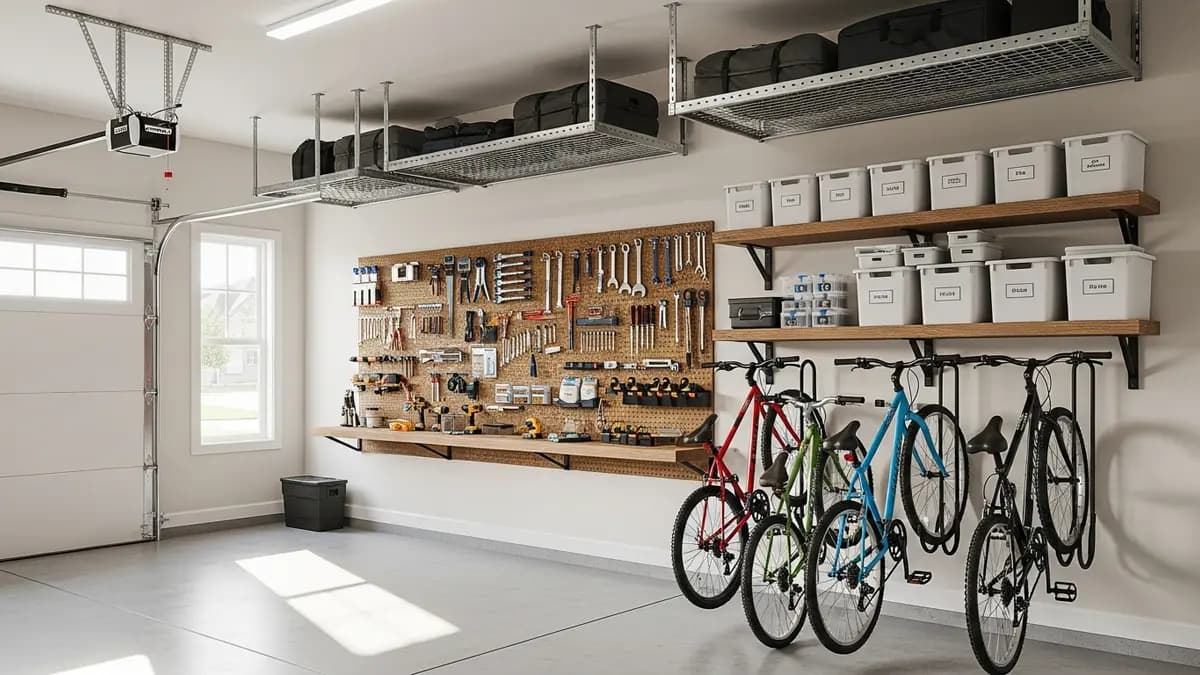
Garages, basements, and storage closets need slower decisions because they often contain tools, seasonal decor, memory boxes, and bulky equipment. Work one shelf at a time. Donate usable furniture, tools, and household goods only after checking local acceptance rules. Store keepers by category, not by where they happened to land over the years.
The Simple Decision Rules That Stop Clutter From Coming Back
Decluttering succeeds when decisions get easier. Use rules that remove emotional debate from ordinary household items. The first rule is the replacement rule: if you buy a new version of something, the old version leaves unless it has a specific backup purpose. This applies to water bottles, towels, storage containers, phone chargers, backpacks, and kitchen tools.
The second rule is the one home rule. Every kept item needs one primary home. If an item moves constantly, it is not a character flaw. It is a location problem. Put the item near the place it is used, not where you think it should look impressive. Mail needs a command center near the door, not a drawer in the office if no one walks there after coming home.
The third rule is the visible limit rule. Give categories a physical boundary. Books fit on one shelf. Cleaning backups fit in one bin. Gift wrap fits in one tall container. When the boundary is full, something leaves before more comes in. Boundaries are kinder than vague promises to organize later.
The fourth rule is the friction test. If a system takes too many steps, it will fail during a busy week. Clear bins, open baskets, drawer dividers, hooks, and simple labels usually beat complicated stacking systems. Storage should make the next right action obvious.
The fifth rule is the two season review. Review clothes, decor, sports gear, and hobby supplies at least twice a year. Items that survive every review without use may be taking space from items that would make life easier now.
For families or roommates, write rules in neutral language. Instead of saying someone is messy, define the reset: shoes go in the entry basket, mail goes in the tray, laundry goes in the hamper, dishes go in the dishwasher, and donation items go in the labeled box. Clear rules reduce conflict because they focus on the system, not the person.
Storage Solutions That Support a Decluttered Home
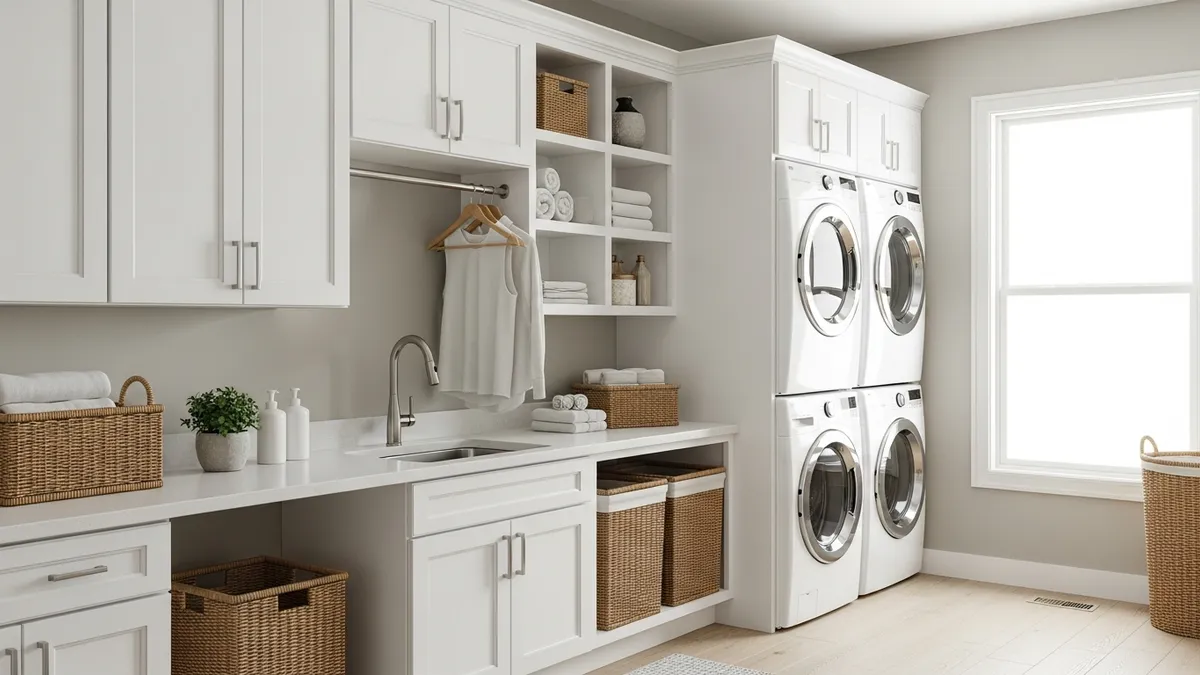
After reducing excess, storage becomes powerful. Choose storage based on visibility, frequency of use, and the type of item. Daily items should be open, easy to grab, and close to the action. Occasional items can be lidded, stacked, and placed higher or deeper. Rare seasonal items need labels because you will not remember what is inside six months later.
Clear containers are useful for pantry items, bathroom backups, craft supplies, and small hardware because they reduce the need to open every box. Woven baskets work well in living rooms, bedrooms, and entryways because they hide visual noise while keeping access easy. Drawer dividers help with flat clutter: utensils, cords, socks, cosmetics, office supplies, and small tools.
Use vertical space before buying more floor furniture. Wall shelves, peg rails, over-door racks, hooks, and stackable bins add storage without shrinking walkways. This matters for apartments, narrow hallways, laundry rooms, and small bathrooms. If you need product inspiration, browse home and decor storage and desk and workspace organizers for categories that match the most common clutter zones.
Labeling is optional for a single person but essential for shared homes. Labels answer the question before someone asks it. They also make it easier for kids, guests, and partners to return items to the right place. Keep labels broad: batteries, pet supplies, school papers, cleaning backups, travel gear, cables, winter accessories. Overly specific labels become hard to maintain.
Avoid buying storage for items you should remove. If you are about to buy a large cabinet because the closet is full of unused linens, declutter the linens first. If you need more pantry bins because expired food is hiding in the back, clear the pantry first. Storage should serve the life you want to run, not protect every object that ever entered the home.
Donate, Recycle, Sell, or Store: What to Do With the Extras
A decluttering project stalls when outgoing items have nowhere to go. Create an exit plan before you begin. Decide which local donation center accepts household goods, where recycling goes, and how long you are willing to wait before selling something. If you do not enjoy selling small items online, donation may be the better choice because it completes the project faster.
Use this practical sorting guide:
- Donate: clean clothing, working small appliances, books, home goods, tools, dishes, and decor that someone else can use.
- Recycle: cardboard, paper, glass, eligible plastics, electronics through approved programs, and metals according to local rules.
- Sell: higher value items that are easy to photograph, describe, and hand off safely.
- Store: seasonal items, keepsakes, and occasional-use tools that have a labeled container and a defined space.
- Discard: broken, unsafe, expired, moldy, or incomplete items that cannot be repaired, donated, or recycled.
The EPA recommends donating usable goods because it keeps products in use longer and can help others. Habitat ReStore accepts many household items, but the exact rules vary by location, so check before loading a car. For charitable giving decisions, the FTC guidance on donating to charity is helpful when you want to confirm an organization before donating money or goods.
Give yourself an exit deadline. Donation bags should leave the house within seven days. Items listed for sale should have a deadline too. If they do not sell within two weeks, lower the price, give them away, or donate them. A decluttered home depends on completed exits, not just sorted piles.
A Weekly Maintenance Plan for a Clutter Free Home
The final step is maintenance. A home does not stay organized because people become perfect. It stays organized because the reset is short, repeatable, and attached to routines that already happen.
Use a weekly 30 minute reset. Spend 10 minutes returning items to their homes, 10 minutes clearing one small zone, and 10 minutes removing outgoing items. If the whole household participates, assign zones instead of asking everyone to clean everything. One person handles entryway and shoes, another handles kitchen counters, another handles laundry overflow.
Add a daily two minute closing shift. Before bed or before leaving the house, reset one surface. This can be the kitchen island, coffee table, desk, or entry bench. The surface you choose should be the one that changes the feeling of the home the most.
Keep one permanent donation box in a closet, laundry room, or garage. When clothing does not fit, a kitchen tool is replaced, or a toy is outgrown, it goes directly into that box. This turns decluttering into an ongoing flow instead of a once-a-year emergency.
Schedule a monthly category review. January can be paperwork, February can be pantry, March can be closet, April can be bathroom products, May can be garage, and so on. Category reviews prevent every storage area from becoming a massive project at the same time.
Finally, protect the empty space you create. Empty space is not wasted space. It is what lets drawers close, shelves breathe, and mornings move faster. The best home decluttering tips are not about owning nothing. They are about making room for the items, routines, and people that matter most.
FAQ About Home Decluttering Tips
Q: What is the best first step when decluttering a home?
Start with one small visible zone, such as a kitchen counter, entryway table, or bathroom shelf. Sort items into keep, relocate, donate, and trash or recycle. Finish by removing outgoing items from the room immediately.
Q: How long does it take to declutter a whole home?
A full home can take several weekends or a few months, depending on size and volume. The faster method is to work in 10 to 30 minute zones and complete one room before starting another. Consistency matters more than marathon sessions.
Q: Should I buy storage bins before decluttering?
No. Declutter first, then buy storage only for the items you intentionally keep. Buying bins too early can hide clutter and make the home look organized without solving the real space problem.
Q: How do I declutter when I feel overwhelmed?
Set a 10 minute timer, choose one tiny area, and stop when the timer ends. Do not start with sentimental items or a large garage. Build momentum with easy categories like expired products, duplicate tools, mail, packaging, and worn-out linens.
Q: What should I do with items that are still useful but not needed?
Donate, give away, or sell them within a clear deadline. If an item is usable, clean, and complete, donation can help it serve another household. Check local donation rules before dropping off furniture, electronics, or large household goods.
Q: How can I keep clutter from returning?
Use the one home rule, the replacement rule, and a weekly reset. Every item needs a home, one item should leave when a replacement enters, and donation items should leave the house regularly instead of becoming a new pile.
Q: Are home decluttering tips different for small spaces?
Small spaces need stricter boundaries and more vertical storage. Use hooks, shelves, stackable bins, and furniture with hidden storage, but only after removing items you no longer use. In small homes, every kept item needs to earn its space.
Weekly Home Tips
Get home organization ideas, product picks, and exclusive deals delivered weekly.
No spam. Unsubscribe anytime.

Explore More Articles
- 30+ Best Small Walk In Closet Ideas to Maximize Every Inch of Your Space in 2026
- 25+ Best Small Space Organization Hacks to Maximize Every Inch of Your Home in 2026
- 25+ Best Entryway Closet Organization Ideas to Transform Your Home's First Impression in 2026
- 25+ Best Nightstand Organization Ideas to Transform Your Bedroom in 2026
- Home Office Desk Organization: 20+ Smart Tips to Build a Productive Workspace in 2026
- 25+ Best Home Gym Organization Ideas to Build a Functional Workout Space in 2026
- 25+ Best Under Kitchen Sink Organization Ideas to Maximize Every Inch in 2026
- Best Office Organization Supplies in 2026: Complete Review & Buying Guide for a Productive Workspace