Achieving Work-Life Balance at Home: Balanced Lifestyle Strategies for 2026
In the digital era of 2026, creating work-life balance at home has become a major challenge for millions of Indonesian workers. According to a recent Kompas survey, 78% of remote workers struggle to separate work time from personal time when working from home. The key lies in space organization and implementing the right lifestyle strategies to achieve ideal balance.
A well-organized home not only creates a productive work environment, but also allows us to truly 'leave' work when working hours end. Let's explore comprehensive strategies to achieve a balanced lifestyle in your home.
Understanding the Importance of Work-Life Balance in Modern Lifestyle
This concept includes the ability to:
- Separate work and personal spaces both physically and mentally
- Manage time effectively between work, family, and self
- Create routines that support holistic well-being
- Maintain mental health through a harmonious home environment
The main challenges to work-life balance in Indonesia include work culture that still emphasizes long working hours, limited living space, and lack of understanding about the importance of personal time.
The Impact of Imbalance on Indonesian Families
When work-life balance is not maintained, the impact is felt by all family members. Children lose quality time with parents, partners feel neglected, and work productivity actually declines due to mental exhaustion.
Organizing Physical Space to Support a Balanced Lifestyle
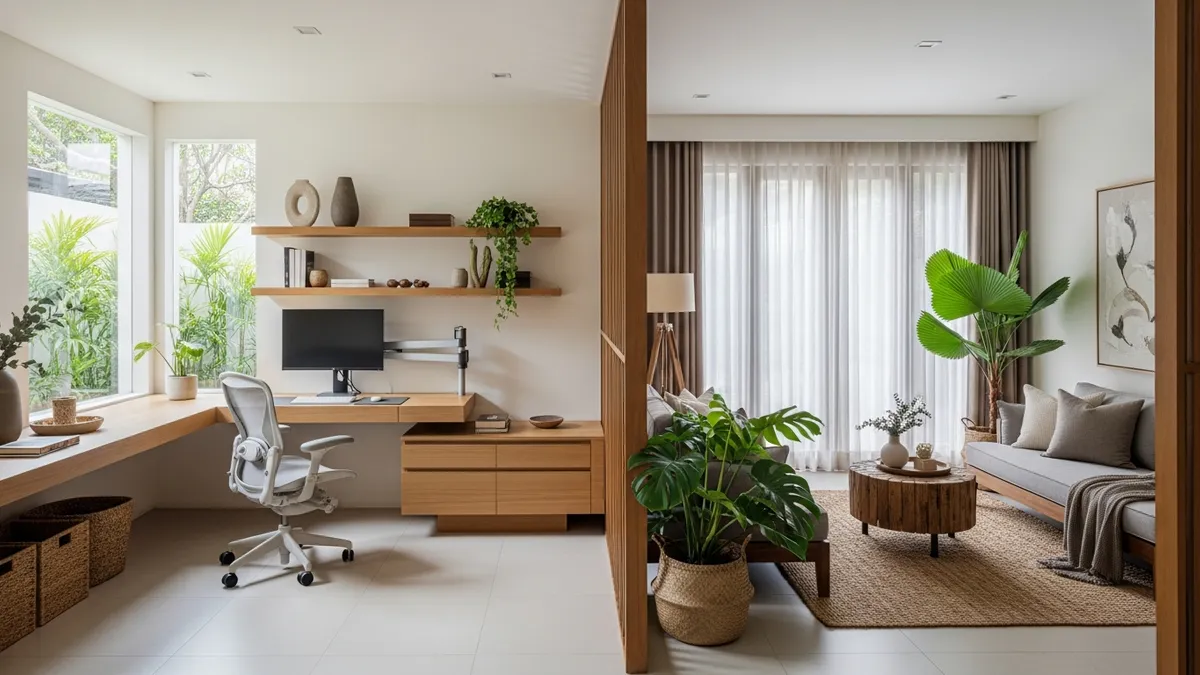
Physical space organization is the foundation of successful work-life balance. Your home should have clear zones with different functions.
Creating a Separate Work Zone
Ideally, have a dedicated work space separate from family relaxation areas. If space is limited, use visual dividers such as:
- Partitions or room dividers starting from $12
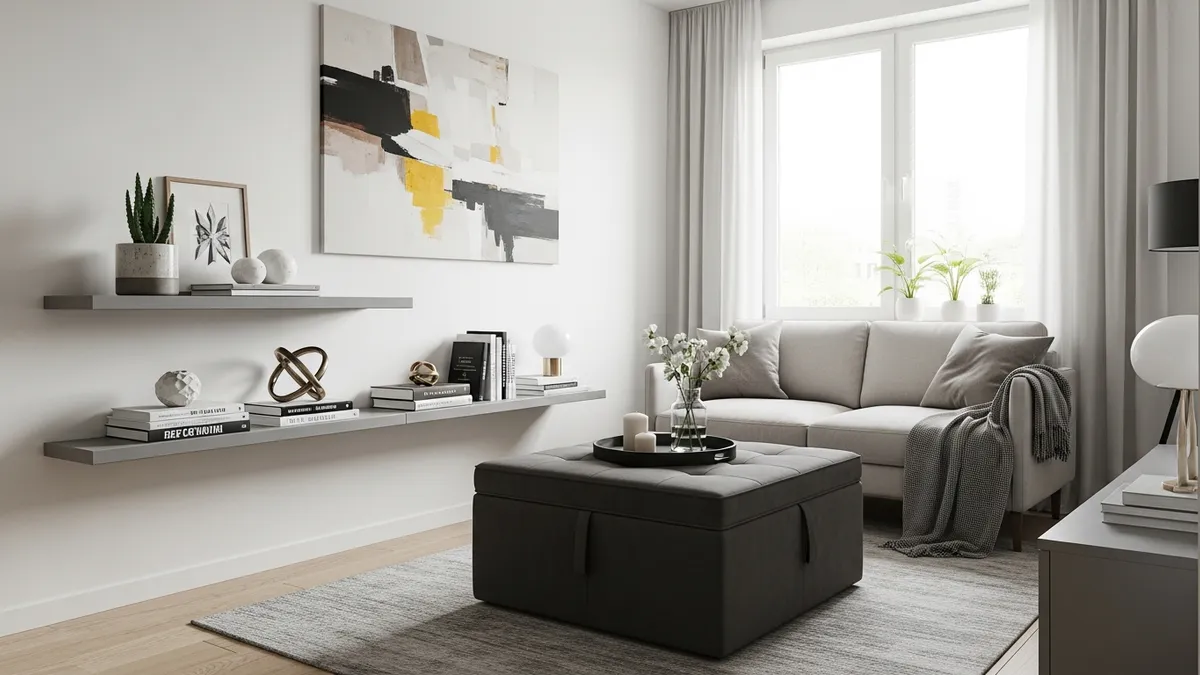
- Bookshelves or storage units that serve double duty as dividers
- Curtains or drapes to create temporary 'walls'
- Rugs or area rugs to define the work zone
Investing in multifunctional furniture like folding desks or storage ottomans can optimize limited space while maintaining neatness.
Optimizing Lighting and Ventilation
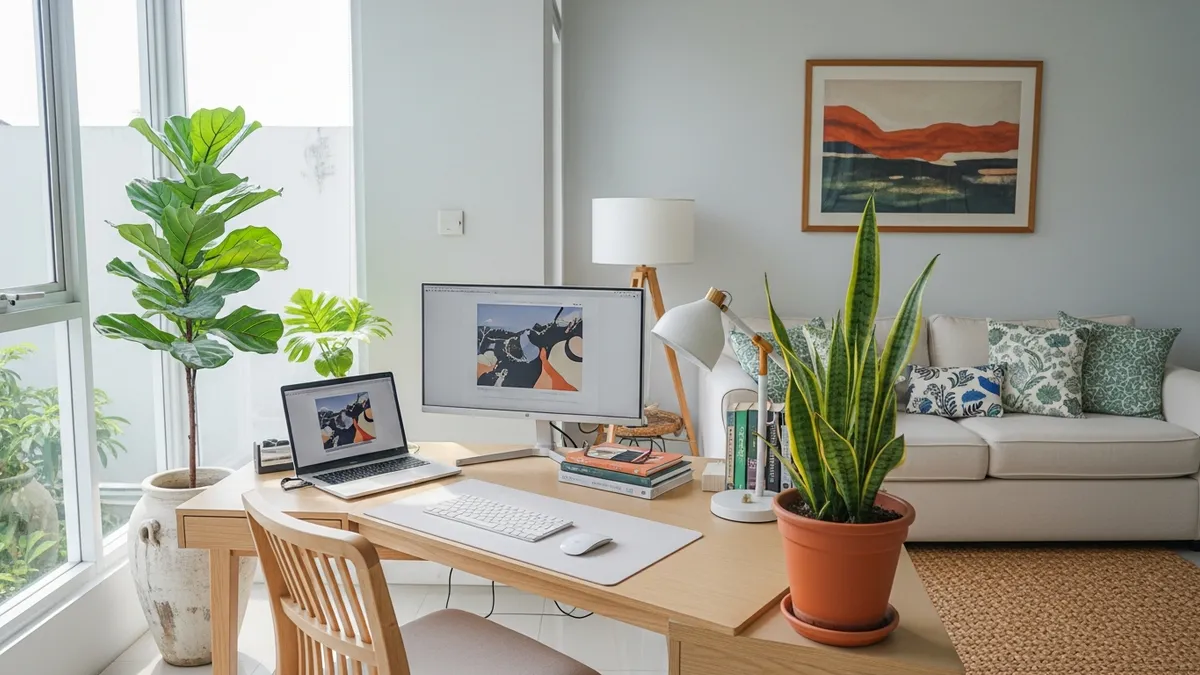
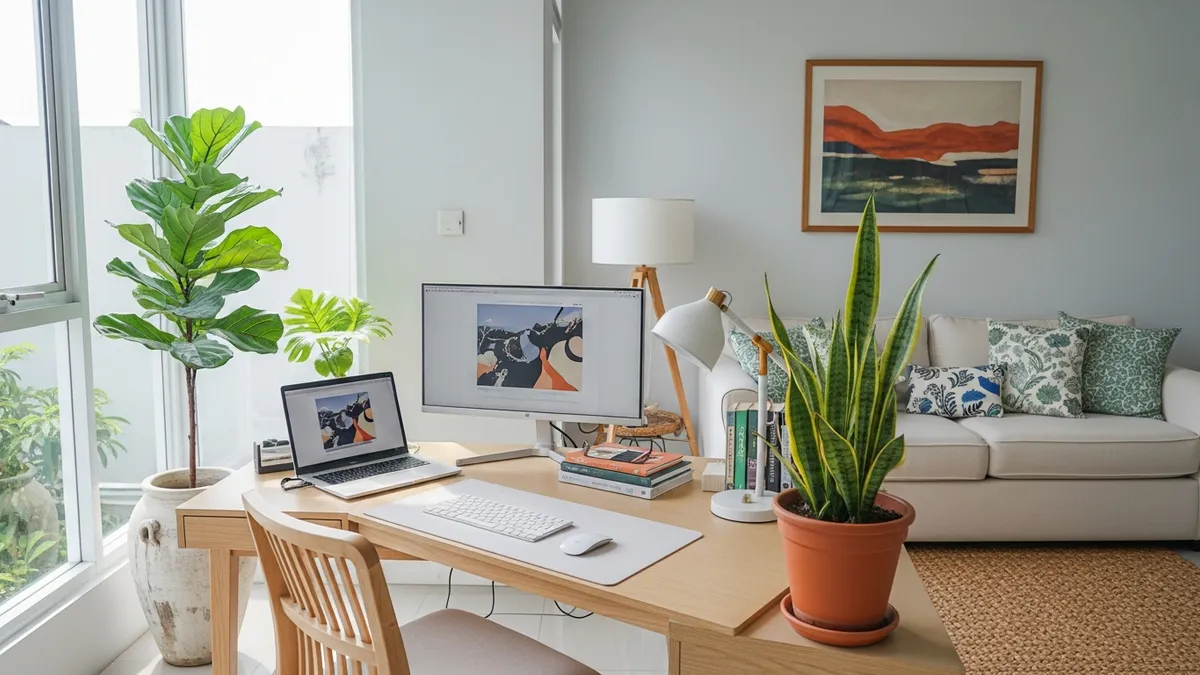
Proper lighting significantly affects mood and productivity. Position your work desk near a window to get maximum natural light. For evenings, use a desk lamp with adjustable intensity.
Time Management Strategies for Optimal Life Balance
Managing time effectively requires a structured yet flexible system. Time blocking technique has proven most effective for work-life balance at home.
Implementing Consistent Daily Routines
Create a daily schedule that includes:
- Morning routine (30-60 minutes): light exercise, meditation, or quality breakfast
- Deep work session (2-4 hours): focus on important tasks without interruptions
- Break time (15-30 minutes every 90 minutes): stretching, walking, or chatting with family
- Family time (1-3 hours): activities together without gadgets or laptops
- Personal time (30-60 minutes): hobbies, reading, or self-care
Using Digital Tools for Productivity
Use time management apps like Todoist, Notion, or Google Calendar to organize priorities and deadlines. Set clear boundaries with colleagues and clients regarding work hours and email response times.
Creating Effective Transition Rituals
One of the biggest work-from-home challenges is the difficulty of 'switching off' from work mode to personal mode. Transition rituals help your brain recognize the shift in activities.
Ritual for Starting the Workday
- Dress up properly even when working from home
- Tidy your work desk and prepare needed tools
- Make coffee or tea as a marker of the start of work hours
- Review daily schedule and set priorities
Ritual for Ending the Workday
- Shut down laptop and close all work files
- Clean and organize your work desk using a desk organizer
- Change into casual clothes
- Take a short walk or do stretching as a physical transition
"Simple rituals like closing the laptop and tidying your desk send a clear signal to your brain that work time has ended."
Involving the Whole Family in a Balanced Lifestyle
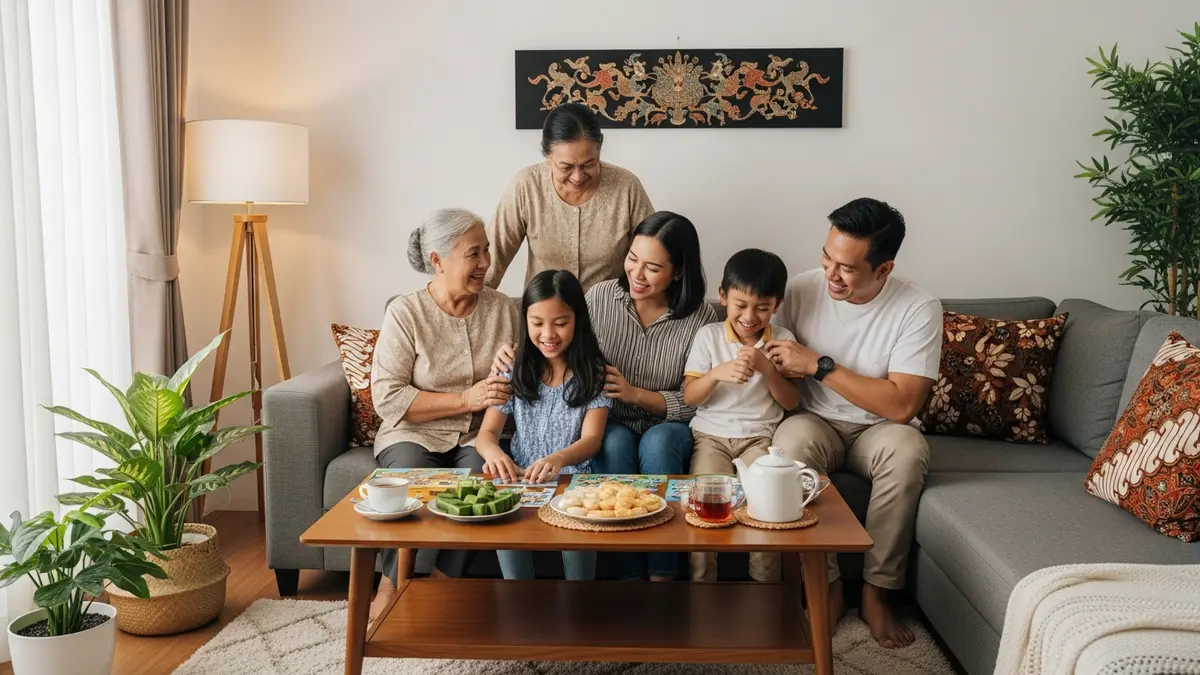
Work-life balance isn't just an individual responsibility, but a commitment from the entire family. Open communication and establishing shared rules are key to success.
Making Family Agreements
Discuss with family members about:
- Work hours that shouldn't be interrupted except for emergencies
- Dedicated family time without laptops, phones, or work distractions
- Division of household chores so it doesn't burden one person
- Weekend rules to truly disconnect from work
Quality Bonding Activities
Plan quality activities involving the whole family such as cooking together, game nights, or DIY home improvement projects. Investing in the right kitchen tools can make cooking together more enjoyable.
Household Organization That Supports Lifestyle Balance
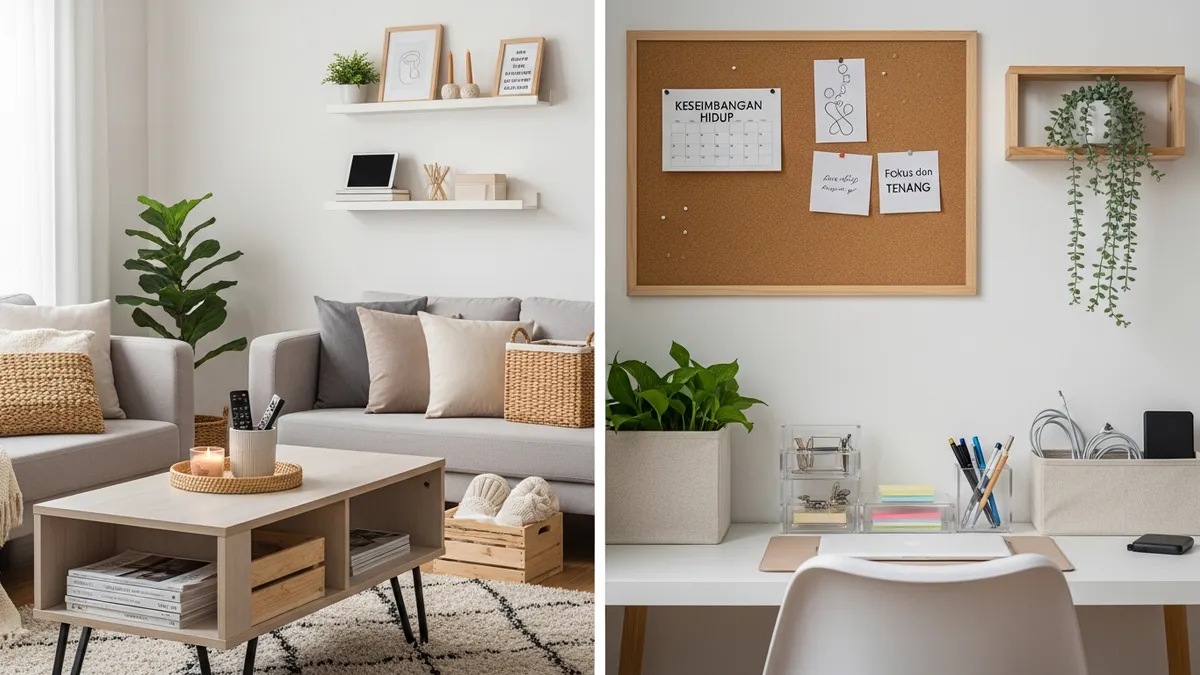
A cluttered home creates mental clutter that disrupts focus and peace. A good organization system reduces wasted time searching for items and creates an environment that supports productivity.
Efficient Storage Systems
Implement the one-home-for-everything principle:
- Designated space for each category of items
- Label containers for easy identification
- Easy access for frequently used items
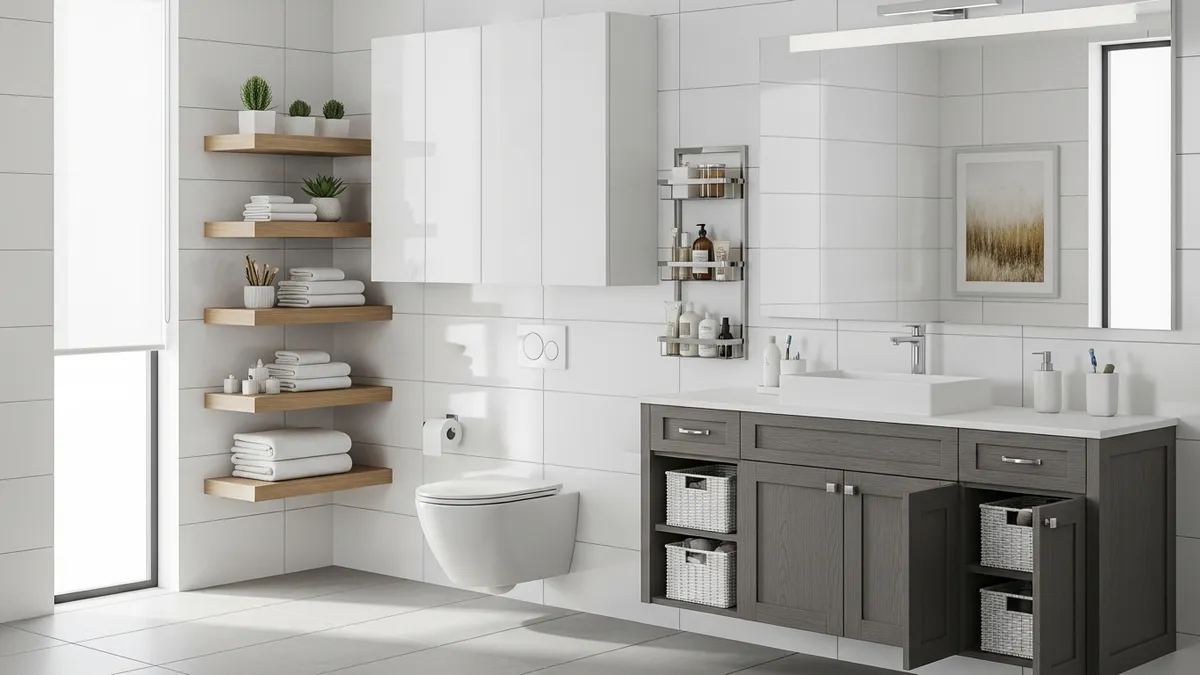
- Storage solutions that fit your room's size and needs
Investing in versatile containers starting from $2 can optimize storage while maintaining room aesthetics.
Managing Paperwork and Digital Documents
Create a clear filing system for physical and digital documents. Use folder organizers for important documents and cloud storage with consistent folder structures for digital files.
Maintaining Mental and Physical Health at Home
True work-life balance includes attention to holistic well-being. Your home should be a sanctuary that supports both physical and mental well-being.
Creating Space for Self-Care
Dedicate a special area for self-care activities such as:
- Reading nook with comfortable seating and good lighting
- Meditation corner with cushions and aromatherapy
- Exercise area with yoga mats and simple equipment
- Hobby station for creative activities that soothe the mind
Regulating Eating and Rest Patterns
Maintain your circadian rhythm with regular meals and adequate sleep. Prepare kitchen tools that make meal prep easier to keep nutrition optimal despite a busy schedule.
Technology Detox and Digital Wellness
In 2026's digital era, it's important to establish a healthy relationship with technology. Regular digital detox helps maintain mental balance and improves interpersonal relationships.
Strategies to Reduce Screen Time
- No-phone zones in bedrooms and dining areas
- App limits for social media and entertainment apps
- Analog alternatives such as physical alarm clocks instead of smartphones
- Tech-free hours daily, for example 2 hours before bed
According to data from Detik, Indonesian families who practice digital detox report up to 60% improvement in family communication and better sleep quality.
FAQ: Questions About Work-Life Balance at Home
Q: How can I resist the temptation to work overtime when working from home?
Set an alarm to remind you when work hours end and create a consistent shutdown ritual. Communicate boundaries clearly with your boss and colleagues.
Q: What should I do if the room is too small for separate zones?
Use visual cues like different lighting, specific scents, or music to mark the transition between work mode and personal mode. Multifunctional furniture is also very helpful.
Q: How can I involve children in maintaining family work-life balance?
Create a visual schedule that's easy for children to understand, teach them the concept of 'quiet time' when parents are working, and ensure there's dedicated quality time that truly focuses on them.
Q: What's the minimum budget to create a home setup that supports work-life balance?
A minimum budget of around $30-90 for basic organizers, simple partitions, and storage solutions. This investment will have long-term impacts on productivity and well-being.
Conclusion
Achieving work-life balance at home requires consistent commitment to organizing space, managing time, and building supportive routines. The key to success lies in understanding that balance isn't a final destination, but an ongoing process that needs to adapt to life's dynamics.
Investment in good home organization, clear boundary setting, and creating transition rituals will result in a more balanced and satisfying lifestyle. Start with small but consistent steps, and experience positive transformation in your family's quality of life.
Visit Sesoris to find home organization solutions that support your balanced lifestyle. Because a more organized life begins with a well-organized home.
Weekly Home Tips
Get home organization ideas, product picks, and exclusive deals delivered weekly.
No spam. Unsubscribe anytime.