
Freezable Food Storage Containers: Ultimate Guide to Safe Freezer Organization in 2026
Discover the best freezable food storage containers for 2026. Complete guide to choosing freeze-safe containers that preserve food quality and flavor.
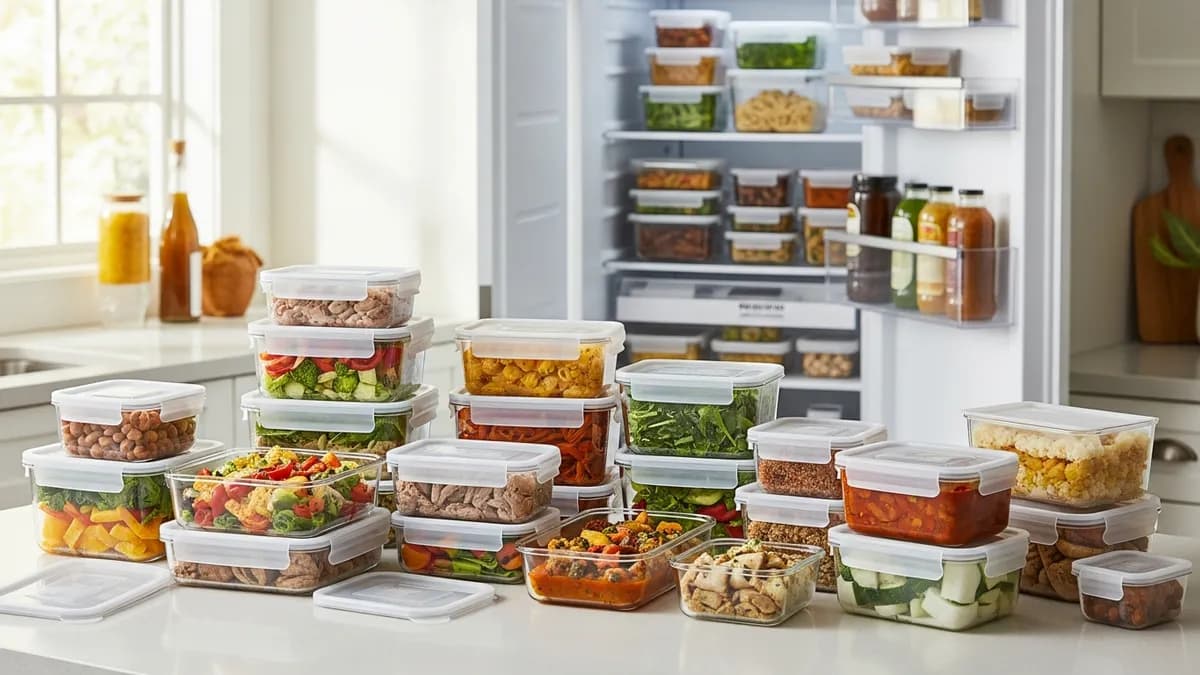
Finding the right freezable food storage containers can transform your meal prep routine and significantly reduce food waste in your kitchen. With over 40% of food waste occurring in households Investing in quality freezable food storage containers is essential for maintaining food safety, preserving nutritional value, and maximizing your freezer space in 2026.
From our team's experience serving thousands of Sesoris customers, the most common organization issue isn't lack of products, but lack of system.
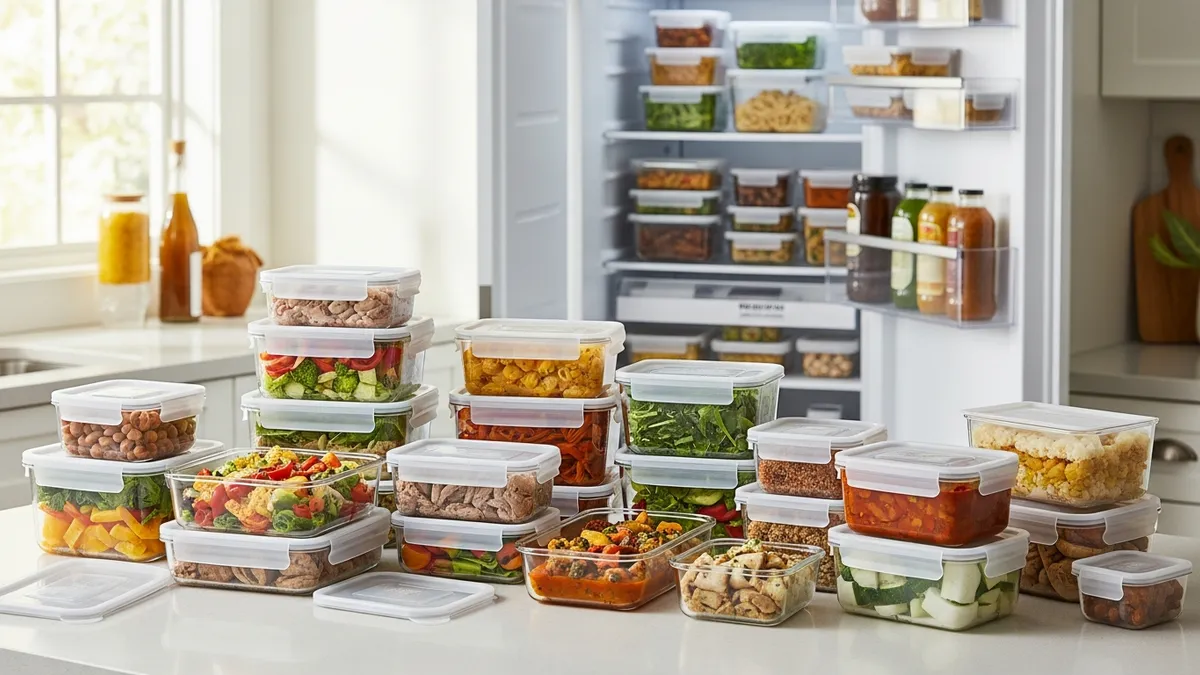
Whether you're batch cooking for busy weekdays, preserving seasonal produce, or storing leftovers for future meals, the right containers make all the difference. This comprehensive guide will help you choose the best freezable food storage containers that meet your specific needs while keeping your food fresh and your freezer organized.
Key Takeaways:
- Choose products with clear safety labels (food-grade, BPA-free) for daily use
- Investing slightly more in quality materials (glass, grade 304 stainless steel) saves long-term costs
- Match sizes to family needs, neither too large nor too small
- Local marketplaces like Tokopedia, Shopee, and Sesoris offer competitive prices with maintained quality
Understanding Freezable Food Storage Containers: What Makes Them Special
Freezable food storage containers are specifically designed to withstand extreme cold temperatures without cracking, warping, or compromising the container's seal. Unlike regular storage containers, these specialized containers use materials and construction methods that can handle temperature fluctuations from room temperature to -18°C (0°F) and back again. For additional information, also see the guide from The Spruce.
The key features that set freezable containers apart include:
- Temperature resistance - Materials that won't become brittle or crack in freezing conditions
- Airtight sealing - Prevents freezer burn and maintains food quality for months
- Expansion accommodation - Allows for food expansion during freezing without breaking
- Easy removal - Smooth surfaces that allow frozen food to release easily
- Stackable design - Maximizes freezer space efficiency
Properly chosen freezable containers can extend food storage life by up to 300% compared to improper storage methods.
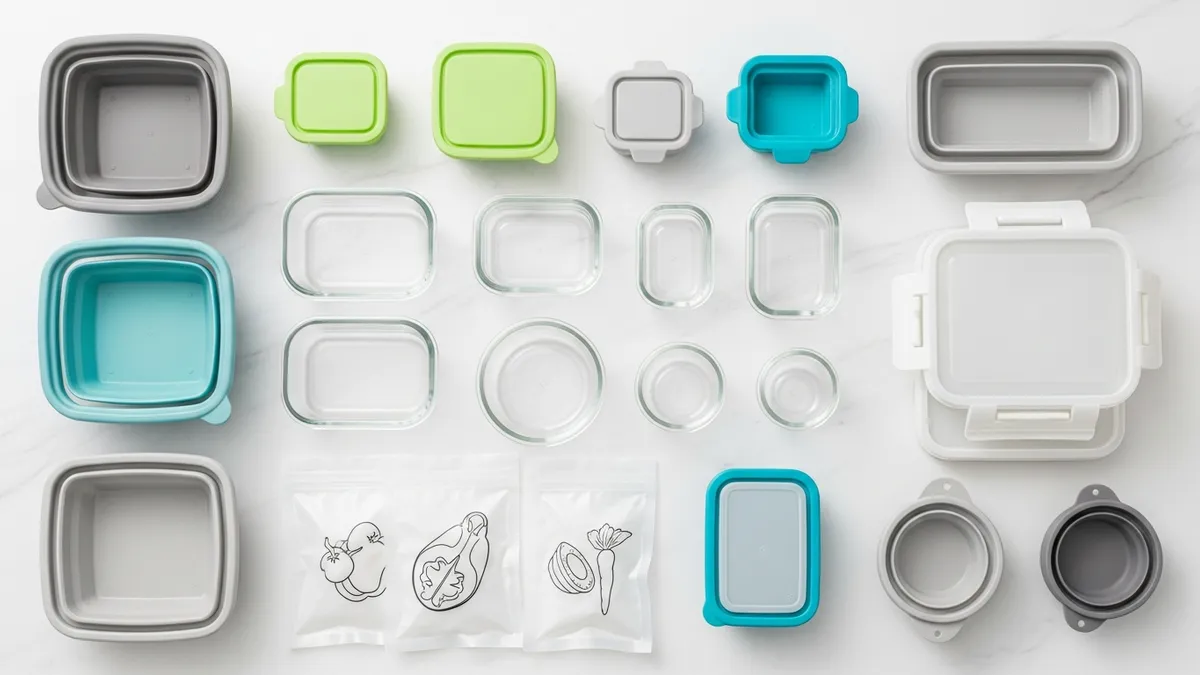
Best Materials for Freezable Food Storage Containers in 2026
Choosing the right material is crucial for safe and effective frozen food storage. Each material offers unique advantages for different storage needs and food types. For additional information, also see the guide from Real Simple.
Glass Freezable Containers
Borosilicate glass remains the gold standard for freezable food storage containers. These containers, typically ranging from $15 - $35 per set, offer:
- Complete non-reactive surface that won't absorb odors or stains
- Microwave and dishwasher safe for easy reheating
- Crystal clear visibility for easy food identification
- Long-term durability with proper care
Popular brands like Pyrex and Anchor Hocking have improved their freezable container designs in 2026, featuring enhanced thermal shock resistance and better-fitting lids.
BPA-Free Plastic Options
Modern BPA-free plastic freezable food storage containers have evolved significantly, offering:
- Lightweight and shatter-resistant design
- Affordable pricing starting at $8 - $20 per set
- Various size options for different portion needs
- Easy-to-clean surfaces with stain resistance
Look for containers marked with recycling codes 1, 2, 4, or 5, which indicate freezer-safe plastics.
Silicone Storage Solutions
Flexible silicone freezable containers have gained popularity in 2026 for their:
- Space-saving collapsible design
- Temperature range from -40°F to 450°F
- Easy food removal due to flexible walls
- Dishwasher and microwave compatibility
Top Features to Look for in Quality Freezable Food Storage Containers
When shopping for freezable food storage containers, prioritize these essential features that distinguish premium options from basic alternatives:
Airtight Sealing Technology
The most critical feature is an airtight seal that prevents freezer burn and maintains food quality. Look for:
- Silicone gaskets in lids that create complete seals
- Locking mechanisms that ensure consistent pressure
- Leak-proof design tested for liquid storage
- Easy-open tabs that don't compromise seal integrity
Size Variety and Portion Control
Effective freezer organization requires containers in multiple sizes:
- Small containers (8-16 oz) for individual portions and sauces
- Medium containers (24-32 oz) for family meal portions
- Large containers (48+ oz) for batch cooking and soups
- Specialty shapes for specific foods like bread, pizza, or sheet cakes
Stackability and Space Efficiency
Maximize your freezer space with containers designed for efficient stacking:
- Uniform rectangular shapes that nest perfectly
- Flat lids that create stable stacking platforms
- Corner reinforcement to prevent warping under weight
- Clear measurement markings for portion control
Freezable Food Storage Containers for Different Food Types
Different foods require specific container considerations for optimal freezer storage. Understanding these requirements helps you choose the right freezable food storage containers for your needs.
Liquid and Sauce Storage
For soups, sauces, and liquid-based foods:
- Leave 1-2 inches of headspace for expansion
- Use wide-mouth containers for easy filling and scooping
- Consider portion-sized containers (16-24 oz) for convenient thawing
- Flat-bottom designs prevent tipping in freezer
Prepared Meal Storage
Batch cooking and meal prep benefit from:
- Compartmented containers for complete meals
- Microwave-safe materials for direct reheating
- Clear lids for easy meal identification
- Portion-controlled sizes (24-32 oz) for individual servings
Raw Ingredient Preservation
Store raw meats, vegetables, and bulk ingredients in:
- Vacuum-sealable containers for maximum freshness
- Large capacity options (48+ oz) for bulk storage
- Easy-label surfaces for date tracking
- Quick-thaw design features for faster defrosting
Our research with Good Housekeeping's food storage testing shows that proper container selection can maintain food quality for 6-12 months in freezer storage.
Essential Tips for Using Freezable Food Storage Containers Effectively
Maximize the performance of your freezable food storage containers with these proven strategies that ensure food safety and quality preservation.
Proper Cooling and Filling Techniques
- Cool food completely before transferring to containers to prevent condensation
- Fill containers 80-85% full to allow for expansion during freezing
- Remove air bubbles from liquids to prevent freezer burn
- Wipe container rims clean before sealing for optimal closure
- Double-check seals by gently pressing lid centers
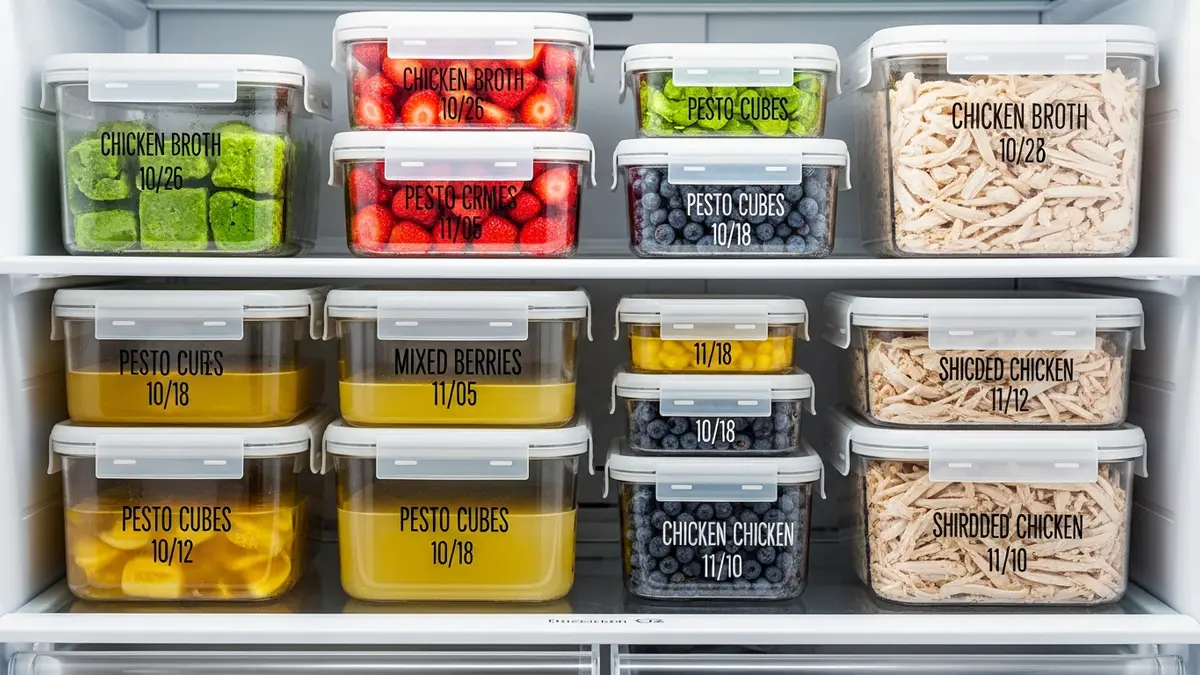
Smart Labeling and Organization Systems
Effective freezer management requires systematic labeling:
- Use freezer-safe labels that adhere in cold temperatures
- Include contents, date frozen, and use-by date
- Implement a first-in-first-out rotation system
- Color-code by food type or family member preferences
- Keep a freezer inventory list updated monthly
Temperature Management Best Practices
Maintain food safety and quality with proper temperature control:
- Keep freezer temperature at 0°F (-18°C) or below
- Avoid frequent door openings that cause temperature fluctuations
- Place new containers in coldest freezer sections initially
- Use freezer thermometer to monitor consistent temperatures
- Allow containers to thaw safely in refrigerator when ready to use
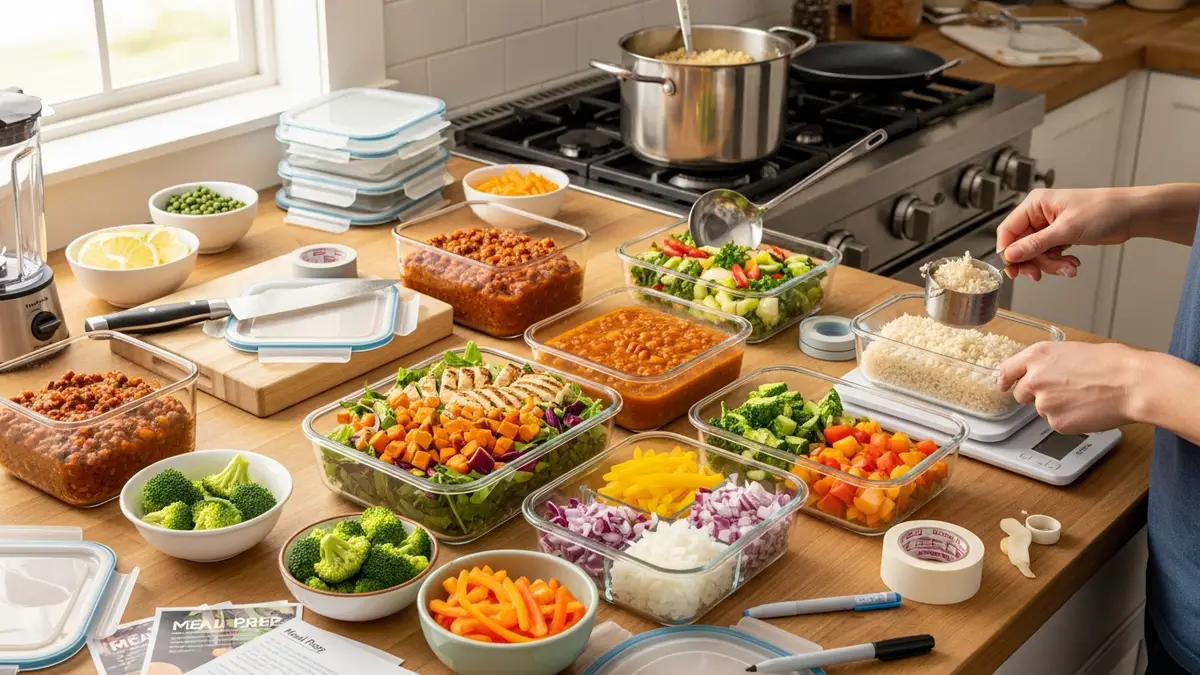
Cost Analysis: Budget-Friendly vs Premium Freezable Food Storage Containers
Understanding the cost-benefit relationship helps you make informed decisions about freezable food storage containers that fit your budget and usage needs.
Budget-Friendly Options ($8 - $25)
Entry-level freezable containers offer:
- Basic BPA-free plastic construction
- Standard rectangular shapes and common sizes
- Simple snap-on lids with basic sealing
- Adequate performance for occasional freezer use
- 12-18 month typical lifespan with regular use
Best for: Occasional freezer users, students, small households
Mid-Range Solutions ($25 - $60)
Mid-tier options provide enhanced features:
- Improved plastic formulations or basic glass construction
- Better sealing mechanisms with silicone gaskets
- Multiple size variety packs
- Enhanced stackability and organization features
- 2-3 year expected lifespan
Best for: Regular meal preppers, growing families, frequent freezer users
Premium Investment ($60 - $150+)
High-end freezable containers deliver:
- Borosilicate glass or advanced composite materials
- Professional-grade sealing systems
- Complete size ranges with specialty shapes
- Lifetime replacement warranties
- 5+ year durability with heavy use
Best for: Serious home cooks, large families, professional food preparation
*"Investing in quality freezable food storage containers saves an average household $400 - $600 annually by reducing food waste and enabling bulk cooking strategies."* - Home Organization Institute, 2026
Common Mistakes to Avoid with Freezable Food Storage Containers
Avoid these frequent errors that compromise food quality and container performance:
Overfilling Containers
Problem: Liquid expansion causes container cracking or poor sealing
Solution: Leave 15-20% headspace for expansion room
Using Non-Freezer Safe Materials
Problem: Regular containers crack, warp, or release chemicals when frozen
Solution: Verify freezer-safe ratings before first use
Improper Thawing Methods
Problem: Rapid temperature changes damage containers and affect food texture
Solution: Thaw gradually in refrigerator or use defrost settings
Ignoring Seal Integrity
Problem: Poor seals cause freezer burn and food quality deterioration
Solution: Regularly inspect and replace damaged seals or containers
Inadequate Labeling Systems
Problem: Mystery containers lead to food waste and disorganization
Solution: Implement consistent labeling with dates and contents
Maintaining Your Freezable Food Storage Containers for Long-Term Use
Proper maintenance extends the life of your freezable food storage containers and ensures continued food safety performance.
Regular Cleaning and Sanitization
- Hand wash with warm soapy water after each use
- Deep clean monthly with baking soda paste for odor removal
- Sanitize quarterly with diluted bleach solution
- Air dry completely before storage to prevent mold
- Inspect seals regularly for wear, cracks, or warping
Storage and Organization
When not in use, store containers properly:
- Nest containers to save storage space
- Store lids separately or slightly askew to prevent seal compression
- Keep in cool, dry locations away from direct sunlight
- Avoid stacking heavy items on plastic containers
Replacement Indicators
Replace containers when you notice:
- Cracks, chips, or warping in container walls
- Damaged or inflexible sealing gaskets
- Persistent odors that don't respond to cleaning
- Clouding in clear plastic that affects visibility
- Lids that no longer seal tightly
For the best selection of freezable food storage containers, explore our comprehensive collection at Sesoris. We offer carefully curated options from budget-friendly basics to premium glass systems, all designed to help you organize your life with ease.
Related Articles
Explore other guides from Sesoris to complement your knowledge:
FAQ: Frequently Asked Questions About Freezable Food Storage Containers
Can I put hot food directly into freezable food storage containers?
Never put hot food directly into any container before freezing. Allow food to cool to room temperature first, then refrigerate before transferring to the freezer. This prevents condensation, protects container integrity, and maintains food safety.
How long can food stay fresh in freezable food storage containers?
Properly stored food in quality freezable containers can maintain good quality for 3-12 months, depending on the food type. Vegetables last 8-12 months, cooked meals 2-6 months, and raw meats 4-12 months when properly sealed and frozen at 0°F.
Are glass freezable food storage containers better than plastic ones?
Glass containers offer superior non-reactive storage, easier cleaning, and longer lifespan, but plastic containers are lighter, shatter-resistant, and more affordable. Choose based on your priorities: durability and food purity (glass) or convenience and budget (quality plastic).
Can I microwave food directly in freezable storage containers?
Only if the containers are specifically labeled as microwave-safe. Glass containers are generally safe for microwave reheating, while plastic containers vary by material. Always remove lids and use lower power settings to prevent overheating.
How do I prevent freezer burn when using freezable food storage containers?
Ensure airtight sealing, remove excess air, fill containers appropriately (80-85% full), maintain consistent freezer temperature at 0°F, and use containers within recommended timeframes. Quality containers with proper sealing significantly reduce freezer burn risk.
Conclusion
Investing in quality freezable food storage containers is a smart decision that pays dividends through reduced food waste, improved meal planning efficiency, and better food safety. Whether you choose budget-friendly plastic options or premium glass systems, focus on features like airtight sealing, appropriate sizing, and freezer-safe materials that meet your specific needs.
Remember that the best container system is one you'll actually use consistently. Start with a basic set in commonly used sizes, then expand your collection as your freezer storage needs become clearer. With proper selection, use, and maintenance, quality freezable containers become invaluable tools for modern kitchen organization.
Ready to transform your freezer organization? Browse our complete selection of freezable food storage containers at Sesoris, where we help you organize your life with ease. From individual containers to complete storage systems, find the perfect solution for your 2026 kitchen organization goals.
Liked this guide?
Get new organizing guides and the occasional new product by email. No spam, unsubscribe anytime.
Related articles

Explore more articles
- 30+ Best Bedroom Shelving Ideas to Maximize Every Inch of Your Space in 2026
- 25+ Best Corner Cabinet Kitchen Ideas to Maximize Every Inch in 2026
- Decluttering Home Decor: The Complete 2026 Guide to a Beautiful, Clutter-Free Home
- Garage Organization Systems: The Complete 2026 Guide to a Clutter-Free Garage
- Modular Shelving System: What to Compare
- 25+ Best Small Space Organization Hacks to Maximize Every Inch of Your Home in 2026
- 25+ Best Makeup Vanity Organization Ideas to Transform Your Beauty Space in 2026
- 30+ Best Small Entryway Organization Ideas to Transform Your Home's First Impression in 2026