Quality Products, Free Shipping & Easy Returns!
Sesoris
My AccountTrack Order
BlogLifestyle
Sustainable Living: Starting from Home
Lifestyle

Sustainable Living: Starting from Home

December 20, 2025
7 min read read
RW
Rina Wijaya
Sustainability Advocate

Sustainable living doesn't require drastic changes. Small steps at home can make a big impact on the environment.

Why Sustainable Living?

Every year, the average Indonesian household generates hundreds of kilograms of waste. With simple habit changes, we can reduce our carbon footprint and create a better future.

1. Reduce Plastic Waste

Replace plastic bags with reusable shopping bags. Use glass or stainless steel containers for food storage. Bring your own water bottle and tumbler.

2. Save Energy

Turn off lights and electronics when not in use. Switch to LED bulbs. Use natural light as much as possible. Unplug chargers from outlets.

3. Save Water

Fix leaky faucets immediately. Take showers instead of baths. Collect rainwater for watering plants. Wash clothes with full loads.

4. Home Composting

Start composting your kitchen organic waste. This reduces landfill waste and produces free fertilizer for your plants.

5. Choose Eco-Friendly Products

Look for products with minimal or recyclable packaging. Choose local products to reduce transportation carbon footprint. Buy quality items that last longer.

6. Reduce, Reuse, Recycle

Before buying, ask yourself if you really need it. Get creative reusing items. Separate waste for proper recycling.

7. Urban Gardening

Grow your own vegetables or herbs, even in small pots. This reduces packaging and food miles, plus you get fresher, healthier produce.

8. Second-hand First

Consider pre-owned items for furniture and clothing. Thrift shopping is not only sustainable but also budget-friendly.

9. Sustainable Shopping Habits

Sustainable living extends beyond your home and into how you shop:

  • Buy local — supports local producers and reduces transport emissions
  • Choose products with minimal packaging — or packaging that is recyclable or biodegradable
  • Buy quality over quantity — one durable item that lasts 10 years is more sustainable than three cheap items
  • Repair before replacing — Indonesia has a strong culture of repair (tukang service) — use it

10. The Sustainable Kitchen

The kitchen is often the biggest source of household waste. Key changes that have large impact:

  • Meal planning — reduces food waste by up to 40%. Plan meals for the week before shopping
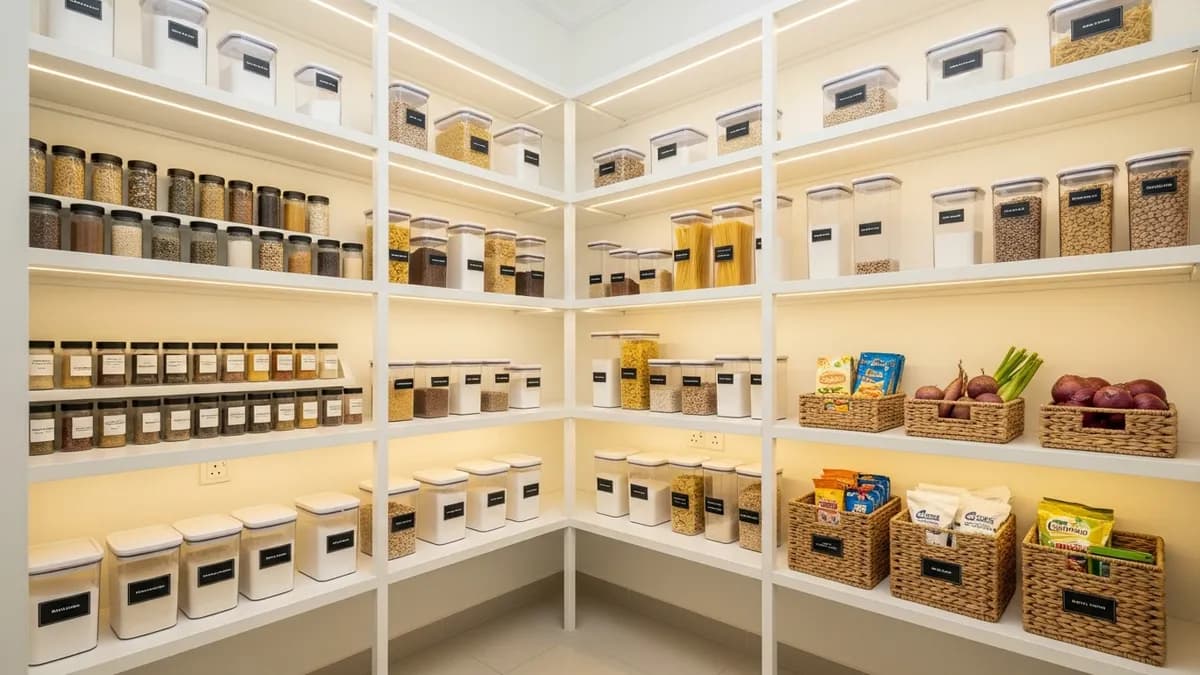
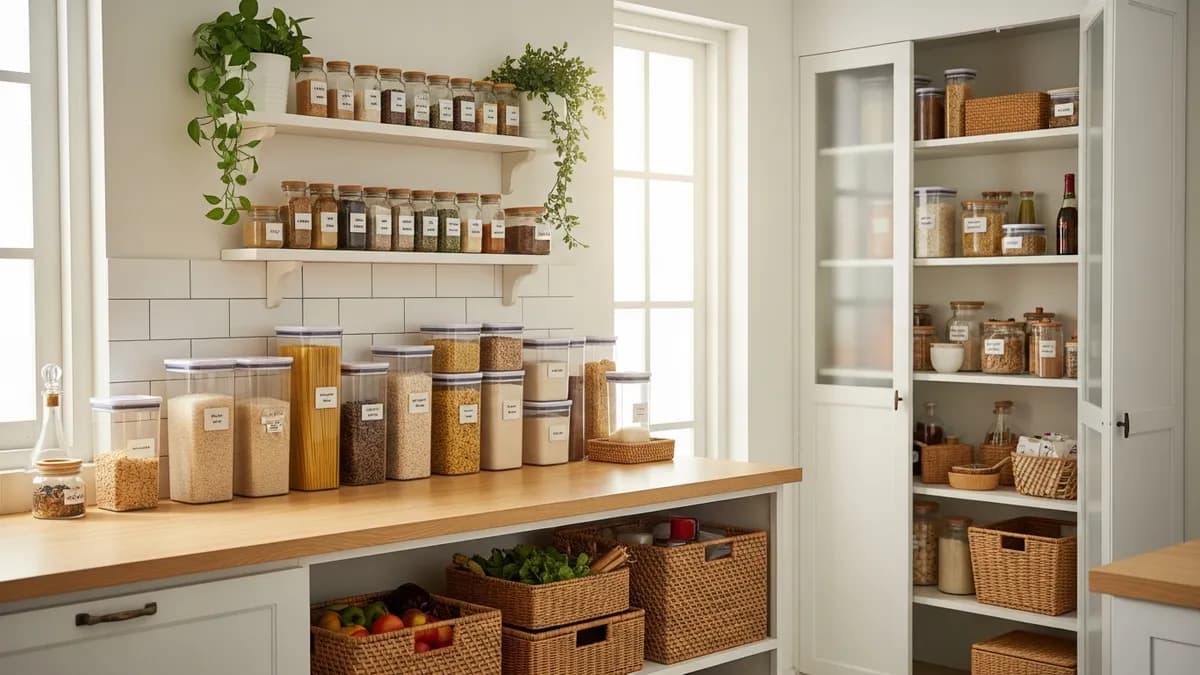
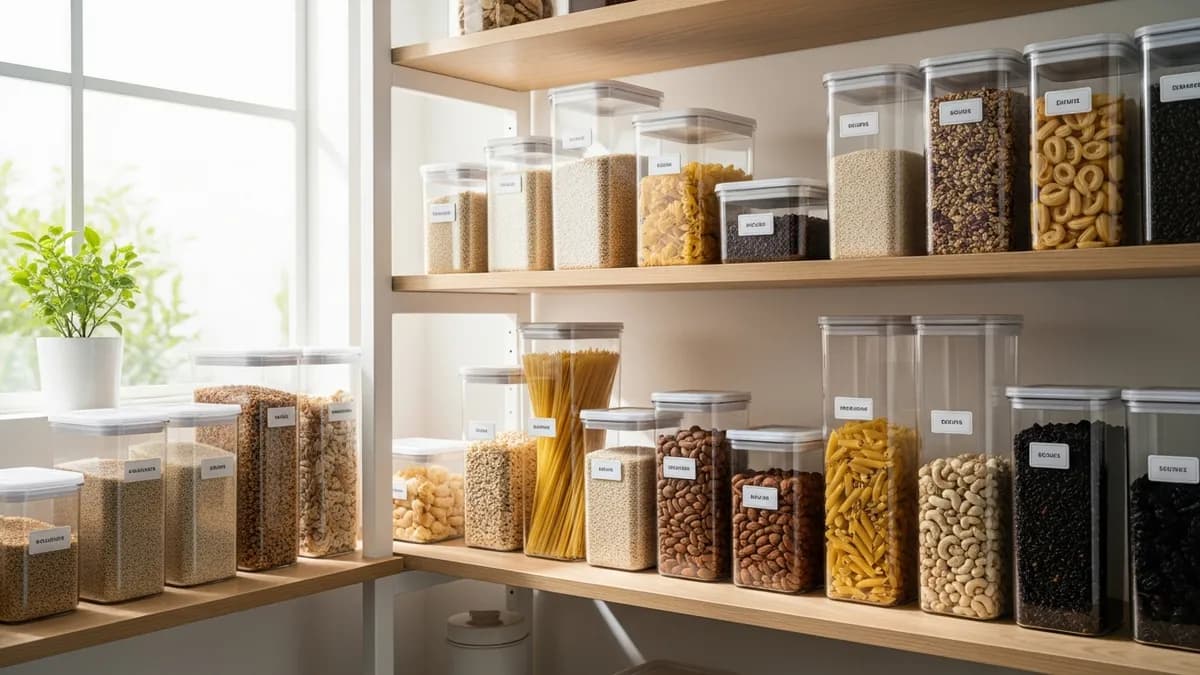
  • Proper food storage — airtight containers keep food fresh longer, reducing spoilage
  • Reusable containers — replace single-use plastic bags and disposable containers with washable alternatives
  • Compost food scraps — vegetable peels, coffee grounds, and eggshells become valuable fertilizer

Sustainable Living and Home Organization

Sustainable living and home organization are natural partners. A well-organized home naturally consumes less:

  • You know exactly what you have, so you stop buying duplicates
  • Properly stored items last longer and need less frequent replacement
  • Less clutter means less to clean, less cleaning product needed, less time spent
  • Organized storage makes composting, recycling, and sorting waste easier

Investing in quality storage solutions — like Sesoris airtight containers — directly supports a sustainable lifestyle by reducing food waste and eliminating the need for single-use packaging.

FAQ: Sustainable Living at Home

Q: Where do I start with sustainable living?

Start with one area — most people find the kitchen or bathroom easiest. Swap out single-use plastics for reusable alternatives. Once that becomes habit, expand to the next area.

Q: Is sustainable living more expensive?

Initially, some switches require investment (reusable bags, quality containers). However, most sustainable habits save money over time through reduced waste, lower energy bills, and buying less.

Q: How do I compost in an apartment?

Vermicomposting (worm composting) works well in small spaces and produces odorless compost. Alternatively, many cities have community composting programs or organic waste collection.

Start Realistically

You don't need to be perfect. Begin with one or two new habits, then add more gradually. Progress is more important than perfection.

Conclusion

Every small step counts. With consistency, the small changes you make at home contribute to big changes for our planet.

Weekly Home Tips

Get home organization ideas, product picks, and exclusive deals delivered weekly.

No spam. Unsubscribe anytime.