
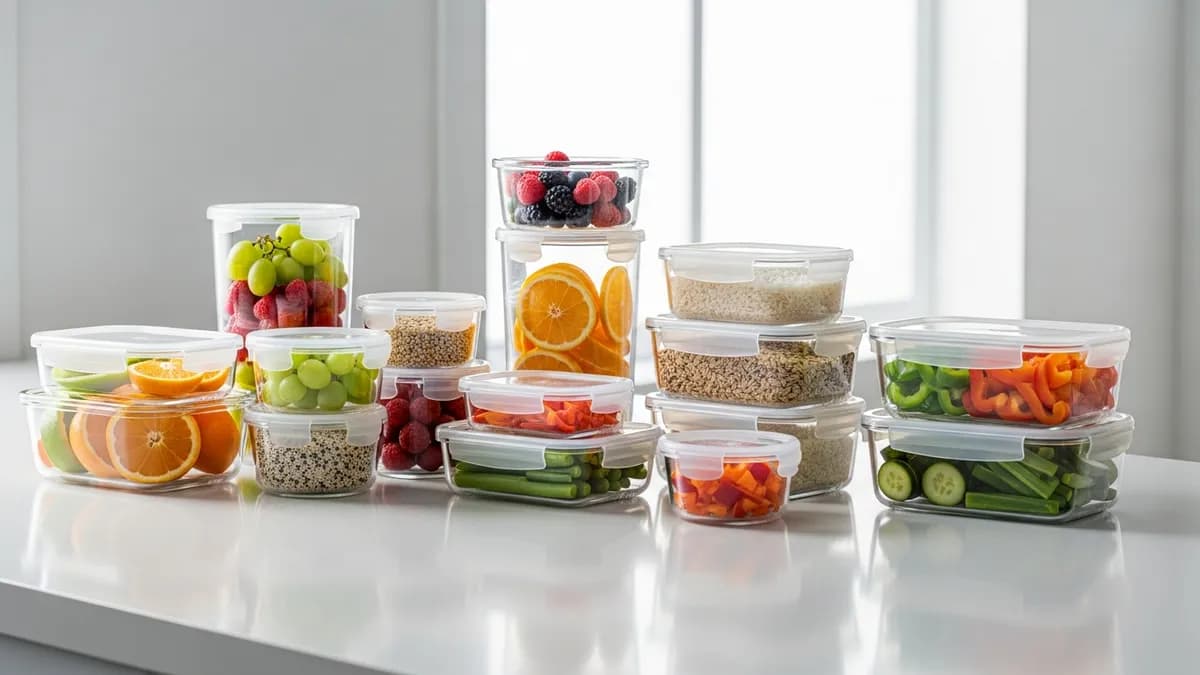
BPA-Free Storage Containers for Food: Complete Tutorial Guide to Safe Food Storage in 2026
When it comes to food safety and storage, choosing storage containers for food bpa free has become increasingly important for health-conscious households in 2026. With growing awareness about the potential health risks associated with BPA (Bisphenol A), more families are making the switch to safer alternatives that protect both their food and their well-being. This comprehensive tutorial will guide you through everything you need to know about selecting, using, and maintaining BPA-free food storage containers.
Our team at Sesoris has noticed that the happiest customers aren't those with the largest homes, but those with the most consistent organization habits.
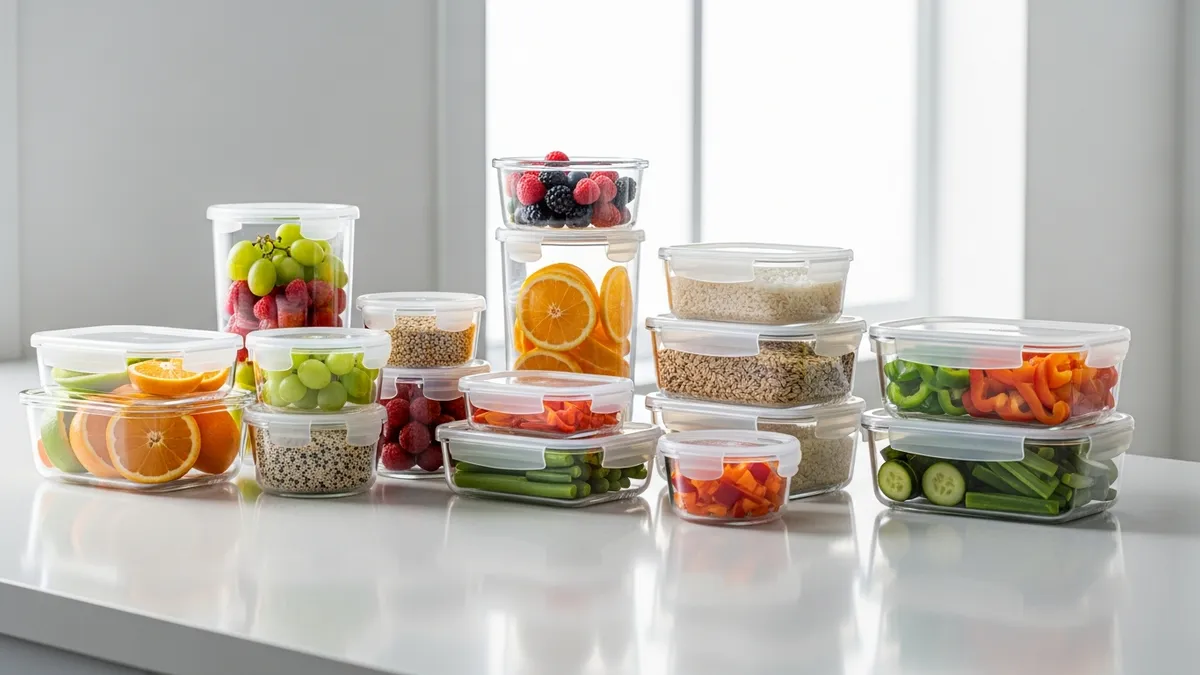
According to the FDA, BPA exposure has been linked to various health concerns, making BPA-free alternatives increasingly popular among consumers. Studies show that 92% of households now prefer BPA-free food storage solutions, with the market growing by 15% annually.
Key Takeaways: > - Choose products with clear safety labels (food-grade, BPA-free) for daily use > - Investing slightly more in quality materials (glass, grade 304 stainless steel) saves long-term costs > - Match sizes to family needs, neither too large nor too small > - Local marketplaces like Tokopedia, Shopee, and Sesoris offer competitive prices with maintained quality
Understanding BPA and Why BPA-Free Storage Containers Matter
BPA (Bisphenol A) is a chemical compound traditionally used in the production of certain plastics and resins. When storage containers for food bpa free became a priority for manufacturers, it was due to research indicating that BPA can leach into food and beverages, potentially affecting human health.
Health Concerns Associated with BPA
Research has shown several potential health risks associated with BPA exposure:
- Hormonal disruption: BPA can mimic estrogen in the body
- Developmental issues: Particularly concerning for children and pregnant women
- Cardiovascular problems: Some studies link BPA to heart disease
- Reproductive health: May affect fertility and pregnancy outcomes
- Brain function: Potential impacts on behavior and cognitive development
The American Heart Association recommends reducing BPA exposure, especially through food contact materials. This is why investing in quality food storage solutions has become essential for modern households.
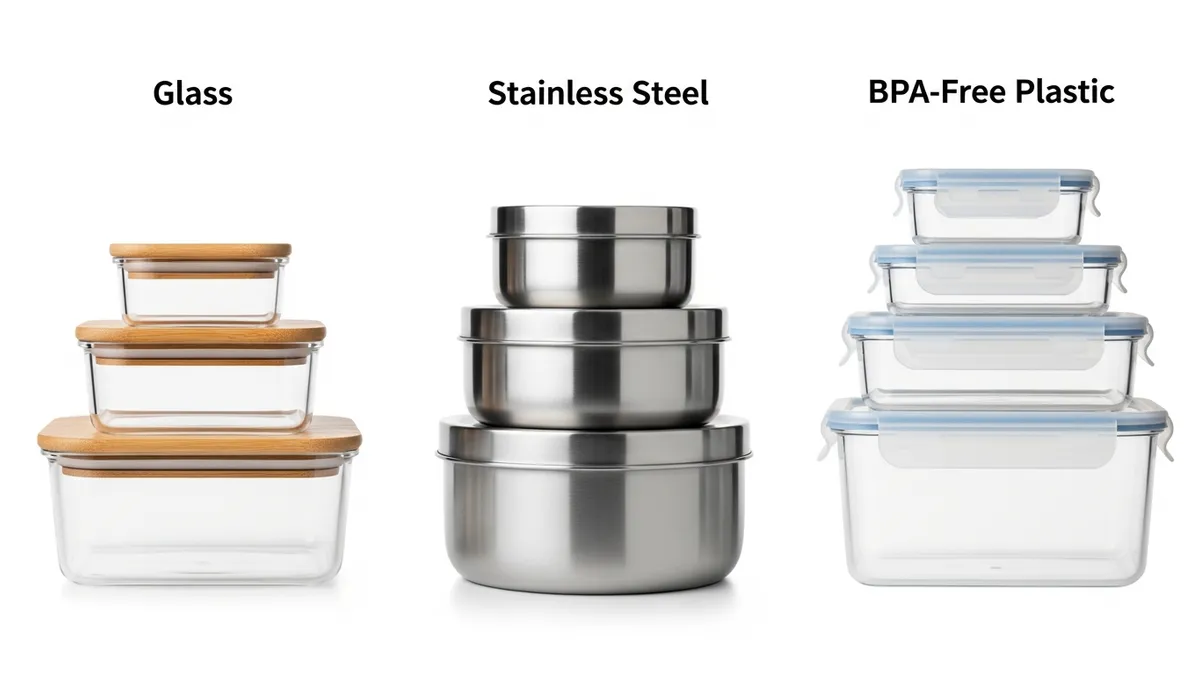
Types of BPA-Free Storage Containers for Food
When selecting storage containers for food bpa free, you have several excellent material options, each with unique benefits:
Glass Storage Containers
Glass containers are the gold standard for BPA-free food storage:
- 100% chemical-free: No risk of chemical leaching
- Microwave and dishwasher safe: Convenient for reheating and cleaning
- Stain and odor resistant: Maintains pristine condition longer
- Transparent: Easy to identify contents
- Durability: Can last decades with proper care
Popular brands like Pyrex and Anchor Hocking offer comprehensive glass storage systems starting at $25 for a 4-piece set.
Stainless Steel Containers
Stainless steel provides excellent durability and safety:
- Rust-resistant: Grade 304 stainless steel prevents corrosion
- Temperature retention: Keeps food hot or cold longer
- Lightweight: Easier to handle than glass
- Unbreakable: Perfect for families with children
- Eco-friendly: Fully recyclable material
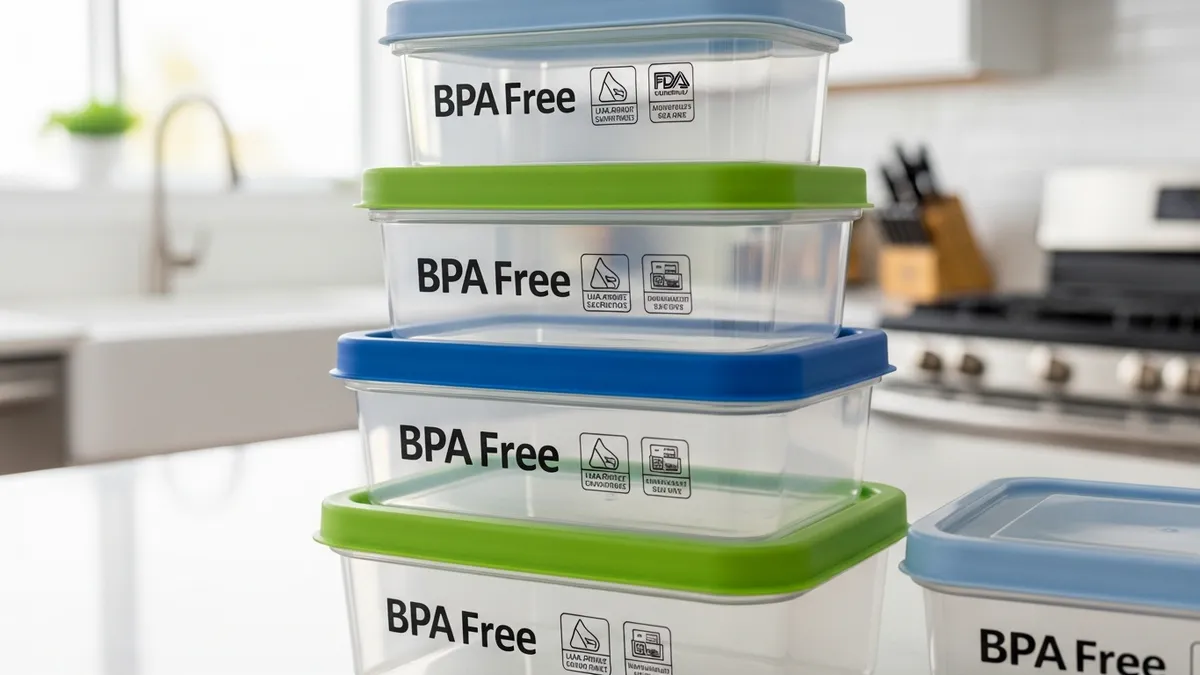
BPA-Free Plastic Options
Modern BPA-free plastics offer convenience and affordability:
- Lightweight and portable: Ideal for lunch boxes and travel
- Shatter-resistant: Safe around children
- Variety of sizes: Available in numerous configurations
- Cost-effective: Starting at $13 for basic sets
- Easy maintenance: Simple cleaning and storage
Look for containers marked with recycling codes 3, 6, or 7 with "BPA-Free" labeling to ensure safety.
Step-by-Step Guide to Choosing BPA-Free Storage Containers for Food
Follow this comprehensive tutorial to select the perfect storage containers for food bpa free for your household:
Step 1: Assess Your Storage Needs
Before shopping, evaluate your specific requirements:
- Inventory your current containers: List what needs replacement
- Identify storage goals: Meal prep, pantry organization, or leftover storage
- Measure available space: Kitchen cabinets, refrigerator, and pantry dimensions
- Consider family size: Determine appropriate container volumes
- Set your budget: Quality BPA-free sets range from $25 - $150
Step 2: Research Certification and Safety Standards
Ensure your chosen containers meet safety requirements:
- FDA approval: Look for FDA-compliant materials
- BPA-free certification: Verify clear labeling or documentation
- Third-party testing: Brands that undergo independent safety testing
- Food-grade materials: Specifically designed for food contact
- Temperature ratings: Safe for intended use (freezer, microwave, dishwasher)
The NSF International provides certification for food-safe storage containers, ensuring they meet stringent safety standards.
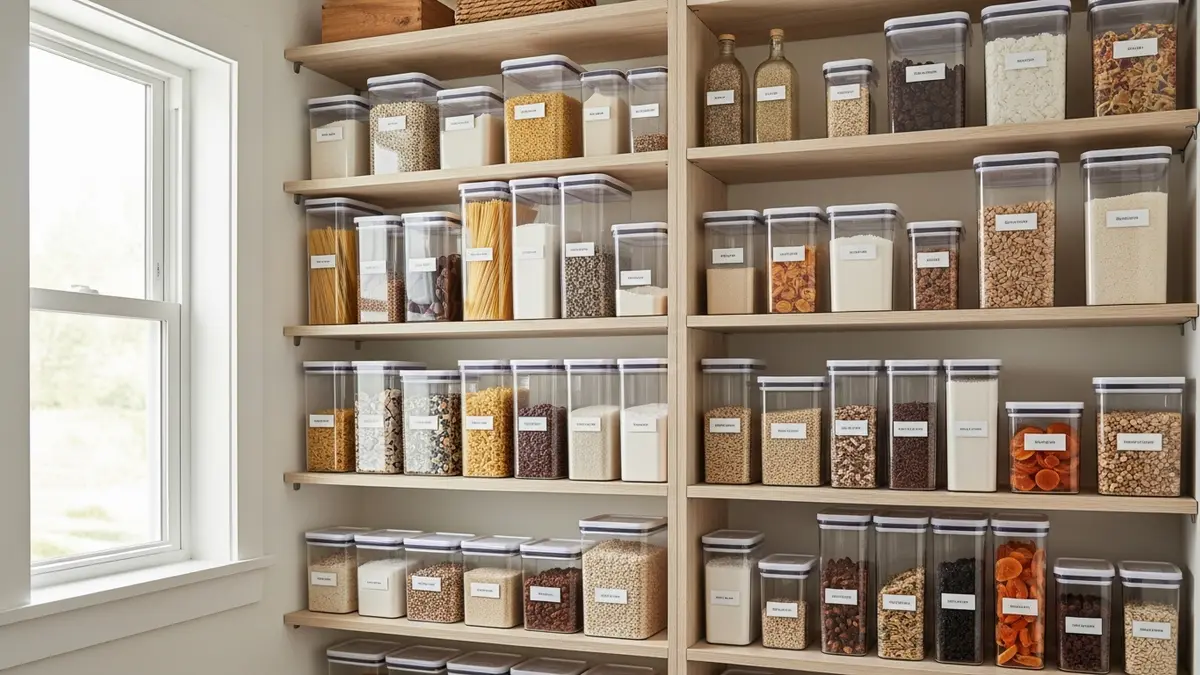
Step 3: Evaluate Design and Functionality Features
Modern storage containers for food bpa free offer various beneficial features:
- Airtight sealing: Silicone gaskets prevent air exposure
- Stackable design: Maximizes storage efficiency
- Easy-open lids: Convenient daily use
- Measurement markings: Helpful for portion control
- Modular systems: Containers that nest together when empty
Consider investing in complete storage solutions that offer coordinated systems for maximum organization benefits.
Best BPA-Free Storage Container Brands and Options in 2026
Based on extensive research and consumer reviews, these brands offer exceptional storage containers for food bpa free:
Premium Glass Options
Pyrex Simply Store Series
- Price range: $30 - $90
- Sizes: 4-piece to 18-piece sets
- Features: Microwave-safe, stackable lids
- Warranty: Limited lifetime warranty
Anchor Hocking TrueSeal Collection
- Price range: $25 - $65
- Specialty: Leak-proof airtight seals
- Temperature range: -40°F to 425°F
- Durability rating: 5/5 stars consumer rating
Top Stainless Steel Choices
LunchBots Stainless Steel Containers
- Price range: $20 - $50
- Material: 18/8 stainless steel
- Special feature: Dishwasher-safe silicone lids
- Target use: Meal prep and lunch storage
Quality BPA-Free Plastic Options
Rubbermaid Brilliance Series
- Price range: $16 - $46
- Material: Tritan plastic (BPA-free)
- Features: Crystal-clear visibility, leak-proof
- Set options: 10-piece to 20-piece configurations
These options are available through Sesoris's curated collection, ensuring you get authentic, certified BPA-free products.
Proper Use and Maintenance of BPA-Free Storage Containers
To maximize the lifespan and safety of your storage containers for food bpa free, follow these best practices:
Daily Use Guidelines
- Temperature awareness: Check manufacturer recommendations for heat limits
- Proper sealing: Ensure lids are completely closed for airtight storage
- Food preparation: Allow hot foods to cool before storing
- Portion control: Don't overfill containers (leave 10% space for expansion)
- Regular rotation: Use older stored food first (FIFO method)
Cleaning and Sanitization
Proper maintenance ensures food safety and container longevity:
- Pre-rinse immediately: Remove food residue before it sets
- Use appropriate cleaners: Mild dish soap for daily cleaning
- Deep cleaning weekly: Baking soda paste for stubborn odors
- Sanitize monthly: Diluted vinegar solution (1:10 ratio)
- Air dry completely: Prevent bacterial growth from moisture
For comprehensive organization tips, explore our guide on kitchen organization solutions.
Creating an Organized Food Storage System with BPA-Free Containers
Transform your kitchen with a systematic approach to organizing storage containers for food bpa free:
Pantry Organization Strategy
Implement these proven organization techniques:
- Zone creation: Designate areas for different food categories
- Height utilization: Store frequently used items at eye level
- Label system: Clear labeling with contents and dates
- Container sizing: Match container size to typical food quantities
- Accessibility: Easy-open containers for daily-use items
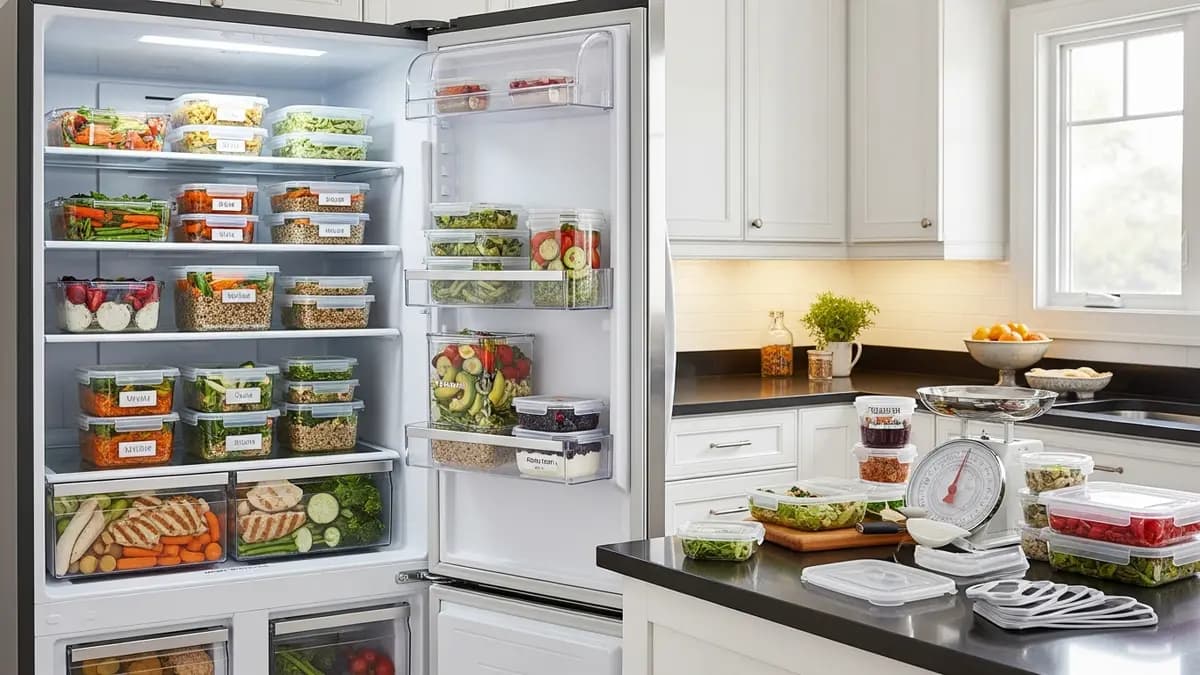
Refrigerator Storage Optimization
Maximize refrigerator efficiency with proper container placement:
- Temperature zones: Store containers based on optimal food temperatures
- Stackable systems: Use containers designed for vertical storage
- Clear containers: Easy identification reduces opening time
- Portion planning: Pre-portion meals for grab-and-go convenience
- Leak prevention: Quality seals prevent cross-contamination
Meal Prep Integration
Streamline meal preparation with strategic container selection:
- Portion-controlled sizes: Individual serving containers (16-24 oz capacity)
- Microwave-safe options: Glass or certified BPA-free plastic
- Freezer compatibility: Containers rated for -10°F or lower
- Multiple compartments: Bento-style containers for varied meals
- Easy transport: Secure lids and comfortable carrying options
Common Mistakes to Avoid with BPA-Free Food Storage
Avoid these frequent errors when using storage containers for food bpa free:
Purchase Mistakes
- Ignoring certification: Always verify BPA-free labeling
- Size miscalculation: Buying containers too large or small for needs
- Quality compromise: Choosing price over safety and durability
- Incomplete sets: Purchasing containers without compatible lids
- Brand mixing: Different brands may not stack or nest properly
Usage Errors
- Temperature extremes: Exposing containers to unsafe temperatures
- Overpacking: Filling containers beyond recommended capacity
- Chemical exposure: Using harsh cleaners that may damage materials
- Improper storage: Storing containers where they can warp or crack
- Neglecting replacement: Using damaged or worn containers past their safe lifespan
Cost-Effective Shopping Strategies for BPA-Free Storage Containers
Smart shopping approaches can help you build a complete collection of storage containers for food bpa free without overspending:
Budget-Friendly Approaches
- Starter sets: Begin with 4-6 piece sets ($25 - $40) before expanding
- Seasonal sales: Purchase during back-to-school and New Year periods
- Bundle deals: Look for multi-material sets that include glass and plastic
- Bulk purchasing: Buy larger quantities for better per-unit pricing
- Brand alternatives: Consider lesser-known brands with equivalent certifications
Investment Planning
Quality BPA-free containers are a long-term investment:
- Calculate replacement costs: Quality containers last 5-10 years vs. 1-2 years for cheap alternatives
- Factor health benefits: Potential medical cost savings from reduced chemical exposure
- Food waste reduction: Better storage extends food life by 25-40%
- Time savings: Organized systems save 15-20 minutes daily
- Property value: Well-organized kitchens add appeal for home resale
Explore Sesoris's complete storage solutions for competitive pricing and authentic BPA-free certification.
Environmental Benefits of Choosing BPA-Free Storage Containers
Selecting storage containers for food bpa free provides significant environmental advantages:
Sustainability Impact
- Reduced plastic waste: Durable containers eliminate single-use packaging
- Energy savings: Less frequent replacement reduces manufacturing impact
- Recyclable materials: Glass and stainless steel are infinitely recyclable
- Chemical reduction: BPA-free production uses safer manufacturing processes
- Food waste prevention: Better storage reduces the 40% of food typically wasted
Long-term Environmental Benefits
Making the switch to quality BPA-free storage creates lasting positive impact:
- Carbon footprint reduction: Fewer replacements mean less transportation and packaging
- Ocean plastic reduction: Durable alternatives reduce single-use plastic demand
- Landfill diversion: Quality containers last decades rather than months
- Resource conservation: Less frequent manufacturing preserves raw materials
- Chemical pollution reduction: BPA-free production eliminates harmful chemical release
FAQ: Frequently Asked Questions About Storage Containers for Food BPA Free
Q: How can I identify if a storage container is truly BPA-free?
Look for clear "BPA-Free" labeling on the product and packaging. Check recycling codes - avoid plastics marked with #3, #6, or #7 unless specifically labeled BPA-free. Reputable manufacturers will provide certification documentation. When shopping at Sesoris, all listed containers include clear BPA-free verification.
Q: Are BPA-free plastic containers safe for microwave use?
Not all BPA-free plastics are microwave-safe. Look for specific microwave-safe symbols on containers. Glass containers are always the safest option for microwave heating. When heating food, transfer to glass containers or use containers specifically rated for microwave use up to designated temperatures.
Q: How long do BPA-free storage containers typically last?
Quality glass containers can last indefinitely with proper care, while BPA-free plastic containers typically last 3-5 years with regular use. Stainless steel containers often last 10+ years. Replace containers when you notice cracks, warping, persistent odors, or damaged seals that compromise food safety.
Q: What's the best way to remove odors from BPA-free storage containers?
For glass containers, wash with baking soda paste and rinse thoroughly. For BPA-free plastics, try soaking in a solution of 1 part white vinegar to 4 parts water overnight, then wash normally. For stubborn odors, place a mixture of baking soda and water in the container, let sit overnight, then wash and air dry completely.
Q: Can I put hot food directly into BPA-free storage containers?
Allow hot food to cool to room temperature before storing in any containers to prevent warping, seal damage, and potential chemical leaching. This is especially important for plastic containers. Glass containers can handle warm food better, but cooling first extends container life and prevents condensation buildup.
Q: Are expensive BPA-free containers worth the investment?
Quality BPA-free containers typically offer better seals, durability, and safety certifications. While initial costs are higher ($50 - $100 for complete sets), they last significantly longer than cheaper alternatives, provide better food preservation, and offer greater peace of mind regarding safety standards.
Conclusion
Choosing the right storage containers for food bpa free is an essential investment in your family's health, kitchen organization, and environmental responsibility. By following this comprehensive tutorial, you now have the knowledge to select, use, and maintain safe, effective food storage solutions that will serve your household for years to come. From understanding the health implications of BPA to implementing organized storage systems, every step contributes to a safer, more efficient kitchen environment.
Ready to transform your food storage with premium BPA-free containers? Explore Sesoris's complete collection of certified safe storage solutions and take the first step toward better kitchen organization and food safety. With our curated selection of glass, stainless steel, and BPA-free plastic options, you'll find the perfect containers to meet your family's needs while protecting their health and the environment.
About Tim Sesoris
The Sesoris editorial team consists of experienced writers in home organization, minimalist lifestyle, and Indonesian e-commerce. We test products, review market trends, and craft guides based on in-depth research and field experience. All recommendations are curated to give you accurate, practical, and relevant information for Indonesian households.
For questions or suggestions, contact us through the Sesoris contact page.
For matching storage gear, browse the Kitchen & Dining collection.
Weekly Home Tips
Get home organization ideas, product picks, and exclusive deals delivered weekly.
No spam. Unsubscribe anytime.
Explore More Articles
- 25+ Best Outdoor Plant Stand Ideas to Elevate Your Patio & Garden in 2026
- 20+ Best Shoe Storage Cabinet Ideas to Transform Your Home Organization in 2026
- Best Budget Kitchen Racks in 2026: Top Picks for Every Home
- Small Living Room Organization Ideas: 30+ Smart Fixes
- 25+ Under Sink Organizer Ideas for a Tidy 2026
- Stainless Steel Kitchen Rack: Choose, Install & Care 2026
- Wall Mounted Dish Rack: Complete Buying & Install Guide 2026
- Storage Boxes for Home: The Best 2026 Buying Guide