
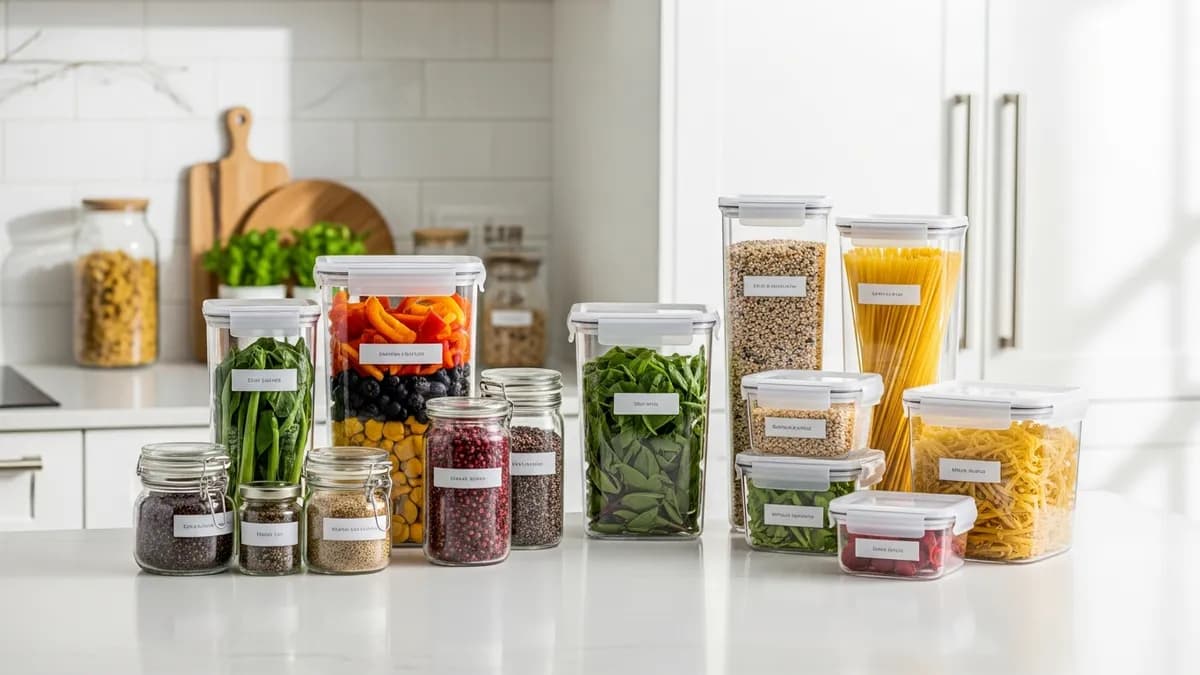
Food Storage Containers for Kitchen: Ultimate 2026 Guide to Fresh Food Organization
The right food storage containers for kitchen organization can transform your culinary space from chaotic to perfectly organized while keeping your food fresh for longer periods. In 2026, modern kitchens demand smart storage solutions that not only preserve food quality but also maximize space efficiency and create visually appealing organization systems.
From our perspective shipping daily to homes across Indonesia, smaller spaces often end up more organized because their owners are more disciplined.
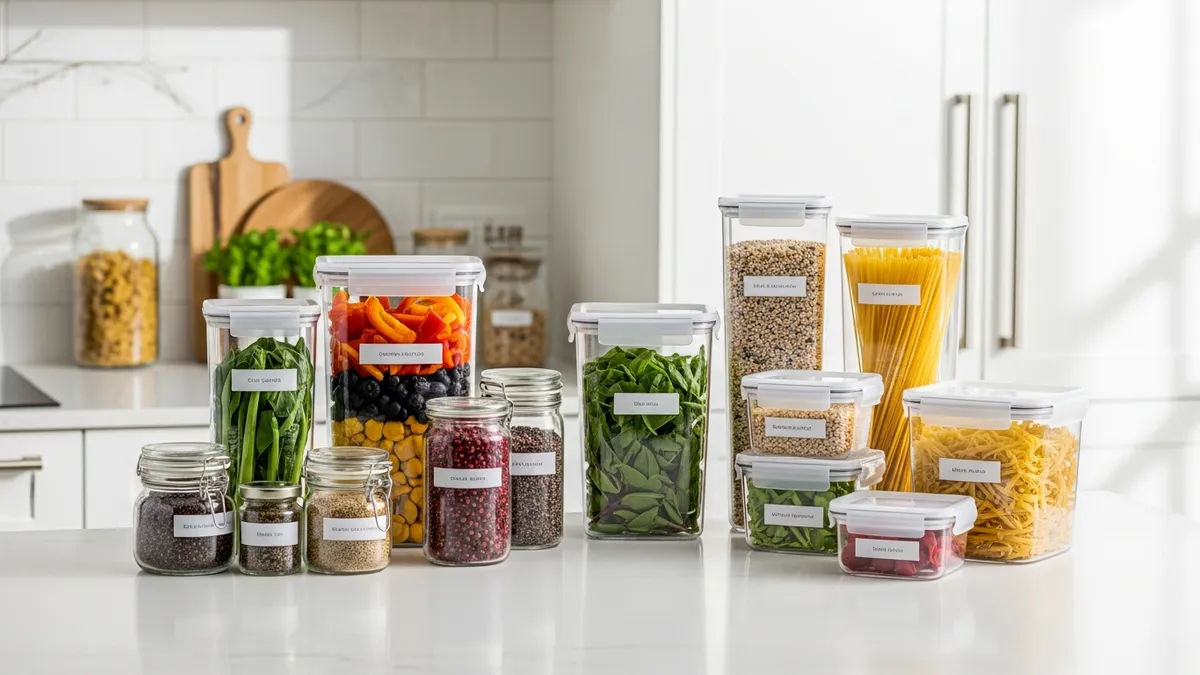
Whether you're dealing with a compact apartment kitchen or a spacious culinary haven, choosing the right food storage containers is essential for maintaining food safety, reducing waste, and creating an efficient cooking environment. Proper food storage can extend freshness by up to 50% while significantly improving kitchen organization.
Key Takeaways: > - Choose products with clear safety labels (food-grade, BPA-free) for daily use > - Investing slightly more in quality materials (glass, grade 304 stainless steel) saves long-term costs > - Match sizes to family needs, neither too large nor too small > - Local marketplaces like Tokopedia, Shopee, and Sesoris offer competitive prices with maintained quality
Best Materials for Food Storage Containers for Kitchen Use
Understanding different container materials is crucial when selecting food storage containers for kitchen applications. Each material offers unique benefits depending on your specific storage needs and preferences. For additional information, also see the guide from Real Simple.
Glass Food Storage Containers
Glass containers represent the premium choice for kitchen food storage, offering superior durability and safety features:
- Non-toxic and chemical-free: Glass doesn't leach harmful substances into food
- Microwave and dishwasher safe: Perfect for meal prep and easy cleaning
- Stain and odor resistant: Maintains clarity and freshness over time
- Temperature versatile: Suitable for freezer, fridge, and oven use
- Price range: $15 - $45 for quality glass container sets
BPA-Free Plastic Containers
Modern plastic food storage containers offer lightweight convenience with improved safety standards:
- Lightweight and portable: Ideal for meal prep and lunch containers
- Shatter-resistant: Safe for households with children
- Affordable options: Starting from $8 - $25 for complete sets
- Variety of sizes: Available in numerous shapes and capacities
- Stackable designs: Maximize storage space efficiency
Stainless Steel Storage Solutions
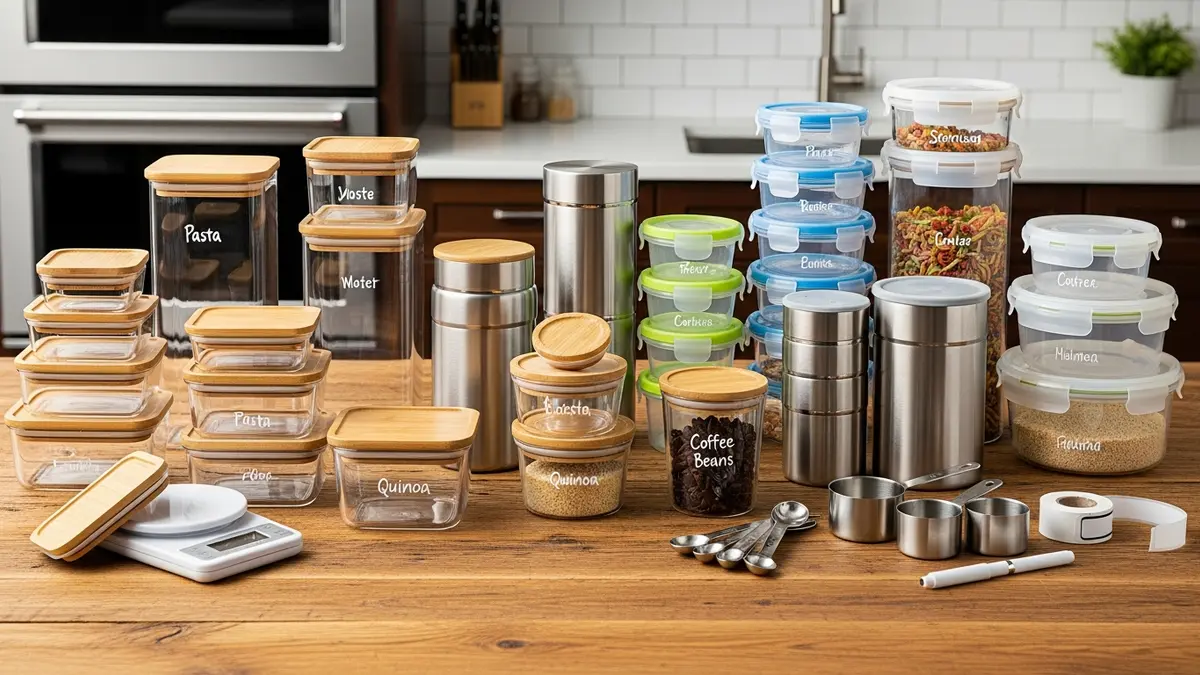
Stainless steel containers provide durability and professional-grade food storage:
- Extremely durable: Resistant to dents, scratches, and corrosion
- Excellent insulation: Maintains food temperature effectively
- Easy maintenance: Simple cleaning and long-lasting performance
- Professional appearance: Sleek design for modern kitchens
- Investment range: $20 - $60 for premium stainless steel sets
Essential Food Storage Container Sizes for Kitchen Organization
Selecting the right sizes of food storage containers for kitchen use ensures optimal space utilization and food preservation efficiency. The Container Store recommends having multiple sizes to accommodate different food types and quantities.
Small Containers (0.5-2 cups)
Perfect for herbs, spices, small portions, and condiment storage:
- Herb and spice storage: Keeps seasonings fresh and accessible
- Leftover portions: Ideal for single-serving amounts
- Sauce and dressing storage: Perfect for homemade condiments
- Snack portions: Great for nuts, dried fruits, and small treats
Medium Containers (2-6 cups)
Versatile sizes for everyday food storage needs:
- Meal prep containers: Perfect for individual meal portions
- Fresh produce storage: Ideal for cut vegetables and fruits
- Grain and pasta storage: Accommodates standard package sizes
- Refrigerator organization: Fits well on most shelf configurations
Large Containers (6+ cups)
Essential for bulk storage and family-sized portions:
- Bulk ingredient storage: Perfect for flour, rice, and cereals
- Family meal prep: Accommodates larger batch cooking
- Pantry organization: Ideal for organizing dry goods
- Seasonal storage: Great for holiday baking ingredients
Smart Features to Look for in Kitchen Food Storage Containers
Modern food storage containers for kitchen use incorporate innovative features that enhance functionality and user experience. These advanced features can significantly improve your food storage efficiency and kitchen organization.
Airtight Sealing Systems
Proper sealing technology is crucial for maintaining food freshness and preventing contamination:
- Silicone gasket seals: Provide superior airtight protection
- Locking lid mechanisms: Ensure secure closure during storage and transport
- Vacuum-seal compatibility: Some containers work with vacuum sealing systems
- Leak-proof designs: Essential for liquid storage and travel
"Airtight sealing can extend food freshness by up to 5 times longer than traditional storage methods" - Food Safety Research Institute, 2026
Modular and Stackable Designs
Space-efficient designs maximize storage capacity in any kitchen size:
- Uniform sizing: Containers nest and stack efficiently
- Space-saving shapes: Rectangular designs utilize space better than round
- Modular systems: Mix and match different sizes within the same product line
- Clear visibility: Transparent materials allow easy content identification
Organizing Your Kitchen with Food Storage Containers
Implementing an effective organization system with food storage containers for kitchen spaces requires strategic planning and consistent execution. The key is creating zones that make sense for your cooking habits and kitchen layout.
Pantry Organization Strategy
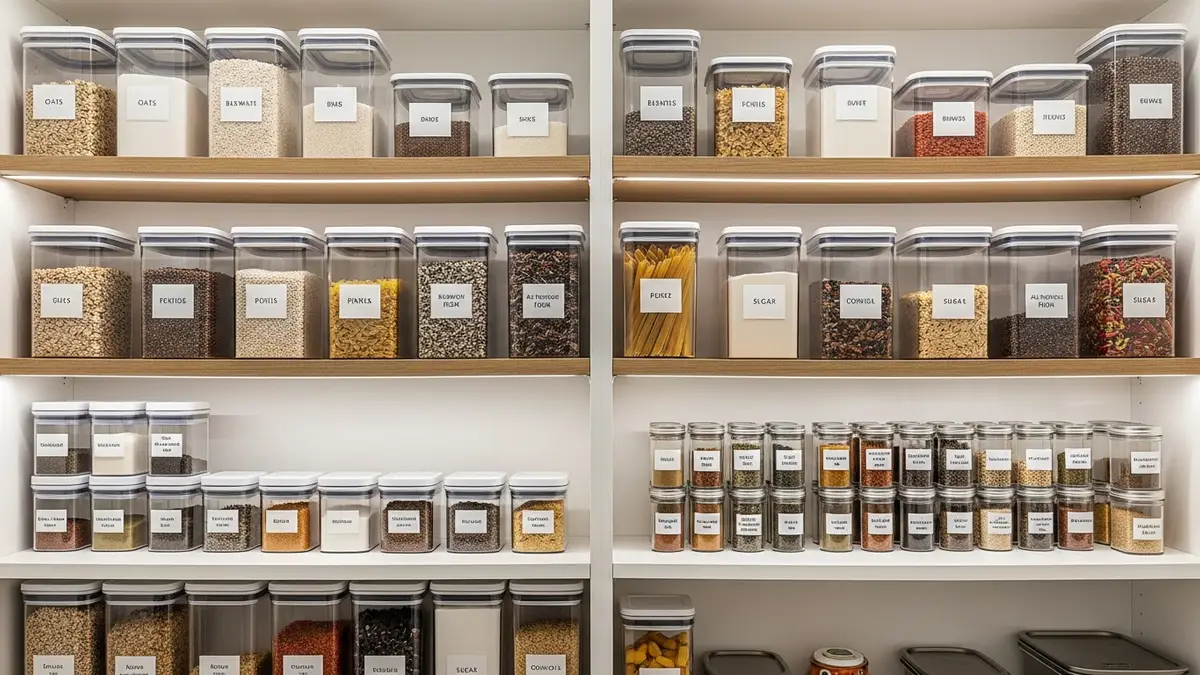
Transform your pantry into an efficient storage system:
- Group similar items together: Store grains, canned goods, and spices in dedicated areas
- Use clear containers: Enable quick identification of contents and quantity levels
- Implement labeling systems: Include contents and expiration dates for easy tracking
- Create height-appropriate zones: Place frequently used items at eye level
- Maintain consistent container styles: Choose matching containers for visual harmony
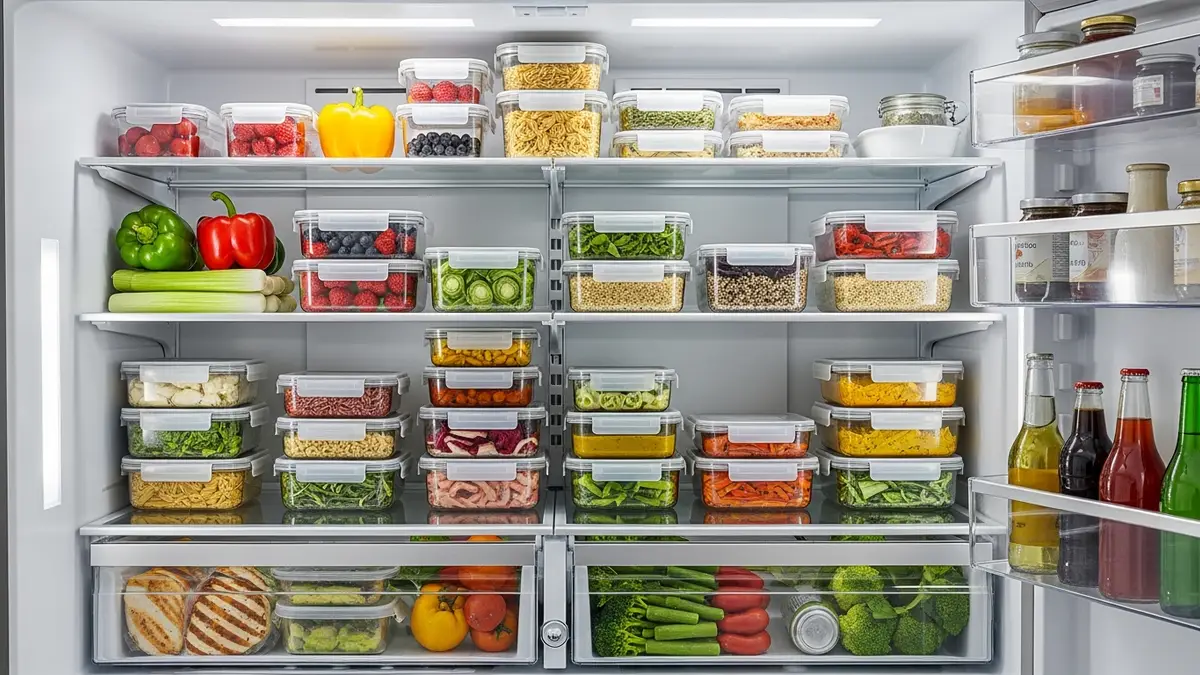
Refrigerator Storage Optimization
Maximize refrigerator efficiency with proper container selection:
- Temperature-appropriate materials: Use glass or BPA-free plastic for cold storage
- Size-conscious selection: Choose containers that fit your refrigerator shelves efficiently
- Easy-access designs: Wide-mouth containers simplify food retrieval
- Stackable options: Maximize vertical space utilization
Counter and Cabinet Organization
Create functional storage zones throughout your kitchen:
- Daily-use items: Keep frequently accessed containers within easy reach
- Baking station: Organize flour, sugar, and baking supplies in one area
- Coffee and tea station: Dedicate space for beverage-related storage
- Snack accessibility: Position healthy snack containers at convenient heights
Maintaining and Caring for Food Storage Containers
Proper maintenance of your food storage containers for kitchen use ensures longevity, food safety, and optimal performance. Regular care routines can extend container lifespan by up to 300% according to kitchen storage experts.
Daily Cleaning Practices
Establish consistent cleaning routines for optimal hygiene:
- Immediate rinsing: Clean containers shortly after use to prevent staining
- Proper drying: Ensure complete drying before storage to prevent mold growth
- Lid care: Pay special attention to seal areas where bacteria can accumulate
- Gentle handling: Use appropriate cleaning tools to avoid scratches and damage
Deep Cleaning and Sanitization
Weekly deep cleaning maintains container integrity and food safety:
- Baking soda treatment: Remove odors with baking soda paste applications
- Vinegar solutions: Use white vinegar for natural sanitization
- Hot water soaking: Address stubborn stains with extended soaking
- Seal inspection: Regularly check gaskets and seals for wear or damage
Storage and Organization of Empty Containers
Efficient storage of empty containers prevents clutter and damage:
- Nested storage: Stack similar-sized containers to save space
- Lid organization: Keep lids organized and easily accessible
- Dedicated storage area: Assign specific cabinet or drawer space
- Regular inventory: Periodically assess and declutter unused containers
Cost-Effective Shopping for Kitchen Food Storage Containers
Smart shopping strategies help you build a comprehensive collection of food storage containers for kitchen use without exceeding your budget. The average household can create an effective storage system for $50 - $150 depending on size and material preferences.
Budget-Friendly Options
Quality storage solutions don't require premium pricing:
- Starter sets: Begin with basic 6-10 piece sets ($15 - $30)
- Mix and match: Combine different brands for cost savings
- Seasonal sales: Take advantage of back-to-school and New Year organization sales
- Bulk purchasing: Buy larger quantities for per-unit savings
Investment-Worthy Premium Options
Higher-quality containers offer long-term value:
- Glass container sets: $35 - $75 for comprehensive collections
- Professional-grade systems: $50 - $120 for restaurant-quality options
- Modular systems: $40 - $90 for expandable, coordinated collections
- Specialty containers: $10 - $25 for specific storage needs
"Investing in quality food storage containers can save families up to $400 annually by reducing food waste and improving meal planning efficiency" - Home Organization Institute, 2026
Sustainable and Eco-Friendly Food Storage Solutions
Environmentally conscious consumers prioritize sustainable food storage containers for kitchen applications that reduce environmental impact while maintaining functionality. Sustainable storage choices can significantly reduce household plastic waste.
Eco-Friendly Material Choices
Sustainable options support environmental responsibility:
- Recycled glass containers: Made from post-consumer recycled materials
- Bamboo fiber options: Natural, biodegradable container alternatives
- Recycled plastic containers: Created from ocean and post-consumer plastics
- Stainless steel durability: Long-lasting options that reduce replacement needs
Waste Reduction Benefits
Proper food storage containers significantly reduce household waste:
- Extended food freshness: Reduces spoilage by up to 60%
- Portion control: Helps prevent over-purchasing and waste
- Reusable alternatives: Eliminates single-use plastic bag dependency
- Meal planning support: Encourages efficient food utilization
Related Articles
Explore other guides from Sesoris to complement your knowledge:
FAQ: Frequently Asked Questions About Food Storage Containers for Kitchen
Q: What size food storage containers work best for small kitchens?
Focus on stackable, multi-size sets with 4-6 containers ranging from 1-6 cups. Rectangular shapes utilize space more efficiently than round containers, and clear materials help you quickly identify contents without opening multiple containers.
Q: Are glass or plastic containers better for kitchen food storage?
Glass containers offer superior durability, safety, and versatility but are heavier and more expensive. Plastic containers provide lightweight convenience and affordability but may stain or absorb odors over time. Consider your budget, storage needs, and usage patterns when choosing.
Q: How do I prevent food storage containers from retaining odors?
Clean containers immediately after use, dry thoroughly, and store with lids slightly ajar. For existing odors, soak in baking soda solution overnight or fill with crumpled newspaper for 24 hours. Avoid storing strongly scented foods in plastic containers long-term.
Q: What's the best way to organize multiple food storage containers?
Create a dedicated storage area with containers nested by size and lids stored vertically in a separate organizer. Label storage areas and maintain consistent container brands for uniform stacking. Consider drawer dividers or cabinet organizers for optimal space utilization.
Q: How often should I replace my kitchen food storage containers?
Glass containers can last decades with proper care, while quality plastic containers typically need replacement every 3-5 years. Replace containers immediately if they develop cracks, persistent odors, or damaged seals that compromise food safety.
Conclusion
Selecting the right food storage containers for kitchen organization is an investment in your home's functionality, food safety, and overall efficiency. The perfect storage system combines appropriate materials, smart sizing, and organizational strategies that match your cooking habits and space constraints. Whether you choose glass, plastic, or stainless steel options, prioritize airtight sealing, stackable designs, and easy maintenance features that will serve your kitchen needs for years to come. Start building your ideal food storage system today and discover how proper organization can transform your culinary experience while reducing waste and saving money. Explore Sesoris's comprehensive collection of premium food storage solutions designed to organize your life with ease.
About Tim Sesoris
The Sesoris editorial team consists of experienced writers in home organization, minimalist lifestyle, and Indonesian e-commerce. We test products, review market trends, and craft guides based on in-depth research and field experience. All recommendations are curated to give you accurate, practical, and relevant information for Indonesian households.
For questions or suggestions, contact us through the Sesoris contact page.
For matching storage gear, browse the Kitchen & Dining collection.
Weekly Home Tips
Get home organization ideas, product picks, and exclusive deals delivered weekly.
No spam. Unsubscribe anytime.

Explore More Articles
- Storage Racks for Items: Complete Guide to Home Organization Solutions 2026
- Stove Rack Storage: Organize Your Cooking Area for Maximum Efficiency
- Essential Cleaning Supplies Organization: Transform Your Home Storage System in 2026
- Wooden Spice Racks for Kitchen: Ultimate Guide to Natural Storage Solutions 2026
- 25+ Creative Laundry Room Organization Ideas to Transform Your Space in 2026
- Best Airtight Storage Containers for Pet Food: Keep Your Pet's Food Fresh in 2026
- Best Travel Gear 2026: Essential Equipment for Smart Travelers
- Guide to Choosing the Best Outdoor Backpack for Hiking and Camping (2026)