
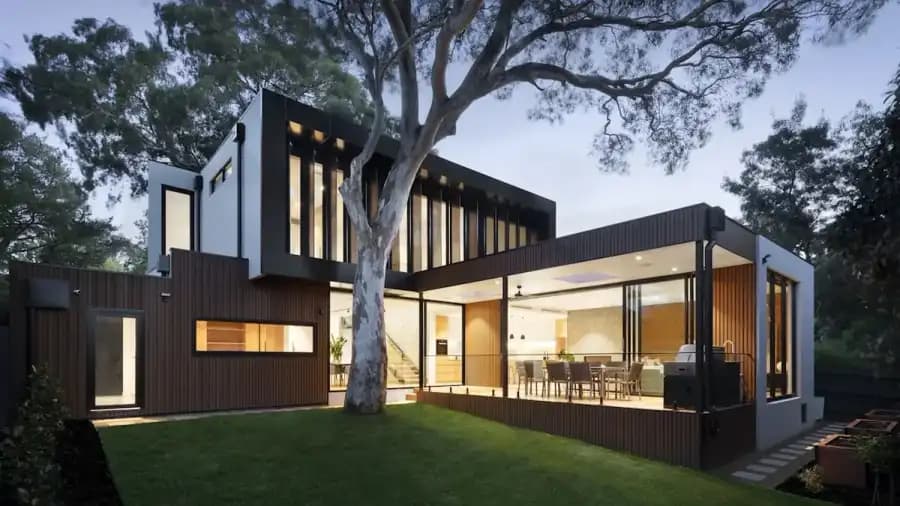
Home Organization Trends 2026: Invisible Storage to Smart Organizers
Home organization trends in 2026 bring significant changes to how we arrange and store items at home. From the concept of invisible storage that perfectly conceals storage spaces to smart organizers connected to smartphones, this year marks a turning point in home organization toward a more advanced and aesthetic era.
From our perspective shipping daily to homes across Indonesia, smaller spaces often end up more organized because their owners are more disciplined.

Post-pandemic lifestyle shifts, growing popularity of minimalist living spaces, and awareness of sustainable living are driving these new trends. This article thoroughly explores the most influential home organization trends in 2026 and how you can adopt them in your home.
Key Takeaways: > - Choose products with clear safety labels (food-grade, BPA-free) for daily use > - Investing slightly more in quality materials (glass, grade 304 stainless steel) saves long-term costs > - Match sizes to family needs, neither too large nor too small > - Local marketplaces like Tokopedia, Shopee, and Sesoris offer competitive prices with maintained quality
1. Invisible Storage - Hidden Storage Solutions
The most dominant trend in 2026 is invisible storage - a concept of concealing storage spaces behind architectural elements and furniture so your home looks clean and spacious without any visible boxes or shelves. Start with built-in drawers, recessed shelves, and multifunctional furniture before considering a major renovation.
Price range in Indonesia (2026): Home organization products are generally available from $3 for entry-level options, $9.5-$31 for quality mid-range, and $50+ for premium imports. Compare prices on marketplaces like Tokopedia or Shopee before buying.
What Is Invisible Storage?
Invisible storage integrates storage into the home structure itself. Walls that slide open to reveal cabinets, stairs with hidden drawers, or floor panels that lift up for storage. The concept is simple - storage is everywhere, but it's not visible.
Popular Implementations
- Sliding panel walls - ordinary-looking walls that slide to reveal cabinets behind them
- Furniture integrated storage - sofas, beds, and tables that have secret compartments
- Recessed shelving - shelves built into wall niches (niche) so the surface is flush with the wall
- Plinth storage - hidden storage at the base of kitchen sets or cabinets, accessed via toe-kick drawers
- Ceiling storage - ceiling panels that lower to store seasonal items
This trend is perfect for minimalist and Japandi-style homes that prioritize clean lines and visual tranquility.
2. Smart Organizer - Technology-Based Organization
Internet of Things (IoT) technology is beginning to enter the home organization world. Smart organizers are storage products equipped with sensors, WiFi connectivity, or digital features to help you manage your home inventory. For everyday use, start with low-cost QR labels or NFC tags before buying premium connected cabinets.
Examples of Smart Organizers in 2026
- Kitchen containers with weight sensors - notify you via app when spice or food stock is running low
- Cabinets with internal cameras - view cabinet contents from your smartphone while shopping at the supermarket
- Storage boxes with NFC tags - scan tags with your phone to see box contents without opening it
- Smart bookshelves - track borrowed books and remind you to return them
- E-ink digital labels - labels that update wirelessly from your smartphone, no reprinting needed
Are Smart Organizers Worth It?
For most Indonesian households, smart organizers are still considered premium and non-essential. However, some simple solutions like NFC tags and QR codes are very affordable and can be implemented yourself with minimal cost.
3. Sustainable Organizing - Eco-Friendly
Environmental awareness is driving more planet-friendly organization trends. Sustainable organizing is not just about product materials, but also about a wiser consumption philosophy. The <a href="https://www.epa.gov/recycle/what-you-can-do">EPA waste reduction guide</a> also emphasizes reducing, reusing, and recycling as practical household actions.
Trending Eco-Friendly Materials
| Material | Advantages | Usage | Availability in Indonesia |
|---|---|---|---|
| Bamboo | Fast-growing, strong, aesthetic | Shelves, boxes, drawer dividers | Easy to find |
| Recycled plastic | Reduces plastic waste | Storage boxes, containers | Increasingly available |
| Cork | Lightweight, water-resistant, renewable | Organization boards, mats | Still imported |
| Recycled fabric | Washable, flexible | Baskets, organizer pouches | Reasonably available |
| Water hyacinth weaving | Local, biodegradable | Decorative baskets | Very easy to find |
| Reclaimed wood | Unique, strong character | Wall shelves, wooden boxes | Increasingly popular |
Buy Less, Organize Better Philosophy
The sustainable organizing trend also emphasizes that the best organization starts with having fewer items. Instead of buying organizers to hold excess belongings, reduce your items first. Declutter before organizing has become the main mantra of the sustainable living community.
4. Modular Organization System
Customizable modular organization systems adapted to your needs are increasingly dominating the market. The concept is standardized components that can be assembled in various configurations.
Advantages of Modular Systems
- Flexible - configuration can be changed anytime as needs evolve
- Scalable - start small and add modules over time
- Visually consistent - because they come from one system, the look is always cohesive
- Movable - when you move, modular systems can be disassembled and reassembled
Application Examples
Modular wall shelving made of standard cubes can be configured as a vertical bookshelf in an apartment, then transformed into a room divider in a new home. Modular storage boxes with proportional sizes can be stacked and arranged in various formations based on available space.
5. Aesthetic Organization - Organization as Decoration
In the age of social media, home organization is not just about function but also visual appeal. The aesthetic organization trend transforms storage into decorative elements worth displaying.
Characteristics of 2026 Aesthetic Organization
- Color coordination - arranging items by color gradations, not just categories
- Display storage - glass cabinets or open shelves that artistically display collections
- Matching containers - all storage containers use coordinating colors and materials
- Decanting - transferring products from original packaging to uniform, more aesthetic containers
- Minimalist labeling - labels with minimalist design that become part of the decoration
This trend is driven by platforms like Instagram, TikTok, and Pinterest where home organization content gets very high engagement. Many people are inspired to organize their homes to be 'Instagram-worthy'.
6. Micro-Zoning - Micro Area Division
Micro-zoning is the concept of dividing each room into small zones with specific functions. In 2026, this concept is increasingly popular with rising work-from-home trends and multi-functional rooms.
Micro-Zoning Application
A bedroom can be divided into:
- Sleep zone (bed and nightstands)
- Work zone (small desk and chair)
- Grooming zone (mirror and makeup organizer)
- Storage zone (wardrobe and storage boxes)
Each zone has its own organizer and storage system adapted to the activities in that zone. Zone dividers can be shelves, different rugs, or even different lighting.
7. Digital Inventory Management
Managing your home inventory digitally is becoming increasingly mainstream in 2026. Apps and digital spreadsheets help you track what you own, where it's stored, and when it needs replacing.
How to Start Digital Inventory
- Photo each storage box and its contents
- Record in notes app or spreadsheet with categories: item name, location, storage date
- Use QR codes or NFC tags on each box linked to digital notes
- Update regularly when adding or removing items
- Regularly backup data to the cloud
Some popular household inventory apps in 2026 let you scan product barcodes, add photos, and even set food expiration reminders.
8. Wellness-Inspired Organization
The final trend growing stronger in 2026 is connecting home organization to mental health and wellbeing. Research on home environments and wellbeing suggests that cluttered, stressful spaces can affect mood and daily routines. So I treat organization as a comfort system, not just a storage system.
Wellness Organization Principles
- Declutter for mental clarity - removing physical items helps clear your mind
- Sensory-friendly storage - using natural materials that feel and look pleasant
- Aromatherapy integration - adding aromatherapy elements like lavender sachets in storage
- Visual calm - choosing calming colors for organizers and storage containers
- Routine-based organization - arranging items based on daily routines to reduce decision fatigue
How to Adopt These Trends in Your Home?
You don't need to adopt all trends at once. Here are recommendations based on budget and situation:
- Limited budget - start with sustainable organizing (declutter and use local materials) and micro-zoning (requires no new purchases)
- Medium budget - add modular systems and aesthetic organization by buying matching, aesthetic organizers
- Large budget - invest in invisible storage (renovations) and smart organizers for a premium organization experience
Most importantly, choose trends that suit your lifestyle and needs. The best trend is one you can consistently apply long-term, not one that just looks good in photos.
Conclusion
Home organization trends in 2026 show that the world of home organization continues to evolve - from purely functional to a blend of function, aesthetics, technology, and environmental awareness. Invisible storage, smart organizers, sustainable materials, and modular systems open new possibilities for creating organized, beautiful, and smart homes.
Start by evaluating your current home and identify which trends are most relevant to your needs. You don't need to chase every trend at once - one small consistent change has far more impact than a major renovation that isn't sustainable. Happy experimenting with the latest organization trends and make 2026 your most organized year yet.
Practical Tips for Choosing Quality Products
Choosing the right home organization products requires considerations that aren't always obvious. From our experience crafting dozens of guides for Sesoris readers, here are three principles most commonly overlooked.
First, pay attention to material density, not just visible thickness. Quality food-grade plastic has higher density than recycled plastic, making it more impact-resistant and crack-proof. Check the product's weight relative to its size, items that feel too light for their dimensions usually use thinner material.
Second, stackability compatibility. Many shoppers buy containers or organizers as a set, only to discover they can't be stacked neatly due to 1-2 cm dimension differences. Before buying, ensure exterior dimensions match across series so they can be stacked maximally in cupboards or pantries.
Third, long-term maintenance cost. A $3 product that needs replacement every 6 months actually costs more than a $13 product that lasts 3 years. Calculate total cost of ownership, not just initial price.
Common Mistakes When Shopping Online
Online shopping on marketplaces like Tokopedia, Shopee, or Sesoris is practical, but there are pitfalls beginners often overlook.
Product photos shown by sellers are frequently international stock images, not actual items. Always check the "reviews with photos" tab to see real photos from previous buyers. If there isn't a single real buyer photo, it's a red flag.
Size descriptions can mislead: "large size" without specific numbers could mean anything. Ask exact dimensions in centimeters via chat before checkout, especially for items like shelves or organizers that must fit your space.
Also verify shipping weight for cost estimates. Glass containers or heavy items from outer islands can add significant shipping fees, making a seemingly cheap product more expensive than local alternatives.
Budget Tip (2026): For standard Indonesian family home organization needs, allocate $94-$188 for a starter pack (food containers, wardrobe organizers, labels, and additional shelving). Add gradually based on room needs. Avoid impulsive shopping without a plan, many people end up accumulating items they never use.
Frequently Asked Questions (FAQ)
Here are answers to the most frequently asked reader questions on this topic.
Q: How long do quality home organization products typically last?
With proper routine care, food-grade plastic products last 3-5 years, while borosilicate glass and grade 304 stainless steel can last 10+ years. Key factors are consistent maintenance and avoiding extreme temperature exposure.
Q: Is this product food-safe?
Ensure the product is labeled "food-grade" or "BPA-free" before using it for food storage. Safe materials include borosilicate glass, grade 304 stainless steel, and certified food-grade plastic. Avoid plastic without food safety certification, especially for hot or oily foods.
Q: How do I clean and maintain it?
Wash with mild dish soap and warm water. Avoid abrasive sponges that can scratch the surface. For stubborn stains, use a baking soda and water paste as a natural cleaner. Dry completely before storing to prevent mold and bacteria.
Q: What is the price difference between local and imported products?
Local Indonesian products are typically 30-50% more affordable than imports of similar quality. For daily home organization needs, local products meet the standard. Consider imports only if you need specific features not available in the local market.
Q: Where should I buy products like this?
You can buy at offline stores like ACE Hardware, IKEA, or major hypermarkets, or via online marketplaces like Tokopedia, Shopee, and Sesoris. Check seller ratings, real product photos, and return policies before buying online.
Q: Should I buy smart organizers first or regular storage first?
Start with regular storage first if your main problem is clutter. Smart organizers are useful only after each category already has a clear home. If the basic system is messy, technology only makes the mess more expensive.
Q: How many organizers should I buy at the beginning?
Buy 2-3 essential organizers first, then test them for one week. This prevents overbuying and helps you learn the exact size, material, and shape your home needs before expanding the system.
Related Articles
Explore other guides from Sesoris to complement your knowledge:
- Wall Shelf Storage Ideas Transform Home Organization 2026
- Ultimate Storage Box Guide 2026 Best Solutions Home Organization
About Tim Sesoris
The Sesoris editorial team consists of experienced writers in home organization, minimalist lifestyle, and Indonesian e-commerce. We test products, review market trends, and craft guides based on in-depth research and field experience. All recommendations are curated to give you accurate, practical, and relevant information for Indonesian households.
For questions or suggestions, contact us through the Sesoris contact page.
Weekly Home Tips
Get home organization ideas, product picks, and exclusive deals delivered weekly.
No spam. Unsubscribe anytime.
Explore More Articles
- 25+ Best Jewelry Organization Ideas to Keep Your Collection Tidy in 2026
- 25+ Best Bathroom Storage Cabinet Ideas to Maximize Every Inch in 2026
- 40+ Best Home Storage Ideas to Organize Every Room in 2026
- 30+ Best Pantry Organization Ideas to Transform Your Kitchen Storage in 2026
- 30+ Best Small Kitchen Organization Ideas to Maximize Every Inch in 2026
- How to Declutter Your Home Before Moving: The Complete 2026 Guide
- 30+ Best Small Bathroom Storage Ideas to Maximize Every Inch in 2026
- 25+ Best Stationery Organizer Ideas to Transform Your Desk in 2026