
30+ Best Closet Organization Ideas for Nursery: Create the Perfect Baby Storage Space in 2026
Discover 30+ brilliant closet organization ideas for nursery spaces in 2026. Practical tips to maximize baby storage & keep the room clutter-free!
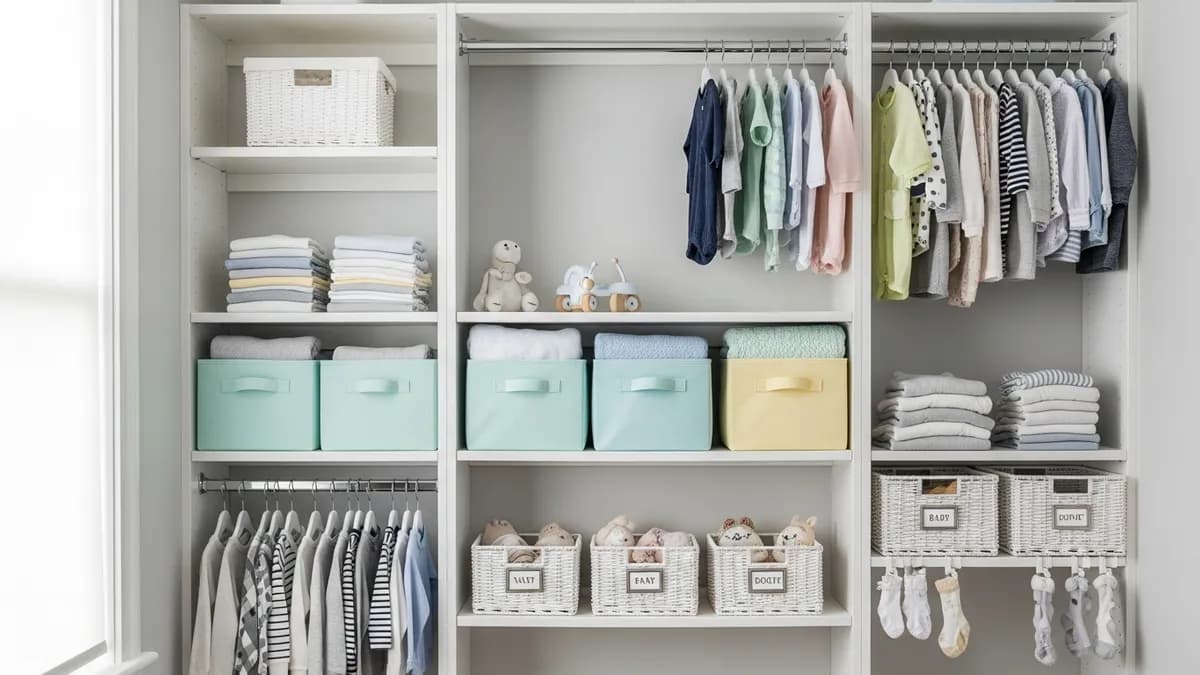
Preparing a nursery for your new baby is one of the most exciting milestones in any parent's journey - but it can also become one of the most overwhelming organizational challenges you'll ever face. From tiny onesies in six different sizes to mountains of diapers, swaddle blankets, and plush toys, baby gear accumulates fast. That's why having smart closet organization ideas for nursery spaces is absolutely essential before your little one arrives. In 2026, parents have more clever, affordable, and stylish storage solutions at their fingertips than ever before. In this comprehensive guide, we'll walk you through 30+ practical, budget-friendly, and beautiful ways to transform your nursery closet into a fully functional, stress-free storage system.
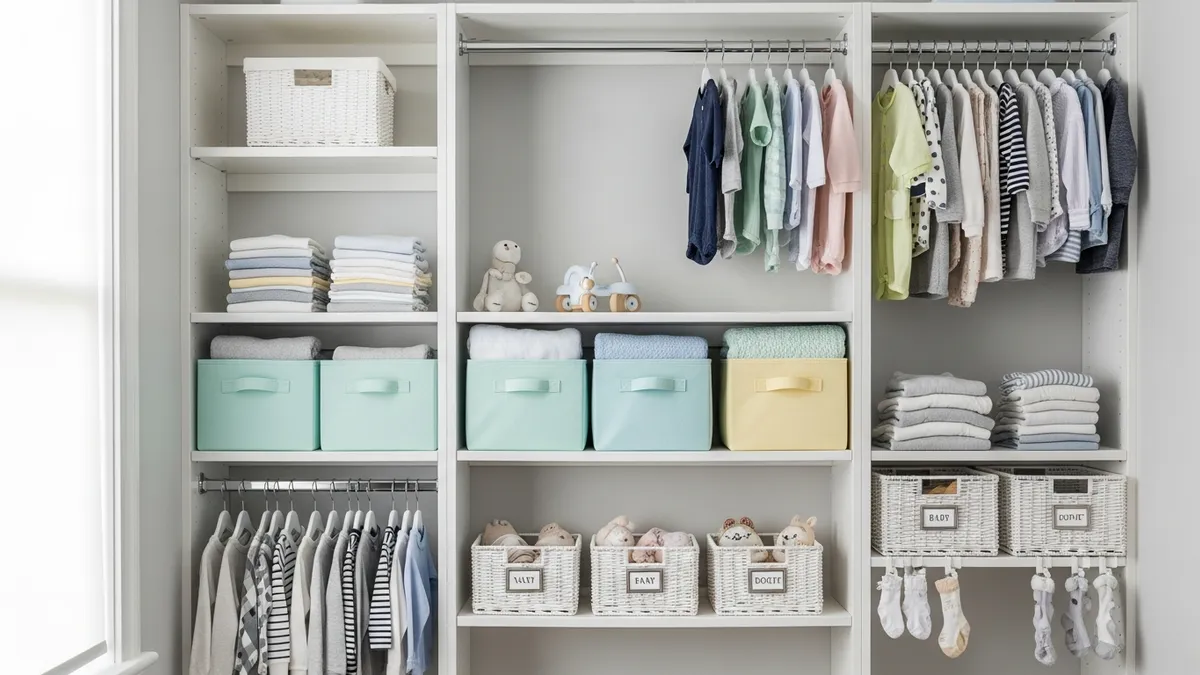
Why Closet Organization Ideas for Nursery Spaces Matter So Much
It might be tempting to throw everything in the closet and deal with the chaos later - but trust us, 3 AM diaper changes in the dark are not the time to be hunting for a clean onesie. A well-organized nursery closet can reduce the time you spend searching for baby items by up to 40%, according to professional organizers. Beyond saving time, a structured nursery closet reduces stress, prevents overspending on duplicate items you didn't realize you had, and keeps the entire room feeling calm and serene - exactly the atmosphere your baby needs.
Studies from The Spruce show that parents who organize their nursery before birth report significantly lower anxiety levels in the first weeks postpartum. The logic is simple: when every item has a home, you can focus on what really matters - your baby.
Before you buy a single bin or shelf, start with these foundational steps:
- Empty the closet completely - Start with a blank slate so you can visualize the full space.
- Measure your closet dimensions - Note the height, width, and depth before purchasing any organizers.
- Sort baby items by category - Group clothing by size, then sort accessories, diapering supplies, bedding, and feeding gear separately.
- Donate or store items you won't need immediately - Gift wrapping supplies, off-season décor, and non-baby items should be relocated.
- Plan your zones - Decide which zone handles clothes, which handles supplies, and which handles extras.
The Best Closet Organization Ideas for Nursery Clothing Storage
Baby clothes are simultaneously the most adorable and most chaotic element of nursery organization. Newborns can go through 8-10 outfit changes per day, and since they outgrow clothing every 6-8 weeks, you're constantly cycling through sizes. Here are the most effective clothing organization strategies for 2026:
1. Install a Double Hanging Rod System
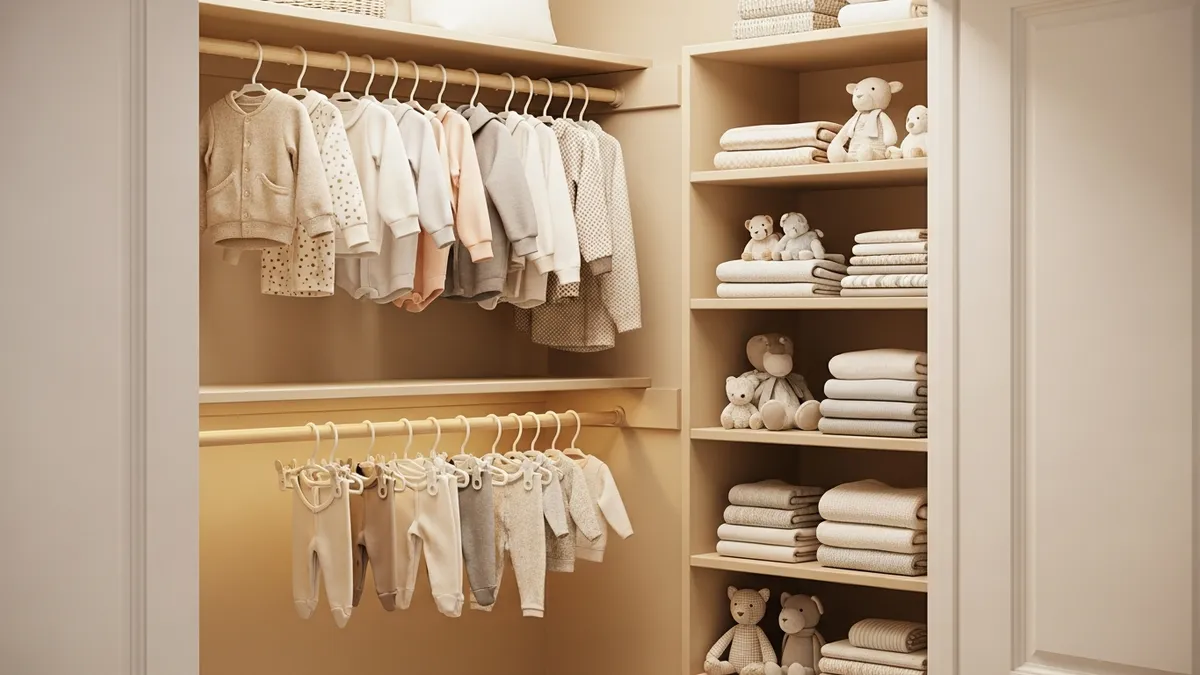
Since baby clothes are tiny, a single hanging rod wastes about 50% of your vertical closet space. Adding a second rod below the existing one effectively doubles your hanging capacity for zero renovation cost. You can find adjustable double rod extenders starting at $12.99 at most home stores or online. Hang onesies, rompers, and jackets on top; use the lower rod for pants, sleepers, and dresses.
2. Use Closet Dividers to Sort Clothes by Size
One of the most beloved closet organization ideas for nursery wardrobes is the simple closet divider. These small rings or tabs hang directly on the rod and label sections by clothing size - Newborn, 0-3M, 3-6M, 6-9M, 9-12M, and so on. Wooden dividers are particularly stylish and cost just $8 - $15 for a set of 7. This way, when your baby grows and you need the next size up, you can find it instantly without rifling through the whole closet.
3. Match Your Hangers for a Visual Calm
Mismatched wire hangers create visual chaos and waste space. Switch to slim velvet hangers (a pack of 50 starts at around $9.99) in a single color - white, blush, or grey work beautifully for nurseries. Velvet hangers are non-slip, ultra-thin, and they make the closet look like a boutique rather than a jumble sale. Matching hangers alone can free up 30% more rod space.
4. Fold and Stack by Size in Clear Bins
For items too small to hang - socks, bibs, burp cloths, hats - folding and stacking in clear acrylic or fabric bins on shelves is the way to go. Label each bin clearly. Clear bins let you see contents at a glance, saving precious seconds when you need something fast. Look for stackable clear bins starting at $6.99 each or in value packs.
Smart Shelf Organization Ideas for a Nursery Closet
Most standard closets come with a single fixed shelf, which is completely inadequate for nursery storage needs. In 2026, there are dozens of modular, renter-friendly shelf solutions that can transform even the smallest closet into a highly functional space without a single nail or permanent modification.
5. Add Adjustable Wire Shelving
Adjustable wire shelving systems let you configure shelf heights based on what you're storing. Baby items vary wildly in size - a tall shelf for stacked diapers, a narrow shelf for rows of bottles, a deeper shelf for folded swaddles. Wire systems are well-ventilated, easy to clean, and typically start at $25 - $60 for a full closet kit. Brands like ClosetMaid and IKEA's PAX system are perennial favorites.
6. Use Fabric Cube Bins for Soft Storage
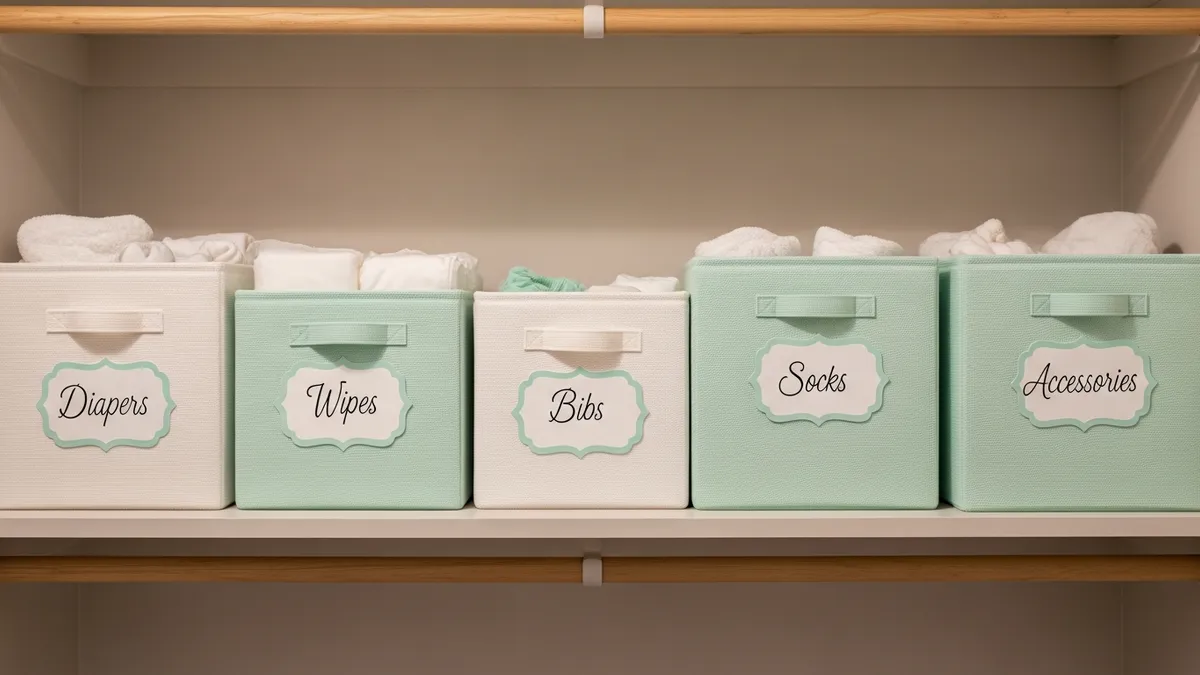
Fabric cube bins are the workhorses of nursery closet organization. Available in sets of 6 starting from $19.99, these soft-sided bins are perfect for bulkier items like extra blankets, swaddle wraps, stuffed animals, and spare sheet sets. Choose bins in coordinating nursery colors - mint, dusty rose, soft grey, or cream - for a cohesive aesthetic. Add a handwritten or printed label to each bin so caregivers always know where things go.
7. Install a Floating Shelf for Frequently Used Items
If your nursery closet has wasted wall space above the rod or between shelves, a simple floating shelf installed at eye level puts the most-reached-for items right at your fingertips. Keep your diaper caddy, baby lotion, nasal aspirator, and thermometer here for maximum accessibility. Floating shelves start at just $11.99 and most require only two screws to install.
8. Create a Dedicated Diaper Station Zone on the Shelf
Diapers are a daily necessity - you'll open and close the closet for them dozens of times per week. Dedicate one full shelf exclusively to diapering supplies: a stack of diapers sorted by size, a container of wipes, diaper rash cream, changing pad covers, and a spare changing mat. Keeping this zone stocked and visible means you'll never find yourself mid-change with no supplies. A clear acrylic organizer tray ($13.99) works beautifully here.
9. Use Door-Mounted Organizers to Maximize Every Inch
The back of the closet door is prime real estate that most people completely ignore. An over-the-door organizer with clear pockets - priced from $14.99 - is ideal for storing small nursery essentials: pacifiers, hair clips, nasal drops, small toys, medicines, and feeding accessories. For a nursery, choose an organizer with pockets sized for smaller items rather than shoes.
Labeling Systems: The Secret Weapon of Nursery Closet Organization
Even the most beautifully organized closet falls apart without a clear labeling system - especially when multiple caregivers (grandparents, babysitters, partners) need to find and return items independently. In 2026, labeling has gone from a purely functional task to a stylish one.
10. Handwritten Kraft Paper Labels
Simple and charming, kraft paper tags tied with twine onto bins give a warm, natural aesthetic that's popular in modern nurseries. You can DIY a set for under $5 with a kraft tag pack and a fine-tipped marker.
11. Printed Label Maker Stickers
For a clean, uniform look, a handheld label maker (starting at $19.99) lets you create clear, professional stickers for every bin, drawer, and shelf section. Choose a font and tape color that matches your nursery palette. This system is especially useful for closets organized by a perfectionist parent - labels are crisp, readable, and consistent.
12. Chalkboard Labels
Chalkboard labels are the most flexible option - you can erase and rewrite them as your storage needs evolve. A pack of 40 reusable chalkboard stickers starts at around $7.99, and they work beautifully on fabric bins, glass jars, and plastic drawers.
Pro Tip: Use color-coded labels if you have twins or if you're color-coding by category (e.g., blue for clothing, green for feeding supplies, yellow for bedding). This visual system means anyone helping in the nursery can navigate the closet confidently.
Closet Organization Ideas for Nursery Floors and Lower Zones
Don't overlook the closet floor - it's valuable storage territory. While you don't want to create a pile of clutter down there, thoughtful use of the floor zone can dramatically increase your total storage capacity.
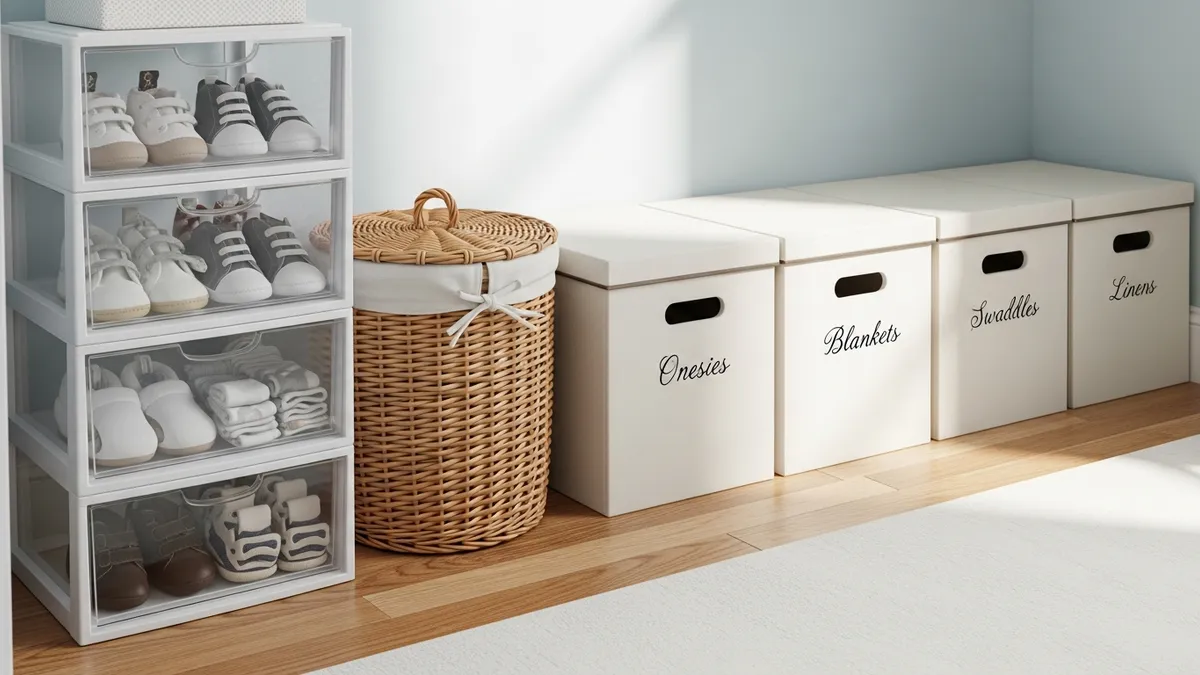
13. Stackable Drawers for Baby Shoes and Accessories
Baby shoes are adorable but notoriously easy to lose. A small set of stackable clear drawers on the closet floor - starting at $24.99 for a 3-drawer unit - is perfect for keeping tiny footwear sorted and visible. You can also use these drawers for rolled socks, headbands, and hair accessories.
14. A Mini Hamper for Dirty Clothes
Place a small laundry hamper or collapsible bin at the bottom of the nursery closet for immediate dirty clothes deposit. This prevents the classic scenario of finding mystery onesies behind the glider three weeks later. Collapsible fabric hampers start at $12.99 and fold flat when not in use.
15. Wicker Baskets for Bulk Storage
Wicker or rattan baskets on the closet floor offer a beautiful, natural aesthetic while housing bulky items like extra blanket sets, spare pillows, and seasonal clothing in zip-lock vacuum bags. Baskets from $15 - $35 each work well and add a charming bohemian touch that complements most nursery design themes.
16. Rolling Cart for Supplies
A small 3-tier rolling cart (starting at $25.99) tucked into the closet corner is incredibly versatile. Fill it with diapering supplies on one tier, skincare products on another, and feeding accessories on the third. When you need the full cart for a routine change or bath time, simply roll it out. The IKEA RÅSKOG cart is a longtime favorite for this exact purpose.
Seasonal and Size Cycling: How to Manage Baby Clothes Over Time
One of the unique challenges of nursery closet organization - compared to adult closets - is the constant cycling of clothing sizes. Babies grow at a breathtaking pace, and managing "current," "next size," and "outgrown" clothing is a challenge all its own.
17. Vacuum Storage Bags for Outgrown Clothes
Once your baby outgrows a size, compress those clothes into vacuum storage bags and label them clearly with the size and season. This can reduce storage volume by up to 75%, freeing up enormous closet space. Store these bags on a high shelf or under the crib. Check out our guide on Vacuum Storage Bag: Compress Clothes and Blankets by Up to 75% for detailed recommendations.
18. The Three-Zone Clothing System
Divide your nursery closet hanging rod and shelves into three clear zones:
- Zone 1-Current size: Everything baby is wearing right now, at eye level and easily accessible.
- Zone 2-Next size up: Clothes you've been gifted or purchased ahead, stored just to the side of Zone 1.
- Zone 3-Outgrown or seasonal: Items waiting to be packed away, in a basket or bin at the far end of the closet.
This system means you're never digging through newborn clothes when you need 6-month items.
19. Seasonal Rotation Bins
If you live somewhere with distinct seasons, keep one clearly labeled bin per season in the closet - "Summer Clothes: 6-9M" or "Winter Gear: 3-6M." Rotate bins to the accessible zone as the season changes and the baby grows into the size. This prevents the closet from being overwhelmed with clothing that's irrelevant to your current moment.
Budget-Friendly Closet Organization Ideas for Nursery Spaces
You don't need to spend a fortune to create an organized, beautiful nursery closet. According to Good Housekeeping, the most effective nursery organization systems often cost under $100 total when you shop smart. Here's how to do it on a budget:
20. Repurpose Shoe Organizers
An over-the-door shoe organizer with 24 clear pockets - often found for just $8.99 - $12.99 - is one of the most versatile nursery closet tools available. Use the pockets for small baby items: pacifiers, socks, mittens, wash cloths, bottles, medicine droppers, and more. Every item has its own dedicated slot, making it easy to grab what you need with one hand while holding your baby with the other.
21. DIY Shelf Dividers from Foam Board
If you have open shelves with folded clothes that keep toppling over, cut pieces of foam board or acrylic sheet to size and use them as vertical dividers between stacks. This free (or nearly free) hack keeps stacks upright and makes it easy to pull one item without disrupting the whole pile.
22. Use Tension Rods to Create Extra Shelf Zones
Tension rods - available for as little as $4.99 - can be installed horizontally in a deep shelf to create a hanging zone beneath the shelf surface. Hang spray bottles, baby hangers with clips, or small baskets from the tension rod to effectively double the utility of each shelf. This is a completely renter-friendly solution requiring no tools.
23. Repurpose Kitchen Organizers for the Nursery
Stackable plate racks, cabinet risers, and drawer dividers designed for kitchens work brilliantly in nursery closets too. A cabinet riser ($9.99) creates two levels on a single shelf, letting you store twice as many items in the same footprint. For more ideas on repurposing kitchen organizers creatively, explore our All Products collection at Sesoris.
Aesthetic and Design Tips for a Beautiful Nursery Closet
A functional closet is wonderful. A functional *and* beautiful closet is even better - especially in a nursery where the whole vibe matters for both parent and baby.
24. Stick to a Two or Three Color Palette
Choose storage bins, baskets, and hangers in two or three complementary colors that match your nursery theme. Popular 2026 nursery palettes include sage green + cream, dusty rose + white + gold, and sky blue + natural wood tones. Consistency in color makes even a packed closet feel serene and intentional.
25. Add Peel-and-Stick Wallpaper Inside the Closet
A strip of peel-and-stick wallpaper on the closet back wall instantly elevates the aesthetic. Whether it's a subtle stripe, a botanical print, or a whimsical cloud pattern, this detail makes opening the closet feel like a little design moment. Removable wallpaper starts at $18.99 per roll and leaves no damage - great for renters.
26. Use Matching Woven Labels for a Boutique Look
Iron-on woven labels or printed fabric tags on your bins give the closet a high-end boutique feel. You can order custom sets online starting at $12.99 for a set of 10. This level of detail might seem unnecessary, but it transforms a functional closet into something genuinely beautiful - and it photographs beautifully too, which matters if you're sharing the nursery reveal on social media.
27. Add Soft LED Strip Lighting
Nursery closets are often poorly lit - and when you're fumbling for a clean outfit at 4 AM, a dark closet is genuinely frustrating. Adhesive LED strip lighting along the top shelf front (starting at $14.99) provides soft, warm illumination without installation. Some strips are even motion-activated. This small upgrade makes a massive practical difference.
Advanced Closet Organization Ideas for Nursery Walk-In Closets
If you're lucky enough to have a walk-in closet for your nursery, you have an incredible opportunity to create a truly luxurious organization system. For detailed walk-in closet strategies, our article on 20+ Small Walk In Closet Organization Ideas That Transform Your Space in 2026 has excellent transferable tips.
28. Zone the Walk-In Closet Like a Store
Think of your walk-in nursery closet like a well-designed baby boutique. One wall for hanging clothes (with the double rod system), one wall for shelving and bins, and the center floor space for a small dresser, a hamper, and a rolling cart. According to Houzz, parents who zone their nursery walk-in closets save an average of 15 minutes per day in search time.
29. Install a Custom Modular System
For a more permanent solution, modular closet systems like IKEA PAX or California Closets allow completely custom configurations. You choose the number of shelves, drawers, hanging rods, and their placement. A basic modular system starts at $150 - $300 and can be reconfigured as your child grows from baby to toddler to school age - making it a long-term investment rather than a single-use purchase.
30. Add a Small Changing Station Inside the Closet
In a large walk-in nursery closet, you can install a fold-down changing surface directly on a wall bracket - these start at around $49.99 - turning your closet into a fully self-contained diapering station. Keep diapers, wipes, creams, and a change of clothes all within arm's reach. This is especially genius if your nursery is small and you want to free up room space.
Safety First: Closet Organization Ideas for Nursery Spaces That Keep Baby Safe
As your baby becomes mobile - usually around 6-10 months - nursery closet safety becomes a genuine concern. Always keep these safety principles in mind:
- Secure heavy shelves to the wall with anti-tip brackets to prevent tipping if a toddler grabs onto them.
- Store all medications, creams, and small choking hazards on high shelves completely out of reach.
- Use a closet door lock once your child starts opening doors - simple magnetic locks start at $18.99 for a pack of 8.
- Avoid hanging heavy items low on rods where a standing baby could pull them down.
- Check regularly for items that have fallen to the floor - small items are choking hazards.
- Ensure adequate ventilation - don't pack the closet so tightly that there's no airflow, especially if storing items that could develop mildew.
For more inspiration on safe and smart home organization, browse our Best Sellers collection at Sesoris, featuring top-rated storage solutions loved by parents worldwide.
Growing with Your Child: Adaptable Organization Systems
The best closet organization for nursery systems are designed to evolve with your child's changing needs from infancy through toddlerhood and beyond.
Toddler Transition Planning
As babies become toddlers, their organization needs shift dramatically:
- Lower accessibility: Move frequently used items to toddler-reachable heights
- Independence features: Install low rods for toddler-height hanging
- Safety updates: Secure or remove items that become hazardous to mobile children
- Activity-based organization: Shift from size-based to activity-based clothing organization
Long-term Storage Solutions
Invest in storage systems that can adapt over time. Modular shelving, adjustable rods, and multipurpose containers provide flexibility as your child's needs evolve. Quality adaptable systems may cost 30% more initially but save money long-term by eliminating the need for complete reorganization.
Technology Integration in Modern Nursery Organization
Modern closet organization for nursery can benefit from simple technology integration to enhance functionality and convenience.
Digital Inventory Management
Consider using smartphone apps to track clothing sizes, toy rotation schedules, and supply inventory. This digital approach can reduce overbuying by 35% and ensure you never run out of essentials.
Smart Storage Labels
QR code labels can link to digital inventories of seasonal storage containers, making it easy to find specific items without opening multiple containers. This system is particularly useful for managing extensive baby clothing collections.
FAQ: Frequently Asked Questions About Closet Organization Ideas for Nursery
When should I start organizing the nursery closet?
Ideally, start organizing your nursery closet during the second trimester - around weeks 20-28 of pregnancy. This gives you plenty of energy and time to shop for organizers, sort through gifts, and set everything up thoughtfully before the third trimester exhaustion kicks in. Most professional nursery organizers recommend completing the closet setup at least 4-6 weeks before your due date.
How do I organize a small nursery closet with limited space?
Small closets require a vertical-first mindset. Install a double hanging rod to maximize the rod zone, add multiple shelves from floor to ceiling, use the back of the door with a pocket organizer, and use vacuum bags to compress bulky items like blankets and seasonal clothes. Every inch counts - even a 3-foot wide closet can be made highly functional with the right system. For more small space strategies, check out our article on Very Small Closet Organization Ideas: Transform Your Tiny Storage Space in 2026.
What are the must-have nursery closet organizers?
The non-negotiables for most parents are: a double hanging rod or extender, closet size dividers, slim velvet hangers, labeled fabric bins, an over-the-door organizer, and a small hamper. These six items alone will transform almost any nursery closet. Total cost for all six can be as low as $60 - $80 if you shop around for value.
Should I organize the nursery closet by size or by type of clothing?
Both, actually - but size first, then type within each size section. Sort your hanging rod by clothing size (Newborn, 0-3M, etc.), and within each size zone, group onesies together, sleepers together, and outerwear together. On shelves, organize by item type: all socks in one bin, all bibs in another, regardless of size - since accessories tend to be less size-specific.
How do I keep the nursery closet organized once the baby arrives?
Maintenance is the real challenge. The key is to involve all caregivers in the system - show them where everything goes and why. Return items to their designated spots immediately after use rather than setting them down "temporarily." Do a quick 10-minute closet reset once a week. And every 4-6 weeks, cycle out clothing the baby has outgrown so the closet never gets overwhelmed.
What's the best way to store gifted clothes in sizes baby hasn't reached yet?
Wash them (some fabrics are treated with chemicals during manufacturing), fold them, and store them in clearly labeled bins or vacuum bags sorted by size and season. Use the "Zone 2" strategy mentioned earlier - keep the next one or two sizes in an accessible but separate section of the closet so they're ready when needed but not cluttering your current-size zone.
Conclusion
Creating a beautifully organized nursery closet isn't just about aesthetics - it's about reducing daily stress, saving time, and creating a calm environment that benefits your whole family. With the right closet organization ideas for nursery spaces, even the tiniest closet can become a highly functional storage powerhouse. From double hanging rods and size dividers to labeled fabric bins and clever door-mounted organizers, the strategies in this guide cover everything you need to go from nursery chaos to total closet clarity in 2026.
Remember: the best nursery closet system is one that works for your specific space, your baby's needs, and your family's lifestyle. Start with the basics - a double rod, matching hangers, a labeling system, and a few quality bins - and build from there. You don't have to do it all at once.
Ready to get started? Browse our curated selection of home organization products at Sesoris - your partner in creating organized, beautiful living spaces for every stage of family life. From storage bins and drawer organizers to label makers and beyond, we have everything you need to build your dream nursery closet. And don't forget to check out our New Arrivals for the latest organization solutions perfect for modern nurseries in 2026. Organize Your Life with Ease - one tiny onesie at a time.
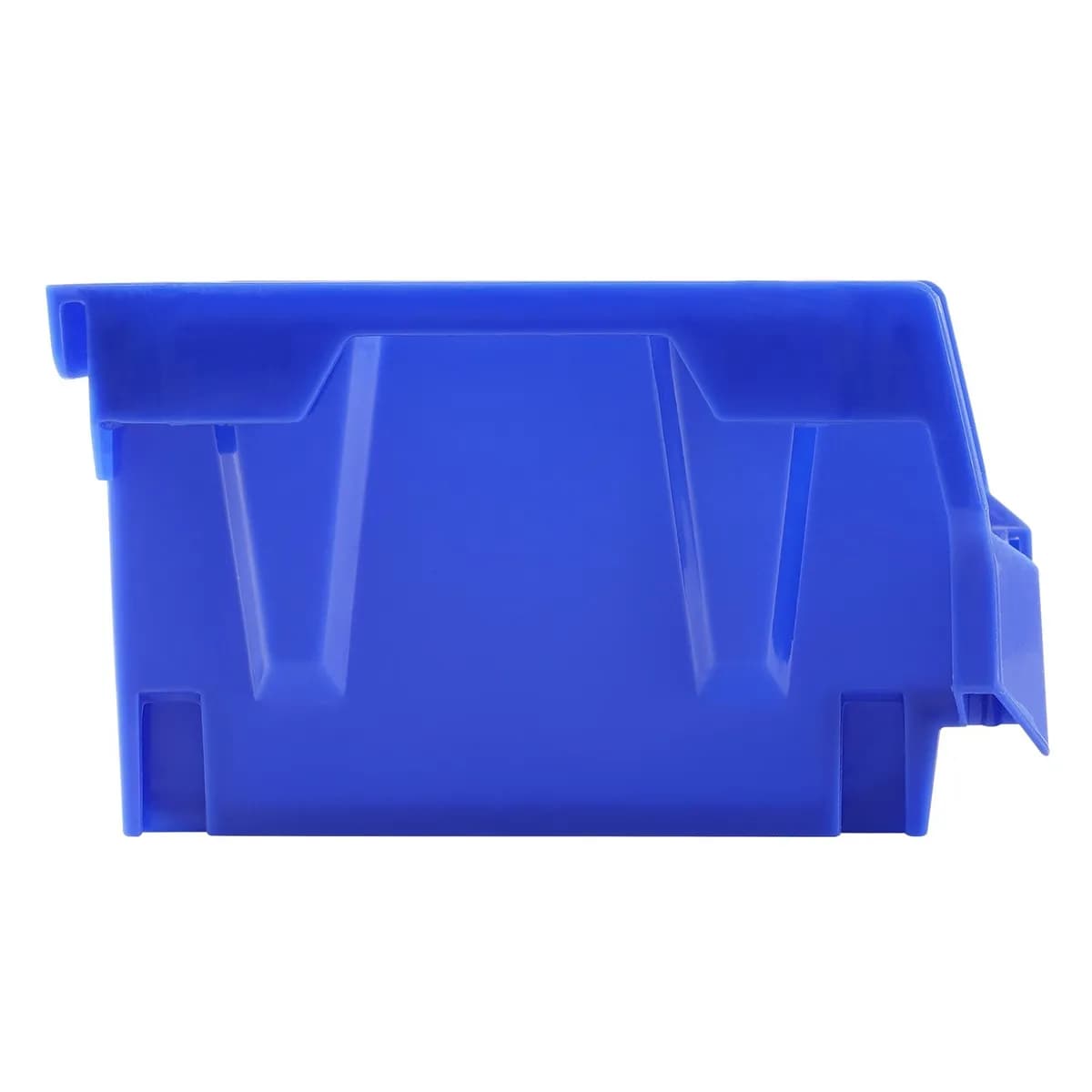
Modular helpers like Stackable Storage Bins, 24 Pack and the Large Travel Makeup Bag make most of these closet ideas practical on day one.
Liked this guide?
Get new organizing guides and the occasional new product by email. No spam, unsubscribe anytime.
Related articles

Explore more articles
- Pyrex Glass Food Storage Containers: The Complete 2026 Guide to Safe, Durable Kitchen Storage
- How to Build DIY Wood Shelves: Complete Step-by-Step Tutorial for 2026
- 30+ Best Garage Cabinet Ideas to Transform Your Storage Space in 2026
- Purse Storage Ideas for Small Spaces
- 30+ Best Jewelry Storage Ideas to Keep Your Collection Organized in 2026
- 30+ Best Shoe Rack Ideas to Organize Your Home in 2026
- 30+ Best Bathroom Shelf Ideas to Maximize Every Inch of Your Space in 2026
- Decluttering Home Decor: The Complete 2026 Guide to a Beautiful, Clutter-Free Home