
Nursery Dresser Drawer Organization: Complete Guide to Perfect Baby Storage in 2026
Transform your nursery dresser drawer organization with expert tips for efficient baby storage. Create a functional space that grows with your child.
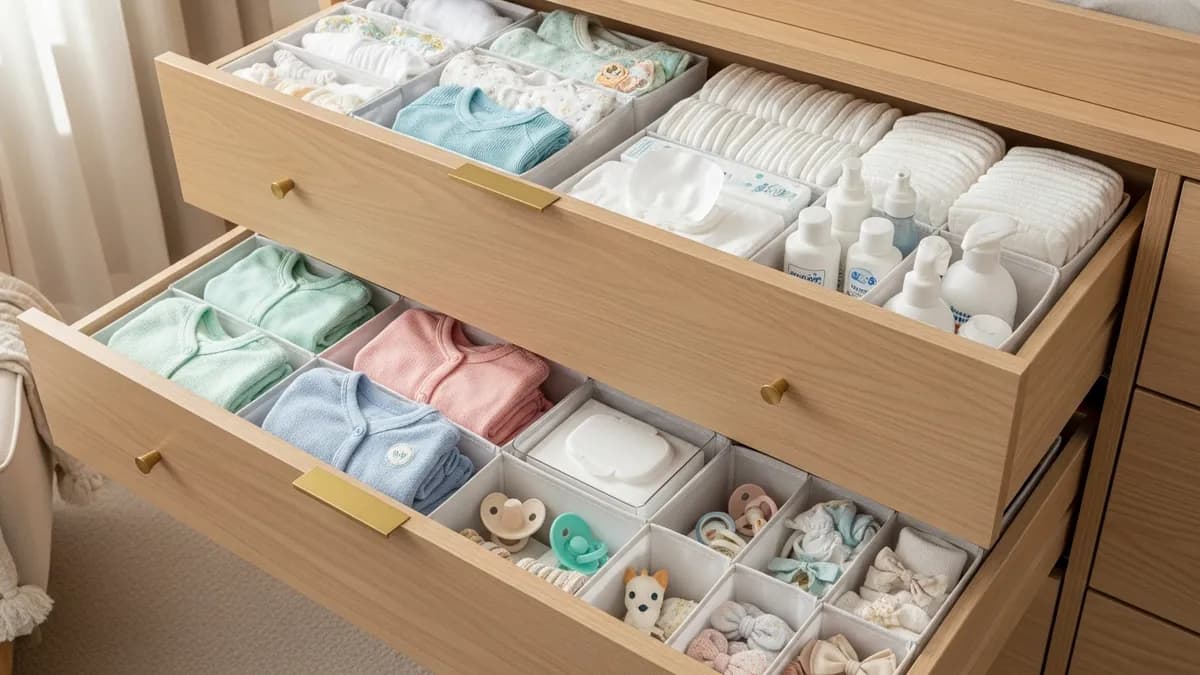
Creating an efficient nursery dresser drawer organization system is essential for new parents preparing their baby's space in 2026. A well-organized nursery dresser not only saves precious time during those middle-of-the-night changes but also creates a calming, functional environment that grows with your child. According to recent parenting studies, organized spaces can reduce daily stress by up to 40% for new parents, making nursery dresser drawer organization a crucial investment in your family's well-being.
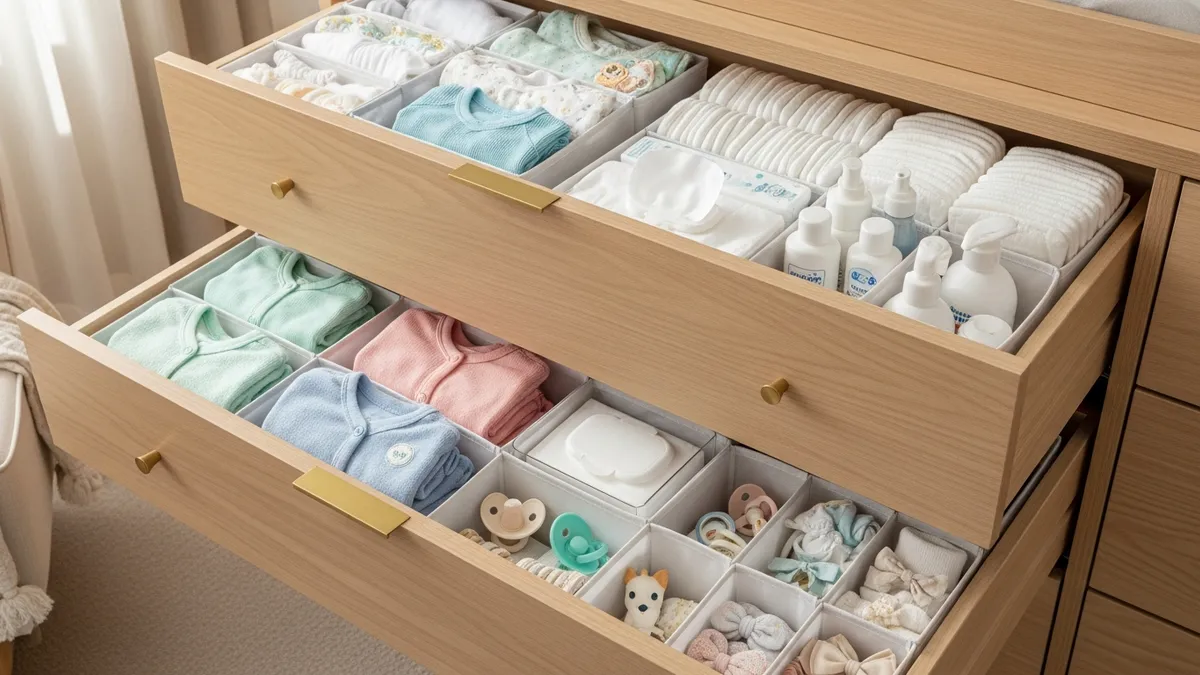
Essential Components of Nursery Dresser Drawer Organization
The foundation of effective nursery dresser drawer organization lies in understanding your specific needs and choosing the right organizational tools. Start by assessing your dresser's dimensions and drawer depths. Most standard nursery dressers feature drawers ranging from 4 to 8 inches deep, which determines the type of organizers you'll need.
Key organizational components include adjustable drawer dividers (starting at $12.99), fabric storage boxes ($8.50 each), and clear acrylic organizers ($15.75 for a set of 6). These tools create designated spaces for different categories of baby items, preventing the chaos that often develops in unorganized drawers.
Drawer Divider Selection Guide
- Adjustable bamboo dividers: Eco-friendly option that expands from 11-17 inches ($18.99)
- Fabric storage cubes: Soft-sided organizers perfect for delicate baby clothes ($6.25 each)
- Clear plastic compartments: Ideal for easy visibility of small items ($22.50 for complete set)
- Expandable spring dividers: Customizable width for any drawer size ($14.75 per pair)
The Sesoris collection offers premium nursery organization solutions designed specifically for growing families, featuring durable materials that withstand frequent use and washing.
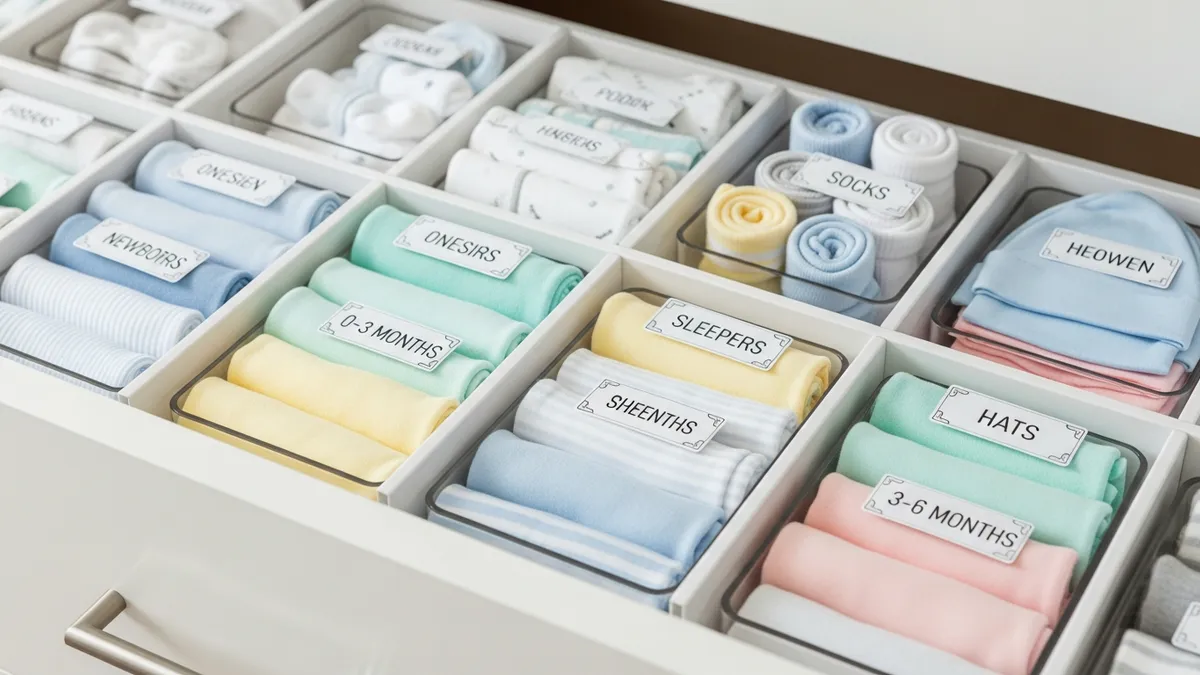
Size-Based Organization Strategy for Baby Clothes
Implementing a size-based nursery dresser drawer organization system prevents frustration and ensures you can quickly find appropriately sized clothing as your baby grows. Research from The Spruce shows that babies typically outgrow newborn sizes within 2-4 weeks, making efficient size management crucial.
Create dedicated sections within each drawer for different size ranges. Use the top drawer for current sizes (newborn to 3 months), middle drawers for upcoming sizes (3-6 months and 6-9 months), and bottom drawers for future needs (9-12 months and beyond).
Monthly Size Rotation System
- Week 1-4: Keep newborn and 0-3 month items in the top drawer for easy access
- Month 2-3: Begin transitioning 3-6 month items to accessible positions
- Month 4-6: Rotate out outgrown items and bring forward 6-9 month clothing
- Month 7+: Continue the rotation system, storing outgrown items for future children or donation
Category-Specific Drawer Assignment for Maximum Efficiency
Effective nursery dresser drawer organization requires strategic category assignment to create logical storage zones. According to Good Housekeeping, parents who organize by item category find specific items noticeably faster than those using mixed-category storage.
Top Drawer: Daily essentials including current-size onesies, sleepers, and frequently changed items. This prime real estate should contain items you access 3-5 times daily.
Second Drawer: Daytime clothing such as outfits, pants, and shirts in current and next sizes. Include special occasion outfits that are easily accessible but protected from daily wear.
Third Drawer: Sleep-related items including pajamas, sleep sacks, and swaddles. Keep these together since bedtime routines benefit from having everything in one location.
Bottom Drawer: Seasonal items, future sizes, and specialty clothing like swimwear or winter gear.
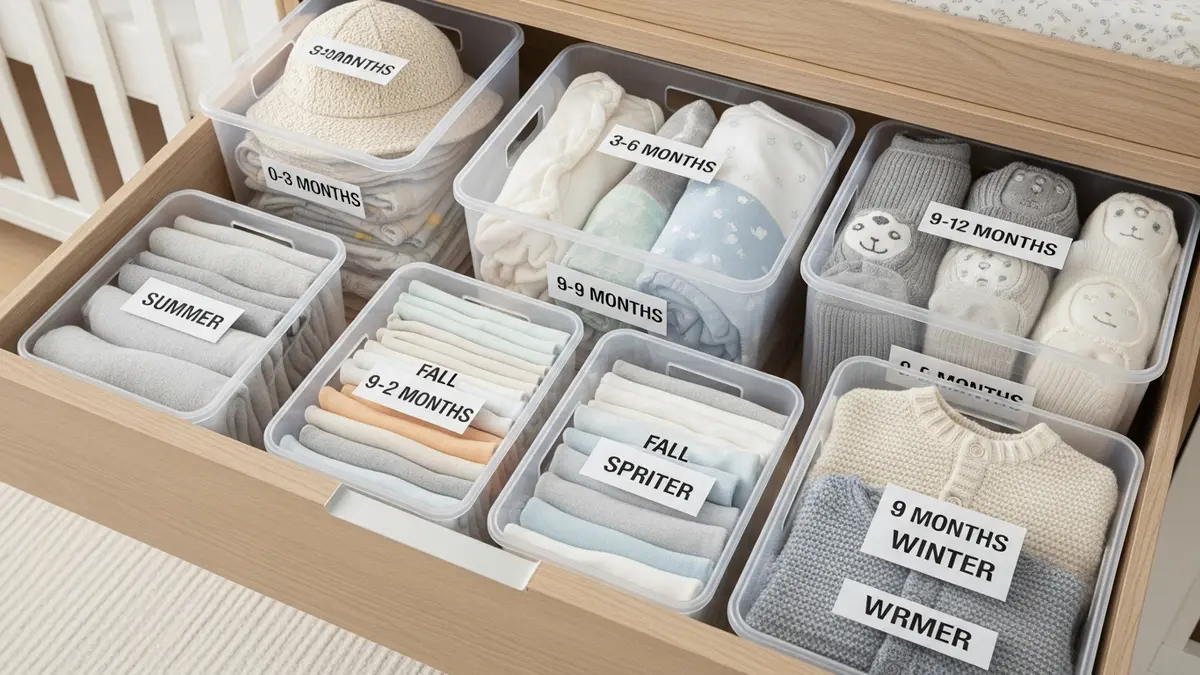
Seasonal Rotation Strategies
Implement a seasonal rotation system within your nursery dresser drawer organization to maximize space efficiency. Store out-of-season items in vacuum-sealed bags or clear storage containers, labeled with both size and season. This approach can increase usable drawer space by up to 35%.
Pro Tip: Use clear, removable labels that can be updated as your baby grows. This flexibility allows your organization system to evolve without requiring complete reorganization.
Small Item Organization: Socks, Bibs, and Accessories
Small baby accessories present unique challenges in nursery dresser drawer organization systems. Items like socks, mittens, hats, and bibs can easily become jumbled and lost without proper containment strategies.
Utilize small compartment organizers or repurpose ice cube trays for tiny items. Each compartment can hold specific items: one for socks, another for mittens, and separate sections for different types of bibs. This method prevents small items from migrating throughout the drawer and makes matching pairs effortless.
Accessory Organization Solutions
- Honeycomb organizers: Perfect hexagonal compartments for socks and small items ($16.99)
- Divided trays: Shallow organizers ideal for bibs and burp cloths ($11.25)
- Mesh pouches: Breathable storage for items that need air circulation ($7.50 for set of 4)
- Snap-lid containers: Secure storage for special occasion accessories ($13.75 each)
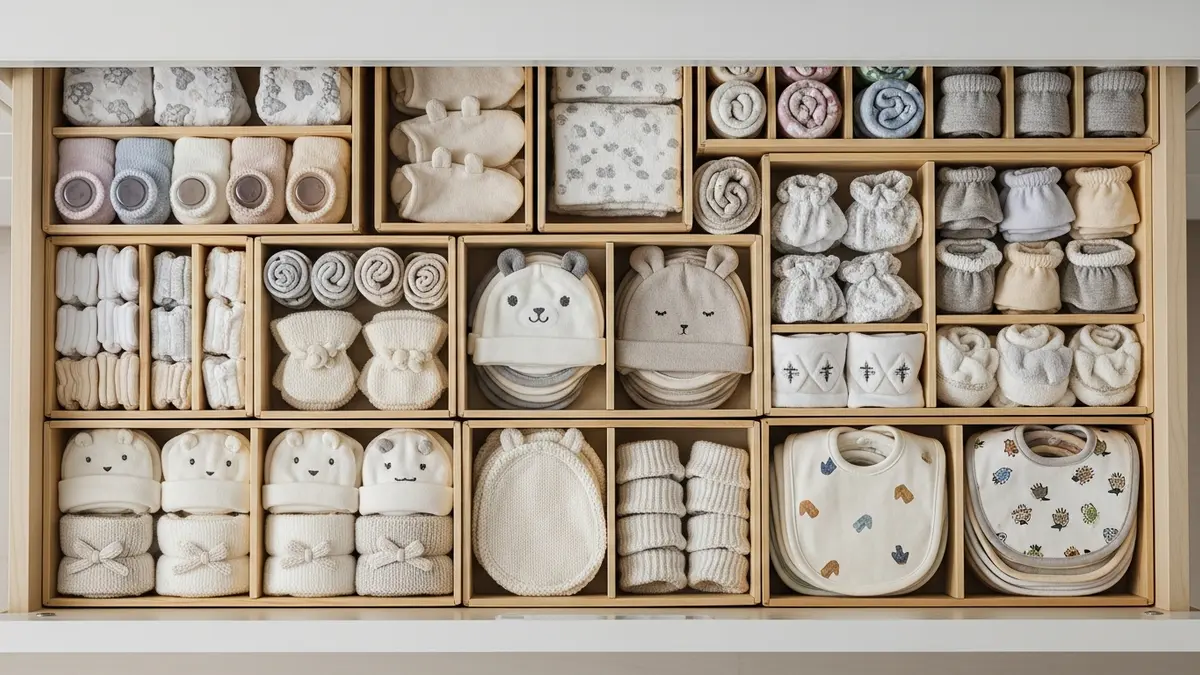
The key to successful small item organization lies in consistency. Establish designated homes for each type of accessory and maintain these assignments. According to Real Simple, maintaining consistent organization noticeably reduces time spent searching for items.
Labeling Systems That Grow With Your Child
An effective labeling system is crucial for sustainable nursery dresser drawer organization. Choose labeling methods that can be easily updated as your child's needs change and eventually allow them to participate in maintaining organization.
Consider using a combination of picture labels and text labels. Picture labels help caregivers and eventually your toddler identify contents at a glance, while text labels provide specific information about sizes and categories.
Label Types and Applications
- Removable vinyl labels: Easy to update and reposition ($0.75 per label)
- Chalkboard labels: Rewritable surface for changing information ($1.25 each)
- Clear protective labels: Waterproof and tear-resistant for long-term use ($0.50 per label)
- Picture symbol labels: Visual cues perfect for toddler independence ($2.00 for complete set)
Position labels on drawer fronts and inside drawers for maximum effectiveness. External labels help anyone accessing the dresser, while internal labels maintain organization when returning items to their proper locations.
Maintenance Strategies for Long-Term Success
Maintaining your nursery dresser drawer organization system requires establishing sustainable routines that accommodate the rapid changes in your baby's needs. Successful maintenance prevents the organizational system from deteriorating and ensures long-term functionality.
Schedule weekly 15-minute organization sessions to reassess drawer contents, rotate sizes, and remove outgrown items. This regular maintenance prevents overwhelming reorganization sessions and keeps the system functioning smoothly.
Weekly Maintenance Checklist
- Remove outgrown items: Check for clothes that no longer fit
- Rotate seasonal items: Bring forward weather-appropriate clothing
- Restock daily essentials: Ensure adequate supplies of frequently used items
- Update labels: Modify size or category labels as needed
- Clean organizers: Wipe down dividers and containers to maintain hygiene
The best storage solutions designed for nurseries feature easy-clean materials and durable construction that withstand frequent reorganization and cleaning cycles.
Safety Considerations in Nursery Organization
Safety must be the primary consideration in any nursery dresser drawer organization system. Choose organizers made from non-toxic materials, ensure all containers have smooth edges, and verify that small organizer components cannot become choking hazards.
Secure tall dressers to the wall using anti-tip hardware, especially as your child becomes mobile. The Consumer Product Safety Commission reports that properly secured furniture reduces tip-over injuries by 95%, making this a critical safety measure.
Safety-First Organization Guidelines
- Choose lead-free organizers: Verify all storage products meet safety standards
- Avoid small detachable parts: Select organizers without removable components that could pose choking risks
- Secure drawer slides: Ensure drawers cannot be completely removed by curious toddlers
- Round corner organizers: Opt for storage solutions with smooth, rounded edges
Consider the accessibility needs as your baby grows into a toddler. Lower drawers should contain items appropriate for child access, while potentially hazardous items should remain in higher, secured locations.
Budget-Friendly DIY Organization Solutions
Creating effective nursery dresser drawer organization doesn't require expensive specialized products. Many household items can be repurposed into efficient organizational tools, making this project accessible for families on any budget.
Shoebox dividers, cereal box organizers, and mason jar storage can create functional organization systems for under $25. These DIY solutions offer customization opportunities that commercial products might not provide.
DIY Organization Ideas Under $20
- Cardboard box dividers: Cut shoeboxes to create custom-sized compartments ($3.00)
- Mason jar organization: Perfect for small accessories and feeding supplies ($12.00 for 6 jars)
- Fabric-covered containers: Transform food containers into attractive organizers ($8.50 for materials)
- Wooden box organizers: Sand and finish small wooden boxes for custom storage ($15.75)
Money-Saving Tip: Check Pinterest for creative DIY nursery organization ideas that can be completed with materials you already have at home.
Step-by-Step Nursery Drawer Organization Process
Transform your nursery drawers with this proven nursery drawer organization method that professional organizers use in 2026.
Phase 1: Declutter and Assess (Week 1)
Start by removing everything from your nursery drawers and sorting items into categories:
Keep: Items in current size, good condition, and regularly used
Store: Future sizes and seasonal items
Donate: Outgrown clothes in good condition
Discard: Damaged, stained, or unsafe items
Professional organizers report that most families can reduce nursery clutter by 40-50% during this initial phase.
Phase 2: Measure and Plan (Week 2)
Before purchasing organizers, measure your drawer dimensions carefully:
- Record length, width, and depth of each drawer
- Note any hardware that might interfere with organizers
- Consider drawer weight capacity (typically 15-25 pounds for nursery furniture)
- Plan your organization zones based on frequency of use
Phase 3: Implement Organization System (Week 3)
Install your chosen organizational tools and create your system:
- Place dividers in drawers according to your planned layout
- Label containers with clear, readable tags
- Organize by frequency: Most-used items in easiest-to-reach locations
- Create inventory lists for each drawer to track contents
- Test the system by going through typical daily routines
Pro Tip: Take photos of your organized drawers to maintain the system over time and help other caregivers find items quickly.
Creating an Efficient Changing Station Setup
Transform the top of your nursery organization dresser into a safe, efficient changing station that streamlines diaper changes and daily baby care routines. According to pediatric safety experts, well-organized changing areas reduce accidents and improve care efficiency.
Essential Changing Station Components
A properly equipped changing station includes safety rails, comfortable padding, and organized storage for all necessary supplies. Key components include:
- Contoured changing pad with safety straps
- Side rails or barriers for added security
- Within-reach storage for diapers and wipes
- Designated space for diaper disposal
- Easy-clean surfaces for quick maintenance
Storage Organization for Changing Supplies
Keep changing supplies organized and easily accessible with dedicated storage solutions. Use drawer organizers, small baskets, or specialized storage containers to maintain order and efficiency during busy diaper changes.
FAQ: Frequently Asked Questions About Nursery Dresser Drawer Organization
How often should I reorganize my nursery dresser drawers?
Complete reorganization should occur every 2-3 months as your baby grows, with weekly maintenance sessions to keep the system functioning effectively. However, the frequency may increase during rapid growth periods.
What's the best way to organize baby clothes by size in dresser drawers?
Use a combination of size-based drawer assignment and within-drawer dividers to create clear sections for each size range. Label everything clearly and position current sizes in the most accessible locations.
Should I wash baby clothes before organizing them in dresser drawers?
Yes, always wash new baby clothes before storage to remove manufacturing chemicals and sizing agents. Pre-washing also helps prevent skin irritation and ensures clothes are ready for immediate use.
How can I make nursery dresser drawer organization work for multiple caregivers?
Use clear labeling with both pictures and text, create a simple reference guide for your organization system, and choose intuitive categorization that makes sense to anyone accessing the dresser.
What's the most important drawer in nursery dresser organization?
The top drawer is most crucial as it contains daily essentials and frequently accessed items. Focus your best organizational efforts here to maximize daily efficiency and convenience.
Conclusion
Mastering nursery dresser drawer organization creates a foundation for stress-free parenting and efficient daily routines. By implementing size-based systems, category-specific assignments, and sustainable maintenance routines, you'll create an organizational system that evolves with your growing family. Remember that the best organization system is one that works consistently for your specific needs and lifestyle. Explore the comprehensive Sesoris home organization collection to find premium storage solutions designed to support your family's organizational goals and create the peaceful, functional nursery environment your baby deserves.
For storage gear that puts these ideas into practice, browse the Home & Living collection.
Liked this guide?
Get new organizing guides and the occasional new product by email. No spam, unsubscribe anytime.
Related articles
Explore more articles
- 30+ Best Office Desk Setup Ideas to Build a Productive Workspace in 2026
- 25+ Best Toy Storage Ideas for Small Spaces to Keep Your Home Tidy in 2026
- 30+ Best Kids Room Organization Ideas to Create a Fun, Tidy Space in 2026
- 30+ Best Small Closet Organization Ideas to Transform Your Tiny Space in 2026
- 25+ Best Garage Bike Storage Ideas to Transform Your Space in 2026
- 30+ Best Small Bathroom Storage Ideas to Maximize Every Inch in 2026
- Cheap Kitchen Storage Racks: Best Budget-Friendly Options to Organize Your Kitchen in 2026
- How to Organize Your Closet: A Practical 2026 Guide