
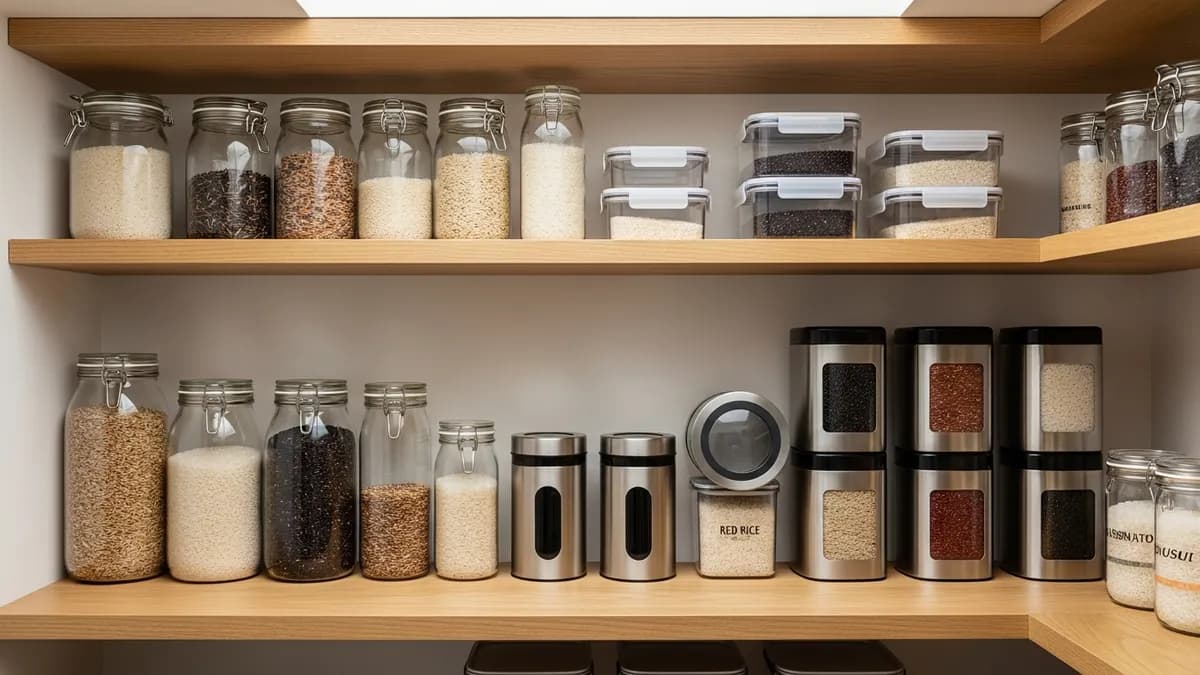
Rice Food Storage Containers: Ultimate Guide to Fresh Rice Storage in 2026
Finding the perfect rice food storage containers is essential for maintaining fresh, pest-free rice in your kitchen throughout 2026. With rice being a staple food for over 3.5 billion people worldwide, proper storage can extend shelf life by up to 300% while preventing contamination and waste. Whether you're storing jasmine, basmati, or brown rice, the right containers make all the difference in preserving flavor, texture, and nutritional value.
One thing our team at Sesoris keeps learning: every home has unique organization needs, no single solution fits all.
Why Rice Food Storage Containers Are Essential
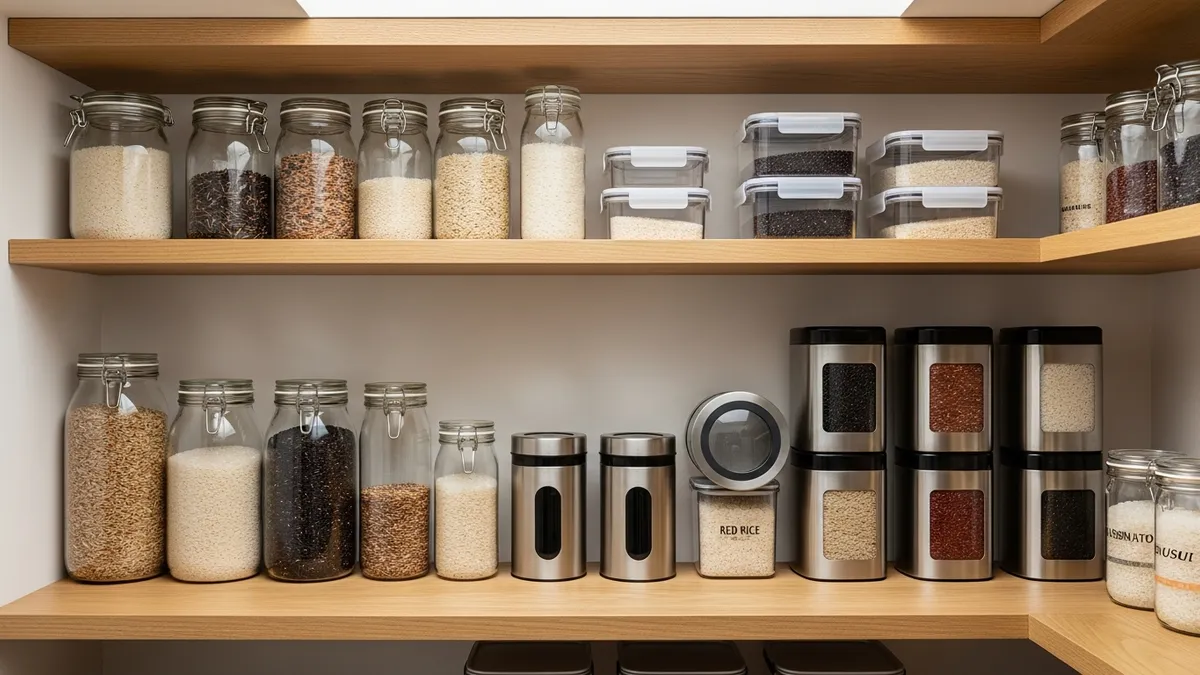
Rice storage goes far beyond simply keeping grains in their original packaging. Rice food storage containers provide crucial protection against moisture, pests, and air exposure that can quickly deteriorate rice quality. According to the USDA Food Safety Guidelines, proper storage containers can prevent up to 90% of pantry pest infestations. For additional information, also see the guide from Real Simple.
Key Takeaways: > - Choose products with clear safety labels (food-grade, BPA-free) for daily use > - Investing slightly more in quality materials (glass, grade 304 stainless steel) saves long-term costs > - Match sizes to family needs, neither too large nor too small > - Local marketplaces like Tokopedia, Shopee, and Sesoris offer competitive prices with maintained quality
The benefits of using dedicated rice containers include:
- Extended freshness: Airtight seals preserve rice quality for 6-12 months longer than original packaging
- Pest prevention: Secure lids block insects and rodents that commonly infest grain storage areas
- Moisture control: Proper containers maintain optimal humidity levels below 14%
- Space efficiency: Stackable designs maximize pantry organization by up to 40%
- Easy portion control: Clear containers allow visual monitoring of rice levels
Health and Safety Benefits
Using proper rice food storage containers significantly reduces health risks associated with contaminated grains. Industry experts report that airtight containers prevent mold growth that can produce harmful aflatoxins, protecting your family's health while maintaining rice's nutritional integrity.
Types of Rice Food Storage Containers
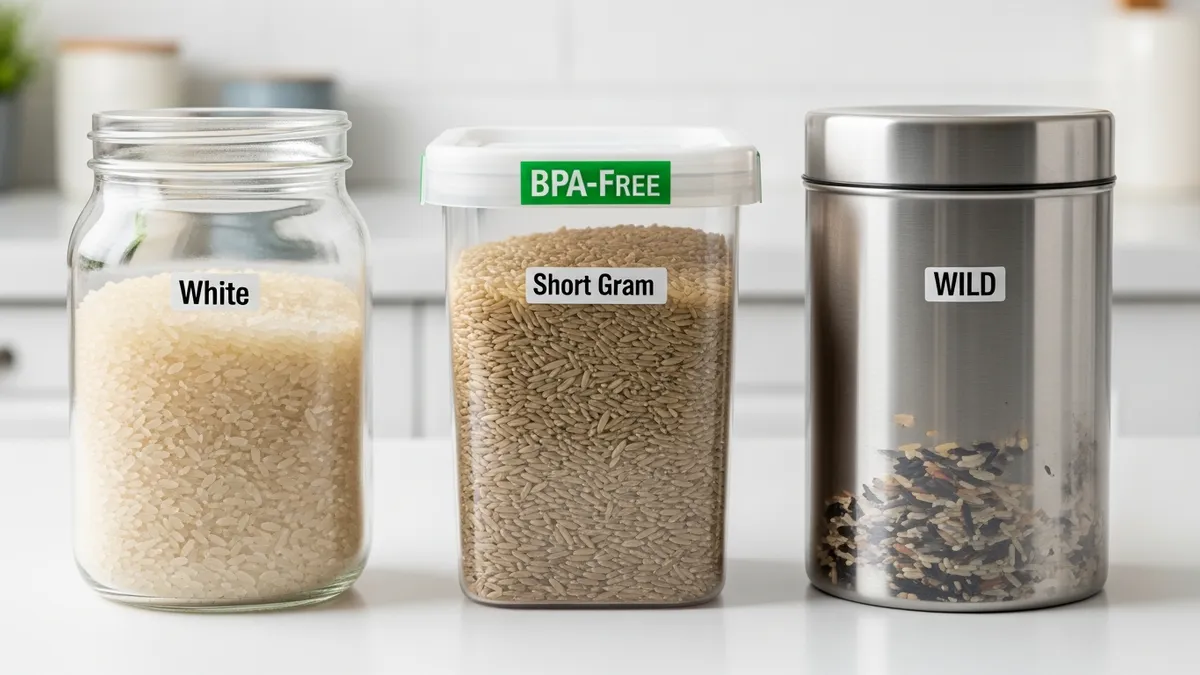
Choosing the right material for your rice food storage containers depends on your specific needs, budget, and kitchen aesthetics. Each material offers unique advantages for different storage requirements.
Glass Rice Storage Containers
Glass containers represent the premium choice for rice storage, offering complete transparency and chemical-free storage. These containers typically range from $15 - $45 depending on size and brand quality.
Advantages:
- Non-reactive surface won't absorb odors or flavors
- Dishwasher safe for easy cleaning
- Clear visibility for easy rice identification
- Environmentally friendly and recyclable
Best for: Long-term storage, displaying different rice varieties, eco-conscious households
Plastic Rice Food Storage Containers
BPA-free plastic containers offer lightweight, affordable rice storage solutions starting around $8 - $25 Modern food-grade plastics provide excellent durability while maintaining cost-effectiveness.
Key features:
- Lightweight for easy handling and moving
- Shatter-resistant for busy kitchens
- Available in various sizes from 2-20 pounds capacity
- Easy to label and organize
Stainless Steel Options
Metal containers provide maximum durability and pest resistance, though they limit visibility of contents. Prices typically range from $20 - $60 for quality stainless steel rice storage.
How to Choose the Best Rice Food Storage Containers
Selecting optimal rice food storage containers requires evaluating several critical factors that impact both functionality and longevity. Industry experts emphasize that proper container selection can reduce food waste by up to 25%.
Size and Capacity Considerations
Container sizing should match your rice consumption patterns and available storage space:
Small households (1-2 people): 2-5 pound capacity containers
Medium families (3-4 people): 8-12 pound capacity containers
Large families (5+ people): 15-25 pound capacity containers
Bulk buyers: Multiple 10-20 pound containers for variety storage
Airtight Seal Quality
The seal mechanism directly impacts rice freshness and pest prevention. Look for containers featuring:
- Silicone gasket seals that maintain elasticity over time
- Locking lid mechanisms with audible confirmation
- Pressure-release valves for optimal air removal
- Easy-open designs that don't compromise seal integrity
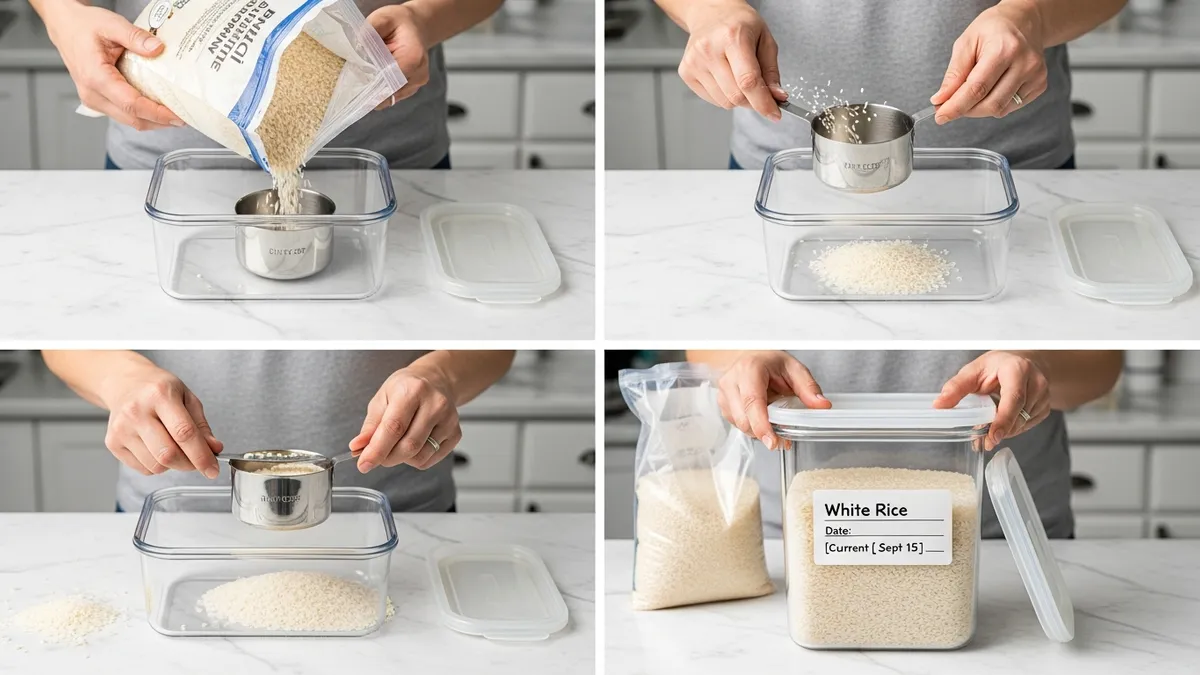
Step-by-Step Rice Storage Tutorial
Properly storing rice in your chosen rice food storage containers involves specific techniques that maximize freshness and prevent contamination. This comprehensive tutorial ensures optimal results every time.
Preparation Steps
- Clean containers thoroughly with warm soapy water and dry completely
- Inspect rice quality before transfer - discard any damaged grains
- Check for existing pests by examining original packaging carefully
- Prepare labels with rice type and storage date for easy identification
Transfer Process
- Use clean funnel or measuring cup to prevent spillage during transfer
- Fill container to 90% capacity leaving space for proper seal closure
- Add bay leaves or food-grade diatomaceous earth for natural pest deterrence
- Remove excess air before sealing to minimize oxidation
- Test seal integrity by gently pressing lid to ensure proper closure
Optimal Storage Conditions
Position your rice food storage containers in locations that maintain:
- Temperature range: 50-70°F for optimal preservation
- Humidity levels: Below 60% to prevent mold growth
- Light protection: Away from direct sunlight to prevent nutrient degradation
- Air circulation: Adequate ventilation around containers
Best Practices for Rice Container Organization
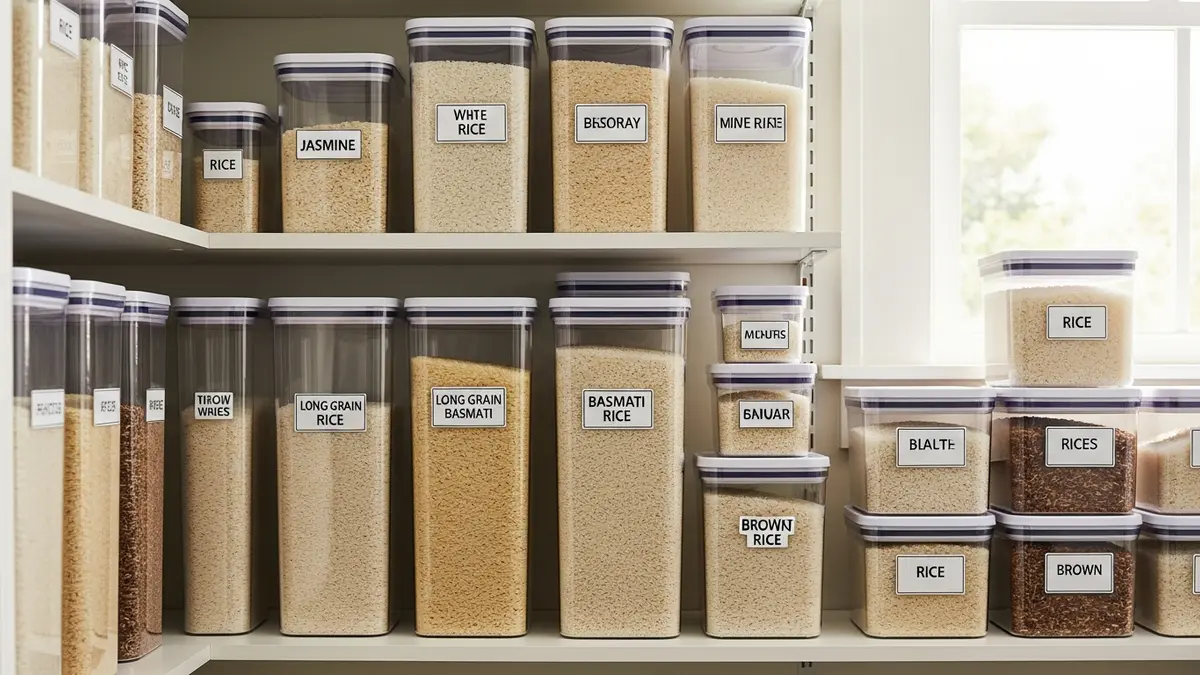
Effective organization of your rice food storage containers creates a functional pantry system that saves time and reduces waste. Professional organizers report that systematic storage reduces meal preparation time by an average of 15 minutes daily.
Pantry Layout Strategy
Accessibility hierarchy:
- Most frequently used rice varieties at eye level
- Heavy containers on lower, sturdy shelves
- Specialty rices on upper shelves for occasional use
- Clear sight lines to all container labels
Labeling System
Implement a comprehensive labeling system that includes:
- Rice variety name (Jasmine, Basmati, Brown, etc.)
- Purchase date for rotation management
- Expiration estimate based on rice type
- Cooking instructions for different varieties
Common Rice Storage Mistakes to Avoid
Understanding frequent rice storage errors helps prevent costly food waste and contamination. Real Simple identifies these critical mistakes that compromise rice quality:
Temperature and Humidity Errors
Mistake: Storing rice containers near heat sources like ovens or dishwashers
Solution: Maintain consistent cool temperatures away from kitchen heat
Mistake: Ignoring humidity levels in storage areas
Solution: Use moisture absorbers in humid climates or seasons
Container Selection Issues
- Using non-airtight containers that allow pest entry and moisture infiltration
- Choosing transparent containers in bright locations causing nutrient loss
- Selecting improper sizes leading to excessive air exposure in partially filled containers
- Mixing rice varieties without proper separation causing flavor contamination
Rice Storage Container Maintenance
Regular maintenance of your rice food storage containers ensures long-term effectiveness and food safety. Proper care extends container lifespan while maintaining optimal storage conditions.
Cleaning Schedule
Monthly maintenance:
- Empty containers completely and inspect for damage
- Wash with warm soapy water, paying attention to lid seals
- Sanitize with diluted vinegar solution for thorough disinfection
- Dry completely before refilling to prevent moisture issues
Annual deep cleaning:
- Disassemble removable parts for comprehensive cleaning
- Replace silicone seals if cracked or hardened
- Check container integrity for cracks or damage
- Update labeling system as needed
Seal Inspection and Replacement
Monitor seal quality through regular testing:
- Visual inspection for cracks, tears, or hardening
- Flexibility test ensuring seals remain pliable
- Seal effectiveness by checking for proper lid closure
- Replacement timing typically every 2-3 years depending on usage
Budget-Friendly Rice Storage Solutions
Quality rice food storage containers don't require significant investment when you focus on essential features over premium aesthetics. Smart shopping strategies can reduce costs by up to 50% while maintaining functionality.
Cost-Effective Options
Budget range ($5 - $15 per container):
- Food-grade plastic containers with basic airtight seals
- Multi-pack deals offering better per-unit pricing
- Store brand alternatives with comparable quality
Mid-range options ($15 - $30 per container):
- Glass containers with reinforced lids
- Stackable designs maximizing storage efficiency
- Containers with measurement markings for convenience
DIY Enhancement Tips
Upgrade affordable containers with simple modifications:
- Add moisture absorber packets for enhanced protection
- Create custom labels using printable templates
- Install shelf liners for improved container stability
- Use container risers for better pantry organization
Related Articles
Explore other guides from Sesoris to complement your knowledge:
FAQ: Frequently Asked Questions About Rice Food Storage Containers
Q: How long can rice stay fresh in proper food storage containers?
White rice stored in airtight rice food storage containers maintains peak quality for 2-3 years, while brown rice stays fresh for 6-8 months due to higher oil content. Proper containers can extend these timeframes by 6-12 months compared to original packaging.
Q: Can I store different rice types in the same container?
Avoid mixing rice varieties as they have different cooking times, flavors, and storage requirements. Brown rice's oils can affect white rice quality, and aromatic varieties like basmati can overpower milder types.
Q: What container size should I choose for a family of four?
A family of four typically consumes 8-12 pounds of rice monthly, so containers in the 10-15 pound capacity range provide optimal freshness without excessive storage time. Consider multiple smaller containers for variety storage.
Q: How do I prevent bugs in my rice storage containers?
Use airtight seals, add bay leaves as natural deterrents, freeze new rice for 48 hours before storage to eliminate existing eggs, and maintain clean storage areas. Quality containers with proper seals prevent 95% of pest intrusions.
Q: Are glass or plastic containers better for rice storage?
Both materials work effectively when featuring airtight seals. Glass offers chemical-free storage and easy cleaning, while plastic provides lightweight handling and shatter resistance. Choose based on your specific needs and budget.
Q: Should rice storage containers be kept in the refrigerator?
Room temperature storage in cool, dry areas works best for most rice types. Refrigeration can cause condensation issues and isn't necessary with proper airtight containers. Brown rice benefits from refrigerated storage in hot climates.
Conclusion
Investing in quality rice food storage containers transforms your kitchen organization while significantly extending rice freshness and preventing waste. The right containers, combined with proper storage techniques, can save the average household $50 - $75 annually on rice purchases while ensuring consistently fresh, pest-free grains for your family meals. Whether you choose glass, plastic, or stainless steel options, prioritize airtight seals, appropriate sizing, and systematic organization for optimal results. Start organizing your rice storage today and discover the convenience of properly stored grains that maintain peak quality month after month. Explore our complete selection of premium food storage solutions at Sesoris and transform your pantry organization in 2026.
About Tim Sesoris
The Sesoris editorial team consists of experienced writers in home organization, minimalist lifestyle, and Indonesian e-commerce. We test products, review market trends, and craft guides based on in-depth research and field experience. All recommendations are curated to give you accurate, practical, and relevant information for Indonesian households.
For questions or suggestions, contact us through the Sesoris contact page.
For matching storage gear, browse the Kitchen & Dining collection.
Weekly Home Tips
Get home organization ideas, product picks, and exclusive deals delivered weekly.
No spam. Unsubscribe anytime.


Explore More Articles
- Best Containers for Dog Food Storage: Keep Your Pet Food Fresh in 2026
- Pyrex Glass Food Storage Containers: The Complete Guide to Premium Kitchen Storage in 2026
- Wall Mounted Spice Rack: Panduan Lengkap Memilih Rak Bumbu Tempel Dinding Terbaik 2026
- Stainless Steel Kitchen Rack: Choose, Install & Care 2026
- 30+ Storage Organizer Ideas for a Tidy Home 2026
- Household Storage Rack: The Complete Guide to a Tidy Home
- Food Storage Containers Airtight: Complete Tutorial Guide to Keeping Food Fresh in 2026
- 30+ Best Closet Organization Ideas for Nursery: Create the Perfect Baby Storage Space in 2026