
Bathroom Storage Ideas to Keep a Small Bathroom Tidy
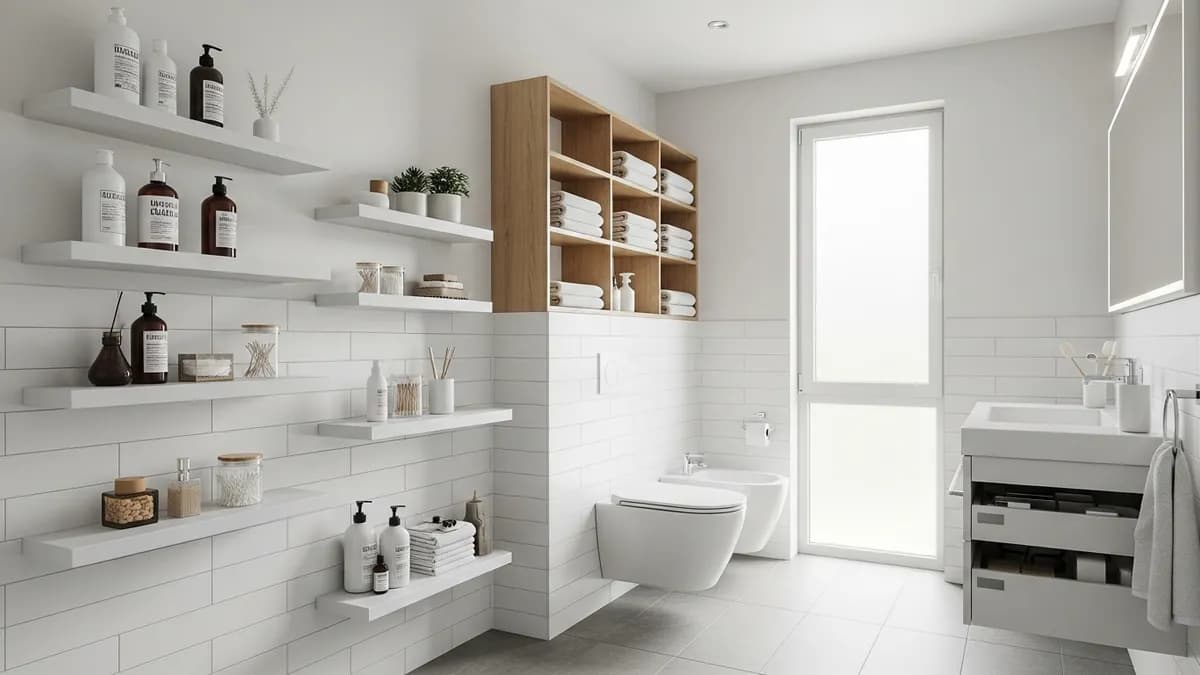
The most effective bathroom storage ideas combine vertical shelving, water-safe boxes, category baskets, and a weekly habit of tossing empty bottles. The goal is not to make the bathroom look like a catalog page; it is to give your soap, skincare, towels, and cleaning supplies a fixed spot that is easy to reach.
I often see small bathrooms feel cramped not because of their size, but because everything sits on the floor and the rim of the sink. The moment you put the vertical space to work, the room instantly feels lighter. For product inspiration, browse our <a href="/category/bathroom">bathroom essentials</a> category and the Sesoris guide to <a href="/blog/storage-solutions-for-bathroom-transform-space-smart-organization-2026">bathroom storage solutions</a>.
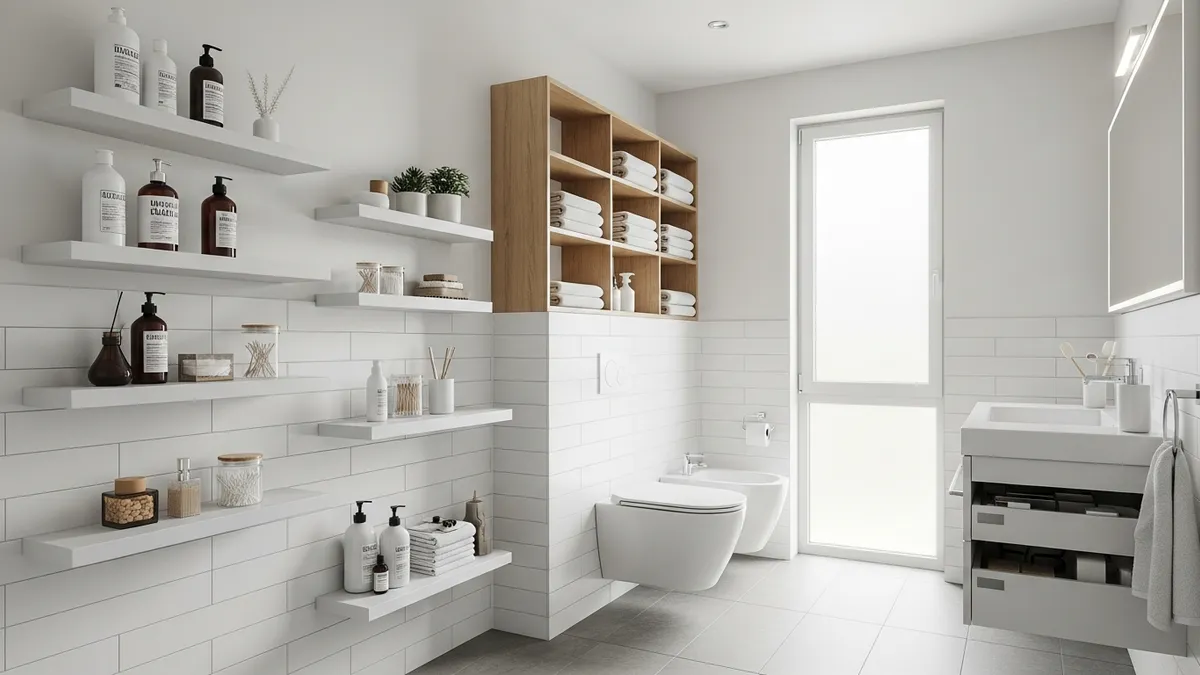
Table of Contents
- Start with wet zones and dry zones
- Vertical storage ideas for small bathrooms
- Water-safe storage for soap and skincare
- How to choose bathroom shelves, boxes, and organizers
- Mistakes that make the bathroom messy again
- The weekly maintenance checklist
- FAQ: bathroom storage ideas
Start with wet zones and dry zones
The first step in any bathroom storage plan is dividing the room into wet zones and dry zones. The wet zone is usually the shower, the tub, and any floor area that catches splashes. The dry zone is the upper shelves, cabinets, sink drawers, and the area near the door. The split sounds simple, but its impact is big because every material has a different tolerance for water.
In the wet zone, keep only items used daily that can handle water: liquid soap, shampoo, a body brush, a sponge. Never store cotton pads, tissues, medicine, or small electronics there. In my experience, the most expensive bathroom mistake is stockpiling supplies in a damp area. It looks convenient, but everything degrades, mildews, or starts to smell.
The dry zone suits backup stock, skincare, clean towels, floor cleaner, and a small first-aid kit. If the bathroom is tiny, use closed shelving or clear boxes with short labels. Labels like "shower", "skincare", "stock", and "cleaning" work far better for a family than anything overly detailed. What matters is that everyone knows where each item goes after use.
Vertical storage ideas for small bathrooms
In a tight bathroom, floor space is the most expensive real estate. Vertical shelving nearly always beats a big freestanding cabinet. You can use wall shelves, corner shelves, over-the-door organizers, or a slim shelf above the toilet. This strategy keeps the walking space open without sacrificing storage capacity.
Honestly, I prefer small open shelves over a large cabinet when the household is always in a rush. Open shelves keep daily items visible and grabbable. For backup stock, though, a closed cabinet is still safer, since dust and splashes stay out. A combination of both is usually the most realistic setup.
<a href="/blog/wall-shelf-storage-ideas-transform-home-organization-2026">Wall shelves</a> also break the habit of parking bottles on the floor. Floor bottles make the shower area hard to clean and visually crowded. If you go with mounted shelves, choose moisture-resistant materials, smooth edges, and a capacity you will not overload. A small tidy shelf beats a big shelf that becomes a dumping ground.
Water-safe storage for soap and skincare
Choose bathroom storage materials based on water risk. Thick plastic, quality stainless steel, and perforated baskets are safer than cardboard or woven fibers that soak up water. For skincare, use a tray or small box in the dry zone so products cannot tip over and labels stay readable.
I recommend the one tray, one routine rule. A morning tray holds facial wash, toner, sunscreen, and moisturizer. A night tray holds cleanser, serum, and night cream. When everything is jumbled into one big basket, you end up rebuying products you already own. A good organizer is not just pretty; it prevents duplicate purchases.
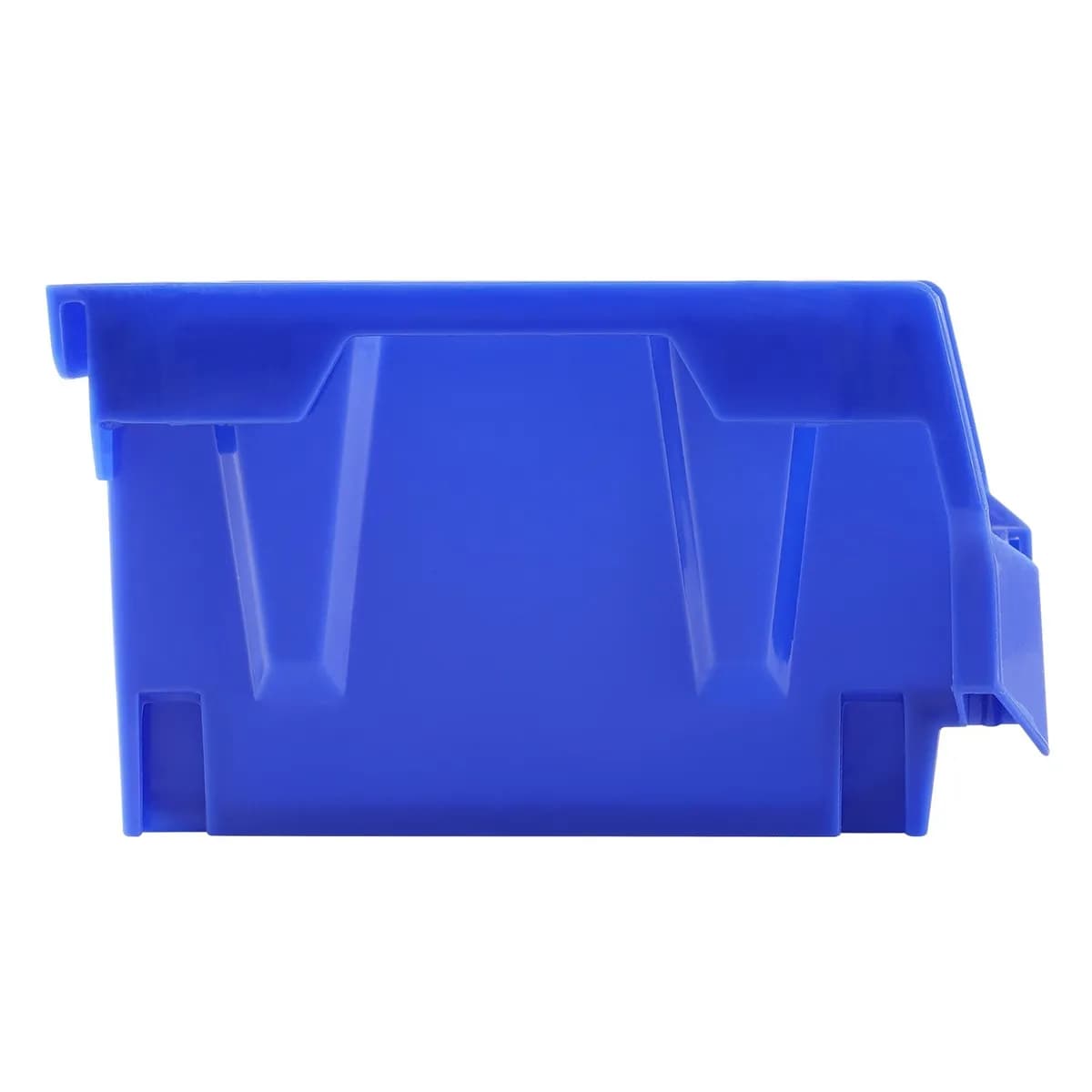
For soap and shampoo stock, use clear boxes with ventilation. Transparency lets you check stock before shopping. Ventilation keeps humidity from getting trapped. Cutting household waste this way also lines up with the <a href="https://www.epa.gov/recycle/what-you-can-do">EPA's reduce, reuse, recycle guidance</a>: buy only what you need and reuse containers that are still in good shape.
How to choose bathroom shelves, boxes, and organizers
Before buying any organizer, measure three things: the width of the spot, the free height, and the depth. Most people only measure width, and the shelf that looked perfect in the store ends up hitting the door, the shower, or someone's knees. In a bathroom, shelf depth often matters more than shelf height.
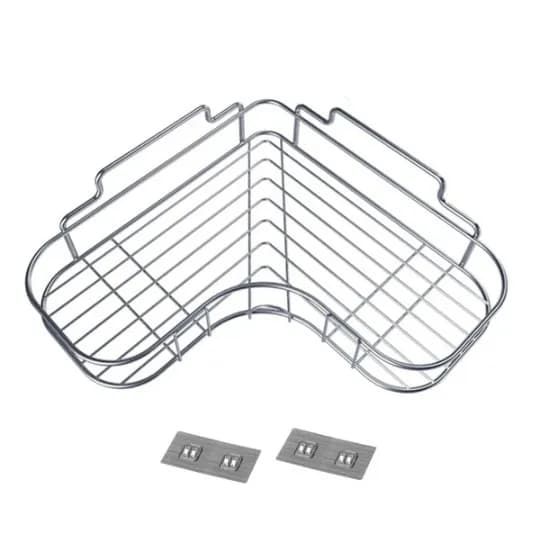
Use tiered shelving for light stock, closed boxes for sensitive items, and perforated baskets for things that need to dry quickly. If kids use the bathroom, keep hazardous items like cleaning chemicals up high or locked away. For rentals and dorms, choose drill-free organizers: hanging racks, quality suction shelves, or a slim rolling cart that moves easily.
A good <a href="/shop">organizer</a> should follow how you already use the room, not force a fussy new habit. If your family showers at night, clean towels and a change of clothes belong near the door. If everyone washes hands at the sink, the soap and a small hand towel need a fixed spot right there. The principle is simple: the most-used items must be the easiest to reach.
Mistakes that make the bathroom messy again
Mistake one is buying organizers before decluttering. The new organizer just becomes a container for the old problem. Start by tossing empty bottles, expired products, tired sponges, and duplicates. Once the item count drops, then choose storage that actually fits what remains.
Mistake two is over-complicating categories. A label like "weekend-only night actives" may look impressive at first, but it rarely survives. Use broad categories everyone can follow. I usually cap a bathroom at five: shower, face, hair, stock, and cleaning.
Mistake three is leaving no empty space. An organizer filled to 100 percent capacity collapses into chaos the moment one new product arrives. Keep 20 percent of the capacity free for incoming items. It is a small detail, but it saves you after a big shopping run or a skincare delivery.
The weekly maintenance checklist
A tidy bathroom does not need a massive monthly cleanout. A 10-minute weekly checklist works better. Check for empty bottles, rinse the shower shelf, dry the skincare tray, and move backup stock into the right box. Done routinely, the bathroom never gets the chance to turn into a mini warehouse.
Set one practical rule: every new product must replace something or claim a clear slot. No slot available means something old has to go. It sounds strict, but it fits small bathrooms perfectly because the space truly is finite.
For families, tape small labels inside the cabinet doors. Not for decoration, but as a reminder. Kids and partners follow a system far more easily when the instructions are visible. At that point, bathroom storage stops being a decorating project and becomes a household system you use every day.
Sample layouts for three bathroom sizes
For a very small bathroom, concentrate storage on the walls and the back of the door. Use one shower shelf for daily soap, one hook for a towel, and one small box in the dry zone for skincare. Skip the big rolling cart; it eats too much walking space. This layout suits dorms, studio apartments, and guest bathrooms.
For a medium bathroom, add an under-sink cabinet and a shelf above the toilet. The under-sink cabinet is ideal for backup stock, while the over-toilet shelf suits rolled towels or a small basket. Make sure anything kids use is not placed too high. A good system has to be safe, not just neat.
For a family bathroom, split storage by user. One basket for the parents, one for the kids, and one for shared stock. This cuts down on finger-pointing when something goes missing. If space allows, use different label colors so every family member instantly knows their own territory.
FAQ: bathroom storage ideas
What are the best organizers for a small bathroom?
Wall shelves, corner shelves, clear boxes, and perforated baskets are usually the most effective because they barely touch the floor.
Are wooden shelves safe in a bathroom?
Only in the dry zone and with a moisture-resistant finish. For the shower area, thick plastic or stainless steel is the safer bet.
How should skincare be stored in a bathroom?
Keep it in the dry zone, away from splashes, in small trays grouped by your morning or night routine.
How many categories are ideal?
Four to five broad categories are enough for the whole family to follow.
Are drill-free organizers strong enough?
Strong enough for light items if the surface is clean and the product is well made. For heavy stock, a freestanding or drilled shelf is safer.
What should go first when decluttering a bathroom?
Empty bottles, expired products, old sponges, and rarely used duplicates.
When should I add new storage?
Only after decluttering and confirming that everything left is genuinely used on a regular basis.
Conclusion
Bathroom storage ideas that work always start with zoning, not shopping. Separate the wet and dry zones, put the walls to work, choose moisture-resistant materials, and run a weekly checklist. When you are ready to add organizers, start from your bathroom's real needs, then check the Sesoris collection built for small spaces and tidy routines.
Weekly Home Tips
Get home organization ideas, product picks, and exclusive deals delivered weekly.
No spam. Unsubscribe anytime.
Explore More Articles
- 35+ Best Bedroom Storage Ideas to Maximize Every Inch of Your Space in 2026
- Outdoor Plant Stand Ideas for Any Space
- 30+ Best Bathroom Storage Ideas to Maximize Every Inch of Your Space in 2026
- 20+ Best Shoe Storage Cabinet Ideas to Transform Your Home Organization in 2026
- Cheap Kitchen Storage Racks: Best Budget-Friendly Options to Organize Your Kitchen in 2026
- Best Budget Kitchen Racks in 2026: Top Picks for Every Home
- Holiday Home Decor Ideas: 35 Cozy, Clutter-Free Looks
- Small Living Room Organization Ideas: 30+ Smart Fixes