
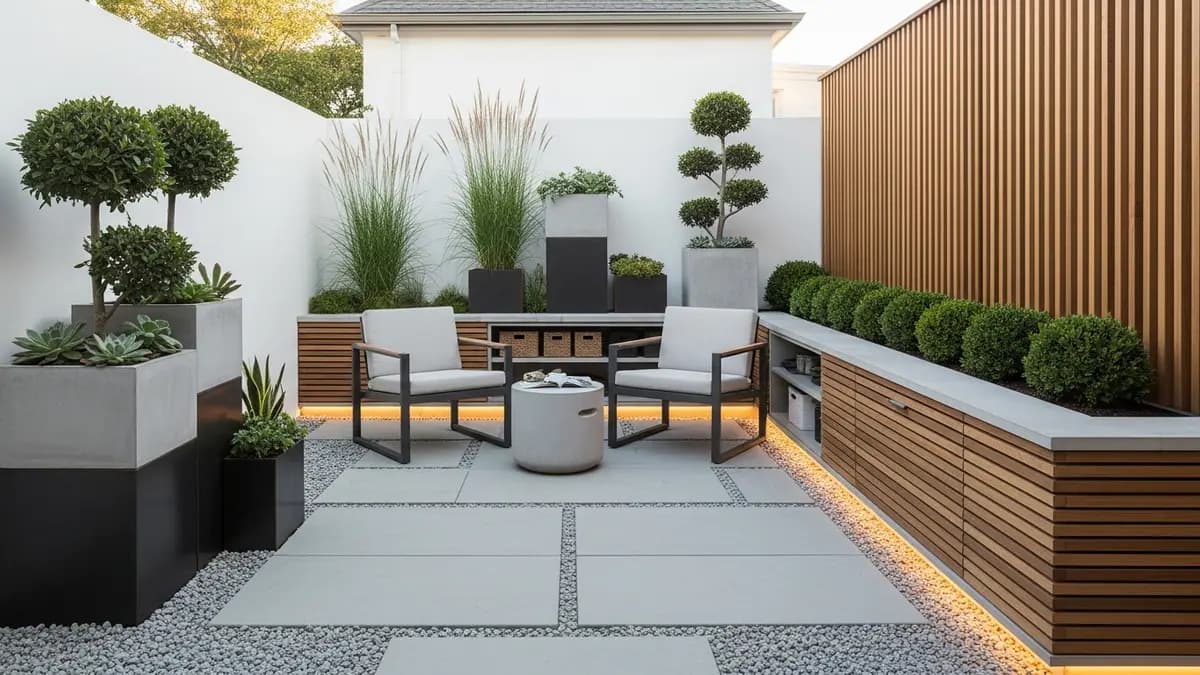
Small Front Yard Design: 15 Minimalist Ideas for Compact Spaces
Creating a beautiful small front yard minimalist design doesn't mean sacrificing style or functionality. With the right approach to space planning and smart storage solutions, even the most compact outdoor spaces can become stunning welcoming areas that reflect your personal style. In 2026, homeowners are increasingly embracing minimalist principles to maximize their limited front yard space while maintaining clean, organized aesthetics.
Based on our conversations with regular Sesoris customers, organization problems are usually solved not by buying more, but by rearranging what's already there.
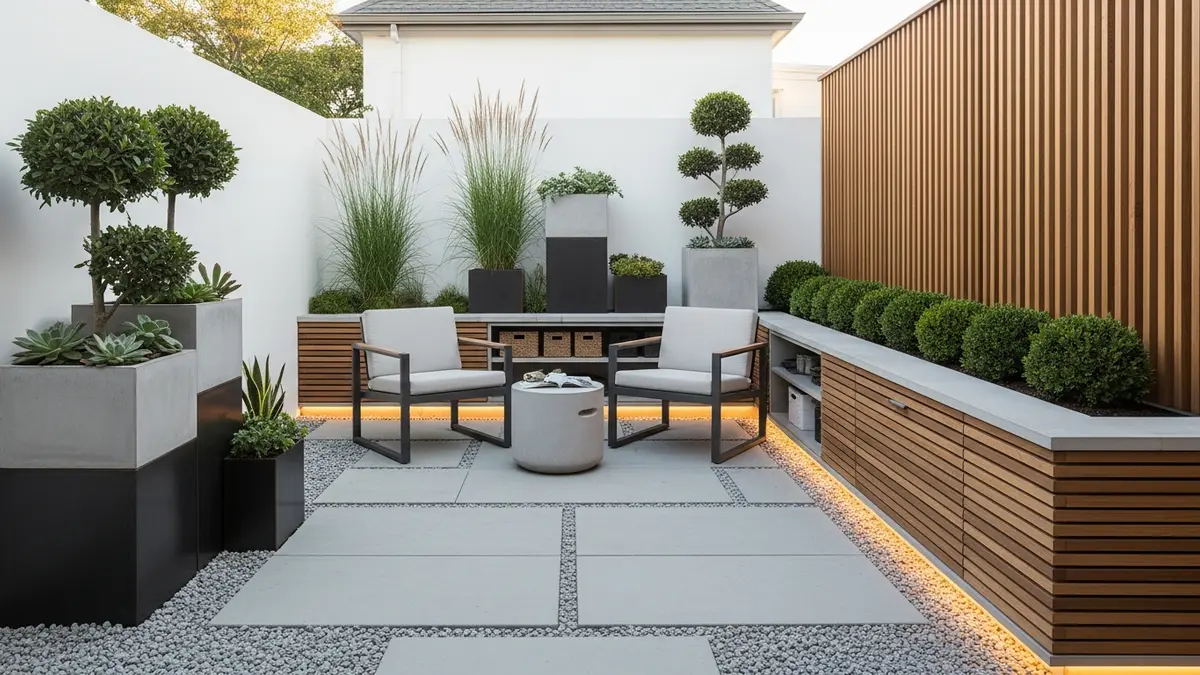
Whether you're working with just a few square feet or a narrow strip of land, these 15 minimalist design ideas will help you transform your small front yard into an organized, beautiful space that enhances your home's curb appeal and provides practical storage solutions for outdoor essentials.
Key Takeaways: > - Choose products with clear safety labels (food-grade, BPA-free) for daily use > - Investing slightly more in quality materials (glass, grade 304 stainless steel) saves long-term costs > - Match sizes to family needs, neither too large nor too small > - Local marketplaces like Tokopedia, Shopee, and Sesoris offer competitive prices with maintained quality
Essential Principles of Small Front Yard Minimalist Design
The foundation of successful small front yard minimalist design lies in understanding key principles that maximize both visual impact and functionality. Research shows that well-designed small outdoor spaces can increase property value by up to 12% while providing essential storage and organization benefits. For additional information, also see the guide from The Spruce.
Clean Lines and Geometric Shapes
Minimalist design thrives on simplicity and clean geometry. In small front yards, this translates to:
- Rectangular or square planting beds that define spaces clearly
- Linear pathways that guide the eye and create movement
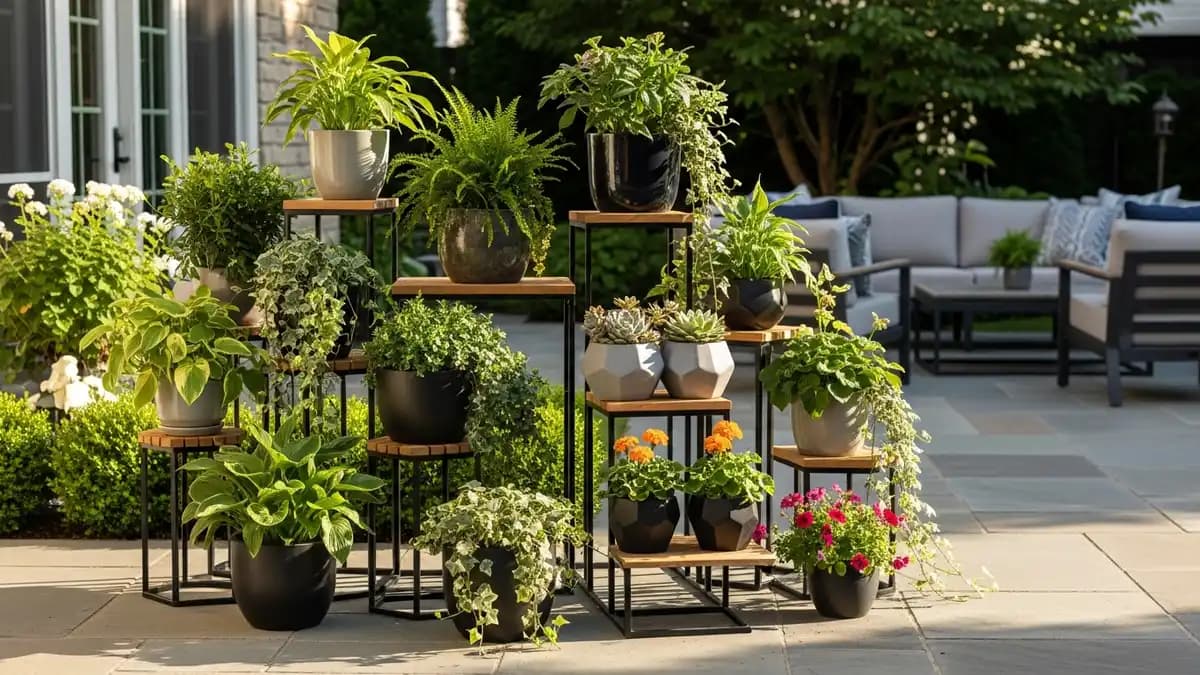
- Geometric planters that serve dual purposes as plant containers and visual anchors
- Organized storage solutions that blend seamlessly with the landscape design
Color Palette Simplification
A limited color palette creates visual cohesion and makes small spaces appear larger:
- Choose 2-3 main colors for your entire front yard design
- Use neutral tones like white, gray, and beige as your base
- Add one accent color through plants or outdoor accessories
- Ensure storage containers and organizational elements match your chosen palette
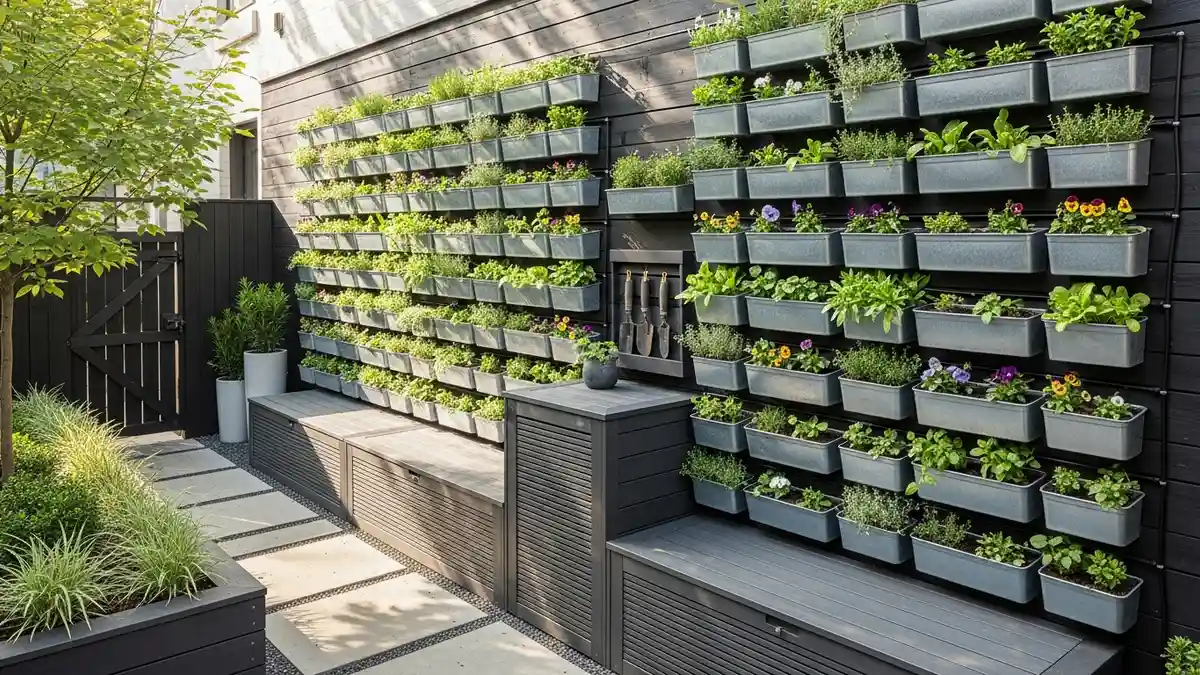
Space-Maximizing Layout Ideas for Compact Front Yards
Effective small front yard minimalist design requires strategic space planning that incorporates both aesthetic elements and practical storage needs. Vertical design elements can increase usable space by up to 40% in compact outdoor areas. For additional information, also see the guide from Real Simple.
Vertical Garden Solutions
When horizontal space is limited, think vertically:
- Install wall-mounted planters with built-in storage compartments
- Create living walls using modular planting systems
- Use tiered plant stands that incorporate tool storage
- Mount outdoor storage boxes on walls to free up ground space
The Sesoris outdoor storage collection offers weatherproof containers perfect for organizing garden tools, outdoor cushions, and seasonal decorations while maintaining your minimalist aesthetic.
Multi-Level Design Elements
Create depth and interest through strategic level changes:
- Raised planters that double as seating or storage areas
- Step-down sections that create visual zones within small spaces
- Platform areas for outdoor furniture with hidden storage underneath
- Terraced planting that maximizes growing space vertically
Plant Selection for Small Front Yard Minimalist Design
Choosing the right plants is crucial for maintaining a clean, organized look in your small front yard minimalist design. Focus on plants that provide maximum impact with minimal maintenance requirements while complementing your outdoor storage and organization systems.
Low-Maintenance Plant Options
Select plants that thrive with minimal care:
- Ornamental grasses that add texture without overwhelming small spaces
- Succulents and drought-resistant plants that require minimal watering
- Evergreen shrubs that provide year-round structure and color
- Compact perennials that return each year without replanting
Strategic Plant Placement
Position plants to enhance your space organization:
- Use taller plants as natural screens for storage areas
- Create focal points with specimen plants in attractive containers
- Group plants in odd numbers for visual appeal
- Leave adequate space between plants for easy maintenance access
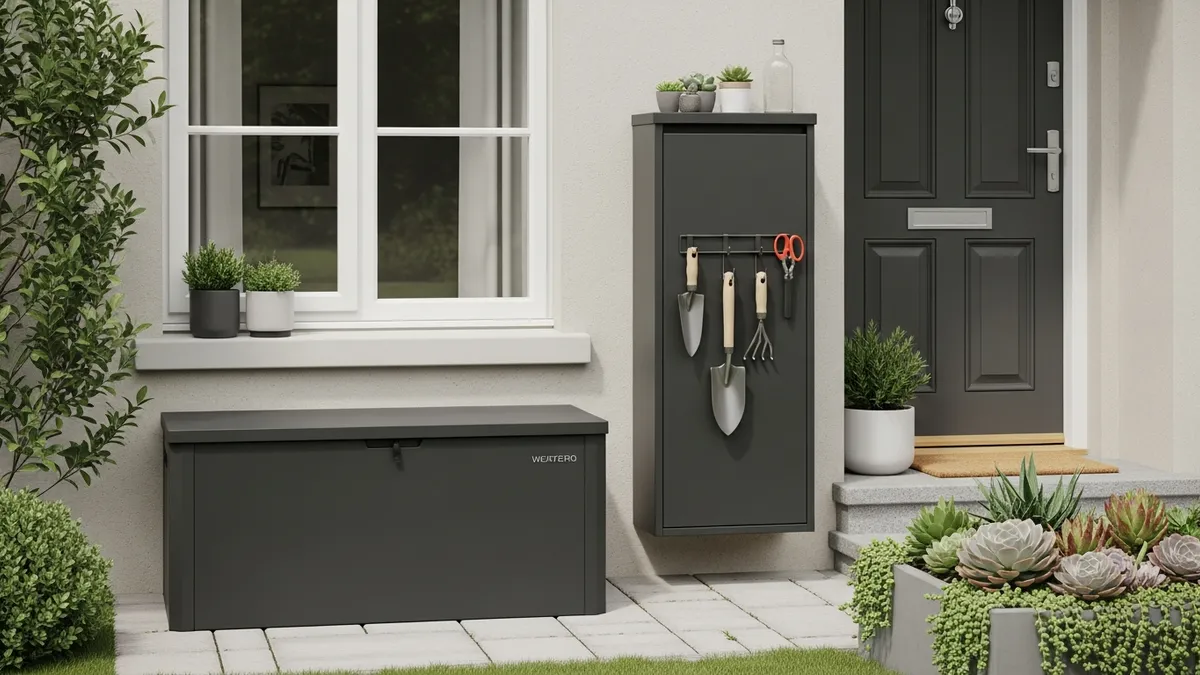
Smart Storage Solutions for Small Front Yards
Effective organization is essential in small front yard minimalist design. Every element should serve a purpose while maintaining the clean aesthetic you desire. The key is choosing storage solutions that blend seamlessly with your outdoor design.
Weatherproof Storage Options
Protect your outdoor essentials with appropriate storage:
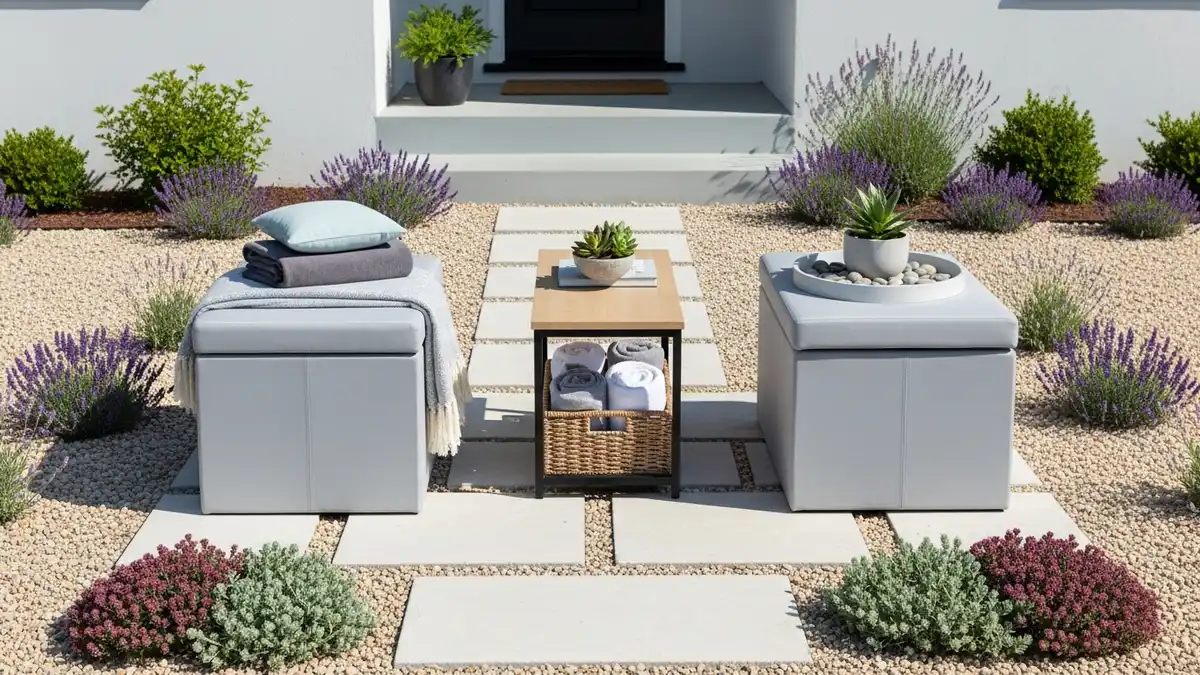
- Deck boxes that serve as seating and storage for cushions and tools
- Wall-mounted cabinets that keep garden supplies organized and accessible
- Storage ottomans that provide extra seating while hiding outdoor accessories
- Vertical storage towers that maximize storage in minimal floor space
The Sesoris storage solutions are designed to withstand outdoor conditions while maintaining the clean lines essential to minimalist design. These containers help keep garden tools, outdoor cushions, and seasonal decorations organized and easily accessible.
Hidden Storage Integration
Incorporate storage that doesn't compromise your design aesthetic:
- Built-in planters with storage compartments underneath
- Bench seating with lift-up tops for hidden storage
- False bottom planters that conceal irrigation equipment
- Sliding panels that hide utility areas behind decorative screens
Hardscaping Elements for Minimalist Appeal
Hardscaping provides the structural foundation for your small front yard minimalist design. These permanent elements should complement your storage and organization systems while creating visual interest and defining spaces within your compact area.
Pathway and Edging Solutions
Create clear definition and movement through your space:
- Concrete pavers arranged in clean geometric patterns
- Natural stone paths that provide texture while maintaining simplicity
- Steel or aluminum edging that creates crisp lines between different areas
- Decomposed granite surfaces that offer low-maintenance ground cover
Water Features and Focal Points
Add interest without overwhelming your small space:
- Small fountains that provide soothing sounds and visual appeal
- Sculptural elements that serve as focal points
- Fire bowls that extend outdoor enjoyment into cooler months
- Architectural planters that double as design statements
Lighting Design for Small Minimalist Front Yards
Proper lighting extends the usability of your small front yard minimalist design while highlighting key features and ensuring safety. Strategic lighting placement can make small spaces appear larger while showcasing your organizational systems and plant selections.
Energy-Efficient Lighting Options
Choose sustainable lighting solutions that complement minimalist design:
- LED strip lights hidden under planters or seating for subtle illumination
- Solar pathway lights that require no wiring and charge during the day
- Wall-mounted fixtures with clean lines that don't overwhelm small spaces
- Uplighting that highlights plants and architectural elements dramatically
Lighting Placement Strategies
Position lights to maximize impact in compact areas:
- Path lighting every 6-8 feet for safety and visual guidance
- Accent lighting on focal plants or water features
- Task lighting near storage areas for evening access
- Ambient lighting to create atmosphere for outdoor entertaining
Maintenance and Organization Systems
Successful small front yard minimalist design requires ongoing maintenance systems that keep your space looking pristine. Organization is key to managing the tools and supplies needed for upkeep without cluttering your carefully designed space.
Tool Storage and Organization
Keep maintenance tools organized and accessible:
- Compact tool organizers that fit inside storage benches
- Wall-mounted tool racks in hidden areas behind plants or screens
- Multi-compartment storage boxes for different types of garden supplies
- Portable tool caddies that can be moved around the yard as needed
The Sesoris tool organizers are specifically designed for outdoor use, featuring weather-resistant materials and compartments sized for common garden tools and supplies.
Seasonal Storage Solutions
Plan for changing seasons and storage needs:
- Rotating seasonal decorations stored in labeled containers
- Protective covers for outdoor furniture during harsh weather
- Flexible storage systems that adapt to different seasonal requirements
- Indoor storage backup for delicate items during extreme weather
Pro Tip: Label all storage containers clearly and position frequently used items in easily accessible locations. This maintains the organized aesthetic while ensuring functionality throughout the year.
Budget-Friendly Implementation Strategies
Creating stunning small front yard minimalist design doesn't require a massive budget. With smart planning and phased implementation, you can achieve professional results while staying within your financial constraints.
DIY vs. Professional Installation
Determine which elements you can tackle yourself:
- DIY projects: Simple plantings, container arrangements, basic storage installation
- Professional work: Electrical installations, major hardscaping, complex irrigation
- Hybrid approach: DIY preparation with professional finishing
- Phased implementation: Complete projects in stages as budget allows
Cost-Effective Material Choices
Maximize impact while minimizing costs:
- Concrete pavers instead of natural stone for pathways
- Galvanized steel containers for modern planters at lower cost
- Native plants that require less water and maintenance
- Multipurpose furniture that serves storage and seating functions
Common Mistakes to Avoid in Small Front Yard Design
Learning from common pitfalls can save time, money, and frustration in your small front yard minimalist design project. Understanding these mistakes helps ensure your space remains functional and beautiful long-term.
Overcrowding and Clutter Issues
Avoid these common overcrowding problems:
- Too many plant varieties that create visual chaos instead of calm
- Inadequate spacing between elements that makes maintenance difficult
- Storage overflow where containers become eyesores rather than solutions
- Competing focal points that divide attention and reduce impact
Scale and Proportion Errors
Maintain appropriate scale in small spaces:
- Oversized furniture that overwhelms the available space
- Tiny elements that get lost and reduce visual impact
- Inconsistent proportions between different design elements
- Improper plant sizing that disrupts the intended design balance
Related Articles
Explore other guides from Sesoris to complement your knowledge:
FAQ: Frequently Asked Questions About Small Front Yard Minimalist Design
Q: How can I make my small front yard look larger with minimalist design?
Use light colors, clean lines, and vertical elements to create the illusion of more space. Strategic lighting and mirrors can also help expand the visual boundaries of compact areas.
Q: What are the best storage solutions for small front yard spaces?
Multi-functional furniture like storage benches, wall-mounted organizers, and weatherproof deck boxes work best. Choose pieces that complement your design aesthetic while providing practical storage capacity.
Q: How much does it cost to create a small front yard minimalist design?
Costs typically range from $1500 - $5000 depending on scope and materials. DIY approaches can reduce costs by 40-60%, while professional installation ensures optimal results but increases investment.
Q: Which plants work best in small minimalist front yards?
Choose low-maintenance options like ornamental grasses, succulents, and compact evergreens. Native plants adapted to your climate require less water and care while supporting local ecosystems.
Q: How do I maintain organization in a small front yard throughout the year?
Establish regular maintenance schedules, use labeled storage systems, and implement seasonal rotation plans. Keep frequently used items easily accessible while storing seasonal items in clearly marked containers.
Q: Can I incorporate seating in a very small front yard design?
Yes, choose multi-functional pieces like storage ottomans or built-in bench seating with hidden compartments. Wall-mounted fold-down seating also works well in extremely compact spaces.
Conclusion
Creating a beautiful small front yard minimalist design requires careful planning, smart storage solutions, and attention to organization details. By implementing these 15 design ideas and focusing on multi-functional elements, you can transform even the smallest outdoor spaces into welcoming, organized areas that enhance your home's curb appeal. Remember that successful minimalist design is about maximizing impact through thoughtful simplicity rather than eliminating all elements. Explore Sesoris's complete collection of outdoor storage and organization solutions to help you achieve the perfectly organized minimalist front yard that reflects your style while maintaining functionality throughout the year.
About Tim Sesoris
The Sesoris editorial team consists of experienced writers in home organization, minimalist lifestyle, and Indonesian e-commerce. We test products, review market trends, and craft guides based on in-depth research and field experience. All recommendations are curated to give you accurate, practical, and relevant information for Indonesian households.
For questions or suggestions, contact us through the Sesoris contact page.
Weekly Home Tips
Get home organization ideas, product picks, and exclusive deals delivered weekly.
No spam. Unsubscribe anytime.
Explore More Articles
- Shoe Storage Ideas for a Garage: Safe Layouts
- Entryway Wall Organization: 15 Smart Ideas to Transform Your Home's First Impression in 2026
- Aluminum Stove Tables: Lightweight & Rust-Resistant Kitchen Solutions 2026
- Small Kitchen Cabinet Ideas: 2026 Design and Storage Guide
- 25+ IKEA Closet Organization Ideas to Transform Your Wardrobe Storage in 2026
- Enclosed Dish Racks: Dust-Free & Pest-Free Kitchen Storage
- Food Storage Containers for Pantry: Complete Guide to Perfect Organization in 2026
- Makeup Organizer: Ultimate Guide to Beauty Storage Solutions 2026