
Bedroom Lifestyle Habits That Actually Keep Your Sleep Space Calm and Organized in 2026
Discover bedroom lifestyle habits that create a calm, clutter-free sleep space in 2026. Practical daily routines to transform your bedroom for good.

Your bedroom lifestyle habits have more power over your sleep quality and daily mood than most people realize. A cluttered, chaotic bedroom does not just look messy - it actively signals stress to your brain the moment you walk in. In 2026, more Americans are rethinking what it means to truly rest, and it starts with the daily routines and small choices they make inside their most personal room. Whether your bedroom is a spacious master suite or a cozy studio corner, the habits you build around it shape how you feel every single morning and night. This article walks you through the most practical, research-backed bedroom lifestyle habits that actually stick - so your sleep space stays calm, organized, and genuinely restorative all year long.
Why Your Bedroom Lifestyle Habits Matter More Than You Think
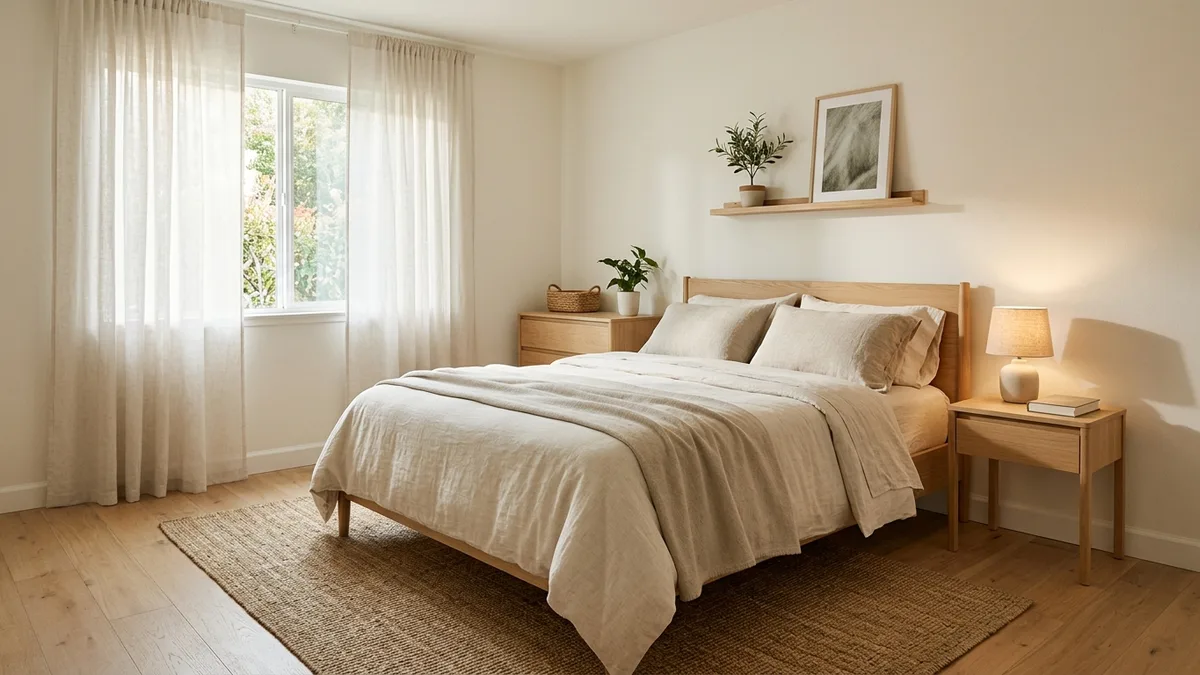
Most people think of bedroom organization as a one-time project - you declutter once, buy a few storage bins, and call it done. But organization is not a destination. It is a lifestyle. The American Academy of Sleep Medicine has long noted the connection between sleep environment and sleep quality, and a cluttered room is a measurable stressor that can interfere with your ability to wind down at night. According to research highlighted by Good Housekeeping, people who maintain tidy bedrooms report falling asleep faster and feeling more in control of their mornings.
The good news is that you do not need a full renovation or a Pinterest-perfect aesthetic to feel the difference. You just need a handful of consistent bedroom lifestyle habits practiced daily. These micro-habits compound over time, making your bedroom feel like the retreat it is meant to be rather than an overflow storage room.
The Psychology Behind an Organized Sleep Space
Your brain is wired to scan your environment for threats and unfinished tasks. When your bedroom is full of visual clutter - clothes on the chair, a pile of books on the floor, tangled cords on the nightstand - your nervous system registers all of it as unresolved work. This low-level background stress is sometimes called "visual noise," and it is one reason so many people feel tired even after a full night of sleep.
Creating a bedroom environment with intentional organization cues your brain to shift into rest mode. It is the same principle behind why hotel rooms feel instantly relaxing: everything has a place, surfaces are clear, and there is nothing competing for your attention.
The Non-Negotiable Morning Bedroom Habits
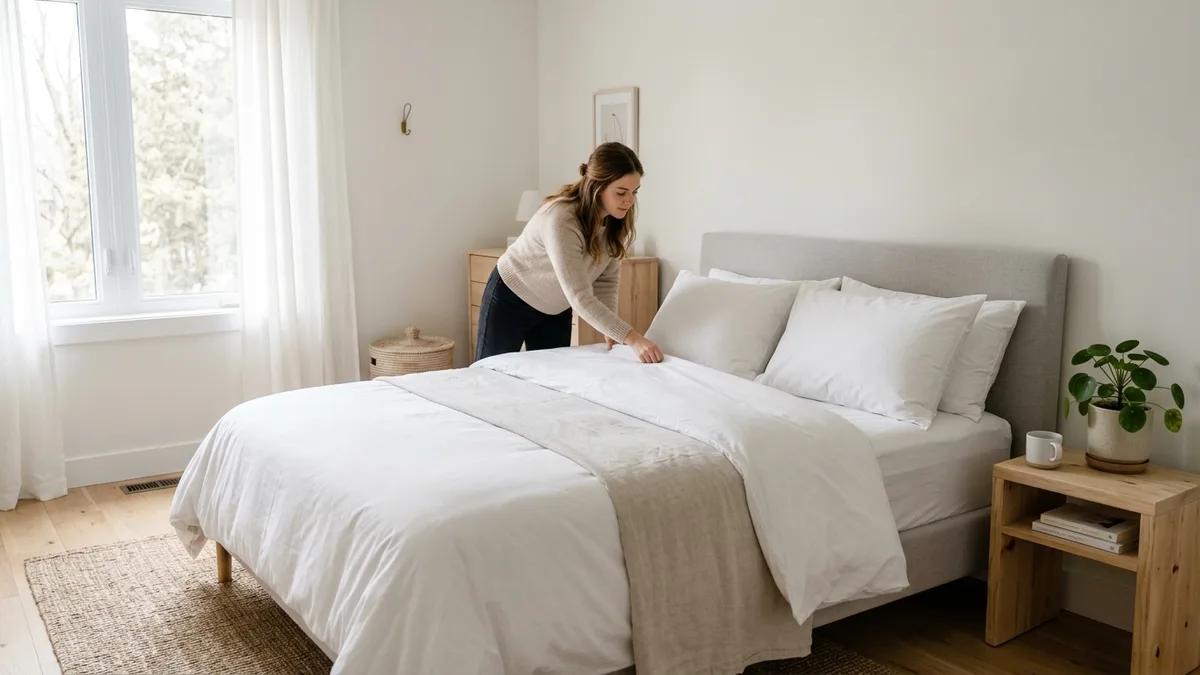
Morning is when your bedroom habits are either built or broken. These are the routines that take five minutes or less but create a ripple effect for your entire day.
Make Your Bed Every Single Morning
This one gets mentioned in nearly every productivity and lifestyle conversation for good reason: it works. Making your bed is a keystone habit - one small win that triggers a cascade of other organized behavior throughout the day. According to The Spruce, people who make their beds in the morning are also more likely to stick to budgets, exercise regularly, and feel a greater sense of accomplishment by the end of the day.
You do not need a complicated bed-making ritual. A smooth duvet or comforter pulled taut, fluffed pillows placed neatly, and a flat surface is all it takes. The goal is a visual reset that tells your brain the sleep chapter of the day is closed.
Do the Two-Minute Floor Sweep
Before you leave your bedroom in the morning, do a two-minute scan of the floor. Pick up anything that does not belong - yesterday's socks, a water bottle, a charging cable left on the carpet. Drop each item where it actually belongs. This habit prevents the slow accumulation of clutter that eventually makes your bedroom feel overwhelming.
A small woven basket or fabric bin near your closet door makes this dramatically easier. Anything that needs to leave the room goes in the basket; you deal with it the next time you naturally pass through. Sesoris carries a great range of storage solutions that work perfectly for this kind of grab-and-go organization.
Get Dressed and Put Clothes Away Immediately
The dreaded "chair" in most American bedrooms - the one that collects worn-but-not-dirty clothes - is one of the biggest sources of bedroom clutter. Building the habit of immediately putting clothes back in the closet or in the laundry basket eliminates this completely.
If the reason you pile clothes on a chair is because you are not sure they are clean or dirty, designate a specific hook or a small open bin for "worn once" items. That way they have a home that is not your furniture.
Evening Bedroom Lifestyle Habits That Set You Up for Rest
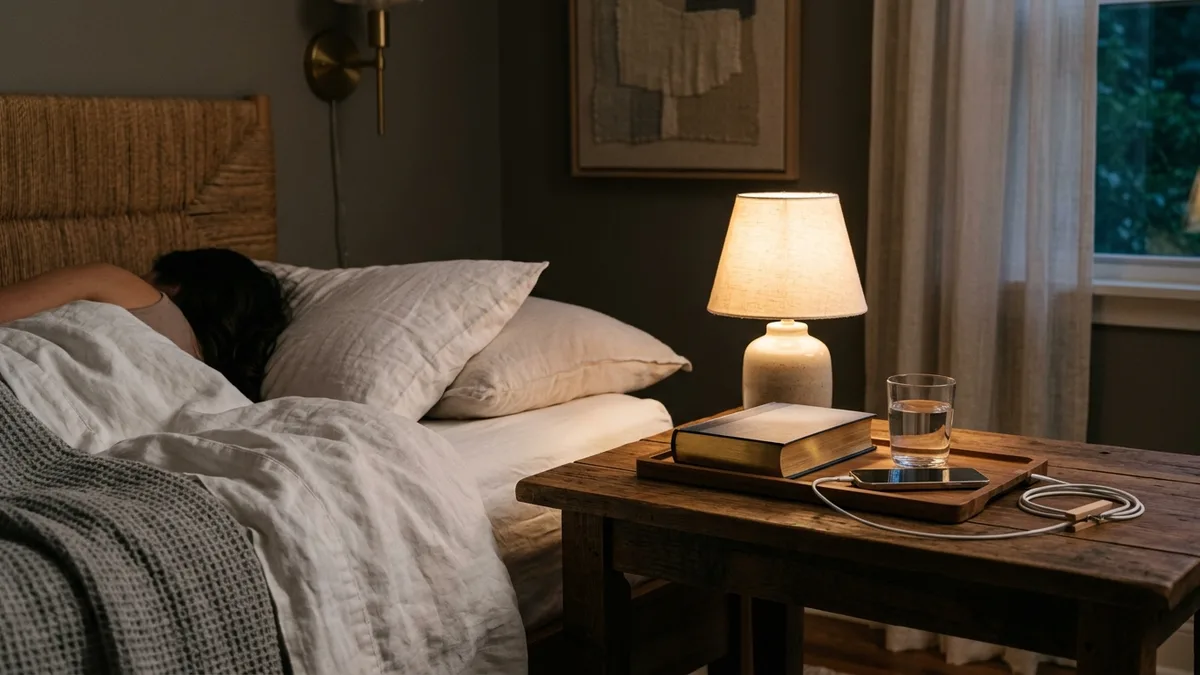
Your evening routine in the bedroom is equally important. These habits help you transition from the demands of the day into genuine, restorative rest.
Reset Your Nightstand Every Night
Your nightstand is the last thing you see before you fall asleep and the first thing you see when you wake up. Keeping it intentionally minimal makes an outsized difference to your mental state. A practical nightstand should hold only the essentials: your lamp, a book or journal, a glass of water, and one charging cable managed neatly with a cable clip or a small tray.
Spend sixty seconds each evening clearing anything that accumulated on your nightstand during the day. Receipts, lip balm, earbuds, hair ties - anything that wandered there needs to go back to its actual home. For more ideas on keeping this surface serene, explore our guide on nightstand organization ideas.
Do a Five-Minute Pre-Sleep Tidy
Before you get into bed, take five minutes to tidy the parts of the bedroom you can see from your pillow. This is not about deep cleaning - it is about removing visual noise from your sightline so your brain can fully relax. Fold anything draped over furniture, return items to their drawers, and straighten anything that feels off.
This small practice has an outsized impact on sleep quality. When your bedroom looks settled, your nervous system reads the environment as safe and calm, which speeds up the process of falling asleep.
Set Out Tomorrow's Clothes Tonight
One of the most effective bedroom lifestyle habits for reducing morning chaos is preparing your outfit the night before. This eliminates decision fatigue first thing in the morning, keeps your closet from getting ransacked in a rush, and gives you one less thing to think about when you are still half-asleep.
Fold or hang tomorrow's outfit somewhere visible - a hook on the back of your closet door or a small valet stand works perfectly. This habit is especially valuable on busy weekdays when every minute of the morning counts.
Building a Clutter-Free Closet as a Lifestyle Practice

Your closet is a direct extension of your bedroom's calm. A chaotic closet spills disorder into the rest of the room - doors left open, clothes hanging out, shoes tumbling across the floor. Treating your closet as an ongoing lifestyle practice rather than a once-a-year project keeps everything functional without major effort.
The One-In, One-Out Rule
Every time something new enters your closet - a new shirt, a new pair of shoes, a new jacket - something old leaves. This simple rule prevents accumulation without requiring a dramatic seasonal purge. Over time it naturally keeps your wardrobe at a manageable size and ensures everything you own is something you actually wear.
This habit pairs perfectly with the broader practice of capsule wardrobe principles, which many Americans have embraced as a way to simplify their morning routines and reduce the cognitive load of getting dressed.
Weekly Closet Reset
Once a week - Sunday mornings work well for most people - spend ten minutes resetting your closet. Return anything that wandered out, re-hang clothes that shifted, and refold anything that got messy. This is not about reorganizing from scratch every week. It is about maintaining a baseline level of order that took effort to establish.
For more structured closet organization strategies, our bedroom closet organization ideas guide covers dozens of practical approaches for every closet size and budget.
Use Storage That Makes Putting Things Away Easier Than Leaving Them Out
The single biggest driver of closet clutter is friction. When it is harder to put something away than to drop it on the floor, people choose the floor every time. The solution is to make storage effortless: open-top fabric bins for folded items, labeled drawer dividers, hooks at eye level for everyday bags, and shoe racks that slide in and out easily.
Browse the Sesoris collections for storage bins, dividers, and organizers that reduce the friction of putting things away, making it the path of least resistance rather than an act of willpower.
The Weekly Bedroom Reset: Your Most Powerful Habit
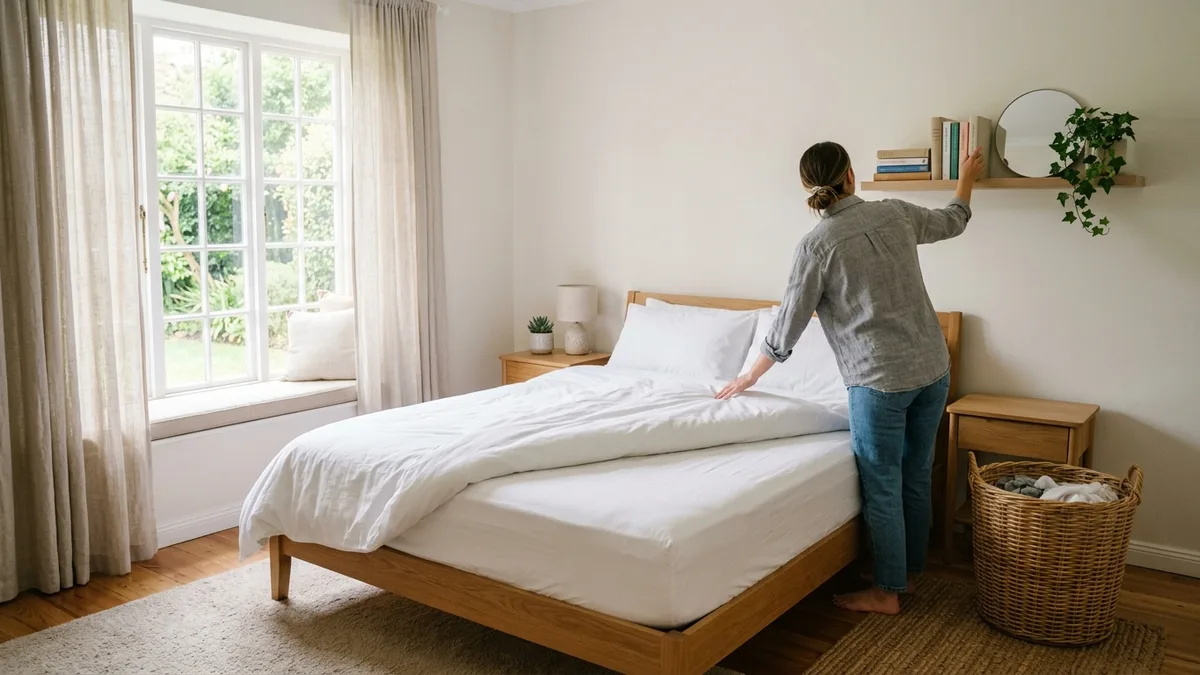
Daily micro-habits keep your bedroom functional from day to day. But a dedicated weekly reset is what maintains the deeper sense of order that makes your bedroom feel truly restorative. Think of it as a small investment of time each week that pays dividends in calm and clarity every single night.
What a Good Weekly Bedroom Reset Looks Like
A weekly bedroom reset does not need to be a full cleaning day. The goal is a structured, efficient refresh that takes thirty to forty-five minutes tops. Here is a practical framework:
- Strip and remake the bed with fresh linens. Clean bedding is one of the highest-impact upgrades to sleep quality, and the physical act of making a freshly made bed resets the room's energy instantly.
- Return everything to its home. Walk around the room with a laundry basket and collect anything out of place. Then go room by room returning items to where they belong.
- Wipe down surfaces. Nightstands, dresser tops, and any shelving collect dust and small debris over the week. A quick wipe keeps them clean and discourages clutter from accumulating.
- Vacuum or sweep the floor. Even in low-traffic bedrooms, dust and fibers build up quickly. A quick pass with a vacuum takes five minutes and makes a noticeable difference.
- Reassess your nightstand and dresser top. Remove anything that does not belong and reset these surfaces back to their intentional, minimal state.
For a broader weekly reset strategy that covers your whole home, our Sunday reset routine guide is a fantastic companion resource.
Making the Reset Enjoyable
The most sustainable habits are the ones you actually want to do. Make your weekly bedroom reset enjoyable by pairing it with something you love: a playlist you only play during resets, a podcast you have been saving, or a cup of your favorite coffee. When the activity is associated with something positive, your brain stops treating it as a chore and starts looking forward to it.
"The bedroom is not just where you sleep - it is where your mind transitions between the demands of the world and the restoration of rest. The habits you build there shape everything in between."
How Bedroom Lifestyle Habits Connect to Whole-Home Organization
One of the most underappreciated aspects of developing strong bedroom lifestyle habits is how they ripple outward into the rest of your home. When your bedroom is consistently calm and organized, that sense of order tends to spread. You start applying the same principles - things have homes, surfaces stay clear, clutter is addressed daily rather than allowed to accumulate - to your kitchen, your bathroom, your entryway.
This is why lifestyle-based organization is more powerful than product-based organization. Buying a beautiful new storage bin is helpful, but the habit of actually using it is what creates lasting change. According to Real Simple, the most organized homes belong to people who have built consistent maintenance habits, not necessarily the people with the most storage products.
That said, having the right tools genuinely does reduce friction. When your storage products are designed intuitively - easy to open, easy to close, the right size for the right item - your habits become easier to maintain. Explore Sesoris best sellers for bedroom storage options that are designed with daily usability in mind.
Connecting Bedroom Habits to Your Morning Routine
A calm, organized bedroom is the foundation of a strong morning routine. When your bedroom is clear and serene, you wake up in an environment that supports focus and intention rather than immediately triggering stress. You know where your clothes are, your nightstand is clear, your bed will take sixty seconds to make, and you can move through the morning with ease.
For a deeper look at how morning organization shapes your whole day, our morning routine organization guide covers the full picture from the moment your alarm goes off to the moment you leave the house.
Smart Bedroom Storage Habits That Prevent Clutter Before It Starts
Prevention is always easier than cure when it comes to bedroom clutter. These storage-specific habits stop mess from building up in the first place.
- Use under-bed storage intentionally. Under-bed space is prime real estate, but only if it is used for things you actually need access to. Seasonal clothing, extra linens, and shoes are ideal candidates. Avoid dumping random items under there - it becomes a black hole quickly. Our guide on best under-bed storage containers helps you choose the right containers for this space.
- Label everything in drawers and bins. Labels are not just aesthetic - they create accountability. When a drawer is labeled "workout clothes," you are far less likely to shove unrelated items in there. A simple label maker or printable labels from our storage bin labels guide can transform how consistently you maintain your system.
- Keep a donation box in your closet. A small box or bag designated for donations means that the moment you realize something no longer serves you, it goes straight in rather than back on the shelf to be dealt with "later." When the box is full, drop it off. No big decluttering sessions required.
- Do not let mail or paperwork enter the bedroom. Paper clutter is one of the fastest ways to derail bedroom organization. Make it a non-negotiable rule that mail, bills, and work documents stay out of the sleep space. Handle them at a desk or kitchen table, and keep the bedroom free from work-related items entirely.
- Charge devices outside the bedroom. Beyond the sleep quality benefits of reducing blue light exposure before bed, keeping devices - and their associated cables - out of the bedroom dramatically reduces visual clutter on nightstands and dressers. A charging station in the hallway or kitchen handles this perfectly.
- Rotate seasonal items twice a year. Each spring and fall, swap out what is in your closet and drawers. Off-season clothes, extra blankets, and seasonal accessories go into clearly labeled bins stored under the bed or in a hall closet. This keeps your daily-access space holding only what you actually need right now.
For more ideas on bedroom-specific storage that works with your lifestyle rather than against it, explore our comprehensive guide on bedroom storage solutions for small bedrooms.
Related Products from Sesoris
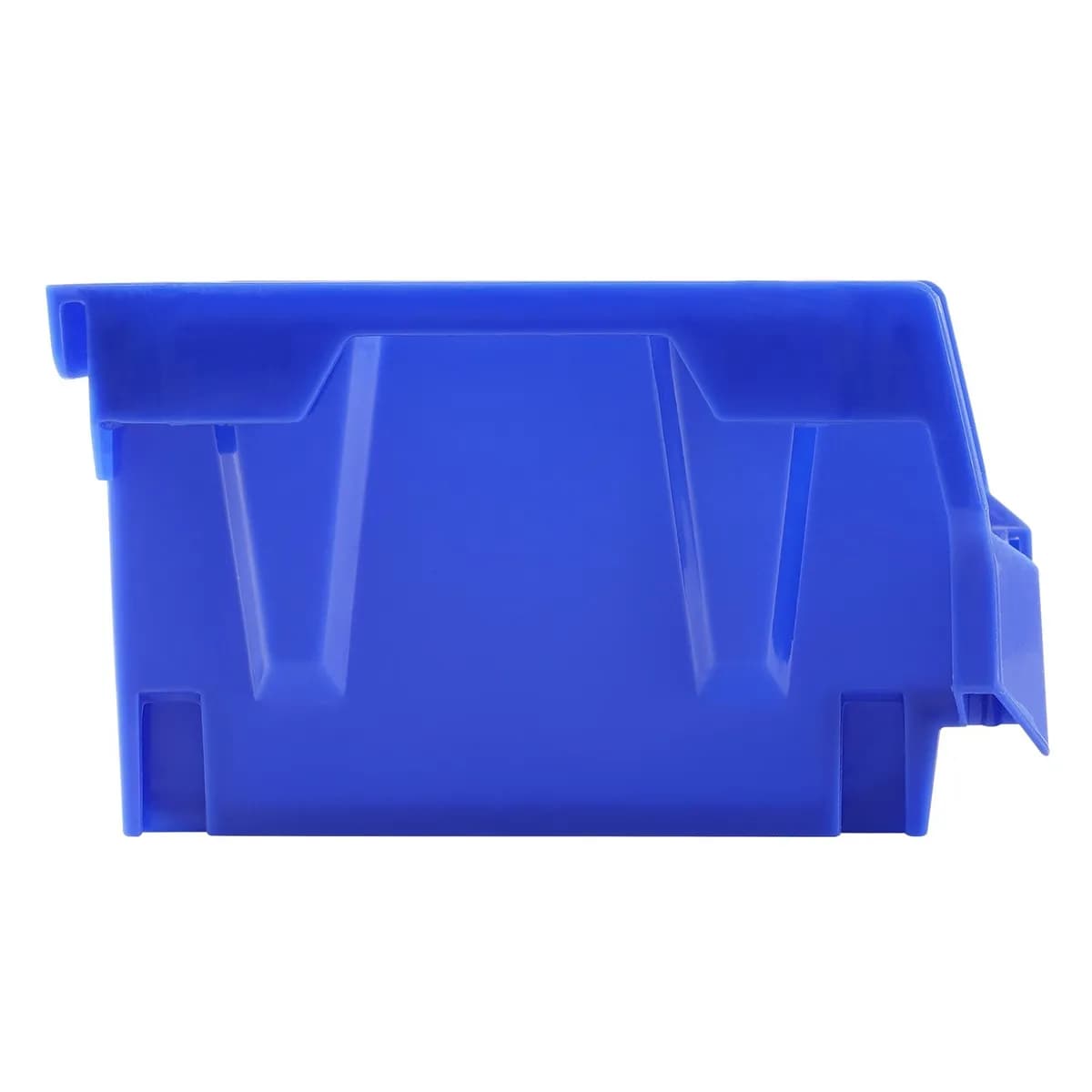
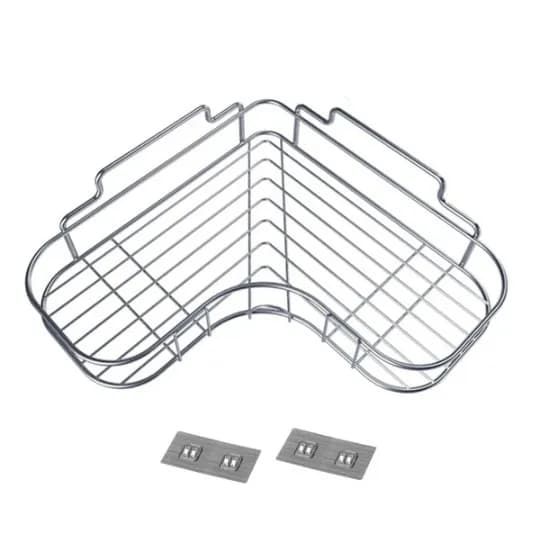
If you want to turn this guide into a real setup, start with Stackable Storage Bins, 24 Pack and Pull-Out Cabinet Organizer, 17 in. Wide. For broader options, browse the Home & Decor collection so the article journey does not stop at reading only.
Our practical rule: choose one product that solves the main clutter problem first, then add supporting organizers only when the daily workflow is already clear. This keeps the shopping path useful, not pushy.
FAQ: Frequently Asked Questions About Bedroom Lifestyle Habits
Q: How long does it take for bedroom organization habits to become automatic?
Research on habit formation, including work discussed by psychology experts at Houzz, suggests that simple repetitive behaviors typically become automatic within four to eight weeks of consistent daily practice. Start with just one or two habits - like making your bed and resetting your nightstand - and add more once those feel effortless.
Q: What is the single most impactful bedroom habit for improving sleep quality?
Most sleep and organization experts point to the evening five-minute tidy as the highest-impact single habit. Clearing visual clutter from your sightline before sleep directly reduces mental arousal, making it easier for your brain to downshift into rest mode. Pair this with keeping devices out of the bedroom and you will notice a meaningful difference within the first week.
Q: My bedroom is very small. Can these habits still help?
Absolutely - in fact, small bedrooms benefit even more from consistent habits because clutter fills the space so much faster. The same principles apply: everything has a home, surfaces stay clear, and a daily two-minute tidy prevents accumulation. Strategic storage solutions for tight spaces are covered in our small bedroom storage solutions guide.
Q: How do I get my partner on board with bedroom organization habits?
Start by making the system so easy that there is almost no friction involved. Do not impose complicated rules - just make sure every item in the bedroom has an obvious, accessible home. When the system is intuitive, partners naturally participate. Leading by example with your own habits is always more effective than asking someone to change behavior directly.
Q: What should I keep on my nightstand and what should I remove?
Keep only what you use every single night: a lamp, one book or journal, a glass of water, and one managed charging cable if needed. Everything else - extra books, multiple devices, decorative items that collect dust - should find a home elsewhere. Minimizing your nightstand is one of the fastest ways to make your bedroom feel instantly more serene.
Conclusion
Building strong bedroom lifestyle habits is one of the most worthwhile investments you can make in your daily wellbeing in 2026. It does not require a big budget, a large bedroom, or a complete renovation. It requires consistent, intentional micro-habits practiced daily: making your bed, doing a two-minute floor sweep, resetting your nightstand, putting clothes away immediately, and doing a weekly refresh. These small actions compound into a bedroom that genuinely feels like a sanctuary - a place where your mind and body can fully rest and restore.
The right storage tools make these habits dramatically easier to maintain. From under-bed storage containers to drawer organizers and fabric bins that reduce friction at every step, Sesoris has everything you need to build the organized bedroom lifestyle you deserve. Explore our new arrivals for the latest bedroom storage solutions designed for real American homes in 2026, and start with just one habit today. Your future well-rested self will thank you.
Liked this guide?
Get new organizing guides and the occasional new product by email. No spam, unsubscribe anytime.
Related articles


Explore more articles
- Productive WFH Setup for a Small Home
- 20+ Best Towel Rack Ideas for Kitchen: Stylish & Functional Solutions in 2026
- 35+ Brilliant IKEA Pantry Organization Ideas to Transform Your Kitchen Storage in 2026
- Minimalist Kitchen Islands: Modern Design Solutions for Small Homes
- Entryway Closet Organization: 25+ Smart Ideas to Transform Your Home's First Impression in 2026
- 25+ Creative Walk In Pantry Organization Ideas to Transform Your Kitchen Storage in 2026
- Storage Racks for Items: Complete Guide to Home Organization Solutions 2026
- Stove Rack Storage: Organize Your Cooking Area for Maximum Efficiency