
Kitchen Bakers Rack Ideas: 12 Ways to Use an Open Rack Without the Clutter
Kitchen bakers rack ideas for coffee stations, bread and baking, small appliances, open pantry storage, herbs and corners, plus how to load the shelves safely and keep the rack tidy.
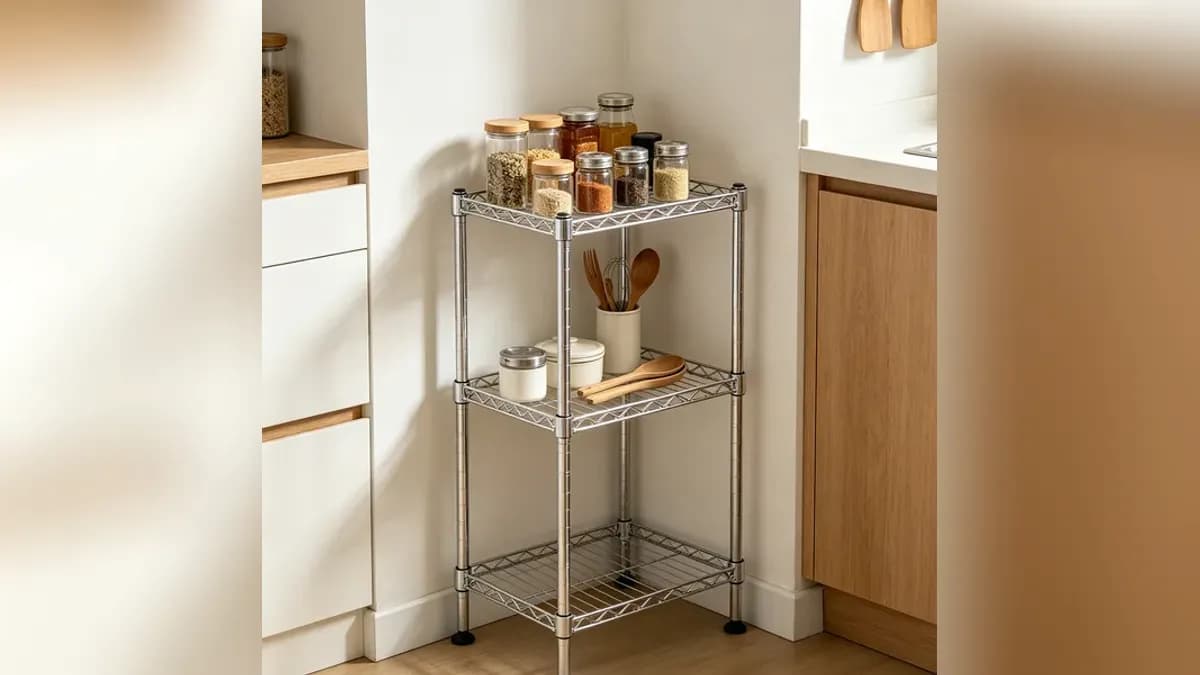
The best kitchen bakers rack ideas turn an open-shelf rack into a working station instead of a place where things pile up. Give the rack one main job, such as a coffee bar, a bread and baking station, a small appliance garage or open pantry storage, put heavy items on the lowest shelf, keep everyday items at counter height, and anchor the rack to the wall if it is tall or carries weight up high.
A baker's rack is one of the most flexible pieces of furniture in a kitchen. Traditionally it is a freestanding metal or wood frame with open shelves, sometimes with a wood work surface, a wine slot or hooks along the sides. Because it is open, it shows everything you put on it, which is both the appeal and the risk. This guide covers how to choose a layout, twelve ideas for using a baker's rack in different kitchens, how to load the shelves safely and how to keep the rack tidy week to week.
Kitchen Bakers Rack Ideas at a Glance
Start by choosing the job the rack will do. One clear job keeps the shelves from becoming a catch-all. Use this table to match an idea with the kitchen it suits best.
| Rack idea | What goes on it | Best kitchen fit | Key tip |
|---|---|---|---|
| Coffee and tea station | Coffee maker, mugs, beans, tea, sweeteners | Kitchens with a free wall near an outlet | Keep mugs at eye level and refills below |
| Bread and baking station | Bread box, mixing bowls, flour and sugar jars | Home bakers with little counter space | Store heavy mixers on the lowest shelf |
| Small appliance garage | Air fryer, toaster, slow cooker | Kitchens with crowded counters | Follow each appliance's manual for clearance and venting |
| Open pantry | Canned goods, snacks, baskets of produce | Kitchens without a pantry closet | Group food in labeled bins |
| Cookbook and recipe shelf | Cookbooks, recipe binder, tablet stand | Cooks who follow recipes daily | Keep books away from the stove and sink |
| Plant and herb rack | Potted herbs, small plants, watering can | Kitchens with a bright window | Put a tray under each pot |
| Serving and entertaining rack | Platters, cake stands, glassware | Kitchens next to a dining area | Use the top shelf for rarely used pieces |
| Corner rack | Spices, oils, utensil crocks | Small or awkward corners | Choose a narrow footprint |
If you are not sure which job fits, look at what is crowding your counter right now. The rack should take that load off the counter. Our kitchen counter organization ideas can help you decide what really needs to stay on the counter.
1. Build a Coffee and Tea Station
A coffee station is one of the most popular uses for a baker's rack because it gathers everything for one routine in one place. Put the coffee maker or kettle on the shelf at counter height, mugs on the shelf above, and beans, filters, tea and sweeteners in lidded jars on the shelf below. A small tray under the machine catches drips and makes wiping up quick. Place the rack near an outlet so the cord does not stretch across a walkway. For more layouts, see our full coffee station organization guide.
2. Create a Bread and Baking Station
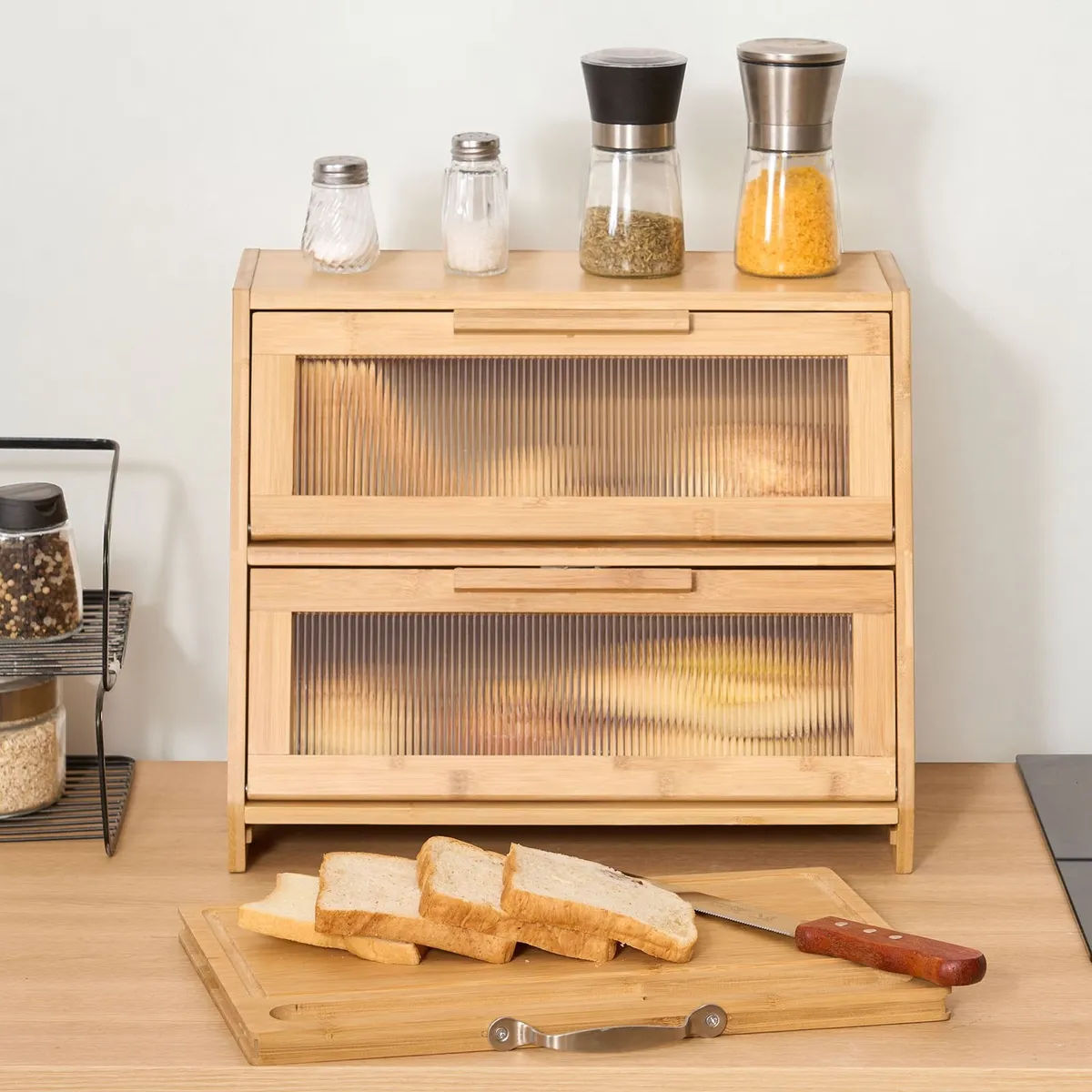
A baker's rack suits its name when it holds baking supplies. Keep flour, sugar and baking mixes in clear lidded jars on one shelf, mixing bowls and measuring cups on another, and a bread box on the work surface so the loaf you use every morning is always in reach.
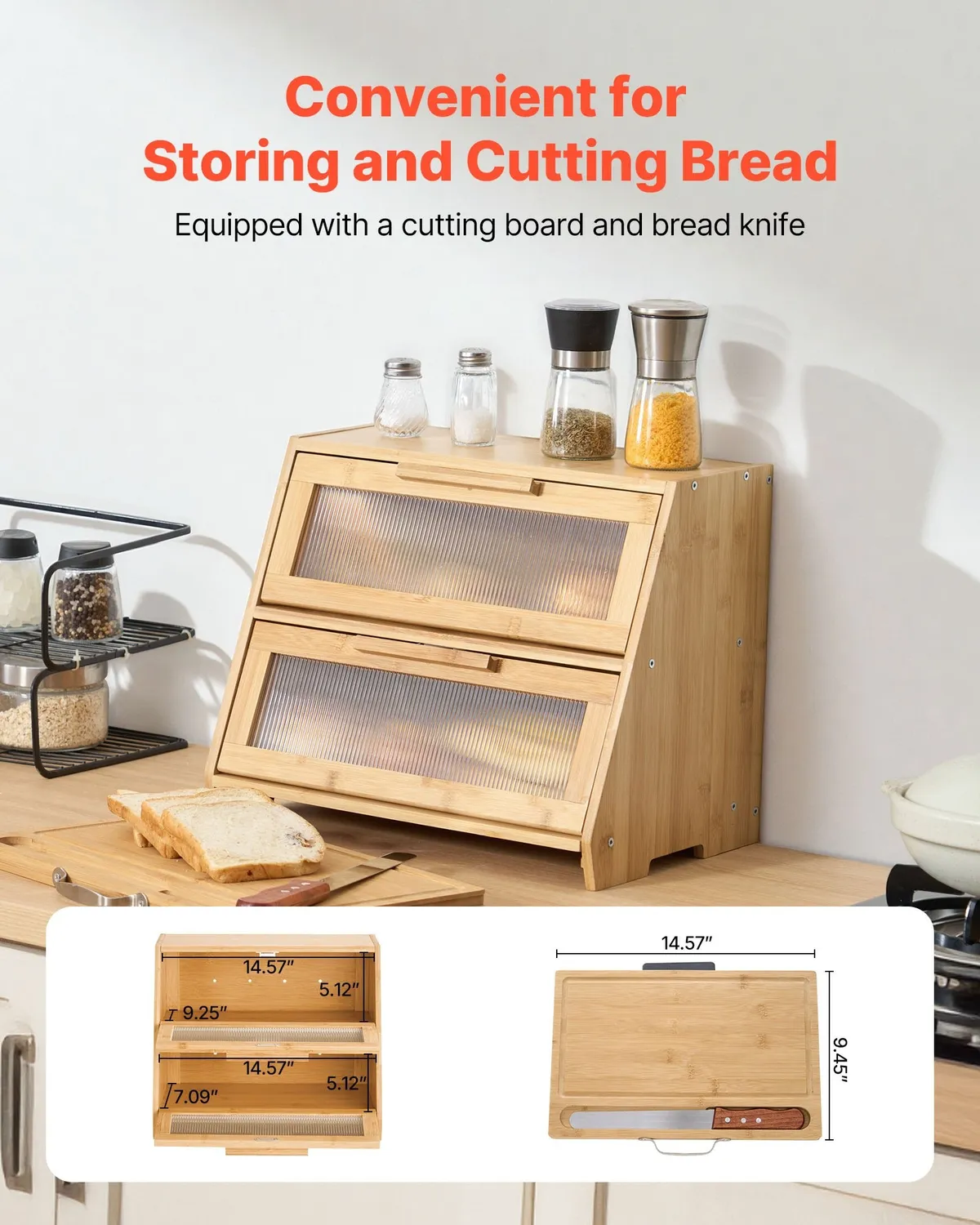
A bread box with a built-in board saves even more space. The double-layer bamboo bread box measures 15.35 x 10.24 x 12.60 inches and comes with a 14.57 x 9.45 inch cutting board and a bread knife, so one shelf holds storage and a slicing surface.
3. Turn the Rack Into a Small Appliance Garage
Air fryers, toasters, slow cookers and stand mixers take up a lot of counter space. Moving the ones you use weekly to a baker's rack frees the counter for prep. Put the heaviest appliance on the lowest shelf and the lightest at counter height where you will actually use it.
Before you plug anything in on a rack, read the appliance's manual. Many manufacturers specify how much space to leave around the unit for heat and steam, and some say the appliance must sit on a heat-resistant surface. Do not push a heat-producing appliance against the back of a shelf if the manual asks for clearance. If you want to move a microwave off the counter, our microwave wall shelf ideas guide covers the safety points to check first.
4. Use It as an Open Pantry
Kitchens without a pantry closet can use a baker's rack as an open pantry. The secret is containers. Loose cans and bags look messy on open shelves, but matching bins with labels look intentional and keep small packets from sliding off.
- Put canned goods and jars on the lowest shelf, where their weight is safest. - Use bins for snacks, packets and baking mixes, with one category per bin. - Keep produce that does not need refrigeration, such as onions and potatoes, in breathable baskets. - Leave the top shelf for backup supplies you only reach for once a week.
Our pantry shelving ideas and small kitchen organization ideas have more ways to sort food on open shelves.
5. Fit a Compact Rack Into a Corner
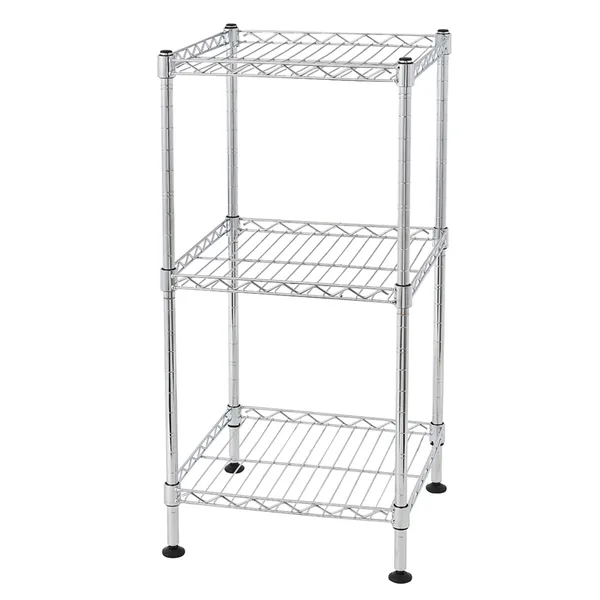
Not every kitchen has a free wall. A narrow wire rack can turn an unused corner beside the fridge or at the end of a counter into storage. The 3-tier chrome wire shelving rack is 11.8 inches wide, 11.8 inches deep and 23.6 inches tall, with a rated capacity of 66 pounds per shelf, which makes it a good size for a counter corner or the floor beside a cabinet.
Small racks work best for items you grab while cooking: spices, oils, a utensil crock and salt. For more corner solutions, see our kitchen storage rack buying guide.
6. Make a Cookbook and Recipe Shelf
If you cook from books, give them a shelf on the rack at eye level with bookends to keep them upright. Add a recipe binder or a tablet stand on the work surface so the recipe sits in view while you cook. Keep this rack away from the stove and sink so pages stay dry and free of grease.
7. Grow Herbs and Plants on the Rack
A baker's rack near a bright window can hold potted herbs such as basil, parsley and mint, along with a few small houseplants. Put a drip tray under every pot to protect the shelf, and place the plants that need the most light on the shelf closest to the window. A small watering can on the bottom shelf keeps the routine simple. Our indoor plant shelf ideas guide has more ways to arrange pots on open shelves.
8. Store Serving Pieces for Entertaining
Platters, cake stands, serving bowls and glassware often take up cabinet space for most of the year. A baker's rack near the dining area can hold them in plain view, ready for guests. Stand platters upright with a plate rack, stack bowls by size, and keep glassware on a shelf away from the edge.
9. Add Hooks for Mugs, Towels and Utensils
Many baker's racks have side rails or a front bar. Use S-hooks to hang mugs, oven mitts, kitchen towels or a few frequently used utensils. Hooks use space that would otherwise go to waste and keep everyday items off the shelves.
10. Use Clear Jars for a Display Shelf
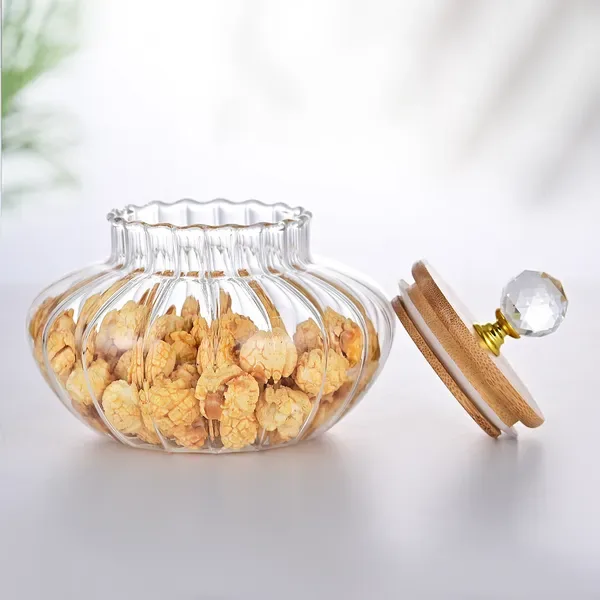
Open shelves look calmer when containers match. Decant dry goods such as pasta, rice, oats and snacks into clear glass jars with lids so you can see when supplies run low. The ribbed glass jar with a wooden lid is made of borosilicate glass and has a gasket ring under the lid, so it works for snacks and dry goods on a visible shelf.
11. Pair the Rack With a Wine Slot
Some baker's racks include a built-in wine rack, usually on the lowest or top tier. If yours does, keep bottles lying on their side in the slots and store glasses on the shelf above. If it does not, a small wine holder on the bottom shelf works the same way. Our kitchen wine rack ideas cover more bottle and glass layouts.
12. Style the Top Shelf, Then Stop
The top shelf is the hardest to reach and the most visible. Use it for one or two decorative pieces, a large serving bowl or backup supplies in a lidded basket. Resist filling every gap. Leaving some empty space is what makes an open rack look organized instead of crowded.
How to Load a Baker's Rack Safely
Weight distribution matters more on an open rack than in a closed cabinet. Follow a simple top-to-bottom rule.
| Shelf position | What to store | Why |
|---|---|---|
| Top shelf | Light, rarely used items, decor | Easy to knock over and hard to reach |
| Eye level | Mugs, jars, items you use daily | Easy to see and grab |
| Counter height or work surface | Appliances in use, bread box, prep tools | Comfortable working height |
| Lower shelves | Heavy appliances, canned goods, bulk bags | Low weight keeps the rack stable |
Check the weight rating for each shelf before loading heavy items, and spread the load across the shelf rather than placing everything in the middle. Tall racks can tip if weight sits high or if a child climbs them. The US Consumer Product Safety Commission's Anchor It campaign says that anchoring all furniture with drawers, doors and shelves to the wall prevents tip-over injuries and deaths, and walks through the basic steps: attach a bracket to the wall, move the furniture close, attach a bracket to the furniture, connect the strap and tighten it. Use the hardware that came with your rack, or an anti-tip kit suited to it.
Choosing the Right Baker's Rack
Measure before you shop. Note the width of the wall, how far the rack can project into the room without blocking a walkway or a door swing, and the height under any wall cabinets or windows. Then check these features:
- Material. Metal racks are slim and strong. Wood racks feel warmer and often include a solid work surface. Wire shelves let air circulate but need a liner or bins for small items. - Shelf spacing. Make sure your tallest appliance or jar fits between shelves, and look for adjustable shelves if your needs might change. - Work surface. A solid wood or butcher-block surface at counter height gives you extra prep space. - Load rating. Compare the per-shelf rating with the heaviest items you plan to store. - Footprint. In a small kitchen, a narrow, tall rack usually works better than a wide, low one, as long as it is anchored.
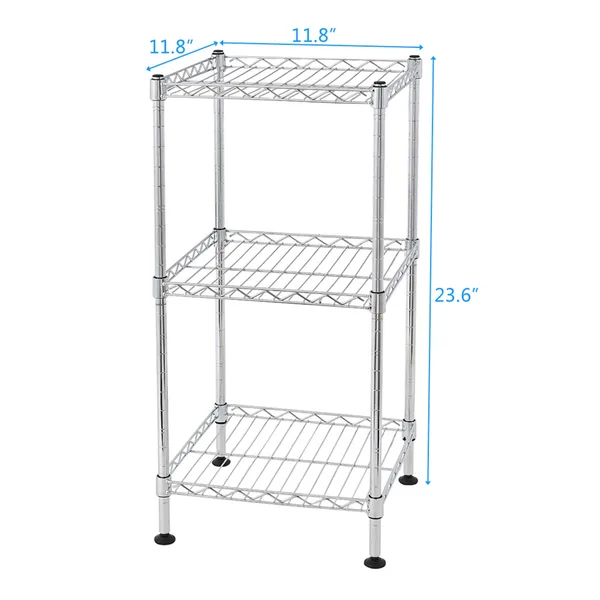
Product listings usually show dimensions like the ones above. Compare all three numbers with your tape measure readings before you order, and remember that the height of the tallest item you plan to store matters as much as the rack's overall height.
If budget is the deciding factor, our guide to cheap kitchen storage racks compares low-cost shelving that does the same job.
Keeping a Baker's Rack Tidy
An open rack needs a little upkeep to stay useful.
- Reset it once a week. Return anything that wandered onto the rack from elsewhere in the kitchen. 2. Wipe the shelves where food or coffee sits, since open shelves collect dust and drips. 3. Rotate food so the oldest packages sit in front. 4. Edit seasonally. Swap serving pieces for holiday platters and back again so the rack stays relevant. 5. Keep one empty spot on a working shelf for groceries or a dish you are cooling.
For whole-room routines, see our small kitchen organization tips and open shelving kitchen ideas.
Frequently Asked Questions
What is a baker's rack used for in a kitchen?
A baker's rack is a freestanding open-shelf unit that adds storage and display space. In modern kitchens it is often used as a coffee station, a bread and baking station, a small appliance garage, an open pantry or a place to display serving pieces and plants.
How do you decorate a kitchen baker's rack?
Give it one main job, then style around it. Use matching containers, keep everyday items at eye level, put a plant or a serving bowl on the top shelf and leave some empty space so the rack does not look crowded.
Can you put a microwave on a baker's rack?
Only if the shelf is rated for the microwave's weight and the setup meets the clearance and ventilation requirements in the microwave's manual. Check the shelf's load rating and the manual before moving the microwave, and anchor the rack if it is tall.
Should a baker's rack be anchored to the wall?
Tall racks, and any rack that carries heavy items on upper shelves, should be anchored. The US Consumer Product Safety Commission's Anchor It campaign says anchoring furniture with shelves to the wall prevents tip-over injuries and deaths, which matters most in homes with young children.
Where should a baker's rack go in a small kitchen?
Look for an unused wall, the end of a counter run or a corner beside the fridge. Choose a narrow rack that does not block walkways or door swings, and place it near an outlet if it will hold a coffee maker or appliance.
What is the difference between a baker's rack and a regular shelf?
A baker's rack is usually a freestanding piece designed for the kitchen, often with a work surface, hooks or a wine slot. A regular shelf is usually wall-mounted or plain shelving. Both can hold kitchen items, but a baker's rack is more like a small piece of furniture.
How much weight can a baker's rack hold?
It depends on the model. Always check the manufacturer's rating per shelf. For example, the 3-tier chrome wire rack sold by Sesoris is rated for 66 pounds per shelf. Put the heaviest items on the lowest shelf.
How do you keep a baker's rack from looking cluttered?
Use matching bins or jars, group items by category, limit decor to one or two pieces and reset the shelves once a week. An open rack looks organized when every item has a fixed spot.
Final Thoughts
A baker's rack works best when it has a clear job and a simple loading rule: heavy items low, daily items at eye level and light decor on top. Pick the idea that solves your biggest counter problem, anchor the rack if it is tall and keep it tidy with a quick weekly reset. For more ways to stretch a small kitchen, explore our small space kitchen storage ideas.
Liked this guide?
Get new organizing guides and the occasional new product by email. No spam, unsubscribe anytime.
Related articles
Explore more articles
- How to Build a Custom Under-Stair Storage System: Complete Step-by-Step Tutorial for 2026
- Best Desk Organizer Accessories Review 2026: Top Picks for a Cleaner, More Productive Workspace
- How to Organize Kitchen Cabinets Step by Step: Complete Tutorial for a Functional, Clutter-Free Kitchen in 2026
- How to Organize a Linen Closet Step by Step: Complete Tutorial for a Tidy, Functional Space in 2026
- Best Garage Storage Solutions: A Source-Backed Practical Guide for 2026
- How to Plan Wall to Wall Shelf Ideas That Actually Work: A Practical 2026 Guide
- 25+ Best Kitchen Cupboards Organizer Ideas to Transform Your Storage Space in 2026
- Airtight Pet Food Storage Containers: The Complete 2026 Review & Buying Guide to Keep Kibble Fresh