
Dish Rack for Kitchen Cabinet: 2026 Buying Guide
Find the best dish rack for kitchen cabinet setups. A complete guide to choosing, installing, and maintaining in-cabinet dish racks for a tidier kitchen.
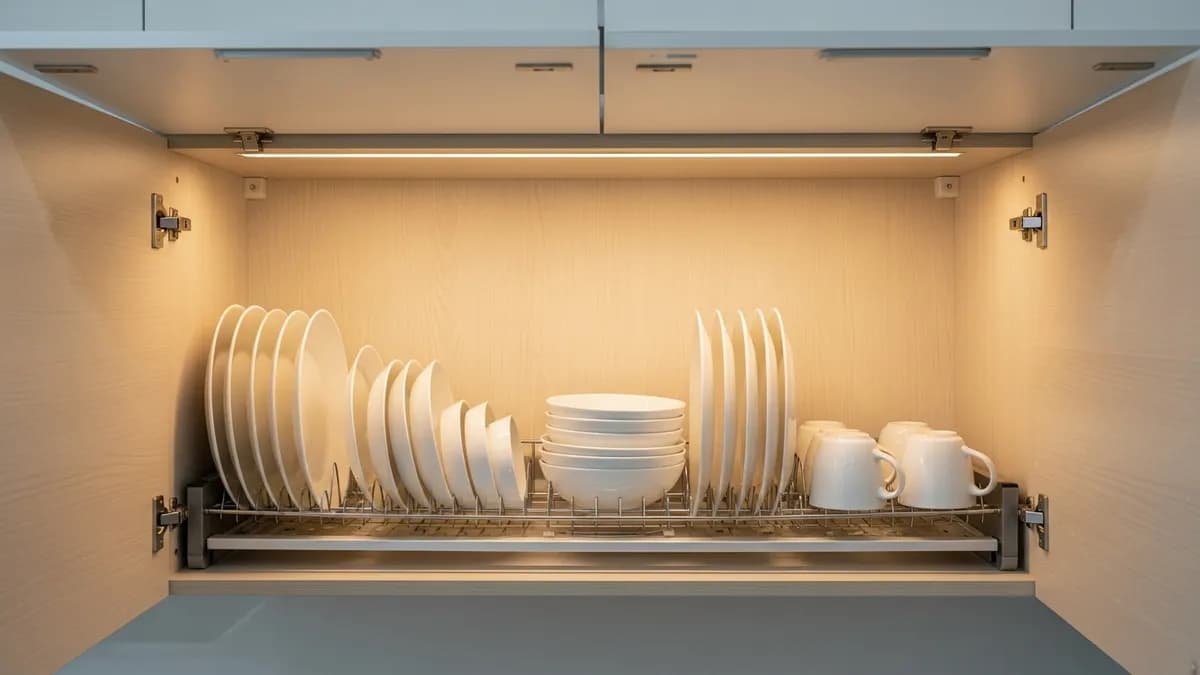
For many families, the kitchen is the heart of the home. Without the right storage system, though, it can quickly feel cramped and cluttered, especially when dishes pile up everywhere. One solution that keeps gaining popularity in 2026 is the dish rack for kitchen cabinet, a plate rack designed to be installed inside your kitchen cabinets. With this approach, plates, bowls, and glasses stay neatly tucked behind cabinet doors, and your countertops look clean and organized all day long.
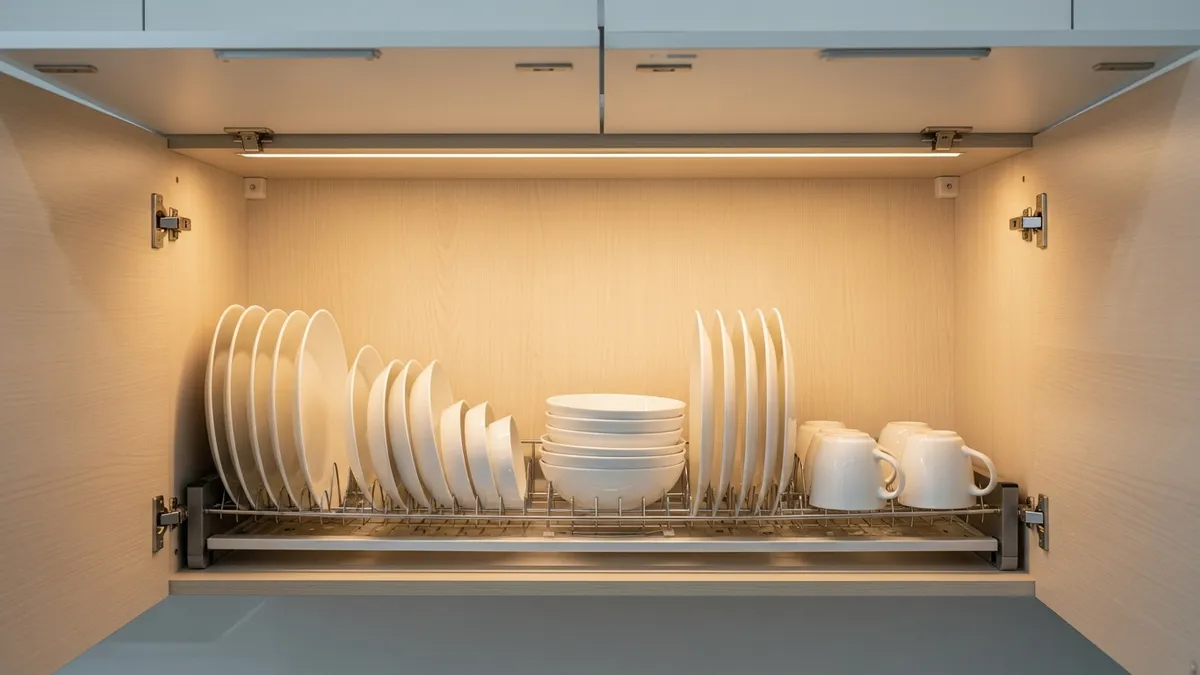
What Is a Dish Rack for Kitchen Cabinet and Why Does It Matter?
A dish rack for kitchen cabinet is a plate rack that mounts inside a kitchen cabinet rather than sitting on the counter or next to the sink like a conventional dish rack. The concept integrates dish storage directly into your cabinetry, so it takes up zero extra counter space.
Unlike over-the-sink dish racks, an in-cabinet dish rack hides your dishes behind closed doors, which makes the whole kitchen look tidier. It is ideal for the compact kitchens common in small homes, apartments, and condos.
A storage system built into the cabinet takes advantage of vertical space that usually sits empty. The result is not just a cleaner look; it also shortens the daily loop of grabbing, washing, drying, and putting dishes away.
Key Benefits of Using a Dish Rack Inside Your Cabinet
- A cleaner-looking kitchen because no dishes are left out on the counter
- Protection from dust since everything is stored inside a closed cabinet
- Maximized vertical space that often goes unused
- Easier access because all your dinnerware is organized in one place
- Perfect for small kitchens that have no room for extra racks outside the cabinets
- A more polished look that fits modern minimalist design
Types of Dish Racks for Kitchen Cabinets on the Market
Before you buy, it helps to understand the different types of in-cabinet dish racks available. Each type has its own characteristics, strengths, and trade-offs.
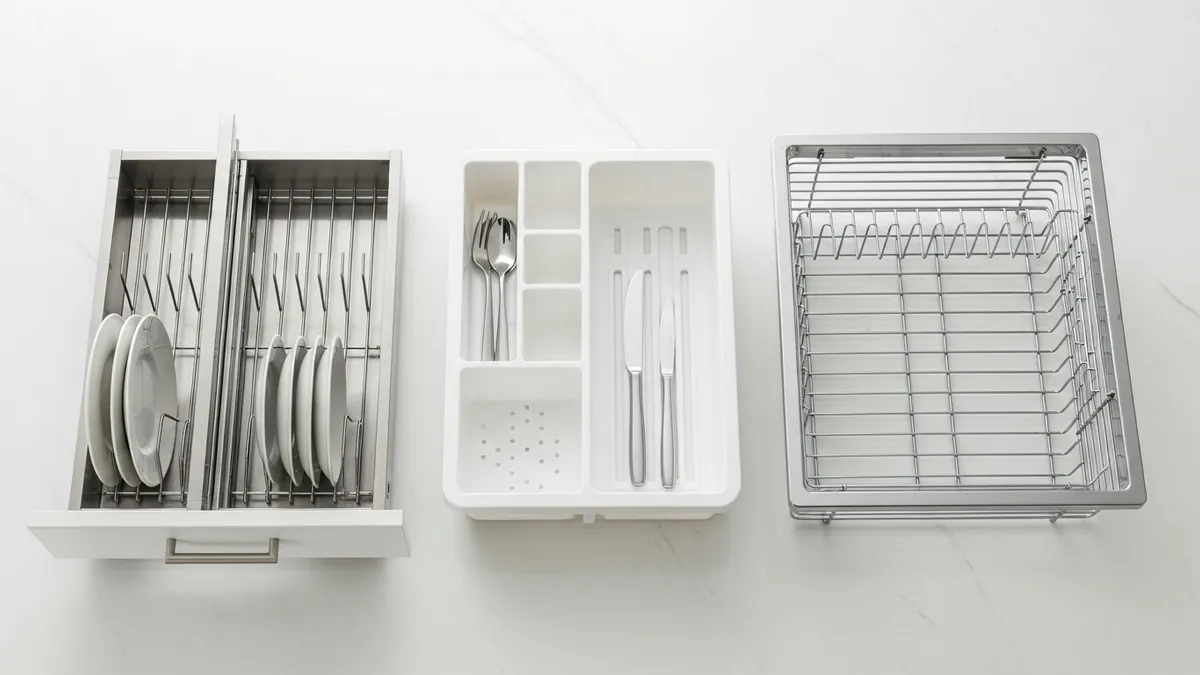
1. Pull-Out Dish Rack
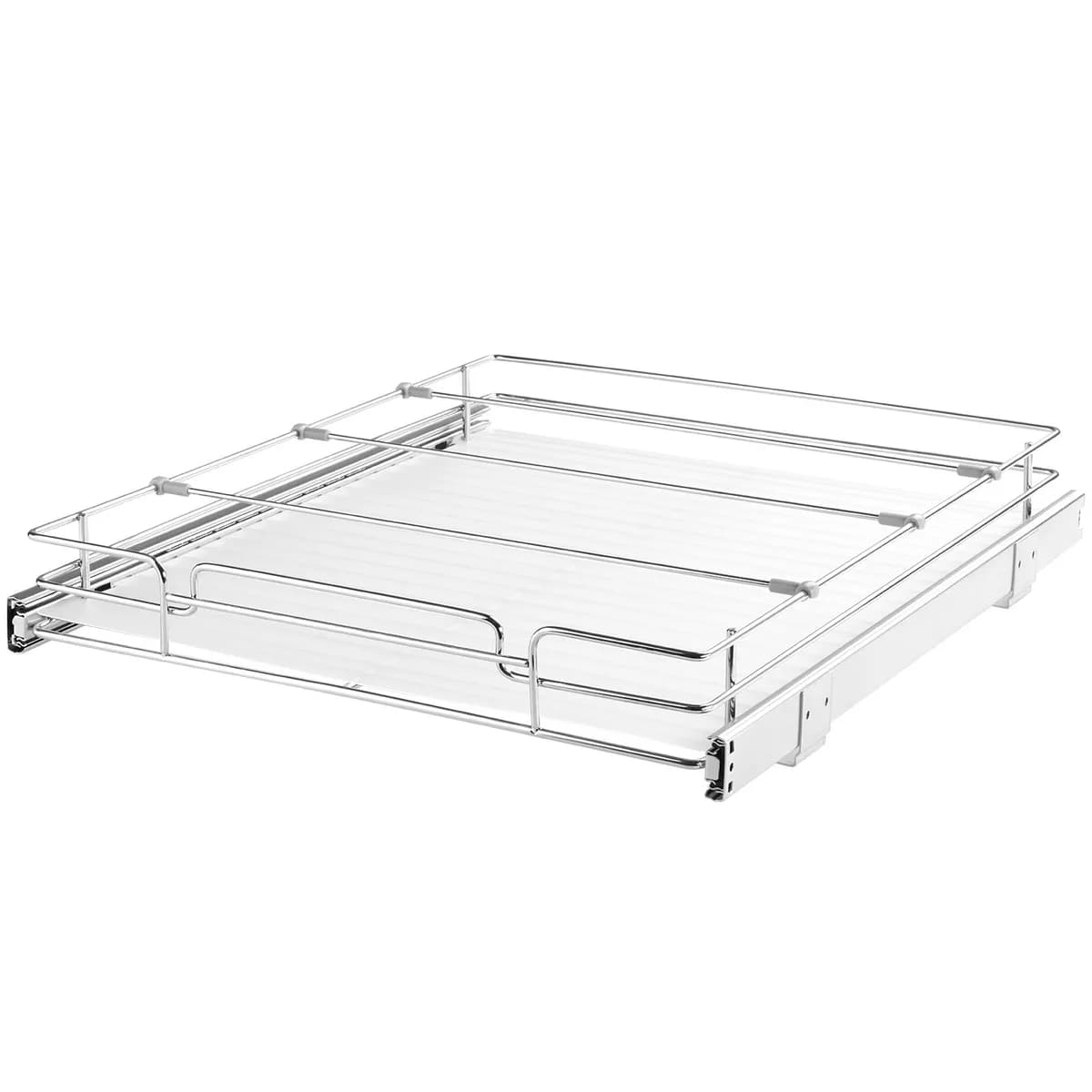
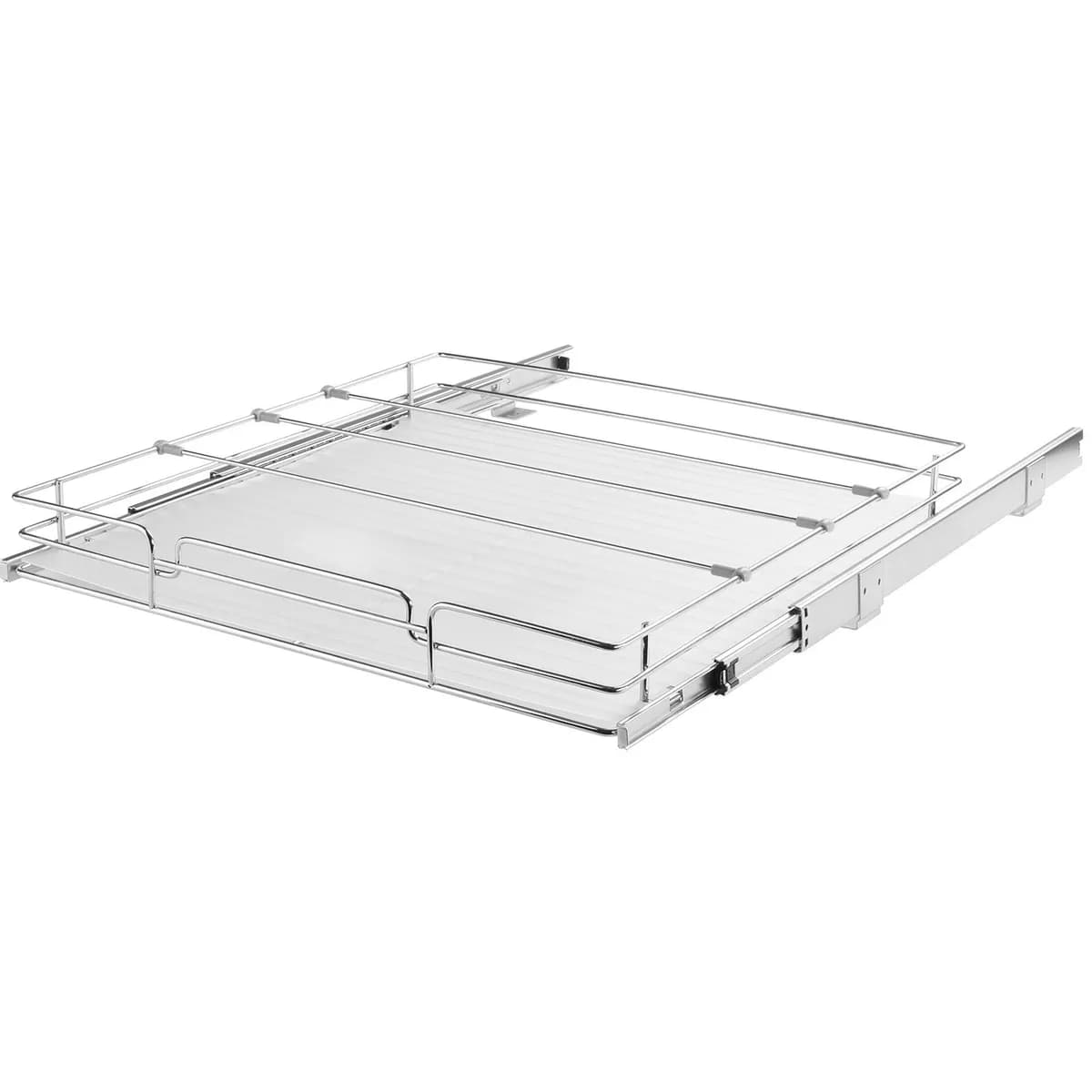
The pull-out rack is the most popular type for modern kitchen cabinets. It mounts on drawer slides inside the cabinet and glides all the way out, so everything is easy to reach.
- Pros: Easy access to every item, great for base cabinets under the counter
- Cons: Requires slightly more involved drawer-slide installation
- Best for: Base (lower) cabinets at least 18 inches deep
2. Fixed Wire Rack Insert
A fixed wire rack is a steel or wire insert that mounts permanently inside the cabinet. It usually has vertical slots that hold plates upright, making them easier to grab.
- Pros: More affordable, easy to install, good airflow so dishes dry faster
- Cons: Not easy to reposition once installed
- Best for: Both upper and lower cabinets
3. Modular Cabinet Rack
A modular rack is made up of components you can combine to fit your needs. For example, one section for plates, one for bowls, and hooks for mugs.
- Pros: Very flexible, adapts to your cabinet size and dish collection
- Cons: Usually more expensive
- Best for: Households with a varied collection of dinnerware
4. Bamboo and Wooden Racks for Cabinets
For a warmer, more natural look, bamboo and wooden racks are also available in versions designed specifically for cabinets. These materials add a cozy touch to the inside of your cabinetry.
- Pros: Beautiful, eco-friendly, gentle on the surfaces of your dishes
- Cons: Needs extra care in humid kitchens to prevent moisture damage and mold
- Best for: Japandi or natural minimalist kitchens
How to Measure Your Cabinet Before Buying a Dish Rack
The most critical step before buying a dish rack for kitchen cabinet is measuring your cabinet accurately. Get the measurements wrong and the rack will not fit, or it will be too small to make a real difference.
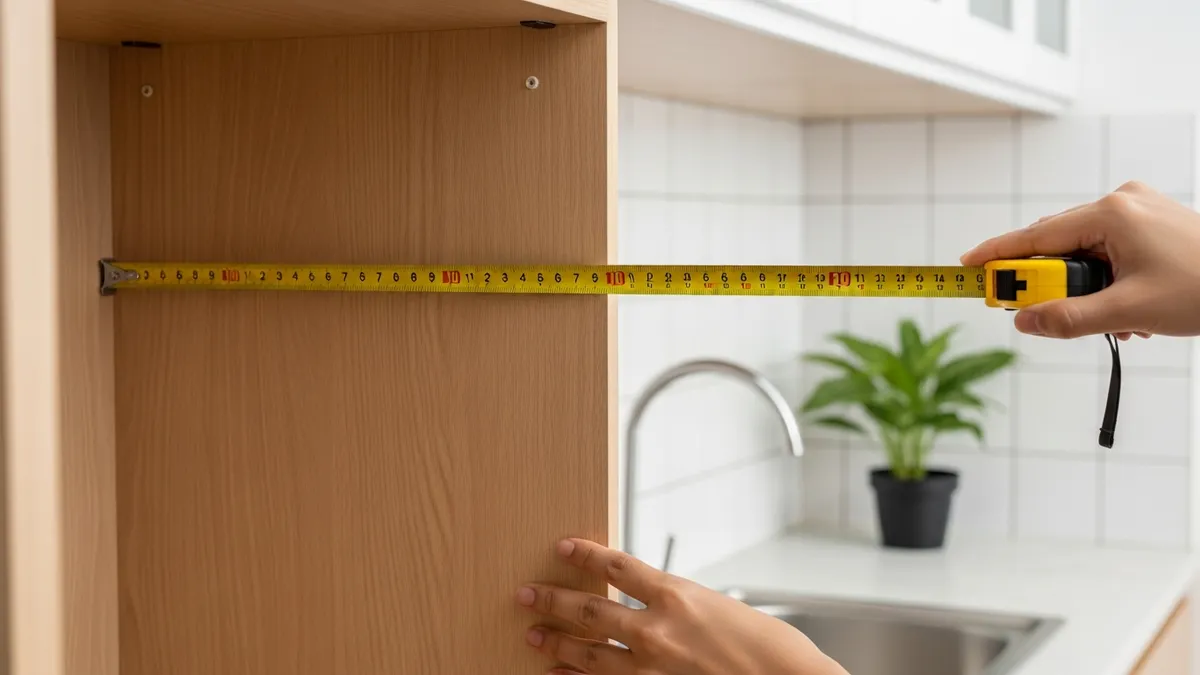
Steps to Measure Your Cabinet Correctly
- Measure the interior width from the inside left wall to the inside right wall. Write it down.
- Measure the cabinet depth from the door to the back wall. Standard base cabinets typically run 18 to 24 inches deep.
- Measure the interior height from the cabinet floor to the shelf above it, or to the top of the cabinet if there is no divider.
- Note the door and hinge dimensions if relevant, especially for racks that mount behind the door.
- Subtract about an inch from each dimension for clearance so the rack can slide in and out easily.
- Take a photo of the cabinet interior before shopping in store or online, so you have a reference while comparing products.
Pro tip: For pull-out dish racks, make sure the slide depth matches your cabinet depth. Most standard drawer slides need at least 16 inches of depth.
The Best Materials for In-Cabinet Dish Racks in Humid Kitchens
Choosing the right material matters, especially if you live somewhere warm and humid. The wrong material can rust, grow mold, or wear out much faster.
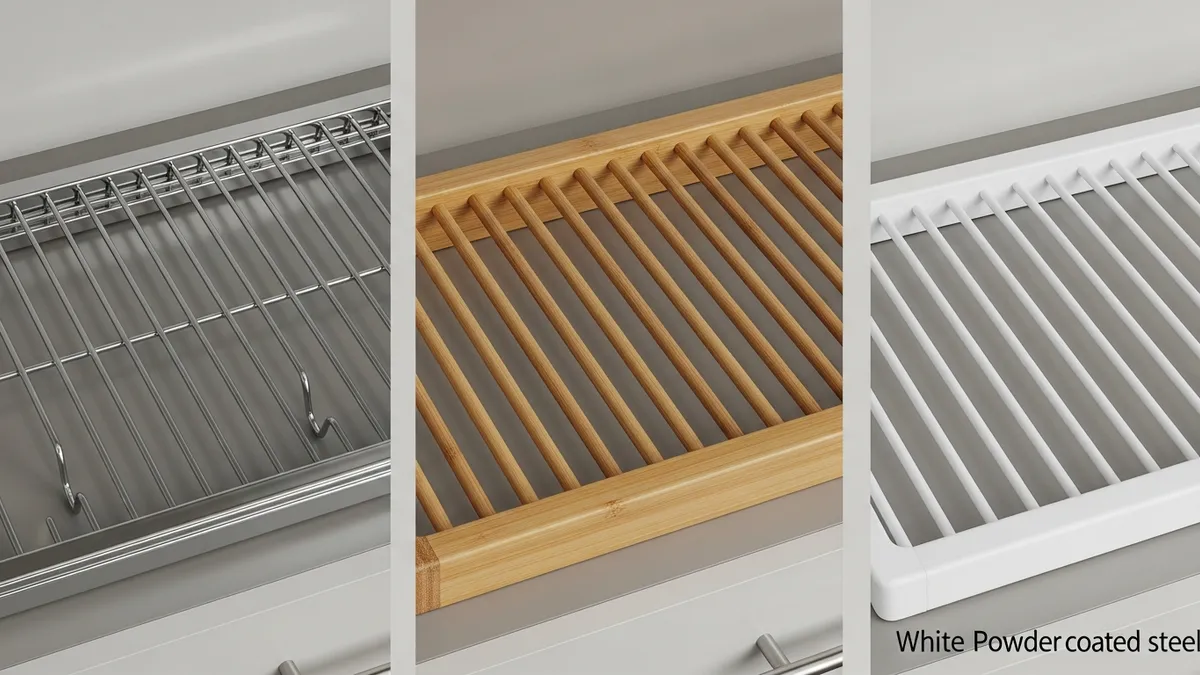
304 Stainless Steel
Grade 304 stainless steel is a strong choice for long-term use in a busy kitchen. It resists moisture and is easy to clean. That said, the quality of the welds, the surface finish, and how consistently you keep the rack dry still affect its lifespan.
- Durability: Excellent resistance to rust and corrosion
- Care: Easy, just wipe with a damp cloth
- Price range: Mid-range to premium depending on size and features
Powder-Coated Steel
Steel with a powder-coat finish (a baked-on powdered paint layer) comes in more color options such as white, black, or gray. The coating protects against rust, though not quite as well as solid stainless steel.
- Durability: Good, as long as the coating stays intact
- Care: Avoid abrasive sponges that can scratch the coating
- Price range: Budget-friendly to mid-range
PP Plastic (Polypropylene)
PP plastic is the most economical and lightweight option. Make sure to choose BPA-free plastic for your family's safety. PP plastic never rusts, but it can warp or deform if exposed to excessive heat for long periods.
- Durability: Good enough for everyday use
- Care: Easy to clean, can be washed directly
- Price range: The most budget-friendly option
Bamboo
Bamboo is a beautiful natural choice, but it needs extra attention in humid environments. Poorly maintained bamboo can become a breeding ground for mold. Look for bamboo that has been carbonized or treated with an anti-mold coating.
- Durability: Moderate, needs regular care
- Care: Keep it from staying damp, dry it right away after contact with water
- Price range: Budget-friendly to mid-range
Tips for Choosing the Right Dish Rack for Your Kitchen Cabinet
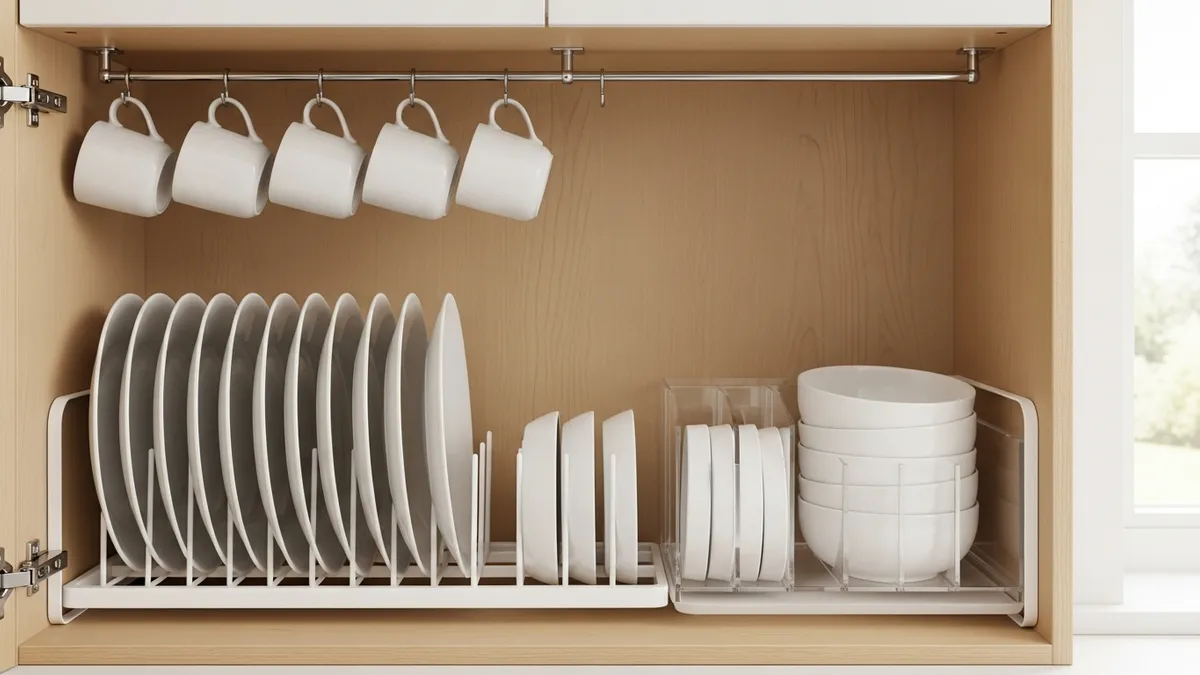
Now that you know the types and materials, here is a practical guide to choosing a dish rack for kitchen cabinet that truly fits your household's needs.
Match the Rack to Your Cabinet Type
Kitchen cabinets generally come in two kinds: upper cabinets, usually used for glasses and lighter plates, and lower (base) cabinets, better suited to large plates and heavier items. Choose a dish rack designed specifically for the type of cabinet you have.
For more ideas on optimizing your kitchen cabinets as a whole, check out 25+ Creative Kitchen Cabinets Organizer Ideas to Transform Your Storage Space in 2026.
Consider the Capacity You Need
First, count how many plates, bowls, and glasses you need to store. A typical family of four needs capacity for at least 12 plates, 8 bowls, and 8 glasses. Pick a rack that holds at least that much with a little room to spare.
Check the Mounting System
There are three common mounting systems: screw-mounted (permanent), drawer-slide (pull-out), and no-install (a stand-alone insert that simply sits inside the cabinet). If you rent your home or apartment, a no-install insert is the safer choice.
Choose a Rack with a Drip Tray
Even though in-cabinet dish racks are usually used for dishes that are already dry, some residual water can still drip. Choose a rack with a drip tray to protect the cabinet floor from moisture damage.
Consider Extra Accessories
Some in-cabinet dish racks come with accessories like mug hooks, bowl dividers, or cutlery holders. These features can be a big help in organizing different kinds of dinnerware within one integrated unit.
How to Install a Dish Rack Inside a Kitchen Cabinet
Installing an in-cabinet dish rack does not always require a professional. Many products are designed for DIY installation with clear instructions. Here are the general steps.
Preparation Before Installation
- Clean the inside of the cabinet thoroughly. Remove everything and wipe the interior surfaces until dry.
- Gather your tools: a screwdriver, a drill (if needed), a small level to make sure the rack sits even, and a pencil to mark positions.
- Read the installation guide included with the product carefully before you start.
Installation Steps for a Fixed Wire Rack
- Position the rack inside the cabinet and mark the screw points with a pencil
- Drill pilot holes at the marks, using a bit suited to your cabinet material
- Insert the screws and tighten them with a screwdriver
- Test the rack's stability with a light load before filling it completely
- Place the drip tray under the rack if one is included
Installation Steps for a Pull-Out Rack
- Mount the drawer slides on both interior walls of the cabinet per the instructions, using a level to make sure both slides are parallel
- Click or lock the rack onto the installed slides
- Test the movement, making sure the rack pulls out and pushes in smoothly
- Adjust the stoppers on the slides so the rack cannot be pulled out completely and fall
Safety note: For wall-mounted upper cabinets, make sure the total weight of the rack and its contents does not exceed the cabinet manufacturer's recommended capacity.
How to Maintain Your In-Cabinet Dish Rack So It Lasts
Proper care will extend your dish rack's lifespan and keep your dinnerware clean. Here are some maintenance tips you can put into practice right away.
- Wipe the rack regularly, at least once a week, with a damp cloth to prevent buildup
- Dry your dishes before storing them in the cabinet to prevent excess moisture
- Inspect the rack monthly, especially screw joints and the moving parts on pull-out racks
- Clean the drip tray regularly, at least twice a month, to prevent standing water and mold growth
- Never store dishes that are still hot, since heat can damage the cabinet finish and the rack material
- Lubricate the drawer slides on pull-out racks every 3 to 6 months to keep the motion smooth
For a more complete kitchen storage system, explore the range of kitchen organization products at Sesoris designed for real households.
Dish Rack Layout Ideas for Different Cabinet Sizes
Every home has a different cabinet configuration. Here are a few layout ideas you can adapt to your own kitchen.
Small Kitchen Cabinets (Under 24 Inches Wide)
For small cabinets, choose a simple insert rack without excessive accessories. Store plates vertically using slot dividers to save horizontal space. Bowls can be stacked directly or with dedicated dividers. For more complete small-kitchen design inspiration, the article How to Organize a Small Apartment Kitchen is a very helpful reference.
Medium Kitchen Cabinets (24 to 36 Inches Wide)
Medium cabinets give you more flexibility. You can use a modular rack with zones: one zone for plates, one for bowls, and mug hooks up top. Consider a two-tier rack to take advantage of vertical space.
Large Cabinets or Kitchen Islands (Over 36 Inches Wide)
For large cabinets, a pull-out system is ideal. You can install two or three pull-out units in one cabinet, divided by category: everyday plates, dinnerware for guests, and kids' dishes. Also see Minimalist Kitchen Islands: Modern Design Solutions for Small Homes for more ways to optimize your space.
When hunting for visual inspiration, save only the examples whose cabinet size is close to yours. Beautiful photos in the wrong scale often lead people to buy the wrong rack, so write down your cabinet's width, height, and depth before comparing designs.
Safety References for Kitchen Storage
A tidy rack still needs to be a safe one. The EPA identifies moisture control as the key to mold prevention, so cabinets should be kept dry and ventilated. The EPA's guide to indoor air quality also stresses the importance of ventilation and controlling sources of moisture.
For food containers stored near your rack, follow the FDA's guidance on safe food storage. Frequently used items should sit at an easy-to-reach height, in line with basic ergonomics principles from OSHA, so you do not have to bend down or reach up constantly.
Do not let open cabinets or add-on racks block your exit paths. Ready.gov covers home fire safety and escape planning, and the NFPA provides home fire safety guidance. The practical rule is simple: keep flammable materials away from heat sources, maintain clear walkways, and never sacrifice emergency access for extra storage capacity.
Related Products from Sesoris
If you want to turn this guide into a real setup, start with Pull-Out Cabinet Organizer, 14 in. Wide and Double-Layer Bamboo Bread Box. For broader options, browse the Kitchen & Dining collection so the article journey does not stop at reading only.
Our practical rule: choose one product that solves the main clutter problem first, then add supporting organizers only when the daily workflow is already clear. This keeps the shopping path useful, not pushy.
FAQ: Common Questions About Dish Racks for Kitchen Cabinets
Q: Can an in-cabinet dish rack handle heavy ceramic plates?
Most stainless steel in-cabinet dish racks are built to hold a fair amount of weight. Still, always check the maximum load capacity listed on the product you plan to buy. For heavy ceramic plates, choose a rack with thicker slots and a sturdier material such as heavy-gauge steel or industrial-grade stainless.
Q: How long does it take to install a dish rack in a cabinet?
A simple insert rack with no screws can be set up in 5 to 10 minutes. For a rack with pull-out slides, expect 30 to 60 minutes depending on your experience and the tools you have on hand.
Q: Can I take the dish rack with me if I move?
It depends on the type. A screw-free insert rack can be moved anytime. A permanently screwed rack can be removed, though it will leave screw holes in the cabinet. A pull-out rack on slides can be removed too, but reinstallation takes more time.
Q: How much does a dish rack for a kitchen cabinet cost in 2026?
Prices vary widely by material and features. Simple plastic inserts are the most budget-friendly. Powder-coated wire racks sit in the low to mid range. Quality stainless steel pull-out racks are the premium option, with prices climbing based on size and brand.
Q: Can I install a dish rack in an older cabinet?
Yes, as long as the cabinet structure is still solid. For cabinets that are fragile or have peeling laminate, repair the cabinet first before installing a new rack. For older cabinets, a screw-free insert rack is the safer choice because it will not stress the structure.
Q: How do I make sure the rack will not damage my plates?
Choose a rack with protective coating or rubber lining on the plate slots. Avoid wire racks with rough or sharp edges. For fine ceramic or porcelain, a bamboo or plastic rack with rubber-lined slots is the best choice.
Q: Do dishes need to be completely dry before going into the cabinet?
Yes. Drain and dry your dishes before closing the cabinet so moisture does not get trapped inside. This habit helps prevent odors, mold, and corrosion on both the rack and the cabinet hinges.
Conclusion: Invest in a Dish Rack for Your Kitchen Cabinet for a More Organized Kitchen
Choosing the right dish rack for kitchen cabinet is a small investment that pays off in a tidier, more comfortable kitchen every day. With a dish rack integrated into your cabinetry, you get more than a visually cleaner kitchen; you get a more efficient storage system, better-protected dinnerware, and a more enjoyable cooking routine.
The key to picking the right dish rack for kitchen cabinet comes down to three things: a size that fits your cabinet dimensions, a material that stands up to humidity, and a design that matches your lifestyle and your family's needs.
In 2026, the range of products keeps growing and prices keep getting more accessible. There is no reason to let dishes pile up on your counter anymore. Start by measuring your cabinet today, work out how much capacity you need, and choose the rack that fits best.
To discover high-quality kitchen organization products for your home, visit Sesoris and find the best solutions for your kitchen. Also explore our best sellers and new arrivals for more inspiration. With Sesoris, a more organized life is not just a dream; it is a lifestyle that can start in your kitchen today.
Liked this guide?
Get new organizing guides and the occasional new product by email. No spam, unsubscribe anytime.
Related articles


Explore more articles
- 30+ Best Bathroom Storage Ideas to Maximize Every Inch of Your Space in 2026
- 25+ Best Stationery Organizer Ideas to Transform Your Desk in 2026
- 40+ Best Kitchen Decor Inspiration Ideas to Transform Your Cooking Space in 2026
- Small Living Room Organization Ideas: 30+ Smart Fixes
- Pantry Storage Rack: How to Choose the Best in 2026
- Clothes Storage Organizer: The Complete 2026 Guide
- Spring Cleaning Checklist 2026: Room-by-Room Deep Clean
- 30+ Storage Organizer Ideas for a Tidy Home 2026