
Clothes Storage Organizer: The Complete 2026 Guide
Discover the best clothes storage organizer ideas for a tidy, well-ordered closet, plus practical tips to organize clothes at home. Start now!
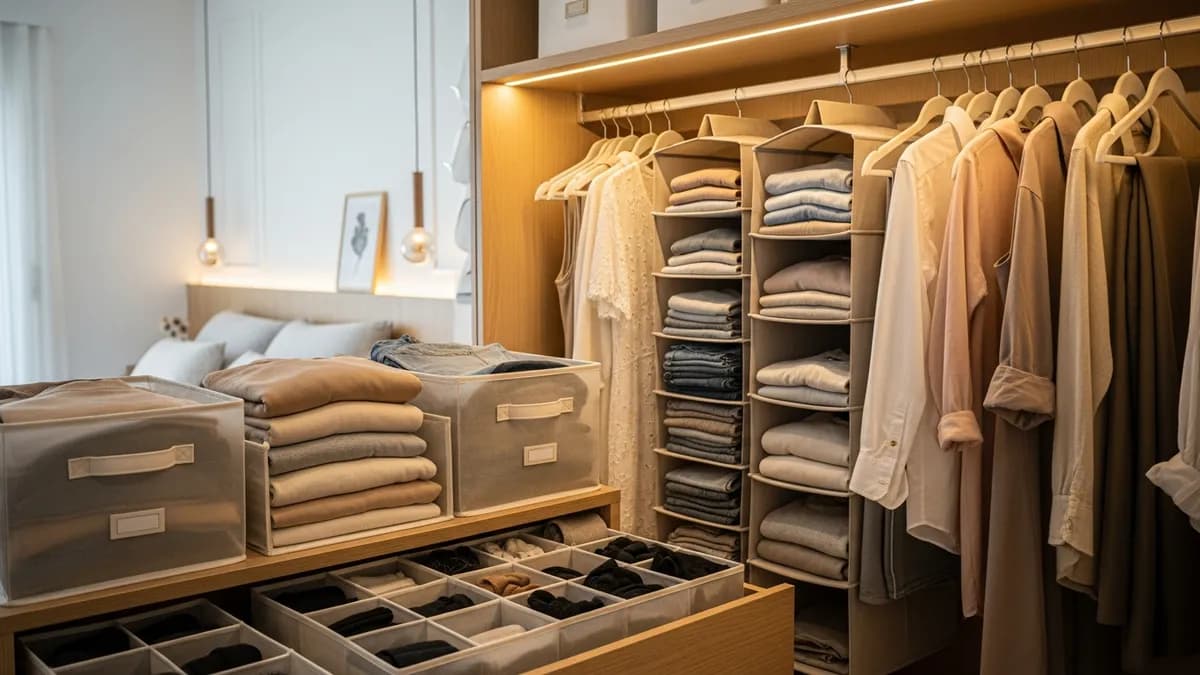
Ever open your closet in the morning and instantly feel overwhelmed by piles of clothes with no order to them? If so, you are not alone. One of the most effective solutions homeowners rely on today is a clothes storage organizer, a storage system built to make the most of every inch of closet space while keeping things tidy day after day. In 2026, the range of products and organizing ideas is broader than ever, and you can tailor it to your closet size, your lifestyle, and your budget. This article is a complete guide to help you choose, arrange, and get the most out of a clothes storage organizer at home.
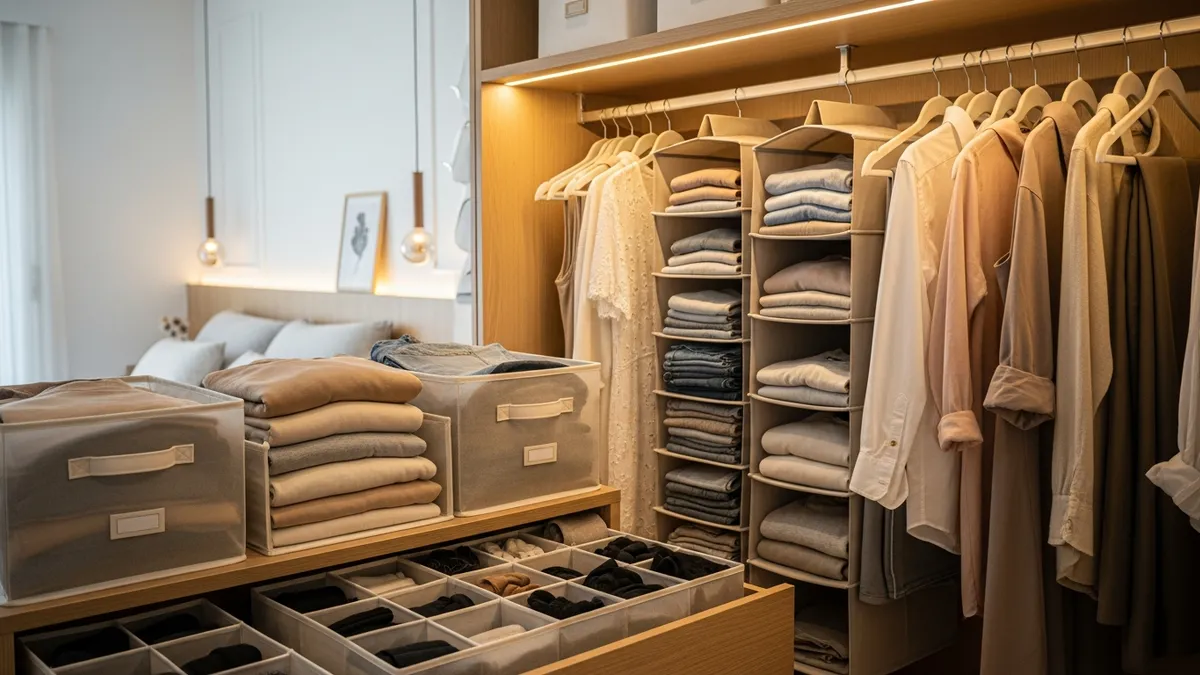
What Is a Clothes Storage Organizer and Why You Need One
A clothes storage organizer is a broad term for any product or system that helps you manage and store clothing in a more structured way. It can be a fabric storage box, a *drawer divider*, an extra hanging shelf inside the closet, a vacuum bag, or a modular system you can reconfigure as your needs change.
For a lot of busy households, the closet is the single hardest space to keep tidy. Stacked clothes, seasonal pieces eating up room, and accessories scattered everywhere are all incredibly common problems. With the right organizer system, you can:
- Find the piece you are looking for in seconds without digging through the entire closet
- Make the most of every corner, including the vertical space that usually goes unused
- Keep clothes in good shape because they are not crammed together or folded haphazardly
- Cut down on morning stress and save time getting dressed
- Give your closet a cleaner, more pleasing look you actually enjoy opening
According to guidance from The Spruce, one of the core principles of good closet organization is separating clothes by category and by how often you wear them, so the pieces you reach for most are easy to grab without disturbing the rest.
Popular Types of Clothes Storage Organizers in 2026
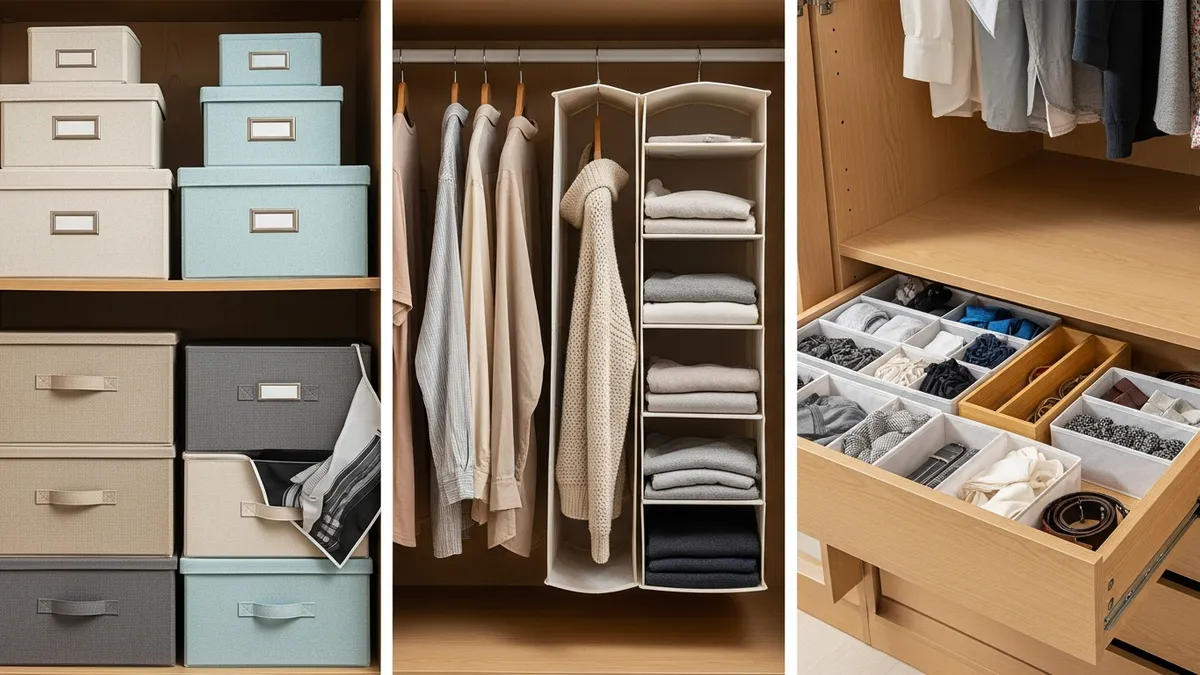
Before you buy, it helps to understand the types of clothes storage organizers out there so you can pick the one that fits your needs and your closet best.
1. Foldable Fabric Boxes
This is the most versatile type of organizer. Fabric boxes usually come in a range of sizes, fold flat when not in use, and are available in all kinds of colors and patterns. They are great for storing t-shirts, underwear, socks, or seasonal clothing. Their biggest advantages are that they are affordable, lightweight, and easy to stack.
2. Drawer Dividers
A drawer divider is a small accessory with an outsized impact. By installing dividers inside your dresser drawers, you can keep each clothing category neatly separated. They come in plastic, bamboo, or fabric with an adjustable sliding design that fits the width of your drawer.
3. Hanging Shelf Organizers
If your closet has tall hanging space, a hanging shelf organizer is a smart solution. It clips onto the closet rod and creates a stack of extra shelves below it. It is especially handy for storing sweaters, small bags, or folded clothing.
4. Vacuum Storage Bags
For seasonal clothing like heavy coats, blankets, or holiday outfits you do not wear year round, vacuum bags are the best solution. The air inside the bag is pulled out so the volume of the clothing shrinks dramatically, up to 70-75%, saving a significant amount of space.
5. Over-the-Door Organizers
The inside of your closet door is space that often gets ignored. Over-the-door organizers are usually multi-pocket pouches that can hold accessories, belts, scarves, or even shoes. It is a great way to use dead space without adding any furniture.
6. Modular Shelving Systems
If you want a long-term solution, a modular shelving system you can reconfigure is an investment worth making. This kind of system lets you add, remove, or rearrange shelves as your needs change over time.
Clothes Storage Organizer Ideas for Every Closet Size
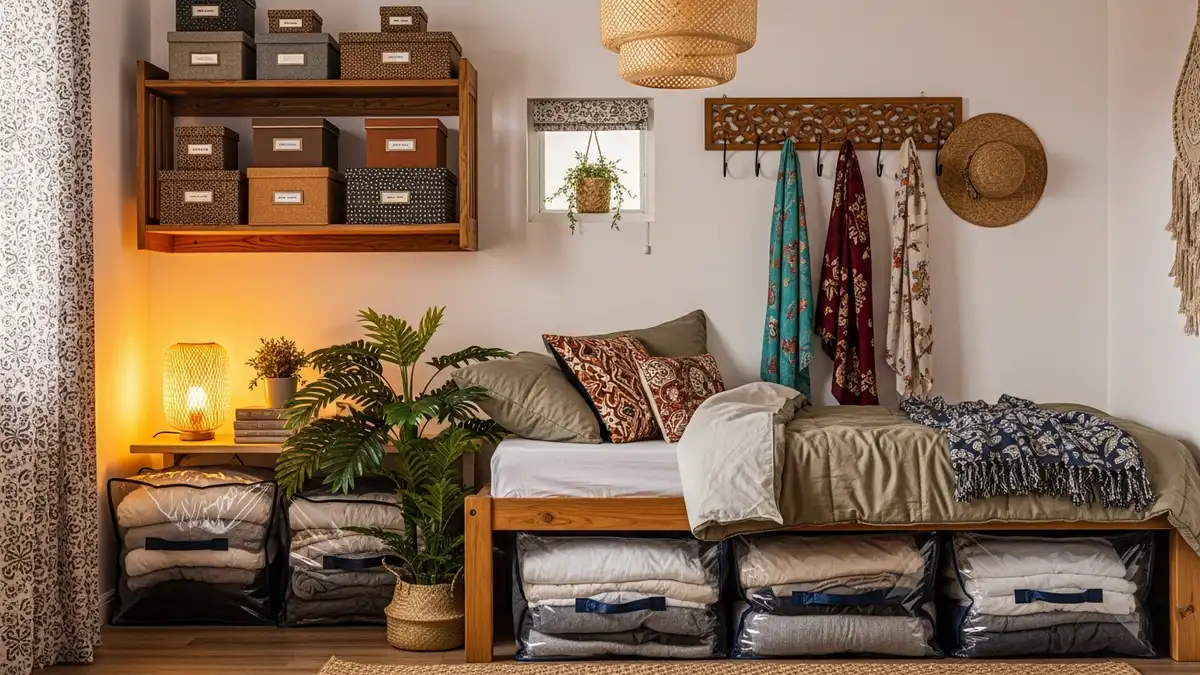
Not everyone has a spacious walk-in closet. In many homes, especially apartments and smaller layouts, you are working with a standard two-door wardrobe or even a single narrow hanging space. Here are ideas organized by closet size:
Small Closets (Under 40 Inches Wide)
For a small closet, the key is making the most of every inch you have:
- Use cascading hangers to hang two pieces of clothing on a single hanger
- Add stackable shelves at the bottom of the closet to pile up fabric boxes
- Rely on vacuum bags to store thick clothing you do not wear day to day
- Mount extra hooks on the inside of the closet door for bags, belts, and accessories
- Use small clear boxes to store accessories so they stay visible
Medium Closets (40 to 60 Inches Wide)
A medium-size closet gives you a bit more flexibility:
- Divide the closet into zones: a hanging zone for shirts and dresses, a folded zone for tees and pants, and an accessory zone
- Use a hanging shelf organizer to create extra layers in the hanging area
- Place labeled boxes on the top shelf for clothes you rarely use
- Add a small shoe rack at the bottom of the closet
Large Closets and Walk-In Closets
Having a large closet does not automatically mean it is tidy. Without a good system, even a roomy closet can turn into a mess:
- Use a color-coding system for hanging clothes so they are easy to find at a glance
- Use built-in drawers or add drawer organizers for socks and underwear
- Invest in premium storage boxes that look good for a boutique-style display
- Put the under-bed area to work with under-bed storage for seasonal items
For more detailed walk-in closet ideas, you can read 25+ Walk In Closet Organization Ideas to Transform Your Dream Wardrobe in 2026, which covers a variety of creative approaches.
How to Choose the Right Clothes Storage Organizer
With so many options on the market, how do you choose a clothes storage organizer that actually fits? Here are a few things to consider:
Match It to Your Closet Size and Type
Measure your closet dimensions carefully before buying. Pay attention to the width, height, and depth of the existing shelves or drawers. An organizer that looks great in a photo will not necessarily fit your closet. Write down the measurements first, then look for a product that matches.
Consider the Material
- Non-woven fabric: lightweight, inexpensive, great for storage boxes and hanging organizers
- Plastic: more durable, easy to clean, good for drawers and clear boxes
- Bamboo or wood: attractive and sturdy, ideal for premium drawer dividers
- Rubber or silicone: flexible, well suited to small in-drawer organizers
Think About Capacity and Real Needs
Count how many items you actually need to store. Do not buy a pile of tiny organizers that end up too small to hold everything, or, on the flip side, boxes so big they waste space.
Pick Something Easy to Clean
In humid climates, clothes pick up moisture easily and can start to smell musty. Choose an organizer made from a material that is easy to wipe down or wash, and make sure it has enough ventilation to keep air circulating.
Important tip: Before buying any new clothes storage organizer, declutter first. Get rid of clothing you have not worn in at least a year. Fewer clothes means fewer organizers you need, and the end result is far tidier.
Proven Folding and Storing Techniques That Work
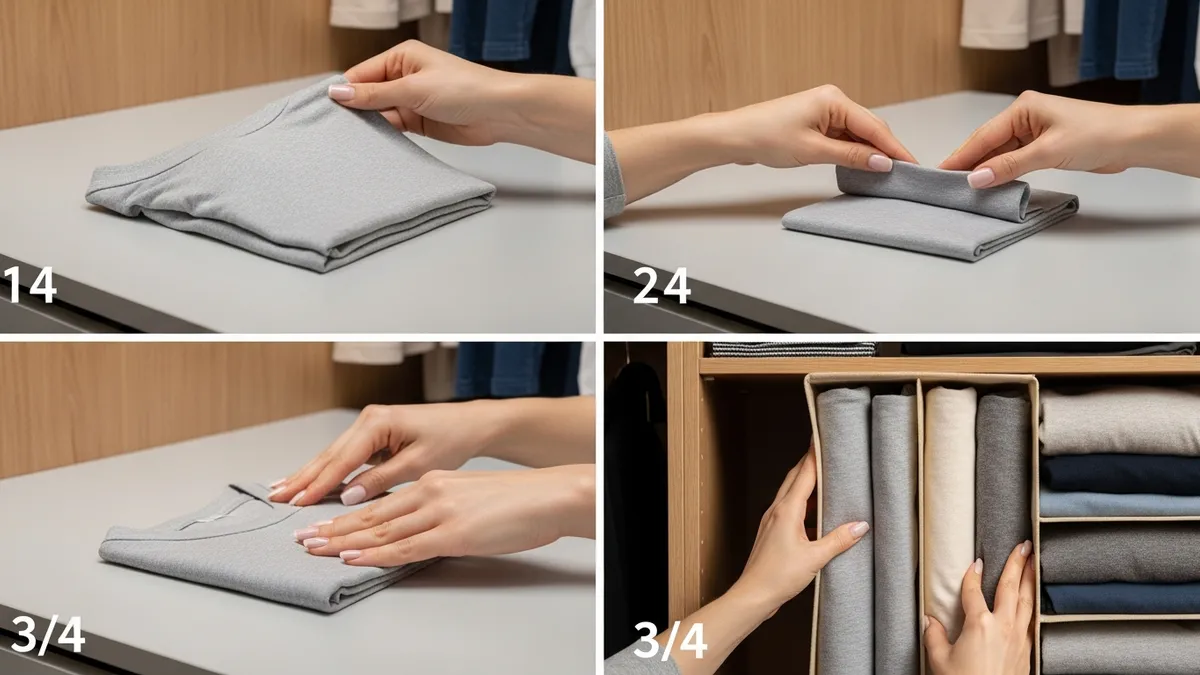
Even the best organizer will not perform well if your folding and storing technique is off. Here are methods that are proven to work:
The Vertical Fold (KonMari Method)
This method, popularized by Marie Kondo, suggests folding clothes into small rectangles that can stand upright. By storing clothes vertically in a drawer or box, you can:
- See your entire collection at once without lifting the items on top
- Grab one piece without disturbing the others
- Easily spot when a drawer is getting too full
- Roughly double your drawer capacity compared to horizontal stacks
Sort Clothes by Category
Group your clothes into logical categories that match your daily routine:
- Work clothes (dress shirts, blouses, slacks, skirts)
- Casual clothes (t-shirts, jeans, lounge pants)
- Activewear (gym shirts, running tops, yoga pants)
- Underwear and socks
- Sleepwear
- Formal or seasonal wear (suits, party outfits, special-occasion pieces)
The First In, First Out System
For clothes you rotate through often, apply the *first in, first out* principle used in inventory management. After doing laundry, put the clean clothes at the back or bottom of the stack, so the pieces in front or on top are the ones you have gone longest without wearing. This makes sure every item gets its turn.
For more closet-organizing inspiration, sites like Houzz and Real Simple offer plenty of idea galleries you can use as visual references.
Clothes Storage Organizers for Kids' Clothes
Managing a kid's closet is a challenge all its own. Children grow fast, clothes stop fitting quickly, and kids often are not tidy about putting their own clothes away. A few specific tips:
- Use picture labels instead of written ones for kids who cannot read yet, so they can put clothes back in the right spot on their own
- Choose organizers in bright, fun colors to make tidying up feel less like a chore
- Place organizers at a height kids can reach so they can grab and put away clothes independently
- Set up a seasonal rotation: store outgrown clothes in a separate box and label the size to donate or save for a younger sibling
- Keep one dedicated box for the favorite outfits your child asks for most, so they are easy to reach
You can find more complete ideas in Tips to Keep Your Kid's Room Tidy to help create a room that is both tidy and functional.
Aesthetic Closet Looks with Clothes Storage Organizers
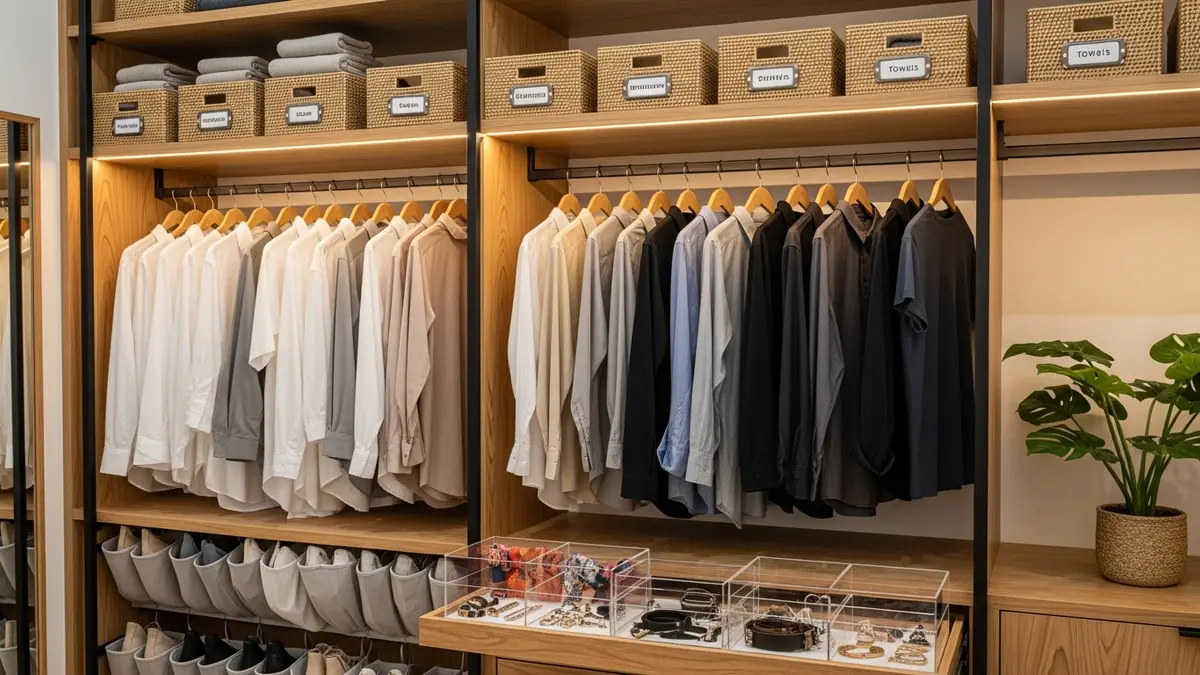
In the social media era, a tidy closet is not only about function but also about visual appeal. Here are a few closet looks you can try in 2026:
Monochrome Theme
Choose organizers in a single color (white, cream, or gray) for a clean, cohesive look. Arrange hanging clothes by color gradient, from light to dark. Add matching handwritten or printed labels for a polished finish.
Natural Theme with Organic Materials
Use rattan boxes or woven baskets to store folded clothes. Pair them with wooden hangers and bamboo drawer dividers. This look is a great fit for a *Japandi* style home (a blend of Japanese and Scandinavian design) that is trending in 2026.
Clear Bins for Easy Identification
Use clear plastic boxes or fabric boxes with a transparent window on the front. With this look, you do not have to open and close every box to find the piece you want. It is especially practical for storing kids' clothes or a varied clothing collection.
Mixing Hanging and Folded Storage
Instead of hanging everything, try combining hung clothes (shirts, dresses, jackets) with folded clothes stored in boxes (t-shirts, casual pants, underwear). This approach maximizes space while making clothing care easier.
For even more visual inspiration, you can also visit Pinterest, which has thousands of closet-organizing idea galleries from around the world that you can adapt to your own space.
Clothes Storage Organizer Price Ranges in 2026
One of the things that makes a clothes storage organizer so accessible is its very wide price range. Here is a general overview of what you can expect to pay:
- Small foldable fabric boxes: from $3 to $10 each
- Medium to large foldable fabric boxes: from $10 to $25 each
- Adjustable plastic drawer dividers: from $5 to $15 per set
- Hanging shelf organizers: from $12 to $35
- Over-the-door organizers: from $15 to $45
- Vacuum bags in various sizes: from $6 to $25 each
- Complete organizer sets: from $35 to over $90
The prices above are estimates and can vary depending on the brand, material quality, and where you shop. Buying a set or bundle is usually more economical than buying pieces individually.
How to Care for Your Clothes Storage Organizers
Investing in good organizers should be paired with proper care so they last:
- Clean them regularly, at least once a month, especially the inside of boxes that touch clothing directly
- Avoid overloading, since cramming in too many clothes can damage the structure of a fabric box or a plastic divider
- Use a closet freshener that is gentle on clothes to keep things smelling fresh and to deter moths
- Check the zippers or Velcro on hanging organizers routinely and replace them promptly if they wear out
- Fold and store foldable organizers properly when not in use to keep their shape
- Avoid direct sunlight on fabric organizers so the colors do not fade
Related Products from Sesoris
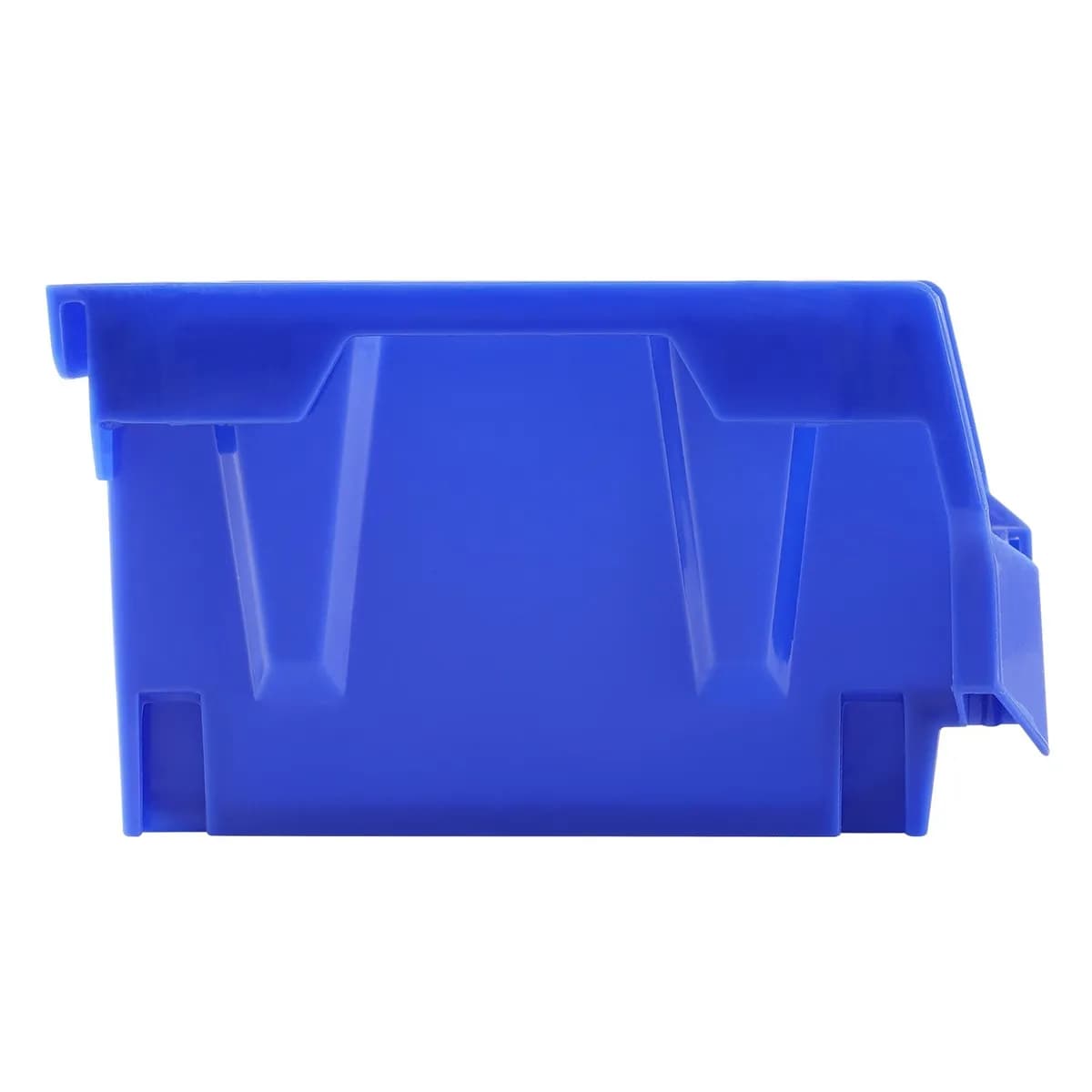
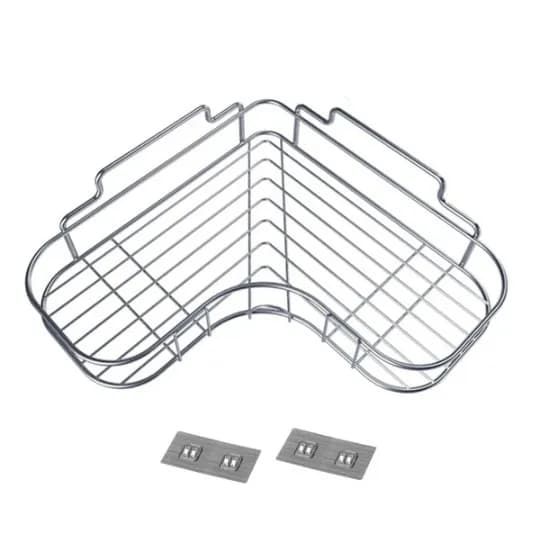
If you want to turn this guide into a real setup, start with Stackable Storage Bins, 24 Pack and Pull-Out Cabinet Organizer, 17 in. Wide. For broader options, browse the Home & Decor collection so the article journey does not stop at reading only.
Our practical rule: choose one product that solves the main clutter problem first, then add supporting organizers only when the daily workflow is already clear. This keeps the shopping path useful, not pushy.
FAQ: Common Questions About Clothes Storage Organizers
Q: Do I need to buy every type of clothes storage organizer at once?
No. Start by identifying your closet's main problem. If the issue is t-shirts scattered everywhere, buy a drawer divider or fabric box first. Add more gradually as your needs and budget allow.
Q: How long does it take to reorganize a closet with an organizer system?
For a standard two-door closet, the full process, from decluttering to choosing organizers to reorganizing, usually takes 3 to 6 hours. If you do it in stages, section by section, you can finish it over a single weekend.
Q: Are fabric clothes storage organizers safe for all types of clothing?
Generally, yes. But for delicate fabrics like silk or velvet, make sure there are no rough surfaces on the organizer that could snag the fibers. Use a box with a soft inner lining, or wrap the clothing in tissue paper before storing it.
Q: How do I keep my closet tidy after organizing it?
The key is consistency. Get in the habit of always returning clothes to their spot after wearing or washing them. Do a mini review each week to make sure everything is still in the right place. Schedule a big declutter every six months.
Q: Do fabric box organizers hold up against humidity?
Plain fabric boxes are indeed prone to humidity. To fix this, add silica gel packets inside the box, use a moisture-absorbing product, and keep the closet away from direct water or steam. Alternatively, choose boxes made from a more moisture-resistant material.
Q: Are clothes storage organizers good for a small room or apartment?
Yes, as long as the size fits the available space. For a small room, prioritize vertical organizers, folding boxes, and drawer dividers to keep the floor area open. Avoid buying too many large boxes, which can actually make the room feel crowded.
Q: When is the best time to replace or add clothing organizers?
The best time is after reviewing your closet, not when you happen to spot a sale. If some clothes keep ending up in a mess even after being folded neatly, your storage system needs fixing. If everything is already easy to find, you do not need to add more organizers yet.
Conclusion
Having the right clothes storage organizer is a small investment that makes a big difference in your day-to-day quality of life. With an organized closet, your mornings feel calmer, your clothes last longer, and getting dressed becomes more efficient. In 2026, there are more clothes storage organizers than ever that are not only functional but also attractive, and they suit every closet size and home style.
The key to success is starting with a declutter, choosing organizers that fit your specific needs, using efficient folding techniques, and, most importantly, staying consistent about maintaining the system you have built. You do not have to do it all at once. Small, consistent steps lead to big changes over the long run.
Ready to start the journey toward a tidier, more organized closet? Explore the full range of home storage and organization products at Sesoris to find the solution that fits your needs best. From fabric boxes and hanging organizers to complete storage systems, it is all available in the Sesoris product collection at an affordable price. Because a more organized life starts with a tidy closet!
Liked this guide?
Get new organizing guides and the occasional new product by email. No spam, unsubscribe anytime.
Related articles


Explore more articles
- Bathroom Storage Solutions: The Complete 2026 Tutorial Guide to a Tidy, Organized Bathroom
- Top Rated Glass Food Storage Containers: Ultimate Buyer's Guide for 2026
- Lidded Food Storage Containers: The Complete 2026 Guide to Fresh, Organized Kitchens
- Glass Storage Food Containers with Lids: The Complete 2026 Review & Buying Guide
- 25+ Best Under Stairs Closet Storage Ideas to Transform Dead Space in 2026
- Newborn Closet Organization: The Complete 2026 Guide to a Perfect Baby Storage Space
- Refrigerator Organization: The Complete 2026 Guide to a Cleaner, Smarter Fridge
- 30+ Best Bathroom Shelf Ideas to Maximize Every Inch of Your Space in 2026