
Spring Cleaning Checklist 2026: Room-by-Room Deep Clean
A complete spring cleaning checklist for 2026. Practical, room-by-room steps to deep clean every corner of your home so it's tidier and more organized.

The seasons change, routines shift, and your home needs a little extra attention too. That's why a spring cleaning checklist is the most powerful weapon for anyone who wants to start a fresh chapter with a home that's genuinely clean, tidy, and organized. The concept is relevant for any household, especially at the start of the year, after a busy holiday season, or whenever your home feels too full and cluttered. With this complete guide, you won't have to wonder where to begin.

What Is Spring Cleaning and Why Does It Matter?
Spring cleaning literally means a spring-season clean, the act of cleaning and reorganizing your entire home thoroughly and deeply, far beyond the usual daily cleaning routine. Unlike everyday sweeping and mopping, spring cleaning covers the areas that often get missed: the backs of cabinets, under the sofa, vent grilles, and the gaps between furniture.
According to Good Housekeeping, a periodic deep clean doesn't just make a home look better, it also contributes to indoor air quality and the occupants' health. Dust, mites, and mold that build up behind furniture or in carpet can trigger allergies and breathing problems.
The best times to do a spring clean include:
- The start of a new year (January-February), as a fresh beginning
- After hosting a holiday gathering, when the home has just been full of guests and things have shifted around
- A seasonal transition, when the air is drier and items are easier to air out
- Before moving or renovating, so the process is more efficient
Without a structured checklist, a big clean often ends up half-finished: you're worn out but the results fall short. This is where a spring cleaning checklist acts as your road map.
Prep Before You Start: What People Often Forget
Many people dive straight into cleaning with no prep, then get overwhelmed halfway through. Spend 30 minutes on this prep before you begin:
1. Gather All Your Supplies
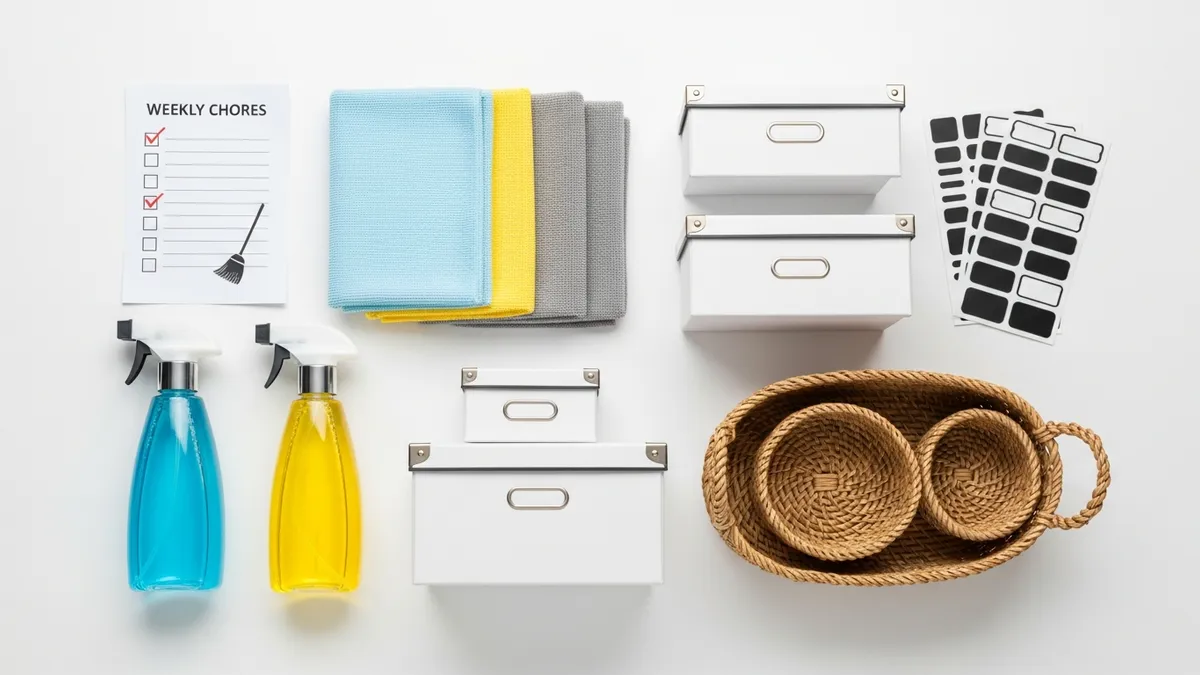
Collect all your cleaning and organizing supplies in one place before you start. This saves time because you won't have to keep hunting for tools:
- Microfiber cloths for various surfaces
- All-purpose cleaner, glass cleaner, and bathroom cleaner
- A broom, mop, and vacuum cleaner
- Brushes in various sizes for tight corners
- Large trash bags
- Boxes or baskets for sorting items
- Labels and a permanent marker for tagging
- Storage and organizer products to reorganize items after cleaning
2. Set a Realistic Schedule
A full spring clean for a mid-sized home usually takes a full weekend, or it can be split over several days. I suggest dividing by zone or room so you don't get overwhelmed:
- Day 1: Living room and entryway
- Day 2: Kitchen and dining area
- Day 3: Bedrooms and closets
- Day 4: Bathrooms
- Day 5: Utility areas (laundry, storage, garage)
3. The "Declutter First, Clean Second" Method
Before cleaning any surface, sort and remove items you don't need first. Following a principle popularized by various home-organization experts, ask yourself for each item: is this still used? Is it still in good condition? If not, set it aside in a donate, sell, or toss category.
Cleaning without tidying only moves the clutter from one place to another. Tidy first, then clean.
Spring Cleaning Checklist: Living Room and Entryway
The living room is the face of your home. It's the area guests see most, and also the area that collects the most out-of-place items.
Deep Cleaning the Living Room
- Move all furniture and clean the dust behind sofas, tables, and cabinets
- Wash pillow covers, sofa covers, and curtains (where possible)
- Clean fans or the AC: filters and fan blades are often dust magnets
- Wipe every surface, including around the TV remote, cables, and decor
- Clean the window glass inside and out
- Vacuum or wash the carpet
- Dust light fixtures and lamp fittings
- Check the condition of outlets and tangled cables; use a cable management system to keep things tidy
Reorganizing the Living Room
Once it's clean, this is the perfect time to reorganize. Consider whether the sofa and table positions are optimal for airflow and movement. Add a covered storage basket for blankets, spare pillows, or kids' toys that tend to end up everywhere.
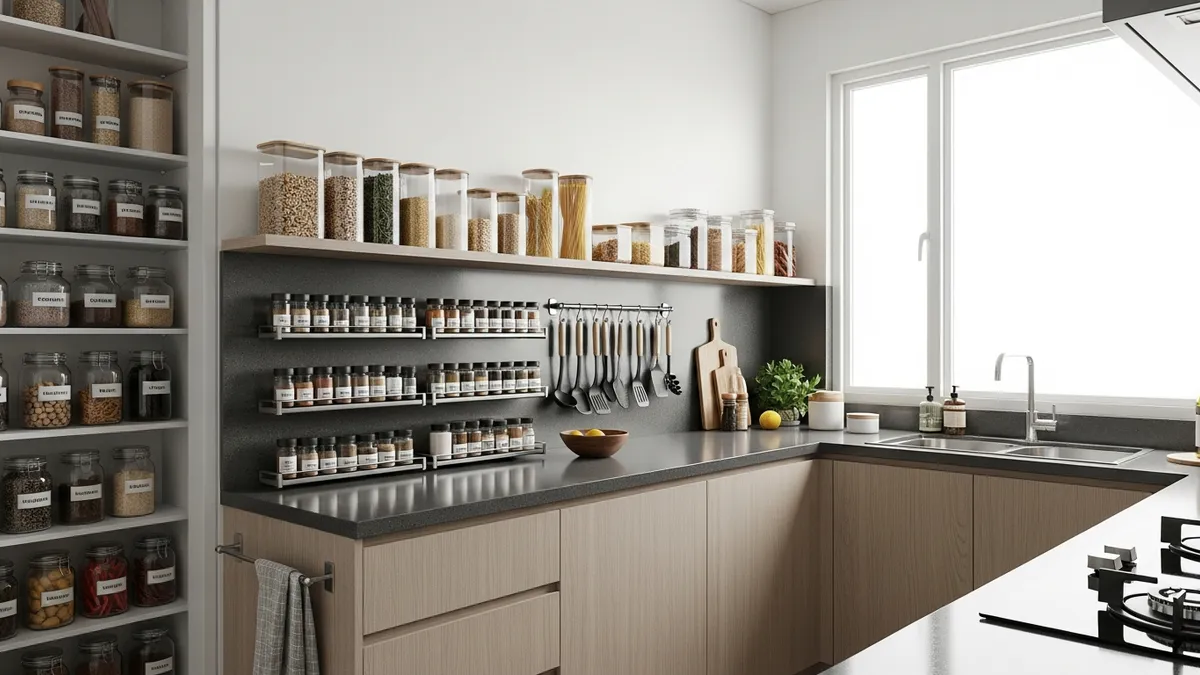
Spring Cleaning Checklist: The Kitchen, the Most Critical Area
The kitchen is the most intensively used room and the fastest to get dirty. A kitchen spring clean needs special attention to both cleanliness and food-storage organization.
Steps to Deep Clean the Kitchen
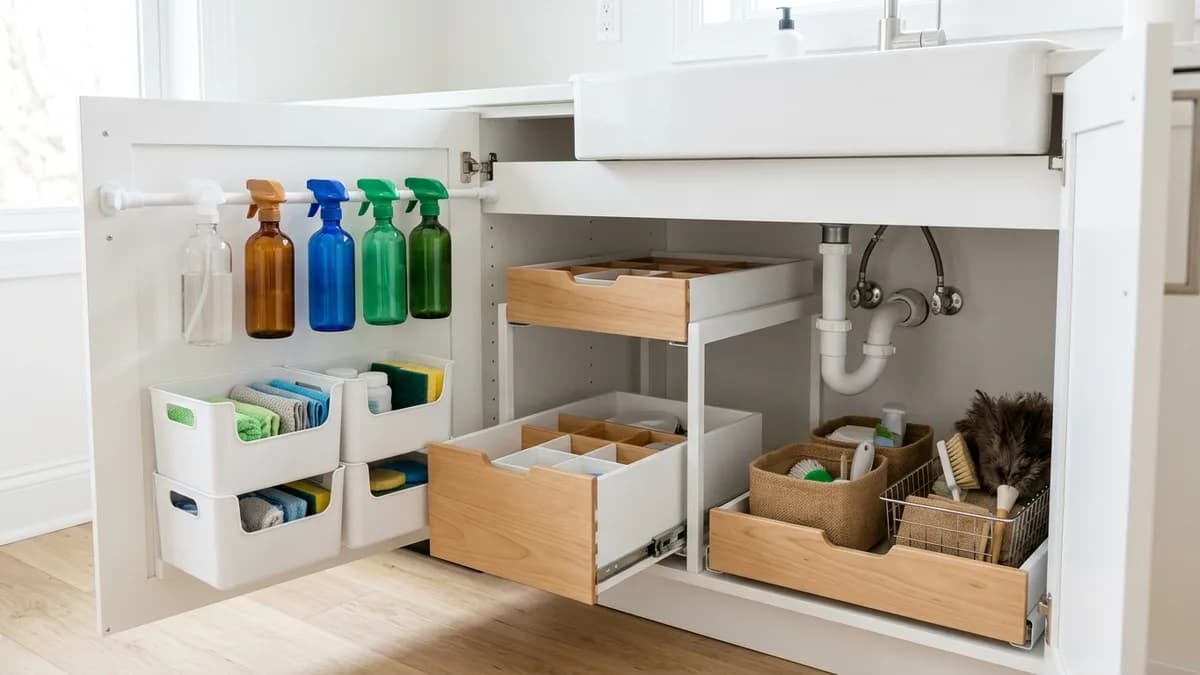
- Empty all cabinets and drawers one by one, wipe the insides, then return the contents more organized
- Clean the stove thoroughly: remove the parts that come off, soak them, and scrub off stubborn grime
- Defrost and clean the fridge: take everything out, toss expired food, wipe down every shelf and drawer
- Clean the microwave and oven: steam from hot water in the microwave helps soften dried-on food residue
- Wash cutting boards, pans, and cookware that are rarely used but stored in the cabinets
- Check your food storage containers: replace any that are cracked, smelly, or have broken lids with quality food storage containers
- Clean behind and under the fridge and stove
- Wash the dish cloths and sponges, or replace ones that are too old
Reorganizing Kitchen Storage
Once the kitchen is clean, it's time to set up a better storage system:
- Use airtight containers for rice, flour, sugar, and dry spices so they don't spoil quickly or attract pests
- Arrange your spices with an organized spice rack so they're easy to find while cooking
- Group cookware by how often you use it: frequently used within easy reach, rarely used in the upper cabinets
- Label every storage container so other family members can help keep things tidy too
An organized kitchen isn't just about aesthetics, it's about cooking efficiency and your family's food safety.
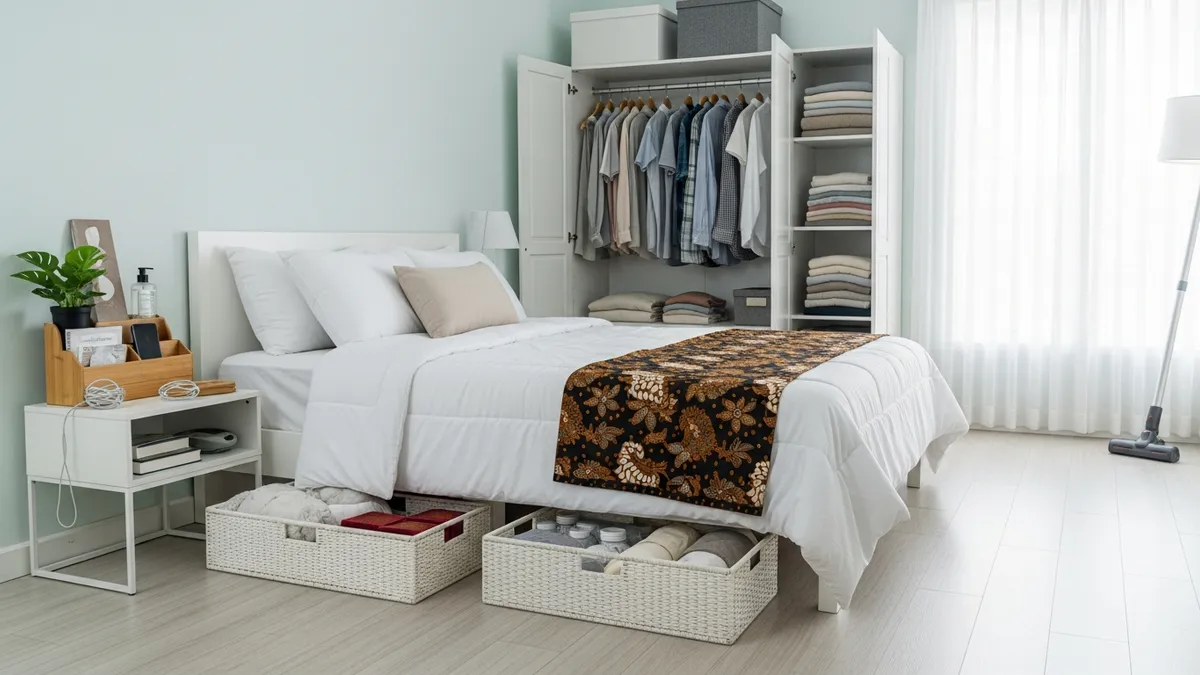
Spring Cleaning Checklist: Bedrooms and Closets
The bedroom should be the most comfortable, calm place in the home. But an overstuffed closet and dust under the bed can hurt sleep quality and health.
Deep Cleaning the Bedroom
- Wash all bedding: sheets, pillowcases, blankets, and comforters. Do it more often than usual, at least every 1-2 weeks
- Clean the mattress: vacuum the surface, flip or rotate it if possible, and air it out in sunlight when you can
- Clean under the bed: this is often where dust and forgotten items pile up
- Wipe every furniture surface including the nightstand, vanity, and photo frames
- Clean the bedroom fan or AC
- Check the condition of lights and outlets
Reorganizing the Closet
The closet is one of the areas that needs the most attention during a spring clean:
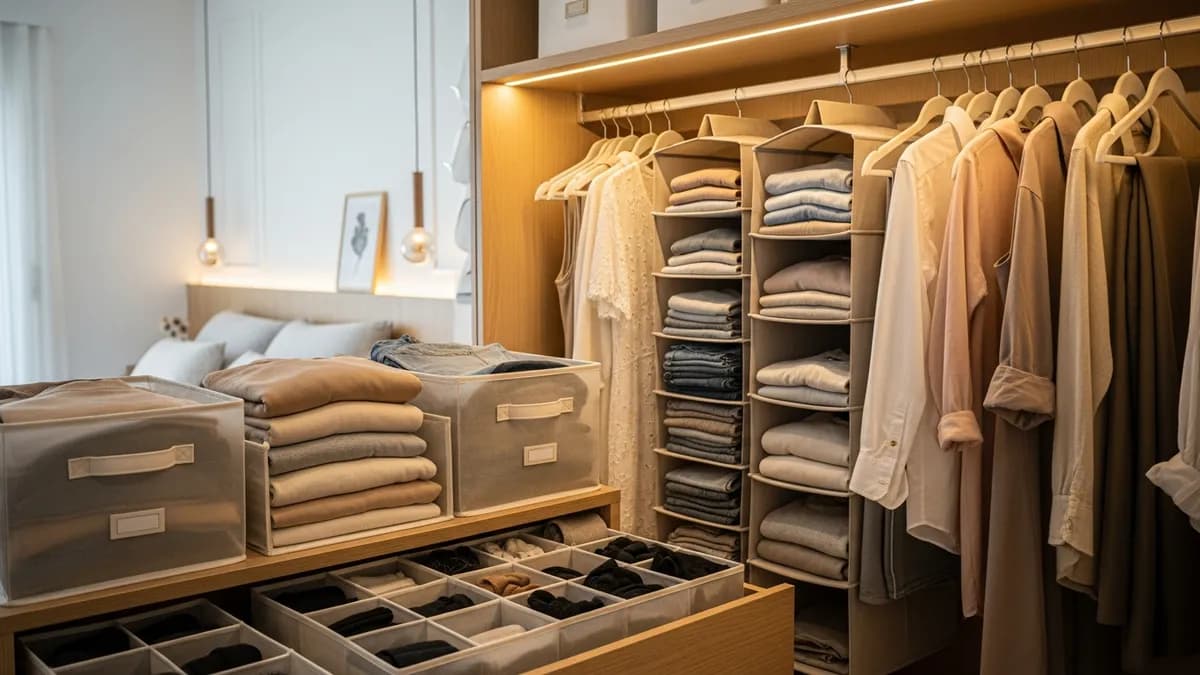
- Take everything out of the closet and sort into: still worn, doesn't fit anymore, damaged, and no longer liked
- Donate or sell clothing that's still good but unworn
- Wash or air out clothing that's been stored a long time before returning it to the closet
- Use vacuum storage bags for seasonal clothing or thick blankets so they take up less space
- Arrange clothing by category (t-shirts, shirts, pants, etc.) and color for easy searching
- Use storage boxes on top of the closet or under the bed for rarely used items
For complete closet-organizing inspiration, read our wardrobe organization guide.
Spring Cleaning Checklist: The Bathroom
The bathroom is the area most likely to become a haven for germs and mold if it isn't deep cleaned regularly.
Steps to Deep Clean the Bathroom
- Scrub scale and mold out of the grout (the filler between tiles) using a dedicated brush and a chlorine-based cleaner or white vinegar
- Clean the toilet thoroughly, including underneath and the seat hinges
- Drain and scrub the tub or shower area to remove soap scum and water stains
- Clean mirrors and glass of water spots using glass cleaner
- Wash the shower curtain or clean soap scum off the shower door
- Clean the drains: flush with hot water and baking soda to prevent odors
- Toss expired personal-care products: shampoo, conditioner, and skincare have expiration dates too
Reorganizing Bathroom Storage
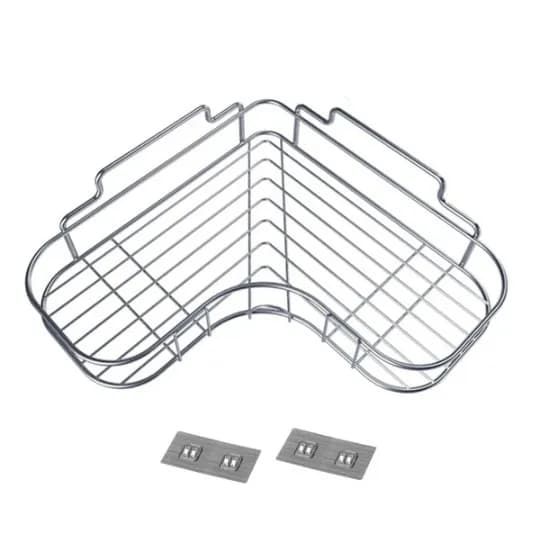
- Use a wall shelf or corner shelf to maximize vertical space
- Keep frequently used products within easy reach
- Use a basket or small organizer to group products by function
- Make sure the bathroom ventilation works well to prevent excess humidity that causes mold
Spring Cleaning Checklist: Utility Areas (Laundry, Storage, Garage)
Utility areas often become a "dumping ground" for items with no clear place to go. Spring cleaning is the right time to restore their function.
Laundry Area
- Clean the washing machine: run an empty cleaning cycle with white vinegar or a dedicated washer cleaner
- Clean the washing machine filter (if it has one) of built-up lint
- Wash or replace the washer's drip mat
- Clean and organize the storage shelf for detergent, softener, and other laundry products
Storage Room
- Take everything out and sort: what's still useful and what can be tossed or donated
- Clean the floor and walls of dust and cobwebs
- Use a clear storage system: sturdy shelves, labeled boxes, and grouping by category (sports gear, tools, seasonal decor, etc.)
- Check the condition of stored electronics: some may be repairable or sellable
Tips to Make Your Spring Cleaning Results Last
Deep cleaning your home is a big accomplishment. But the real challenge is maintaining the results. According to The Spruce, one key is building small, consistent habits rather than relying on a rare big clean.
The "One-In-One-Out" System
Every time you buy something new, make sure one item leaves the home. This prevents the buildup of unnecessary items and keeps your volume of belongings under control.
A Regular Cleaning Schedule
Split cleaning tasks into three tiers:
- Daily: wash dishes, sweep floors, wipe the dining table, put shifted items back
- Weekly: mop floors, clean the bathroom, vacuum sofas and carpets, take out the trash
- Monthly: clean the AC and fans, wipe cabinets, check the fridge and pantry
Invest in the Right Organization System
A home that's easy to keep tidy is one that has "a place for everything." Invest in the right organization products such as:
- Labeled storage boxes to group items by category
- Airtight containers for food and spice storage
- Drawer and cabinet organizers so contents don't get mixed up
- Functional shelves in every room to reduce clutter on the floor
Explore the full collection of home organization products at Sesoris to find the right solution for your home's needs.
A tidy home doesn't belong to people who don't have much stuff, it belongs to people who know where everything goes.
The Spring Cleaning Checklist in a Practical Format
Here's a summary of the complete spring cleaning checklist you can print or save on your phone as a guide:
General Prep
- Gather all cleaning and organizing supplies
- Make a room-by-room schedule
- Prepare sorting boxes: donate, sell, toss, keep
Living Room
- Move furniture and clean behind it
- Wash curtains and pillow covers
- Clean fans and the AC
- Wipe all surfaces and decor
- Clean the window glass
Kitchen
- Empty and clean cabinets and drawers
- Clean the stove, oven, and microwave
- Defrost and clean the fridge
- Check and replace damaged food storage containers
- Reorganize the food storage system
Bedroom
- Wash all bedding
- Clean the mattress
- Reorganize the closet
- Clean under the bed
Bathroom
- Scrub grout and tile
- Clean the toilet, sink, and shower
- Toss expired personal-care products
- Reorganize storage
Utility Areas
- Clean the washing machine
- Sort and tidy the storage room
- Clean the garage
For more specific reorganizing guides by area, you can read the various tutorial articles on the Sesoris blog.
Related Products from Sesoris
If you want to turn this guide into a real setup, start with Stackable Storage Bins, 24 Pack and Pull-Out Cabinet Organizer, 17 in. Wide. For broader options, browse the Home & Decor collection so the article journey does not stop at reading only.
Our practical rule: choose one product that solves the main clutter problem first, then add supporting organizers only when the daily workflow is already clear. This keeps the shopping path useful, not pushy.
FAQ: Common Questions About the Spring Cleaning Checklist
Q: How often should spring cleaning be done?
Ideally twice a year: at the start of the year and mid-year. Many people also do it around major holidays or year-end. What matters most is consistency, not frequency.
Q: How long does spring cleaning take?
For a mid-sized home, a thorough spring clean usually takes 2-4 days if you do it alone. Done with the whole family and a clear division of tasks, it can go faster.
Q: Which room should I start with?
Most organization experts suggest starting with the room you use most (usually the living room and kitchen), or with the room you avoid most because it's in the worst shape. Finishing the toughest room first gives you the motivation to keep going.
Q: How do I motivate myself to finish spring cleaning?
Break the work into small tasks, give yourself a small reward for finishing each room, and get the whole family involved. Playing your favorite music or a podcast also makes the process more enjoyable.
Q: Do I need to buy new organization products every spring cleaning?
Not always. First evaluate what you already have. Sometimes it's enough to reorganize and label existing containers. But if there's a real need, like a broken container or an area with no storage system at all, investing in the right products pays off in the long run.
Q: How do I dispose of old electronics responsibly?
Old electronics (e-waste) shouldn't be thrown out with regular trash because they contain hazardous materials. Take them to an official e-waste collection point, an electronics store that accepts trade-ins, or a recycling program in your city.
Conclusion: Start Your Spring Cleaning Today
A spring cleaning checklist isn't just a list of cleaning tasks, it's a refreshing ritual that gives your home and everyone in it a chance to turn a new page. With the step-by-step guide I've shared above, from prep to room-by-room cleaning to tips for maintaining the results, you now have everything you need to begin.
Remember, effective spring cleaning isn't only about cleaning, it's also about reorganizing your storage system so the home is easier to keep tidy every day. As our tagline at Sesoris says: A More Organized Life. That's not just a slogan, it's a lifestyle you can start with small, consistent steps.
Find all the home organization products you need to complete your spring cleaning, from storage boxes and airtight food containers to drawer organizers and versatile shelves, all available at Sesoris. Also check out our best sellers for inspiration on the products chosen most by fellow fans of a tidy home.
Liked this guide?
Get new organizing guides and the occasional new product by email. No spam, unsubscribe anytime.
Related articles

Explore more articles
- 30+ Best Bathroom Shelf Ideas to Maximize Every Inch of Your Space in 2026
- DIY Closet: Complete 2026 Guide to Building Your Dream Storage Space on a Budget
- 25+ Best Pantry Shelving Ideas to Transform Your Kitchen Storage in 2026
- 30+ Best Dresser Drawer Organization Ideas to Transform Your Bedroom in 2026
- Under-Bed Storage Ideas for Dorm Rooms
- 25+ Creative DIY Cardboard Box Storage Ideas to Organize Your Home in 2026
- 25+ Best Car Organization Ideas to Keep Your Vehicle Tidy in 2026
- Office Supplies Organization Ideas for Desks