
Decluttering Home Decor: The Complete 2026 Guide to a Beautiful, Clutter-Free Home
Master decluttering home decor with practical tips to simplify your space, keep what you love, and create a calm, beautiful home in 2026.

If your home sometimes feels more like a storage unit than a sanctuary, you are not alone. Decluttering home decor is one of the most transformative things you can do for your living space in 2026. Over time, decorative items accumulate from gifts, impulse buys, seasonal swaps, and old trends that no longer reflect who you are. The result is a home that feels visually noisy, stressful, and hard to keep tidy. The good news is that with the right approach, you can pare down your decor thoughtfully, keep only the pieces you truly love, and create a calm, beautiful home that feels intentional every single day.
Why Decluttering Home Decor Matters More Than You Think
Most people think of decluttering as sorting through closets and kitchen cabinets, but decorative objects are often the biggest source of visual clutter in a home. That collection of ceramic figurines on the mantel, the stack of decorative trays you never use, the seven throw pillows piled on your couch. Each item demands a small amount of your attention every time you walk past it. According to The Spruce, visual clutter is directly linked to elevated stress levels and difficulty relaxing at home. When you declutter your decor, you are not stripping your home of personality. You are editing it so that what remains can truly shine.
Decluttering home decor also has a practical side. Fewer items on surfaces means less dusting, less straightening up, and less time spent on maintenance. A curated space is simply easier to live in. And when every decorative piece has been intentionally chosen, your home will feel more cohesive, more stylish, and more like you.
How to Start Decluttering Home Decor: A Room-by-Room Framework
The biggest mistake most people make when tackling decor clutter is trying to do everything at once. Instead, I recommend working room by room, or even surface by surface. This keeps the project manageable and gives you visible wins that motivate you to keep going.
Step 1: Pull Everything Out
Start by removing every decorative item from a surface, shelf, or room. This gives you a clean slate and lets you see every piece you own. It is genuinely shocking how many decorative objects accumulate without you realizing it. Lay everything out on a large flat surface like a dining table or clean floor so you can evaluate it clearly.
Step 2: Sort Using the Three-Box Method
Divide your items into three categories:
- Keep: Pieces you actively love, that fit your current style, and that bring you joy when you look at them
- Donate or Sell: Items in good condition that no longer serve your space but could find a new home
- Discard: Broken, chipped, faded, or cheaply made items that are not worth passing on
Be honest with yourself here. Just because something was expensive or was a gift does not mean it deserves a permanent place in your home. As Good Housekeeping often notes, keeping items out of guilt is one of the top reasons homes stay cluttered.
Step 3: Apply the One-In, One-Out Rule Going Forward
Once you have edited your decor down to the pieces you love, commit to the one-in, one-out rule. Whenever you bring a new decorative item into your home, something else leaves. This single habit prevents the slow accumulation that leads to another round of overwhelm six months down the road.
Decluttering Home Decor by Room: What to Focus On
Every room in your home has its own unique decor challenges. Here is how to approach each space strategically.
Living Room
The living room is usually the most decorated room in the house, and therefore the one that benefits most from a good edit. Start with your coffee table. Most coffee tables are covered in decorative trays, stacks of books, candles, and remotes. Aim to keep just two to three intentional objects on the surface. Think a single tray with a small candle and one decorative object. Then move to your shelves and mantel using the same principle. Architectural Digest recommends grouping decor in odd numbers, typically threes, and varying heights for a collected but intentional look.
Key living room decor items to evaluate:
- Throw pillows (keep two to four that coordinate, donate the rest)
- Decorative throws (one or two per seating area is plenty)
- Framed photos and art (edit to your favorites, leave wall space between pieces)
- Figurines, vases, and knick-knacks (curate ruthlessly, group by color or theme)
- Candles and holders (keep a few you actually burn, donate the decorative-only pieces)
Bedroom
The bedroom should be your calmest, most restful space. Decor clutter here is particularly damaging to sleep quality and relaxation. Focus on your dresser top, nightstands, and any floating shelves. A nightstand with one lamp, one book, and perhaps a small plant is far more restful than a surface buried under trinkets.
For bedroom decor decluttering, consider these prompts:
- Does this item calm me or stimulate me when I see it at night?
- Would I buy this piece again today?
- Does it match the restful atmosphere I want in this room?
You can find helpful bedroom storage solutions on the Sesoris blog to replace clutter with functional, good-looking pieces that work harder for your space.
Kitchen
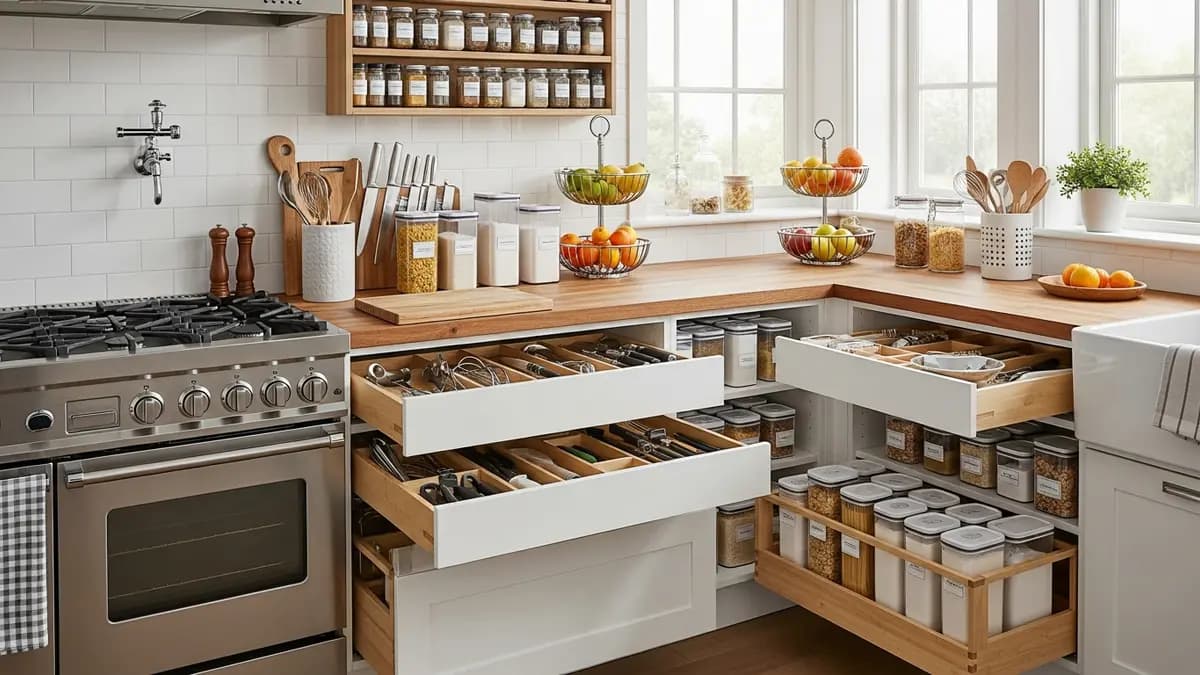
Kitchen decor clutter often hides in plain sight as countertop displays that started as intentional styling and became dumping grounds. Evaluate decorative canisters, countertop signs, fruit bowls you never use, and any knick-knack that landed on your counter "temporarily" months ago. For kitchen decor inspiration that stays clutter-free, check out our minimalist kitchen decor ideas guide.
Bathroom
Bathroom counters accumulate decor quickly. Decorative soap dispensers, small potted plants, candles, and framed quotes all compete for limited counter real estate. Edit down to the essentials and one or two truly loved decorative pieces. Everything else can go.
Smart Storage Solutions for Decor You Want to Rotate
Not every piece of decor needs to be on display all the time. One of the most effective strategies for decluttering home decor is creating a system for rotating seasonal and occasional pieces rather than displaying everything simultaneously.
A well-organized storage system lets you keep meaningful seasonal items without them contributing to everyday clutter. Consider these approaches:
- Seasonal boxes: Dedicate labeled boxes or bins to each season. When fall arrives, swap out your summer decor and store it cleanly until next year. Our seasonal decor storage guide walks you through the best systems for this.
- Under-bed storage: Flat storage containers under the bed are ideal for framed art, extra throw blankets, and holiday decor that is not in use.
- Decorative baskets: Use attractive baskets in your living room or bedroom to corral items like extra throws and pillows. They serve double duty as decor and storage.
- Cabinet storage for display items: If you have a china cabinet or built-in shelves with doors, rotate what is on display and store the rest behind closed doors.
- Labeled bins in a closet: For smaller decorative items like holiday figurines or seasonal candle holders, clear labeled bins on a closet shelf keep things organized and easy to find.
Explore our home storage solutions and best sellers at Sesoris for bins, baskets, and organizers that make rotating your decor effortless.
The Mindset Shift That Makes Decluttering Home Decor Stick
One of the reasons decor decluttering is uniquely challenging compared to decluttering clothes or kitchen gadgets is that decorative items carry emotional weight. A vase from your grandmother, a print you bought on a memorable trip, a ceramic piece you fell in love with at a local market. These items feel tied to your identity and your memories.
The goal of decluttering home decor is not to eliminate personality from your home. It is to ensure that every piece you display is one you have actively chosen, not one you have simply never gotten around to removing.
Here are some mindset shifts that help:
- Memories live in you, not in objects. You can take a photo of a sentimental item before donating it and keep the memory without the clutter.
- Less is actually more expressive. When your home has fewer items, each one receives more attention and tells more of your story.
- Your taste evolves, and that is okay. Decor that felt perfect five years ago might not reflect who you are in 2026. Letting it go is not disrespectful to your past self.
- Guilt is not a reason to keep something. If you are keeping a decorative item only because you feel bad getting rid of it, that is a sign it should go.
According to Real Simple, one of the most freeing realizations in the decluttering process is understanding that the purpose of a gift is the gesture, not the object itself.
How to Style Decor After Decluttering: The Art of the Curated Shelf
Once you have pared down your collection, the fun part begins: restyling your space with intention. A few simple principles make a huge difference.
The Rule of Three
Group decorative objects in threes for a naturally balanced, visually interesting arrangement. Vary the heights, textures, and shapes within each grouping. For example, a tall vase, a medium candle, and a small succulent creates a layered, intentional look.
Use Negative Space
After decluttering, resist the urge to fill every inch of shelf space. Negative space, the empty areas between objects, gives the eye a place to rest and makes each displayed item feel more special. Aim to leave at least a third of any shelf surface empty.
Anchor with Larger Pieces
Start with your largest, most meaningful pieces and build outward from there. A large piece of framed art or a statement vase anchors a vignette and makes smaller items feel intentional rather than random.
Add Life with Plants
A trailing pothos, a small succulent, or a fresh stem in a simple vase adds organic life and texture to any display without contributing to clutter. Plants are among the most effective, lowest-cost styling tools available.
For more inspiration on styling your shelves beautifully after a decor purge, browse our decorating wall shelf ideas and living room wall shelf decor ideas.
Decluttering Home Decor on a Budget: What to Do With What You Remove
One concern many people have about decluttering decor is what to do with the items they are removing, especially if they paid good money for them. Here are practical options:
- Facebook Marketplace or Craigslist: Great for selling higher-value pieces like art, mirrors, or statement lamps locally with no shipping required
- eBay or Poshmark: Ideal for unique, vintage, or brand-name decorative items that have a national market
- Consignment shops: Many local home goods consignment stores will take quality decor items and split the sale with you
- Donate to thrift stores: Goodwill, Habitat for Humanity ReStores, and local thrift shops accept most home decor in good condition
- Give to friends and family: Post in your group chat or on social media. Someone in your circle might love exactly what no longer works for you
- Repurpose creatively: A vase you do not love for flowers might work beautifully as a pencil holder on your desk, giving it a new life without leaving your home
Related Products from Sesoris
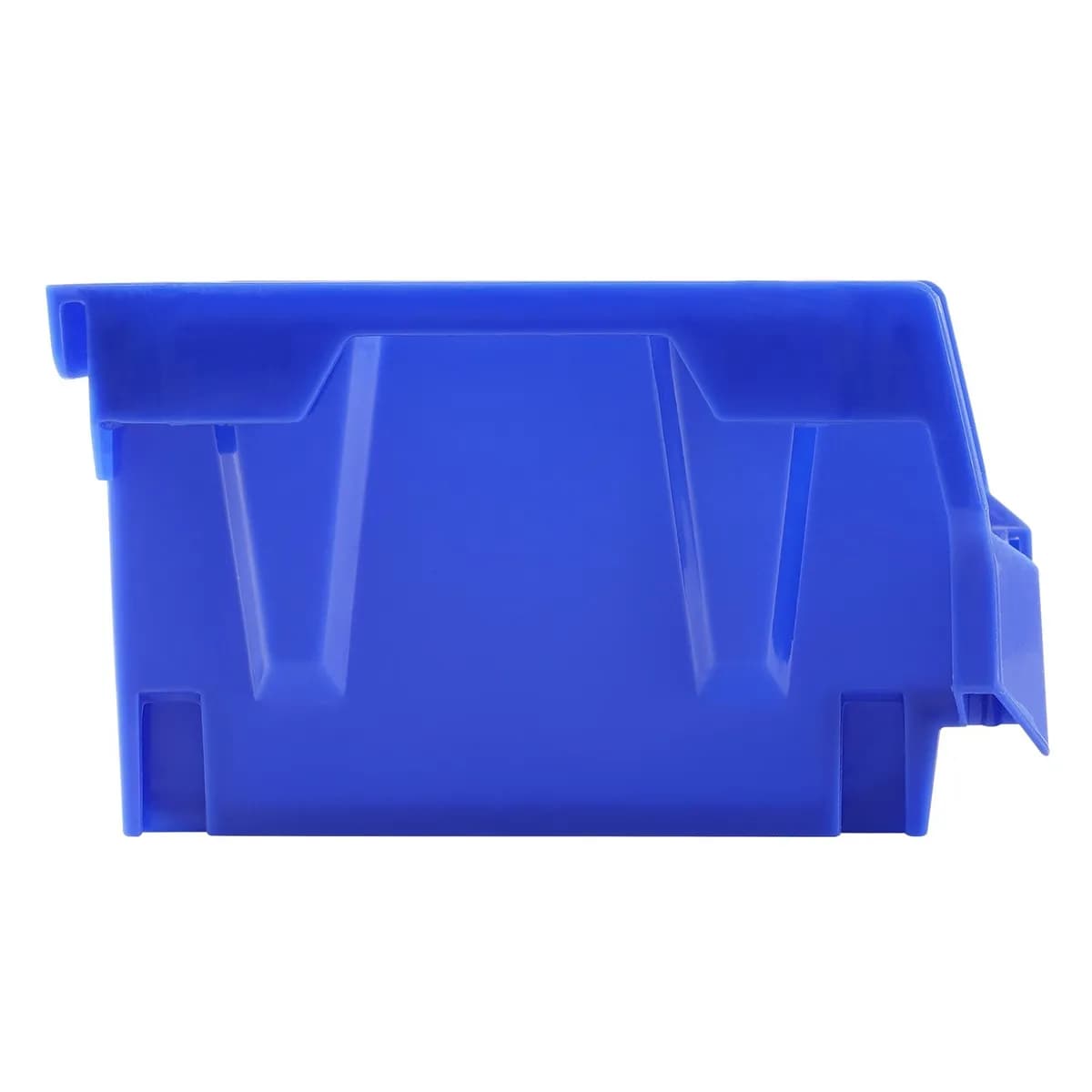
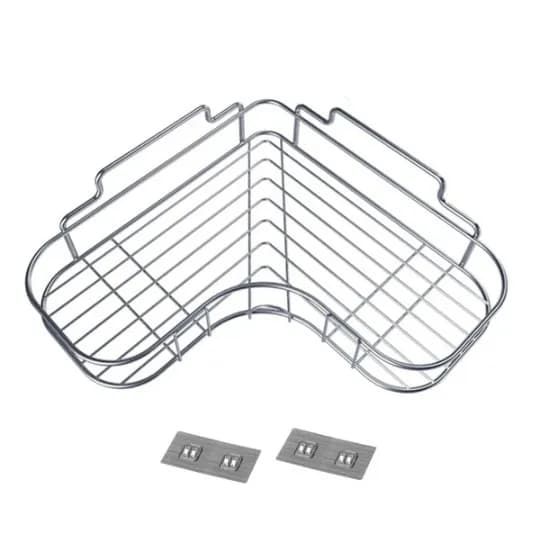
If you want to turn this guide into a real setup, start with Stackable Storage Bins, 24 Pack and Pull-Out Cabinet Organizer, 17 in. Wide. For broader options, browse the Home & Decor collection so the article journey does not stop at reading only.
Our practical rule: choose one product that solves the main clutter problem first, then add supporting organizers only when the daily workflow is already clear. This keeps the shopping path useful, not pushy.
FAQ: Frequently Asked Questions About Decluttering Home Decor
Q: How do I know if a decorative item is worth keeping?
Ask yourself three questions: Do I love this piece right now, not just in theory? Does it fit the style I am creating in my home in 2026? Would I buy it again if I saw it in a store today? If the answer to any of these is no, that is a strong signal the item should move on.
Q: How much decor is too much?
There is no universal number, but a good general rule is that any surface, shelf, or wall that makes you feel stressed or visually overwhelmed has too much on it. Aim for displays where each item is visible, intentional, and has breathing room around it.
Q: Should I declutter all my decor at once or room by room?
Room by room is almost always more effective. It keeps the project manageable, prevents your whole house from being upended at once, and gives you the satisfaction of completing one space before moving to the next. Start with the room that bothers you most.
Q: What do I do with sentimental decor I cannot display but cannot let go of?
Create a memory box. A single attractive box or bin where you store sentimental items that no longer fit your decor but still matter to you emotionally. This way, they are honored and preserved without cluttering your living space. Just commit to keeping it to one box.
Q: How do I stop buying decor I do not need?
Implement a 48-hour rule for any non-essential decorative purchase. If you still love it and have a specific place in mind for it after 48 hours, it might be worth buying. Most impulse decor purchases fade in that time. Also, keep your curated space in mind as a reference point when shopping.
Conclusion: A More Beautiful Home Starts with Less
Decluttering home decor is one of the highest-impact changes you can make to your living space in 2026. It costs nothing, it takes a weekend, and the results, a calmer, more beautiful, more intentional home, last for years when you maintain the habits. Start with one shelf, one surface, or one room. Edit what you own down to the pieces you truly love. Store seasonal items thoughtfully. And style what remains with intention and breathing room.
At Sesoris, we believe that living more organized means curating your home with purpose. Whether you need smart storage solutions for seasonal decor, decorative shelving ideas to display your edited collection beautifully, or organizational tools to keep your newly streamlined space tidy, we have everything you need to bring your vision to life. Browse our full collection of home organization products and take the first step toward the calm, clutter-free home you deserve.
Liked this guide?
Get new organizing guides and the occasional new product by email. No spam, unsubscribe anytime.
Related articles
Explore more articles
- Aluminum Kitchen Racks: Complete Guide to Durable Kitchen Storage Solutions 2026
- 25+ Smart Laundry Room Organization Shelves Ideas to Transform Your Space in 2026
- How to Organize Your Home: Expert Guide to a Tidy Living Space
- 35 Creative Wall Shelf Storage Ideas to Transform Your Home Organization in 2026
- 25+ IKEA Closet Organization Ideas to Transform Your Wardrobe Storage in 2026
- Best Airtight Storage Containers for Pet Food: Keep Your Pet's Food Fresh in 2026
- Complete Guide to Plastic Storage Containers Food: Best Solutions for Fresh Food Storage in 2026
- Glasslock Food Storage Containers: Complete Guide to Premium Glass Storage Solutions in 2026